Where to buy
See the current price, stock and delivery estimate on Amazon before you order. All orders are placed on Amazon. We may earn a commission from qualifying purchases. Every item below is an accessory, fuel or tool for a pellet grill you already own or plan to buy — none of them is a grill, and each one is labeled that way throughout this guide.
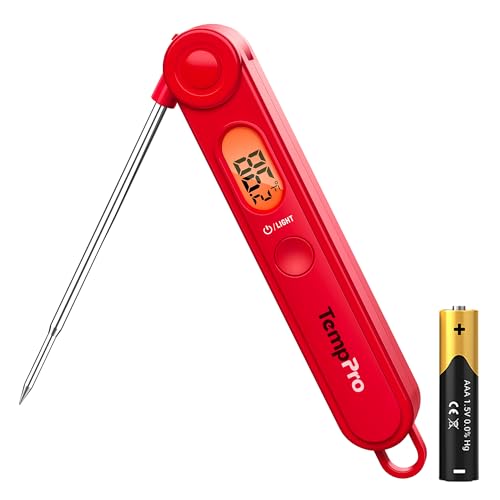
- Best overall for this budget: TempPro TempSwift Digital Meat Thermometer — Best buy that is legal everywhere — Check on Amazon
- Broil King 66900 Pellet Storage Bin — Best indoor-friendly storage — Check on Amazon
- Bear Mountain Gourmet Blend Wood Pellets, 20 lb Bag — Best fuel for a legal cook spot — Check on Amazon
See 3 more Amazon options
- Traeger Signature Blend Wood Pellets, 18 lb Bag — Best brand-matched fuel for a legal cook spot — Check on Amazon
- LIZZQ Premium Pellet Smoker Tube, 12 Inch — Best smoke booster — legal spots only — Check on Amazon
- Comnova Grill Cover for Traeger Tailgater 20 Series — Best cover for a shared-space grill — Check on Amazon
Read the full guide ↓
Disclosure: As an Amazon Associate, dailyhomedecorating.com earns from qualifying purchases. Links to Amazon on this page are affiliate links; they cost you nothing extra. Listing details such as price and availability change often, so check the current Amazon listing before you buy.
The search for the best pellet grill for apartments under $30 runs into two walls, and this guide will not pretend either of them away. The first wall is price: no pellet grill exists at $30 — the smallest portable models sell for several hundred dollars. The second wall is the one apartment shoppers hit even with a bigger budget: in most apartment buildings, a pellet grill cannot legally be used on the balcony at all. A pellet grill is an open-flame cooking device with a live fire pot, and the International Fire Code’s rule — adopted, often word for word, by cities across the US — prohibits open-flame cooking devices on combustible balconies and within ten feet of combustible construction in multi-unit buildings. Most leases and HOA rules go further and ban balcony grills outright, whatever the fire code’s exceptions say.
So the honest apartment strategy at this budget is not “which grill” but “which parts of pellet cooking can I legitimately set up now”. The answer is more than nothing. The thermometer in this guide involves no flame at all and transforms apartment cooking indoors and out. The storage bin lives happily in a closet or kitchen corner and keeps fuel ready for the places you can cook — a building’s shared courtyard grill area where rules allow, a friend’s backyard, a rented house for a weekend, a park shelter with a permitted grill. The pellets themselves are legal to own and store; it is only the burning location that rules govern. And the smoke tube and cover are picks for those legal cooking spots and shared setups, labeled as such, with no suggestion anywhere in this guide that you light anything on a balcony your lease or fire code forbids.
Every pick is labeled for what it actually is — tool, storage, fuel or accessory, never a grill — and each was verified against the Amazon Creators API before it earned a link. Read the rules section before the picks: knowing exactly what your lease, your HOA and your city’s fire code say is the highest-value research an apartment pellet shopper can do, and it costs nothing. Then spend the $30 on the parts of the hobby that are unambiguously yours to enjoy.
In this guide
Quick picks: the Best Pellet Grill for Apartments Under $30 kit at a glance
Every pick below is an accessory, fuel or tool — the honest contents of this budget. The keyword appears in this heading because it is the search you made; the table exists so you never mistake what the money buys.
| Pick | Best for | What it actually is | Key spec |
|---|---|---|---|
| TempPro TempSwift Digital Meat Thermometer | Best buy that is legal everywhere | Cooking tool — not a grill | Instant-read folding probe thermometer; backlit display; NSF certified (API title) |
| Broil King 66900 Pellet Storage Bin | Best indoor-friendly storage | Pellet storage accessory — not a grill | Sealed storage bin sized for pellet fuel; keeps pellets dry between cooks (maker line) |
| Bear Mountain Gourmet Blend Wood Pellets, 20 lb Bag | Best fuel for a legal cook spot | Wood pellet fuel — not a grill | 20 lb bag; 100% hardwood; no fillers or oils (maker/API title); works in all pellet grills |
| Traeger Signature Blend Wood Pellets, 18 lb Bag | Best brand-matched fuel for a legal cook spot | Wood pellet fuel — not a grill | 18 lb bag; hickory, maple and cherry hardwood blend (API title); made for Traeger pellet grills and smokers |
| LIZZQ Premium Pellet Smoker Tube, 12 Inch | Best smoke booster — legal spots only | Smoke accessory — not a grill | 12-inch stainless tube; fill with pellets for up to 5 hours of smoke (maker claim); hot or cold smoking on any grill or smoker |
| Comnova Grill Cover for Traeger Tailgater 20 Series | Best cover for a shared-space grill | Grill cover accessory — not a grill | 600D heavy-duty waterproof fabric (API title); fits Traeger Tailgater 20 / Junior 20 and similar small pellet grills |
How the picks for the best pellet grill for apartments under $30 were chosen
Selection started with a legality screen no other variant of this guide needed: any pick whose only plausible apartment use would violate a typical lease or the fire code’s balcony rule was either excluded or explicitly framed for permitted venues only. That is why the flame-free picks lead this guide. The thermometer involves no combustion and is legal in every kitchen and at every grill on earth. The storage bin is furniture, not a cooking device. The fuel picks are inert until burned, and the guide is explicit that they are bought for permitted cooking locations. The smoke tube, which does burn, is labeled legal-spots-only in its heading, its review and the tables. The cover protects a grill kept in a shared or permitted space.
Beyond the legality screen, the standard rules of this batch applied in full. Every pick is a real product from a recognizable maker, verified against the Amazon Creators API on this site — brand, type and format matching the API-returned title — before any link was added. Every pick is labeled with its true nature everywhere it appears, because in an apartment guide a misleading label is not just dishonest, it could talk someone into a lease violation. Prices are not printed; listings were sanity-checked against the tier at research time and readers are told to check the current price on Amazon. Every pick was screened against CPSC recall records, and recalled products were excluded outright.
The resulting kit is small-space practical as well as legal: a folding thermometer that lives in a cutlery drawer, a bin that fits a closet floor, bags of fuel sized to carry downstairs in one trip, a tube the size of a rolling pin, and a cover for the portable-class grills apartment cooks most often encounter in shared spaces. Nothing here needs a garage, a shed or a balcony to justify itself.
The apartment reality check: rules first, budget second
The fire code point deserves precision, because apartment shoppers get this wrong in both directions. The International Fire Code (section 308.1.4 in widely adopted editions, renumbered in newer ones) states that charcoal burners and other open-flame cooking devices shall not be operated on combustible balconies or within ten feet of combustible construction. Its exceptions cover one- and two-family dwellings, buildings whose balconies and decks are protected by automatic sprinklers, and small one-pound LP-gas devices. A pellet grill fits none of the comfortable readings: it burns wood in an open fire pot, it is not a tiny gas canister device, and most apartment balconies are combustible construction well within ten feet of more of it. Some jurisdictions treat pellet grills’ enclosed fire pot leniently; many fire marshals do not. Your lease is the second layer: the majority of apartment leases and condo HOA rulebooks prohibit balcony grilling in plain language, and a lease violation needs no fire marshal — management’s word is enough, with consequences from warnings to fines to non-renewal.
None of this makes pellet cooking closed to apartment dwellers; it relocates it. Many complexes have shared grilling stations or courtyard areas where cooking is explicitly permitted. Friends and family with houses are the classic venue, and arriving with your own pellets, thermometer and know-how makes you the guest who gets invited back. Short-term rental houses, campsites and park shelters with fixed grills are all legitimate stages. The kit in this guide is deliberately portable and venue-agnostic: nothing here assumes a balcony, a yard or any particular place to burn — it assumes you will cook where cooking is allowed, and it makes you good at it when you get there.
The budget reality is the same as everywhere at this tier: $30 buys no grill, and any listing suggesting otherwise is a part, a toy or a trap. What it buys is the legal-everywhere layer of the hobby — measurement and storage — plus fuel and accessories for permitted venues. Spend it in that order and nothing you buy can get you a lease warning.
The six picks in detail
TempPro TempSwift Digital Meat Thermometer — Best buy that is legal everywhere
What it is, honestly: Cooking tool — not a grill. Instant-read folding probe thermometer; backlit display; NSF certified (API title).
Who it suits: every apartment cook, unconditionally. Pellet cooking is done-by-temperature cooking, and so is good cooking generally — the chicken thighs on a courtyard grill, the pork shoulder at a friend’s house, the roast in your own oven all finish at a temperature, not at a time on the clock. A fast probe is how an apartment cook builds real skill without owning any outdoor appliance at all.
Pros
- Zero flame, zero fuel, zero rule issues — legal in every lease, kitchen and building ever written
- Instant readings at the thickest part of the meat turn guesswork cooks into repeatable ones
- Backlit screen earns its keep at shared grill stations at dusk and in dim apartment kitchens alike
- NSF certified per the listing, and it folds flat into a cutlery drawer — apartment storage math at its best
Honest limitation: it measures; it does not cook, smoke or grill anything, and no thermometer makes a forbidden balcony cook legal. It is also a single-point tool — thick cuts still need a check in two or three places before you call them done.
Choose it if you buy one thing from this guide — this is the one thing, whatever your building’s rules say. Skip it if you already own a good instant-read thermometer; apartments reward owning one, not two.
Broil King 66900 Pellet Storage Bin — Best indoor-friendly storage
What it is, honestly: Pellet storage accessory — not a grill. Sealed storage bin sized for pellet fuel; keeps pellets dry between cooks (maker line).
Who it suits: apartment cooks who keep pellets for cooking at permitted venues — a shared courtyard setup, a friend’s grill, trips to rented houses. In an apartment, fuel storage is an indoor problem: a sealed bin on a closet floor or beside the kitchen keeps pellets dry, contained and odor-neutral in a way an open bag slumped by the door never will.
Pros
- Sealed storage keeps pellets at bagged dryness in indoor air, which in steamy apartment kitchens is not guaranteed
- Contains the dust and the occasional spilled handful that make open bags unwelcome in small homes
- Makes a 20 lb fuel supply look like a deliberate container instead of clutter — landlord-visit friendly
- Doubles as the carry solution: bin in the trunk, and your fuel travels clean to wherever you cook
Honest limitation: storage is not a cooking device and holds nothing until pellets exist. In a truly tiny apartment even a bin’s footprint is a negotiation, so measure the closet corner before you order, and never store pellets near a heat source or on a balcony where weather reaches them.
Choose it if you plan to keep a bag’s worth of pellets at home for cooking elsewhere — this keeps them right. Skip it if you buy pellets per trip and burn them the same weekend; storage you never use is just a box.
Bear Mountain Gourmet Blend Wood Pellets, 20 lb Bag — Best fuel for a legal cook spot
What it is, honestly: Wood pellet fuel — not a grill. 20 lb bag; 100% hardwood; no fillers or oils (maker/API title); works in all pellet grills.
Who it suits: apartment cooks heading to a permitted grill — the building’s shared station if the rules allow a pellet cooker there, a friend’s backyard Traeger, a rental-house weekend. Bear Mountain’s gourmet blend is the crowd-safe flavor: mild-medium hardwood smoke that flatters everything from chicken to ribs without overwhelming any guest.
Pros
- 100% hardwood, no fillers or oils per the maker — clean fuel that any venue’s grill will burn happily
- Blend profile is the diplomatic choice for mixed crowds and mixed menus
- Low-ash burn leaves a shared or borrowed grill cleaner than you found it — guest etiquette in fuel form
- Burns in every brand of pellet grill, so it suits whatever cooker the venue provides
Honest limitation: fuel is only as useful as your access to a legal place to burn it — if you currently have no venue at all, buy the thermometer first and the pellets when a cook is actually scheduled. Once opened, the bag needs the sealed bin above to stay dry indoors.
Choose it if you have a cook on the calendar at a permitted spot and want one bag that covers the menu. Skip it if you have nowhere legal to cook yet — bank the money, not the bag.
Traeger Signature Blend Wood Pellets, 18 lb Bag — Best brand-matched fuel for a legal cook spot
What it is, honestly: Wood pellet fuel — not a grill. 18 lb bag; hickory, maple and cherry hardwood blend (API title); made for Traeger pellet grills and smokers.
Who it suits: apartment cooks whose permitted venue runs a Traeger — the most common borrowed grill in America — and who want to arrive with the exact hickory, maple and cherry blend the brand blends for its own machines. Showing up with the right fuel is how a guest cook gets handed the tongs.
Pros
- Hickory, maple and cherry is the classic barbecue trio — backbone, sweetness and color in one bag
- Brand-matched fuel makes a borrowed grill behave exactly as its owner expects
- 18 lb format is a one-trip carry from car to courtyard or backyard
- Consistent bag-to-bag quality helps you repeat a good cook in an unfamiliar kitchen-yard setup
Honest limitation: the brand premium is real per pound, and the lighter bag empties sooner on a long group cook. And the same apartment rule applies: these pellets are for a permitted venue’s grill — buying Traeger fuel does not make a forbidden balcony Traeger legal.
Choose it if your regular cooking venue is someone else’s Traeger and you want zero-friction fuel for it. Skip it if your venues vary by brand — the Bear Mountain blend above is the more universal guest fuel.
LIZZQ Premium Pellet Smoker Tube, 12 Inch — Best smoke booster — legal spots only
What it is, honestly: Smoke accessory — not a grill. 12-inch stainless tube; fill with pellets for up to 5 hours of smoke (maker claim); hot or cold smoking on any grill or smoker.
Who it suits: apartment cooks who use gas or charcoal grills at permitted venues — a building’s shared gas station, a park grill, a friend’s kettle — and want real wood smoke in food those grills cannot flavor on their own. The tube rides in a tote bag, fills with a handful of pellets, and smolders inside the host grill for hours. Legal spots only: the tube is a burning device, and every rule that bans a balcony grill bans a lit smoke tube just as completely.
Pros
- Turns any permitted gas or charcoal grill into a smoker for the length of a cook — up to five hours per fill on the maker’s figures
- Cold-smoke mode works on an unlit grill: cheese, nuts and salmon for apartment entertaining without any cooker purchase
- Rolling-pin size — the most portable serious tool in this guide, made for cooks who travel to their grill
- Stainless build survives being tossed in a tote with the tongs and thermometer
Honest limitation: it is an open burning-fuel device: never on a balcony, never indoors, never anywhere a grill itself would be banned — this cannot be said too plainly. It also needs a host grill and a proper light, and it adds smoke, not heat control.
Choose it if you regularly cook at permitted shared or borrowed grills and want your food to taste like yours. Skip it if your only cooking space is a balcony you are not permitted to grill on — in that case this pick is not for you, at any price.
Comnova Grill Cover for Traeger Tailgater 20 Series — Best cover for a shared-space grill
What it is, honestly: Grill cover accessory — not a grill. 600D heavy-duty waterproof fabric (API title); fits Traeger Tailgater 20 / Junior 20 and similar small pellet grills.
Who it suits: apartment cooks who co-own, store or regularly use a portable pellet grill — a Tailgater-class cooker kept in a storage unit, a shared courtyard (where the building permits keeping one), or a friend’s garage between group cooks. Small pellet grills live outdoors or in damp storage, and their controllers and hoppers suffer for it; a fitted cover is cheap protection for a shared asset.
Pros
- 600D heavy-duty waterproof fabric per the listing — the durable end of cover materials, not a plastic sheet
- Cut for Traeger Tailgater 20 / Junior 20-class grills, so it fits the portable cookers apartment cooks actually encounter
- Protects the hopper seam and controller — the two places weather hurts a pellet grill most
- Makes a stored grill look tidy and deliberate in shared spaces, which matters where storage is communal
Honest limitation: a cover protects a grill; it does not make keeping or using one legal where your lease forbids it — check your building’s storage rules as well as its cooking rules. It is also size-specific: it fits the portable class it names and nothing larger, and it goes on a cool, dry grill only.
Choose it if a portable pellet grill is part of your shared or stored setup and weather is reaching it. Skip it if you neither own nor regularly use a small pellet grill — a cover without a grill is the emptiest purchase in this guide.
Comparison table
All six picks side by side. Prices are deliberately not printed — check the current price on Amazon for each pick before you order.
| Pick | Category | Key spec | Price |
|---|---|---|---|
| TempPro TempSwift Digital Meat Thermometer | Cooking tool — not a grill | Instant-read folding probe thermometer; backlit display; NSF certified (API title) | Check price on Amazon |
| Broil King 66900 Pellet Storage Bin | Pellet storage accessory — not a grill | Sealed storage bin sized for pellet fuel; keeps pellets dry between cooks (maker line) | Check price on Amazon |
| Bear Mountain Gourmet Blend Wood Pellets, 20 lb Bag | Wood pellet fuel — not a grill | 20 lb bag; 100% hardwood; no fillers or oils (maker/API title); works in all pellet grills | Check price on Amazon |
| Traeger Signature Blend Wood Pellets, 18 lb Bag | Wood pellet fuel — not a grill | 18 lb bag; hickory, maple and cherry hardwood blend (API title); made for Traeger pellet grills and smokers | Check price on Amazon |
| LIZZQ Premium Pellet Smoker Tube, 12 Inch | Smoke accessory — not a grill | 12-inch stainless tube; fill with pellets for up to 5 hours of smoke (maker claim); hot or cold smoking on any grill or smoker | Check price on Amazon |
| Comnova Grill Cover for Traeger Tailgater 20 Series | Grill cover accessory — not a grill | 600D heavy-duty waterproof fabric (API title); fits Traeger Tailgater 20 / Junior 20 and similar small pellet grills | Check price on Amazon |
Fire safety for apartment cooks: rules, distance and ash
The apartment version of pellet fire safety starts with law, not technique. Before any cook, confirm three things: your lease or HOA rules on grilling and on storing cooking equipment, your building’s own policies for shared spaces, and your city’s fire code as adopted locally. The International Fire Code’s widely adopted rule bans open-flame cooking devices on combustible balconies and within ten feet of combustible construction in multi-unit buildings, with narrow exceptions — and a pellet grill, with its fan-fed fire pot and hopper of dry wood, is an open-flame cooking device for these purposes in the eyes of most fire marshals. When in doubt, ask the fire marshal’s office or your building management in writing; a rule you have read beats a rule you have assumed, and “other residents do it” has never been a defense.
Where cooking is permitted — a courtyard station, a ground-level area the building designates, a friend’s yard — the standard pellet safety discipline applies in full. Keep the grill on a level, non-combustible surface with the maker’s specified clearances from walls, railings, eaves and anything burnable, and never under a low overhang. Manage grease like the fire risk it is: line the drip tray, empty the grease bucket, and scrape the chamber after fatty cooks, because accumulated grease is the fuel in nearly every grill fire. If grease does ignite, close the lid, switch the grill off, unplug it if safe, and never use water on burning grease.
Ash and fuel need apartment-specific care. Pellet ash can hold heat for 48 hours or more: remove it only from a stone-cold grill, into a metal container with a metal lid, and never store that container indoors against anything combustible or tip ash into household trash while there is any doubt. In an apartment, the metal ash container lives at the cooking venue or in a designated outdoor spot — not under the kitchen sink. Pellets themselves store well indoors in a sealed bin, away from stoves, heaters and water heaters, and in quantities your space and your building’s rules comfortably allow. Finally, smoke courtesy is an apartment skill: even at a permitted courtyard station, position the grill so smoke does not pour into neighbors’ windows, and keep cooks to reasonable hours. The apartment cook who follows the rules keeps the privilege — for everyone in the building.
How an apartment cook should spend this $30
Sequence by legality and usefulness. First, the thermometer: it is the only pick with no rules attached to it anywhere, and it immediately upgrades every meal you cook indoors and out. Second, storage plus fuel, bought together when — and only when — you have a permitted place to cook: the bin keeps a bag of pellets fresh in a closet, and the bag turns any venue’s pellet grill into your grill for the day. Third, the smoke tube, if your permitted venues run on gas or charcoal and you want your signature on the food. The cover is last and conditional: it makes sense only when a specific portable grill is genuinely part of your life.
Choosing your fuel bag as an apartment cook is about venues, not just flavor. If your cooking happens on a rotating cast of borrowed grills, the Bear Mountain gourmet blend is the universal donor — every brand burns it, every crowd likes it. If your venue is reliably a Traeger, the signature blend matches the machine and the owner’s expectations. Either way, buy one bag, store it sealed, and let your actual cooking calendar — not optimism — decide when the second bag happens. Pellets are patient, but closet space is not.
What not to buy is as important in an apartment as anywhere, and sharper-edged. Do not buy a cheap “balcony pellet grill” listing: no such legal product exists at this price, and the grill itself would breach most leases at any price. Do not buy a grill of any kind for a balcony you have not confirmed in writing you may use — the purchase is the smallest cost compared with fines, confiscation or a non-renewed lease. Do not store gasoline-adjacent clutter or big fuel quantities in your unit; a single sealed bin of pellets is a hobby, a wall of bags is a storage problem. And do not let a bargain talk you into a wire-bristle brush: bristle injuries are a documented hazard, and a scraper costs no more.
Keeping the kit apartment-ready between cooks
An apartment kit stays useful only if it stays ready, and readiness in a small home is a storage habit rather than a storage space. The thermometer lives in the cutlery drawer, wiped clean after every use, its probe folded — a tool that is put away properly is a tool that is found instantly, and apartment cooks have no patience for excavation. The tube lives beside it or in the tote that travels to venues, brushed out once its ash is fully cold; a tube stored with old ash inside smells of every previous cook and flavors the next one faintly before it is even lit. The bin is checked the way a pantry staple is checked — a glance at the level when something else brings you to the closet — so a venue invitation never meets an empty fuel supply.
The rhythm that ties it together is the post-cook ten minutes at the venue: host’s grill left clean, your thermometer washed and dried, your tube cooled and emptied into the venue’s metal ash container, your pellets resealed in the bin for the trip home. Apartment cooks are guests more often than owners, and the kit’s condition is part of the reputation that keeps the invitations coming. None of this requires space; it requires the decision that the kit is equipment, not clutter — maintained in minutes, stored in a drawer and a closet corner, and ready for the next legal cook whenever it appears on the calendar.
Common mistakes apartment pellet shoppers make
Assuming a pellet grill is exempt from balcony bans because it plugs in. The plug runs the auger and fan; the fire is real wood combustion in an open pot. Fire codes regulate the flame, not the power cord, and most leases ban the device by category. Electric-only grills are a different legal conversation — a pellet grill is not one.
Asking the internet instead of the lease. Forums will tell you what one building in one city tolerated. Your lease, your HOA rulebook and your city’s adopted fire code are the only documents that govern your balcony, and two of the three are already in your possession. Read them, and get management’s answer in writing before any cooker purchase.
Storing pellets like pantry goods in a steamy kitchen. Pellets are compressed dry sawdust; kitchen humidity swells and crumbles them, and ruined pellets burn dirty and jam augers at the venue. Sealed bin, cool dry closet, away from the stove — the same discipline as a house, compressed into apartment geography.
Bringing ash home in whatever container was handy. Ash that felt cool has reignited hours later. At a shared or borrowed grill, ash goes into a metal container with a lid and stays at the venue or in a proper outdoor spot — never into a plastic tote in your trunk, and never into your apartment’s trash chute on the way upstairs.
Being the neighbor whose smoke fills the building. Even at a permitted courtyard grill, smoke drifting into open windows is how buildings tighten rules for everyone. Watch the wind, mind the hour, and keep the cook sociable — apartment grilling privileges survive on goodwill.
Building an apartment pellet-cooking life, legally
It helps to think of apartment pellet cooking as a venue-based hobby, the way apartment musicians rehearse in rented rooms. Your kit lives at home — thermometer in the drawer, bin of pellets in the closet, tube in the tote — and your cooking happens where cooking is allowed. The cooks who thrive in this pattern build a small circuit: the friend with the backyard who loves hosting but not cooking, the family house an hour away, the building’s courtyard station if its rules genuinely permit your cooker type, the rental cabin twice a year. Each venue gets easier because your kit and your habits travel with you: you arrive with fuel that is dry, a thermometer that is fast, and a reputation for leaving a borrowed grill cleaner than you found it.
The social side is a genuine strategy, not a consolation prize. Pellet cooking produces food in quantities a single apartment rarely needs, and it produces it slowly, outdoors, in company — it is a social technology as much as a cooking one. The apartment cook who becomes the circuit’s designated pitmaster cooks more often, on more grills, than many a suburban owner whose machine sits under its cover. Skills compound with cooks, not with square footage. Keep notes on each venue’s grill — how its controller runs against its display, where its hot spots sit — and your borrowed-grill results will embarrass owners who never learned their own machine.
There is also a honest indoor chapter to apartment smoke flavor. Not every smoky meal needs a fire outside: the thermometer serves roasts and braises indoors daily, and the discipline of cooking to temperature transforms apartment oven cooking whether or not a pellet ever burns. When the craving is specifically for barbecue, the circuit is the answer — and when your housing changes, as apartment housing does, the kit in this guide moves in a single tote and closet corner, ready for the first legal patio of your own.
Reading your lease like a pitmaster
Since rules decide what you may cook where, reading them well is an apartment cook’s core skill. Start with the lease’s own words: search it for grill, barbecue, balcony, patio, open flame, cooking device and storage. Then the HOA or building rulebook, which often says more than the lease and says it more plainly. Then the practical layer: ask management, in writing, the specific question — “may residents use a pellet grill in the courtyard grill area?” — because a specific written answer protects you in a way a nod in the hallway does not. If your city publishes its fire code adoption, the open-flame cooking provision is the section to read; the International Fire Code’s version bans open-flame devices on combustible balconies and within ten feet of combustible construction in multi-unit buildings, with narrow exceptions that rarely fit a pellet grill.
Pay equal attention to storage rules, which surprise more cooks than cooking rules do. Some buildings limit what may be kept on balconies — and a grill, a bin or even bags stored visibly outside can draw a notice where cooking them never happened. Indoor storage of a modest quantity of pellets in a sealed bin is rarely restricted, but “rarely” is doing work in that sentence: your documents govern, not this guide’s generalizations. The apartment cook who reads first and buys second never has to sell a cooker in a hurry — and never gives a landlord a reason to say no to the next request.
Final recommendation
For apartment cooks, the best pellet grill under $30 is not a grill and was never going to be — the budget cannot buy one, and most balconies could not legally host one anyway. Buy the kit that respects both facts: the TempPro TempSwift thermometer first, because it is legal everywhere and useful every day; the Bear Mountain pellets and a sealed bin when you have a permitted place to cook; the smoke tube for the gas and charcoal grills at those venues. Then, when your living situation or budget changes, the tiers where real grills live are mapped in Best Pellet Grill For Apartments Under $300 and Best Pellet Grill For Apartments Under $500 — read them alongside your next lease, not instead of it.
Before you order: the apartment checklist
An apartment purchase in this category passes two checklists — the normal one and the building one. The building one comes first. Have you read the lease’s grilling and storage clauses this year, not when you signed? Do you know whether your building has a shared cooking area and what its rules actually allow? Is there any answer you are relying on that you do not have in writing? If a purchase involves burning anything — the tube above all — do you have a specific permitted venue in mind, with a date attached? A purchase that cannot answer those questions is not ready to be made, however good the product is.
The normal checklist then applies in apartment form. Name the job each item does — measurement, storage, fuel, smoke, protection — and confirm it still fits the tier at the current price on Amazon, since this guide prints no prices and the category’s prices move. Measure the bin’s corner and the drawer’s space before ordering; in an apartment, a near-fit is a non-fit with extra steps. Confirm the pellets are grilling pellets, as heating pellets never belong in a cooker or a kitchen closet. And sequence by legality: thermometer any time, storage when pellets arrive, fuel when a venue is booked, tube when the venue’s grill is confirmed, cover when a real grill exists in your life. Follow that order and every dollar of this budget stays on the right side of your lease — which, for an apartment cook, is the whole game.
FAQ
Can I use a pellet grill on my apartment balcony?
In most cases, no. The International Fire Code prohibits open-flame cooking devices on combustible balconies and within ten feet of combustible construction in multi-unit buildings, and most leases and HOA rules ban balcony grills outright. A pellet grill burns real wood in an open fire pot, so it falls under those rules despite plugging into an outlet. Narrow exceptions exist — sprinkler-protected balconies in some jurisdictions, for example — but only your lease, your HOA and your local fire marshal can tell you whether one applies to you. Never assume; ask in writing.
Is there any pellet grill under $30 I can keep in an apartment?
There is no real pellet grill under $30 anywhere — the smallest portable models cost several hundred dollars — so the question is moot at this tier. What this budget buys an apartment cook is the legal layer of the hobby: a thermometer, sealed pellet storage, and fuel and accessories for permitted cooking venues, each labeled for what it is.
Where can an apartment dweller actually cook with pellets?
Anywhere cooking is explicitly permitted: a building’s designated shared grill area if its rules allow your cooker type, a friend’s or family member’s yard, a rented house, a campsite, or a park shelter with an established grill area. The kit in this guide is built for exactly that pattern — portable, venue-agnostic and sized for a car trunk.
Can I store wood pellets inside my apartment?
Generally yes, in sensible quantities and stored properly: a sealed bin in a cool, dry closet, away from stoves, heaters and other heat sources. Pellets are inert until burned; the storage enemies are moisture, which ruins them, and clutter, which annoys landlords. Check your lease for any fuel-storage clause, keep to a bag or two, and never store pellets on a balcony where weather reaches them.
Is a pellet smoker tube allowed on a balcony if a grill is not?
No. The tube is a burning-fuel device — it holds a smoldering fill of pellets for hours — so every balcony rule that bans a grill bans a lit tube as well. Use it only inside a grill at a permitted venue. The same logic applies to any product that burns, however small it looks.
What should I buy first if my building bans grilling completely?
The thermometer, and only the thermometer. It needs no venue, breaks no rule, and builds the temperature-cooking skill that transfers to pellet cooking the day your housing allows it. The base guide, Best Pellet Grill Under $30, lays out the full starter-kit logic, and Best Pellet Grill For Small Patios Under $30 covers the tight-space version for the day you have a patio of your own.


