Where to buy
Check the latest price, availability and delivery on Amazon. Orders are placed on Amazon. We may earn a commission from qualifying purchases.
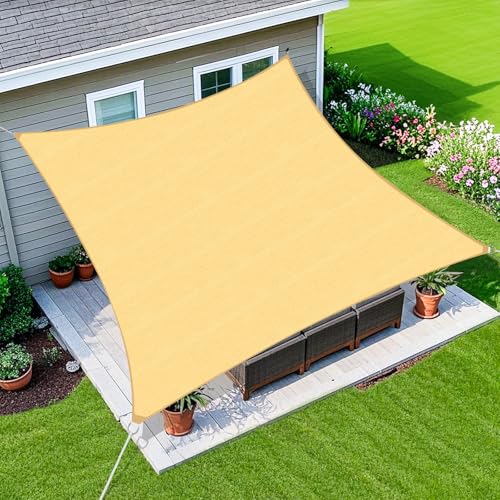
- Best overall for gatherings: Amagenix 16′ x 20′ Rectangle Sun Shade Sail — Check on Amazon
- LOVE STORY 12′ x 16′ Rectangle Sun Shade Sail — Check on Amazon
- Amazon Basics 10′ x 10′ Pop Up Canopy Tent — Check on Amazon
- NICETOWN Outdoor Curtains for Patio, 2 Panels, W52 x L72 — Check on Amazon
- Shade&Beyond 20′ x 20′ x 20′ Triangle Sun Shade Sail — Check on Amazon
- BOJAVOM Pergola Canopy Replacement Top for Hampton Bay 10′ x 13′ Frames — Check on Amazon
Read the full guide ↓
Disclosure: As an Amazon Associate, dailyhomedecorating.com earns from qualifying purchases. Links to Amazon on this page are affiliate links; they cost you nothing extra. Listing details such as price and availability change often, so check the current Amazon listing before you buy.
Let us start with the honest part, because it shapes everything else in this guide. If you came here hunting for the best pergola for outdoor entertaining under $75, you deserve a straight answer before a shopping list: a complete, freestanding pergola kit — four posts, a frame, a roof — does not exist at this budget. The cheapest genuine metal pergola kits from established outdoor brands start well above this tier, typically in the low hundreds, and anything at $75 that calls itself a full pergola in a listing title is either a canopy top with no frame, a set of brackets with no lumber, or a product photo doing a great deal of optimistic work. We checked. Rather than pretend otherwise, this guide does something more useful: it rounds up the shade products that actually deliver what you wanted the pergola for in the first place — a cool, defined, good-looking space where people can eat, drink and linger — and that genuinely fit under $75.
That turns out to be a better brief than it first sounds, especially for entertaining. A pergola’s real job at a gathering is threefold. It marks out a “room” in the yard so guests naturally gather in one place instead of scattering. It cuts the sun so a 2 p.m. lunch does not become an endurance event. And it gives you something to hang lights, curtains and decorations from, which is what turns a patio into a setting. Every pick below does at least two of those three jobs well, and most do them for a dining table of six to eight people. Large shade sails are the headline act: a 16-by-20-foot sail shades a long farmhouse table and the chairs around it with room to spare, costs less than the food you will serve under it, and comes down in minutes when the season ends. A pop-up canopy is the instant option for people who entertain twice a month rather than every weekend. Curtains and replacement canopy tops serve the many households who already own a pergola or gazebo frame from a big-box store and simply need it to look and perform like new again before the guests arrive.
There is also a timing argument for the budget route that hosts rarely consider. A permanent pergola is a decision about a space for a decade; a sail, a canopy and a set of curtains are a decision for this summer. If you have just moved in, are still learning where the sun actually falls in your yard at dinner time, or suspect the patio layout will change, the $75 tier lets you experiment with real gatherings — discovering that the table wants to sit two feet left, or that the west side needs the curtain — before any permanent money is committed. Several of these picks then graduate with you: curtains, lights and hardware all transfer to a future frame.
One more piece of honesty before the picks: labels matter here
, and we use them strictly. A shade sail is a shade alternative — not a pergola. A pop-up canopy is a portable shelter — not a pergola. A replacement canopy top is an accessory for a frame you already own — not a pergola. Each pick below is tagged with what it truly is, so you can choose with open eyes. If your heart is set on an actual framed pergola, the realistic move is to save toward the next tiers — our guide to the Best Pergola For Outdoor Entertaining Under $150 shows how much closer that budget gets you, and the framed structures only really arrive in the higher brackets. But if the party is this month and the budget is $75, the six options below are the smartest shade your money can buy, ranked for people who host.
In this guide
Quick Picks
Short on time, or comparing several options at once? Each row below names a hosting situation and the product that suits it, with a link to the listing.
| Hosting need | Pick | What it really is | Why it stands out | Link |
|---|---|---|---|---|
| Best overall | Amagenix 16′ x 20′ Rectangle Sun Shade Sail | Shade alternative — not a pergola | The largest single piece of shade in this guide; covers a long dining table and its chairs — check price on Amazon | Check on Amazon |
| Best for dining areas | LOVE STORY 12′ x 16′ Rectangle Sun Shade Sail | Shade alternative — not a pergola | Sized almost exactly for a six-to-eight-person table footprint — check price on Amazon | Check on Amazon |
| Best instant shelter | Amazon Basics 10′ x 10′ Pop Up Canopy Tent | Pop-up canopy — not a pergola | Up in minutes for party day, packed away the same evening — check price on Amazon | Check on Amazon |
| Best side shade & privacy | NICETOWN Outdoor Curtains, 2 Panels | Accessory — not a pergola | Blocks low evening sun and neighbour sightlines on an existing frame or rod — check price on Amazon | Check on Amazon |
| Best for corners | Shade&Beyond 20′ Triangle Sun Shade Sail | Shade alternative — not a pergola | Three-point sail that shades angled corners a rectangle cannot reach — check price on Amazon | Check on Amazon |
| Best for existing frames | BOJAVOM Pergola Canopy Replacement Top | Accessory — canopy top only, not a pergola | Makes a weather-worn Hampton Bay 10′ x 13′ frame look new for party season — check price on Amazon | Check on Amazon |
How These Picks Were Chosen
We started from the reality of the tier: no complete pergola kits exist under $75, so we evaluated the shade categories that honestly serve an entertaining space instead — large-format shade sails, pop-up canopies, pergola accessories and replacement tops. Every product name, size and ASIN in this guide was cross-checked against Amazon’s own catalogue data through the Creators API on 2026-11-20, and we only linked products whose listing title matched the product we describe. One pick (the NICETOWN curtains) is flagged in the sources file as pending that API cross-check and was verified against its Amazon listing page instead.
Within those categories, we ranked for hosting, not for solo sunbathing. Coverage came first: a pick had to shade at least a four-person table, and the top picks shade eight. Second came setup burden — how long between “guests arrive at five” and a finished, safe structure, and whether one person can do it. Third was honesty of construction: breathable HDPE sail fabric that blocks around 95% of UV (per the manufacturers’ listing specifications) rather than waterproof coatings that trap heat and pool rainwater over your guests’ heads. Fourth was wind behaviour, because an entertaining space that becomes a kite in a gust is worse than no shade at all; we favoured products designed to be tensioned, weighted or taken down quickly. Finally, we checked recall databases for the product types included, and excluded anything we would not put over a table of our own friends. Where a pick only works if you already own a frame, we say so in its name and review — no surprises after delivery.
Best Pergola for Outdoor Entertaining Under $75: The 6 Honest Options
1. Amagenix 16′ x 20′ Rectangle Sun Shade Sail — Best Overall for Gatherings
What it really is: a shade alternative — not a pergola. Who it suits: hosts with a lawn, deck or patio big enough for a long table, who want the most shaded square footage this budget can produce and have (or can install) solid anchor points on a house wall, posts or mature trees.
Scale is the whole argument here. Sixteen by twenty feet is 320 square feet of fabric, and even after the curved edges and the angle of the sun take their share, you are shading a farmhouse table for ten, the chairs around it, and the drinks station at the end. No framed structure anywhere near this price shades that much space. The fabric is HDPE rated by the maker to block 95% of UV, and because it is a knitted, breathable mesh rather than a coated tarp, hot air rises through it instead of baking underneath — the difference between a sail and a cheap waterproof canopy over a dinner table is something your guests will feel within twenty minutes. The curved edges are not a style choice: they let the sail tension properly, which keeps the middle from sagging and flapping.
Setup is a planning task, not a party-day task. You need four anchor points roughly a foot or more beyond each corner (the sail must be tensioned, and the hardware needs room), a stainless hardware kit with turnbuckles, and one corner mounted noticeably higher than the opposite one so rain runs off instead of pooling. Do that work once, on a quiet weekend, and every gathering after it is a ten-minute clip-on job. For entertaining specifically, the sail also earns its keep after dark: its edges and anchor lines are natural runs for string lights, and the fabric glows softly under them in a way that photographs like a venue.
Pros: the largest coverage in this guide by a wide margin; breathable fabric that stays cooler than coated canopies; removable in minutes for storms or winter; doubles as a light-hanging backdrop for evening events. Honest limitation: it provides no structure at all — no posts, no frame, nothing to lean a buffet against — and it is only as good as your anchor points; renters who cannot drill into the house or set posts should look at the pop-up canopy below instead. It also sheds light rain as a fine mist through the knit rather than truly sheltering a downpour.
Choose it if you host seated meals for six or more and have walls, posts or trees to anchor to. Skip it if you cannot create four strong anchor points, or you need rain cover rather than sun shade. Check on Amazon
2. LOVE STORY 12′ x 16′ Rectangle Sun Shade Sail — Best for Dining Areas
What it really is: a shade alternative — not a pergola. Who it suits: hosts whose entertaining centres on one dining table on a patio or deck, and who want a sail sized to that footprint rather than a sail that takes over the whole yard.
Twelve by sixteen feet is the dining-table size. A rectangular table for six to eight occupies roughly a 4-by-8-foot footprint; add chair pull-out room on all sides and you need about 10 by 14 feet of shade that stays shaded as the sun moves — which is exactly the working area this sail delivers when it is angled correctly. The LOVE STORY fabric is HDPE with a stated 95% UV block, breathable rather than waterproof (the listing is admirably blunt about that: it is a sunshade, not a rain roof), and the corners are reinforced with stainless D-rings that take tension without tearing out — the failure point on cheaper sails.
For a dining setup, orientation is everything, and this size makes it forgiving. Mount the long edge toward the afternoon sun’s side of the patio and the table stays in shade from lunch through the long evening, because a 16-foot run buys you hours of shadow travel. Hosts also appreciate what the smaller size does to installation: spans of 12 to 16 feet are within what a house wall plus two sensible posts can handle, turnbuckle tension is achievable by one person, and the sail is light enough to take down solo when a storm warning lands mid-week. It is the sail we would buy for a dedicated dining patio, and the one least likely to intimidate a first-time installer.
Pros: right-sized for a dining footprint instead of oversized; reinforced corners; manageable one-person install and removal; breathable, so the table stays comfortable at midday. Honest limitation: like all knitted sails it is not waterproof — a passing shower will drip through, so it protects the meal from sun, not weather. Coverage also shrinks at the edges late in the day when the sun drops; pairing it with the curtains further down this list solves the low-angle problem.
Choose it if your entertaining means dinner at one table on a defined patio. Skip it if you need to shade a lounge area and a dining area at once — step up to the Amagenix above. Check on Amazon
3. Amazon Basics 10′ x 10′ Pop Up Canopy Tent — Best Instant Shelter
What it really is: a pop-up canopy — not a pergola. Who it suits: occasional hosts, renters, and anyone whose entertaining space doubles as a driveway, lawn or borrowed garden where nothing permanent may be installed.
Every other pick in this guide asks for some preparation. This one asks for about ten minutes. A pop-up canopy arrives as a single folding frame with the top attached; you walk it open, extend the legs to one of its adjustable heights, weight it down — this Amazon Basics model ships with a cover and sandbags — and you have a defined, shaded 10-by-10 room for the bar, the buffet or the kids’ table. For hosts, that flexibility is a feature no sail can match: shade goes where the party is, including over a grill station on the lawn or a drinks table by the gate, and when the evening ends the whole thing folds into its bag and the yard is a yard again.
The entertaining-specific virtues are real. The vertical legs (rather than slanted) mean the full footprint is usable right to the edges, so a 10-by-10 genuinely seats a table for six under cover. Height adjustment lets you raise one side for standing groups or lower it against a low sun. And because it is a roof rather than a mesh, it shrugs off the light shower that would send a sail-covered dinner indoors — though “light” is doing work in that sentence, as the limitation notes.
Pros: fastest setup in the guide; fully portable and renter-safe; real rain resistance for passing showers; sandbags and cover included; stores in a closet or garage corner. Honest limitation: pop-up canopies are the most wind-vulnerable products in this guide — an unweighted or staked-only canopy in a gust is a genuine hazard, so the sandbags are not optional decoration, and the canopy should come down ahead of any real storm. The frame is also a seasonal product: leave it up all summer and sun and weather will age it fast.
Choose it if you entertain occasionally, rent your home, or need shade in different spots on different days. Skip it if you want a permanent, styled structure that lives outside all season. Check on Amazon
4. NICETOWN Outdoor Curtains, 2 Panels W52 x L72 — Best Side Shade and Privacy
What it really is: an accessory — not a pergola, and not shade by itself. Who it suits: hosts who already have a pergola, gazebo, covered patio or even a well-placed curtain rod, and whose problem is not the midday sun overhead but the 6 p.m. sun firing horizontally into everyone’s eyes — plus neighbours with a clear view of the table.
Overhead shade solves noon. It does almost nothing for the last three hours of a summer gathering, when the sun drops below the roofline of any structure and lands directly on the food and the faces. Curtains are the missing half of entertaining shade, and NICETOWN’s outdoor panels are the established budget way to add them: waterproof, thermally insulated polyester with rustproof grommets, sold as a pair of 52-inch-wide, 72-inch-long panels that hang from a rod, a cable or the beam of an existing frame. Drawn across the west side of a pergola, they turn glare into soft, private, golden-hour shade; opened, they disappear to the posts.
For parties specifically, curtains also do social work. They close off the view of the bins, the neighbour’s trampoline and the parked cars, and they make an open structure feel like a room — the single cheapest way to make a budget setup feel styled rather than improvised. They soften a light breeze, keep a fine drizzle off the seating edge, and give you a backdrop for photos that is not a fence. Practical notes: two panels cover about eight feet of width when gathered attractively, so a 10-to-13-foot side may want two pairs; and like any fabric wall, they act as a sail in wind, so tie them back or use the bottom-weighted styles when gusts pick up.
Pros: solves the low-evening-sun problem no roof can; adds privacy and a finished, styled look; waterproof and easy to hose down; works on frames, rods or cables you already own. Honest limitation: curtains shade nothing on their own — you need a structure or mounting line first — and 72 inches of length suits standard beams but will fall short on tall pergolas, so measure your drop before ordering. In strong wind they must be tied back.
Choose it if your structure exists but evening glare and sightlines spoil it. Skip it if you have nothing to hang them from — start with a sail or the pop-up canopy instead. Check on Amazon
5. Shade&Beyond 20′ x 20′ x 20′ Triangle Sun Shade Sail — Best for Corners
What it really is: a shade alternative — not a pergola. Who it suits: hosts whose entertaining space sits in an angled corner of the yard — between the house and a fence, beside a garage — where rectangular shade leaves the best seats in the sun.
Triangles are the problem-solvers of the sail world. Three anchor points are easier to find than four in an awkward space: house wall, fence post, one set post. A 20-foot equilateral triangle sounds enormous, and its hypotenuse-to-corner span is, but remember that a triangle covers roughly half the area of its bounding square, and its curved edges pull in further — in practice this sail shades a corner seating arrangement, a sectional sofa arrangement or a round table for six placed toward its wide middle. The fabric is the same breathable HDPE formula as the rectangles above, with a stated 95% UV block, and Shade&Beyond’s curved-edge cut keeps the centre taut.
For entertaining, the triangle has one more trick: it looks designed. A rectangular sail reads as utility; a big triangular sail over a corner lounge reads as architecture, especially in a warm sand colour with lights strung along its longest edge. It is also the natural partner to a rectangle — hosts with an L-shaped space often run a rectangular sail over the dining table and a triangle over the lounge corner, and the two together still land inside this budget with change. Installation follows the same rules as every sail: strong anchors, real tension, one corner high for runoff.
Pros: fits corners and angled spaces rectangles cannot; only three anchor points to engineer; the most decorative silhouette in the guide; pairs with a rectangle for L-shaped coverage. Honest limitation: effective shaded area is much smaller than the headline dimensions suggest — plan seating toward the centre, not the points — and the long 20-foot spans demand genuinely strong anchors; a weak fence post will lean or fail under tension and wind load.
Choose it if your gathering spot is a corner, or you are adding a lounge zone beside a rectangular sail. Skip it if you need maximum shaded square footage per dollar — rectangles win that maths every time. Check on Amazon
6. BOJAVOM Pergola Canopy Replacement Top for Hampton Bay 10′ x 13′ Frames — Best for Existing Frames
What it really is: an accessory — a canopy top only, not a pergola, and it includes no frame. Who it suits: the large group of hosts who already own the widely sold Hampton Bay 10′ x 13′ six-bar pergola (model #GFM00467F) whose original top has faded, torn or gone mouldy — and who have a party coming up.
This is the least glamorous pick in the guide and, for the right household, the most valuable. Big-box pergolas from the last decade are standing in thousands of yards with sound steel frames and dead fabric. A replacement top cut for that exact frame — 116 inches wide by 135 inches long, beige — restores the whole structure for a fraction of a new pergola’s cost, in an afternoon, with no new holes in the patio. Before ordering, confirm your frame is the model this top is cut for and measure bar to bar; replacement tops are ruthlessly model-specific, and “close enough” tops flap, pool water and tear at the corners.
For entertaining, the transformation is disproportionate: a fresh, even-coloured canopy makes the whole setup look newly bought, restores real shade density (old fabric thins and leaks light long before it tears), and removes the mid-dinner worry of a seam letting go. Fit it a week before the event, not the morning of, so any sizing surprise is a return rather than a crisis. While the old top is off, that is also the moment to wire the frame with lights and check every bolt — the full refresh costs an afternoon and makes the pergola the best-looking thing in the yard again.
Pros: revives a whole pergola for accessory money; exact-fit for a very common frame; fast, tool-light installation; restores shade quality, not just looks. Honest limitation: it is fabric only — if your frame is rusted, bent or a different model, this pick is worthless to you — and like all fabric tops it should come off for winter and severe storms if you want it to last more than a few seasons.
Choose it if you own the matching Hampton Bay frame and its top is the only thing wrong. Skip it if you own any other frame — measure and search by your exact model number instead. Check on Amazon
Comparison Table
| Pick | True type | Coverage | Setup effort | Rain behaviour | Best hosting use |
|---|---|---|---|---|---|
| Amagenix 16′ x 20′ Sail | Shade alternative | Very large | Anchors + tensioning, one-off project | Light mist through knit | Long-table dinners for 8–10 |
| LOVE STORY 12′ x 16′ Sail | Shade alternative | Large | Anchors + tensioning, easier spans | Not waterproof — sun only | Dining patio for 6–8 |
| Amazon Basics 10′ x 10′ Pop Up | Pop-up canopy | 100 sq ft, full footprint usable | Minutes, no installation | Sheds light showers | Buffet, bar or occasional parties |
| NICETOWN Curtains (2 panels) | Accessory | One side, ~8 ft gathered | Hang on existing rod/frame | Waterproof fabric | Evening glare, privacy, styling |
| Shade&Beyond 20′ Triangle Sail | Shade alternative | Moderate (centre-weighted) | 3 anchor points | Light mist through knit | Corner lounges, round tables |
| BOJAVOM Replacement Top | Accessory — top only | 10′ x 13′ frame area | Swap onto existing frame | Fabric top; remove for storms | Refreshing an owned pergola |
How to Choose Shade for Entertaining When a Pergola Is Out of Budget
Measure the shade you need, not the structure you imagined. Start with the furniture, not the product listings. A dining table for six needs a shaded working area of roughly 10 by 14 feet once chairs and walking room are included; a lounge set needs about 10 by 10; a buffet or bar line needs a 10-foot run. Then add margin for the sun’s movement: shade slides sideways through the day, so a sail should be a few feet larger than the area it protects, or mounted toward the afternoon sun. The most common budget-shade disappointment is a product that exactly matches the patio’s dimensions and therefore shades the table only at noon.
Decide your anchor story before you buy. Sails are cheap because you supply the structure: a house wall with proper fixings into studs or masonry, purpose-set posts, or substantial trees. Walk your space and name the actual anchor points out loud. If you cannot find three or four strong ones, a sail is the wrong purchase no matter how good the price looks — that is the pop-up canopy’s cue. If you already own a frame, accessories (curtains, replacement tops) will always beat new structures on value; spend there first. Our companion guides to the Best Gazebo For Outdoor Entertaining Under $75 and the Best Patio Umbrella For Homeowners Under $75 cover the other two classic under-$75 routes to a shaded gathering.
Match the fabric to the job. For sun, breathable HDPE knit is the right material: it blocks the great majority of UV (the sails here are rated around 95% by their makers), lets heat escape upward, and does not collect rainwater. Coated waterproof fabrics sound better and behave worse over a dinner table — they trap hot air and, on any flat span, pool water until something gives. The exceptions are small: a pop-up canopy’s pitched roof sheds water by shape, and curtain fabric is vertical, so waterproofing is pure benefit there. Underfoot comfort matters too — a shaded table on a hot patio still radiates heat from the ground, which is why so many hosts pair overhead shade with one of the Best Outdoor Rug For Outdoor Entertaining Under $75 to finish the room.
Think about the second season, not just the first party. Budget shade earns its value across years, and the picks divide sharply by lifespan habits. A knitted HDPE sail that is unclipped and stored dry for winter will serve for many seasons; the same sail left tensioned through winter storms stretches, fades and eventually tears at the corners. A pop-up canopy used twenty times a year and stored in its bag outlasts one left standing for a single summer. When you compare two similar picks, choose the one whose takedown you will actually do — the fastest-removing product is usually the longest-lived one in real households, whatever the fabric specifications promise.
Plan the wind answer in advance.
Every product in this guide has a wind plan, and using it is not optional. Sails: correct tension, one corner low for runoff, and quick-release hardware so the sail can come down before a storm. Pop-ups: sandbags or weights on every leg, every time, and down before gusts — an airborne canopy is the one genuinely dangerous object in this guide. Curtains: tie-backs ready. Build the plan into the purchase (hardware kit, weights) rather than improvising it on a windy Saturday.
Setting Up a Sail Over a Dining Table: The Short Version
Because the two top picks are sails, here is the method that separates a taut, quiet sail from a flapping disappointment. Fix anchors a foot or more beyond each corner of the sail’s stated size — the fabric is measured corner to corner, and turnbuckles and rope need working room. Use a proper stainless hardware kit with turnbuckles rather than rope alone; rope stretches, hardware does not. Mount one corner (or one whole side) 1 to 2 feet higher than the opposite side so the sail sits at a visible slope: this sheds rain and stops the mid-span puddle that stretches fabric and dumps water on a guest. Tension until the centre is drum-firm and the curved edges pull nearly straight. Then sit at the table at the time of day you actually entertain and check where the shadow falls — five minutes of adjusting an anchor line on setup day saves a season of chairs being dragged after the shade. Finally, string your lights along the high edge, not across the middle, so the glow frames the table instead of sagging into it.
Making Budget Shade Look Like a Venue, Not a Compromise
The difference between a gathering that feels thrown together and one that feels hosted is rarely the structure — it is the layering. Hosts working with the picks in this guide can borrow the whole playbook of much more expensive pergola setups, because almost none of it depends on the frame. Start with light: a sail or canopy gives you edges and anchor lines at height, which is all string lights need. Run them along the perimeter rather than across the middle, keep bulbs warm-toned, and the space reads as a room after dark. Add one soft layer at ground level — an outdoor rug under the table — and the “room” gains a floor; it also stops chair legs scraping and defines where the gathering is, so guests settle instead of drifting.
Then think in zones. A long dinner works best as two shaded areas rather than one big one: the table under the main sail or canopy, and a smaller satellite — the triangle sail over a drinks station, the pop-up over the grill — so people circulate between pools of shade instead of queuing in the sun. Curtains earn their place here too: drawn behind a serving table they hide the working clutter of hosting (coolers, crates, the hose reel) and give you a clean backdrop, which is the oldest event-styling trick there is. None of this requires the structure to be a pergola. It requires the shade to be deliberate — sized to the furniture, angled at the sun, and finished at the edges — and that is achievable at this budget with the picks above.
Finally, plan the season, not the party. Sails that unclip in minutes, curtains that come in for washing, and a pop-up that lives in its bag will all be in good condition next summer; the same products left out through winter storms mostly will not be. The hosts who get five years from a $75 shade setup are the ones who treat takedown as part of the product. Build five minutes of it into the end of each gathering — sail unclipped and rolled, canopy down and bagged — and the budget route stops feeling like a compromise at all.
Common Buying Mistakes
Believing a listing title that says “pergola” at this price. Under $75, that word almost always means a canopy top, a bracket set or a sail wearing a costume. Read what is actually in the box — if posts and beams are not listed, they are not coming.
Buying the sail the exact size of the patio. Sails are measured corner to corner, curve inward at the edges, and must sit inside their anchor span. A “16-foot” sail over a 16-foot patio leaves no room to tension it and shades less than the patio. Size the fabric to the furniture, and the anchors beyond it.
Anchoring to anything that moves. Fence panels, guttering, small trees and umbrella bases are not anchors. Sail loads in wind are far larger than the fabric’s weight suggests. Fix into the house structure, set posts, or choose the pop-up instead.
Leaving a pop-up canopy unweighted “just for the afternoon.” Most canopy losses — and most canopy damage to other people’s property — happen in a single gust on a calm day. Sandbags on, every leg, every time.
Forgetting the sun’s second shift. Overhead shade alone leaves evening gatherings squinting into low sun. Budget hosts get the most complete result by pairing one overhead pick with curtains on the west side — or by checking the Best Outdoor Heater For Outdoor Entertaining Under $75 for the other end of the evening, when shade gives way to chill.
Final Recommendation
For most hosts, the Amagenix 16′ x 20′ sail is the buy: nothing else under $75 shades a full dinner party, and once its anchors exist it serves for years at minutes per use — check price on Amazon. If your entertaining is one dining table on a defined patio, the LOVE STORY 12′ x 16′ is the calmer, easier install. Renters and occasional hosts should take the Amazon Basics pop-up and its zero-install flexibility. And if you already own a frame, spend on the accessory that fixes your actual problem — the BOJAVOM top for a dead canopy, NICETOWN curtains for glare and privacy — before you spend on anything new. When the budget grows, the Best Pergola Under $75 guide covers the same tier from the base angle, and the $150 tier linked at the top of this article is where framed options begin to appear.
Frequently Asked Questions
Can you really not buy a pergola for under $75? Not a complete one. Genuine freestanding pergola kits — posts, beams and roof — start in the low hundreds from mainstream brands, because steel and aluminium simply cost more than this tier allows. Under $75 the honest options are shade sails, pop-up canopies, and accessories for frames you already own, which is why this guide labels every pick with what it truly is.
How much shade does a 16′ x 20′ sail actually give? Less than 320 square feet in practice: the curved edges pull in, and the shadow shifts with the sun. Mounted and angled well, it keeps a long dining table and its chairs shaded through the main entertaining hours, which is the measure that matters. For all-day static shade, go a size up or pair two sails.
Are shade sails waterproof? The knitted HDPE sails in this guide are not — their makers state so plainly. They block around 95% of UV and let a fine mist through in rain. That breathability is a feature at a dinner table: heat escapes instead of collecting under a coated roof. For shower cover, the pop-up canopy is the pick.
What hardware do I need for a sail? A stainless steel hardware kit with turnbuckles, pad eyes and snap hooks, sized to the sail, plus fixings appropriate to each anchor (masonry, stud or post). It is a modest extra cost on top of the sail and the difference between a drum-taut installation and a sagging one — factor it into the $75 from the start.
Can a pop-up canopy stay up all season? It should not. Pop-up frames and tops are designed for event use; continuous outdoor exposure ages the fabric and the first serious storm will test the frame beyond its design. Put it up for the party, weight every leg, and pack it away after — treated that way, one lasts for years of gatherings.
How do I shade a rental patio without drilling or digging? Use the pop-up canopy, which needs no fixings at all, or a sail anchored to freestanding weighted posts and existing strong points such as mature trees — never to fence panels. Curtains can hang from a tension rod or cable between two existing posts. Everything in that combination comes down without a trace when you move, which is exactly what a deposit requires.
What colour sail should I choose? Light colours (sand, cream, light grey) reflect heat and keep the space under them brighter and cooler-feeling; they also show pollen and leaf stains sooner. Darker colours hide dirt and give denser-feeling shade but absorb more heat at the fabric itself. For entertaining spaces photographed at golden hour, the warm light tones are the flattering, popular choice — and every sail in this guide is offered in them.
Is it worth saving for a real pergola instead?
If you entertain weekly in the same spot and own your home, yes — a framed pergola is a permanent improvement, and the higher-tier guides on this site walk through them. If you host a handful of times a summer, the sail-and-curtain combination in this guide delivers most of the experience for a small fraction of the cost, and nothing about it is wasted if you upgrade later: the curtains and lights move to the new frame.


