Where to buy
This guide covers the best pantry storage containers under $25: the picks below were verified against their listings, judged on seals, sizes and shelf fit, and ordered for general pantry use. Check the latest price, availability and delivery on Amazon. Orders are placed on Amazon. We may earn a commission from qualifying purchases.
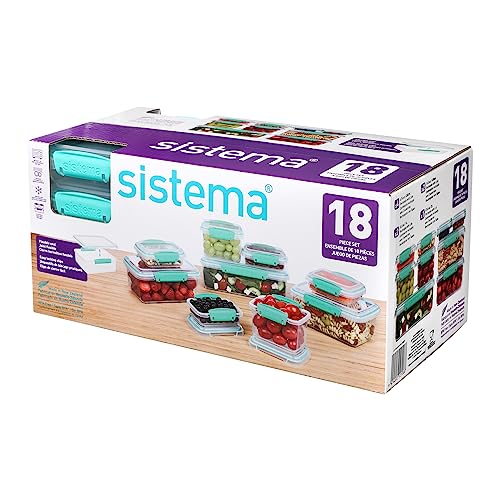
- Best assorted starter set: Sistema 18-Piece Food Storage Container Set — Check on Amazon
- Chef’s Path Extra Large Airtight Food Storage Containers, 6.5 L, Pack of 2 — Check on Amazon
- Rubbermaid Brilliance Pantry Airtight Food Storage Container, 7.8 Cup — Check on Amazon
- Anchor Hocking TrueSeal Glass Food Storage Containers, Set of 10 — Check on Amazon
- Sistema KLIP IT Food Storage Container, 7 L — Check on Amazon
- Progressive Prepworks ProKeeper Flour Keeper, 4 Quart — Check on Amazon
Disclosure: As an Amazon Associate, dailyhomedecorating.com earns from qualifying purchases. Links to Amazon on this page are affiliate links; they cost you nothing extra. Listing details such as price and availability change often, so check the current Amazon listing before you buy.
A pantry rarely fails all at once. It fails one torn bag at a time: flour dusting the shelf from a folded corner, rice spilling from a box that no longer closes, three half-bags of the same pasta bought because nobody could see the first two. Storage containers fix this not by being beautiful but by making every ingredient visible, sealed and countable at a glance. When a staple lives in a clear, airtight container with its name on the front, you stop buying duplicates, you notice you are low before you are out, and the food itself lasts longer because air, moisture and pantry pests are locked out instead of invited in.
The containers in this guide were chosen for real pantry work rather than shelf photography. That means seals that actually close airtight on a Tuesday night with floury hands, sizes matched to the bags food is actually sold in, lids a household can operate without a tutorial, and bodies that survive the dishwasher and the occasional drop onto a hard floor. We also weighed value honestly at each budget: at the low end that means one well-chosen container doing one job properly; at the top end it means a coherent system whose parts work together for years.
At $25 the math changes from singles to first systems: an assorted starter set or a pair of true bulk containers becomes possible alongside the best single containers. The smart spend at this level is coverage of your top problems (one bulk staple, a run of small and medium ingredients) rather than one premium piece. The picks below mix linked sets and singles that genuinely fit this budget with the premium step-ups clearly identified, so you can see both the complete $25 answer and what the next tier buys.
Our short answer: start with the Sistema 18-Piece Food Storage Container Set (best assorted starter set), which is the pick that solves the biggest share of the problem for general pantry use in one purchase. Add the Chef’s Path Extra Large Airtight Food Storage Containers next if your pantry matches its specialty (bulk flour and rice buyers who want the big two handled first). The full reasoning, including who should skip each pick and why, is in the detailed reviews below. If you are comparing across budgets, the companion guide to Best Airtight Food Storage Containers Under $25 covers the seal-first view of the same problem.
In this guide
Quick Picks: Best pantry storage containers under $25
In a hurry? This table matches each pick to the job it does best. Every pick is reviewed in full below, including its honest limitation.
| Buyer type | Pick | Why it stands out | Link |
|---|---|---|---|
| Best assorted starter set | Sistema 18-Piece Food Storage Container Set | Wide spread of sizes covers many small decanting jobs at once | Check on Amazon |
| Best bulk pair | Chef’s Path Extra Large Airtight Food Storage Containers, 6.5 L, Pack of 2 | Two true bulk capacities for flour and rice in one purchase | Check on Amazon |
| Best single all-rounder | Rubbermaid Brilliance Pantry Airtight Food Storage Container, 7.8 Cup | Tritan body stays genuinely clear and resists stains and odors | Check on Amazon |
| Best glass option | Anchor Hocking TrueSeal Glass Food Storage Containers, Set of 10 | Glass never stains, absorbs odors or flavors from contents | Check on Amazon |
| Best single bulk bin | Sistema KLIP IT Food Storage Container, 7 L | Huge 7 L capacity handles true bulk bags in one container | Check on Amazon |
| Best for flour | Progressive Prepworks ProKeeper Flour Keeper, 4 Quart | Built-in leveler makes accurate flour measuring faster | Check on Amazon |
How These Picks Were Chosen
We built the shortlist from the containers households actually keep using: established systems from OXO, Rubbermaid, Sistema, Progressive Prepworks, Anchor Hocking and Planetary Design, plus the value sets (Vtopmart, Chef’s Path, Shazo) that dominate real pantry makeovers. Every linked pick’s identity, sizes and mechanism were verified against its Amazon listing and manufacturer or retailer descriptions before inclusion; where a budget tier has no verifiable product that honestly fits, the pick is presented prose-only rather than linked to something that does not belong at that price.
For a general pantry, the deciding criteria are seal reliability across both powders and grains, a size range that matches real bag sizes, and stacking geometry that turns shelf depth into storage instead of dead air. We favored containers whose lids behave identically across sizes, because a system you can open half-asleep beats a drawer of unrelated mechanisms.
Three filters removed most candidates. First, the seal had to be a real gasket or plunger design, not a snap lid with marketing language. Second, the sizes had to map onto food as it is actually sold; sets with decorative but unusable size spreads were cut. Third, the system had to be extendable or complete as sold, because a pantry container you cannot match next year becomes next year’s clutter. Price was treated as a budget frame, never printed per product, because listing prices move constantly; check price on Amazon on the day you buy.
The 6 Best pantry storage containers under $25 — Detailed Reviews
Sistema 18-Piece Food Storage Container Set
Best for: households starting from a drawer of mismatched tubs. Sizes: 18 pieces in assorted Klip It sizes. Material: BPA-free plastic. Lid: Klip It easy-locking clips with flexible seal.
Sistema’s 18-piece set is the assorted-box route into the Klip It system: a spread of the brand’s clip-lid containers in sizes aimed at lunch, leftovers and everyday dry goods, all sharing the same easy-locking clips and flexible seal. For pantry use, the value is variety rather than bulk: small and medium containers suit decanted snacks, baking extras, tea, coffee and the half-bags that otherwise live folded over in a cupboard. Because every lid uses the same Klip It logic, the set is easy for a household to learn once. The containers are made in New Zealand, are BPA-free, and are dishwasher, microwave and freezer safe, so pantry pieces can double for fridge and lunch duty.
In everyday pantry service, the Sistema 18-Piece Food Storage Container Set earns its place through the basics done consistently: the Klip It easy-locking clips with flexible seal closes the same way every time, the BPA-free plastic body wipes and washes clean without holding yesterday’s ingredient, and the size (18 pieces in assorted Klip It sizes) maps onto a real staple rather than an abstract capacity. It is the kind of container that disappears into a routine, which is the highest compliment pantry equipment can earn.
- Wide spread of sizes covers many small decanting jobs at once
- One clip system across the whole set is easy to learn
- Pieces double for fridge, freezer and lunch use
- Good way to test the Klip It system before buying bulk sizes
Honest limitation: The honest limitation is that an assorted set aimed partly at lunch and leftovers is not a bulk pantry system: the largest pieces will not take a full bag of flour or rice. If your main problem is bulk staples, the money works harder in the 7 L Klip It or a dedicated set; this box shines on the small and medium jobs.
Choose it if your situation matches its strength: households starting from a drawer of mismatched tubs. Skip it if your main problem is bulk bags of flour and rice, which need dedicated large containers rather than an assorted spread. When you are ready, Check on Amazon for the current listing, sizes and availability.
At this level the Sistema 18-Piece Food Storage Container Set competes on value per job done: it should either cover several staples at once or do one specialist job (bulk, baking, coffee) that the sets cannot. That is the standard it is recommended against here, and it is also how to judge it in a year: if it is still in weekly use with its seal intact, it was the right spend at this tier.
Chef’s Path Extra Large Airtight Food Storage Containers, 6.5 L, Pack of 2
Best for: bulk flour and rice buyers who want the big two handled first. Sizes: two 6.5 L (220 oz) containers with measuring spoon set and labels. Material: BPA-free plastic. Lid: side-lock lids with silicone gasket.
Chef’s Path’s extra-large pair is aimed squarely at the two biggest bags in the pantry: each container holds 6.5 litres (220 oz), enough for a full large bag of flour or rice with headroom. The side-lock lids seal on a silicone gasket, the clear bodies carry measurement markings, and the set includes a measuring spoon set, reusable labels and a marker, so the pair arrives ready to label and fill. The tall, square-ish profile uses vertical shelf space better than wide bins, and having two identical containers keeps the shelf looking deliberate rather than improvised. For households that buy flour, rice or pet food in bulk, this is the simplest two-box fix in the guide.
In everyday pantry service, the Chef’s Path Extra Large Airtight Food Storage Containers earns its place through the basics done consistently: the side-lock lids with silicone gasket closes the same way every time, the BPA-free plastic body wipes and washes clean without holding yesterday’s ingredient, and the size (two 6.5 L (220 oz) containers with measuring spoon set and labels) maps onto a real staple rather than an abstract capacity. It is the kind of container that disappears into a routine, which is the highest compliment pantry equipment can earn.
- Two true bulk capacities for flour and rice in one purchase
- Silicone-gasket side-lock lids seal securely
- Labels, marker and measuring spoons included
- Tall profile uses vertical pantry space well
Honest limitation: The honest limitation is commitment: two 6.5 L containers only make sense if you genuinely buy two staples in bulk. Filled with flour, each is heavy to lift down from a high shelf, and the pair offers no small sizes for the rest of the pantry, so it solves the bulk corner rather than the whole system.
Choose it if your situation matches its strength: bulk flour and rice buyers who want the big two handled first. Skip it if you buy flour and rice in small bags, where the pair’s capacity would sit half-empty and eat shelf space. When you are ready, Check on Amazon for the current listing, sizes and availability.
At this level the Chef’s Path Extra Large Airtight Food Storage Containers competes on value per job done: it should either cover several staples at once or do one specialist job (bulk, baking, coffee) that the sets cannot. That is the standard it is recommended against here, and it is also how to judge it in a year: if it is still in weekly use with its seal intact, it was the right spend at this tier.
Rubbermaid Brilliance Pantry Airtight Food Storage Container, 7.8 Cup
Best for: one problem ingredient that deserves a genuinely airtight home. Sizes: one 7.8-cup (about 1.8 L) container. Material: BPA-free Tritan plastic. Lid: two-latch lid with airtight silicone seal.
Rubbermaid’s Brilliance Pantry line is built from crystal-clear Tritan, the shatter-resistant plastic that stays clear instead of clouding or staining the way basic polypropylene can. This 7.8-cup size is the range’s brown-sugar and baking-staple sweet spot: Rubbermaid positions it for brown sugar, beans, cereal, cookies, pasta and sugar. The lid latches on two sides over a silicone seal and is rated 100% airtight and leak-proof by the maker, with a built-in vent under the latch for microwave splatter control in the related Brilliance food-storage line. The base is stain- and odor-resistant and dishwasher safe, and the flat lid profile stacks cleanly with the rest of the Brilliance Pantry sizes.
In everyday pantry service, the Rubbermaid Brilliance Pantry Airtight Food Storage Container earns its place through the basics done consistently: the two-latch lid with airtight silicone seal closes the same way every time, the BPA-free Tritan plastic body wipes and washes clean without holding yesterday’s ingredient, and the size (one 7.8-cup (about 1.8 L) container) maps onto a real staple rather than an abstract capacity. It is the kind of container that disappears into a routine, which is the highest compliment pantry equipment can earn.
- Tritan body stays genuinely clear and resists stains and odors
- Two-latch airtight seal is secure enough for fine powders
- Right-sized for a standard bag of brown sugar or beans
- Stacks neatly with other Brilliance Pantry containers
Honest limitation: The honest limitation is that one container solves one ingredient. Building a whole pantry from Brilliance singles costs more per litre than the big value sets in this guide, and the 7.8-cup size is too small for a full bag of flour. The latches also need both sides fully clicked; a half-latched lid looks closed but is not sealed.
Choose it if your situation matches its strength: one problem ingredient that deserves a genuinely airtight home. Skip it if you need to decant more than two or three ingredients at once, where a set will always beat singles on cost per container. When you are ready, Check on Amazon for the current listing, sizes and availability.
At this level the Rubbermaid Brilliance Pantry Airtight Food Storage Container competes on value per job done: it should either cover several staples at once or do one specialist job (bulk, baking, coffee) that the sets cannot. That is the standard it is recommended against here, and it is also how to judge it in a year: if it is still in weekly use with its seal intact, it was the right spend at this tier.
Anchor Hocking TrueSeal Glass Food Storage Containers, Set of 10
Best for: cooks who prefer glass for spices, coffee and baking extras. Sizes: 10 pieces (five glass containers with TrueSeal lids). Material: tempered glass with BPA-free plastic lids. Lid: TrueSeal lid with silicone seal ring.
Anchor Hocking’s TrueSeal set is the glass route: five tempered-glass containers with lids whose silicone seal ring is designed to keep air out and prevent leaks. Glass brings three real advantages to a pantry shelf: it never absorbs odors or stains from spices and coffee, it feels stable and premium on open shelving, and it can move between pantry, fridge and (without the lid) oven or microwave duty. The lids are BPA-free plastic with the seal doing the airtight work, and the round shapes nest and stack reasonably for glass. Anchor Hocking makes the glass in the USA, and the set format suits cooks who want to reduce plastic contact with food without giving up a proper seal.
In everyday pantry service, the Anchor Hocking TrueSeal Glass Food Storage Containers earns its place through the basics done consistently: the TrueSeal lid with silicone seal ring closes the same way every time, the tempered glass with BPA-free plastic lids body wipes and washes clean without holding yesterday’s ingredient, and the size (10 pieces (five glass containers with TrueSeal lids)) maps onto a real staple rather than an abstract capacity. It is the kind of container that disappears into a routine, which is the highest compliment pantry equipment can earn.
- Glass never stains, absorbs odors or flavors from contents
- Silicone-seal lids give a genuinely airtight close
- Containers can double for fridge and oven-to-table use
- Looks at home on open shelves and counters
Honest limitation: The honest limitation is weight and shape: glass is heavy, round containers waste shelf corners compared with square modular plastic, and a dropped glass container on tile is a breakage risk that plastic simply does not have. For bulk flour and rice, glass at this set size is also impractical; treat it as the small-and-medium ingredient solution.
Choose it if your situation matches its strength: cooks who prefer glass for spices, coffee and baking extras. Skip it if the containers will be handled by young children daily or stored somewhere a drop onto tile is likely. When you are ready, Check on Amazon for the current listing, sizes and availability.
At this level the Anchor Hocking TrueSeal Glass Food Storage Containers competes on value per job done: it should either cover several staples at once or do one specialist job (bulk, baking, coffee) that the sets cannot. That is the standard it is recommended against here, and it is also how to judge it in a year: if it is still in weekly use with its seal intact, it was the right spend at this tier.
Sistema KLIP IT Food Storage Container, 7 L
Best for: bulk buyers who decant one big staple at a time. Sizes: one 7 L (about 29.6-cup) rectangular container. Material: BPA-free plastic. Lid: clip-on lid with flexible seal and distinctive blue clips.
The KLIP IT 7 L is the big rectangular workhorse in Sistema’s long-running Klip It range, made in New Zealand. Its easy-locking clips on the lid work with a flexible seal to keep dry goods fresh, and the modular rectangular footprint is designed to stack with other Klip It containers instead of wasting shelf corners. At 7 litres it swallows a family-size bag of rice, a bulk sack of rolled oats or several pounds of dry pet food without splitting the bag across three smaller jars. The container is dishwasher, microwave (lid off or vented) and freezer safe, which makes it unusually flexible for a pantry bin: the same box that stores rice on Monday can hold a batch of soup in the freezer later.
In everyday pantry service, the Sistema KLIP IT Food Storage Container earns its place through the basics done consistently: the clip-on lid with flexible seal and distinctive blue clips closes the same way every time, the BPA-free plastic body wipes and washes clean without holding yesterday’s ingredient, and the size (one 7 L (about 29.6-cup) rectangular container) maps onto a real staple rather than an abstract capacity. It is the kind of container that disappears into a routine, which is the highest compliment pantry equipment can earn.
- Huge 7 L capacity handles true bulk bags in one container
- Clips are easy for most hands to open and close positively
- Stacks in a tidy modular grid with other Klip It sizes
- Dishwasher, freezer and microwave safe for flexible use
Honest limitation: The honest limitation is size discipline: a 7 L bin is only efficient when it is mostly full. Half-empty, it wastes more shelf volume than the bag it replaced, and its wide footprint will not fit narrow cupboards or shallow shelves. The seal is a flexible gasket rather than a silicone ring, so it keeps dry goods fresh well but should not be treated as a liquid-tight travel container.
Choose it if your situation matches its strength: bulk buyers who decant one big staple at a time. Skip it if your shelves are shallow or your staples are mostly small quantities, where a 7 L bin wastes more space than it saves. When you are ready, Check on Amazon for the current listing, sizes and availability.
At this level the Sistema KLIP IT Food Storage Container competes on value per job done: it should either cover several staples at once or do one specialist job (bulk, baking, coffee) that the sets cannot. That is the standard it is recommended against here, and it is also how to judge it in a year: if it is still in weekly use with its seal intact, it was the right spend at this tier.
Progressive Prepworks ProKeeper Flour Keeper, 4 Quart
Best for: regular bakers who want flour stored the way they use it. Sizes: one 4-quart container with snap-off leveler. Material: BPA-free plastic. Lid: silicone-seal hinged lid.
The ProKeeper Flour Keeper is a specialist rather than a generalist: a 4-quart container shaped around how bakers actually use flour. Its silicone seal keeps the contents fresh, the hinged lid opens wide enough for a one-cup measure, and a snap-off leveler bar sits inside the lid so you can sweep a measuring cup level without hunting for a knife. Measurement marks run up the side, and the body is dishwasher safe. Progressive sizes it to hold a standard 5 lb bag of flour with working room to scoop, which is exactly the job most generic canisters do badly: too narrow to scoop, too short for the bag, or sealed so loosely the flour tastes like the pantry within a month.
In everyday pantry service, the Progressive Prepworks ProKeeper Flour Keeper earns its place through the basics done consistently: the silicone-seal hinged lid closes the same way every time, the BPA-free plastic body wipes and washes clean without holding yesterday’s ingredient, and the size (one 4-quart container with snap-off leveler) maps onto a real staple rather than an abstract capacity. It is the kind of container that disappears into a routine, which is the highest compliment pantry equipment can earn.
- Built-in leveler makes accurate flour measuring faster
- Wide mouth fits a one-cup measure comfortably
- Silicone seal keeps flour fresher than bag-and-clip storage
- Measurement marks help track when to restock
Honest limitation: The honest limitation is single-purpose design: it is a flour keeper, not a system. The 4-quart body is too bulky for small quantities and its footprint is wider than tall modular canisters, so it earns its shelf space only if you bake often enough to keep it in rotation. The leveler is also one more part to wash and keep track of.
Choose it if your situation matches its strength: regular bakers who want flour stored the way they use it. Skip it if you bake only occasionally, where a good general canister will serve flour well enough without the specialist footprint. When you are ready, Check on Amazon for the current listing, sizes and availability.
At this level the Progressive Prepworks ProKeeper Flour Keeper competes on value per job done: it should either cover several staples at once or do one specialist job (bulk, baking, coffee) that the sets cannot. That is the standard it is recommended against here, and it is also how to judge it in a year: if it is still in weekly use with its seal intact, it was the right spend at this tier.
Comparison Table
The six picks side by side on the things that decide daily satisfaction: what they hold, how they seal, and what they are made of.
| Pick | Sizes | Seal / lid | Material | Link |
|---|---|---|---|---|
| Sistema 18-Piece Food Storage Container Set | 18 pieces in assorted Klip It sizes | Klip It easy-locking clips with flexible seal | BPA-free plastic | Check on Amazon |
| Chef’s Path Extra Large Airtight Food Storage Containers, 6.5 L, Pack of 2 | two 6.5 L (220 oz) containers with measuring spoon set and labels | side-lock lids with silicone gasket | BPA-free plastic | Check on Amazon |
| Rubbermaid Brilliance Pantry Airtight Food Storage Container, 7.8 Cup | one 7.8-cup (about 1.8 L) container | two-latch lid with airtight silicone seal | BPA-free Tritan plastic | Check on Amazon |
| Anchor Hocking TrueSeal Glass Food Storage Containers, Set of 10 | 10 pieces (five glass containers with TrueSeal lids) | TrueSeal lid with silicone seal ring | tempered glass with BPA-free plastic lids | Check on Amazon |
| Sistema KLIP IT Food Storage Container, 7 L | one 7 L (about 29.6-cup) rectangular container | clip-on lid with flexible seal and distinctive blue clips | BPA-free plastic | Check on Amazon |
| Progressive Prepworks ProKeeper Flour Keeper, 4 Quart | one 4-quart container with snap-off leveler | silicone-seal hinged lid | BPA-free plastic | Check on Amazon |
How to Choose: Best pantry storage containers under $25
Choosing well for general pantry use is mostly about matching three things: the ingredient, the shelf and the hands. The five steps below are the same process used to build this guide’s shortlist, and they work whether you buy one container or twenty. Readers setting up a wider system may also want Best Glass Food Storage Containers Under $25 for the glass-specific version of these decisions.
Start with capacity: match containers to bag sizes, not wishes
Write down your staples and the size they are sold in: flour and rice in large bags, sugar mid-size, grains and pasta in 1-2 lb bags, baking extras small. Then map containers to that list: one container per staple, sized to hold the bag with an inch of headroom for scooping. This single exercise prevents both classic errors (a set of minis for a bulk household, a giant bin for a spice problem) and tells you exactly how many containers, of which sizes, your pantry needs.
Understand the four lid families before choosing
Clip and latch lids (Brilliance, Klip It) seal with a gasket compressed by latches: secure, verifiable, two-handed. Four-hinge lids (Chef’s Path) clamp all four sides for the hardest seal on powders. Push-button lids (OXO POP) expand a gasket from inside: the fastest one-handed seal, at a premium. Plunger lids (Airscape) remove air instead of sealing it in: a specialist for coffee and tea. None is universally best; the right family depends on the ingredient and the hands using it.
Choose material by ingredient and by user
Standard BPA-free plastic is light, cheap and drop-proof: the default for family and bulk storage. Tritan (Brilliance) stays crystal clear and resists stains and odors, worth it for visible shelves and strong-flavored contents. Glass never absorbs flavors and suits spices, coffee and open shelving, at the cost of weight and breakability. Stainless steel blocks light completely for coffee and tea. Match the material to the ingredient’s enemies: air, light, moisture, odor or gravity.
Plan the shelf geometry before the purchase arrives
Measure shelf height, depth and width, and sketch the row: tallest at the back, daily staples at the front, bulk low. Square containers in shared footprints will use nearly all of a shelf; round and mixed shapes will waste a fifth of it in gaps. If your sketch has dead corners, the set is wrong for the shelf no matter how good the seals are. Keep one flexible bin for odd-shaped stock so the grid never has to break.
Label and date everything, once, properly
Use the labels included with most sets (or a consistent label style of your own) with two pieces of information: the ingredient and the month it was decanted. That is enough to identify lookalike powders, run first-in-first-out rotation, and know when a slow staple has outstayed its welcome. Put the label on the front face at a consistent height; a labeled system is usable by the whole household, an unlabeled one only by its creator.
Setting Up a Pantry Container System That Stays Organized
Start with an audit, not a purchase. Pull everything off one shelf, group it by how it is used (baking, grains, pasta, snacks, breakfast), and count how many staples you actually decant. Most households land between eight and fourteen true staples; the rest is rotating stock that can stay in its packaging inside a bin. This count, not a product photo, tells you how many containers you need and stops the classic mistake of buying a set first and inventing ingredients to fill it.
Assign each staple a home by frequency. Daily ingredients (coffee, cereal, oats) belong at eye level in the easiest-opening containers you own; weekly baking staples can live a shelf up in clip-lid containers; the once-a-month grains can go deep or high in bulk bins. Containers earn their keep when the lid mechanism matches the frequency: push-button and flip lids for daily use, four-hinge clamps for the powders you open weekly and want sealed hardest.
Finally, label with the ingredient and the date you decanted it, and keep a simple rule: new stock goes in only after the old stock is used or moved to the top. Containers make rotation easy because you can see the level; the system stays organized when the household treats the container as the ingredient’s permanent address rather than a temporary tidy.
What Airtight Actually Does for Dry Goods
Dry goods rarely spoil in the dramatic sense; they degrade. Flour absorbs pantry odors and moisture until bread tastes faintly of the shelf it sat on. Cereal and crackers trade their moisture with humid kitchen air and go soft. Brown sugar does the opposite, giving up its moisture and setting into a block. Coffee and spices lose their volatile aromatics to the air a little every day, which is why an opened bag tastes tired weeks before it tastes bad. An airtight container interrupts all four processes at once by fixing the air volume around the food: once the small amount of air inside the sealed container balances with the food, exchange effectively stops.
The second job is exclusion. Pantry moths and grain weevils arrive as eggs or larvae inside bulk goods more often than they invade from outside, and a rigid, gasket-sealed container contains a problem to a single ingredient instead of letting it walk the shelf. It also keeps out the dust, splashes and cleaning-spray drift of a working kitchen. None of this requires exotic technology: it requires a gasket that actually compresses, a lid that closes fully every time, and a household routine that closes it. That is why this guide spends more words on lid mechanisms than on any other feature.
Airtight is not a permanent state, it is a maintained one. Gaskets collect flour dust and lose compression if they are stored compressed for months; lids left ajar after a busy cooking session undo the whole system. Build two habits and the containers do the rest: wipe the rim before closing after scooping powders, and wash and fully dry gaskets whenever a container empties. Storage bought once and maintained lightly will out-perform premium storage treated carelessly, at every budget in this guide.
Decanting Day: A Practical Workflow
The system comes together on decanting day, and a good workflow makes it a thirty-minute job rather than an afternoon. For general pantry use, work shelf by shelf. Empty the shelf completely, wipe it down, and line up the empty, fully dry containers. Decant one staple at a time directly from its bag (a wide funnel or a cut bag corner prevents the flour-dust layer on everything), fill to an inch below the rim, wipe the rim clean, seal, label with ingredient and month, and place the container in its zone before opening the next bag. Partial bags that do not fit go, clipped, into the flex bin, never stuffed behind the containers where they will be forgotten.
Finish with the inventory habit that keeps the system alive: as each container takes its place, note anything below a quarter full on the shopping list. Clear containers make this a glance rather than an audit. The first decanting day takes the longest; every refill after it is a two-minute task per ingredient, because the container, the label and the home position already exist. Households that do this once, properly, consistently report the same surprise: the pantry needs less food in it, because nothing is duplicated, hidden or quietly going stale.
Common Buying Mistakes
Filling containers to the brim. A container filled to the lid cannot be scooped without spilling and often cannot seal cleanly because contents foul the gasket. Leave an inch of headroom in working containers; store the overflow bag, clipped, behind the container until there is room.
Mixing five unrelated systems on one shelf. Every additional lid mechanism multiplies the chance of a bad seal and a lost lid, and mixed footprints waste shelf corners. Consolidate one zone at a time into one system; donate or demote the leftovers to garage and craft storage.
Storing containers sealed while still damp. Washing day is where freshness goes to die: a sealed container with a damp gasket will stale its contents and can grow off odors. Dry bodies and lids separately and completely, ideally overnight, before refilling and sealing.
Putting the heaviest bins on the highest shelf. A full bulk container of flour or rice is a genuine two-hand, several-kilo lift. Bulk belongs low (ideally below waist height) both for safety and because a container that is awkward to reach is a container that stops being refilled properly.
A mistake specific to general pantry use. Buying a set with more tiny containers than staples you own, leaving a third of the set empty and the real bulk bags still folded on the shelf.
Final Recommendation
If you buy one thing from this guide, buy the Sistema 18-Piece Food Storage Container Set: it is the best assorted starter set for general pantry use at this budget, and it sets the standard (one system, real seals, sizes matched to real bags) that the rest of your pantry can grow around. Start there — Check on Amazon — then add the Chef’s Path Extra Large Airtight Food Storage Containers for its specialty (bulk flour and rice buyers who want the big two handled first) — Check on Amazon.
Whichever route you take, buy for the staples you actually use, label and date what you decant, and let the system prove itself on one shelf before you extend it. A pantry that works is built in that order: audit, anchor container, system, labels.
Frequently Asked Questions
How many pantry containers does a typical household actually need?
Most households actively decant eight to fourteen staples: flour, sugar, rice, oats, two pastas, cereal, coffee, and a handful of baking extras. Count your staples first, then buy containers for that list plus one or two spares for rotation. Sets larger than your staple count mostly store air.
Should pantry containers be square or round?
Square and rectangular containers use shelf space far more efficiently because they sit flush with no dead corners; round containers pour and scoop a little more comfortably. For shelves, choose square for the staples and reserve round for counter canisters you handle constantly.
Do airtight containers really keep food fresh longer?
Yes, for dry goods the difference is practical: an airtight seal slows moisture absorption (which stales cereal and hardens brown sugar), keeps out pantry pests, and prevents flavor transfer between neighbors like coffee and flour. The benefit depends on the seal being genuinely closed each time, which is why lid design matters as much as the container body.
How often should pantry containers be washed?
Wash a container fully each time it empties before refilling, especially after oily or strongly flavored contents; a quick rinse is fine between refills of the same dry staple. Let bodies and especially lids dry completely before refilling, because trapped moisture inside a sealed container is the fastest way to stale or clump dry goods.
Is it better to decant food into containers or keep original packaging?
Decant the staples you use weekly: flour, sugar, rice, grains, pasta, cereal, coffee and baking extras. Containers protect them from air, moisture and pests and make levels visible. Leave slow-moving and odd-shaped items in their packaging inside a simple bin; a hybrid system is more practical than forcing everything into canisters.
Related Guides
- Best Airtight Food Storage Containers Under $25
- Best Glass Food Storage Containers Under $25
- Best Meal Prep Containers Under $25
- Best Spice Jars Under $25
- Best Pantry Storage Containers Under $150
Each related guide applies the same standards as this one: verified products, no invented prices, and honest notes where a budget tier has no product that truly fits.


