Where to buy
Check the latest price, availability and delivery on Amazon. Orders are placed on Amazon. We may earn a commission from qualifying purchases.
- Best powered backyard station: Dometic CFX3 75DZ Dual Zone Portable Fridge Freezer — reviewed in prose below (see the review for why it carries no purchase link here)
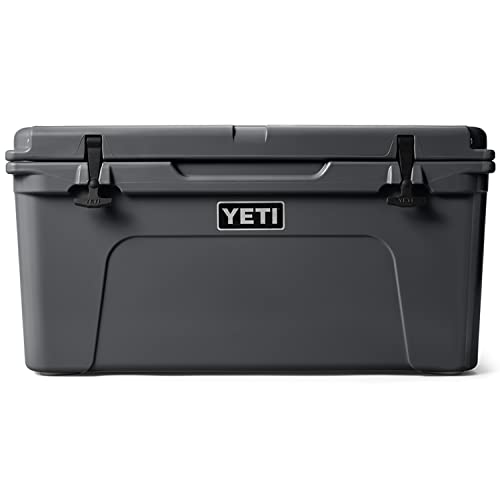
- Best large rotomolded: YETI Tundra 65 Hard Cooler — Check on Amazon
- Best for moving across the yard: RTIC 52 Quart Ultra-Light Wheeled Cooler — Check on Amazon
- Best all-round ice chest: YETI Tundra 45 Hard Cooler — Check on Amazon
- Best capacity per dollar: Lifetime 55 Quart High Performance Cooler (90820) — Check on Amazon
- Best budget party hauler: Coleman Classic Series 65-Quart Wheeled Cooler — Check on Amazon
Disclosure: As an Amazon Associate, dailyhomedecorating.com earns from qualifying purchases. Links to Amazon on this page are affiliate links; they cost you nothing extra. Listing details such as price and availability change often, so check the current Amazon listing before you buy.
The best outdoor cooler for backyards under $1500 is rarely a single cooler at all. Backyard hosting has a geography problem that a budget this size is perfectly shaped to solve: the kitchen is in the house, the grill is on the patio, the seating is on the lawn, and the drinks are needed in all three places at once. Almost no single cooler costs anywhere near $1500 — even the flagship dual-zone fridge freezer in this guide sits inside the budget rather than straining at it — so the smart spend is a system: one anchor station that never moves, one mobile cooler that follows the party, and the ice, shade and storage support that keeps both working from the first Saturday of spring to the last cookout of autumn. This guide ranks six real, verified picks for that system, is explicit about which famous flagship is reviewed in prose and why, and covers the backyard-specific details — sun, grass, distance, drainage and storage — that decide whether a premium cooler feels like an upgrade or an obstacle.
What separates backyard cooling from every other kind? Scale and permanence. A backyard cooler serves more people, for longer, in hotter sun, further from the fridge that rescues under-planned parties in smaller spaces. It also lives a double life: party equipment on Saturday, garden furniture the rest of the week, and a storage problem all winter. The picks below were chosen for that double life — a powered anchor for households building a real outdoor kitchen zone, rotomolded tanks for ice-only traditionalists, a wheeled mover for lawns and long patios, and two value boxes that make the two-cooler system affordable inside the budget with money left for the yard itself.
In this guide
Quick Picks: Best Outdoor Cooler for Backyards Under $1500
Short on time? Each row names a backyard role and the cooler that fills it. Prices move, so linked picks say “check price on Amazon”; the prose-only flagship is explained in its review.
| Backyard role | Pick | Why it stands out | Link |
|---|---|---|---|
| Anchor station | Dometic CFX3 75DZ | 74-litre dual-zone fridge freezer — food at exact temperatures beside the grill, no ice ever | See review below |
| Main ice chest | YETI Tundra 65 | Big-party capacity, multi-day ice, bear-resistant build — check price on Amazon | Check on Amazon |
| Mobile drinks | RTIC 52 Ultra-Light Wheeled | 52 quarts on wheels in a light shell — follows the party across the patio — check price on Amazon | Check on Amazon |
| All-rounder | YETI Tundra 45 | The benchmark weekend box — patio, trips and overflow duty — check price on Amazon | Check on Amazon |
| Value capacity | Lifetime 55 (90820) | 55 quarts and long ice claims at the lowest tier here — check price on Amazon | Check on Amazon |
| Budget hauler | Coleman Classic 65 Wheeled | 65 quarts, light and wheeled, at a budget price — check price on Amazon | Check on Amazon |
How These Picks Were Chosen
The budget filter came first: a pick earns a purchase link only if its Amazon listing has been sighted at or under $1500 in recent price records. Every linked pick clears that bar comfortably. The Dometic CFX3 75DZ is the deliberate exception — a flagship whose list price sits near the ceiling and whose current Amazon listing we could not verify tightly enough to link responsibly — so it is reviewed in full prose, with its specifications taken from Dometic’s own datasheet, and readers are directed to check authorised dealers. That trade — losing a button to keep the information accurate — is the standard this whole series is written to.
Specifications were verified against manufacturer datasheets and retailer listings and cross-checked with independent coverage: capacities in both maker can counts and real litres, external dimensions, empty weights, and published power draws for the compressor model. Score and count figures are deliberately left out; they change constantly and would mislead within weeks. Safety screening checked every candidate against U.S. Consumer Product Safety Commission cooler recalls — a major rolling-cooler line from another brand is under a large CPSC recall over a handle hazard, and nothing from that brand appears anywhere in this guide. None of the six picks below has a CPSC recall on record as of writing.
Finally, the list was built as backyard geography, not a spec contest. One anchor, one mover, honest value options, and money deliberately left over — because a backyard budget competes with seating, shade and fire, and our companion guides to the Best Patio Dining Set Under $1500, the Best Outdoor Sectional Under $1500 and the Best Fire Pit Under $1500 are where the rest of a yard-wide budget usually does its best work. Readers who need ice chests only, at a tighter spend, will find the same picks framed differently in the Best Outdoor Cooler Under $700 guide.
Detailed Reviews
1. Dometic CFX3 75DZ — the backyard anchor station (prose only)
Who it suits: Backyard hosts building a genuine outdoor kitchen zone — a covered patio corner, a grill station, a spot with power where the cooler lives all season and works every weekend without an ice run.
The CFX3 75DZ is a dual-zone compressor fridge freezer with two compartments and two lids, each zone holding its own temperature: drinks and salads chilled on one side, meat and ice cream properly frozen on the other. Dometic’s datasheet lists 74 litres gross (about 65 usable), external dimensions around 35.1 × 18.6 × 19.5 inches, and about 61 pounds net. The VMSO3 variable-speed compressor runs on household AC or 12/24V DC, reaches deep-freeze temperatures, and draws a published 1.43 amp-hours per hour at 12V with both zones at fridge temperature — trivial for a patio outlet, very manageable for a power station. App control over Bluetooth and Wi-Fi, a colour display, ExoFrame construction and spring-loaded aluminium handles complete a machine designed to be installed, not carried. In backyard terms it converts the worst hosting chore — ice, twice a weekend, all summer — into a utility bill line item, and it gives a grill station true fridge-and-freezer capacity without building a permanent outdoor kitchen.
Pros: Fridge plus freezer at exact temperatures; no ice, no meltwater, no drainage; huge usable capacity; app monitoring; built for permanent outdoor-station duty under cover. Honest limitation: It needs power and shelter — this is not a box to leave in the rain at the far end of the lawn — it is heavy to reposition, and it is the one pick here without a purchase link, because its list price sits near this guide’s ceiling and its current Amazon listing could not be verified tightly enough; check authorised Dometic dealers if it is the anchor you want.
Choose it if your patio has power and cover and your hosting is frequent and food-heavy. Skip it if the cooler must roam the yard or live uncovered — the ice chests below are built for that life.
Consider what the dual-zone layout changes at a real cookout. In an ice-only yard, frozen stock — the extra burgers, the ice cream, tomorrow’s bacon — lives in the house freezer, and every need for it is a trip indoors with the screen door slamming behind you. With the Dometic at the grill station, the entire menu lives where it is cooked: the freezer zone holds the frozen reserve at a true, steady freezing temperature, the fridge zone holds salads, marinades and drinks at the temperature you dialled, and the kitchen fridge stops being part of the party’s logistics. Hosts who barbeque for twenty describe the change less as convenience than as calm. That is what the flagship money buys, and it is why — for the minority of backyards with the covered, powered spot to support it — this prose-only machine still leads the guide despite carrying no purchase link.
2. YETI Tundra 65 — the main ice chest
Who it suits: Households whose backyard events run to double figures — the cooler that takes the whole cookout: drinks for a crowd, a brisket resting, bags of ice in reserve.
The Tundra 65 is YETI’s large classic: rotomolded shell, pressure-injected PermaFrost insulation, freezer-style ColdLock gasket, T-Rex latches and a bear-resistant design when padlocked. YETI rates it at up to 77 cans with the recommended ice ratio, a dry goods basket is included, and the external footprint runs about 30.8 × 17.3 × 16 inches at roughly 30 pounds empty. In the backyard system it is the ice-only anchor: fill it Friday for a Saturday party and it is still properly cold for Sunday’s leftovers, with no power, no noise and no moving parts to fail in year seven. It also earns its keep between parties as the most durable seat, step and side table in the garden.
Pros: Serious capacity and multi-day ice retention; extremely tough shell and hardware; basket included; silent and power-free forever. Honest limitation: Loaded, it is a two-person carry, and thick walls mean the interior is smaller than the exterior promises. It is a fixture — plan its spot rather than expecting to chase shade with it.
Choose it if big gatherings are your normal. Skip it if your parties are six people — the Tundra 45 will serve you better and store kinder.
YETI Tundra 65 Hard Cooler — Check on Amazon
3. RTIC 52 Quart Ultra-Light Wheeled — the mobile drinks station
Who it suits: Yards with distance in them — patio to lawn, deck to fire pit, house to garden games — where drinks need to be where the people are, and the people move.
RTIC’s Ultra-Light construction cuts roughly a third of the weight of a comparable rotomolded cooler, and this 52-quart version adds wheels and a pulling handle, turning the loaded drinks run into a roll instead of a carry. The maker rates it at up to 78 cans; insulation holds ice across a party weekend in typical use; and the lighter shell matters most at midnight, when everything comes back in. In the system this guide recommends, it is the satellite: the anchor holds food near the grill, the RTIC parks beside the seating — near the fire pit in the evening, under the umbrella at noon — and guests serve themselves without crossing the yard. A Best Patio Umbrella Under $1500 over its usual parking spot is worth more ice retention than any wall upgrade.
Pros: Wheels plus a light shell solve backyard distance; generous capacity; strong value. Honest limitation: Injection-moulded walls do not match rotomolded multi-day retention or toughness, and small wheels struggle in soft ground and deep gravel — patios and paths are its natural terrain.
Choose it if your yard has geography. Skip it if the cooler will live in one spot — wheels you never use are just weight.
A note on loading it well: the mover works best as a pure drinks station — cans and bottles only, iced hard, opened often — while food stays in the anchor where the lid discipline is stricter. That division is not fussiness; drinks tolerate the warm-air exchanges of a busy lid, and food does not. Loaded this way, the RTIC’s insulation is entirely sufficient for its job, and its lighter build stops being a compromise and becomes the point: the cooler that gets refilled, repositioned and returned without a second pair of hands is the cooler that actually serves the party instead of anchoring it to one corner.
RTIC 52 Quart Ultra-Light Wheeled Cooler — Check on Amazon
4. YETI Tundra 45 — the all-round ice chest
Who it suits: The household that wants one premium box for the backyard and beyond: patio parties, camping weekends, beach days and holiday overflow, in a size one person can still move.
The Tundra 45 carries the same construction recipe as the 65 — rotomolded shell, thick insulation, freezer gasket, serious latches — into the most versatile size in the category. In a backyard system it is the flexible second cooler: drinks beside the grill when the 65 holds food, the main box when the gathering is small, and the traveller when the party moves to a park or a lake. Its resale and accessory ecosystem are the strongest in the business, and its toughness is the kind that makes a decade of service a reasonable expectation rather than a hope.
Pros: Benchmark build and ice retention in the most useful size; huge accessory ecosystem; doubles as seat and step. Honest limitation: Premium price per quart, and heavy for its interior volume like all rotomolded boxes; retention still depends on packing discipline.
Choose it if one cooler must do everything well. Skip it if maximum capacity per dollar is the goal — the Lifetime below wins that contest.
YETI Tundra 45 Hard Cooler — Check on Amazon
5. Lifetime 55 Quart High Performance (90820) — capacity per dollar
Who it suits: Value-first hosts who would rather have two good coolers and a fire pit than one prestige box — the backbone of the budget version of this guide’s system.
The 90820 offers 55 quarts, maker-claimed ice retention of up to seven days, an IGBC bear-resistant certification that speaks to the seriousness of its shell and latches, and a price sighted at the lowest tier in this guide. Backyard life suits it: it stores in the garage or a deck box’s larger cousins, comes out for the big weekends, shrugs off being dragged across the lawn, and its built-in bottle opener will be used more than any premium feature in this article. Paired with the RTIC wheeled as the mover, it completes a two-cooler backyard system for a small fraction of the budget.
Pros: Most capacity per dollar here; certified-tough build; long ice claims; party-friendly details. Honest limitation: Finish and hardware sit a step below the rotomolded premium picks, and real-world ice life depends heavily on shade and packing.
Choose it if value and capacity lead your list. Skip it if you want the decade-grade fit and finish of the YETI class.
Lifetime 55 Quart High Performance Cooler (90820) — Check on Amazon
6. Coleman Classic Series 65-Quart Wheeled — the budget party hauler
Who it suits: Big, occasional events — the graduation party, the neighbourhood cookout — where capacity and easy movement matter more than multi-day ice or heirloom build.
Coleman’s Classic 65-quart wheeled cooler weighs only about 14.5 pounds empty, rolls on wheels, carries cup holders in its lid, and claims up to four days of ice at 90°F in retailer specifications, all at a budget price. That makes it the rational second or third box for peak days: drinks and ice for a crowd, rolled from garage to patio, doing a job the premium boxes are overqualified for. It is also the cooler you lend without anxiety.
Pros: Largest capacity here at the lowest weight and price; wheels; lid cup holders. Honest limitation: Thin-wall build trails rotomolded retention and longevity; wheels prefer hard surfaces to lawns.
Choose it if peak-day capacity is the gap in your system. Skip it if it would be your only cooler for long weekends — step up to the Lifetime or RTIC class.
Coleman Classic Series 65-Quart Wheeled Cooler — Check on Amazon
Comparison Table
| Pick | Type | Capacity | Power | Backyard role |
|---|---|---|---|---|
| Dometic CFX3 75DZ | Dual-zone fridge freezer | 74 L gross (about 65 L usable) | AC / DC / power station | Permanent anchor station |
| YETI Tundra 65 | Rotomolded ice chest | 65-class (up to 77 cans, maker rating) | None — ice | Main party box |
| RTIC 52 Ultra-Light Wheeled | Injection-moulded, wheeled | 52 qt (up to 78 cans, maker rating) | None — ice | Mobile drinks station |
| YETI Tundra 45 | Rotomolded ice chest | 45-class | None — ice | Flexible all-rounder |
| Lifetime 55 (90820) | High-performance ice chest | 55 qt | None — ice | Value capacity |
| Coleman Classic 65 Wheeled | Wheeled ice chest | 65 qt | None — ice | Peak-day hauler |
How to Choose a Backyard Cooler System
Map the yard before the products. Mark where food is cooked, where drinks are wanted, where shade falls at party hours, and where power is reachable. The anchor goes near cooking and power; the mobile cooler covers the seating; anything else is a spare. Most backyard cooler disappointment is a map problem wearing a product costume.
Size the anchor to the biggest regular event, the mover to the typical one. A 65-class anchor plus a 45–52 quart mover covers everything from a family Sunday to a twenty-person cookout. Bigger than that, you are buying for the one day a year — rent or borrow for that day instead.
Decide the ice-versus-power question per station, not per yard. Powered anchors shine where events are long and food matters; ice movers shine everywhere else. Many of the happiest backyard systems in this budget are hybrids, and this guide’s picks are chosen to mix cleanly.
Plan drainage and storage in the same breath. Meltwater needs a route that is not across the patio stones guests walk on barefoot. Storage needs a home — garage, shed, or a large Best Deck Box Under $300 for the accessories around the coolers — that keeps boxes dry, shaded and cracked open between events.
Respect the sun. Shade is the cheapest ice-retention upgrade in existence. A cooler parked in full afternoon sun can lose a day of ice against the same box in shade; position, umbrella cover and light-coloured lids are performance features.
Common Mistakes
One giant cooler for a spread-out yard. Guests cluster at the cooler; one box creates one crowd at the grill and a dry party at the lawn. Two stations fix guest flow better than any capacity increase.
Leaving the anchor in full sun. See above — the single most expensive free mistake in backyard cooling.
Buying wheels for a lawn-only yard. Small wheels bog in soft ground. If the route is grass end to end, a lighter carry or a cooler that lives at its station beats a wheeled box that fights every trip.
Ignoring the winter. A premium cooler stored wet and sealed in a damp shed ages years in one off-season. Clean, dry, lid ajar, under cover — every year.
Forgetting the support budget. Ice, baskets, a cover for the powered anchor, and lighting for the evening hours are what make the system feel finished. A budget spent entirely on boxes is a system missing its connective tissue.
Overbuying capacity “just in case”. A half-empty cooler melts faster, stores worse and costs more. Size to the real calendar.
Setting Up the Two-Station Backyard
The pattern this guide recommends, in practice: the anchor — powered Dometic or the Tundra 65 — takes position near the grill before noon, loaded with food and the reserve drinks, and opens rarely. The mover — RTIC wheeled or the Tundra 45 — is packed last with the drinks that move fastest and parked in shade beside the seating, where it opens constantly and costs the anchor nothing. Ice strategy splits accordingly: the anchor gets the best ice and the pre-chilled stock; the mover gets cubes and the cans. At night the mover rolls to the fire pit; in the morning it rolls to the utility sink to drain. Households that adopt the pattern report the same discovery: the party stops revolving around trips to the kitchen, which was the real problem all along.
Placing and Powering the Anchor Station
A powered anchor earns its money only when its placement is right, and placement has rules. Put it under real cover — a patio roof, a pergola with a solid top, a grill shelter — because compressor coolers are splash-tolerant appliances, not weatherproof ones, and their vents must breathe. Keep several inches of clearance behind and above the vents; a fridge freezer boxed into a tight outdoor cabinet in August heat will run constantly, draw heavily and still struggle at freezer temperatures. Route power like you mean it: a weather-protected outdoor outlet, a single outdoor-rated cable of proper gauge, no daisy-chained indoor extensions, and a path that does not cross where guests walk with plates. If the yard’s only power is far from the cooking zone, that is an argument for the ice-only build, not for a cable across the lawn.
Placement for ice anchors follows different rules: shade first, because afternoon sun is the enemy that no insulation fully defeats; proximity to the grill second, because the cook opens the food cooler most; and drainage third, because a 65-quart box at clean-up time holds gallons of meltwater that should reach a drain or a garden bed without crossing the seating. Many hosts pour a small gravel or paver pad at the anchor spot — it levels the box, keeps the drain usable, and marks the station so the system reassembles itself every weekend without thought. Small infrastructure, bought once, is what turns two coolers into a backyard system rather than two boxes that happen to be outside.
Ice Strategy for Long Backyard Days
Ice is a consumable with a technique, and backyard hosts feel the difference more than anyone because their events are long and their boxes are big. The base layer should be block ice or frozen bottles — the slowest-melting forms — with cubes poured over to fill the voids that steal performance. Everything that goes in should arrive cold: drinks from the fridge, food from the kitchen, never warm cans into a working box. Fill the box properly, because air is insulation’s opposite; a three-quarter-full cooler with towels or frozen bottles in the gaps outlasts a fuller-on-paper box with air pockets. Keep the food anchor closed by giving guests their own drinks station, and restock the mover from the anchor in one quick transfer rather than a dozen lid-lifts. At the end of the night, drain the mover, leave the anchor’s cold water in place if day two is coming — that water is still refrigeration — and dry everything properly before storage. Hosts who adopt these habits routinely get the multi-day performance the premium boxes promise; hosts who skip them conclude, wrongly, that the boxes were oversold.
A Backyard Cooling Calendar
Thinking seasonally prevents the two classic backyard mistakes: buying for July in January’s imagination, and neglecting the system in October. In spring, service the fleet: wash interiors, inspect gaskets and drains, run the powered anchor for a day to confirm it holds temperature, and replace tired ice packs before the first cookout rather than during it. In summer, the system works at full stretch — this is when the second cooler, the shade plan and the ice routine earn their cost, and when a mid-season check of the powered unit’s vents and seals pays off. In autumn, hosting shrinks to fire-pit scale, which is the mover’s season: one box, close to the seating, is the whole system. In winter, everything stores — clean, dry, cracked open, under cover — and the powered anchor gets an occasional short run rather than a four-month sleep. A $1500 system maintained on this rhythm is a ten-year purchase; the same money spent and neglected is a three-year one.
What the Rest of the Budget Does in a Backyard
Because even the flagship build leaves money in a $1500 envelope, it is worth being deliberate about the remainder — this is where backyard systems are won. First, shade over the anchor and the seating: it is simultaneously a comfort purchase and an ice-retention upgrade, and it is the line item guests benefit from most per dollar. Second, a cover and a proper storage solution for the off-season, because the difference between a five-year and a fifteen-year cooler is mostly how it winters. Third, the working accessories: spare baskets and dividers that let one box serve food and drinks without cross-contamination of meltwater, a stock of reusable ice packs sized to your boxes, and a thermometer you trust, because “feels cold” is not a food-safety standard at a long cookout. Fourth, light — gatherings that start at noon end after dark, and the drinks station needs to be findable and safe to use at night. Only after those four should the remainder go to a third cooler, and for most yards it should not go there at all: two stations, well supported, beat three stations starved of shade, storage and ice. The discipline of this tier is not spending less; it is spending in the order the yard actually rewards.
Food Safety at Backyard Scale
Bigger gatherings raise the stakes on the least glamorous part of cooling: keeping food genuinely safe across a long, hot day. The principles are simple and the premium equipment in this guide exists partly to make them easy. Perishable food belongs at fridge temperature or below, and the danger window between fridge and freezer temperatures is measured in hours, not afternoons — which is why the anchor’s job is food, held cold and opened rarely, while drinks absorb the traffic. Raw meat travels in sealed containers at the bottom of the box, below and away from anything ready to eat, with its own ice layer; cooked food never returns to a plate that held it raw. A cheap fridge thermometer in the anchor removes all guesswork: check it when you load, once mid-event, and before leftovers go back indoors. Leftovers that have sat warm while the party wound down are a false economy — chill what was kept cold, discard what was not, and let the cooler’s discipline, not optimism, decide. The powered anchor makes all of this nearly automatic, which is a real part of its case; ice hosts achieve the same standard with the thermometer, the packing order and the willingness to refresh ice before it is obviously necessary rather than after.
Notes for Renters and Shared Yards
Not every backyard is owned, and the system adapts. Renters should weight portability and storage more heavily than permanence: the ice-only builds move house without an electrician, and nothing in this guide requires installation beyond an outlet. A powered anchor still works beautifully in a rental with a covered patio socket — just confirm the outdoor outlet functions before the season, and keep the cable management landlord-friendly. In shared yards and duplexes, the mobile station earns extra value, because it lets one household host without annexing the commons: the party’s cold lives in a box that arrives, serves and leaves. And in wildfire-prone or bear-country areas, the certified-tough builds — the Tundra line and the Lifetime’s bear-resistant certification — stop being trivia and become the deciding spec, with coolers stored indoors or in secured sheds rather than on open patios. The map-first method survives every tenure: know the space, the power, the rules and the wildlife, and the products sort themselves.
Final Recommendation
For a powered backyard, build around the Dometic CFX3 75DZ as the anchor — bought through a dealer after checking its current listing — with the RTIC 52 Ultra-Light Wheeled as the mobile drinks station. For an ice-only yard, pair the YETI Tundra 65 with the Tundra 45, or save substantially with the Lifetime 55 plus the RTIC mover and put the change toward the yard itself. Keep the Coleman 65 Wheeled in mind for peak days. Whichever build you choose, map the yard first, shade the boxes, and leave part of the $1500 for the seating, shade and fire that make a backyard worth cooling drinks in.
Each Pick Under a Full Load: Weight, Wheels and Real Capacity
Backyard coolers are bought on capacity and judged on logistics. The distance from kitchen door to patio corner is where these six picks separate, because a cooler is only as good as its worst journey — across the lawn, in the heat, at the moment guests arrive. Consider each pick loaded, not empty.
Dometic CFX3 75DZ (prose only). At 27.8 kg empty, with a cabinet 892 × 495 × 472 mm holding 74 litres gross and 65 litres usable, this is a station you position once and build around. Its dual zones hold 4°C fridge duty at a published 1.43 Ah/h at 12V in 32°C ambient heat, and that figure is the planning number for any battery or solar arrangement: chilling is cheap, freezing is not, with the freezer-zone draw rising to about 3.04 Ah/h at −15°C. In a backyard that trade is usually worth making, because the freezer zone is what turns the station into an outdoor kitchen — ice, desserts and the next day’s meat held properly frozen a few steps from the grill. The loaded-weight question barely applies: full, it stays where it was placed, and its “mobility” is the walk you no longer make to the kitchen fridge forty times a day.
YETI Tundra 65. The maker rates it at 77 cans or 58 lb of ice alone; the empty box weighs 30.3 lb and measures 30.8 × 17.3 × 16 inches. Add a realistic party load to that 30.3 lb shell and the conclusion writes itself: this is a two-person lift or a no-person lift — it gets placed in shade, filled in place, and emptied before it moves. Backyards forgive that in a way apartments cannot, because the box can live beside the patio all season. The dry goods basket is the working detail: it keeps the food layer out of the meltwater, which is what makes this a food-and-drinks anchor rather than a very expensive ice bucket. On grass it sits dead level and unbothered; on decking, expect to need a mat if you care about the boards under a box of this loaded weight.
RTIC 52 Quart Ultra-Light Wheeled. Fifty-two quarts and a 78-can maker rating, in a shell built around 30% lighter than rotomolded equivalents, on wheels: this is the backyard’s moving part. The honest surface audit matters — wheels are superb on patio stone, decking and short dry grass, and merely adequate on gravel, where they plough rather than roll, and on wet lawn, where a loaded box should be carried the last few metres by two people rather than dragged through the mud it will then carry into the patio. Used as intended, it is the drinks satellite that starts at the kitchen door, parks by the seating, and ends the night by the back door for unloading. That mobility is also an ice strategy: a cooler that can follow the shade keeps its contents colder than a fixed box that spends two hours in afternoon sun.
YETI Tundra 45. The 45 keeps the rotomolded construction, PermaFrost insulation and ColdLock gasket of the 65 in a size one strong person can carry loaded over a short distance — which, in a backyard, means it is the box that actually gets deployed for ordinary weekends rather than reserved for events. Its real capacity suits a family day plus drinks for a few guests; beyond that it becomes the food box beside a larger drinks box, a role it plays well because its ice discipline is the best in this line-up. It also stores the most gracefully of the ice chests here, in a garage corner or shed, lid cracked, ready without ceremony.
Lifetime 55 Quart High Performance (90820). The maker’s up-to-7-day ice rating and IGBC bear-resistant certification describe a box built well past backyard requirements, and 55 quarts is the size that covers the long cookout without a second trip for ice. Loaded, it is a two-person or wheel-it-nowhere proposition — plan its spot (shade, level, near but not in the cooking traffic) before the ice goes in. Its backyard virtue is indifference: sun on the lid, kids climbing on it, a weekend left packed — it absorbs the treatment that would age a lighter box, and the certification-grade hardware is why. Clean it with the hose it will inevitably get, dry it in the sun it was built for, and store it cracked open like every ice chest in this guide.
Coleman Classic Series 65-Quart Wheeled (316 Series). Roughly 14.5 lb empty is the number that changes behaviour: one person can lift this 65-quart box into a car, wheel it across the yard, and reposition it mid-party as the shade moves. Retailer specifications credit it with up to 4 days of ice at 90°F, and the lid cup holders become a genuine serving surface at a crowded cookout. The trade for that lightness is wall thickness and therefore ice ceiling — it is the sprinter beside the rotomolded marathoners — so its backyard role is the high-turnover drinks box, opened constantly, refilled once, and not asked to hold food for a second day. In a two-station backyard that is not a weakness; it is a job description.
Zoning the Yard: Food, Drinks and the Freezer Question
A backyard big enough for this budget has microclimates, and the cooler plan should be drawn on the same map as the seating. The anchor station belongs in permanent shade — under the pergola, on the north side of the house, beneath the tree that shades the afternoon — because every hour of direct sun is ice or energy spent fighting the sky instead of cooling food. The drinks satellite belongs wherever people gather, and it earns its wheels by migrating: by the grill while cooking, by the seating while eating, by the fire after dark. Our guide to the Best Patio Umbrella Under $1500 covers the shade half of this equation; the cooler half is simply to never ask insulation to do a parasol’s job.
Zoning inside the boxes follows traffic, not tidiness. Food — the low-traffic, high-importance load — goes in the anchor: the powered station if you run one, holding an exact fridge temperature with the freezer zone as the household’s outdoor overflow, or the big rotomolded box with its basket layer keeping food dry above the ice. Drinks — high-traffic, low-risk — go in the satellite, where forty lid openings an hour cost nothing but a little ice. The mistake to design against is the single mixed box, where every can a guest fishes for warms the potato salad and every check of the meat exposes the drinks to another blast of July.
The freezer question deserves its own paragraph because backyards are where it is most often worth answering yes. A freezer zone earns its energy — remember the published step from about 1.43 Ah/h for fridge duty to about 3.04 Ah/h with a zone at −15°C — when the household grills in batches, hosts multi-day weekends, or keeps a standing stock of ice and frozen desserts outdoors. It earns nothing when the yard hosts four barbecues a summer; an ice chest with frozen bottles does that job for a fraction of the system cost. Decide by your calendar, not by the showroom: count last summer’s events honestly, and let that number, rather than the ceiling of the budget, choose between the powered anchor and the ice-only system.
FAQ
How many coolers does a backyard actually need?
Two, for most hosting households: an anchor for food and reserves, and a mobile drinks cooler where the seating is. One is enough for small, single-spot patios; three only makes sense for very large properties or events.
Is a powered fridge worth it for a backyard?
If you host often, cook seriously outdoors and have power plus cover at a fixed station, yes — it removes ice logistics entirely and adds a true freezer. If hosting is occasional or the yard has no covered powered spot, premium ice chests deliver most of the benefit for far less.
How do I keep ice longer in backyard heat?
Shade the cooler, pre-chill contents and box, fill gaps so there is little air, open the drinks cooler instead of the food cooler, and use block ice or frozen bottles as the base layer. Technique routinely matters more than the difference between good coolers.
Where should a backyard cooler be stored?
Dry, shaded and with the lid cracked — garage or shed ideally. Powered units need vent clearance and protection from weather even in storage. Never store a cooler sealed while damp; mildew in the gasket is the classic premium-cooler killer.
Can a cooler stay on the patio all season?
Rotomolded ice chests handle it well under shade or a cover. Powered fridge freezers should live under real cover with vents clear, and most owners bring them under full shelter for winter. Check drains and gaskets each spring either way.
What size cooler do I need for a 20-person cookout?
Plan roughly 65 quarts at the anchor for food plus a 45–52 quart drinks station, or a powered 65–75 litre anchor plus a mover. Bottles, trays and ice take more room than can counts suggest, so treat maker can ratings as a size class, not a promise.
Is it worth running power to the patio for a fridge cooler?
For frequent hosts, usually yes: a single weather-protected outlet at the grill station unlocks the entire powered-anchor pattern — no ice runs, a real freezer outdoors, exact temperatures — and the same outlet serves lighting and music. For occasional hosts, the installation cost buys a lot of ice and a very good rotomolded box instead; run the numbers against your actual hosting calendar.
How long should a premium backyard cooler last?
A rotomolded ice chest stored dry and shaded should serve a decade or more, with latches and gaskets as the wear items. A compressor fridge freezer’s life depends on the compressor and electronics, and on storage conditions — vents clear, unit dry, occasional off-season runs. Care, more than purchase price, decides which end of the range you get.
Should the coolers live outside between weekends?
Rotomolded ice chests can live on a shaded patio or in the garage indefinitely if they are stored clean, dry and cracked open; that tolerance is part of what you pay for. A powered station is happier under cover with its vents clear, and should come under a roof or a proper cover in sustained rain — splash resistance is not a licence to weather a season uncovered.
How do I stop a backyard cooler smelling by August?
The smell is always stored moisture plus a sealed lid. Wash after big events, not before them; dry the box fully in the sun with the lid open; store it cracked so air moves; and keep the drain plug and gasket in the wash, because those two crevices are where the season accumulates. Ten minutes in June saves a vinegar soak in August.


