Best Electric Chain Saws: How to Choose a Corded Model
The best electric chain saws for a homeowner or workshop are not necessarily the largest or fastest models. In this guide, “electric chain saws” means corded models that draw power from an outlet. A corded saw can be a practical choice for regular cutting near a dependable power source, where avoiding fuel mixing and battery charging is useful. It also brings a cord into the work area, which affects reach, footing, electrical safety, and cut planning. Those tradeoffs deserve as much attention as the motor or guide bar.
Corded electric chainsaws are designed for cutting wood with a moving chain around a guide bar. They can suit tasks such as bucking manageable logs, cutting firewood, and removing smaller branches from the ground when the saw’s manual permits the work. They are not tools for every tree job. A cord limits where the operator can move, and a chainsaw still presents kickback, chain-contact, falling-limb, and pinching hazards. Tree felling, work at height, storm-damaged trees, and limbs under tension may require professional equipment and training.
This article helps you compare corded saws by workload, bar length, chain speed, chain tensioning, lubrication, electrical supply, controls, and maintenance. The selection method is based on manufacturer documentation and safety guidance; it is not a claim that we tested or ranked individual saws. If cordless mobility is your priority, see our separate guide to battery chain saws for homeowners. For overhead reach from a safe position, our pole saw guide covers a different tool class. For accurate crosscuts in trim or lumber, compare miter saws.
Affiliate disclosure: DailyHomeDecorating.com may earn a commission from qualifying purchases through links in this article. This does not change the price you pay.
Amazon product examples to compare

ASIN: B07KLG3X6G
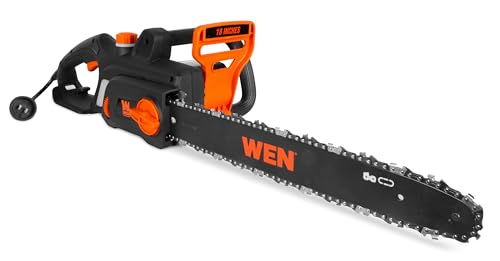
ASIN: B0FCZRMWYF

ASIN: B00TJ3FBHG
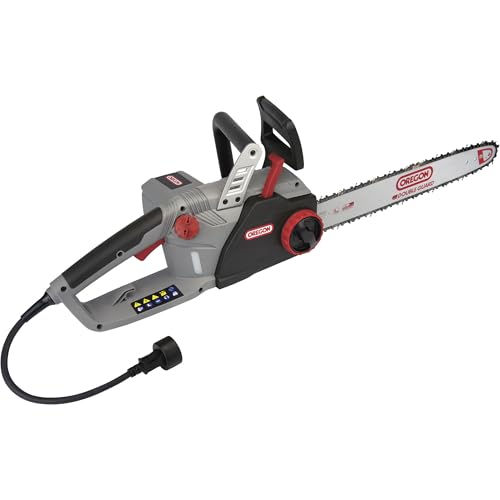
ASIN: B00OIZ1XHW
Certain content that appears on this site comes from Amazon. This content is provided “as is” and is subject to change or removal at any time. Product examples and images are supplied through Amazon Creators API; confirm specifications and availability on the current listing.
Table of contents
- What corded electric chain saws do well
- How corded saws compare with battery and gas models
- How to choose a corded electric chain saw
- Guide bar, chain, and cutting capacity
- Power cord and electrical supply
- Safety and setup
- Maintenance and storage
- Frequently asked questions
What corded electric chain saws do well
A corded chainsaw has an electric motor connected to mains power. The motor drives a sprocket that moves a chain around the guide bar. The chain’s cutters remove wood fibers as the bar enters the work. Unlike a circular saw or a reciprocating saw, the chain cuts around the bar’s edge, which gives a chainsaw reach into branches and logs but also creates distinct kickback and chain-contact risks.
The corded format can be convenient when cutting is concentrated near a home, workshop, or yard outlet. It eliminates refueling and gives continuous power while connected to an appropriate supply. The saw may be lighter or simpler than a comparable gas model, though actual weight and balance vary by design. It also avoids a battery charge limit, but the cord restricts movement and must be managed at every moment.
Typical work that may fit
- Cutting firewood or logs that are within the saw’s stated capacity and can be supported safely.
- Removing accessible branches from the ground without reaching overhead or using an unstable ladder.
- Trimming lumber or wood stock where a chainsaw’s rough cut is acceptable.
- Occasional storm cleanup after a qualified assessment confirms the wood is stable and safe to cut.
- Property maintenance where an appropriate outlet is close enough that the cord can remain behind the operator and outside the chain path.
These examples are not permission to cut any tree or limb. A corded saw is a poor match for work that requires moving freely through a large property, climbing, cutting overhead, felling trees, or operating near power lines. Wood can be under tension even when it appears still. A branch may spring when cut, a log can roll, and a kerf can close on the bar. If you cannot predict how the wood will move, stop and get competent help.
Corded versus battery and gas chain saws
Corded electric versus battery-powered
Both use electric motors, but the power source changes the work pattern. A battery saw moves without a cord and can reach areas far from an outlet. Its usable work time depends on battery charge, battery condition, workload, and the number of packs available. A corded saw can keep running as long as its power supply remains suitable, but the operator has to route and protect the cable. If you already own a battery platform and need portability, a cordless saw may be more convenient; if most cuts happen close to an outlet, corded operation may be simpler.
Do not compare a battery and corded model using a single headline number. Motor design, chain speed, bar length, chain sharpness, and material all influence cutting behavior. Compare models within the intended use class, check each manual, and include package contents. Our battery chainsaw guide discusses the tradeoffs of a cordless system separately.
Corded electric versus gas
A gas chainsaw can move freely without an electrical cord and may be designed for heavier or more remote work. It requires fuel, starting and engine care, and attention to exhaust and noise. A corded electric saw avoids fuel handling and tailpipe exhaust at the point of use, but it is tethered to an outlet and extension-cord setup. No format makes unsafe work safe. Select the tool for the cut, location, user capability, and manufacturer-approved limits.
What does not change across power types
The chain remains sharp and exposed, the bar nose can trigger kickback, the wood can bind, and cut material can shift or fall. Operators still need a stable stance, protective equipment, pre-use inspection, and a clear plan for the wood and offcut. OSHA’s Working Safely with Chainsaws specifically notes that electric chainsaws should be tested and certified by a Nationally Recognized Testing Laboratory and that extension cords should be sized according to the manufacturer’s instructions. That guidance supports treating electrical setup as part of saw selection, not an afterthought.
How to choose a corded electric chain saw
Begin with the material and task
List the wood you expect to cut, the largest regular diameter, whether it is fresh or seasoned, and how often you will use the saw. Also describe the location: a bench, yard, woodpile, or work area near a building. The location matters because the cord needs a route that does not cross the cut, wrap around the operator, or create a trip hazard. If the job requires reaching far from an outlet, repeated repositioning, or working from a ladder, a corded model may be the wrong choice.
Consider whether you need to cut logs into firewood, remove fallen branches, or work with lumber. A chainsaw cut is generally rougher than a guided crosscut from a miter saw. For precision woodworking, select a tool designed to control the cut and support the material. Never place loose round stock on a saw designed for flat boards unless its manual permits the material and specifies a secure setup.
Match bar length to the work
The guide bar length affects reach and the size of material the saw can handle, but a longer bar is not automatically better. A longer bar can add weight, create more exposed chain, and make the saw harder to maneuver. The manual will specify approved bar and chain combinations and limits. Do not assume that the maximum bar can safely cut any wood of the same diameter in one pass.
Choose a bar length that is appropriate for the work you actually expect. For occasional yard cleanup, a shorter setup may be easier to control. If the regular stock is larger, compare a suitable saw class rather than trying to stretch a compact model beyond its capacity. Even when the bar can physically span a log, the log must be stable, supported, and cut using the method described by the manufacturer.
Consider chain speed and cutting feel
Product listings may report chain speed, often measured without load. This figure can help compare models within a category, but it does not predict real cutting time by itself. Sharpness, chain type, wood species, moisture, bar condition, motor design, and the force applied all affect performance. A dull chain can make an otherwise capable saw feel weak and can encourage unsafe pushing.
Look for a saw that starts and stops predictably and has controls you can operate while keeping both hands in the positions specified by the manual. Trigger lockouts, chain brakes, and other protective devices should work as designed. Never disable or remove a safety feature to make a cut easier. If a saw lacks a device you expect, verify the model’s manual and applicable certification rather than relying on a generic product description.
Weight, balance, and handle layout
Weight affects fatigue, but balance and handle shape affect control. Hold the saw in a natural stance if you can inspect it in person. Consider the tool with the bar and chain installed and with its oil reservoir filled. Check whether the front and rear handles fit your hands, whether the grips remain secure, and whether you can see the cut line without leaning into the bar.
Do not choose a saw based only on a bare-tool weight claim; some listings exclude the bar, chain, oil, or cord. A lighter tool can be easier to carry, but a small saw does not justify one-handed cutting or overhead work. Plan the cut so you can maintain a two-handed grip, secure footing, and a body position outside the likely path of kickback and falling wood.
Chain tensioning and bar access
Chains stretch as they wear and warm, so correct tension is important. Some saws use a tool-free tensioning control; others need a wrench. A convenient system can simplify adjustment, but it still must hold tension securely. Check the manual for the adjustment procedure and the correct tension when the chain is cold. Never adjust a moving chain or touch it until the saw is unplugged and the chain has stopped.
Look at how the side cover and bar are removed for cleaning and service. Easy access can help maintain the sprocket area and clear compacted sawdust. Tool-free designs are not automatically more reliable; the important question is whether the parts lock securely and whether replacement components are available. Follow the sequence in the owner’s manual and use the correct chain, bar, and fasteners.
Automatic oiling and reservoir visibility
The chain and guide bar need lubrication. Some electric saws provide automatic oiling, while others may use a different arrangement described by the manufacturer. Check the manual for approved bar-and-chain oil, how to fill the reservoir, and how to confirm that oil reaches the chain. A transparent window or level indicator can make it easier to check the reservoir, but it does not replace inspection. Never operate a saw with inadequate lubrication.
Oil consumption and flow vary. Too little oil can cause friction and premature wear; excessive leakage can create a mess and a slip hazard. Keep the saw on a surface that can tolerate oil during storage and transport. Do not substitute motor oil or an unapproved fluid unless the manufacturer explicitly permits it.
Safety features and certifications
Review the manual for the chain brake, trigger lockout, hand guard, chain catcher, and other safety features supplied on the model. Feature names and designs differ, so confirm function rather than assuming a feature from a product photo. Check the saw’s electrical certification and label. OSHA’s chainsaw guidance calls for electric saws to be tested and certified by a Nationally Recognized Testing Laboratory. Confirm the applicable listing or certification from the product documentation.
A safety feature reduces a particular risk; it does not make the tool risk-free. A chain brake may reduce chain movement in specified circumstances, but it cannot prevent every kickback injury. The operator must keep the nose of the bar away from objects, use the proper grip, and follow all instructions.
Noise, vibration, and comfort
Electric chainsaws can still create substantial noise and vibration. Use hearing protection suitable for the task and take breaks when fatigue develops. If the saw vibrates unusually, stop and inspect the chain, bar, fasteners, and drive area after disconnecting power. A damaged chain, incorrectly mounted bar, loose component, or material pinching the cut can create abnormal vibration.
Read comfort descriptions critically. “Low vibration” or “lightweight” may refer to a comparison within a product line rather than an objective guarantee. The best test is whether the saw’s balance and controls work for your hands and the cutting position. If your grip strength, mobility, or balance is limited, consider whether a chainsaw is appropriate for the job at all and seek assistance for higher-risk cuts.
Guide bar, chain, and cutting capacity
Bar and chain must be a compatible set
Every saw is designed for a specific combination of guide bar, chain pitch, gauge, drive links, and sprocket. A bar and chain that look similar may still be incompatible. Check the model manual and replacement-parts information before purchasing. Do not install a longer bar just because it fits the mounting studs; motor capability, chain drive, guard design, and kickback behavior all depend on the approved configuration.
Replacement chain should match the bar markings and saw model. Follow the manufacturer’s recommendations for chain type and low-kickback configuration. Never grind or alter a chain safety feature to improve speed. If you are unsure how to identify pitch, gauge, or drive-link count, take the saw or its part numbers to a qualified dealer.
Chain sharpness
A properly sharpened chain cuts with less effort and produces consistent chips. A dull chain may make fine dust, pull to one side, cut slowly, or require excessive pressure. Stop if the chain is damaged or if the saw behaves unexpectedly. Sharpening requires maintaining the cutter angles and depth gauges specified by the chain maker. If you lack the correct tools or training, have a qualified service provider sharpen or replace it.
Do not sharpen a chain while it is connected to power. Unplug the saw, engage any applicable brake as directed, wear suitable cut-resistant gloves while handling a stationary chain, and use the proper file and gauge. Follow the specific manual; generic sharpening instructions may not match every chain.
Understand real cutting capacity
Published bar length is not the same as safe cutting capacity. A cut may require working from more than one side, and the wood may be too large, unstable, or tensioned for the saw and operator. A guide bar longer than the log diameter does not guarantee a safe or clean one-pass cut. Follow the manual’s capacity and cutting instructions and work within your skill.
For logs, support matters. A log resting on the ground can pinch the chain when the cut closes. A branch can roll or spring. A piece held by one end can drop as the cut completes. Identify support and tension before starting. If you cannot predict the wood movement, do not make the cut.
Cord and electrical supply
A corded chainsaw’s electrical setup is part of the tool. The wrong extension cord can cause voltage drop and overheating, and a damaged cord can create an electric-shock hazard. Follow the saw manufacturer’s table for cord type, length, and wire gauge. Do not substitute a generic rule of thumb. OSHA also advises sizing cords according to the chainsaw maker’s instructions.
STIHL’s official electric chainsaw instruction manual illustrates why model-specific directions matter: it tells users to use outdoor-rated cords when needed, inspect cords for damage, match wire size to length and current, and position the cable behind the operator and away from the bar and chain. Those details may differ across saws, so use the manual for the exact model you choose.
Route the cord before starting
Plan where the cord will run before cutting. Keep it behind you and away from the saw, the wood, sharp edges, water, hot surfaces, and moving equipment. Do not let it cross the workpiece or the likely path of falling branches. Avoid loops where a foot can catch. If you need to change position, switch off and unplug the saw as directed before moving the cord.
Never carry the saw by its cable or pull the plug out by yanking the cord. Hold the plug when disconnecting. Inspect the cord along its length and replace damaged equipment instead of taping over a serious cut or exposed conductor. Keep connectors dry and off wet ground. Use only outdoor-rated extension cords if the manufacturer requires one, and keep connections protected as directed.
Do not extend the tool beyond its reach
A long extension cord does not turn a corded saw into a mobile tree-care tool. Long cords create additional voltage, trip, and entanglement concerns. Do not daisy-chain extension cords or use a cord size that the manual does not allow. If the cut area is too far from a suitable supply, use a different approved saw type or hire a qualified professional instead of improvising an electrical setup.
Do not operate a corded chainsaw in rain, standing water, or conditions prohibited by the manual. Use the outlet and protective devices required for the environment and applicable local electrical rules. If a circuit trips or the saw overheats, stop and investigate; do not repeatedly reset protection or bypass it.
Safety and setup
Chainsaw operation can cause severe injury. Read the entire owner’s manual before use and get hands-on instruction if you are new to chainsaws. OSHA’s Working Safely with Chainsaws recommends checking safety devices, looking for metal in the wood, maintaining a secure footing and two-handed grip, planning the cut and fall area, avoiding direct overhead cutting, and working within your skill level. Its guidance applies to job-site safety; homeowners should also follow the exact saw manual and local requirements.
Wear the protective equipment specified by the manufacturer and appropriate to the work, which may include eye and face protection, hearing protection, chainsaw-resistant leg protection, gloves, and protective footwear. PPE does not replace training or safe work planning. Keep children, pets, and bystanders outside the work area. Do not operate when tired, impaired, distracted, or in poor visibility.
Pre-use checklist
- Inspect the housing, handles, switch, cord, plug, bar, chain, sprocket cover, chain brake, and other safety devices.
- Confirm the bar and chain are the approved match for the saw and are correctly installed and tensioned.
- Check that the chain is sharp enough for the task and that the oil reservoir is filled with approved bar-and-chain oil.
- Inspect the wood for nails, wire, embedded objects, and signs of pressure or tension.
- Clear the area of debris and identify where the log, limb, and offcut could move or fall.
- Plan the cord path behind the operator and away from the chain, falling wood, water, and trip routes.
- Make sure footing is stable and there is a clear route to step away if material moves.
- Confirm the chain is not touching the ground or an object before energizing the saw.
Do not use a damaged saw or a saw with an inoperative safety device. Do not make adjustments while the chain is moving. Disconnect power before clearing a jam or handling the chain. If a chain is caught in a cut, do not yank the saw free while it is energized. Turn it off, unplug it, and safely relieve the pinch without putting your body in the path of the wood or bar.
Kickback and bar-nose awareness
Kickback can occur when the upper part of the guide-bar nose contacts wood or another object, or when the chain is pinched or caught. The bar can move abruptly toward the operator. Keep the nose clear of branches, logs, and hidden obstructions. Maintain a firm two-handed grip and stable stance. Do not cut with the tip unless the manual describes a specific trained technique; for routine homeowner work, avoid bar-nose contact and use cuts that keep the tip visible and clear.
Low-kickback chains and chain brakes can reduce some risks but do not eliminate them. Never remove a tip guard or safety device. Avoid awkward reaches and do not cut directly overhead. If the material is above shoulder level, unstable, or near a power line, stop and use a qualified tree-care service.
Support and tension in wood
Wood can be compressed, stretched, or bent by its own weight or by nearby branches. A cut can close and trap the bar, or it can open suddenly and release stored force. Observe the log’s supports, lean, and contact points. Plan the cut and offcut path before starting. Do not cut a suspended branch, leaning tree, or storm-damaged limb unless you have the training and equipment to assess tension and movement.
Felling trees, cutting hung-up limbs, working on steep or unstable ground, and cutting from ladders are beyond routine homeowner use. If the work involves overhead branches, power lines, a tree with a heavy lean, decay, or structures nearby, contact a qualified arborist. A corded tool’s proximity to an outlet can make it tempting to attempt a cut that is otherwise beyond safe reach; do not let the cord determine the job plan.
Maintenance and storage
Unplug the saw before maintenance, inspection, or cleaning. Clean sawdust and debris from the sprocket cover, bar groove, oil ports, and vents using the method in the manual. Keep liquid away from the motor and switch. Check the cord and plug for wear, cuts, exposed wires, or loose connections. Do not repair a damaged power cord with household tape.
Check chain tension when the chain is cool and follow the manufacturer’s adjustment procedure. A chain that is too loose can derail; one that is too tight can wear the bar and drive components. Inspect cutters, drive links, and rivets for damage. Turn or replace the bar only as the manual specifies. Keep the oil reservoir clean and use the approved lubricant.
Before storage, disconnect power, let the saw cool, clean it, and fit the bar cover. Store the saw dry and out of reach of children and unauthorized users. Coil the cord loosely without sharp bends. Keep oil away from surfaces that may be damaged, and store chain oil according to its label. A clean saw is easier to inspect next time, but pre-use checks remain necessary.
If the brake, switch, chain catcher, or other safety device does not operate correctly, remove the saw from service until repaired. If the saw produces unusual noise, vibration, smell, heat, or sparking, stop using it and have it inspected by qualified service personnel. Use only manufacturer-approved replacement parts.
Common buying mistakes
Choosing a long bar for occasional work
A longer bar is not automatically more capable for a homeowner. It may add weight, increase exposed chain, and make the saw harder to control. Match bar length to the wood you regularly cut and the tool’s intended use. Do not purchase a larger saw to handle rare tree work that should be left to professionals.
Ignoring cord limitations
A nearby outlet can make a corded saw convenient, but cord length, gauge, rating, and route are safety-critical. Check the manual and work area before buying. If the proper cord route is not possible without crossing the cut or creating a trip hazard, choose another tool format.
Assuming more power means faster, safer cutting
Power does not compensate for a dull chain, poor support, incorrect tension, or unsafe stance. Forcing a saw can increase risk. A sharp, compatible chain and a controlled setup matter more than relying on marketing language about power.
Buying without checking parts support
Bars, chains, sprockets, and oiling components need correct replacements. Before choosing a model, check that the exact chain and bar specifications are available and clearly documented. Do not assume a similarly sized chain will fit. Compatibility includes pitch, gauge, drive links, bar mount, and saw model.
Confusing a corded electric saw with a battery model
Some search pages group all electric chainsaws together. If you want a corded model, verify that the listing is not a bare battery tool or a battery-and-charger kit. Confirm voltage, cord, and package contents from the manufacturer’s documentation.
Research-based selection method
Because this guide does not claim hands-on testing, its method is to compare equipment by documented fit and safe use rather than inventing rankings. For any candidate saw, we would verify the exact model number, intended power source, approved bar and chain combinations, rated electrical requirements, tensioning method, lubrication design, safety devices, and package contents from the manufacturer’s manual and official product information. We would then compare those details against a clearly defined task, such as occasional firewood cutting near an outlet or yard cleanup limited to stable ground-level branches.
Safety criteria are checked separately from convenience. The cord path, extension-cord requirements, certification, two-hand grip, chain brake, kickback guidance, and manufacturer’s restrictions must be compatible with the planned work. OSHA’s official chainsaw safety document is useful for general job-site precautions, while the manufacturer’s manual controls the exact electrical and operating requirements of a particular saw. A spec sheet alone does not establish suitability for a tree, wood condition, or operator.
When shopping, compare current listings against the manufacturer source rather than assuming that every retailer description is complete or current. Verify stock, bar length, chain, oil, and whether the package includes a cord or other accessories. Do not use a “best” list as a substitute for inspecting the actual model documentation before purchase. Exact prices and availability change, so this guide does not state current price claims.
Frequently asked questions
Are corded electric chainsaws good for homeowners?
They can be useful for appropriate cutting near a suitable power source when the user can manage the cord safely. The right fit depends on the material, saw limits, operator skill, and work area. A corded saw is not appropriate for every property or tree task.
Can a corded electric chain saw cut firewood?
It may cut logs within the saw’s stated capacity when the wood is stable, supported, and cut using the manual’s instructions. The cord must remain away from the chain and footpath. If logs are unstable, under tension, or too large for the saw or operator, do not proceed.
What extension cord should I use?
Use only a cord type and wire gauge permitted by the saw maker for the specific cord length and tool rating. The manufacturer’s manual is the source for that selection. Do not use a damaged cord, connect cords in a chain, or route the cable across the cut area.
Do corded electric chain saws need bar oil?
Most chain-and-bar systems require lubrication, but the exact oil type and oiling arrangement depend on the model. Check the manual, maintain the reservoir as directed, and verify oil delivery using the maker’s procedure. Never operate a saw with inadequate lubrication.
How do I know when the chain is dull?
Signs can include slow cutting, fine dust instead of normal chips, pulling to one side, or a need to push harder. Stop and inspect the chain after disconnecting power. Sharpen or replace it according to the chain maker’s specifications. Do not keep cutting with a damaged chain.
Can I use a corded electric chainsaw in the rain?
Do not use it in rain, standing water, or damp conditions unless the specific saw is expressly rated and the manual permits it. Keep electrical connections dry and follow local electrical safety requirements. If weather or ground conditions reduce visibility or footing, postpone the work.
Can I use a corded chainsaw from a ladder?
Do not use a chainsaw from an unstable ladder or an awkward elevated position. OSHA advises against operating above shoulder height and identifies work from ladders or trees as higher risk. Use proper access equipment and trained professionals for elevated tree work.
Is a corded electric chainsaw quieter than a gas saw?
Sound levels differ by model and workload, but an electric motor does not make chain cutting quiet. Wear hearing protection appropriate to the saw and task, and follow local noise rules. Compare manufacturer sound information when available, but do not skip protection based on a general power-source comparison.
What should I do if the chain gets pinched?
Release the trigger, switch off, unplug the saw, and wait for the chain to stop. Do not pull or twist the energized saw free. Assess how the wood is supported and relieve pressure only with a safe method that keeps your body clear of movement. If the situation is unstable or unclear, get professional help.
Final thoughts
The best electric chain saws in this guide are corded models selected for cutting near a suitable outlet, with a bar and chain that fit the wood and a power cord that can be routed safely. Compare intended workload, bar length, chain system, tensioning, oiling, controls, electrical certification, and manufacturer support. A model with convenient features is only a good choice when it fits the work area and the operator can keep stable footing and a two-handed grip.
Before each use, inspect the saw, chain, bar, oil level, safety devices, and cord. Plan the cut, identify hazards in the wood, and know how the material may move. Use the extension cord specified by the manufacturer and keep it away from the bar and chain. Avoid overhead, ladder, felling, storm-damaged, or tensioned-wood work unless you have appropriate training and equipment. When a cut falls outside your skill or the saw’s intended use, choose another tool or call a professional.