Affiliate disclosure: As an Amazon Associate, DailyHomeDecorating.com earns from qualifying purchases. If you buy through links on this page, we may receive a commission at no extra cost to you.
This guide covers battery-powered wet/dry shop vacuums, with a focus on battery platforms, runtime, charging, kit contents, and portability. It distinguishes these cordless tools from full-size corded shop vacs and from compact-only vacuum comparisons.
Cordless shop vacuum examples to compare

Milwaukee 0880-20 18-Volt Cordless Wet/Dry Vacuum, Red
ASIN: B001AHMQ90
The verified listing identifies the Milwaukee 0880-20 as an 18-volt cordless wet/dry vacuum. It is a useful option to compare if you already own compatible M18 batteries. Confirm the current kit contents, tank capacity, filter setup, and battery compatibility for this exact listing before purchase.
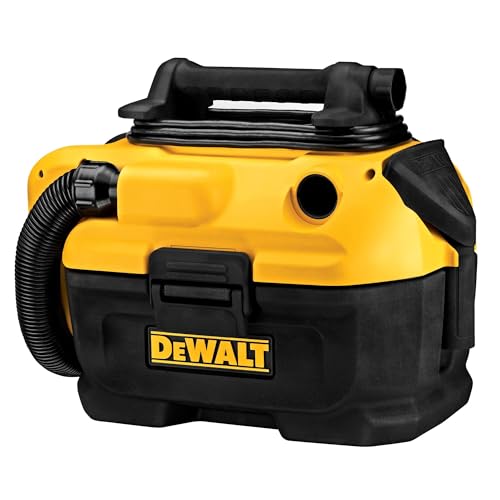
DEWALT 20V MAX Shop Vacuum Wet and Dry, Shop Vac 2 Gallon, Cordless and Corded Wet Dry Vacuum Cleaner, Wide Nozzle, Hepa Filter, Tool Only (DCV581H)
ASIN: B00DD1UQ3Y
The DEWALT DCV581H listing describes a 2-gallon wet/dry vacuum that can run corded or cordless, with a wide nozzle and HEPA filter. The listing says tool only, so verify whether your purchase includes a battery, charger, and AC cord. Its hybrid power option can help when a battery session is not enough.

RYOBI ONEAND 18V Link Cordless 3 GAL. Wet/Dry Vacuum Tool ONLY PCL734B | Battery and Charger Sold Separately
ASIN: B0D23RX8NH
The verified RYOBI PCL734B listing describes an 18V Link cordless 3-gallon wet/dry vacuum and explicitly states that the battery and charger are sold separately. This is a platform-style bare tool for users who already own compatible batteries; include pack and charger costs when comparing it with a complete kit.

Makita XCV11T 18V LXT® Lithium-Ion Brushless Cordless 2 Gallon HEPA Filter Portable Wet/Dry Dust Extractor/Vacuum Kit (5.0Ah)
ASIN: B07RRZXCHM
The Makita XCV11T listing describes a brushless 18V LXT 2-gallon cordless wet/dry dust extractor kit with a 5.0Ah battery. A kit can simplify the first purchase if you are not already on the platform. Confirm the box contents, filter arrangement, and current runtime information on the live listing.
Certain content that appears on this site comes from Amazon. This content is provided “as is” and is subject to change or removal at any time. Product examples and images are supplied through Amazon Creators API; confirm specifications and availability on the current listing.
Browse the Home & DIY section for more practical guides. For a broader overview, compare our general shop vacuum guide. If storage space is the main issue, see compact shop vacuums for tight spaces. The cordless models here are selected for their battery and power arrangements.
How cordless shop vacuums differ from regular shop vacs
A cordless shop vacuum combines a wet/dry utility-vac body with a rechargeable tool battery. It can be useful for a car interior, a quick workshop cleanup, a small repair, or a remote work area where an outlet is inconvenient. The battery removes the cord constraint but also limits how long the vacuum can run at a given suction setting. Tank volume, hose diameter, filter setup, nozzle choice, and the battery pack all affect how useful the unit is for a task.
This roundup compares battery-powered shop vacuums through their battery platforms, kit contents, runtime planning, charging, and suction tradeoffs. It is distinct from a general shop-vac guide that weighs broad tank types, and from a compact wet/dry guide focused on footprint. The products are examples verified through Amazon’s Creators API; they are not hands-on test winners. Always check the exact model, included battery and charger, filter configuration, wet-pickup rules, and current listing before buying.
Quick picks by battery and power setup
The Milwaukee 0880-20 is an 18V M18 cordless wet/dry model to compare if you already own compatible batteries. The DEWALT DCV581H stands out because its listing describes corded-or-cordless operation, a 2-gallon tank, wide nozzle, and HEPA filter; its listing is tool-only, so check what power parts are included. The Ryobi PCL734B offers a 3-gallon tank on the 18V ONE+ platform, but the listing says battery and charger are sold separately. The Makita XCV11T is a 2-gallon kit listing that includes a 5.0Ah battery.
Those distinctions can matter more than a generic suction claim. A bare tool may look cheaper until the required pack and charger are added. A kit costs more upfront but may be the simplest route for a new battery platform. A hybrid model can continue from a wall outlet when a battery is depleted, but the cord limits mobility. Compare total system cost and the job length you expect rather than choosing by brand name alone.
When cordless is the right choice
Cordless shop vacuums are most useful for short, mobile tasks: cleaning a vehicle between seats, collecting sawdust after a small cut, removing crumbs from a workbench, or handling a quick dry pickup in a place without a nearby outlet. A portable tool can reduce setup time when the user already has charged batteries in the same platform. It can also be easier to move around a job where the cord would snag or cross a walkway.
For a long workshop session, large spill, heavy renovation debris, or a site where the vacuum must run continuously, a corded machine may be a better primary tool. Larger corded shop vacs typically have more tank capacity and can run for extended periods without battery swaps. A cordless model is a convenience tool with defined limits; it should not be treated as equivalent to a full-size corded machine just because both are labeled wet/dry.
Battery platform compatibility comes first
Battery systems are not interchangeable across brands and often not across voltage families. If you already own Milwaukee M18, DEWALT 20V MAX, Ryobi 18V ONE+, or Makita 18V LXT batteries, staying on that platform can reduce the incremental cost of a bare tool. Confirm that the exact battery type and capacity are supported; a similar-looking pack may not fit, and adapters can introduce risk or void support.
If you do not own any batteries, compare a complete kit with the tool-only price plus a compatible battery and charger. Add any extra battery needed for longer sessions. Check whether the pack is included in the product image or actually listed in the box contents. The Ryobi PCL734B listing explicitly says battery and charger are sold separately, while the Makita XCV11T title describes a kit with a 5.0Ah battery. Verify the exact bundle because listings can change.
Amp-hours and what they do—and do not—tell you
Amp-hours (Ah) describe a battery’s capacity rating under a manufacturer’s measurement method, but they do not alone tell you how long a shop vac will run. Motor load, suction setting, airflow restriction, battery condition, and filter clogging affect runtime. A 5.0Ah battery will generally store more energy than a smaller-capacity pack in the same voltage family, but actual operating time still depends on the tool and task.
Compare pack voltage and capacity within the same platform, and look for runtime information under realistic settings. If a listing gives an “up to” time, find out whether that was measured with a specific nozzle, low setting, or empty tank. Shop-vac tasks vary widely: a clean filter and open hose differ from a clogged filter collecting fine dust. If no runtime is stated, avoid assuming one from the battery label.
Runtime planning for real cleanup tasks
Before a job, estimate how many minutes the vacuum will run without a break. Cleaning a car may involve brief bursts with pauses to move mats and seats; a small workshop cleanup may run continuously while collecting fine dust. A cordless unit can perform well in the first case and run out quickly in the second. Test the actual tool in a controlled, low-risk setting so you learn how long a charged battery lasts on the setting you use.
Carry a second charged battery only if the vacuum and platform support it, and store it safely. A spare pack adds weight and cost but can avoid waiting for a recharge. For long sessions, a hybrid AC/DC model such as the DEWALT listing may provide an outlet option. Plan a cord path that does not create a trip hazard, and confirm that the product can operate in the intended mode.
Charging time and work interruptions
Battery charging time varies by pack size and charger. A large-capacity pack can extend runtime but may take longer to recharge on a basic charger. Check the battery maker’s charger specifications and whether a rapid charger is available for your platform. If the vacuum is used throughout the day, consider whether the charger can keep up with your work schedule or whether a second pack is necessary.
Charging is also a storage decision. Keep packs in a dry location within the manufacturer’s temperature recommendations. Avoid leaving them where metal debris can bridge contacts or where water can reach the charger. Do not charge a damaged or unusually hot battery. For shop use, keep a routine: inspect the pack before installation, charge between tasks, and remove it for maintenance according to the vacuum manual.
Suction, airflow, and water lift are not the same
Vacuum listings may advertise CFM, water lift, or a general suction phrase. Airflow and sealed suction describe different aspects of performance; one number does not summarize how well a vacuum moves debris through its hose and filter. Nozzle shape, hose diameter, filter state, and debris type matter. A model that collects coarse chips may behave differently when asked to capture fine dust or liquid.
Compare specifications within the same test method when possible. Do not rank products by a single number if manufacturers measure under different conditions or omit details. Read the intended-use section, confirm which filters and bags are required, and consider the hose and nozzle supplied. A larger hose can pass larger debris but may feel less precise in a car; a narrow nozzle can focus suction but clog sooner.
Tank volume versus usable capacity
Tank size tells you how much material the body can hold, but the practical capacity depends on the debris, filter, and fill limits. Wet pickup may require stopping before the tank is full, and some models have a float shutoff or other limit. Fine dust can quickly load a filter and reduce airflow before the tank is full. Check the manual for dry and wet limits instead of treating the listed gallon count as usable capacity for every job.
The compared listings include a 2-gallon DEWALT unit, a 2-gallon Makita kit, and a 3-gallon Ryobi model. A larger tank can mean fewer emptying trips but also more bulk and weight when carrying liquid. For a car, compact workbench, or cabinet cleanup, a small tank may be easier to store. For repeated debris collection, a larger body can be more convenient if the battery can support the session.
Filters, dust bags, and wet pickup
Wet/dry vacuums may need different filters or accessories depending on whether they collect dry dust, fine particles, or liquid. A HEPA filter label does not mean every configuration is suitable for wet pickup. Follow the manufacturer’s instructions for filter removal or substitution before collecting liquid, and reinstall the correct components before dry use. Using the wrong filter can damage the vacuum or release dust into the room.
For fine dust, check whether a disposable bag or pre-filter is recommended. It can reduce filter loading and make disposal cleaner, but it adds a consumable cost. For liquid pickup, check capacity limits, float mechanisms, and the material compatibility of the tank. Never vacuum flammable liquids or unknown chemicals. Let components dry as directed after wet use to reduce odor and prevent damage.
A closer look at Milwaukee 0880-20
The verified product title describes the Milwaukee 0880-20 as an 18-volt cordless wet/dry vacuum. It is a platform option for users already invested in compatible M18 batteries. The current listing should be checked for tank capacity, included hose and nozzles, filter configuration, and whether the package contains a battery or charger. Tool-only versions are common in cordless equipment, and a product photo can show accessories that are not in the box.
For runtime, compare the pack capacity you own and any available manufacturer guidance. The tool’s battery life will change between short car-detailing bursts, continuous sawdust pickup, and restricted airflow from a loaded filter. Keep a spare charged pack only if it is compatible and your job needs one. For larger continuous cleanup, compare a corded wet/dry machine rather than expecting a portable battery model to run indefinitely.
A closer look at DEWALT DCV581H
The DEWALT DCV581H listing describes a 2-gallon wet/dry shop vacuum that can operate corded or cordless, with a wide nozzle and HEPA filter. The hybrid power option makes it distinct from a battery-only model: a charged battery gives mobility, while an outlet can support a longer session where it is safe and practical. The listing says tool only, so verify the AC cord, battery, and charger in the exact package.
If you plan to use the corded mode, check the location of the outlet and protect the cord from sharp tools, liquid, and walkways. For battery operation, confirm 20V MAX battery compatibility and estimate runtime using the pack you will install. The relatively small tank may suit cleanup in a car, workshop corner, or maintenance task, but it will require more frequent emptying than a larger drum unit.
A closer look at Ryobi PCL734B
The Ryobi PCL734B listing describes an 18V ONE+ Link cordless 3-gallon wet/dry vacuum and explicitly states that battery and charger are sold separately. Its platform fit can be valuable to an existing Ryobi user, while a new buyer should include the full system cost. Confirm whether your current ONE+ pack is the capacity you want for sustained vacuum use, and verify that the listing matches the PCL734B model.
A 3-gallon tank can reduce emptying frequency compared with a smaller portable unit, but the larger body can be less convenient to carry around a vehicle or up stairs. Check its handle, hose reach, and storage footprint. Review the filter and wet-pickup instructions for the specific model. If the task includes fine dust, consider the manufacturer’s recommended filtration accessories rather than relying on the standard cartridge alone.
A closer look at Makita XCV11T kit
The Makita XCV11T listing describes a brushless 18V LXT 2-gallon wet/dry dust extractor kit with a 5.0Ah battery. A kit can be appealing if you do not already own compatible batteries, because the battery is part of the listed bundle. Confirm the charger and other box contents in the current listing and compare the total kit price with the tool-only version plus a pack bought separately.
The 2-gallon portable format can be useful for controlled cleanup or dust extraction tasks, but tank size and filter setup limit what it should be asked to do. Verify the manual’s intended applications, the accessories included, and whether a particular tool connection or dust bag is required. The battery’s capacity alone does not guarantee a fixed runtime; use the manufacturer’s runtime guidance for the actual setting and material.
Cordless shop vac limitations
Battery-operated shop vacuums are not ideal for every workshop. Continuous use can drain a battery faster than intermittent spot cleaning. A small tank fills quickly with heavy debris or liquid. Fine dust can clog a filter, and a narrow hose can block on larger shavings. If the job involves long cuts, renovation debris, or a large spill, a higher-capacity corded unit may be safer and more efficient.
For repeated use with power tools, check whether the vacuum supports the tool’s dust port, whether an adapter is needed, and whether the filter system is rated for the dust involved. Some hazardous dust requires a specific dust extractor and protective procedures, not an ordinary portable shop vac. Follow occupational safety instructions for silica, lead, or other hazardous materials; a small cordless vacuum is not a substitute for appropriate controls.
Choosing a battery platform based on tools you own
If your garage already has several M18, 20V MAX, 18V ONE+, or 18V LXT tools, a matching shop vac may share batteries and chargers. Count how many packs are available and whether they are usually occupied by other tools. A battery platform is convenient only if a charged pack is available when cleanup is needed. A vacuum can make a small pack feel inadequate during longer runs.
For a first purchase, compare the starter kit with the bare tool. Kit contents can differ: one may include a battery but no rapid charger, another may include a charger and a small pack, and a tool-only unit may include neither. Check the current seller’s listing and the manufacturer’s pack compatibility chart. Avoid mixing third-party batteries or chargers unless the manufacturer explicitly supports them.
Use in cars, workshops, and outdoor areas
For a car interior, nozzle size and hose flexibility can matter more than tank capacity. A crevice tool reaches seat rails, while a brush nozzle helps around vents and fabric. Keep the battery and vacuum away from wet areas unless the product’s instructions permit the task. Do not use the vacuum on hot ash, liquids that could damage components, or flammable residues.
In a workshop, empty the tank before it becomes heavy and inspect the filter after dusty tasks. If outdoors, keep the motor and battery dry and avoid dragging the vacuum over sharp debris. A cordless tool reduces cord clutter but does not eliminate safe electrical and dust-handling practices. Plan where the unit will sit so the hose does not pull it off a workbench or block a walkway.
Maintenance and battery care
Clean or replace filters at the intervals and by the methods specified in the manual. Some filters are washable; others are not. Dry all washable parts completely before reassembly. Remove debris from the hose and nozzle, and check for cracks that can reduce suction. Inspect the tank seal and latches so the unit closes correctly. A clogged filter can overheat the motor and reduce useful battery time.
For battery care, use compatible chargers, store packs in suitable temperatures, and check for damage before each use. Do not leave a battery in a wet or dusty place where contacts can be contaminated. If the vacuum stops unexpectedly, check the battery charge and airflow path before assuming a fault. After wet pickup, follow the drain and drying instructions so moisture does not remain inside the machine.
How to compare overall cost
Compare the tool, battery, charger, spare pack, filters, bags, nozzles, and any needed adapter. The cheapest tool-only listing can become more expensive than a kit once the platform is added. If you already own compatible packs, the bare tool may be the better value. If not, check whether a kit includes the battery capacity appropriate for your intended runtime.
Consider the ongoing costs and availability of replacement parts. A vacuum that uses a proprietary filter or accessory can cost more over time. Compare warranty coverage for the tool and battery separately, and read the seller’s return terms. If the vacuum will be used for a jobsite, verify that the model meets the dust or liquid requirements rather than choosing solely by price.
Frequently asked questions
How long can a cordless shop vac run? Runtime depends on battery capacity, motor load, suction setting, filter condition, hose restriction, and whether the pickup is wet or dry. Use manufacturer estimates for the exact model and pack, and leave margin for real work.
Does a cordless shop vac include a battery? Not always. Many are tool-only. The verified Ryobi PCL734B listing says its battery and charger are sold separately, while the Makita XCV11T listing describes a kit with a 5.0Ah battery. Verify the selected option.
Can I use any battery from the same brand? Check the exact platform and compatibility chart. Voltage families and pack designs differ even within a brand, and third-party adapters may not be supported.
Is a 2-gallon vacuum enough for a workshop? It can handle small tasks and portable cleanup, but may need frequent emptying during larger jobs. Match tank size to the debris and session length.
Can a wet/dry shop vac collect liquids with its HEPA filter installed? Do not assume so. Follow the manual for the correct filter and float setup before wet pickup.
Is a cordless shop vac as powerful as a corded shop vac? Performance varies by model and test method. A cordless unit offers portability and limited runtime; a corded unit can support longer continuous work and may have a larger tank.
Can I use one with a power tool? Check the hose diameter, adapters, dust-port compatibility, filtration, and whether the vacuum is designed for the dust involved. Hazardous dust may require a dedicated extractor.
Final recommendation
Choose a cordless shop vacuum by matching the battery platform, task length, tank size, filter system, and power source. The Milwaukee 0880-20 is a platform option for M18 users; the DEWALT DCV581H adds corded-or-cordless flexibility; the Ryobi PCL734B offers a 3-gallon format but needs a separate battery and charger; and the Makita XCV11T kit lists a 5.0Ah battery. These are different ownership setups, not interchangeable picks.
For short mobile jobs, cordless convenience can outweigh the smaller tank and limited runtime. For long sessions or high-volume debris, compare a corded shop vacuum or dust extractor. Check the product manual for dry and wet filter setups, confirm battery and charger contents, and calculate the complete system price before ordering. The right tool should finish the task safely without forcing you to stop for a recharge or improvise with an incompatible battery.