Disclosure: This article contains affiliate links. As an Amazon Associate, Daily Home Decorating earns from qualifying purchases. The product links below may earn us a commission at no extra cost to you.
Finding the best vacuums under $100 is a matter of matching a modest machine to the right rooms and expectations. At this price, a compact canister, simple corded stick, or stripped-down upright can be a useful everyday cleaner. You are less likely to find a premium sealed filtration system, exceptionally quiet operation, a long warranty, or a powered tool for every surface. That does not make a lower-cost vacuum a poor choice; it makes the details and the return policy especially important.
This guide focuses on models and styles that can be found below the $100 ceiling, rather than repeating a broad “affordable vacuum” roundup. Prices and availability change frequently, and sale prices can disappear. Check the current product page, selected model suffix, shipping, and return terms before ordering. We have not conducted standardized laboratory tests of these models. Our comparison uses manufacturer specifications, product information, intended use, and the practical tradeoffs shoppers should consider.
For a wider range that includes higher-priced options and a different set of tradeoffs, see our broader guide to affordable vacuums. Here, the question is narrower: what kind of cleaning can a strict under-$100 budget realistically cover?
Product listings to compare
The following product titles, images, and ASINs were verified through Amazon Creators API. These links identify listings; they do not guarantee that the current offer remains below $100 or that a specific seller has stock. Confirm the full model and live price before purchase.
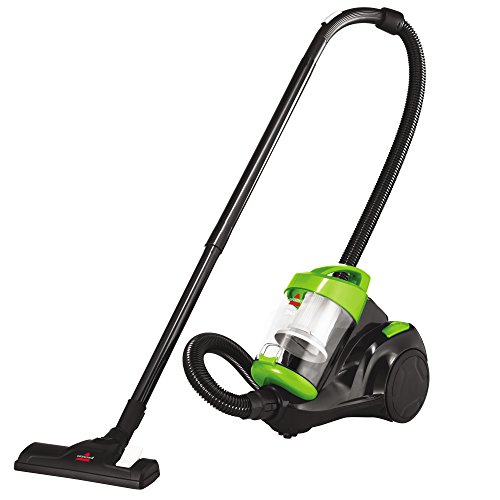
ASIN: B075PL2GDD
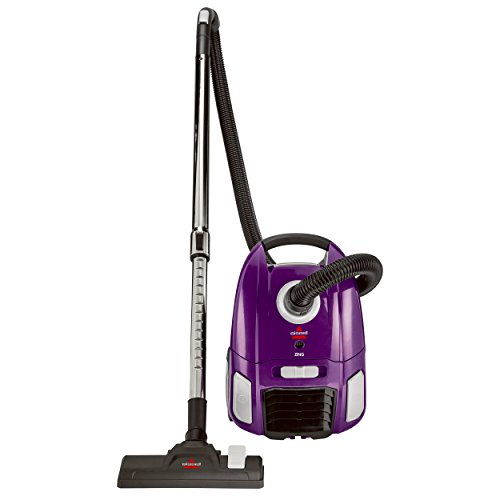
ASIN: B075PKTS85

ASIN: B00002N8CX

ASIN: B002KCO96C
Quick picks: choose by the job, not by the biggest claim
Best canister value: the Bissell Zing Bagless 2156A is a compact corded canister with a switchable floor nozzle and variable suction. It suits bare floors, rugs, stairs, and above-floor dusting when you want one small machine and do not mind pulling a canister behind you. BISSELL lists it at $89.99 at the time of research, but check the current listing.
Best bagged canister value: the Bissell Zing 2154A offers a replaceable bag, variable suction, an automatic cord rewind, and a telescoping wand. The manufacturer page lists $89.99 at the time of research. Budget for replacement bags and confirm the model number before buying.
Best lightweight canister for stairs and above-floor work: Eureka Mighty Mite 3670G is an 8.6-pound bagged canister with an extended reach, onboard tools, and blower port. Eureka’s current product pages have shown it below $100, although its price varies by market and offer.
Best low-cost stick for quick pickups: Dirt Devil SimpliStik SD20000RED is a compact corded stick that converts to a hand vacuum. It is a better fit for crumbs, dust, and small rooms than for deep carpet cleaning. Verify the exact model and current price; listings may use similar names for different versions.
All prices above are examples of current manufacturer or retailer listings checked while preparing this guide, not a promise that a product will remain under $100. A listing that has crossed your budget is no longer an under-$100 pick. Wait for a sale or choose another option instead of stretching your ceiling unexpectedly.
What “under $100” should mean in a vacuum guide
A product’s price is not the entire cost of ownership. A bagged canister needs compatible bags; a bagless model may need replacement filters; a cordless model may eventually need a battery; and a machine with a tiny bin can require frequent emptying. If your budget is strict, include tax and shipping where applicable, then leave room for the supplies that keep the vacuum working. A $90 machine with inexpensive, available consumables can be a better buy than a $70 machine whose filter is hard to replace.
Price also depends on seller, color, bundle, condition, and model suffix. Marketplace pages sometimes display a low price for a used or open-box unit, a replacement component, or a different configuration. Check that the item is a complete vacuum, that it is new if that is what you want, and that the included tools match the description. A listing title alone is not enough to establish that two machines are the same.
The ceiling should be treated as a shopping rule, not a performance ranking. A $99 vacuum is not automatically better than a $45 one for every household. If you only need to collect crumbs from a small hard-floor kitchen, an uncomplicated stick may be enough. If you must clean several carpeted rooms, a low-cost stick could become frustrating even if it has a high advertised wattage. Match the cleaner to the area and task first, then compare the current price.
How we approached these recommendations
We grouped potential choices by design and use: compact canister, bagged canister, lightweight canister, and stick/handheld. We looked for clear model identification, an established manufacturer product page or manual, usable tools, and an Amazon product page with a matching title and image. This is a researched buyer’s guide, not a hands-on test. We did not measure pickup, noise, filtration, or durability in a lab, and we do not claim that one product has been proven best for every home.
The product images, titles, and ASINs linked in this article were checked using Amazon’s Creators API. Product pages can still change or go out of stock. Before ordering, compare the model code on Amazon with the manufacturer’s page and confirm that the seller is offering the complete machine. Where the retailer price or model page can differ, we identify that uncertainty rather than implying a guaranteed price.
There is another limit to budget comparisons: product ratings and review counts change, and a star average does not tell you whether a vacuum suits your carpet. We therefore emphasize observable design differences such as bag versus bin, cord versus battery, canister versus stick, tool storage, and included floor head. These are more useful decision points than unsupported superlatives.
1. Bissell Zing Bagless 2156A: compact canister convenience
The Zing 2156A is worth considering when you need a small, corded machine that can move between bare flooring, low-pile carpet, stairs, and above-floor dusting. BISSELL describes a multi-surface floor nozzle, variable suction control, a 16-foot cord with automatic rewind, a carrying handle, and a combination crevice/dusting tool. The canister format keeps the motor and bin behind the floor head, which can make the handle feel lighter than a full-size upright, though you still need to pull the canister around furniture.
Its bagless design avoids buying dust bags, but emptying a bin can release dust into the air if you do it indoors or too quickly. The manufacturer describes a three-stage filtration arrangement; that should not be confused with a sealed HEPA system. If someone in your household is highly sensitive to fine dust, verify the exact filtration claims and consider whether emptying a bagless cup is acceptable. A washable or replaceable filter still needs periodic care.
The Zing’s small footprint is an advantage in an apartment, dorm, or home with a closet that cannot spare space for a tall upright. The canister can also be carried between floors. The tradeoff is that compact machines often have shorter reach and smaller dirt capacity than full-size cleaners. Expect to change outlets in larger rooms and empty the bin more often after a heavy cleaning session.
This is not a dedicated deep-pile carpet machine. The listing identifies carpet and bare-floor use, but an inexpensive combination nozzle will not necessarily agitate dense pile as thoroughly as a heavier upright with an adjustable brush roll. If plush carpet dominates the house, inspect the floor head closely and read current user guidance for your carpet type. For mostly hard flooring and area rugs, the compact canister approach may be a more practical use of a tight budget.
2. Bissell Zing Bagged 2154A: less contact with collected dust
The Zing 2154A is a separate bagged model, not simply another color of the 2156A. BISSELL lists a 16-foot cord, automatic rewind, variable suction, a telescoping wand, and a 2.5-liter bag capacity. The floor nozzle is intended for carpet, rugs, and bare floors. Bagged collection can be convenient for people who prefer to remove a closed bag rather than tip dust from a cup, although changing bags is a recurring expense and the bag must be replaced before airflow becomes restricted.
The telescoping wand and canister arrangement can help reach curtains, shelves, stair edges, and the space beneath furniture. That versatility matters in a small home where one vacuum may be expected to handle floors and occasional above-floor cleanup. On the other hand, a canister trails behind the user, and its hose can catch on chair legs. Think about whether you prefer maneuvering a canister or pushing a single upright body.
Before buying, find out whether the current package includes a starter bag and whether compatible replacement bags are readily available in your region. Read the model code carefully: 2154A identifies the bagged Zing listed by BISSELL, while 2156A is the bagless version. A used machine with a missing floor tool or hose can appear cheap but may not be a good value if replacement parts push the total above your limit.
A bagged canister is a particularly sensible budget choice when you want simple controls and do not need a cordless setup. It is not automatically a better allergen solution than every bagless vacuum; the full airflow path and filter design matter. If filtration is a priority, confirm the manufacturer’s exact claims, ask about replacement filters, and avoid relying on phrases such as “allergen” in a marketplace title without checking what they mean.
3. Eureka Mighty Mite 3670G: light body, long-reach cleaning
The Eureka Mighty Mite 3670G is an established canister design. Eureka describes it as a bagged model weighing about 8.6 pounds, with a 20-foot cord, tools for crevices and upholstery/dusting, and an extended reach for above-floor cleaning. The company has listed the 3670G below $100 on its official storefront at the time of research. That is a current listing example, not a guaranteed Amazon price, and offers can vary across countries and sellers.
Its small canister body can be useful for stairs, vehicles, workshops, or rooms where a full-size upright feels cumbersome. The blower port is an unusual extra for clearing debris from a garage or outdoor area, provided you use it safely and do not blow dust toward people or open windows. The tool set is basic: it helps with edges and furnishings, but it does not turn the Mighty Mite into a powered carpet brush system.
There are limits to understand. This model is a traditional bagged canister, so you need the correct bags and need to change them before they are packed full. Its floor nozzle and suction setup are not the same as a modern powered-head canister. Eureka’s specifications do not list an adjustable nozzle height, and the unit is louder than many shoppers expect from its compact size. Consider it for mixed hard floors, area rugs, stairs, and above-floor jobs rather than assuming it will deep-clean every plush carpet.
The name is especially important here. Amazon Creator API search results include different Mighty Mite versions and regional model variants. The linked listing title identifies 3670G, while another ASIN may refer to a 3670M or 3670H. Check the model on the box, the product page, included accessories, and bag compatibility before checkout. Similar names are not proof that components or included tools are identical.
4. Dirt Devil SimpliStik SD20000RED: quick cleanup in a small footprint
The SimpliStik SD20000RED is a corded, bagless stick vacuum that converts to a hand vacuum. The manufacturer’s current SimpliStik family page describes a lightweight unit with a removable hand vac, an easy-empty dirt cup, a short cord, and a crevice tool. Retailer listings identify the SD20000RED as a simple stick model. Prices have been seen well below $100, but confirm the current price and exact model before purchase because variants and replacement parts can appear beside the complete cleaner in search results.
A stick vacuum is appealing when the main problem is visible crumbs, tracked-in grit, or dust in a small apartment. It takes little closet space and is easy to grab for a quick pass. Detaching the hand-vac section can help with stairs, car mats, or furniture edges. A corded design avoids battery run time and battery replacement concerns, while restricting the area you can cover before finding another outlet.
Its small size also limits capacity and reach. A small cup fills quickly if you vacuum a large room, and a compact floor head may require more passes than a wider upright. It is not a carpet shampooer, a shop vacuum, or a high-pile specialist. If your home has wall-to-wall carpet, heavy pet shedding, or construction debris, step back and consider whether a more substantial cleaner is the right category even if it requires saving longer.
Model suffixes are worth checking. The SD20000RED appears in older listings, while the official Dirt Devil site may show a newer SD20000VR or a similar name. The current variant could have slightly different dimensions, cord, tools, or included filter. Confirm that the Amazon page links to the exact complete model you intend to buy. Do not assume a replacement filter page or refurbished listing is the vacuum itself.
Which vacuum type gives the best value below $100?
Choose a canister when flexibility matters
A canister pairs a body containing the motor and dust collection with a hose and floor wand. It is usually easier to carry than a large upright and can be convenient for stairs, furniture, edges, and hard floors. In this price class, a canister may offer a longer reach and more versatile tools than a stick for the same cost. The tradeoff is a hose and separate body to manage, plus a floor head that may not have the agitation needed for deep carpet.
Choose a stick when storage and speed matter
A lightweight stick is easy to store and retrieve for short cleaning sessions. Most basic models use a narrow head and small bin, so they are better suited to modest floor areas and routine pickup than a full deep clean. A corded stick can be ready whenever needed, while a cordless stick offers convenience but introduces battery limits and usually costs more. Compare how it converts, where its tools store, and whether it can stand safely on its own.
Choose a basic upright only if the floor head fits your floors
Under $100 upright vacuums can be tempting because they look like full-size cleaners. Check brush-roll control, height adjustment, weight, hose reach, and whether the manufacturer approves the head for your flooring. A fixed spinning brush can scatter debris or scratch some delicate surfaces. If it cannot switch off, ask whether the machine is appropriate for hard floors and rugs. The shape alone does not prove that an upright is the best whole-home option.
How to choose for your floors
Mostly hard flooring: look for a floor head that does not scatter larger crumbs and can protect finished floors. A canister with a simple combination head can be easier to guide than an aggressive brush roll. If the vacuum has a spinning brush, check whether it can be switched off. Test a small inconspicuous area first when using any new machine on delicate material.
Area rugs: rug pile, backing, fringe, and size all affect performance. A low-cost vacuum may pull a lightweight rug toward the nozzle or catch its fringe. Choose a head that glides without excessive suction and avoid vacuuming fringe directly. If the unit allows suction adjustment, lower it for delicate or lightweight rugs. Use the upholstery tool or a gentle setting where the rug manufacturer recommends it.
Wall-to-wall carpet: pile height and carpet construction matter more than broad “all floor” wording. A compact canister with a straight-suction head may be comfortable on low pile but ineffective on plush carpet. A brush roll may improve agitation but can be too aggressive for some looped or delicate materials. Ask the carpet manufacturer about suitable vacuum heads and avoid assuming an inexpensive machine has height settings just because it is marketed for carpets.
Stairs and upholstery: a light canister with a hose or a detachable handheld can be easier than carrying an upright up and down. Check for a secure hand grip and the included crevice or upholstery tool. Do not balance a heavy machine on a stair tread while it is running. Keep the vacuum body on a stable landing and clean one step at a time with the hose, following the manual.
Bagged or bagless: account for recurring costs
Bagged vacuums store dirt inside a disposable bag. That can make disposal tidier, but replacement bags add a recurring expense. Verify availability, pack size, and whether generic bags fit without compromising closure. Change the bag when the manual recommends it; waiting until it is densely packed can reduce airflow and strain the motor. A bagged machine may be inconvenient if compatible supplies are hard to find locally.
Bagless vacuums save on disposable bags but still need maintenance. Fine dust can cling to the cup, filters clog, and seals or latches wear. Empty the cup into a bin without forcing a cloud of dust into the room. Wash only parts the manual identifies as washable, and let them dry completely before reinstalling. Never rinse a motor housing, electrical component, or filter that the manufacturer says must remain dry.
For a tight budget, compare a year of consumables instead of the opening price alone. A couple of filter replacements or several bags may narrow the cost difference. Also check whether parts such as a floor brush, hose, or latch are available. A vacuum with no accessible replacement filter can become disposable sooner than expected, even if it worked well on day one.
Filtration and dust handling without exaggerated claims
Filtration is a system, not just a filter label. Air can escape through the body, seams, bag, or exhaust if the design is not sealed. A washable foam filter may protect the motor but does not by itself establish HEPA-level filtration. If you need a certified level of filtration for a medical or allergy-related reason, check the exact model documentation and consult a qualified professional rather than relying on a marketplace description.
Dust handling differs by design. A bag may contain dirt while it is removed, while a bagless cup must be opened and emptied. Both require careful maintenance. Keep hands away from the brush roll while it is plugged in, unplug before clearing a clog, and use the manual’s procedure for filters and belts. For homes with asthma or strong dust sensitivity, have another household member empty the cup outdoors if that is practical and safe.
Replace or clean filters on the schedule stated for your model. A visibly dirty filter can restrict airflow, but excessive cleaning or washing can also damage it. Never put a damp filter back into a vacuum. If suction drops, check for a full bag or bin, a clogged hose, a blocked nozzle, or a dirty filter before concluding that the motor has failed.
Corded or cordless on a strict budget?
Corded machines are often a more dependable value under $100 for regular floor cleaning. They provide continuous power, and you do not need to schedule a charge before starting. Their compromises are cord length, outlet changes, and keeping the wire away from the brush and walking path. Look at the cord length and the size of your rooms. A short cord can make a large house frustrating even if the motor is capable.
Cordless models are convenient for quick pickups, but the battery, charger, and run time deserve close attention. Check whether the advertised run time refers to a low-power mode without a powered brush. A replacement battery can be a major cost, and some budget models have sealed or difficult-to-replace packs. Below $100, a cordless machine may be a good secondary cleaner, but it may not offer the same sustained cleaning ability as a corded canister or upright.
Do not compare wattage or voltage as a direct measure of pickup. Design of the airflow path, floor nozzle, agitation, seals, and filter all matter. If the product page emphasizes a very large number but says little about the floor head and maintenance, search the manual and support pages before buying.
What to inspect on the product page before paying
Model code: confirm every letter and number, including the suffix. Related models can have different floor tools, filters, or collection systems. Search the manufacturer’s support site for that exact code, then match it to the retailer’s listing and photo.
Included attachments: distinguish tools included in the box from accessories shown in marketing images. A crevice tool is not the same as a motorized pet tool, and an upholstery brush is not proof of a powered brush roll. If a tool matters to you, look for it in the “what’s included” list.
Condition and seller: check whether the listing is new, renewed, used, open box, or sold by a third party. Review shipping, return window, warranty eligibility, and who handles service. A low price with expensive shipping or a limited return option can be a poor value.
Consumables and service: locate the correct bag, filter, belt, and manual before purchase. Confirm that parts remain available and that the warranty is valid in your country. Save the model and serial numbers after delivery. These small checks can prevent a bargain from becoming difficult to maintain.
Common reasons a cheap vacuum disappoints
A small dust cup fills before the room is done, making suction feel weaker and adding interruptions. A short hose makes furniture and stairs awkward. A narrow head needs more passes. A floor nozzle designed for one surface may perform poorly on another. These are not necessarily defects; they are design compromises that become frustrating when the cleaner is used outside its intended scope.
Another common mistake is buying a light stick for thick carpet because it seems easy to carry. Low weight can help with stairs and quick pickup, but it does not replace brush agitation or a head that can move across pile. A machine that is hard to push, leaves debris behind, or overheats during repeated passes may cost less up front and more in time.
Shoppers also overlook noise, reach, cord storage, and emptying. These details do not appear in a headline, yet they affect how often the vacuum gets used. If you have limited grip strength, consider bin release force, carrying handle shape, and the weight of the complete machine rather than the body alone. If storage is tight, measure the closet and hose length.
How to make a sub-$100 vacuum last
Pick up large objects, strings, and sharp debris before vacuuming. They can block the hose, damage the brush, or puncture a bag. Inspect the floor head after cleaning, especially if the household has long hair, thread, or pet fur. Unplug the machine before cutting wrapped hair away, and follow the manual so you do not damage bristles or wiring.
Empty the bin before it reaches the maximum line and change bags before they are overfilled. Clean or replace filters at the recommended interval. Keep vents clear and allow washed parts to dry fully. Store the cord without tight kinks, and do not pull a plug from the wall by yanking the cable. Small habits help preserve airflow and reduce avoidable strain.
Use the right tool for the task. A narrow crevice tool is useful for edges but slow for a broad floor. A dusting brush is gentler on shelves than a floor nozzle. Do not vacuum wet material unless the manual explicitly says the machine is designed for wet pickup. Most household vacuums in this price category are dry-only; moisture can damage electrical parts and create a hazard.
When to save for a more capable machine
A higher budget may be justified if you have extensive high-pile carpet, multiple shedding pets, a large multi-story home, or a strong need for sealed filtration. These jobs benefit from features that are uncommon in the under-$100 class: an adjustable powered floor head, a sealed system, longer hose and cord reach, larger capacity, more robust parts support, and a longer warranty. A budget model can still serve as a secondary machine for stairs or the kitchen while you save for a primary cleaner.
For wet carpet spills, a regular vacuum is not the right tool. A carpet extractor or spot cleaner applies solution and recovers liquid; a dry vacuum does not. See our guide to carpet-cleaning and extraction machines for that separate category. If your main issue is hair on carpet, our pet-hair carpet vacuum guide focuses on brush and pile tradeoffs.
If floors are mixed, compare head compatibility carefully. Our guide to vacuums for hardwood floors and carpet discusses the different compromises. Those guides cover distinct needs; this page stays focused on the strict price ceiling and models that may fit it.
Frequently asked questions
Can I get a good vacuum for less than $100?
Yes, for the right task. A compact canister or simple corded stick can handle routine dust and debris in a small home, particularly on hard floors and low-pile rugs. “Good” depends on your floor type, room area, tolerance for maintenance, and expectations. A sub-$100 machine is less likely to offer premium filtration, extensive attachments, or exceptional deep-carpet performance. Check the current price and warranty rather than assuming the budget label guarantees value.
Are vacuums under $100 suitable for pet hair?
Some can manage light hair pickup on appropriate surfaces, but long hair can wrap around a brush and fill a small bin quickly. If pets shed heavily, prioritize a tangle-resistant brush, accessible brush-roll maintenance, adequate bin size, and a motorized tool for upholstery when available. Many ultra-budget machines do not include those features. Read the exact tool list and consider a higher tier if pet hair is a daily, whole-home challenge.
Should I choose a bagged or bagless vacuum?
Choose bagged if you prefer contained disposal and can source replacement bags at a reasonable cost. Choose bagless if avoiding recurring bags matters and you are comfortable emptying and cleaning a dust cup. Neither format removes the need to maintain filters. Consider dust exposure during emptying and check availability of compatible consumables before choosing.
Is a cordless vacuum under $100 a good primary vacuum?
It may work in a studio or for brief daily pickups, but run time, battery condition, and replacement availability can limit a cordless budget model. Compare real operating modes and included battery/charger, not only the largest runtime figure. For long sessions or whole-home floor cleaning, a corded vacuum often offers more predictable power at this budget.
Can a sub-$100 vacuum clean thick carpet?
Some may collect surface debris, but thick or plush carpet needs adequate airflow, brush action, and a floor head that moves through the pile. Basic sticks and straight-suction canisters may struggle. Check the carpet maker’s recommendations and the vacuum manual; avoid forcing a head that seals tightly or overheats. If deep carpet cleaning is essential, a more capable machine is usually a better long-term purchase.
Are these prices guaranteed?
No. Prices, inventory, coupons, and shipping change. Manufacturer pages and retailer pages can differ, and an Amazon listing may show a different seller or configuration. Treat any stated amount as a snapshot from research, then verify the live product page immediately before purchasing. If the exact complete model is no longer below $100, it no longer meets this guide’s price rule.
Bottom line: set the budget, then match the machine
For a strict sub-$100 ceiling, compact corded designs make the clearest value case. The Bissell Zing 2156A is a versatile bagless canister; the 2154A is its bagged alternative with a telescoping wand; the Eureka Mighty Mite 3670G is a light canister with useful reach; and the Dirt Devil SimpliStik SD20000RED is aimed at quick, space-conscious cleanup. Each solves a different problem, and none is a universal substitute for a premium whole-home vacuum.
Confirm the exact model code, included tools, current price, consumable costs, and return terms. Think about your floors and the area you clean most, and skip a product whose features do not match the job. A well-chosen simple vacuum can be useful for years; a mismatched bargain is still a bargain only on the receipt.
Amazon content disclosure: As an Amazon Associate, Daily Home Decorating earns from qualifying purchases. Prices and availability are accurate only when checked and may change. Amazon and the Amazon logo are trademarks of Amazon.com, Inc. or its affiliates.