Affiliate disclosure: As an Amazon Associate, this site may earn from qualifying purchases. If you buy through links on this page, we may receive a commission at no extra cost to you.
Choosing the best pool vacuums begins with your pool and the debris it collects. A cordless floor robot, a plug-in in-ground cleaner, a pressure-side unit, and a handheld vacuum solve different problems. Pool size, walls, steps, surface, filtration, existing plumbing, battery runtime, and safe power placement all matter. A powerful model can still be a poor fit if it cannot climb your pool’s walls or needs equipment you do not have. This guide compares cleaning styles, explains what to verify in product listings, and gives you a practical way to narrow the field. Product examples show different use cases; they are not the result of controlled hands-on testing. Always confirm compatibility, included accessories, and instructions for the exact model.
Pool vacuum examples to compare
The following examples illustrate different cleaning approaches: plug-in robotic, cordless above-ground robot, pressure-side cleaner, handheld battery vacuum, and a broader-coverage cordless robot. They are comparison starting points, not controlled test results. Model variants, accessories, supported pool sizes, and warranty terms can change. Check current manufacturer documentation and the exact Amazon listing before ordering.

ASIN: B00Q8M0NWE
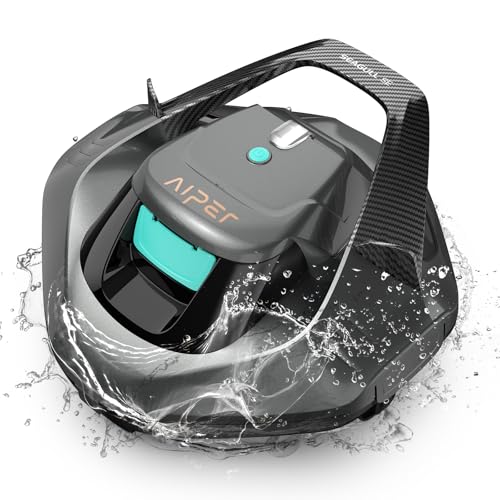
ASIN: B0H7H5PJDV

ASIN: B002HRET6A
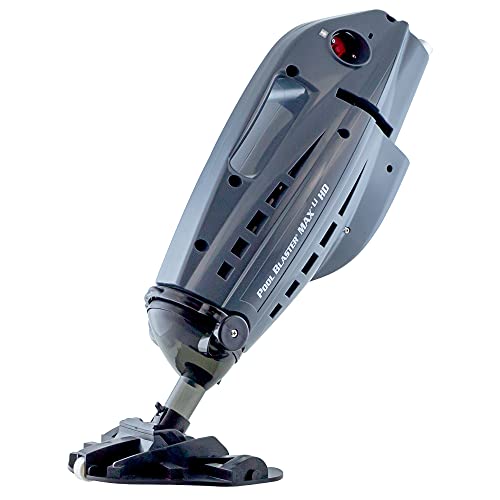
ASIN: B0051HODLO

ASIN: B0H396XPMF
Start with your pool, not the product label
Before comparing brands, write down whether your pool is above ground or in ground, its approximate length or surface area, floor profile, finish, and the places dirt accumulates. Note steps, benches, drains, ladders, slopes, and corners. A flat-bottom above-ground pool with a modest layer of leaves may work well with a light cordless robot designed for floor cleaning. A deep in-ground pool with walls and steps may call for a plug-in robot specifically rated for wall coverage, or a cleaner compatible with the pool’s circulation system. A handful of grit near the steps may be easier to lift with a handheld tool than by running a full automatic cycle.
Maximum pool size is a starting point, not a guarantee that every part of a complex pool will be covered. Shape, floor slope, surface traction, and obstacles affect navigation. A product advertised for floor and walls may not scrub the waterline, stairs, or tanning ledges. If you have a fragile liner, unusual finish, or irregular geometry, check the compatibility list and ask the manufacturer before buying. A correct fit matters more than a long list of features.
Quick comparison of the main cleaner types
Robotic cleaners move independently and collect dirt in an onboard basket or cartridge. Many plug-in robots do not rely on the pool pump, but their cable must be routed safely. Cordless robots remove the cable and can be convenient for a flat floor, although battery time and area coverage limit each cycle. Pressure-side cleaners use water returning to the pool and may need a dedicated line or booster pump. Handheld vacuums require the user to guide the head, making them useful for spot work, steps, and small pools.
These categories cannot be ranked on one scale. A handheld model may be the most useful option for occasional debris in a small pool, while a larger in-ground pool may benefit from a scheduled robot. Pressure-side equipment can work well when the plumbing supports it, but installation can change total cost. Start from your existing setup and maintenance habits rather than assuming that a more automated product is always better.
Robotic pool vacuums: repeatable floor coverage
A robotic cleaner has its own drive system and filter. You place it in the water, run a cycle, then retrieve it, empty the filter, and store it as directed. It can reduce manual vacuuming, but it does not replace water testing, brushing, skimming, or circulation filtration. The filter basket captures solids that the machine reaches; it does not correct algae, poor chemistry, cloudy water, or a circulation problem.
Corded robots can be a useful choice when the pool is too large for a limited battery cycle or when you want a dedicated cleaning schedule. The trade-offs are a cable, a control power supply, and the need to keep the cable away from swimmers and foot traffic. A swivel feature may help reduce twists, but the cable still needs correct placement. Never lift a robot by its power cable. Use the handle and follow the manual’s advice about draining the unit before carrying it.
Read the coverage specification carefully. “Floor and walls” does not necessarily mean stairs, benches, or waterline scrubbing. Consider the pool finish, filter options, basket capacity, and ease of cleaning. Some models offer optional finer filters for smaller particles; check the exact rating instead of assuming all “fine” filters are equivalent.
Cordless pool vacuums: convenience within a battery limit
A cordless unit can be easier to retrieve and store because it has no long power cable. Its runtime, charging time, and rated pool area determine whether one cycle is enough. A manufacturer’s runtime is not a promise of full coverage in every condition: heavy leaves, slopes, irregular corners, and battery age can reduce effective cleaning. A flat-floor model may be a sensible match for a small above-ground pool, but a poor one for a deep pool where wall scrubbing is important.
Think about the cycle you need after a storm as well as routine upkeep. If the basket fills before the battery runs down, a second cycle may be needed. Check whether the unit can be retrieved without entering the water, whether a retrieval hook is included, and whether the battery can be replaced or serviced. Follow the charging instructions exactly. Remove the unit from the water before charging unless its manual explicitly says otherwise, keep the charger dry, and store the battery away from excessive heat.
Pressure-side cleaners: inspect the system requirements
Pressure-side cleaners use return-side water pressure to move around and collect debris in a bag or chamber. Some models require a dedicated pressure line and booster pump; others use a compatible return. The Polaris Vac-Sweep 280 is one example of a pressure-side design. Before purchase, verify what plumbing, pump, fittings, and flow range the exact model requires. An apparently low product price can become a larger project if the pool needs new equipment or a service visit.
Check replacement costs for wear parts such as bags, hoses, wheels, tires, and sweep components. A pressure cleaner may handle larger leaves well, depending on its bag, but it may not capture fine dust as effectively as a suitable filter basket. Its movement also depends on correct water flow. Do not alter pump or valve settings based on generic advice; follow the cleaner and pool-equipment manuals or consult a qualified pool technician.
Handheld pool vacuums: spot cleaning and small pools
A handheld cleaner puts the operator in control. It can target grit, leaves, corners, steps, and small areas that an automatic cleaner misses. A battery unit may attach to a telescopic pole, but the pole is not always included. Check package contents, minimum operating depth, runtime, filter type, and head width. Fine particles may pass through a coarse bag, and a narrow intake may require several passes.
The trade-off is time and effort. You guide the head, keep it near the debris, empty the filter, and watch for the intake clogging. If your pool has a large floor area, think honestly about whether you will vacuum manually every week. Inspect the head for damaged bristles or sharp edges that might mark a liner. Turn the device off before clearing debris, and keep the battery and charging equipment dry. A manual cleaner is a useful complement to an automatic unit, not necessarily a replacement for one.
Choosing by pool type
Above-ground pools
Many above-ground pools have relatively flat floors, but wrinkles, soft transitions, sloped bottoms, and wall geometry can trap a small robot. Confirm the model is rated for above-ground pools and check whether it is floor-only. Some cordless designs cannot climb walls or stairs; that limitation may be acceptable if the walls are easy to brush manually. Consider pool diameter, depth, retrieval weight, and whether the filter basket is large enough for your yard’s leaf load.
In-ground pools
In-ground pools may include deep ends, steps, benches, curves, and waterline tile. Confirm the maximum pool length and whether the cleaner handles the surfaces and coverage you need. If wall residue is a recurring issue, choose confirmed wall-climbing and brushing capability. Waterline cleaning is a separate feature. Check pool-finish restrictions because vinyl, fiberglass, and plaster can require different traction and brush choices.
Small pools and spas
A large robot may be awkward in a plunge pool. A compact handheld vacuum or a manual head compatible with the system could be simpler. Do not assume a pool cleaner is suitable for hot water or a spa; verify the product’s rated operating conditions.
Match filtration to leaves, sand, and fine silt
Coarse baskets hold larger leaves and twigs without clogging as quickly. Finer filters can retain smaller particles but may need more frequent rinsing. If you regularly collect sand, seed pods, pine needles, or fine dust, look for the manufacturer’s filter options and particle rating. “Fine” and “ultra-fine” can mean different things between brands, so check the model-specific specification. Also consider capacity: a small basket can fill quickly after a windy day, while a larger one may make the robot heavier to lift when full of water.
Rinse the basket after a cycle as directed. Dried organic debris can be harder to remove and can cause odors. Inspect the impeller only as the instructions allow and disconnect power before maintenance. Keep the pool’s circulation filter maintained too. A robotic vacuum collects solids it reaches, but the system filter handles circulating water. If algae or cloudiness persists, test and correct the water rather than expecting a vacuum to resolve it.
Five Amazon examples and the use cases they represent
Dolphin Nautilus CC Plus: plug-in in-ground robot
This model illustrates a corded robot for an in-ground pool where both floor and wall cleaning are desired. Maytronics lists floor-and-wall coverage, top-access filtration, a two-hour default cycle, cable swivel, and a maximum pool length for the Nautilus CC Plus. Its exact package and technical specifications can differ by region and bundle, so verify the product number and listing. Consider this style when your pool requires more than a flat-floor pass and you have a safe location for the power supply. It is less compelling if the pool is small, if you only need occasional spot pickup, or if wall and waterline coverage are not relevant. Check the basket size, included filter, cable length, warranty, and service options before purchase.
Aiper Seagull SE: cordless flat-floor robot
The Seagull SE represents the battery-powered, floor-cleaning category. Aiper describes it as cordless and intended for flat-floor use, with a stated runtime and pool-area rating. The manufacturer also says it does not climb walls or stairs. That limitation is important: it may suit an above-ground pool with a relatively flat floor, but it should not be chosen to solve wall or step cleaning. Compare the current model generation, included retrieval hook, charge time, and supported pool type. Runtime and coverage are published manufacturer figures; real results depend on debris, shape, surface, and battery condition. If your pool has wrinkles or steep slopes, confirm fit before ordering.
Polaris Vac-Sweep 280: pressure-side cleaner
The Vac-Sweep 280 illustrates a pressure-side cleaner for a pool whose circulation plumbing supports it. It may appeal to owners who want a separate debris bag and have the necessary pressure line or booster setup. The correct configuration matters: verify pump requirements, compatible fittings, hose length, flow range, and installation costs. Maintenance can involve bags and moving wear parts. Compare replacement availability as carefully as the initial listing. A pressure cleaner is not a universal choice for every pool because it depends on the pool’s equipment and may not be the best option for fine silt.
Pool Blaster Max HD: rechargeable handheld unit
The Max HD is a handheld option for targeted cleanup. Water Tech lists a lithium-powered design, up to 60 minutes of runtime, a 10.5-inch vacuum head, a reusable filter bag, and attachment to a standard telescopic pole; the pole may not be included. It can make sense for spot cleaning, shallow areas, or a small pool where manual control is useful. It is less attractive if you want a machine to clean a large pool unattended. Verify the exact filter bag, runtime, included accessories, warranty, and minimum operating depth.
Aiper Seagull Pro: cordless robot for broader coverage
The Seagull Pro shows a higher-capability cordless robotic format than a flat-floor-only entry model. Check the current manufacturer page to see which surfaces and pool zones the current version supports; product generations and packages can differ. A cordless design avoids cable management, but it still has charging needs and a fixed battery window. Evaluate the pool-size rating, wall or waterline claims, navigation, retrieval method, filter access, and replacement parts. If a pool has a complex shape, verify how the cleaner handles steps, slopes, or ledges before relying on advertised area coverage.
Setup, retrieval, and storage affect everyday convenience
A product that is simple to start but awkward to retrieve may be used less often. Consider its weight when wet, whether it has a handle or hook, how the basket opens, and where it will dry. Keep a plug-in robot’s power supply in the position specified by the manual, away from standing water and splash zones. Route cables or hoses away from walkways and ladder openings. Do not pull a robot from the pool using its electrical cord. For a handheld vacuum, verify whether a telescopic pole is included and how long the battery takes to charge.
Store equipment out of excessive sun and weather as instructed. UV exposure can age plastics and cables, while freezing temperatures may damage water-filled components. Empty and rinse filters after use. Make sure a charging port is dry before connecting a charger. Keep cleaners and their parts away from children and do not leave loose cords around the deck. The manufacturer’s storage procedure is specific to the design and should take precedence over generic advice.
Maintenance and total ownership cost
Compare the price of the unit with filters, bags, brushes, wheels, tracks, hoses, batteries, and service. A pressure-side machine may involve a booster pump; a robotic cleaner may need new cartridges; a cordless unit may eventually need battery service. Some listings include a caddy, cover, extra filter, or retrieval accessory, while other packages sell the base machine only. Confirm bundle contents and warranty by the exact model number. The cheapest listing is not automatically the lowest-cost choice over several seasons.
Inspect cords, hoses, intake covers, and wear parts before each season. Clear blockages only as described in the manual. Do not open a sealed battery compartment or motor housing unless the manufacturer authorizes it. If suction declines, check for a full basket, blocked intake, kinked hose, or flow issue before assuming the motor failed. Keep receipts and record the model and serial number. When a repair is needed, use approved parts and warranty procedures.
Electrical and pool safety
Pool cleaners operate where water, electrical equipment, and swimmers are close together. Follow the product manual and local electrical codes. Keep connectors and chargers dry, never use a damaged cord, and do not bypass ground-fault protection. Disconnect power before retrieving or servicing a unit unless the instructions specify another sequence. Do not modify plugs or improvise a long extension-cord setup. If power-supply placement, bonding, grounding, or booster-pump wiring is uncertain, consult a qualified electrician or pool professional.
Keep swimmers out of the pool while a cleaner is running unless the manufacturer explicitly permits operation with people in the water. A cord, hose, moving brush, or suction inlet can create a hazard. Store the unit where children cannot reach it. A vacuum is not a toy, a rescue device, or a replacement for pool barriers and active adult supervision. Follow chemical labels separately; a cleaner does not sanitize the pool water.
Common pool vacuum buying mistakes
- Buying by a headline number. Maximum pool length does not ensure coverage of every step or corner.
- Confusing floor cleaning with full coverage. Wall, waterline, stair, and bench cleaning are distinct capabilities.
- Ignoring installation. A pressure-side unit may need a dedicated line or booster pump.
- Overlooking filters. A coarse bag may not capture the fine silt you need to remove.
- Underestimating manual effort. A handheld cleaner requires an operator and repeated filter care.
- Leaving maintenance until the season begins. Check parts, cable condition, battery charging, and warranty before the first run.
Also avoid expecting a vacuum to fix cloudy water, stains, leaks, or repeated algae. Those problems can indicate chemistry, circulation, filtration, or surface issues. Test water and inspect the system; seek qualified help when the cause is unclear. The cleaner is one part of pool maintenance, not a substitute for it.
A five-step checklist to narrow your shortlist
- Describe the pool. Record construction type, dimensions, surface, shape, slopes, steps, and obstacles.
- Choose a mechanism. Decide whether a robot, pressure-side cleaner, or handheld tool suits your equipment and routine.
- Confirm coverage. Check floor, wall, or waterline ability and the exact supported pool size.
- Match the filter. Check basket capacity and the filter options for your debris.
- Check ownership details. Verify installation, accessories, warranty, replacement parts, retrieval, and storage needs.
If two models remain close, compare warranty terms, service access, filter cost, and compatibility information. Clear documentation and available replacement parts can be more valuable than a feature that does not match your pool.
Frequently asked questions
What is the best pool vacuum for an above-ground pool?
It depends on the pool’s size, floor shape, and debris. A cordless floor robot may be convenient for a flat pool, while a handheld vacuum can suit a small pool or spot cleaning. Confirm that the exact model is rated for your pool type and size.
Can a robotic pool cleaner climb walls?
Some can and some cannot. Read the coverage specification. The Aiper Seagull SE manufacturer describes that model as a flat-floor cleaner that does not climb walls or stairs. Do not infer wall ability from the word “robotic.”
Do pool vacuums work with vinyl liners?
Compatibility depends on the cleaner’s wheels, tracks, brushes, and suction. Check the manufacturer’s approved-surface list and stop using any device that appears to mark, snag, or pull at a liner.
Will a pool vacuum pick up fine sand?
That depends on the filter. Check for a fine-filter option and its stated particle rating. A coarse leaf bag may let fine particles pass through.
How often should I run a pool cleaner?
Frequency depends on weather, trees, swimmer load, and debris. Use a regular maintenance schedule suited to your yard and run additional cleaning after heavy debris events. Follow the pool and cleaner manuals.
Can I leave a pool vacuum in the pool?
Follow the model’s instructions. Some equipment is intended for scheduled cycles and should be removed afterward. Long-term submersion may affect components or warranty, so remove, drain, rinse, and store as directed.
Does a robot replace my pool pump filter?
No. A robot collects solids in its own basket, but the circulation pump and filter still handle water that passes through the pool system.
Can a pool vacuum run while people are swimming?
Only if the manufacturer expressly permits it. Otherwise, keep swimmers out while it operates and keep cables, hoses, and moving parts away from people.
What if the cleaner repeatedly misses one section?
Remove obstacles, check the filter and cable or hose routing, and follow the troubleshooting steps. If the area is on a steep slope or complex feature, confirm that the cleaner supports it.
When should I call a pool professional?
Seek help for persistent cloudy or green water, suspected leaks, pump or plumbing faults, repeated electrical trips, or a cleaner that appears to damage the surface. A vacuum cannot diagnose these underlying issues.
Final recommendation
The best pool vacuum is the one that fits your pool’s construction, debris, and equipment without adding unnecessary complexity. For a plug-in in-ground robot with floor-and-wall coverage, compare the Dolphin Nautilus CC Plus and confirm the exact version. For a flat-floor above-ground pool where cordless use matters, consider a compatible product such as Aiper Seagull SE while respecting its coverage limits. A pressure-side option such as Polaris Vac-Sweep 280 is only a fit when the plumbing and pump setup support it. A handheld Pool Blaster Max HD is useful for targeted cleanup when you are willing to guide it.
Before ordering, confirm the model number, pool-size rating, filter type, accessories, installation requirements, spare parts, and warranty. Manufacturer specifications and Amazon listings can change, so review the current documentation. For another cleanup project, see our shop vacuum guide. For related home ideas, read our living-room rug guide and tomato planter guide.
Manufacturer references: Maytronics Nautilus CC Plus specifications; Aiper Seagull SE product information; Water Tech Pool Blaster Max HD specifications.
Certain content that appears on this site comes from Amazon. This content is provided “as is” and may change or be removed at any time. Product examples and images are supplied through Amazon Creators API; check the current Amazon listing for prices, availability, product details, and specifications.