Affiliate disclosure: As an Amazon Associate, Daily Home Decorating earns from qualifying purchases. If you buy through links on this page, we may receive a commission at no additional cost to you. We use product examples to help readers compare common designs; we do not claim laboratory testing of the listed models.
Dog hair behaves differently from one home to another. A short, stiff coat can work into a low-pile rug, while long soft strands wind around brush rolls and gather along sofa seams. Double-coated dogs may leave a sudden layer during seasonal shedding; a single dog that spends time outdoors can bring in grit, dried leaves, and tracked debris along with fur. The best vacuums for dog hair are therefore the models that match your floor types, dog’s coat, and cleaning routine—not simply the ones with the most dramatic suction number on the box.
This guide focuses on practical decisions for homes with dogs: how to choose a floor head, what anti-tangle language does and does not tell you, when filtration matters, and how to handle rugs, hardwood, upholstery, stairs, and a vehicle. We compare several current Amazon product examples as starting points, then explain how to assess their listings for your own situation. Check current manuals for operating limits and maintenance instructions, since model revisions and included tools can vary.
Quick answer: what type of vacuum should you consider?
If most of your home is carpet and your dog sheds heavily, start by comparing full-size uprights with a motorized brush, adjustable height or suction, a manageable dust cup, and an upholstery or pet tool. If you have a mix of floors and frequently clean sofa cushions or stairs, a lift-away pod or detachable hose can be more versatile. For a small apartment or quick daily pickup, a cordless stick can reduce friction, but verify usable runtime at the powered-head setting and the bin capacity. No one form factor is best for every dog household.
Before comparing brands, list three real tasks: the floor area that collects the most hair, the place where fur is hardest to remove, and how often you can realistically vacuum. This turns a vague search for “power” into requirements you can verify. For example, a home with washable rugs and hard flooring may benefit more from a head that avoids scattering grit than from a large upright designed mainly for carpet. A home with wall-to-wall carpet may need brush agitation and a bigger bin.
How dog coat type changes the cleanup
Short, stiff hairs
Short hairs can be difficult because they do not always form obvious clumps. They may lodge in woven upholstery, low-pile carpet, or the edge binding of rugs, where a smooth suction-only pass skims the surface. A motorized brush can help lift material from carpet pile, but it should be used only on surfaces the manufacturer approves. For upholstery, a small motorized tool or fabric-safe attachment may work better than pressing the main floor head against a couch. Work slowly and test delicate textiles out of sight first.
Short coats also make the shape of the tool important. Hair often accumulates at seams, under cushions, and where carpet meets a hard floor. A narrow crevice tool is useful for edges but can be slow for broad cushions; an upholstery nozzle covers more area, while a powered pet tool may add agitation. Look for clear compatibility with the specific vacuum model, not only a generic claim that an attachment is “pet-friendly.” Confirm whether the tool is included or sold separately.
Long coats and hair that wraps
Long strands can wrap around brush rolls, axles, and small wheels. If you have a long-haired dog, read the maintenance section of the manual before buying. Check whether the brush roll can be removed without special tools, whether the housing opens safely, and whether the manufacturer gives a method for clearing wrapped hair. A design labeled anti-tangle may reduce winding under certain conditions, but it does not mean that the brush never needs inspection. Human hair, thread, and carpet fibers can still collect.
Inspecting the head after a few early uses is more useful than relying on a marketing phrase. If long strands accumulate quickly, see whether the model has a brush-roll shutoff for delicate hard floors and whether the powered head can be maintained without damaging a belt or guard. Keep scissors away from hidden wires, bristles, and the belt; use the procedure in the product manual. If hair is wound tightly around a component, remove it carefully rather than forcing the motor to keep running.
Double coats and shedding seasons
Dogs with dense undercoats can leave much more material during seasonal shedding. A small cordless bin may fill before one room is finished, which can interrupt cleaning and put more dust in the air during emptying. A larger bag or cup may be convenient if it is easy to seal and replace. Compare the usable capacity and disposal method, not just the advertised volume. Homes with two or more shedding dogs should consider how often the bin will need attention during peak periods.
During heavier shedding, shorter and more frequent passes can be easier than waiting until hair forms thick mats along baseboards. Vacuuming does not replace brushing the dog; grooming can reduce loose coat in the home, but grooming needs vary by breed and skin. Use appropriate grooming tools and veterinarian or groomer advice for the animal. A practical routine is to focus on the dog’s favorite resting areas and the routes between them, then do a wider clean when needed.
Features that matter more than a big suction claim
Brush roll and floor-head design
Carpet usually benefits from agitation that reaches into the pile, while many hard floors are easier to clean with a soft roller or a brush that can be switched off. If the same vacuum will handle both, confirm how to change modes and whether the setting is clearly marked. A rotating brush can scatter larger debris on bare floors or risk scratching a delicate finish if grit gets trapped. Follow the flooring maker’s cleaning guidance and test a small area when the material is sensitive.
Head width affects how many passes a room takes and whether the vacuum can fit between furniture legs. Swivel steering can help around chairs, but a wide head may not reach narrow corners. For homes with a dog bed, crates, and low furniture, check the vacuum’s height and the floor head’s ability to reach underneath. A low-profile head can be useful for dust under a sofa, but do not force a machine into a space where it could become stuck or damage furniture.
Hair pickup versus hair removal from the machine
“Picks up pet hair” and “does not tangle” describe different things. A vacuum may collect hair effectively but still require regular brush cleaning. Anti-wrap designs attempt to route or cut hair away from the brush, though performance depends on hair length, volume, carpet, and use. Look for a clear description of the mechanism and a removable head. If the brand does not explain how the brush is serviced, search the manual or support pages before buying.
Think of the brush roll as a wear and maintenance component. A damaged brush, clogged airway, or stretched belt can reduce pickup. A product with replaceable parts may be easier to keep in service than one with a sealed assembly, but check availability and cost. The cheapest initial option can become inconvenient if filters, belts, batteries, or brush parts are hard to obtain. Conversely, an expensive machine is not automatically a better fit if its maintenance is more complicated than you want.
Filtration and dust handling
Vacuum filtration matters when you want to limit dust escaping during operation or emptying. Some listings use the word HEPA for an individual filter, while others describe a sealed system. Those phrases are not interchangeable; look for the manufacturer’s definition, the filter type, and how the filter sits in the complete airflow path. Filters need cleaning or replacement on the stated schedule. A clogged filter can affect performance, and a washable filter must be completely dry before it is reinstalled if the manual requires washing.
Consider the emptying routine too. Bagless cups can avoid ongoing bag purchases, but opening a dust bin may release a visible puff if it is overfilled or emptied indoors. A sealed bag can contain debris during disposal, although it adds replacement costs. Choose a method you can manage consistently. If a household member has a health concern, consult an appropriate professional about cleaning practices; a vacuum specification alone cannot promise a health outcome.
Capacity, weight, and storage
A vacuum that is difficult to carry may stay in the closet. Uprights often provide a larger bin and corded operation but can be tiring on stairs. Canisters can feel easier to move around furniture but require managing a hose and separate body. Cordless sticks are convenient to grab but usually trade capacity for compactness. Compare the machine’s weight in the form you will lift: a detachable pod can make stairs easier even if the complete unit is heavy.
Storage should be planned before purchase. Measure the closet, charging wall, and clearance for the vacuum head. If the vacuum needs a dock, check whether the dock is included and whether mounting hardware is required. A long cord can be helpful in a large home but needs a safe route away from pets and children. Battery models need charging access and sensible storage in accordance with the manufacturer’s safety instructions.
Product examples to compare
The following products are examples surfaced through Amazon Creators API, not products tested in a controlled lab. Their listings can change. Use the individual listing and manual to confirm current specifications, attachments, price, warranty, and floor-care guidance before choosing.

Eureka Airspeed Ultra-Lightweight NEU10AE5 Upright Vacuum
ASIN: B0923VNPNP

Bissell CleanView Swivel Rewind Pet 2254 Upright Vacuum
ASIN: B07F6MXJ9X

Bissell CleanView Swivel Pet Reach 3198A
ASIN: B09LNHL7JN
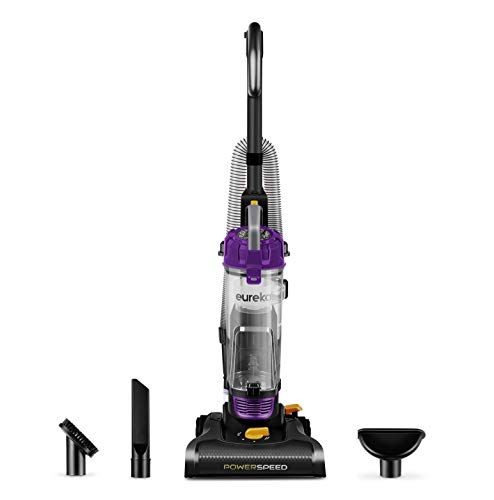
Eureka NEU182B PowerSpeed Upright Vacuum
ASIN: B083C2DTKX

Cordless 10-in-1 Stick Vacuum with Anti-Tangle Brush
ASIN: B0F66HLR4W
How to compare these product examples
Eureka Airspeed Ultra-Lightweight NEU10AE5
This listing describes an upright intended for carpet and hard-floor cleaning and emphasizes a relatively light body and basic tools. It may be worth comparing if you want a simpler corded machine and prioritize carrying ease. Before deciding, inspect the listing for the included brush, dust capacity, filtration wording, and what kind of maintenance is required. “Lightweight” is relative; if stairs are your main problem, a detachable pod or handheld can be more practical than carrying any upright.
Bissell CleanView Swivel Rewind Pet 2254
This full-size upright is presented as a pet-focused model with swivel steering and a rewind feature. It is a comparison candidate for carpeted rooms where a motorized head and larger machine are useful. Review the listing and manual for supported floor modes, included pet tools, filter care, and brush access. A corded upright can clean for longer without a battery limit, but you will need to move the plug between areas and manage the cord safely around furniture and dog bowls.
Bissell CleanView Swivel Pet Reach 3198A
The product title highlights an above-floor reach feature and a quick-release wand, which may be useful when dog hair gathers on stairs, upholstery, or other elevated surfaces. Verify how the hose and attachments connect and whether the included tools fit the exact model. If cleaning under cushions is important, compare the wand length and upholstery tool rather than assuming the word “Reach” covers every job. Keep a hand on the vacuum body when using the hose so it does not tip.
Eureka NEU182B PowerSpeed
This upright is listed with multiple brush-height adjustments and a sizable dust cup. Height adjustment can help adapt the head to different carpets, but use the manufacturer’s directions for each surface. Too much resistance can make a pass tiring, while an incorrect setting may reduce pickup. Compare the weight and emptying mechanism as carefully as the feature list. A large cup is useful only if it is easy to remove, empty, and reinstall without spilling.
Cordless 10-in-1 stick vacuum
A cordless stick can make short daily cleanups easier, especially near a dog’s feeding area, entryway, or favorite bed. This example’s listing mentions an anti-tangle brush and multiple configurations, but verify the runtime at the power level and powered head you plan to use. Check whether the battery is replaceable, how long charging takes, and whether the dust cup is large enough for your shedding level. A high advertised runtime may be measured in a low-power mode that does not match carpet cleaning.
Match the vacuum to the surfaces in your home
Wall-to-wall carpet
For carpet, compare a motorized brush, height adjustment, and the ability to move the head across your pile without excessive force. Thick carpet can be difficult for a powerful brush; a machine that seals too firmly may be tiring to push. Use the recommended setting, and stop if the brush stalls or the vacuum becomes difficult to move. For delicate rugs, follow their care label and avoid using a beater bar unless the manufacturer permits it.
Work in overlapping lanes and make a slower pass in the direction that lifts hair from the pile. A second pass across the first can help with stubborn areas, but do not repeatedly scrub one spot on a fragile rug. Move lightweight objects first, pick up small toys and dog chews, and check for cords or tags that could be pulled into the head. The goal is steady coverage rather than pressing down hard.
Hardwood, tile, and other hard flooring
On hard floors, loose dog hair can collect against walls and under cabinets. A soft roller or a brush-off mode may capture it without scattering it. If using a rotating brush, confirm the floor is compatible and that the setting is appropriate. Tiny stones tracked in by paws can scratch a finish if dragged, so remove larger grit carefully. A crevice tool along baseboards can be useful, but keep the nozzle from scraping delicate trim or flooring.
Use gentle, controlled passes around water bowls and pet feeding areas. Never vacuum wet food, liquids, or damp materials unless the product is explicitly designed for that purpose. Moisture can damage an ordinary dry vacuum and create a cleaning problem inside the machine. For sealed wood, laminate, stone, or tile, follow the surface manufacturer’s instructions; the vacuum manual cannot override the flooring care rules.
Area rugs and runners
Rug pile and construction vary significantly. A flatwoven runner may move or bunch under a powerful brush; a thick shag rug may catch the head. Secure the rug edges and use a setting that the rug maker allows. Test in a corner before cleaning the entire surface. If the rug has fringe, avoid pulling it into a rotating brush; use a suction-only or gentler tool when permitted. Small washable rugs should follow their washing label, rather than relying on vacuuming alone.
Dog hair often settles at the rug edge where paws turn or where the dog lies down. Vacuum those zones from more than one direction, then inspect the backing and floor beneath. If the rug is light enough and safe to move, cleaning beneath it removes grit that would otherwise grind into the backing. Keep the rug dry before replacing it, and never store damp material under furniture where odor or mildew can develop.
Sofas, stairs, and car interiors
For furniture, choose an upholstery tool that fits the fabric and is comfortable to hold. Short overlapping strokes can lift fur from cushion seams without aggressively rubbing the fabric. Test a hidden spot first, especially on loose weave, velvet-like finishes, or delicate upholstery. A small motorized tool can provide agitation, but it is not suitable for every material. Do not use the floor head on a couch just because it fits; the weight and brush can damage the fabric.
Stairs are easier with a detachable pod, long hose, or light handheld than with an upright that must be balanced on each step. Work with the vacuum on a stable landing, keep the cord clear of the edge, and clean each tread without allowing the machine to pull you off balance. In a car, remove larger debris by hand, use a narrow attachment around seat rails, and check that the vacuum and accessories are safe for the vehicle’s surfaces. Avoid pulling on electrical wiring or seat mechanisms.
A dog-hair cleaning routine that avoids extra work
Start with the areas where loose fur actually collects: the dog bed, the sofa they use, favorite sun patches, and the paths between outside and water. A short daily spot-clean on those areas may be more realistic than a weekly whole-house session. Once a week, move smaller items and vacuum beneath furniture where accessible. Adjust frequency to the dog’s shedding and household traffic; there is no universal schedule.
Before vacuuming, pick up chew toys, food pieces, and anything that could block the intake. If your dog is worried by noise, provide distance and a calm room, or clean when the dog is elsewhere. Do not chase a frightened animal with a running machine. Some dogs tolerate the sound over time, but never force exposure. If noise causes persistent distress, speak with a veterinarian or qualified trainer about safe desensitization.
For a sofa or dog bed, remove washable covers if the care label allows and launder them separately. Vacuuming the cover while installed can remove loose hair, but it does not replace washing. A bedding cover that dries fully before the dog uses it can make regular upkeep simpler. Keep any grooming or cleaning products away from pets unless the label confirms safe use; household cleaners can be harmful if licked or inhaled.
Maintenance that keeps pickup consistent
Empty a bagless cup before debris reaches its fill line. Overfilling can reduce airflow and make emptying messier. When emptying, hold the cup low inside a trash bag or bin, release it according to the manual, and avoid tapping filters unless the manufacturer says to do so. Replace disposable bags before they become packed. If a vacuum has a full-bag indicator, treat it as a useful reminder rather than waiting for loss of suction.
Check the brush roll for hair, thread, and lint, and clean it at the interval recommended by the manufacturer. Turn the vacuum off and unplug it or remove the battery before maintenance. Use the designated access point and do not insert fingers near sharp edges or moving parts. If a belt is damaged, use the correct replacement part. Avoid operating a machine with a blocked airway or abnormal smell, sound, or heat.
Filters need the correct care. Some are washable, some are not, and some must be replaced. Washing a non-washable filter or reinstalling a damp one can damage the vacuum. Check the manual for the part number and service interval. If a filter looks clean but the machine loses performance, inspect the hose and head for blockages after turning the unit off. Clear debris gently without puncturing a flexible hose or forcing sharp objects through it.
Keep replacement costs in your comparison. A vacuum may require bags, filters, belts, brush rolls, batteries, or proprietary accessories. Check which parts are consumable, how easy they are to order, and whether the manufacturer provides support. A product’s purchase price is only one part of its cost over several years. Avoid buying substitute batteries or chargers that are not approved for the machine; electrical compatibility and safety matter.
Common buying mistakes in dog households
Choosing only by suction claims
More suction on a specification sheet does not automatically mean better dog-hair pickup. Head design, airflow, brush agitation, carpet height, seal, and user technique all influence results. Compare a complete setup rather than a single number. If the manufacturer publishes a clear manual or parts list, use it to understand the product. Do not treat online claims from an unrelated listing or accessory seller as verified model specifications.
Assuming “pet” means the same thing across models
Pet branding can refer to a tool, a filter, an odor feature, a brush design, or simply a marketing category. Identify what is actually included. Check the box contents for the exact model number and whether the motorized mini tool, extension hose, or specialized floor head is part of the package. The product image may show accessories that are sold separately. The listing and manual are the better sources for current contents.
Ignoring maintenance effort
A vacuum that is effective but cumbersome to clean may lose its appeal. Review how the dust cup opens, whether filters are washable, how the brush comes out, and how frequently parts need service. If you do not want to cut hair from a roller, look for a design that explicitly addresses tangling and check user instructions for what upkeep remains. Every vacuum needs some care, and the right choice is the maintenance routine you can sustain.
Buying one machine for every task without checking limits
A floor vacuum may not be appropriate for wet messes, fine ash, construction dust, or grooming directly on an animal. Using a machine outside its intended purpose can damage it or create a safety hazard. Follow the product’s prohibited-material list. For liquids, shop debris, or specialized tasks, use equipment designed for that use and observe its safety instructions. A vacuum for dog hair is meant to clean floors and compatible surfaces, not the dog itself.
How to make a short list before buying
Write down your dominant floor type, number and coat types of dogs, largest cleaning area, heaviest hair zone, storage location, and budget for replacement parts. Next, decide whether you prefer corded runtime or cordless convenience and whether you need a detachable pod for stairs and upholstery. With those decisions, compare only a few models. This prevents feature overload and makes it easier to notice the practical differences in weight, capacity, tools, and brush access.
Open the product page and verify the exact model number, not just the product family. Check what accessories are included, the manufacturer’s warranty terms, the filter type, and the recommended maintenance. Confirm whether the floor head is intended for your rug or hard flooring. If any important detail is unclear, visit the maker’s manual or support page before purchasing. Product listings can change, so a previous review may describe an older package.
Also consider how the vacuum will fit the household. Can you carry it up the stairs? Is the cord long enough for the room layout? Can the bin be emptied without spilling? Will the dog bed and upholstery tools be easy to reach? Is there a suitable outlet for charging? The model that you can retrieve and use after a muddy walk may be more helpful than one with a longer feature list that remains stored away.
Useful related guides
For a broader comparison of vacuum designs for animal hair and mixed home surfaces, see our guide to the best pet vacuums. If you need a separate machine for workshop or garage debris, compare our shop vacuum guide; a wet-dry shop vacuum is designed for different cleanup tasks and should not be confused with a household floor vacuum. Explore more practical product and home-care articles from the Daily Home Decorating homepage.
Frequently asked questions
What is the best vacuum for dog hair on carpet?
Look for a motorized brush head intended for your carpet type, an adjustable setting if available, and a bin or bag large enough for your shedding volume. A lift-away feature can help with stairs and furniture. Compare the exact model’s maintenance and included tools rather than relying on the word “pet.”
Are cordless vacuums good for dog hair?
They can be convenient for quick cleanup, but runtime, powered-head performance, bin size, and battery replacement matter. Check runtime under the mode you will use on carpet, because a low-power rating may not reflect normal pet-hair cleaning. A corded model may suit larger homes or long sessions.
Do anti-tangle brush rolls eliminate maintenance?
No. They may reduce hair winding, but pet fur, human hair, thread, and fibers can still collect. Follow the manufacturer’s instructions for inspection and cleaning, and turn the machine off before servicing the brush.
Can I use a vacuum brush on hardwood floors?
Only if the floor head and setting are intended for your surface. Some rotating brushes can scatter debris or risk damage if grit becomes trapped. Use a soft roller or turn the brush off when the manual recommends it, and follow the flooring maker’s care advice.
How often should I vacuum with a dog?
It depends on shedding, floor type, traffic, and where the dog rests. Many owners find it easier to spot-clean high-fur zones frequently and do a full pass on a realistic schedule. Adjust during shedding seasons and maintain the vacuum as its cup, filter, or brush requires.
Can I vacuum my dog directly?
Do not use an ordinary floor vacuum on an animal. Noise, suction, and attachments can frighten or injure a pet. Use grooming tools designed for animals and ask a veterinarian or groomer what is appropriate for your dog’s coat and comfort.
Final take
The best vacuums for dog hair are the ones that make your recurring cleanup practical. Match the floor head to your surfaces, choose a form factor you can carry and store, verify that the tools reach your dog’s favorite spots, and understand how the brush, filter, and bin need care. A full-size upright can suit large carpeted rooms; a lift-away design can help with furniture and stairs; a cordless stick can make daily pickups easier. Verify the current listing and manual before buying, then use a consistent routine that keeps fur from building up.
Certain content that appears on this site comes from Amazon. This content is provided “as is” and may change or be removed at any time. Product information and images are supplied through Amazon Creators API. Confirm current product details and availability on Amazon.