Affiliate disclosure: As an Amazon Associate, Daily Home Decorating earns from qualifying purchases. If you buy through a link on this page, we may receive a commission at no additional cost to you. Product links are provided to help readers compare options; always confirm the current price, features, included tools, and return terms on the seller’s listing before buying.
Pet hair changes the way a home feels. It collects along baseboards, catches in carpet, settles under sofa cushions, and can ride back into the room when a vacuum’s exhaust or brush roll sends fine debris into the air. The best pet vacuums make that cleanup more manageable by matching suction, brush design, filtration, capacity, and tools to the animals and surfaces in your home. A vacuum that works well for a short-haired cat on hardwood may be tiring to push across a large carpeted room, while a powerful upright can feel cumbersome in a small apartment with stairs.
This guide explains how to compare pet-focused vacuums without treating one design as the right answer for every home. We look at uprights, cordless sticks, lift-away machines, handheld models, floor compatibility, hair wrap, filtration, odor control, maintenance, and total cost. The product examples below are listings surfaced through Amazon Creators API; they are comparison starting points rather than results from a laboratory test. Product specifications and availability can change, so verify the latest details on the linked listing.
Quick answer: what kind of pet vacuum should you choose?
Start with the surfaces you clean most often. For wall-to-wall carpet and frequent shedding, a full-size upright with a motorized brush and a sealed filtration system is usually a practical place to begin. For a mix of hard floors, low-pile rugs, furniture, and stairs, a lift-away design can give you a useful balance between floor cleaning and above-floor reach. A cordless stick is convenient for quick daily passes, but battery runtime and bin capacity matter when several animals shed heavily. A handheld vacuum is a targeted tool for upholstery, pet beds, car seats, and small messes rather than a full-home replacement.
Then consider who will use the machine and how often you are willing to maintain it. A heavier vacuum may offer a larger bin and longer reach, yet be frustrating on stairs. A smaller model can be easier to store, but it may require more frequent emptying. Hair-wrap technology can reduce brush cleaning, but it does not eliminate maintenance. A washable filter is useful only when the manufacturer permits washing and the filter is fully dry before reinstalling. Think about the whole routine: vacuuming, emptying, cleaning the brush roll, replacing filters, and storing accessories.
Pet vacuum examples to compare
These Amazon listings illustrate several formats: a lift-away upright, a pet-focused upright with a detachable pod, a cordless stick, an odor-control upright, and a compact handheld. Compare the exact configuration, included tools, warranty, and replacement parts on the current product page. A product name that contains “pet” does not by itself prove that it suits every coat type or floor.

ASIN: B00JH98GR4

ASIN: B0H6G87YX3
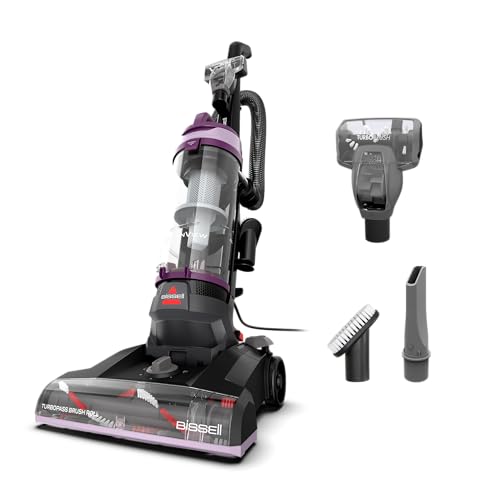
ASIN: B0FXXYXQ6Z

ASIN: B07S652B12

ASIN: B0BQX5BR7C

ASIN: B0F3QCWLLG
Certain content that appears on this site comes from Amazon. This content is provided “as is” and is subject to change or removal at any time. Product titles, images, and listing details are supplied through Amazon Creators API. Confirm current specifications and availability on the Amazon listing.
What makes a vacuum useful for pet hair?
Brush-roll design and hair pickup
Pet hair is not one uniform material. Fine short fur can cling to upholstery and woven rugs through static, while long hair can twist around a brush roll. A powered brush helps agitate carpet fibers and lift embedded debris, but the brush should suit the floor. On hard floors, a brush roll that cannot be switched off may scatter crumbs or scratch delicate surfaces if the head is not designed for them. Look for a control that stops or slows the brush when you move from carpet to bare flooring, or choose a head designed to manage both surfaces.
Brush-roll guards and comb-like channels can reduce tangles, but long hair can still need occasional removal. Ask how the brush is accessed: a removable cover, end cap, or tool-free release can save time. Check whether hair can wind around the axle behind the roller, where it is less visible. If your household has long-haired pets or people with long hair, make brush cleaning part of the ownership routine rather than assuming a “no-tangle” label means maintenance-free operation.
Filtration and dust containment
Filtration matters when your goal is to collect fine dust, dander, and debris without sending much of it back into the room. A HEPA filter is only one part of the system. Seals around the dust cup, filter housing, and exhaust path affect whether air bypasses the filter. Manufacturers may describe a sealed system in different ways, so check the product manual and look for replacement-filter availability. No vacuum can remove every allergen from a home, and vacuuming should be combined with routine cleaning and any advice provided by a qualified health professional.
Bagged vacuums contain dust in a replaceable bag, which some owners prefer when emptying canisters. Bagless models avoid bag purchases but require you to empty a dust cup and clean filters on schedule. Emptying a bagless bin can release dust if you open it indoors or overfill it. If anyone in your household is sensitive to dust, consider where and how you will empty the vacuum, and follow the product maker’s instructions.
Odor management
Pet-related odors can come from hair, dander, tracked-in debris, and material collected inside a warm, damp vacuum. Odor-neutralizing features may help control smells in some machines, but they do not replace emptying the bin, washing approved parts, and drying them completely. Avoid vacuuming wet accidents unless the machine is specifically designed for liquids. Moisture can damage a dry vacuum and create odors or electrical hazards. For accidents, follow the flooring and cleaning-product instructions, let the surface dry, then vacuum only when it is safe to do so.
Empty the vacuum before long storage, especially after picking up a lot of hair or fine debris. A full bin can reduce airflow and leave debris in the machine. Clean or replace filters on the schedule in the manual, and do not add fragrances, powders, or deodorizer products unless the manufacturer says they are compatible. Added powders can clog filters or create a cloud when emptied. If a machine continues to smell after cleaning, inspect the hose, brush housing, and filters for trapped debris.
A vacuum is most effective as part of a simple room-by-room routine: collect loose items first, vacuum from the far side of a room toward the exit, and finish with edges where hair gathers. Explore more practical household projects in our Home & DIY guides as you plan that routine.
Choose the right format for your home
Upright vacuums for larger carpeted areas
An upright can be a strong fit for a home with several carpeted rooms because the floor head, dust cup, and handle form one familiar unit. Many uprights include a powered brush and a hose for furniture or stairs. Before buying, check the machine’s weight, height adjustment, cord length, bin capacity, and whether the hose stretches far enough for your rooms. A larger upright may clean more area before emptying, but it can be harder to carry between floors and maneuver around narrow furniture.
Do not compare suction numbers in isolation. A vacuum’s head design, seal, airflow path, and brush agitation all affect cleaning. If you have plush carpet, verify that the head has a suitable height setting or adjustable suction so it does not become difficult to push. For area rugs with fringes, test a gentle setting and vacuum in the direction that is least likely to pull the fringe. When uncertain, follow the rug maker’s care instructions.
Lift-away machines for stairs and furniture
A detachable pod can let you carry the motor and dust container while using a hose and tool, which is helpful for stairs, upholstery, and edges. It can also make some upright models less awkward when cleaning a landing or the interior of a vehicle. Check how the pod is carried, where its weight sits, and whether the hose is long enough for your staircase. A detachable design still has a power cord or battery limitation, and the pod should be supported safely while you work.
Use an upholstery tool with steady, overlapping passes. Pressing too hard can push hair deeper into fabric or strain a delicate weave. Lift cushions only when the sofa maker permits it, and check seams and corners where fur collects. For a fabric that snags easily, test a hidden area with the appropriate low-suction attachment. A vacuum is not a substitute for following a furniture label or using a professional cleaner for stains that need specialized treatment.
Cordless sticks for quick daily cleaning
A cordless stick can make it easier to remove fresh fur before it accumulates, especially in kitchens, entryways, and small apartments. Its convenience depends on the battery, runtime at the suction setting you use, charging time, dust-cup size, and whether the battery is replaceable. A headline runtime may refer to a low-power mode without a powered floor head, so compare the conditions stated in the manual. If you have several rooms of carpet, make sure the usable runtime covers your normal routine with a reserve.
Think about wall storage and charging too. The dock should be near an outlet, away from heat and moisture, and positioned where the vacuum can be lifted on and off safely. A compact bin may need emptying after every session in a shedding household. Cordless does not necessarily mean quieter or more powerful; it describes the power source. Treat it as a convenient cleaning tool whose real performance depends on the head, battery, and maintenance.
Handheld vacuums for small areas
A handheld is useful for couch cushions, pet beds, stairs, car seats, and spot cleaning. It is easy to grab when a pet jumps onto furniture, but the small dust cup and short runtime make it inefficient as the only vacuum for a large home. Compare the included upholstery or motorized pet tool, charging method, weight, and filter cleaning process. A crevice tool helps with edges and between cushions; a brush tool can loosen hair from fabric without the full-size head.
For vehicles, check whether the handheld is cordless or powered by a cord, whether it includes a narrow tool, and whether the body fits comfortably in your hand. A small machine can be easier to reach into a footwell, but it may need multiple bin emptyings. Use a soft attachment around screens, trim, and delicate upholstery. Secure the vacuum and tools when traveling so they do not become loose objects in the cabin.
Match the vacuum to floors and pets
For hardwood, laminate, vinyl, and tile, prioritize a floor head that collects debris without scattering it. Switchable brush rolls or a dedicated hard-floor mode can help. Avoid dragging gritty debris under a head that could mark a finish, and use only the cleaning method recommended by the flooring maker. On textured tile, slow passes can help lift debris from grout lines, but a vacuum does not clean or sanitize grout by itself.
For carpet, focus on brush agitation, height adjustment, airflow, and whether the machine is manageable on your pile. Thick carpet can make some vacuum heads difficult to push. Low-pile rugs may be pulled upward if suction is too strong or the head seals tightly. Test a new vacuum on a small, inconspicuous area first, especially with delicate, handmade, or fringed rugs. Our living-room rug guide discusses pile, material, and placement considerations that also affect how easy a rug is to maintain.
Pet size and coat type matter, but so do the number of animals, grooming habits, outdoor access, and where pets spend time. A single short-haired cat may create less floor hair than a long-haired dog that spends time on rugs and upholstered furniture. If pets shed seasonally, daily light cleaning may be easier than a weekly deep clean. Grooming can reduce loose fur before it reaches the floor, but choose tools that suit the animal and ask a veterinarian or groomer if you need guidance for a particular coat or skin condition.
How to evaluate a pet vacuum before buying
Weight, reach, and storage
Weight is more than a number if you carry the vacuum upstairs, lift it into a closet, or use it for above-floor cleaning. Check the total weight and the weight of any detachable pod, then think about how you will hold it during a typical task. A comfortable handle, balanced center of gravity, and swivel head can make a machine feel easier to guide. If possible, try the controls in a store or review the manual’s diagrams before committing to a model with unfamiliar ergonomics.
Measure the storage space and consider where attachments will live. Tools that do not have onboard holders are easy to misplace. A tall upright may fit in a closet but be difficult to maneuver through a narrow doorway. A cordless stick needs room for the dock and charging cable. If you are considering reorganizing a utility closet, the ideas in our wardrobe organization guide offer general principles for sorting frequently used items and planning accessible storage, even though a vacuum needs a dedicated, ventilated place.
Capacity and emptying
Capacity should match how often you clean and how much fur your household collects. A small bin fills quickly in a home with multiple pets, which interrupts cleaning and can reduce airflow if you ignore the fill line. A large bin means fewer trips to the trash but can add bulk and weight. For bagless vacuums, look at the release mechanism and whether the bin can be removed and washed. For bagged machines, confirm the bag model and cost before purchase, and check availability of replacements.
Empty the machine before debris reaches the maximum line. Hair and fibers can bridge across the bin and block the inlet before the container looks full. Keep hands clear of sharp debris, and do not reach into a powered brush or hose while the vacuum is connected or switched on. Unplug corded models and follow battery safety instructions for cordless machines before inspecting a blockage.
Noise and household routines
Noise matters if you vacuum while other people work, sleep, or attend calls, or if a pet is unsettled by loud equipment. Published decibel measurements may not use the same testing setup across brands, so they are difficult to compare directly. If possible, listen to a unit in person. Plan around your pet’s comfort: give the animal a quiet room and do not force it to stay close to a running vacuum. Some pets adapt gradually, while others may remain fearful; make the cleaning routine safe and calm for them.
A vacuum that is easy to grab can support short cleaning sessions after meals or grooming. You might keep a compact tool near the area where fur collects, while storing the full-size machine in a utility closet. Avoid leaving a plugged-in appliance where a pet can chew the cord or knock it over. Store sharp attachments, batteries, and cleaning products out of reach.
Filters, belts, batteries, and replacement parts
Before choosing a model, check whether filters, belts, brush rolls, batteries, and dust bags can be replaced. Some filters are washable; others must be replaced. Never wash a filter unless the manual explicitly says it is washable, and let a washable filter dry completely before reinstalling it. A damp filter can restrict airflow and damage a vacuum. Keep a note of maintenance intervals so you do not rely on memory, especially if the vacuum is used frequently.
Warranty terms vary by product and component. Read the warranty and learn how service is handled before purchase. Consumables can change the long-term cost substantially, particularly if a vacuum needs bags, filters, or a replacement battery. A lower purchase price may be attractive, but the total ownership cost includes parts, upkeep, and the convenience of using the machine. Avoid assuming that an accessory will fit because it looks similar; confirm compatibility by model number.
Maintenance that helps a pet vacuum keep working
After each large cleanup, empty the bin or replace the bag and remove visible hair from the brush roll. Check the intake and hose if suction seems weaker than usual. A blockage can occur at the floor head, a bend in the hose, or the connection to the dust cup. Turn off and unplug the vacuum before clearing anything, and remove the battery when the manufacturer recommends it. Use only the cleaning steps described in the manual; poking a sharp tool through a hose can damage it.
Clean the filter on the maker’s schedule. Tap or rinse only as directed, and avoid household detergents unless explicitly allowed. Allow washable components to dry fully away from direct heat. Reinstall every filter and seal before using the vacuum again. If the machine overheats or produces a burning smell, stop using it, unplug it, and consult the manual or service provider rather than repeatedly restarting it.
Inspect cords, plugs, and batteries periodically. Do not use a cord with exposed wiring or a battery that is swollen, damaged, or unusually hot. Keep cords away from rugs where they can become a trip hazard and store them without tight kinks. Keep the vacuum’s exhaust vents clear. A clean machine is easier to use and less likely to spread a stale smell through the room.
Common buying mistakes to avoid
- Choosing by the word “pet” alone. Check the brush, floor settings, filtration, tools, weight, and replacement parts.
- Ignoring the floor head. A carpet-focused brush can be inconvenient on delicate hard floors, and a soft head may not agitate carpet enough.
- Assuming a cordless model cleans a whole home. Compare runtime at the mode you will use and account for recharge time.
- Forgetting stair and upholstery tools. A floor vacuum without a useful hose or above-floor attachment can leave the places where hair collects untouched.
- Overlooking maintenance costs. Filters, bags, batteries, and belts affect the ongoing expense.
- Believing every HEPA label means the same system. Check the filtration description, seal, and filter replacement instructions.
- Buying a size that is awkward to store. Measure your closet, dock location, and the path between rooms.
How to narrow the shortlist
Write down your three most common cleaning jobs, such as carpet in the living room, hair on a sofa, and crumbs in the kitchen. Rank them by frequency. Then eliminate vacuums that do not support those tasks with the right floor head, tool, or runtime. For a mostly carpeted home, start with uprights and lift-away uprights. For a smaller home with mixed floors, compare a versatile upright with a cordless stick. For frequent upholstery touch-ups, confirm the quality of the handheld or motorized tool rather than focusing only on the main floor head.
Next compare the practical details: weight, dust capacity, filter cost, replacement-part availability, warranty, cord or battery setup, and storage. Read product manuals when available because they reveal how the vacuum is maintained and which surfaces or materials require caution. Check the current listing for included tools; bundles can differ by retailer and change over time. Keep a short list of two or three candidates instead of trying to compare every product at once.
Finally, consider your actual cleaning behavior. The vacuum that you can comfortably lift, store, and empty may be more useful than a heavier model with features you rarely use. If a pet sheds a lot, a regular schedule with quick passes may reduce buildup better than waiting for one long weekend session. You can pair the vacuum with washable throws, frequent bedding care, and appropriate grooming. Choose a routine that suits the animal and materials in the room.
Frequently asked questions about the best pet vacuums
Are pet vacuums different from regular vacuums?
Pet-focused models may include a motorized upholstery tool, brush-roll features aimed at hair, a sealed filtration system, odor-control components, or extra capacity. The labels are not standardized, so compare each feature with your needs. A well-designed general-purpose vacuum can also work in a pet home if it has the right floor head, filtration, tools, and maintenance plan.
Is an upright or cordless stick better for pet hair?
Neither format is universally better. An upright often suits longer sessions and carpeted rooms, while a cordless stick can make quick daily pickups easier. Compare powered-head performance, runtime, bin size, weight, and tools. Many homes benefit from one full-size machine plus a small handheld, but the best combination depends on storage, budget, and floor mix.
Do I need a HEPA vacuum for pets?
HEPA filtration may be useful for capturing fine particles, but look at the whole system and the manufacturer’s definition of sealed filtration. The filter must be maintained and fitted correctly. A vacuum is only one part of home cleaning and does not diagnose or treat allergies. People with health concerns should follow advice from an appropriate healthcare professional.
How often should I vacuum with pets?
Frequency depends on shedding, number of pets, floor type, and household preference. Some homes benefit from quick daily passes in high-traffic areas; others can clean less often. Watch for visible buildup and hair collecting around furniture, then set a realistic routine. Empty the bin and maintain the vacuum when needed rather than waiting for a fixed calendar interval if it fills sooner.
Can a pet vacuum be used on hardwood floors?
Many models can clean hard floors, but check whether the brush roll can be turned off or whether the floor head is designed for bare surfaces. Use the setting recommended by the maker and test carefully if the flooring finish is delicate. Avoid vacuuming sharp grit in a way that drags it across the surface, and follow the flooring manufacturer’s care instructions.
What is the best pet vacuum for furniture?
For upholstery, look for a lift-away pod or a handheld with a suitable brush or motorized pet tool. The correct attachment depends on fabric, seams, and pet hair type. Test a hidden area first, use gentle pressure, and follow furniture-care guidance. A full-size floor head is not meant to be forced across delicate upholstery.
Will a vacuum remove pet odor?
A vacuum can collect some hair and debris that contribute to odor, and certain models include odor-management features. It will not remove every source of smell, especially if odor is embedded in a wet stain, padding, or an uncleaned filter. Clean and dry approved components, empty the dust cup, and use a suitable cleaning method for the affected surface.
Final recommendation
The best pet vacuum is the one that suits your floors, animal’s coat, cleaning frequency, and storage space. Start with the tasks you need to handle, then compare brush design, filtration, attachments, capacity, weight, runtime, maintenance, and replacement parts. A powerful upright may be right for carpet and heavy shedding; a lift-away design can help with stairs and upholstery; a cordless or handheld tool can make quick cleanups more convenient. Check the current listing and manual before purchasing, and build a simple maintenance routine so the machine remains useful over time.