As an Amazon Associate I earn from qualifying purchases. A capsule wardrobe is a deliberately small group of clothes that work together; the best capsule wardrobes also depend on a closet setup that makes those pieces visible, easy to reach, and simple to put away. In this guide, “wardrobe” means both the edited clothing collection and the storage arrangement that supports it. We compare practical closet systems, garment racks, hangers, and hanging shelves, then explain how to build a capsule around your real routine instead of an imaginary minimalist lifestyle.
A compact wardrobe should make getting dressed easier, not turn every morning into a puzzle. The right setup depends on your room, the clothes you own, laundry habits, climate, budget, and whether you rent or can install permanent furniture. There is no one universal best capsule wardrobe. Use the recommendations as starting points, confirm current dimensions and included parts on each live listing, and measure your available space before ordering.
Quick picks for capsule wardrobes and closet organization
- Best flexible freestanding option: CASAMAYA Portable Closet, for people who want covered hanging space and shelves without building a closet.
- Best open display rack: Ufine Bamboo Garment Rack, for a small edited collection that you want to see and access quickly.
- Best simple closet upgrade: HOUSE DAY Velvet Hangers, for reducing visual bulk and keeping garments from sliding off.
- Best shelf add-on: X-cosrack Hanging Organizer, for folded basics, bags, or accessories that otherwise pile up.
- Best behind-the-door storage: Criusia Over the Door Organizer, for light accessories and small items that benefit from being grouped.
These are examples, not a ranked lab test. Product availability, dimensions, materials, and configurations can change, so verify details before purchase. The best choice is the one that fits the actual closet and clothing mix you have.
Amazon product examples to compare

ASIN: B0F6NVKLFN

ASIN: B085RSPTXH

ASIN: B07GYLFFVR

ASIN: B0F5HLWNC6
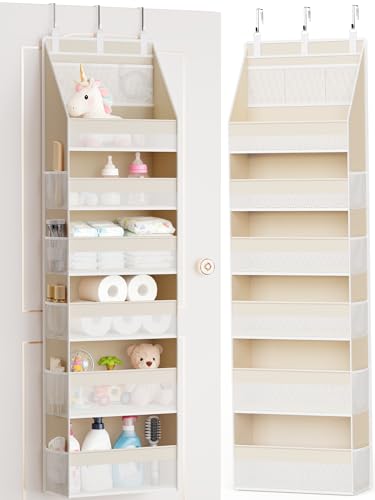
ASIN: B0FLDL496M
Certain content that appears on this site comes from Amazon. This content is provided “as is” and is subject to change or removal at any time. Product examples and images are supplied through Amazon Creators API; confirm specifications and availability on the current listing.
What makes a capsule wardrobe work?
A capsule wardrobe is a small, intentional set of clothing that can produce many useful outfits. The idea is less about hitting a magic number and more about reducing pieces that do not fit, suit your routine, or coordinate with anything else. A practical capsule may include everyday tops, bottoms, layers, shoes, and a few occasion pieces. Its size changes with work requirements, weather, laundry access, hobbies, mobility needs, and personal style.
A wardrobe can be numerically small yet frustrating if every item needs special care, clashes with the rest, or is wrong for the weather. Conversely, a somewhat larger collection may still feel manageable when items serve different seasons or activities. The organizing furniture should help you see the collection clearly and keep categories separated. A rack or organizer does not create a capsule by itself; thoughtful editing and repeatable outfit combinations do.
How to choose the right closet setup
Start with a measurement rather than a product page. Record the usable width, height, and depth; note baseboards, closet doors, floor trim, outlets, vents, and the swing of nearby doors. Measure the opening and the interior separately because a box may fit through the opening but the assembled item may not. For freestanding racks, include the path needed to carry laundry baskets or open drawers. Leave enough room to reach the clothes without pulling the rack away from the wall.
Then list what needs a hanger, what folds well, what needs a drawer, and what should remain accessible. Long dresses and coats need uninterrupted hanging height; knitwear is usually better folded to avoid stretching; small accessories need compartments. Estimate the total hanging length from your current garments, not the number of hangers in a listing. If the product is freestanding, check the floor surface, anti-tip guidance, and load limits stated by the manufacturer.
1. CASAMAYA Portable Closet: best covered flexible wardrobe
The CASAMAYA Portable Closet is listed as a large-capacity fabric-covered wardrobe with shelves and four hanging rods. That format may suit a renter, a guest room, a temporary move, or a bedroom that lacks built-in storage. The cover helps visually conceal clothing and can make an open room feel less busy, while shelves create separate zones for folded basics, bags, or seasonal accessories. Because the construction is freestanding, it may be easier to reposition than a built-in closet system.
Before choosing it, examine the current listing for exact assembled measurements, frame materials, weight limits, and assembly instructions. Portable wardrobes vary in rigidity; keep heavier garments distributed across supported sections instead of concentrating weight on one rod. Avoid assuming a fabric cover is dustproof or moistureproof. Do not place it where a heater, damp wall, or blocked air vent could create a safety or garment-care problem. If you move often, confirm that the frame can be disassembled and reassembled as needed.
Who should consider it?
Choose a covered portable closet when the main goal is to add a defined clothing zone without permanent installation. It can help separate work clothes from casual wear or keep a small capsule together in a shared room. A cover is also helpful if you want visual calm more than a display-style rack. It may not be ideal when you need a polished furniture finish, exceptionally heavy-duty long-term storage, or drawers for small items. Read setup details and customer photos carefully before deciding whether its footprint fits the room.
2. Ufine Bamboo Garment Rack: best open wardrobe display
The Ufine rack is described as a bamboo garment rack with seven storage shelves and a hanging rod. The open design makes clothing visible, which can help when your capsule is already edited and you prefer to choose outfits at a glance. Shelves can separate folded T-shirts, denim, shoes, or baskets, while the natural-looking material may blend more easily into a bedroom than an industrial metal rack. It can also function as a temporary wardrobe in an apartment or guest room.
Open storage rewards tidiness: color-coordinated garments, matching hangers, and a small number of visible accessories help the setup read as intentional. It also exposes clothes to room light and dust more than a closed wardrobe. Check the product listing for footprint, shelf spacing, assembly hardware, care guidance, and stated weight limits. If the rack includes anti-tip hardware or wall-anchoring advice, follow the manufacturer’s instructions. Bamboo appearance and finish can vary, so use listing images and reviews to set realistic expectations.
Make an open rack look composed
Give the hanging bar one clear category: for example, this week’s work outfits, a seasonal capsule, or frequently worn layers. Fold other items on shelves in consistent stacks or use a few fabric bins to control small pieces. Leave some visual space between hangers; compressing every garment onto the rod makes selection harder and can wrinkle clothes. Keep laundry and clothing awaiting repair somewhere else. An open rack works best as a visible edit of the wardrobe, not an overflow zone for every item in the home.
3. HOUSE DAY Velvet Hangers: best for a streamlined hanging section
The HOUSE DAY product is listed as a 60-pack of black velvet non-slip hangers. Slim hangers can make a crowded rod easier to scan, and a grippy surface may help garments with wider necklines stay in place. Using the same hanger style also reduces visual variation, so the wardrobe looks calmer even before you remove any pieces. That can be a useful low-cost step if the existing closet rod and shelves are serviceable.
Check the listing for the current pack count, dimensions, hook design, and any weight or garment recommendations. Velvet-style hangers can catch lint, and their narrow profile is not right for every garment. Heavy coats, structured jackets, delicate knitwear, and clothing that requires shaped support may call for other hanger types. Avoid forcing a garment onto a hanger that is too narrow or letting shoulders extend beyond the support. A small, mixed set of specialty hangers is often more useful than insisting on one hanger for everything.
Use hangers to support an outfit system
Group garments by use or garment type first, then arrange them by color if that helps you see combinations. A capsule wardrobe can be organized with a section for tops, another for bottoms, and a short area for ready-made outfits. Reserve a few hangers for clothing that is clean and ready to wear rather than leaving it on a chair. Keep empty hangers together at one end or in a basket so putting laundry away is a quick task. The hanger choice matters most when it removes friction from the routine.
4. X-cosrack Hanging Organizer: best for folded basics
The X-cosrack item is described as a five-tier hanging organizer with adjustable dividers and storage bins. This type of organizer can create vertical shelf space inside a closet, particularly for folded sweaters, T-shirts, handbags, or accessories. Its value is not simply the number of tiers: it is the separation between categories. When socks, workout gear, and light layers each have a defined home, the closet is easier to reset after laundry.
Verify shelf width, depth, hanging support, and whether dividers are included before buying. A hanging organizer needs a stable rod and can crowd the remaining hanging space. Do not load it with dense books or heavy objects unless the product is explicitly rated for that use. Check whether the shelves sag under the type of folded items you plan to store, and keep frequently accessed items in the middle tiers. Store delicate or valuable clothing in a way that avoids snagging or crushing.
Choose categories that stay simple
Set up shelves around real habits: daily tops, exercise pieces, accessories, or bags. Avoid creating a separate bin for every individual garment; too many categories add maintenance. A useful compartment should answer an everyday question: where do clean socks go, where are belts, or which shelf holds weekend layers? If a category repeatedly spills over, either reduce its contents or give it more space. A capsule wardrobe is flexible, and the organizer should adapt when the season or routine changes.
5. Criusia Over-the-Door Organizer: best for small accessories
The Criusia model is listed as an over-the-door organizer with six shelves and mesh pockets. A door-mounted unit can use otherwise idle vertical space for scarves, belts, small bags, hats, or accessory pouches. Keeping these items visible can prevent them from disappearing into a drawer. It may be especially useful in a small bedroom where a floor-standing cabinet would reduce walking space.
Door organizers need careful fit checks. Measure the door thickness, trim, hinge clearance, and gap at the top; confirm that the hooks can be used without preventing the door from closing. Verify the current load guidance and distribute weight across the organizer. Mesh pockets are convenient for lightweight items but may not support rigid or heavy objects. Do not hang it on a door that is damaged or unstable. If the unit interferes with a handle, mirror, or closet opening, a wall hook or drawer divider may be a better solution.
How to build the capsule before buying organizers
Begin by taking everything out of the target closet or wardrobe section and sorting it into broad groups: wear often, wear seasonally, formal or special use, needs repair, and no longer fits your life. Try on uncertain pieces instead of using a future version of yourself as the decision-maker. Consider comfort, fit, care requirements, and whether you have worn the item during the past year or season. Keep sentimental clothing separate from everyday storage so it does not distort the space needed for daily pieces.
Next, identify the situations your clothes need to cover: work, home, errands, exercise, weather, travel, and occasional events. You do not need a single item for every setting. A capsule might share a color palette so a handful of tops can combine with several bottoms and layers. Build around the climate where you live and the dress code you actually face. If uniforms or safety clothing are required for work, those pieces belong in the plan even if they do not fit a fashion formula.
Choose a realistic capsule size
Capsule wardrobe counts online vary because some include shoes, outerwear, workout clothing, pajamas, or occasion outfits and others exclude them. A strict number can be motivating for one person and stressful for another. Instead, count by category and ask whether the category can cover your routine between laundry days. If you wash clothes weekly, you may need fewer basics than someone who launders less often. Keep seasonal gear nearby but not mixed into the daily section.
One practical method is to create a two- or four-week trial rather than making a permanent cut immediately. Put the pieces you select at the front of the closet and store uncertain items in a labeled box. Note what you reach for, what you wish you had, and what remains untouched. At the end of the test, refine the collection. This low-risk approach prevents regret and reveals gaps that shopping lists cannot predict. The goal is repeatable ease, not a contest in owning the fewest garments.
Use a color palette without losing personality
A cohesive palette helps tops, bottoms, and layers work together. Start with colors you already wear and add a small number of accent tones that suit your preferences. Neutrals can make combinations straightforward, but a capsule does not have to be beige, black, or white. Prints and vivid colors can fit if they coordinate with enough other pieces or bring genuine enjoyment. Lay potential outfits together on a bed or photograph combinations before removing anything from the closet.
Think about how color appears in your home too. If an open rack is in a bedroom, the palette may become part of the room’s visual surface. Grouping clothing by color can make an open setup feel quieter, but avoid buying new garments simply to create a picture-perfect display. Practical storage should serve the wearer first. When a rack is visible from the bed or doorway, a curtain, cover, or room divider can soften the view, provided it does not block ventilation or create an inconvenient daily barrier.
Plan outfits around layers and repeatable formulas
Outfit formulas reduce decision-making. Examples might be a top, straight-leg bottom, and light layer for work; a comfortable base with an overshirt for errands; or a dress with a cardigan for a more finished look. Formulas should reflect your preferences and weather. Write down combinations that you already like, then make sure the capsule supports them. If one item only works with a single other piece, it may be a special-use garment rather than a core item.
Layering is particularly useful when temperatures shift during the day or across seasons. A few compatible layers can extend the use of lighter clothing without filling the closet with duplicate heavy pieces. Make room for coats and weather gear that have real functional use. They may be bulky, so store them on a separate section or in seasonal rotation. Do not crowd delicate fabrics under heavy outerwear; use suitable hangers and leave enough breathing room for garments to keep their shape.
Separate daily clothes from seasonal storage
Keep the most frequently worn season and everyday work clothes at easy reach. Put off-season pieces in a breathable storage container, under-bed box, or upper shelf if the environment is dry and clean. Before storage, wash or clean items according to their care labels and let them dry fully. Damp clothing can develop odors or mildew. Use storage materials that suit the garment, and avoid compressing delicate items for long periods if that could damage their shape.
Rotation should be predictable. At the change of season, inspect what you stored and decide whether it still fits, suits your routine, and deserves space. A capsule is not static: climate, work, body comfort, and personal taste can change. A short seasonal review prevents the wardrobe from slowly expanding into every available closet corner. Keep a small note of pieces to repair or replace so a missing button does not turn into an unnecessary purchase.
Make a small closet feel easier to use
Small closets often work better with zones than with more products. Place long-hanging items in one area, shorter garments in another, and folded basics where you can see them. Use the upper shelf for occasional items and keep daily-use pieces between waist and eye level when possible. Store shoes in a way that leaves a clear path. If you add a hanging shelf organizer, check that it does not block a rod section needed for long garments.
Over-door storage can help, but count the door’s full swing and keep frequently used hooks from catching on handles. A portable wardrobe can be a flexible addition if built-in space is too limited, but it should not narrow an exit route or block a heater. Keep the floor visible where possible; bags and loose laundry make even a well-planned closet feel crowded. A five-minute weekly reset is often more valuable than adding another shelf.
Renters: favor reversible changes
Renters may prefer freestanding racks, portable wardrobes, tension systems, and door-hanging organizers. Before installing anything, review the lease and ask the property manager if needed. Even removable hardware can leave marks or damage paint, so test discreetly and use installation methods permitted by the home. A garment rack can move with you, but consider how it packs and whether parts can be labeled for reassembly.
Choose reversible storage that is stable and suited to the floor. Uneven floors may make a tall rack wobble, and carpet can behave differently than hard flooring. Follow manufacturer instructions about anchoring and load distribution. When moving, do not lift a loaded frame by a shelf or hanging bar unless the instructions allow it. Take clothing off first and keep screws and small parts in a labeled bag. These simple steps protect both the furniture and the rental space.
Homeowners: when a built-in system is worth it
A permanent closet system may make sense when storage needs are stable, the room is used daily, and you want to customize rods, drawers, and shelves to the space. Before ordering, compare the total project cost, installation requirements, wall type, and the possibility of future household changes. A flexible capsule may need less built-in infrastructure than a large collection, so decide what capacity you genuinely need before committing to a full renovation.
Plan for accessibility and ergonomics. Frequently used clothing should not require a step stool; drawers should open without hitting doors; and hanging zones should suit the garments. Include a place for laundry, accessories, and items awaiting repair. If you are modifying a closet, check for wiring, plumbing, or structural conditions before drilling. For complicated installations, consult the product instructions or a qualified professional rather than guessing about wall support.
Care for garments so the capsule lasts
Read each garment’s care label and follow its washing, drying, and pressing instructions. Avoid washing every piece after every short wear if it is clean and the label permits airing, but do wash items when hygiene or odor requires it. Use gentle storage for knitwear, structured clothes, and delicate fabrics. Repair a loose button, small seam, or fallen hem promptly when possible; a small fix can restore a useful item to rotation.
Do not overfill a rack or drawer. Compression can wrinkle clothes and make items harder to find. Keep a small laundry basket nearby so worn pieces do not end up mixed with clean capsule items. Brush lint from hangers and wipe shelves occasionally. Review storage for dust or signs of moisture, especially in exterior-wall closets or humid rooms. If an item has an odor or visible issue, identify the cause before returning it to the wardrobe.
Budgeting: spend on the problem, not the trend
A capsule can reduce impulse buying, but it is easy to spend too much on organizers that do not solve a real problem. First try rearranging your existing rod, shelf, and hangers. Buy one small category of hangers or a single shelf organizer before outfitting the entire closet. Note what changes after a few weeks. If access improves and clothes stay organized, expand gradually. If the organizer is awkward, you have limited the cost of the experiment.
Compare total value rather than headline price. Include shipping, assembly tools, replacement parts, durability, expected life, and whether the item can be reused in another room. A cheap rack that bends under ordinary clothing is not a bargain; an elaborate system may be unnecessary for a few pieces. Check current return policies and listing details. Product examples in this article are not endorsements based on hands-on testing, and prices can change between visits.
Common capsule wardrobe mistakes
- Copying someone else’s count: Climate, laundry, work, and mobility needs differ. Choose a number that serves your own routine.
- Removing too much at once: Trial a smaller active wardrobe and store uncertain items temporarily before donating.
- Buying organizers before measuring: Measure the room, closet, opening, and door clearance first.
- Forcing every garment onto one hanger type: Use support suited to each item’s weight and shape.
- Ignoring laundry frequency: A tiny capsule can fail if it cannot bridge the time between wash days.
- Making an open rack an overflow zone: Keep only the selected, in-use collection visible.
- Organizing by appearance alone: The prettiest layout is not useful if everyday clothes are hard to reach.
- Expecting the system to stay fixed: Review the wardrobe after a season, move, or routine change.
A simple weekend plan to create your capsule
Friday: Measure the closet and record your routine, climate, laundry schedule, and storage constraints. Make a rough list of outfits needed for an ordinary week. Saturday: Sort clothing into keep, seasonal, repair, donate, and undecided groups. Try on uncertain items and build a few real outfits. Do not order furniture yet. Sunday: Put the most-used pieces back by category, set aside seasonal clothes, and note the single storage problem that remains. Shop only for that problem after confirming dimensions and fit.
During the next month, keep a short note on friction points: missing work layers, too many duplicate basics, a lack of folded space, or accessories that disappear. This makes the next decision specific. If your closet feels crowded again, review what entered the wardrobe rather than immediately buying more storage. A well-functioning capsule is a recurring habit of selection and care, supported by furniture that fits the space.
When to choose each storage type
Choose a covered portable closet when you need an additional enclosed clothing zone and cannot install a built-in system. Choose an open garment rack when you have a limited set of frequently used pieces and want them visible. Choose slim velvet hangers when shoulder space is tight and garments benefit from a grippy surface. Choose hanging shelves when folded categories are scattered, and consider a door organizer for light accessories that otherwise occupy a drawer. These formats solve different problems; combining all of them is rarely necessary.
Use the least complicated setup that solves the daily obstacle. For some people that is a consistent set of hangers and one basket. Others need an extra wardrobe because a bedroom has no built-in closet. A dorm room, shared home, guest room, and primary bedroom each have different constraints. A simple system is easier to maintain through busy weeks and moves. If an organizer creates more steps than it removes, return to a simpler layout.
Frequently asked questions
How many clothes should a capsule wardrobe have?
There is no fixed number that works for everyone. Decide based on the activities, climate, laundry schedule, and garments you need. Some people include shoes and coats in their count; others do not. Define your own categories, test a manageable selection for several weeks, and adjust based on what you actually wear.
Are capsule wardrobes only for minimalists?
No. The method can help anyone make a closet more usable, even if they enjoy color, fashion, or a wider range of clothing. A capsule simply organizes a chosen group around real use and combinations. You can maintain separate capsules for work, travel, or different seasons while keeping occasional garments elsewhere.
Should I use a garment rack instead of a closet?
A garment rack can supplement a closet or serve as flexible storage when a built-in wardrobe is unavailable. It is open to view and may need careful load distribution. If dust, pets, or visual clutter are concerns, a covered wardrobe or cabinet may be preferable. Compare footprint, stability, and clothing capacity before choosing.
Are velvet hangers suitable for every garment?
No single hanger works for every fabric and shape. Velvet-style hangers can help keep some garments from slipping and have a slim profile, but heavier coats or structured clothing may need broader, sturdier support. Check garment care guidance and the hanger’s stated capacity, and avoid forcing items into a shape that distorts the shoulders.
What should I store on a hanging shelf organizer?
Use it for light folded clothing, accessories, or bags if the product is designed for that load. Keep dense or heavy items off a shelf unless the manufacturer confirms it can support them. Verify dimensions and the closet rod’s stability. Place items you use regularly at an accessible height and avoid filling every compartment simply because it is available.
How often should I review a capsule wardrobe?
A short monthly check can identify items that need repair or are no longer being worn. A larger review at the beginning of a new season is useful for rotation. Avoid repeatedly purging pieces just to keep a number low. The system should respond to genuine changes in routine, climate, fit, and personal preference.
Can I build a capsule wardrobe without buying anything?
Yes. Start by editing, grouping, and making outfits from what you own. Use existing hangers, shelves, and boxes while you test a layout. After a few weeks, decide whether a specific gap remains. Buy organizers only when they address a measured need, and replace clothing only when it is missing, unsuitable, or no longer usable.
Final recommendation
The best capsule wardrobes pair a thoughtful clothing edit with storage that supports everyday use. If you need enclosed extra space, compare the CASAMAYA portable closet; if you want a visible natural-looking rack, evaluate the Ufine bamboo model; if your closet already works but feels crowded, start with slim hangers or one hanging shelf. Measure first, verify current product details, and buy only for the problem you have identified. The lasting improvement comes from a collection that fits your life and a layout that makes it easy to wear.
For more practical home storage ideas, see our guide to choosing a deck box for cushions, and browse DailyHomeDecorating for more home and garden guides.