Best Corded Reciprocating Saws: How to Choose a Plug-In Saw
The best corded reciprocating saws suit demolition, remodeling, and rough cuts where a reliable outlet is available and continuous plug-in operation is more useful than battery mobility. A corded saw can keep cutting without waiting for a pack to recharge, but it depends on power access, a correctly rated extension cord when one is allowed, and careful cable routing around the work. Amp ratings, stroke length, strokes per minute, orbital action, vibration, and blade-clamp design all affect how the saw fits a job.
This guide focuses specifically on corded reciprocating saws. It distinguishes them from cordless models and the general reciprocating-saw category, and explains how to compare electrical ratings, cutting motion, blade changes, reach, control, and vibration. It is a research-based buyer guide, not a hands-on ranking or claim that a specific saw cuts faster or lasts longer. Check the exact model manual, current specifications, included accessories, and warranty before buying.
Affiliate disclosure: DailyHomeDecorating.com may earn a commission from qualifying purchases through links in this article. This does not change the price you pay.
Amazon product examples to compare

ASIN: B00N5FLVM8
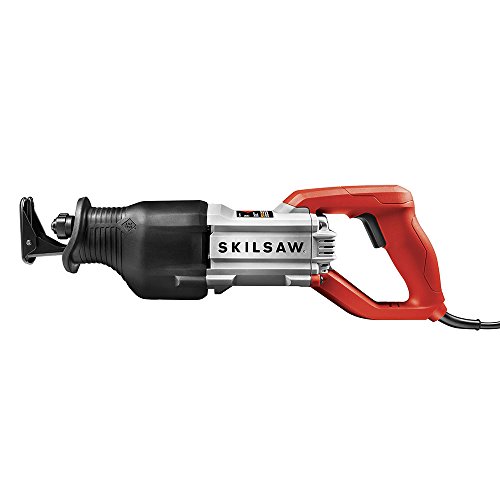
ASIN: B075LPPW87
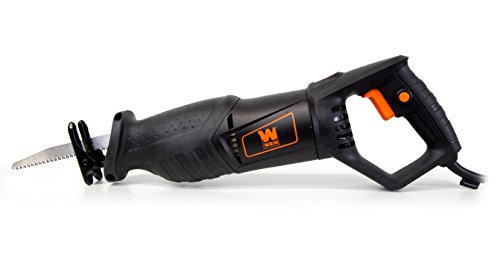
ASIN: B072FR2BXM

ASIN: B0843HVY3R
Certain content that appears on this site comes from Amazon. This content is provided “as is” and is subject to change or removal at any time. Product examples and images are supplied through Amazon Creators API; confirm specifications and availability on the current listing.
Table of contents
- Quick comparison
- Corded vs cordless and general models
- How to choose a corded saw
- Blades and clamps
- Extension cords and worksite setup
- Safety and maintenance
- FAQs
Quick comparison: corded reciprocating saw priorities
| Work pattern | Prioritize | Trade-off |
|---|---|---|
| Long demolition sessions near a reliable outlet | Electrical rating, durable shoe, service support, comfortable controls | Cord routing can limit movement |
| Cutting mixed materials | Variable speed, compatible blade choices, secure clamp | Blade changes and material prep affect productivity |
| Work in confined areas | Body length, shoe design, handle shape, blade access | Tool orientation may limit access to the cut |
| Long cuts with less fatigue | Vibration control, balance, weight, grip, trigger response | Features and measured vibration vary by model |
| Outdoor or remote work | Safe power source and cable plan | A cordless saw may be more practical away from outlets |
A reciprocating saw is commonly used for rough or access cuts where the material and cut line are not as suited to a circular or table saw. It can cut wood, metal, plastics, and other materials only when paired with a blade and setup intended for them. The tool’s name does not make it suitable for every demolition cut; confirm that hidden wires, plumbing, fasteners, and structural elements have been considered before cutting.
Corded, cordless, and general reciprocating saws
What corded models are designed to offer
A corded saw draws power from an outlet through its attached cable. Its key appeal is continuous powered operation without swapping or recharging battery packs, provided the circuit and work environment are appropriate. This can suit a workshop, garage, renovation site, or repeated demolition work near a safe power source. It can also be a practical choice for buyers who already have adequate electrical access and do not need to move far from the outlet.
The cord is a real operating constraint. It can snag on framing, wrap around a workpiece, cross a walkway, or enter the blade path. A corded saw is not automatically more powerful than a cordless model: compare exact manufacturer specifications and intended workload rather than assuming from power source alone. For cordless-specific criteria, see the live guide to cordless reciprocating saws. For the broad tool category and general task selection, use the site’s reciprocating saw buying guide.
How corded models differ from compact circular saws
A reciprocating saw uses a blade that moves back and forth, making it useful for rough cuts, plunge-style access when the blade and procedure allow it, and removal work. A circular saw’s rotating blade and shoe are better suited to guided straight cuts in sheet goods or lumber. Each tool has different blade guards, work support, and cutting motion. Our compact circular saw guide covers smaller-blade circular saws for more guided cuts; it is a different tool category.
Outdoor tree and branch work also calls for the right tool. A reciprocating saw can cut some branches with an appropriate blade, but it is not a chain saw or pole saw and may be difficult to control in a canopy. For pruning and larger branch work, see the site’s guides to battery chain saws and pole saws.
How to choose among the best corded reciprocating saws
1. Define the material and cut
List the materials, thicknesses, access points, and number of cuts you expect: wood demolition, nail-embedded lumber, plastic pipe, metal tube, or another material. A different blade is normally needed for different materials and thicknesses. Check the blade manufacturer’s chart and the saw manual for compatible shank, blade length, and permitted operations. Do not use a wood blade on metal just because the blade fits the clamp.
Think about the cut position. A saw used under a cabinet, behind a wall, or in a tight crawlspace has different body-clearance needs from a saw cutting exposed studs. The saw should be able to sit securely against the work through the stroke. If there is no stable contact point, the blade may chatter or bend. Choose a tool and blade that can reach the material without forcing the operator into an awkward stance.
2. Understand amp rating and electrical requirements
Amperage indicates electrical current draw under specified conditions; it is not a direct measure of cutting speed, durability, or quality. Manufacturers may list motor input, amps, speed, or other data using different conventions. Compare the complete specifications and the work task. A higher amp number can increase demand on a circuit and should not be treated as a guarantee that the saw will cut a given material more easily.
Check the nameplate and manual for voltage, current, plug, circuit, and extension-cord requirements. Avoid running a high-demand saw on a circuit already serving heavy loads if the manufacturer or electrician says the circuit is unsuitable. Do not use adapters that remove grounding, damaged cords, or undersized extension cables. If the outlet or wiring is uncertain, ask a qualified electrician to assess it.
3. Compare stroke length and strokes per minute
Stroke length is the distance the blade travels with each reciprocating movement; strokes per minute describes how frequently it cycles. These values help characterize the saw but do not fully predict cutting performance. Blade type, material, tooth engagement, shoe contact, and user feed pressure all matter. A longer stroke or higher speed is not always preferable for a delicate material or tight cut.
Variable-speed triggers or speed settings can help match the stroke rate to the material, but use them as instructed. A slower start can help with placement and reduce jumping in some situations; it does not replace securing the work. A consistent cut depends on supporting the tool and choosing a blade that reaches the material without excessive flex.
4. Look for orbital action only if the work needs it
Some reciprocating saws offer an orbital setting that changes blade movement from a straight reciprocation to a more elliptical action. This can affect cutting aggression and finish. It may be useful for certain wood cuts, while metal cutting and cleaner cuts may call for a different setting. The exact settings and allowed materials depend on the manufacturer.
Check that orbital action can be turned off or adjusted if the saw includes it. Do not assume that more aggressive motion is better. A rough demolition cut and a controlled pipe cut have different needs. Use the saw manual and blade guidance to select the setting, and test on scrap where appropriate.
5. Assess vibration, balance, and comfort
Reciprocating saws move rapidly and can transmit vibration into the hands and arms. Manufacturers may report vibration measurements under defined test conditions; compare them only when the units and methods match. Anti-vibration systems may improve comfort but do not remove fatigue. A poorly supported cut or dull blade can increase shaking regardless of the feature list.
Check the grip shape, front handhold, trigger reach, shoe position, and balance. Consider the saw’s weight and whether it will be used one-handed or overhead; the manual may require two hands and safe support. Do not assume a compact housing means it is suitable for one-handed overhead cutting. Fatigue affects control, so select a tool you can handle within the limits of your strength and training.
6. Compare shoe design and travel
The shoe, or base plate, contacts the work and helps stabilize the saw. Some models have an adjustable or pivoting shoe, while others use a simpler fixed design. Check whether the shoe supports the work through the cut and whether adjustment is clear and secure. A loose shoe can make the blade wander or chatter.
Look at how far the blade projects beyond the shoe, how the shoe moves, and whether it can reach the material without making the operator twist the tool. If the cut begins with a plunge or flush cut, follow the manual and blade maker’s procedure. Not every blade, material, or saw configuration supports every cut. Do not use the shoe as a pry bar or force it against weak material.
7. Examine the blade clamp
Blade clamps may be tool-free or require a wrench, and their designs differ. A tool-free clamp can speed changes but still must secure the blade fully. Check the release, retention, and blade orientation options. Some clamps allow the blade to face different directions; use only positions approved by the manufacturer.
Before a blade change, unplug the saw and follow the manual. Blades can be hot immediately after cutting and may have sharp teeth. Wait for the tool to stop and cool, then confirm the blade is locked in place before use. Keep the clamp clean from sawdust and debris; a contaminated mechanism can fail to hold properly.
8. Confirm cord length and strain relief
Compare the attached cable length and how it exits the housing. A short cord can require an extension; a longer cord can be more cumbersome in a tight space. Check strain relief and jacket condition. Use an extension cord only if the manual allows it and only with the specified conductor size and length.
Plan the cable route so it remains behind the tool, away from the blade, sharp edges, heat, oil, water, and the operator’s feet. Do not wrap it around the wrist or shoulder. Keep the plug and connection out of standing water and use any required protective device for the environment. If the cord cannot be kept clear, use a different power source or saw type.
9. Review service and accessory support
Check warranty, service network, replacement shoe and clamp parts, cord repair options, and availability of brushes or other service items if relevant to the motor design. Confirm the package contents: blade, case, wrench, and accessories may vary. A tool-only or base model may not include the accessories shown in listing photos.
Calculate the total cost with suitable blades, extension cord if permitted, eye and hearing protection, work support, and dust control. A lower purchase price may not include what you need to operate the saw safely or cut the intended materials.
Blade selection and changeover
Reciprocating saw blades differ in length, thickness, tooth pitch, material, and intended work. Short blades can be more controllable in tight access; longer blades can reach deeper stock but may flex more if unsupported. Match blade length to the material so enough teeth engage the cut while the blade does not strike hidden objects or the work surface behind it.
Tooth pitch should suit thickness and material. A blade too fine for thick stock can clog, while an overly coarse blade may engage too few teeth in thin material. Bi-metal and carbide options may be listed for different tasks, but verify the blade maker’s material claims. Check the blade’s shank style and saw clamp compatibility before purchase. Do not assume universal fit.
Inspect blades for bent shanks, damaged teeth, cracks, or wear. A dull blade can cause heat and excess pressure. Replace or sharpen only as the manufacturer allows; many reciprocating blades are replaced rather than resharpened. Keep spare blades covered and organized by material to avoid confusion on the job.
Extension-cord and worksite management
A corded saw needs a power source that matches the tool’s electrical rating. Before work, identify which circuit serves the outlet and whether other tools are running on it. The cord and any extension should be rated for the load and environment under the manufacturer’s guidance. Do not daisy-chain extension cords or use a cord with damaged insulation, a loose plug, or a missing ground.
Route the cable behind the operator and away from the cut path, debris, and any material that can pinch it. Keep slack controlled so the saw can move without pulling the plug or looping around a leg. In a renovation area, protect the cable from sharp edges and foot traffic. Keep connections dry and off wet surfaces; if the site is damp, use only equipment and protective devices approved for that condition.
When a cut requires moving around the material, stop the saw and unplug or otherwise isolate it before repositioning the cord. Never pull the tool toward you by its cable. If the extension crosses a walkway, secure or reroute it so others cannot trip. OSHA’s electrical tool guidance advises keeping cords away from heat, oil, and sharp edges, including cutting surfaces; see OSHA power-tool safety guidance.
Safe setup and operating practices
A reciprocating saw blade can cut rapidly and may catch, bind, or break. Wear eye protection and other protective equipment appropriate to the material and workplace. Secure the workpiece where possible and check for hidden wiring, pipes, fasteners, and structural parts before cutting. Keep bystanders clear of the blade path and material that could fall or shift.
Hold the saw by its intended grips and brace the shoe against the work when the manual calls for it. Do not force the saw through a cut; choose the correct blade, allow it to cut at a controlled pace, and stop if the blade bends or binds. Keep hands away from the blade path and do not hold the offcut close to the cutting point. Disconnect power before adjustments, blade changes, clearing a jam, or service as directed.
For demolition, plan what the cut material will do when it separates. A pipe or board may fall, spring, or shift. Use supports, clamps, or a second trained person where appropriate, but do not ask someone to hold a piece near the moving blade. If you cannot control the workpiece, change the setup or hire a qualified professional.
OSHA lists reciprocating saws among tools requiring appropriate controls and discusses handheld saw hazards, blade direction, proper blades, and eye/face protection. Review the OSHA handheld saw guidance and the exact manufacturer manual. Requirements vary by workplace and jurisdiction; consumers should also follow the manual and use safe work practices.
Maintenance and storage
Unplug the saw before cleaning or maintenance. Remove dust from vents, shoe, clamp, and cord strain relief using the method the manufacturer allows. Do not immerse the saw or apply liquid cleaner to electrical components. Keep the cord free of cuts, flattened sections, exposed conductors, and loose plugs. A damaged cable should be serviced by a qualified repair provider.
Check the shoe and blade clamp for movement or damage. Confirm the switch returns properly, the blade locks in place, and the housing does not have cracks. If the tool develops unusual vibration, burning odor, sparks beyond normal motor operation, smoke, or a sticking trigger, stop using it and have it inspected. Do not open the motor or bypass safety features unless the manufacturer provides a service procedure for qualified personnel.
Store the saw with a blade removed or guarded, the cord loosely coiled without sharp bends, and the tool in a dry place. Keep blades covered and separate from small loose hardware. Avoid stacking heavy items on the cord or case. Store the saw where children cannot access the blade or trigger.
Research-based comparison method
A fair corded reciprocating saw comparison records exact model number, amp rating and voltage, stroke length, strokes per minute, variable-speed control, orbital mode, vibration information, tool weight, shoe design, blade clamp, cord length, extension-cord requirements, included accessories, warranty, and service support. Use the manufacturer manual and product documentation for those facts. Amp rating alone is not a performance ranking.
Compare the specifications against the job: material, blade, access, cut length, work support, outlet location, cord path, and number of cuts. A corded model can be convenient for a stationary renovation but cumbersome when moving through a building. A cordless model may avoid the cord but requires battery management. The product card marker in this draft is reserved for ASINs and images verified through Amazon Creators API; listing details and bundles should be confirmed at the time of publishing.
This article does not claim hands-on tests, measured cutting speeds, current prices, or comparative durability. For example, the official DEWALT corded reciprocating saw page provides product-specific documentation and a manual; its details apply only to that model. Consult the manufacturer page for the exact saw you consider and confirm current specifications and package contents.
Common buying mistakes
Choosing by amps alone
Amp rating indicates current draw, not a complete measure of cut speed, control, or service life. Compare stroke, speed control, blade, vibration, work support, and the electrical circuit too.
Assuming corded means unlimited work time
The tool may run while powered, but the operator still needs breaks, blades wear, and the motor can overheat if misused. Follow duty and operating instructions, and do not force the tool.
Ignoring the extension cord
An undersized or damaged cord can create voltage drop, heat, or trip hazards. Use only what the manufacturer allows and route it away from the blade and work area.
Buying a clamp without checking blades
Blade shanks and clamp mechanisms vary. Confirm compatibility and installation procedure before buying blades in bulk.
Using one blade for every material
Wood, metal, plastic, and mixed demolition may need different tooth pitches and blade construction. Use a blade rated for the task and check for hidden hazards before cutting.
Assuming vibration control replaces good support
Anti-vibration design may improve comfort but cannot stabilize a loose workpiece or dull blade. Secure stock and use the shoe as instructed.
Where corded reciprocating saws fit in home projects
A corded reciprocating saw can be useful for remodeling, cutting old framing, trimming pipes, and access cuts where a rough finish is acceptable and power is nearby. It is not a precision substitute for a table saw or miter saw. For cabinetry, see the site’s guides to paint sprayers for cabinets for the separate finishing stage. Dust control and workpiece support remain important across the project.
For yard cleanup, a reciprocating saw with a pruning blade is not always the best choice. A chain saw is designed for branch and log work and has specific safety procedures; compare the guides to battery chain saws and hand saws for gardening. Match the tool to the material and never cut branches overhead or on an unstable ladder.
Frequently asked questions
What are corded reciprocating saws best for?
They suit demolition, remodeling, and rough cutting near a suitable power source. Blade selection determines which materials can be cut. They are less convenient where a cord cannot be routed safely.
Are corded reciprocating saws more powerful than cordless ones?
Not automatically. Compare exact model specifications, stroke, speed, blade, workload, and power supply. Corded operation avoids battery charging, but it does not guarantee better cutting performance in every task.
What amp rating should I choose?
Choose a model whose electrical rating and stated intended use match your workload and available circuit. Amps alone do not determine cut speed or durability. Check voltage, current, extension-cord guidance, and circuit requirements in the manual.
What stroke length is best?
There is no universal best length. Compare the saw’s stroke with the materials and blades you use. Stroke length, speed, blade, feed pressure, and stock support all affect how the saw cuts.
Can I use an extension cord?
Only if the manufacturer allows it and the cord meets the specified gauge, length, and rating. Keep it away from the blade, sharp edges, heat, oil, water, and walkways. Do not use damaged cords or improvised adapters.
Can a reciprocating saw cut metal?
It can when the saw and blade are suitable for the metal and thickness. Secure the work, select a blade with appropriate tooth pitch, and use the speed and procedure in the manual. Check for heat, burrs, and sharp edges after the cut.
What blade shank fits a reciprocating saw?
Many models use common shank styles, but compatibility is not universal. Check the saw manual and blade packaging for the correct shank, length, and clamp procedure. Do not force an incompatible blade.
Do I need orbital action?
Orbital motion can alter cutting behavior on models that offer it. Whether it helps depends on material and cut quality. Follow the saw’s instructions and choose the setting recommended for the job; more aggressive motion is not always better.
Are corded reciprocating saws good for plumbing?
They can cut certain pipe materials with a compatible blade, but confirm the pipe is isolated, drained, and safe to cut. Check for wiring, gas lines, and other utilities before cutting inside a wall. Hire a qualified trade professional if the contents or structural role are uncertain.
How do I reduce vibration?
Use a sharp blade suited to the material, secure the workpiece, keep the shoe supported, and maintain the tool. Choose a saw with ergonomics and vibration information that fit your work, and take breaks. Stop if vibration changes suddenly or becomes abnormal.
Should I choose a corded or cordless reciprocating saw?
Choose corded for work near a safe outlet where continuous powered use is useful and cable management is practical. Choose cordless when mobility matters and battery runtime fits the workload. Compare the exact tools, kits, and operating environment.
Final decision: power access, control, and blade fit
The best corded reciprocating saws combine a suitable electrical rating, controllable stroke and speed, manageable vibration, secure blade clamp, stable shoe, and a cord that can be routed safely. Start with the material and cut, then compare the exact model’s amp rating, stroke, speed, blade compatibility, service support, and extension-cord rules. Do not choose by amps alone.
A corded saw is most practical when power is close and the cable can stay clear of the blade and work area. For mobile projects, a cordless model may be more suitable. In either case, support material, inspect blades and guards, wear task-appropriate protection, and stop when you cannot control the cut safely.
This guide is general product research, not a substitute for the manufacturer’s instructions, electrical advice, formal tool training, or applicable workplace safety requirements.