Best Chain Saws: How to Choose the Right Power Type and Size
The best chain saws are the ones suited to the work, the operator, and the setting. A gas saw, corded electric saw, and battery saw can all cut wood, but they differ in setup, portability, power source, noise, maintenance, and runtime. Choosing by engine size or bar length alone can leave a homeowner with a tool that is heavier or more demanding than necessary—or one that cannot handle the tasks they actually face.
Start by defining the work: pruning fallen limbs, cutting firewood, cleaning up storm debris, or felling trees are not interchangeable jobs. Consider the diameter and condition of the wood, how often you cut, whether a safe power source is nearby, and your experience with chainsaws. The right tool for routine yard cleanup may be very different from the equipment and training needed for tree felling or work near overhead hazards.
This broad guide compares gas, corded electric, and battery-powered chain saws and explains bar and chain fit, useful features, maintenance, and safe operating limits. It is not a hands-on model ranking and makes no claims about current prices or measured performance. Always consult the manual for the exact saw and cutting attachment. OSHA’s [Chainsaw Safety Quick Card](https://www.osha.gov/sites/default/files/publications/OSHA4286.pdf) and [Working Safely with Chainsaws fact sheet](https://www.osha.gov/sites/default/files/publications/CHAINSAWS.pdf) outline important checks, protective equipment, and limits on work; these should supplement, not replace, training and manufacturer instructions.
Affiliate disclosure: DailyHomeDecorating.com may earn a commission from qualifying purchases through links in this article. This does not change the price you pay.
Amazon product examples to compare
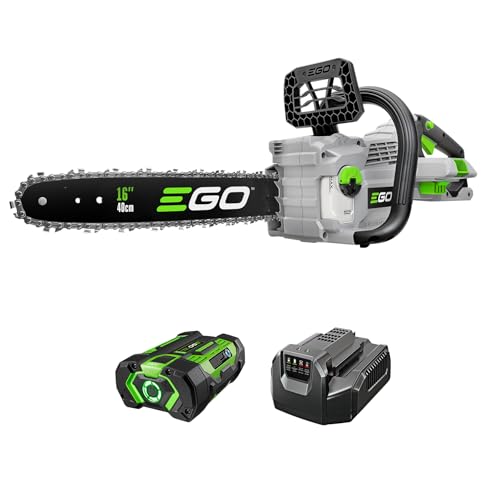
ASIN: B09X26ZHPV
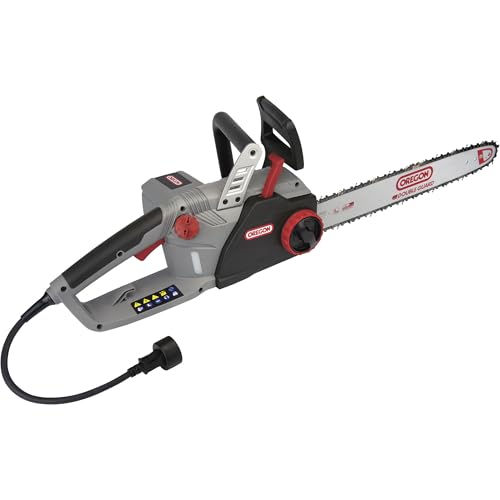
ASIN: B00OIZ1XHW

ASIN: B0G2NVBQCY
Certain content that appears on this site comes from Amazon. This content is provided “as is” and is subject to change or removal at any time. Product examples and images are supplied through Amazon Creators API; confirm specifications and availability on the current listing.
Table of contents
- Gas, corded electric, and battery saws
- Match saw type to the task
- Guide bars, chains, and capacity
- Features worth comparing
- Safety and operating limits
- Maintenance and storage
- Frequently asked questions
Three power types: gas, corded electric, and battery
Power source changes how a saw starts, how long it can run, and what preparation it needs. It does not change the fundamental hazard: all chain saws have a fast-moving chain with sharp cutters. A lighter or quieter saw still requires the right protective equipment, secure footing, an appropriate chain and bar, and knowledge of kickback and wood tension.
Gas chain saws
Gas-powered saws carry their fuel with them, so they can work away from outlets and without charging batteries. This can suit larger properties, longer cutting sessions, or users who need to move between work locations. Many gas models offer a broad range of sizes and intended duty levels, from occasional homeowner tasks through professional work. The model must still be matched to the operator and task; “more power” is not automatically better for control or safety.
A gas saw requires fuel appropriate to its engine, bar-and-chain oil, air-filter care, chain sharpening, and attention to starting and warm-up procedures. Fuel storage and refilling add steps and require a safe area away from ignition sources. The engine produces exhaust and usually more noise than many electric options, so indoor use is inappropriate and neighbors may be affected. Check the manual for the required fuel mixture or fuel type, maintenance schedule, and starting procedure; do not infer requirements from another model.
Gas saws may be practical where battery charging is inconvenient, but they can be heavier and involve more routine maintenance than a small yard tool. Engine displacement or power figures do not tell the whole story. Weight with a full tank, balance, vibration, handle design, chain-brake operation, and service access all influence whether the saw is manageable. A larger saw can fatigue an inexperienced user sooner and encourage unsafe reaching.
Corded electric chain saws
A corded electric saw starts without fuel mixing and can run as long as a suitable power supply is available. It may work well for cutting near a home, workshop, or other place with safe outdoor power access. Electric models are often chosen for local maintenance where the operator wants to avoid gas-engine upkeep. STIHL’s [chainsaw buying guide](https://www.stihlusa.com/en/guides-projects/buying-guides/chainsaw-buying-guide) describes its corded electric saws as suited to users with easy access to power and highlights instant starting and the lack of fuel mixing as category characteristics.
The cord is also a major constraint. It can limit reach, snag on brush, become a trip hazard, or enter the cutting path. Use only an extension cord and electrical supply that meet the saw maker’s instructions. Keep connections dry and route the cord deliberately behind the operator and saw. Never pull or carry the tool by its cord, and do not use a corded saw in wet conditions unless the instructions explicitly allow the environment and the power setup is appropriately protected.
A corded model may feel lighter than some gas saws because it does not carry an engine and fuel, but the cord and extension cable affect handling. The operator must maintain awareness of the cable throughout every cut and movement. If the job requires walking through brush, moving around a tree, or working far from an outlet, the cord may make the setup unsuitable even if the saw itself has adequate cutting capacity.
Battery-powered chain saws
Battery saws offer cordless movement without storing gasoline. They are convenient for short jobs around a property, pruning and bucking suitable limbs, and cutting near neighbors where noise and exhaust are concerns. They start with a switch or trigger sequence defined by the manufacturer and avoid cord management. The tradeoffs include battery cost, recharge time, battery weight, runtime planning, and the need to use a compatible pack and charger.
Runtime varies with the battery, chain sharpness, bar, wood species and condition, cut diameter, temperature, and the amount of time the chain is actually cutting. A marketing estimate should not be treated as a guaranteed number of cuts or minutes for every job. STIHL’s [battery runtime guidance](https://www.stihlusa.com/en/guides-projects/battery-tips/battery-charge-run-times) likewise ties runtime to specific tool and battery combinations. Check exact kit contents: a tool-only listing may not include the battery or charger.
Battery systems can be attractive if the user already owns compatible outdoor equipment, but platform compatibility is model-specific. Check voltage family, battery design, charger, recommended pack, and manufacturer guidance rather than relying on appearance. For extended work, consider whether spare packs and recharge opportunities are available. Follow storage, charging, and temperature instructions; never use a damaged battery or one that the manufacturer does not approve for the saw.
Match the saw to its intended task
Write down the task before comparing saws. “Yard work” might mean trimming a fallen branch, cutting a stack of firewood, or felling a tree. Each changes the required bar reach, operator position, worksite setup, and level of training. A chain saw should be selected for the actual wood and job, not the largest scenario a buyer can imagine.
Light pruning and small cleanup
For small limbs already on the ground or work at a safe, reachable height, a compact saw may be easier to control. Pole saws exist for specific pruning from ground level; they are not a way to perform chainsaw work from a ladder. The site’s pole saw guide covers that tool category. A short guide bar can be lighter and more maneuverable, but do not use a saw beyond its capacity or cut overhead with a handheld chain saw.
For very small branches, hand pruners or a pruning saw may be safer and more precise than starting a powered chain. The gardening hand saw guide explains manual options. Using the smallest suitable tool reduces setup and can make the cut easier to control. It does not mean selecting an underpowered chainsaw for larger material; choose an appropriate alternative when the wood exceeds a hand tool’s capacity.
Firewood and property maintenance
Firewood cutting and storm cleanup can involve different diameters, species, and wood under pressure. A homeowner who regularly cuts logs may want a saw sized for that work and suitable support equipment, but should also understand safe bucking technique and how logs can shift. A saw can be capable of cutting a log while the setup remains unsafe because the log is rolling, pinching the bar, or supported at an unstable point.
Battery, corded, or gas power may each work depending on location and cutting volume. A battery model can suit short, intermittent cuts when spare packs are available. A corded model needs a safe cable route and nearby power. A gas model can work away from those sources but requires fuel, engine maintenance, and safe refueling. Decide based on the whole work pattern, not a single maximum power number.
Storm debris and fallen trees
Storm cleanup is not automatically an appropriate do-it-yourself job. A fallen tree may be under compression or tension, suspended, entangled, close to utility lines, or resting on unstable ground. Those conditions can cause limbs or trunks to spring, roll, or drop when cut. OSHA’s [chainsaw work-safety guidance](https://www.osha.gov/sites/default/files/publications/CHAINSAWS.pdf) advises users to identify hazards, watch for material under tension, plan cuts, and stay within their capabilities. Hire a qualified tree-care professional for complex or unstable situations.
Even a branch that appears simple can be loaded by the tree’s weight. Do not cut where the bar could be pinched or where a released limb could strike you. Keep other people outside the danger area and establish a clear path away from the work. If you cannot determine how the wood will move, stop and get professional help instead of experimenting with a saw.
Felling standing trees
Tree felling is a specialized high-risk operation requiring training, planning, suitable equipment, and an assessment of lean, decay, wind, nearby structures, and escape routes. A consumer buying guide cannot teach felling safely in a few paragraphs. Do not choose a saw and attempt to fell a tree based on bar length alone. Work near power lines, trees with heavy lean or damage, or trees close to buildings is for trained professionals with the right qualifications and equipment.
Understand guide bars, chains, and fit
The guide bar supports and guides the chain. Longer bars can reach farther across larger wood, but they can add weight, change balance, and require the saw to have adequate power and manufacturer approval. A longer bar is not automatically more useful. It can be harder to control in brush and can increase exposure to the bar tip, an important kickback zone. Select a bar length approved for the exact saw and suited to the work you can safely perform.
Chain compatibility involves more than length. The chain must match the bar’s pitch and gauge, and the drive-link count must fit the specific bar. Oregon’s [saw-chain terms guide](https://apps.oregonproducts.com/pdfs/OregonMMANUAL_EN_A106971ab.pdf) explains pitch and gauge; its chain-fit information emphasizes matching chain and bar specifications. Use the exact part numbers or compatibility table for your saw, bar, and drive sprocket. Do not guess based on a similar model.
Chain pitch refers to spacing between rivets measured according to a defined convention. Gauge is the drive-link thickness that fits the bar groove. These dimensions and the drive-link count must match the components. A chain that is too loose, too tight, or incompatible can derail, bind, or damage the equipment. If a replacement bar changes the required chain, confirm all compatible parts with the saw maker or an authorized dealer.
Bar length and cutting capacity
Published bar length is not the same as the maximum diameter that can be cut safely in one pass. The actual cut depends on saw configuration, wood, operator position, and method. Do not plan a cut that requires reaching beyond the bar or using the tip to force entry. If the stock exceeds safe capacity, use an appropriate alternative method or get professional help rather than making improvised cuts from multiple sides.
Shorter bars can reduce weight and may be more manageable for pruning or smaller logs. Longer bars can provide reach on larger material but may require a more capable saw and increase fatigue. The appropriate pairing is set by the manufacturer and user skill. Husqvarna’s [chainsaw buying guide for homeowners](https://www.husqvarna.com/us/discover/buying-advice/buying-a-chainsaw/) notes that bar choice relates to tree size and operator experience, and that shorter bars can be lighter and easier to maneuver. Use that as a selection principle, not as permission to attempt work beyond your training.
Do not modify a saw with an unapproved bar or chain to gain cutting reach. If the model permits more than one bar configuration, follow the manual and use the corresponding chain, sprocket, and tension settings. A saw that runs with a mismatched chain is not necessarily safe or efficient. Verify part compatibility before installing replacement cutting attachments.
Chain type and sharpening
Chains vary in cutter shape, low-kickback design, tooth geometry, and maintenance requirements. A low-kickback chain can reduce certain kickback hazards when used with compatible parts and proper technique, but no chain eliminates risk. Choose only attachments specified for the saw and intended task. Keep the chain sharp and correctly tensioned, and use the filing method and angles recommended by the chain maker.
Sharpening requires matching a file and guide to the chain and maintaining consistent cutter length and depth-gauge settings. If you are unsure, ask a qualified dealer or take a training course. Poor sharpening can make a saw cut unevenly or increase kickback risk. Replace a chain that is damaged, stretched beyond adjustment, or otherwise unsafe rather than trying to restore it beyond service limits.
Features worth comparing
Chain brake and safety controls
Check that the saw has the safety equipment required by its manufacturer and applicable standards, including a functioning chain brake and trigger interlock where provided. OSHA materials discuss chain brakes, kickback reduction, working safety devices, and following manufacturer instructions. Do not remove, disable, or bypass guards, chain brakes, throttle locks, or other protective components. Before each use, inspect the controls and test them only as directed in the manual.
Chain tensioning and access
Some saws adjust tension with tools; others use tool-free mechanisms. The choice is about convenience, not permission to skip inspection. The chain should be tensioned according to the manual and rechecked as appropriate during use because it can loosen as it warms and wears. A mechanism that is easy to access can help with routine adjustment, but it must hold securely. Always stop the saw and follow the required shutdown procedure before touching the chain.
Oil delivery and reservoir
The chain and bar require lubrication. Check how the oil reservoir is filled, whether the level is visible, and how the saw’s lubrication system is inspected. Use the oil type specified by the manufacturer. An empty reservoir, blocked oil port, or incorrect lubricant can damage the bar and chain. Do not assume a battery saw is maintenance-free; it still has a chain, bar, oiling system, and cutting attachments that require inspection.
Weight, balance, and vibration
Compare weight in the configuration you will actually use, including battery or fuel. Balance affects how the saw feels with the bar extended in front of the operator. Handle spacing and grip shape matter for control, and vibration can contribute to fatigue. A specification sheet may list dry weight without the bar, chain, fuel, or battery, so read what is included in the number. If possible, handle the saw before purchase and ask a knowledgeable dealer to explain safe positioning.
Starting, controls, and service
Gas starting procedures vary and can be confusing to a first-time operator. Electric and battery saws may start more simply, but their triggers and safety interlocks still require deliberate handling. Review the manual before buying if you are unfamiliar with the controls. Consider whether replacement chains, bars, filters, batteries, chargers, and repair support are available where you live. A tool is more practical when it can be maintained with approved parts and local service.
How to choose by user and environment
For an occasional homeowner, a small electric or battery saw can be practical for reachable cleanup and modest cutting tasks when the manufacturer approves the use. Low setup overhead may encourage the user to select the saw only when needed and keep it maintained. The saw still demands protective equipment and a clear understanding of safe cut positions.
For a rural property owner who regularly processes firewood, a suitable gas or high-capacity battery saw may offer the runtime and mobility needed. Compare the complete operating system: fuel handling and engine upkeep versus battery packs, charging, and cold-weather or workload considerations listed by the maker. A buyer should also account for training, chain sharpening, protective clothing, and storage.
For someone working near a home with access to outdoor power, a corded electric saw may avoid fuel and battery management. The cable path must remain safe and the weather conditions must meet the instructions. If cord management compromises the operator’s footing or crosses the cutting area, the tool is not appropriate for that setup.
For professional or frequent use, durability, ergonomics, parts availability, service access, and task-specific performance matter. A professional should select equipment based on the work and training, rather than assuming a consumer saw or bar configuration can be used for every operation. Consult a qualified dealer and relevant safety standards for specialized work.
Preparation before every cut
Preparation reduces avoidable surprises. Inspect the work area for people, obstacles, uneven footing, metal in the wood, overhead branches, utility lines, and a safe retreat path. Clear brush and debris from the chain’s route. Identify whether the wood is supported and whether cuts could release tension, roll the piece, or close the kerf. If the setup is not clear, stop and ask for experienced help.
Inspect the saw: controls, chain brake, throttle lockout, chain tension, fasteners, handles, guide bar, chain sharpness, and oil. OSHA’s [Chainsaw Safety Quick Card](https://www.osha.gov/sites/default/files/publications/OSHA4286.pdf) recommends checking controls, tension, bolts, handles, chain sharpness, and lubrication before starting. The same card advises starting on the ground or firm support and never drop-starting. Follow the specific starting instructions for your model.
Wear protective equipment appropriate to the saw and job, including eye and face protection, hearing protection, gloves, leg protection, and suitable footwear. Head protection may be needed where overhead hazards exist. OSHA’s workplace requirements vary by job and jurisdiction; homeowners should still treat chain-saw PPE as essential and seek training about selecting and wearing it correctly. Ordinary clothing is not a substitute for cut-resistant protection.
Keep both hands on the handles and maintain stable footing. Avoid cutting with the bar tip, directly overhead, or from a ladder. Do not operate one-handed unless a trained professional is addressing a specific situation covered by their procedure. Fatigue reduces control; take breaks and stop when conditions, visibility, or focus deteriorate. This article cannot teach tree felling, limbing under tension, or work near power lines.
Safety, kickback, and limits of this guide
Kickback happens when the moving chain contacts an object or is pinched in a way that rapidly drives the bar back toward the operator. The bar tip is a key hazard area. Keep it away from branches, logs, and the ground unless the manual describes a specific safe procedure. Use compatible low-kickback components when recommended, keep safety devices functional, and never treat those features as a substitute for training and technique. OSHA’s [working-safely fact sheet](https://www.osha.gov/sites/default/files/publications/CHAINSAWS.pdf) advises operators to avoid the kickback zone and use equipment that reduces kickback danger.
Wood under tension can move suddenly when cut. A limb can spring, a trunk can roll, or a cut can close and pinch the bar. Learn to identify compression and tension before attempting a cut. Do not cut a suspended, unstable, or entangled tree or branch unless you have the training, equipment, and help required. Storm damage, hung-up trees, heavy lean, decay, and work near electrical conductors are reasons to call a qualified tree-care professional.
Fueling introduces fire and burn hazards. Never refuel a running or hot saw. Use an approved container, follow the manual for fuel handling, and refuel in a suitable well-ventilated place away from ignition sources. OSHA’s quick card specifies spacing from ignition and fueling areas for workplace activity; homeowners should follow the product manual and local fire-safety guidance. Battery models avoid liquid fuel but require safe charging and storage according to the battery maker.
Carry the saw with the engine stopped or chain brake engaged, bar pointed in a safe direction, and scabbard in place when appropriate. Follow the manual’s transport instructions. Do not walk with a running chain. Keep people away from the cutting area and communicate before starting. When a cut ends, release the throttle and wait for the chain to stop before repositioning.
Maintenance and storage
Maintenance keeps the saw predictable; it is also a safety routine. Clean the air filter, bar groove, oil passages, sprocket area, and cooling surfaces as directed for the specific model. Gas saws may need additional engine and fuel-system maintenance; corded saws require cord and plug inspection; battery saws require battery, contact, charger, and storage checks. STIHL’s [maintenance and safety guide](https://www.stihlusa.com/en/guides-projects/maintenance-safety/chainsaw-maintenance-safety) describes preparation and common maintenance tools for gas and battery saws.
Keep the chain sharp and properly tensioned, and check lubrication before cutting. A dull chain can require more force, cut slowly, and create uneven chips. Sharpen with the correct file size and angles from the chain maker, or use an experienced service provider if unsure. Replace a damaged chain or bar rather than continuing with cracks, severe wear, bent rails, missing teeth, or other defects. Do not alter safety parts.
After use, let the saw cool before cleaning or storage. Remove debris according to the manual, fit the bar cover, and store the saw where children cannot reach it. Gasoline and premixed fuel have storage limits and handling instructions; battery packs should be charged and stored within the specified temperature range. Keep batteries away from metal objects that can bridge contacts. Store fuel in approved containers separate from ignition sources.
Before each session, inspect the chain brake and safety controls as directed. Check the chain for correct tension, the bar for damage, oil levels, and handles for secure attachment. For electric models, examine the cord and plug; do not use damaged insulation or improvised repairs. For battery models, inspect the pack and terminals; do not use a swollen, cracked, or overheated battery. Use approved service channels for repairs.
What else belongs in the work plan?
A chain saw is one part of a safe outdoor work system. Include PPE, fuel or charged batteries, chain oil, sharpening tools, a first-aid plan, communication, and weather conditions. If you are working alone, reconsider the job; OSHA specifically identifies working alone as a hazard in chainsaw operations. For tree work, identify who can call for help and how they can reach the site. A planned stop point is safer than pushing through fatigue.
For pruning above shoulder height or branches beyond comfortable reach, do not climb a ladder with a chainsaw. A pole saw may be designed for certain pruning tasks from the ground, but it has its own limits; use the pole saw guide to compare that tool type. For smaller reachable branches, a manual pruning saw may be enough; see the gardening hand-saw guide.
If your project includes cutting boards for a repair or building a storage structure, a chainsaw is generally not the tool for accurate joinery. A circular saw or a table saw is better suited to controlled straight cuts in lumber and panels. For precision crosscuts and trim, a miter saw guide covers another option. Select the tool that matches the material and cut rather than using a chainsaw because it is already available.
Frequently asked questions
Which type of chainsaw is best for a homeowner?
It depends on the task, power access, work duration, and user experience. Battery models can suit short, portable jobs; corded models can work near a safe outlet; gas models can suit longer work away from power. Compare tool weight, handling, maintenance, and the maker’s intended use rather than choosing by power type alone.
Are battery chainsaws powerful enough for firewood?
Some battery models are intended for cutting firewood, but capability varies by tool, battery, chain, and wood. Check the manufacturer’s intended use and supported bar and chain. Plan runtime using the maker’s guidance and have charged compatible packs if needed. Do not infer performance from voltage or an advertised runtime alone.
Is a gas chainsaw better than electric?
Neither is universally better. Gas provides portable fuel and can suit work away from outlets, but needs engine care, fuel handling, and exhaust management. Corded electric avoids fuel mixing and charging but requires safe cable routing and power access. Battery saws remove the cord but depend on batteries and charging. Match the tradeoffs to your location and workload.
What bar length should I choose?
Choose a bar approved for the exact saw and appropriate for the material and task. Shorter bars can be lighter and easier to maneuver; longer bars can reach across larger wood but may add weight and exposure. Bar length alone does not define safe cutting capacity. Ask a qualified dealer if you are unsure.
Can I install a longer bar on my saw?
Only if the manufacturer approves that bar for the model and the chain, sprocket, and other required parts are compatible. A longer bar can overload a saw or make it harder to control. Do not modify a saw to gain reach. Use the manual’s approved combinations.
How do I know which chain replacement fits?
Match chain pitch, gauge, and drive-link count to the guide bar and drive sprocket. Use the exact part number or the manufacturer’s compatibility chart. A chain that appears close in size may still be wrong. Oregon explains pitch and gauge in its [chain terminology resource](https://apps.oregonproducts.com/pdfs/OregonMMANUAL_EN_A106971ab.pdf).
How tight should the chain be?
Use the tension procedure in the saw manual. A loose chain can derail; an overly tight chain can increase wear or damage components. Make adjustments only with the saw off and in the condition specified by the maker. Recheck as directed, especially when the chain is new or has warmed during use.
Do all chainsaws need bar-and-chain oil?
Most chain saw cutting systems require lubrication, but the exact oil and checking procedure depend on the model. Follow the manual and inspect the oil supply before cutting. Do not substitute engine oil or another lubricant unless the manufacturer approves it.
Can a beginner use a chainsaw?
A beginner should start with training, the manual, appropriate PPE, and low-risk tasks within the saw’s intended use. Do not begin with tree felling, overhead cuts, unstable storm debris, or wood under tension. If you cannot identify how the material will move, hire a trained professional.
Can I use a chainsaw from a ladder?
Do not use a handheld chainsaw from an unstable ladder or above shoulder height. A saw’s reaction and cutting forces can upset balance. Use a tool designed for ground-based reach when appropriate or hire a qualified professional for elevated work.
When should a chainsaw chain be sharpened?
Sharpen when the chain no longer cuts effectively under proper technique, produces unusual dust rather than expected chips, or requires excess force, while also checking whether the material or setup explains the change. Follow the chain maker’s filing instructions. If you are unsure, have a qualified service provider inspect it.
What is the safest way to choose a saw for storm cleanup?
First decide whether the debris is stable and within your training. Downed or hung-up trees can be under tension, tangled, or close to utilities. If the wood can shift, spring, or roll unpredictably, do not attempt the cut. Call a qualified tree-care professional for complex storm damage.
Conclusion: choose for the work, not the biggest specification
The best chain saws balance appropriate cutting capacity with manageable weight, reliable safety controls, compatible bars and chains, and a power source that suits the worksite. Gas, corded electric, and battery models each have useful settings and real tradeoffs. No single type is best for every property or user.
Before buying, define the task, compare the full operating setup, and verify the exact bar-and-chain compatibility. Budget for protective equipment, maintenance supplies, and training—not just the saw. Read the manual before starting, keep safety devices functional, and stop when the wood, position, or conditions exceed your experience. For tree work involving height, tension, instability, or power lines, bring in a qualified professional.