Disclosure: As an Amazon Associate, dailyhomedecorating.com earns from qualifying purchases. Links on this page are affiliate links; they cost you nothing extra. Prices and availability change often, so check the current Amazon listing before you buy.
A fair sofa review starts with a simple promise: this sofa review will judge a sofa the way your household will actually use it, from the doorway it must squeeze through to the Sunday afternoon nap that tests every cushion.
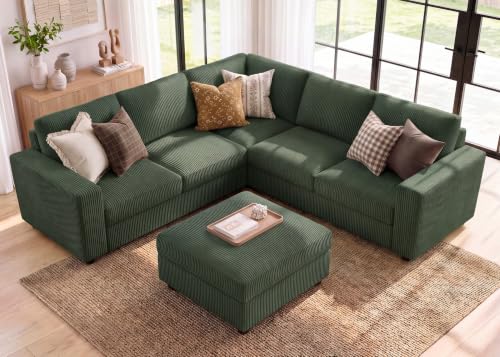
Sofa Review: What One Good Sofa Must Prove
In this guide
Key Takeaways
Best for: households that measure first, sit honestly, and choose fabric for real life. Not suited for: anyone buying from a photograph alone. The short version of this guide is simple: the route into the room decides what you can own, seat depth and height decide whether you will love it, frame and cushion construction decide how long it lasts, and washable, pet-aware fabric decisions decide how gracefully it ages in a busy home.
What a Sofa Is and Where It Fits
A sofa is the anchor piece of a living room: part seat, part bed for naps and guests, part landscape that every other piece of furniture negotiates with. Reviewing one properly means reviewing all of those jobs, not just the first sit.
Judging sofa value without staring at a number means asking what a tier actually buys. Entry-tier sofas prioritise getting a comfortable, presentable seat into a first home, and they earn their place when expectations match: lighter frames, simpler fabrics, and a lifespan measured in busy years rather than decades. Mid-tier sofas usually add sturdier construction, better cushion resilience, and fabrics that clean more gracefully, which is why they suit households that sit daily and host often. Premium tiers trade up in materials, tailoring, and longevity, and they make sense when the sofa is a long-term anchor rather than a placeholder. The trap is paying for the wrong upgrade: a costly fabric in a house with muddy dogs, or heirloom construction in a rental you will leave next spring. Match the tier to the honest job, the honest household, and the honest length of time you expect to keep it, and value takes care of itself.
Every sofa guide eventually meets an awkward truth: comfort is personal, and no review can sit on a sofa for you. Back angle, cushion firmness, arm height, and even the sound a fabric makes when you shift position all feed a judgement that is part body, part habit, and part memory of every sofa you have ever liked. That is why the best guides teach you to test rather than tell you what to feel. Sit the way you actually sit, not the way showrooms expect: sideways, cross-legged, upright with a book, stretched out with a laptop. Notice whether your lower back feels supported without a cushion wedged behind it, whether your feet rest naturally, and whether standing up feels easy after twenty minutes rather than impressive for twenty seconds. Households compromise, too: the fairest family sofa is rarely anyone’s perfect chair, and a design that everyone rates as good usually beats a design one person adores and everyone else avoids.
Design, Build and Setup
A sofa frame does the invisible work for years, so it deserves more attention than the fabric colour. Hardwood and well-made engineered frames both have a place, and the honest difference between price tiers is usually joinery, reinforcement at stress points, and how the suspension under the seats is built. Corner blocking, sturdy legs that do not wobble, and a base that does not creak when two people sit down together are the everyday signs of care. Softer signs matter too: a frame that feels planted rather than springy when you push off the armrest, seams that line up, and cushions that sit square in their bays. No listing photograph can prove any of this, which is why return terms and warranty language deserve a slow read. Treat construction claims as a starting point, check what owners say about long-term sagging, and remember that a modest frame cared for well often outlasts a grand one that is dragged, jumped on, and moved carelessly.
Delivery day goes well when it is planned like a small project rather than a surprise. Clear the route you measured, move the old sofa or at least decide where it waits, protect floors at the turns, and keep pets and small children in another room while large pieces are moving. For boxed and modular sofas, unpack in the room where the sofa will live, keep every fitting in one tray, and photograph the hardware layout before you begin so a missing bolt is obvious early. Build on a rug or blanket to protect both floor and fabric, tighten fixings firmly but not brutally, and leave final tightening until the frame sits square. Keep the packaging until you have sat on the finished sofa through one normal evening; if a return becomes necessary, original packaging turns a painful process into a merely annoying one. Finally, register any warranty, save the care instructions, and note which covers remove for washing before the first spill forces the question.
Performance in Real Use
Everyday Sitting
Seat depth is the distance from the front edge of the seat to the back cushion, and it quietly decides whether a sofa feels like a perch or a nest. Deeper seats invite lounging, leg-tucking, and long film nights, but they can leave shorter sitters with feet dangling and backs unsupported unless extra cushions fill the gap. Shallower seats make it easier to sit upright, stand up again, and host conversation without slumping. Seat height matters just as much: a higher seat is kinder to anyone who finds low furniture hard to rise from, while a low, lounge-style seat suits people who like to sprawl. The honest test is how your household actually sits. Readers who work from the sofa with a laptop usually prefer a firmer, shallower seat, while readers who stretch out sideways need depth, a supportive back angle, and armrests at a height that does not shrug their shoulders.
Hosting and Family Life
For many homes the sofa is not furniture so much as shared equipment: homework desk, sick-day bed, guest room, fort foundation, and the place every conversation eventually lands. That workload changes what good looks like. Washable covers stop being a luxury and become the feature that protects the whole purchase. A seat that is deep enough for an adult and a child side by side, arms low enough to double as a pillow for a nap, and a fabric that forgives juice and marker all matter more than a silhouette in a magazine. Guest use adds another layer. A sofa that converts, or at least sleeps one person flat and comfortably with a throw and a real pillow, earns its floor space in a small home. Be honest about frequency, though: a daily sleeper deserves a proper bed solution, while a twice-a-year guest can be served well by a good sofa and an honest conversation about the plan.
Lounging and Film Nights
A good sofa in a bad layout still feels wrong, so plan the room around how people move and talk. Leave a comfortable walking path behind or beside the sofa where the room allows it, keep the coffee table close enough to set a drink down without leaning, and angle lighting so readers are not sitting in their own shadow. In long rooms, a sofa can divide sleeping, working, and relaxing zones without a wall; in square rooms, centring the sofa on a rug anchors the seating and stops everything drifting to the edges. Television distance, window glare, and where winter sun lands all shape whether the main seat becomes the favourite seat. Try the layout with the old furniture or with masking tape on the floor before the new sofa arrives. Tape outlines are unglamorous and brutally effective: you will discover the blocked drawer, the pinched walkway, and the lamp with nowhere to stand while changing your mind is still free.
Strengths and Trade-Offs
Strengths
- Anchors the room and seats the whole household in one shared place.
- Rewards honest measuring with an easy delivery and a layout that works.
- Ages gracefully when covers wash and cushions rotate.
Trade-offs
- Large, heavy, and unforgiving of tight stair turns.
- Fabric and cushion choices punish households that skip the care routine.
- One fixed shape must serve readers, nappers, guests, and pets equally.
How It Compares
These representative models show the main directions a buyer can take. Treat each as a prose-only shortlist entry while verification is pending, and compare them on route, seat fit, and cover care rather than on styling alone.

HONBAY Convertible Sofa
The HONBAY Convertible Sofa represents the convertible, apartment-friendly designs that arrive in manageable boxes and adapt when guests stay over side of the market, positioned as a qualitative option worth shortlisting rather than a promise. Judge it the way this guide judges everything: measure its route into your home, sit-test its depth and height against your household’s habits, and read its cover care and return terms before you decide. Best for: readers whose rooms and routines match that description. Not suited for: anyone whose doorway measurements, pet situation, or daily sleeping needs point the other way.
Belffin Modular Sofa
The Belffin Modular Sofa represents the modular pieces with washable covers and storage-minded seats for busy family rooms side of the market, positioned as a qualitative option worth shortlisting rather than a promise. Judge it the way this guide judges everything: measure its route into your home, sit-test its depth and height against your household’s habits, and read its cover care and return terms before you decide. Best for: readers whose rooms and routines match that description. Not suited for: anyone whose doorway measurements, pet situation, or daily sleeping needs point the other way.

LINSY HOME Sofa
The LINSY HOME Sofa represents the rubik-style modular layouts that can be rearranged as a household grows or moves side of the market, positioned as a qualitative option worth shortlisting rather than a promise. Judge it the way this guide judges everything: measure its route into your home, sit-test its depth and height against your household’s habits, and read its cover care and return terms before you decide. Best for: readers whose rooms and routines match that description. Not suited for: anyone whose doorway measurements, pet situation, or daily sleeping needs point the other way.
Mopio Sofa
The Mopio Sofa represents the clean-lined mid-century styling with tapered legs and a compact footprint for smaller rooms side of the market, positioned as a qualitative option worth shortlisting rather than a promise. Judge it the way this guide judges everything: measure its route into your home, sit-test its depth and height against your household’s habits, and read its cover care and return terms before you decide. Best for: readers whose rooms and routines match that description. Not suited for: anyone whose doorway measurements, pet situation, or daily sleeping needs point the other way.
Who Should Buy It and Who Should Skip It
A good listing reader separates what is shown from what is merely said. Photographs are staged at flattering angles with perfect light, so hunt for the plain shots: the side profile that reveals seat depth, the back view if the sofa will float in the room, and close-ups of seams and legs. Read the dimensions section before the description, the care instructions before the styling claims, and the delivery and returns terms before either. Owner feedback is most useful when you filter for your own situation: pet owners on fabric, tall readers on seat depth, apartment dwellers on whether the boxes fit the lift. Look for patterns rather than verdicts, because one angry account of a delivery scratch tells you less than a steady thread of comments about cushions flattening. When information is missing, treat the gap itself as information, and choose the seller who answers plain questions plainly over the one who answers everything with adjectives.
Fabric choice is where showroom taste meets real life, and real life should win. Households with dogs and cats need a tight weave that claws cannot easily snag, a surface that releases hair with a lint roller or a damp glove, and covers that can be removed and washed when muddy paws win an argument. Loose, nubby weaves look beautiful and hide crumbs well, but they can hold hair deep in the texture and pill where a pet kneads before sleeping. Smooth performance fabrics wipe clean more easily and shrug off spills, though they can feel cooler and less cosy in winter until throws and cushions warm them up. Colour strategy matters as much as fibre: a mid-tone that sits between your pet’s light and dark hairs will look cleaner for longer than a dramatic solid that shows every strand. Whatever you choose, order a swatch if you can, rub it, spill water on it, and look at it in evening light before committing.
Setup, Care and Maintenance Essentials
Sofa care is mostly small habits repeated calmly. Vacuum the seats and the gaps weekly with an upholstery tool, because grit working into fabric and cushion foam does quiet damage long before anything looks dirty. Deal with spills by blotting, never scrubbing, and test any cleaner on a hidden patch first. Keep the sofa out of relentless direct sun where you can, since fading is gradual, uneven, and impossible to reverse once the arms and back tell different stories. Rotate cushions, plump back pillows while the kettle boils, and tighten legs during a seasonal clean so a small wobble never becomes a stressed joint. For homes with pets, a washable throw over the favourite sleeping spot concentrates the wear, the hair, and the washing into one easy layer. None of this is glamorous, and that is the point: sofas rarely die in dramatic moments, they fade through neglect that ten minutes a week would have prevented.
A Second Look After the First Impression: Testing Sofa Against Real Routines
This section exists to look again after the first impression has faded, because the qualities that sell a product in the first hour are rarely the ones that decide whether it is still liked in month three. It adds a layer that a feature list cannot give you, grounded in the living room furniture context this sofa will actually live in. Where this guide names examples such as HONBAY Convertible Sofa, Belffin Modular Sofa, LINSY HOME Sofa, use them as test cases for the checks below rather than as shortcuts past them.
Use the listings as a checklist rather than as entertainment. For each sofa you shortlist, note the exact variant, the included parts, what is sold separately, and which photographs show the item in a setting like yours rather than in a studio. If a model named elsewhere in this guide catches your eye, treat it as a worked example for this process: run it through the same measurements, the same weekly rehearsal and the same friction list before letting familiarity turn into preference. Consistency is the whole trick. Shoppers go wrong not by choosing the objectively weaker sofa, but by judging one contender on features, the next on looks and the third on a single enthusiastic anecdote.
Think about who else has a vote. A sofa is usually shared, moved, cleaned or complained about by more than one person, and the second user’s priorities are often the ones that surface after the return window closes. Check height, weight, reach, noise, heat, sharp edges or sheer visual presence, whichever apply, against the smallest, oldest or least enthusiastic person who will live with it. If you are buying for a household that includes children, pets, elderly relatives or lodgers, run the clumsy scenario too: the spill, the knock, the curious tug, the door left open. A robust sofa choice survives other people; a fragile one only survives its buyer.
Consider the edge cases that sit just outside normal use, because a sofa will meet all of them eventually. The unusually large load, the unusually small task, the day you are in a hurry, the day something else in the room is broken and this has to cover for it. Versatility is not about a long feature list; it is about behaving predictably when conditions are imperfect. Where a design offers settings, modes, attachments or configurations, ask what each one is actually for in your home, and be suspicious of flexibility you cannot attach to a real occasion. One well-judged configuration used weekly beats five clever ones used once, and the honest sofa for your home is the one whose strengths line up with your most frequent edge case, not your rarest.
Build a simple decision checklist and score it in writing. Five lines are enough: fit in the space, fit with the routine, ease of cleaning or upkeep, quality of the parts that move or wear, and how the sofa will be stored or will look when it is not the centre of attention. Score each contender quickly, then look only at the lowest scores, because purchases are usually ruined by their weakest point rather than saved by their strongest. If two options tie, choose the one whose weakness is cheapest or easiest to live with. This sounds mechanical, and it is meant to: a written checklist is the best defence against the very human habit of falling for the last photograph you looked at.
Frequently Asked Questions
How long should a good sofa last?
A well-made sofa that is used daily should give years of comfortable service, and the honest range depends on construction, cushion care, and how hard the household works it. Frames and suspension decide the ceiling, while habits decide how close you get to it: rotating cushions, vacuuming grit out of the seams, and keeping wobbling legs tightened all protect the structure. Expect covers and cushions to age before the frame does, and judge value by cost per year of comfortable evenings rather than by the boldest claim in a listing.
What is the most common reason sofas are returned?
Access is the most common avoidable reason: the sofa fits the room but not the doorway, the stair turn, or the hallway corner on the way in. That is why this guide repeats the measure-first rule so often. Measure the destination, then measure the entire route, including ceiling height on stairs and the swing space needed to pivot a long frame. If any turn looks doubtful, choose a modular, sectional, or knock-down design, or confirm the legs and backs remove, before you order rather than after the delivery team is standing in your hall.
Which sofa fabric is best for homes with pets?
Tight-weave fabrics that release hair easily and offer removable, washable covers are the practical winners for pet homes. Smooth surfaces let you lift hair with a roller or damp glove, while loose, textured weaves can trap hair and snag under claws. Colour helps more than most people expect: a mid-tone close to your pet’s coat looks cleaner between washes. Add a washable throw over the favourite sleeping spot and you concentrate wear, hair, and laundry into one easy layer instead of the whole sofa.
How do I know if a seat is deep enough for me?
Sit the way you actually relax rather than the way a showroom expects. If you like stretching out or sitting sideways, a deeper seat with supportive back cushions will feel right, while upright readers and laptop workers usually prefer a shallower seat that lets their feet rest flat and their back stay supported. Shorter sitters on deep seats often solve the gap with a firm lumbar cushion, so judge the combination, not the seat alone. Comfort after twenty minutes matters far more than the first twenty seconds.
Are modular sofas a good idea for renters?
Modular sofas suit renters well because the pieces move through doors and stairwells more easily, rearrange when the next home has a different shape, and let you replace or add a single section instead of starting again. The trade-offs are seams where pieces meet, a slightly less tailored look, and the need to check that connectors stay secure on hard floors. For anyone expecting to move within a few years, that flexibility usually outweighs the compromises, provided the covers remove for washing and the individual modules are light enough for two people to carry safely.
What should I check before a sofa is delivered?
Confirm the measured route is clear, decide where the old sofa waits, protect floors at the turns, and keep the packaging until you have used the new sofa for a normal evening. Check legs, covers, and care instructions on arrival, photograph any damage before signing where the courier allows it, and save warranty details somewhere you will find them in three years. For boxed designs, unpack in the room where the sofa will live and keep every fitting together in one tray until assembly is finished and the frame sits square.
Related Guides
Keep exploring with these related guides: sofa reviews · sofa buying guide · sofa pros and cons · is a sofa worth it · how to choose a sofa · sofa vs loveseat · sofa vs sectional sofa · comfortable sofa ideas for everyday living · deep seat sofas for stretching out · two seater sofas for compact rooms · sofas for narrow doorways.
Frames: What Honest Construction Looks Like: A Deeper Look
A sofa frame does the invisible work for years, so it deserves more attention than the fabric colour. Hardwood and well-made engineered frames both have a place, and the honest difference between price tiers is usually joinery, reinforcement at stress points, and how the suspension under the seats is built. Corner blocking, sturdy legs that do not wobble, and a base that does not creak when two people sit down together are the everyday signs of care. Softer signs matter too: a frame that feels planted rather than springy when you push off the armrest, seams that line up, and cushions that sit square in their bays. No listing photograph can prove any of this, which is why return terms and warranty language deserve a slow read. Treat construction claims as a starting point, check what owners say about long-term sagging, and remember that a modest frame cared for well often outlasts a grand one that is dragged, jumped on, and moved carelessly.
A sofa frame does the invisible work for years, so it deserves more attention than the fabric colour. Hardwood and well-made engineered frames both have a place, and the honest difference between price tiers is usually joinery, reinforcement at stress points, and how the suspension under the seats is built. Corner blocking, sturdy legs that do not wobble, and a base that does not creak when two people sit down together are the everyday signs of care. Softer signs matter too: a frame that feels planted rather than springy when you push off the armrest, seams that line up, and cushions that sit square in their bays. No listing photograph can prove any of this, which is why return terms and warranty language deserve a slow read. Treat construction claims as a starting point, check what owners say about long-term sagging, and remember that a modest frame cared for well often outlasts a grand one that is dragged, jumped on, and moved carelessly.
Fabric choice is where showroom taste meets real life, and real life should win. Households with dogs and cats need a tight weave that claws cannot easily snag, a surface that releases hair with a lint roller or a damp glove, and covers that can be removed and washed when muddy paws win an argument. Loose, nubby weaves look beautiful and hide crumbs well, but they can hold hair deep in the texture and pill where a pet kneads before sleeping. Smooth performance fabrics wipe clean more easily and shrug off spills, though they can feel cooler and less cosy in winter until throws and cushions warm them up. Colour strategy matters as much as fibre: a mid-tone that sits between your pet’s light and dark hairs will look cleaner for longer than a dramatic solid that shows every strand. Whatever you choose, order a swatch if you can, rub it, spill water on it, and look at it in evening light before committing.
Kids, Guests, and the Sofa as a Shared Tool: A Deeper Look
For many homes the sofa is not furniture so much as shared equipment: homework desk, sick-day bed, guest room, fort foundation, and the place every conversation eventually lands. That workload changes what good looks like. Washable covers stop being a luxury and become the feature that protects the whole purchase. A seat that is deep enough for an adult and a child side by side, arms low enough to double as a pillow for a nap, and a fabric that forgives juice and marker all matter more than a silhouette in a magazine. Guest use adds another layer. A sofa that converts, or at least sleeps one person flat and comfortably with a throw and a real pillow, earns its floor space in a small home. Be honest about frequency, though: a daily sleeper deserves a proper bed solution, while a twice-a-year guest can be served well by a good sofa and an honest conversation about the plan.
For many homes the sofa is not furniture so much as shared equipment: homework desk, sick-day bed, guest room, fort foundation, and the place every conversation eventually lands. That workload changes what good looks like. Washable covers stop being a luxury and become the feature that protects the whole purchase. A seat that is deep enough for an adult and a child side by side, arms low enough to double as a pillow for a nap, and a fabric that forgives juice and marker all matter more than a silhouette in a magazine. Guest use adds another layer. A sofa that converts, or at least sleeps one person flat and comfortably with a throw and a real pillow, earns its floor space in a small home. Be honest about frequency, though: a daily sleeper deserves a proper bed solution, while a twice-a-year guest can be served well by a good sofa and an honest conversation about the plan.
A good sofa in a bad layout still feels wrong, so plan the room around how people move and talk. Leave a comfortable walking path behind or beside the sofa where the room allows it, keep the coffee table close enough to set a drink down without leaning, and angle lighting so readers are not sitting in their own shadow. In long rooms, a sofa can divide sleeping, working, and relaxing zones without a wall; in square rooms, centring the sofa on a rug anchors the seating and stops everything drifting to the edges. Television distance, window glare, and where winter sun lands all shape whether the main seat becomes the favourite seat. Try the layout with the old furniture or with masking tape on the floor before the new sofa arrives. Tape outlines are unglamorous and brutally effective: you will discover the blocked drawer, the pinched walkway, and the lamp with nowhere to stand while changing your mind is still free.
Comfort Is Personal, and That Is Fine: A Deeper Look
Every sofa guide eventually meets an awkward truth: comfort is personal, and no review can sit on a sofa for you. Back angle, cushion firmness, arm height, and even the sound a fabric makes when you shift position all feed a judgement that is part body, part habit, and part memory of every sofa you have ever liked. That is why the best guides teach you to test rather than tell you what to feel. Sit the way you actually sit, not the way showrooms expect: sideways, cross-legged, upright with a book, stretched out with a laptop. Notice whether your lower back feels supported without a cushion wedged behind it, whether your feet rest naturally, and whether standing up feels easy after twenty minutes rather than impressive for twenty seconds. Households compromise, too: the fairest family sofa is rarely anyone’s perfect chair, and a design that everyone rates as good usually beats a design one person adores and everyone else avoids.
Every sofa guide eventually meets an awkward truth: comfort is personal, and no review can sit on a sofa for you. Back angle, cushion firmness, arm height, and even the sound a fabric makes when you shift position all feed a judgement that is part body, part habit, and part memory of every sofa you have ever liked. That is why the best guides teach you to test rather than tell you what to feel. Sit the way you actually sit, not the way showrooms expect: sideways, cross-legged, upright with a book, stretched out with a laptop. Notice whether your lower back feels supported without a cushion wedged behind it, whether your feet rest naturally, and whether standing up feels easy after twenty minutes rather than impressive for twenty seconds. Households compromise, too: the fairest family sofa is rarely anyone’s perfect chair, and a design that everyone rates as good usually beats a design one person adores and everyone else avoids.
Delivery day goes well when it is planned like a small project rather than a surprise. Clear the route you measured, move the old sofa or at least decide where it waits, protect floors at the turns, and keep pets and small children in another room while large pieces are moving. For boxed and modular sofas, unpack in the room where the sofa will live, keep every fitting in one tray, and photograph the hardware layout before you begin so a missing bolt is obvious early. Build on a rug or blanket to protect both floor and fabric, tighten fixings firmly but not brutally, and leave final tightening until the frame sits square. Keep the packaging until you have sat on the finished sofa through one normal evening; if a return becomes necessary, original packaging turns a painful process into a merely annoying one. Finally, register any warranty, save the care instructions, and note which covers remove for washing before the first spill forces the question.
Fabric, Pets, and Real Life: A Deeper Look
Fabric choice is where showroom taste meets real life, and real life should win. Households with dogs and cats need a tight weave that claws cannot easily snag, a surface that releases hair with a lint roller or a damp glove, and covers that can be removed and washed when muddy paws win an argument. Loose, nubby weaves look beautiful and hide crumbs well, but they can hold hair deep in the texture and pill where a pet kneads before sleeping. Smooth performance fabrics wipe clean more easily and shrug off spills, though they can feel cooler and less cosy in winter until throws and cushions warm them up. Colour strategy matters as much as fibre: a mid-tone that sits between your pet’s light and dark hairs will look cleaner for longer than a dramatic solid that shows every strand. Whatever you choose, order a swatch if you can, rub it, spill water on it, and look at it in evening light before committing.
Fabric choice is where showroom taste meets real life, and real life should win. Households with dogs and cats need a tight weave that claws cannot easily snag, a surface that releases hair with a lint roller or a damp glove, and covers that can be removed and washed when muddy paws win an argument. Loose, nubby weaves look beautiful and hide crumbs well, but they can hold hair deep in the texture and pill where a pet kneads before sleeping. Smooth performance fabrics wipe clean more easily and shrug off spills, though they can feel cooler and less cosy in winter until throws and cushions warm them up. Colour strategy matters as much as fibre: a mid-tone that sits between your pet’s light and dark hairs will look cleaner for longer than a dramatic solid that shows every strand. Whatever you choose, order a swatch if you can, rub it, spill water on it, and look at it in evening light before committing.
The single most useful habit in sofa shopping is measuring before you fall in love with a photograph. Start with the room itself: the full length of the wall the sofa will sit against, the depth available once a coffee table and walking space are accounted for, and the clearance needed for doors, radiators, and open shelving. Then measure the route the sofa must travel, not just the destination. Doorways, hallway turns, stairwell landings, and tight corners are the number one reason sofas go back, and a sofa that fits the room beautifully is worthless if it cannot get into the room at all. Write every measurement down, sketch the path on paper, and compare it honestly against the packaged and assembled dimensions the seller lists. When a turn looks doubtful, assume it is doubtful, and favour a design that arrives in sections, with removable legs or a back that detaches, over a single rigid frame that demands a perfect pivot.
Layout: Giving the Sofa a Room That Works: A Deeper Look
A good sofa in a bad layout still feels wrong, so plan the room around how people move and talk. Leave a comfortable walking path behind or beside the sofa where the room allows it, keep the coffee table close enough to set a drink down without leaning, and angle lighting so readers are not sitting in their own shadow. In long rooms, a sofa can divide sleeping, working, and relaxing zones without a wall; in square rooms, centring the sofa on a rug anchors the seating and stops everything drifting to the edges. Television distance, window glare, and where winter sun lands all shape whether the main seat becomes the favourite seat. Try the layout with the old furniture or with masking tape on the floor before the new sofa arrives. Tape outlines are unglamorous and brutally effective: you will discover the blocked drawer, the pinched walkway, and the lamp with nowhere to stand while changing your mind is still free.
A good sofa in a bad layout still feels wrong, so plan the room around how people move and talk. Leave a comfortable walking path behind or beside the sofa where the room allows it, keep the coffee table close enough to set a drink down without leaning, and angle lighting so readers are not sitting in their own shadow. In long rooms, a sofa can divide sleeping, working, and relaxing zones without a wall; in square rooms, centring the sofa on a rug anchors the seating and stops everything drifting to the edges. Television distance, window glare, and where winter sun lands all shape whether the main seat becomes the favourite seat. Try the layout with the old furniture or with masking tape on the floor before the new sofa arrives. Tape outlines are unglamorous and brutally effective: you will discover the blocked drawer, the pinched walkway, and the lamp with nowhere to stand while changing your mind is still free.
Sofa care is mostly small habits repeated calmly. Vacuum the seats and the gaps weekly with an upholstery tool, because grit working into fabric and cushion foam does quiet damage long before anything looks dirty. Deal with spills by blotting, never scrubbing, and test any cleaner on a hidden patch first. Keep the sofa out of relentless direct sun where you can, since fading is gradual, uneven, and impossible to reverse once the arms and back tell different stories. Rotate cushions, plump back pillows while the kettle boils, and tighten legs during a seasonal clean so a small wobble never becomes a stressed joint. For homes with pets, a washable throw over the favourite sleeping spot concentrates the wear, the hair, and the washing into one easy layer. None of this is glamorous, and that is the point: sofas rarely die in dramatic moments, they fade through neglect that ten minutes a week would have prevented.
Delivery Day and Assembly Without Tears: A Deeper Look
Delivery day goes well when it is planned like a small project rather than a surprise. Clear the route you measured, move the old sofa or at least decide where it waits, protect floors at the turns, and keep pets and small children in another room while large pieces are moving. For boxed and modular sofas, unpack in the room where the sofa will live, keep every fitting in one tray, and photograph the hardware layout before you begin so a missing bolt is obvious early. Build on a rug or blanket to protect both floor and fabric, tighten fixings firmly but not brutally, and leave final tightening until the frame sits square. Keep the packaging until you have sat on the finished sofa through one normal evening; if a return becomes necessary, original packaging turns a painful process into a merely annoying one. Finally, register any warranty, save the care instructions, and note which covers remove for washing before the first spill forces the question.
Delivery day goes well when it is planned like a small project rather than a surprise. Clear the route you measured, move the old sofa or at least decide where it waits, protect floors at the turns, and keep pets and small children in another room while large pieces are moving. For boxed and modular sofas, unpack in the room where the sofa will live, keep every fitting in one tray, and photograph the hardware layout before you begin so a missing bolt is obvious early. Build on a rug or blanket to protect both floor and fabric, tighten fixings firmly but not brutally, and leave final tightening until the frame sits square. Keep the packaging until you have sat on the finished sofa through one normal evening; if a return becomes necessary, original packaging turns a painful process into a merely annoying one. Finally, register any warranty, save the care instructions, and note which covers remove for washing before the first spill forces the question.
Judging sofa value without staring at a number means asking what a tier actually buys. Entry-tier sofas prioritise getting a comfortable, presentable seat into a first home, and they earn their place when expectations match: lighter frames, simpler fabrics, and a lifespan measured in busy years rather than decades. Mid-tier sofas usually add sturdier construction, better cushion resilience, and fabrics that clean more gracefully, which is why they suit households that sit daily and host often. Premium tiers trade up in materials, tailoring, and longevity, and they make sense when the sofa is a long-term anchor rather than a placeholder. The trap is paying for the wrong upgrade: a costly fabric in a house with muddy dogs, or heirloom construction in a rental you will leave next spring. Match the tier to the honest job, the honest household, and the honest length of time you expect to keep it, and value takes care of itself.
Measure Before You Fall in Love: A Deeper Look
The single most useful habit in sofa shopping is measuring before you fall in love with a photograph. Start with the room itself: the full length of the wall the sofa will sit against, the depth available once a coffee table and walking space are accounted for, and the clearance needed for doors, radiators, and open shelving. Then measure the route the sofa must travel, not just the destination. Doorways, hallway turns, stairwell landings, and tight corners are the number one reason sofas go back, and a sofa that fits the room beautifully is worthless if it cannot get into the room at all. Write every measurement down, sketch the path on paper, and compare it honestly against the packaged and assembled dimensions the seller lists. When a turn looks doubtful, assume it is doubtful, and favour a design that arrives in sections, with removable legs or a back that detaches, over a single rigid frame that demands a perfect pivot.
The single most useful habit in sofa shopping is measuring before you fall in love with a photograph. Start with the room itself: the full length of the wall the sofa will sit against, the depth available once a coffee table and walking space are accounted for, and the clearance needed for doors, radiators, and open shelving. Then measure the route the sofa must travel, not just the destination. Doorways, hallway turns, stairwell landings, and tight corners are the number one reason sofas go back, and a sofa that fits the room beautifully is worthless if it cannot get into the room at all. Write every measurement down, sketch the path on paper, and compare it honestly against the packaged and assembled dimensions the seller lists. When a turn looks doubtful, assume it is doubtful, and favour a design that arrives in sections, with removable legs or a back that detaches, over a single rigid frame that demands a perfect pivot.
Seat depth is the distance from the front edge of the seat to the back cushion, and it quietly decides whether a sofa feels like a perch or a nest. Deeper seats invite lounging, leg-tucking, and long film nights, but they can leave shorter sitters with feet dangling and backs unsupported unless extra cushions fill the gap. Shallower seats make it easier to sit upright, stand up again, and host conversation without slumping. Seat height matters just as much: a higher seat is kinder to anyone who finds low furniture hard to rise from, while a low, lounge-style seat suits people who like to sprawl. The honest test is how your household actually sits. Readers who work from the sofa with a laptop usually prefer a firmer, shallower seat, while readers who stretch out sideways need depth, a supportive back angle, and armrests at a height that does not shrug their shoulders.


