Disclosure: As an Amazon Associate, dailyhomedecorating.com earns from qualifying purchases. Links on this page are affiliate links; they cost you nothing extra. Prices and availability change often, so check the current Amazon listing before you buy.
This sofa buying guide exists for one reason: a sofa is the largest, most-used, and hardest-to-return piece in most living rooms, so the buying decisions deserve to happen in the right order, with measurements first and colours last.
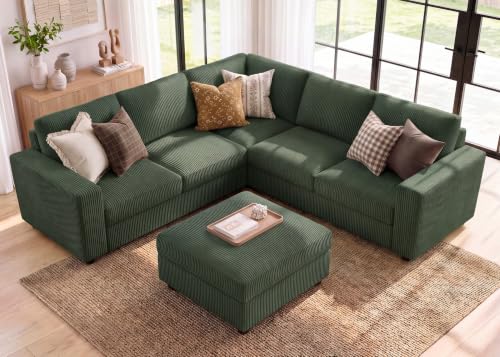
Sofa Buying Guide: From First Measurement to Final Choice
In this guide
Key Takeaways
Best for: households that measure first, sit honestly, and choose fabric for real life. Not suited for: anyone buying from a photograph alone. The short version of this guide is simple: the route into the room decides what you can own, seat depth and height decide whether you will love it, frame and cushion construction decide how long it lasts, and washable, pet-aware fabric decisions decide how gracefully it ages in a busy home.
What a Sofa Does and the Main Types
Standard Three-Seat Sofas
The default anchor: balanced seating, the widest choice, and the easiest shape to place against a wall.
Compact and Apartment Sofas
Shorter frames, shallower seats, and delivery-friendly packaging for smaller rooms and tighter routes.
Convertible and Sleeper Sofas
Seating that becomes a guest bed, earning its space in studios and spare-room-free homes.
Modular Sofas
Sections that rearrange, move easily, and grow with the household, at the cost of seams and a less tailored line.
A good sofa in a bad layout still feels wrong, so plan the room around how people move and talk. Leave a comfortable walking path behind or beside the sofa where the room allows it, keep the coffee table close enough to set a drink down without leaning, and angle lighting so readers are not sitting in their own shadow. In long rooms, a sofa can divide sleeping, working, and relaxing zones without a wall; in square rooms, centring the sofa on a rug anchors the seating and stops everything drifting to the edges. Television distance, window glare, and where winter sun lands all shape whether the main seat becomes the favourite seat. Try the layout with the old furniture or with masking tape on the floor before the new sofa arrives. Tape outlines are unglamorous and brutally effective: you will discover the blocked drawer, the pinched walkway, and the lamp with nowhere to stand while changing your mind is still free.
Top Picks at a Glance
A qualitative shortlist across tiers: entry options for first homes, mid-tier all-rounders for daily family use, and premium-leaning designs for long-term anchors. Each entry below is prose-only while verification is pending.

HONBAY Convertible Sofa
The HONBAY Convertible Sofa represents the convertible, apartment-friendly designs that arrive in manageable boxes and adapt when guests stay over side of the market, positioned as a qualitative option worth shortlisting rather than a promise. Judge it the way this guide judges everything: measure its route into your home, sit-test its depth and height against your household’s habits, and read its cover care and return terms before you decide. Best for: readers whose rooms and routines match that description. Not suited for: anyone whose doorway measurements, pet situation, or daily sleeping needs point the other way.
Belffin Modular Sofa
The Belffin Modular Sofa represents the modular pieces with washable covers and storage-minded seats for busy family rooms side of the market, positioned as a qualitative option worth shortlisting rather than a promise. Judge it the way this guide judges everything: measure its route into your home, sit-test its depth and height against your household’s habits, and read its cover care and return terms before you decide. Best for: readers whose rooms and routines match that description. Not suited for: anyone whose doorway measurements, pet situation, or daily sleeping needs point the other way.

LINSY HOME Sofa
The LINSY HOME Sofa represents the rubik-style modular layouts that can be rearranged as a household grows or moves side of the market, positioned as a qualitative option worth shortlisting rather than a promise. Judge it the way this guide judges everything: measure its route into your home, sit-test its depth and height against your household’s habits, and read its cover care and return terms before you decide. Best for: readers whose rooms and routines match that description. Not suited for: anyone whose doorway measurements, pet situation, or daily sleeping needs point the other way.
Mopio Sofa
The Mopio Sofa represents the clean-lined mid-century styling with tapered legs and a compact footprint for smaller rooms side of the market, positioned as a qualitative option worth shortlisting rather than a promise. Judge it the way this guide judges everything: measure its route into your home, sit-test its depth and height against your household’s habits, and read its cover care and return terms before you decide. Best for: readers whose rooms and routines match that description. Not suited for: anyone whose doorway measurements, pet situation, or daily sleeping needs point the other way.
Rivet Sofa
The Rivet Sofa represents the an Amazon house brand look with simple silhouettes that suit rental-friendly, low-fuss living side of the market, positioned as a qualitative option worth shortlisting rather than a promise. Judge it the way this guide judges everything: measure its route into your home, sit-test its depth and height against your household’s habits, and read its cover care and return terms before you decide. Best for: readers whose rooms and routines match that description. Not suited for: anyone whose doorway measurements, pet situation, or daily sleeping needs point the other way.
How Much Room Do You Really Have?
The single most useful habit in sofa shopping is measuring before you fall in love with a photograph. Start with the room itself: the full length of the wall the sofa will sit against, the depth available once a coffee table and walking space are accounted for, and the clearance needed for doors, radiators, and open shelving. Then measure the route the sofa must travel, not just the destination. Doorways, hallway turns, stairwell landings, and tight corners are the number one reason sofas go back, and a sofa that fits the room beautifully is worthless if it cannot get into the room at all. Write every measurement down, sketch the path on paper, and compare it honestly against the packaged and assembled dimensions the seller lists. When a turn looks doubtful, assume it is doubtful, and favour a design that arrives in sections, with removable legs or a back that detaches, over a single rigid frame that demands a perfect pivot.
A good sofa in a bad layout still feels wrong, so plan the room around how people move and talk. Leave a comfortable walking path behind or beside the sofa where the room allows it, keep the coffee table close enough to set a drink down without leaning, and angle lighting so readers are not sitting in their own shadow. In long rooms, a sofa can divide sleeping, working, and relaxing zones without a wall; in square rooms, centring the sofa on a rug anchors the seating and stops everything drifting to the edges. Television distance, window glare, and where winter sun lands all shape whether the main seat becomes the favourite seat. Try the layout with the old furniture or with masking tape on the floor before the new sofa arrives. Tape outlines are unglamorous and brutally effective: you will discover the blocked drawer, the pinched walkway, and the lamp with nowhere to stand while changing your mind is still free.
How Should the Seat Fit Your Body?
Seat depth is the distance from the front edge of the seat to the back cushion, and it quietly decides whether a sofa feels like a perch or a nest. Deeper seats invite lounging, leg-tucking, and long film nights, but they can leave shorter sitters with feet dangling and backs unsupported unless extra cushions fill the gap. Shallower seats make it easier to sit upright, stand up again, and host conversation without slumping. Seat height matters just as much: a higher seat is kinder to anyone who finds low furniture hard to rise from, while a low, lounge-style seat suits people who like to sprawl. The honest test is how your household actually sits. Readers who work from the sofa with a laptop usually prefer a firmer, shallower seat, while readers who stretch out sideways need depth, a supportive back angle, and armrests at a height that does not shrug their shoulders.
Every sofa guide eventually meets an awkward truth: comfort is personal, and no review can sit on a sofa for you. Back angle, cushion firmness, arm height, and even the sound a fabric makes when you shift position all feed a judgement that is part body, part habit, and part memory of every sofa you have ever liked. That is why the best guides teach you to test rather than tell you what to feel. Sit the way you actually sit, not the way showrooms expect: sideways, cross-legged, upright with a book, stretched out with a laptop. Notice whether your lower back feels supported without a cushion wedged behind it, whether your feet rest naturally, and whether standing up feels easy after twenty minutes rather than impressive for twenty seconds. Households compromise, too: the fairest family sofa is rarely anyone’s perfect chair, and a design that everyone rates as good usually beats a design one person adores and everyone else avoids.
Which Fabric Survives Your Household?
Fabric choice is where showroom taste meets real life, and real life should win. Households with dogs and cats need a tight weave that claws cannot easily snag, a surface that releases hair with a lint roller or a damp glove, and covers that can be removed and washed when muddy paws win an argument. Loose, nubby weaves look beautiful and hide crumbs well, but they can hold hair deep in the texture and pill where a pet kneads before sleeping. Smooth performance fabrics wipe clean more easily and shrug off spills, though they can feel cooler and less cosy in winter until throws and cushions warm them up. Colour strategy matters as much as fibre: a mid-tone that sits between your pet’s light and dark hairs will look cleaner for longer than a dramatic solid that shows every strand. Whatever you choose, order a swatch if you can, rub it, spill water on it, and look at it in evening light before committing.
For many homes the sofa is not furniture so much as shared equipment: homework desk, sick-day bed, guest room, fort foundation, and the place every conversation eventually lands. That workload changes what good looks like. Washable covers stop being a luxury and become the feature that protects the whole purchase. A seat that is deep enough for an adult and a child side by side, arms low enough to double as a pillow for a nap, and a fabric that forgives juice and marker all matter more than a silhouette in a magazine. Guest use adds another layer. A sofa that converts, or at least sleeps one person flat and comfortably with a throw and a real pillow, earns its floor space in a small home. Be honest about frequency, though: a daily sleeper deserves a proper bed solution, while a twice-a-year guest can be served well by a good sofa and an honest conversation about the plan.
How to Prioritise by Use Case
Judging sofa value without staring at a number means asking what a tier actually buys. Entry-tier sofas prioritise getting a comfortable, presentable seat into a first home, and they earn their place when expectations match: lighter frames, simpler fabrics, and a lifespan measured in busy years rather than decades. Mid-tier sofas usually add sturdier construction, better cushion resilience, and fabrics that clean more gracefully, which is why they suit households that sit daily and host often. Premium tiers trade up in materials, tailoring, and longevity, and they make sense when the sofa is a long-term anchor rather than a placeholder. The trap is paying for the wrong upgrade: a costly fabric in a house with muddy dogs, or heirloom construction in a rental you will leave next spring. Match the tier to the honest job, the honest household, and the honest length of time you expect to keep it, and value takes care of itself.
A good listing reader separates what is shown from what is merely said. Photographs are staged at flattering angles with perfect light, so hunt for the plain shots: the side profile that reveals seat depth, the back view if the sofa will float in the room, and close-ups of seams and legs. Read the dimensions section before the description, the care instructions before the styling claims, and the delivery and returns terms before either. Owner feedback is most useful when you filter for your own situation: pet owners on fabric, tall readers on seat depth, apartment dwellers on whether the boxes fit the lift. Look for patterns rather than verdicts, because one angry account of a delivery scratch tells you less than a steady thread of comments about cushions flattening. When information is missing, treat the gap itself as information, and choose the seller who answers plain questions plainly over the one who answers everything with adjectives.
First Setup and Care Essentials
Delivery day goes well when it is planned like a small project rather than a surprise. Clear the route you measured, move the old sofa or at least decide where it waits, protect floors at the turns, and keep pets and small children in another room while large pieces are moving. For boxed and modular sofas, unpack in the room where the sofa will live, keep every fitting in one tray, and photograph the hardware layout before you begin so a missing bolt is obvious early. Build on a rug or blanket to protect both floor and fabric, tighten fixings firmly but not brutally, and leave final tightening until the frame sits square. Keep the packaging until you have sat on the finished sofa through one normal evening; if a return becomes necessary, original packaging turns a painful process into a merely annoying one. Finally, register any warranty, save the care instructions, and note which covers remove for washing before the first spill forces the question.
Sofa care is mostly small habits repeated calmly. Vacuum the seats and the gaps weekly with an upholstery tool, because grit working into fabric and cushion foam does quiet damage long before anything looks dirty. Deal with spills by blotting, never scrubbing, and test any cleaner on a hidden patch first. Keep the sofa out of relentless direct sun where you can, since fading is gradual, uneven, and impossible to reverse once the arms and back tell different stories. Rotate cushions, plump back pillows while the kettle boils, and tighten legs during a seasonal clean so a small wobble never becomes a stressed joint. For homes with pets, a washable throw over the favourite sleeping spot concentrates the wear, the hair, and the washing into one easy layer. None of this is glamorous, and that is the point: sofas rarely die in dramatic moments, they fade through neglect that ten minutes a week would have prevented.
Mistakes to Avoid
The single most useful habit in sofa shopping is measuring before you fall in love with a photograph. Start with the room itself: the full length of the wall the sofa will sit against, the depth available once a coffee table and walking space are accounted for, and the clearance needed for doors, radiators, and open shelving. Then measure the route the sofa must travel, not just the destination. Doorways, hallway turns, stairwell landings, and tight corners are the number one reason sofas go back, and a sofa that fits the room beautifully is worthless if it cannot get into the room at all. Write every measurement down, sketch the path on paper, and compare it honestly against the packaged and assembled dimensions the seller lists. When a turn looks doubtful, assume it is doubtful, and favour a design that arrives in sections, with removable legs or a back that detaches, over a single rigid frame that demands a perfect pivot.
Before You Commit: A Hands-On Fit and Compatibility Check for Sofa
This section exists to treat this as the final check before money changes hands, the point where a shortlist stops being a list of features and becomes a decision about one specific home. It adds a layer that a feature list cannot give you, grounded in the living room furniture context this sofa will actually live in. Where this guide names examples such as HONBAY Convertible Sofa, Belffin Modular Sofa, LINSY HOME Sofa, use them as test cases for the checks below rather than as shortcuts past them.
One more angle is worth your time: the second-order costs. A sofa changes what happens around it. It can demand a different cleaning product, a new storage habit, a moved piece of furniture, a rearranged cupboard or a standing arrangement with the people you live with. List those knock-on effects before you buy and decide whether you accept them as part of the deal. Sometimes the answer is an easy yes, and the sofa earns its place by improving the whole routine around it. Sometimes the honest answer is that the supporting changes are the real project, and the purchase should wait until you are ready for them. Either answer is useful; the only bad outcome is discovering the knock-on effects by accident, one irritation at a time, after the decision can no longer be revisited.
It also helps to separate the problems a sofa can solve from the problems it merely moves. If the underlying difficulty is space, the answer may be a smaller format or a different location rather than a more elaborate model. If the difficulty is time, look for the option that removes steps rather than the one that performs each step slightly better. If the difficulty is that several people want different things, a compromise design that everyone rates as good enough will usually outlast a specialist design that one person loves and everyone else avoids. Naming the real problem in one sentence, out loud, before you order, is a surprisingly powerful filter, and many shoppers find that the sentence itself points at a different sofa than the one they started out researching.
Start with the unglamorous measurements. For a sofa, the numbers that decide satisfaction are rarely the headline ones in a listing; they are doorway width, turning space on the stairs, floor clearance and the distance to the nearest table or lamp. Write the real dimensions of your space down, including the awkward constraints you normally work around without thinking, and hold every contender up against that sheet rather than against a showroom photograph. Then walk the route the sofa will take on delivery day and during normal use. A choice that fits on paper but fights you every time it is moved, opened, cleaned or stored will lose its shine quickly, however strong its other qualities look in a comparison table.
Next, rehearse the week, not the ideal day. Picture the sofa inside movie nights, reading sessions, guests staying longer than planned and children treating every edge as a climbing frame. Most disappointment comes from buying for the best-case scenario: the tidy version of the household, the motivated version of yourself, the weather or the guest list you hope for rather than the one you usually get. If the sofa only makes sense when everything goes to plan, it is the wrong size, the wrong format or the wrong purchase for now. If it still looks useful on the tired, rushed, slightly chaotic version of the day, it has passed the most honest test there is, and the remaining questions are about detail rather than direction.
Frequently Asked Questions
How long should a good sofa last?
A well-made sofa that is used daily should give years of comfortable service, and the honest range depends on construction, cushion care, and how hard the household works it. Frames and suspension decide the ceiling, while habits decide how close you get to it: rotating cushions, vacuuming grit out of the seams, and keeping wobbling legs tightened all protect the structure. Expect covers and cushions to age before the frame does, and judge value by cost per year of comfortable evenings rather than by the boldest claim in a listing.
What is the most common reason sofas are returned?
Access is the most common avoidable reason: the sofa fits the room but not the doorway, the stair turn, or the hallway corner on the way in. That is why this guide repeats the measure-first rule so often. Measure the destination, then measure the entire route, including ceiling height on stairs and the swing space needed to pivot a long frame. If any turn looks doubtful, choose a modular, sectional, or knock-down design, or confirm the legs and backs remove, before you order rather than after the delivery team is standing in your hall.
Which sofa fabric is best for homes with pets?
Tight-weave fabrics that release hair easily and offer removable, washable covers are the practical winners for pet homes. Smooth surfaces let you lift hair with a roller or damp glove, while loose, textured weaves can trap hair and snag under claws. Colour helps more than most people expect: a mid-tone close to your pet’s coat looks cleaner between washes. Add a washable throw over the favourite sleeping spot and you concentrate wear, hair, and laundry into one easy layer instead of the whole sofa.
How do I know if a seat is deep enough for me?
Sit the way you actually relax rather than the way a showroom expects. If you like stretching out or sitting sideways, a deeper seat with supportive back cushions will feel right, while upright readers and laptop workers usually prefer a shallower seat that lets their feet rest flat and their back stay supported. Shorter sitters on deep seats often solve the gap with a firm lumbar cushion, so judge the combination, not the seat alone. Comfort after twenty minutes matters far more than the first twenty seconds.
Are modular sofas a good idea for renters?
Modular sofas suit renters well because the pieces move through doors and stairwells more easily, rearrange when the next home has a different shape, and let you replace or add a single section instead of starting again. The trade-offs are seams where pieces meet, a slightly less tailored look, and the need to check that connectors stay secure on hard floors. For anyone expecting to move within a few years, that flexibility usually outweighs the compromises, provided the covers remove for washing and the individual modules are light enough for two people to carry safely.
What should I check before a sofa is delivered?
Confirm the measured route is clear, decide where the old sofa waits, protect floors at the turns, and keep the packaging until you have used the new sofa for a normal evening. Check legs, covers, and care instructions on arrival, photograph any damage before signing where the courier allows it, and save warranty details somewhere you will find them in three years. For boxed designs, unpack in the room where the sofa will live and keep every fitting together in one tray until assembly is finished and the frame sits square.
Related Guides
Keep exploring with these related guides: sofa review · sofa reviews · sofa pros and cons · is a sofa worth it · how to choose a sofa · sofa vs loveseat · sofa vs sectional sofa · comfortable sofa ideas for everyday living · deep seat sofas for stretching out · two seater sofas for compact rooms · sofas for narrow doorways.
Fabric, Pets, and Real Life: A Deeper Look
Fabric choice is where showroom taste meets real life, and real life should win. Households with dogs and cats need a tight weave that claws cannot easily snag, a surface that releases hair with a lint roller or a damp glove, and covers that can be removed and washed when muddy paws win an argument. Loose, nubby weaves look beautiful and hide crumbs well, but they can hold hair deep in the texture and pill where a pet kneads before sleeping. Smooth performance fabrics wipe clean more easily and shrug off spills, though they can feel cooler and less cosy in winter until throws and cushions warm them up. Colour strategy matters as much as fibre: a mid-tone that sits between your pet’s light and dark hairs will look cleaner for longer than a dramatic solid that shows every strand. Whatever you choose, order a swatch if you can, rub it, spill water on it, and look at it in evening light before committing.
Fabric choice is where showroom taste meets real life, and real life should win. Households with dogs and cats need a tight weave that claws cannot easily snag, a surface that releases hair with a lint roller or a damp glove, and covers that can be removed and washed when muddy paws win an argument. Loose, nubby weaves look beautiful and hide crumbs well, but they can hold hair deep in the texture and pill where a pet kneads before sleeping. Smooth performance fabrics wipe clean more easily and shrug off spills, though they can feel cooler and less cosy in winter until throws and cushions warm them up. Colour strategy matters as much as fibre: a mid-tone that sits between your pet’s light and dark hairs will look cleaner for longer than a dramatic solid that shows every strand. Whatever you choose, order a swatch if you can, rub it, spill water on it, and look at it in evening light before committing.
The single most useful habit in sofa shopping is measuring before you fall in love with a photograph. Start with the room itself: the full length of the wall the sofa will sit against, the depth available once a coffee table and walking space are accounted for, and the clearance needed for doors, radiators, and open shelving. Then measure the route the sofa must travel, not just the destination. Doorways, hallway turns, stairwell landings, and tight corners are the number one reason sofas go back, and a sofa that fits the room beautifully is worthless if it cannot get into the room at all. Write every measurement down, sketch the path on paper, and compare it honestly against the packaged and assembled dimensions the seller lists. When a turn looks doubtful, assume it is doubtful, and favour a design that arrives in sections, with removable legs or a back that detaches, over a single rigid frame that demands a perfect pivot.
Kids, Guests, and the Sofa as a Shared Tool: A Deeper Look
For many homes the sofa is not furniture so much as shared equipment: homework desk, sick-day bed, guest room, fort foundation, and the place every conversation eventually lands. That workload changes what good looks like. Washable covers stop being a luxury and become the feature that protects the whole purchase. A seat that is deep enough for an adult and a child side by side, arms low enough to double as a pillow for a nap, and a fabric that forgives juice and marker all matter more than a silhouette in a magazine. Guest use adds another layer. A sofa that converts, or at least sleeps one person flat and comfortably with a throw and a real pillow, earns its floor space in a small home. Be honest about frequency, though: a daily sleeper deserves a proper bed solution, while a twice-a-year guest can be served well by a good sofa and an honest conversation about the plan.
For many homes the sofa is not furniture so much as shared equipment: homework desk, sick-day bed, guest room, fort foundation, and the place every conversation eventually lands. That workload changes what good looks like. Washable covers stop being a luxury and become the feature that protects the whole purchase. A seat that is deep enough for an adult and a child side by side, arms low enough to double as a pillow for a nap, and a fabric that forgives juice and marker all matter more than a silhouette in a magazine. Guest use adds another layer. A sofa that converts, or at least sleeps one person flat and comfortably with a throw and a real pillow, earns its floor space in a small home. Be honest about frequency, though: a daily sleeper deserves a proper bed solution, while a twice-a-year guest can be served well by a good sofa and an honest conversation about the plan.
A good sofa in a bad layout still feels wrong, so plan the room around how people move and talk. Leave a comfortable walking path behind or beside the sofa where the room allows it, keep the coffee table close enough to set a drink down without leaning, and angle lighting so readers are not sitting in their own shadow. In long rooms, a sofa can divide sleeping, working, and relaxing zones without a wall; in square rooms, centring the sofa on a rug anchors the seating and stops everything drifting to the edges. Television distance, window glare, and where winter sun lands all shape whether the main seat becomes the favourite seat. Try the layout with the old furniture or with masking tape on the floor before the new sofa arrives. Tape outlines are unglamorous and brutally effective: you will discover the blocked drawer, the pinched walkway, and the lamp with nowhere to stand while changing your mind is still free.
Value Without Price Tags: A Deeper Look
Judging sofa value without staring at a number means asking what a tier actually buys. Entry-tier sofas prioritise getting a comfortable, presentable seat into a first home, and they earn their place when expectations match: lighter frames, simpler fabrics, and a lifespan measured in busy years rather than decades. Mid-tier sofas usually add sturdier construction, better cushion resilience, and fabrics that clean more gracefully, which is why they suit households that sit daily and host often. Premium tiers trade up in materials, tailoring, and longevity, and they make sense when the sofa is a long-term anchor rather than a placeholder. The trap is paying for the wrong upgrade: a costly fabric in a house with muddy dogs, or heirloom construction in a rental you will leave next spring. Match the tier to the honest job, the honest household, and the honest length of time you expect to keep it, and value takes care of itself.
Judging sofa value without staring at a number means asking what a tier actually buys. Entry-tier sofas prioritise getting a comfortable, presentable seat into a first home, and they earn their place when expectations match: lighter frames, simpler fabrics, and a lifespan measured in busy years rather than decades. Mid-tier sofas usually add sturdier construction, better cushion resilience, and fabrics that clean more gracefully, which is why they suit households that sit daily and host often. Premium tiers trade up in materials, tailoring, and longevity, and they make sense when the sofa is a long-term anchor rather than a placeholder. The trap is paying for the wrong upgrade: a costly fabric in a house with muddy dogs, or heirloom construction in a rental you will leave next spring. Match the tier to the honest job, the honest household, and the honest length of time you expect to keep it, and value takes care of itself.
Delivery day goes well when it is planned like a small project rather than a surprise. Clear the route you measured, move the old sofa or at least decide where it waits, protect floors at the turns, and keep pets and small children in another room while large pieces are moving. For boxed and modular sofas, unpack in the room where the sofa will live, keep every fitting in one tray, and photograph the hardware layout before you begin so a missing bolt is obvious early. Build on a rug or blanket to protect both floor and fabric, tighten fixings firmly but not brutally, and leave final tightening until the frame sits square. Keep the packaging until you have sat on the finished sofa through one normal evening; if a return becomes necessary, original packaging turns a painful process into a merely annoying one. Finally, register any warranty, save the care instructions, and note which covers remove for washing before the first spill forces the question.
Measure Before You Fall in Love: A Deeper Look
The single most useful habit in sofa shopping is measuring before you fall in love with a photograph. Start with the room itself: the full length of the wall the sofa will sit against, the depth available once a coffee table and walking space are accounted for, and the clearance needed for doors, radiators, and open shelving. Then measure the route the sofa must travel, not just the destination. Doorways, hallway turns, stairwell landings, and tight corners are the number one reason sofas go back, and a sofa that fits the room beautifully is worthless if it cannot get into the room at all. Write every measurement down, sketch the path on paper, and compare it honestly against the packaged and assembled dimensions the seller lists. When a turn looks doubtful, assume it is doubtful, and favour a design that arrives in sections, with removable legs or a back that detaches, over a single rigid frame that demands a perfect pivot.
The single most useful habit in sofa shopping is measuring before you fall in love with a photograph. Start with the room itself: the full length of the wall the sofa will sit against, the depth available once a coffee table and walking space are accounted for, and the clearance needed for doors, radiators, and open shelving. Then measure the route the sofa must travel, not just the destination. Doorways, hallway turns, stairwell landings, and tight corners are the number one reason sofas go back, and a sofa that fits the room beautifully is worthless if it cannot get into the room at all. Write every measurement down, sketch the path on paper, and compare it honestly against the packaged and assembled dimensions the seller lists. When a turn looks doubtful, assume it is doubtful, and favour a design that arrives in sections, with removable legs or a back that detaches, over a single rigid frame that demands a perfect pivot.
Cushions decide comfort on day one and honesty on day three hundred. Foam cushions feel supportive and tidy, and they bounce back quickly, but very firm foam can feel unforgiving during long sits and softer foam can lose its crown if it is never rotated. Fibre and feather-blend cushions feel plush and inviting, yet they ask for regular plumping and they show the imprint of a favourite seat much sooner. Neither filling is automatically better; the right choice follows your tolerance for maintenance and the way your household uses the sofa. Rotate and flip cushions where the design allows it, swap the most-used seat cushion with the least-used one from time to time, and vacuum the cushion bays when covers are off for washing. A cushion that feels slightly firmer than perfect in the first week often settles into the comfort you actually wanted, while one that feels perfect on day one sometimes has nowhere to go but softer.
Layout: Giving the Sofa a Room That Works: A Deeper Look
A good sofa in a bad layout still feels wrong, so plan the room around how people move and talk. Leave a comfortable walking path behind or beside the sofa where the room allows it, keep the coffee table close enough to set a drink down without leaning, and angle lighting so readers are not sitting in their own shadow. In long rooms, a sofa can divide sleeping, working, and relaxing zones without a wall; in square rooms, centring the sofa on a rug anchors the seating and stops everything drifting to the edges. Television distance, window glare, and where winter sun lands all shape whether the main seat becomes the favourite seat. Try the layout with the old furniture or with masking tape on the floor before the new sofa arrives. Tape outlines are unglamorous and brutally effective: you will discover the blocked drawer, the pinched walkway, and the lamp with nowhere to stand while changing your mind is still free.
A good sofa in a bad layout still feels wrong, so plan the room around how people move and talk. Leave a comfortable walking path behind or beside the sofa where the room allows it, keep the coffee table close enough to set a drink down without leaning, and angle lighting so readers are not sitting in their own shadow. In long rooms, a sofa can divide sleeping, working, and relaxing zones without a wall; in square rooms, centring the sofa on a rug anchors the seating and stops everything drifting to the edges. Television distance, window glare, and where winter sun lands all shape whether the main seat becomes the favourite seat. Try the layout with the old furniture or with masking tape on the floor before the new sofa arrives. Tape outlines are unglamorous and brutally effective: you will discover the blocked drawer, the pinched walkway, and the lamp with nowhere to stand while changing your mind is still free.
A good listing reader separates what is shown from what is merely said. Photographs are staged at flattering angles with perfect light, so hunt for the plain shots: the side profile that reveals seat depth, the back view if the sofa will float in the room, and close-ups of seams and legs. Read the dimensions section before the description, the care instructions before the styling claims, and the delivery and returns terms before either. Owner feedback is most useful when you filter for your own situation: pet owners on fabric, tall readers on seat depth, apartment dwellers on whether the boxes fit the lift. Look for patterns rather than verdicts, because one angry account of a delivery scratch tells you less than a steady thread of comments about cushions flattening. When information is missing, treat the gap itself as information, and choose the seller who answers plain questions plainly over the one who answers everything with adjectives.
Delivery Day and Assembly Without Tears: A Deeper Look
Delivery day goes well when it is planned like a small project rather than a surprise. Clear the route you measured, move the old sofa or at least decide where it waits, protect floors at the turns, and keep pets and small children in another room while large pieces are moving. For boxed and modular sofas, unpack in the room where the sofa will live, keep every fitting in one tray, and photograph the hardware layout before you begin so a missing bolt is obvious early. Build on a rug or blanket to protect both floor and fabric, tighten fixings firmly but not brutally, and leave final tightening until the frame sits square. Keep the packaging until you have sat on the finished sofa through one normal evening; if a return becomes necessary, original packaging turns a painful process into a merely annoying one. Finally, register any warranty, save the care instructions, and note which covers remove for washing before the first spill forces the question.
Delivery day goes well when it is planned like a small project rather than a surprise. Clear the route you measured, move the old sofa or at least decide where it waits, protect floors at the turns, and keep pets and small children in another room while large pieces are moving. For boxed and modular sofas, unpack in the room where the sofa will live, keep every fitting in one tray, and photograph the hardware layout before you begin so a missing bolt is obvious early. Build on a rug or blanket to protect both floor and fabric, tighten fixings firmly but not brutally, and leave final tightening until the frame sits square. Keep the packaging until you have sat on the finished sofa through one normal evening; if a return becomes necessary, original packaging turns a painful process into a merely annoying one. Finally, register any warranty, save the care instructions, and note which covers remove for washing before the first spill forces the question.
A sofa frame does the invisible work for years, so it deserves more attention than the fabric colour. Hardwood and well-made engineered frames both have a place, and the honest difference between price tiers is usually joinery, reinforcement at stress points, and how the suspension under the seats is built. Corner blocking, sturdy legs that do not wobble, and a base that does not creak when two people sit down together are the everyday signs of care. Softer signs matter too: a frame that feels planted rather than springy when you push off the armrest, seams that line up, and cushions that sit square in their bays. No listing photograph can prove any of this, which is why return terms and warranty language deserve a slow read. Treat construction claims as a starting point, check what owners say about long-term sagging, and remember that a modest frame cared for well often outlasts a grand one that is dragged, jumped on, and moved carelessly.


