Disclosure: As an Amazon Associate, dailyhomedecorating.com earns from qualifying purchases. Links on this page are affiliate links; they cost you nothing extra. Prices and availability change often, so check the current Amazon listing before you buy.
If you are researching robot vacuum review, you are really asking how much of the daily floor chore a small autonomous machine can honestly take off your plate. This guide answers that question in plain terms: what these machines do well, where they struggle, what they ask of you in return, and how to judge the models that keep coming up in every shortlist. No hype, no invented figures, just the ownership picture.
Key Takeaways
- A modern robot vacuum is a maintenance system, not a toy.
- Navigation and brush design decide real-world results.
- Best for single-level homes with mostly hard floors or low pile.
- Not suited to anyone expecting deep-clean replacement.
- Setup care in week one predicts satisfaction in year one.
Robot Vacuum Review: Our Verdict in Brief
Once the pattern settles, most owners stop watching and simply let the schedule run. The difference between a frustrating robot and a trusted one is usually navigation, not raw pulling power. Navigation is the quiet intelligence that decides whether a robot vacuum feels helpful or hopeless. Basic models bounce between obstacles in a loose pattern and eventually cover most of a room, while mapping models travel in orderly rows and remember where they have been. Orderly rows matter because they leave fewer missed strips along walls and under table legs. A robot that can resume after recharging picks up roughly where it stopped instead of starting the whole home again. Good navigation also means the machine slows near furniture instead of ramming chair legs at full speed.
Most households settle into a rhythm of robot maintenance through the week and a manual deep clean on a slower cycle. That rhythm is the real product being sold, and judged on it, the category succeeds. Judged as a total replacement for every other cleaning tool, even the best robot will disappoint you. Keep a stick or handheld machine for stairs, upholstery, car mats and the crumbs a robot cannot reach in time. The households happiest with their robots are the ones that retired the daily chore, not the whole cleaning cupboard. A robot vacuum maintains floors; it does not replace deep cleaning, and honest expectations start there. Under heavy furniture, inside carpet pile at depth, along skirting with a crevice tool and on stairs, a full-size vacuum still wins.
Premium tiers mostly buy autonomy: better navigation, self-emptying, pad washing and obstacle avoidance that needs less babysitting. Entry tiers clean the same floors more simply, provided you prep and empty them yourself. Mid-range models are where most households find the balance, with mapping and decent brushes without every dock extra. Paying for features your layout cannot use, such as elaborate mopping in a carpeted home, is the commonest waste. Match the tier to the chore you actually hate most, and the purchase tends to feel fair a year later. The honest cost of a robot vacuum is more than the purchase, though none of it needs a spreadsheet to understand. Filters, brushes, mop pads and dock bags on some systems are recurring consumables with a steady rhythm.
In this guide
What a Robot Vacuum Is and Where It Fits
The best schedule is the one the household stops noticing because the floors simply stay done. Scheduling is where a robot vacuum stops being a gadget and becomes a routine. A daily or near-daily pass at a predictable hour keeps floors at a steady standard instead of swinging between clean and neglected. Run the robot when the house is naturally tidy, after breakfast or while everyone is out, and the results improve without any new hardware. Room-by-room schedules let you hit the kitchen and hallway often and spare quiet bedrooms on work-from-home days. Start with a simple schedule and refine it after two weeks of watching what the robot actually collects. The dustbin contents are honest feedback: if the kitchen bin-load is always heavy, that room earns more frequent runs.
The habit changes how a home feels: small messes stop accumulating into a general sense of untidiness. Spot modes work best on hard floors and short pile, where a few passes genuinely lift the mess. Anything wet, sticky or hazardous still belongs to you and a cloth, not to the robot. Teach the household the voice or app command and the robot becomes a shared appliance rather than one person’s project. Over months, these small rescues add up to the strongest argument owners make for the category. Spot cleaning is the robot feature that quietly wins over sceptics. A spill of rice, a trail of litter or a muddy doorway can be sent to the robot instead of fetching a full vacuum.
Wood, tile, laminate and vinyl show every crumb and hair, so a scheduled pass keeps them looking swept without you fetching a broom. Fine dust along skirting boards and under kitchen cabinets is exactly the kind of dirt a low robot reaches better than an upright. Grit is the enemy of hard floor finishes, and removing it daily is a quiet form of floor care, not just tidiness. Watch how the robot behaves on thresholds between rooms, because a model that climbs them confidently can cover a whole level unaided. Wet-looking shine is beyond any dry robot, so hard floors still need occasional mopping by hand or by a mop model used carefully. Scatter is the main hard-floor flaw: fast side brushes can flick light debris ahead of the machine instead of into it. A slower, methodical pass usually fixes scatter better than more suction does.
Design, Build and Setup
Avoid wedging the dock behind a door or inside a cupboard unless the maker explicitly supports enclosed placement. Self-emptying and mop-washing docks are furniture in their own right, so measure the footprint before falling for a model. Keep the area around the dock permanently clear; a dock surrounded by shoes is a dock the robot cannot reach. Power access matters too, because a dock that shares a switched socket will eventually be switched off by someone. Choose the dock spot as deliberately as you would place a pet bed, because the robot will live its whole life around it. Dock placement decides more of the ownership experience than most buyers expect. The dock needs clearance in front so the robot can approach and leave without threading a maze.
Voice control through a smart speaker is a small delight for spot cleans, though the physical buttons still matter for guests and children. Firmware updates genuinely improve navigation on many models, so a maker with a good update record is worth favouring. If you dislike apps on principle, choose a simpler robot with onboard controls and accept less precision. Either way, set the app up properly once and the robot will need you far less afterwards. The app is the control room of a modern robot vacuum, and its quality shapes daily satisfaction as much as hardware does. Maps you can edit, rooms you can name and zones you can exclude turn a blunt appliance into a directed one. No-go zones protect pet bowls, delicate furniture and the tangle behind a television better than any sensor alone.
Battery life matters less as a headline and more as a fit for your floor plan. What counts is whether the robot can finish your main living level in one outing or recharge and resume without losing its place. Large open homes expose weak batteries and weak navigation at the same time, because random models waste energy retracing ground. Running a robot daily on shorter routes is often kinder to the battery than rare marathon cleans. Heat, dust-clogged filters and hair-bound brushes all make the motor work harder and shorten effective running time. Keep the dock plugged in and the charging contacts clean so the robot always leaves home fully ready. If a clean regularly ends unfinished, split the home into scheduled zones rather than blaming the machine.
Performance on Hard Floors
Fine dust along skirting boards and under kitchen cabinets is exactly the kind of dirt a low robot reaches better than an upright. Grit is the enemy of hard floor finishes, and removing it daily is a quiet form of floor care, not just tidiness. Watch how the robot behaves on thresholds between rooms, because a model that climbs them confidently can cover a whole level unaided. Wet-looking shine is beyond any dry robot, so hard floors still need occasional mopping by hand or by a mop model used carefully. Scatter is the main hard-floor flaw: fast side brushes can flick light debris ahead of the machine instead of into it. A slower, methodical pass usually fixes scatter better than more suction does. Hard floors are the easiest surface for a robot vacuum and the place where daily running pays off fastest.
A weekly quick pass with a handheld along the worst edges keeps the illusion of perfection intact. Under-furniture reach is the compensating strength: a robot slides beneath sofas and beds that a manual vacuum rarely visits. Dust gathered from under a bed is often what convinces sceptical owners the machine earns its dock space. Judge a robot on the whole floor picture, not on the last centimetre along the wall. Homes with mostly open layouts flatter robots; cluttered, corner-heavy rooms expose them, so layout honesty matters when buying. Edges and corners are the honest weak point of a round robot in a square room. Side brushes reach into corners better than the main body can, but a narrow strip along skirting always gets less attention than open floor.
The habit changes how a home feels: small messes stop accumulating into a general sense of untidiness. Spot modes work best on hard floors and short pile, where a few passes genuinely lift the mess. Anything wet, sticky or hazardous still belongs to you and a cloth, not to the robot. Teach the household the voice or app command and the robot becomes a shared appliance rather than one person’s project. Over months, these small rescues add up to the strongest argument owners make for the category. Spot cleaning is the robot feature that quietly wins over sceptics. A spill of rice, a trail of litter or a muddy doorway can be sent to the robot instead of fetching a full vacuum.
Performance on Carpet
What they remove best is the daily layer: crumbs, dust, pet hair and the fine grey film that dulls pile between deep cleans. Thick, plush pile can slow a robot down, bog its wheels and leave it working hard for modest results. Dark carpet sometimes confuses older cliff sensors, which may read a deep colour as a drop. Fringed rugs deserve a test run under supervision, because tassels can wind around brushes and stop the job. Low and medium pile in living rooms and bedrooms is the sweet spot where a robot genuinely changes how the floor feels underfoot. If your home is mostly deep carpet, plan on the robot as a maintenance layer and keep a full-size machine for real extraction work. Carpet is where robot vacuums earn their keep and also where their limits show most clearly.
Side brushes flick debris from skirting boards into the main path, though they can also scatter light litter if they spin too eagerly. Hair wrapping is not a defect so much as a maintenance rhythm, and homes with long hair or shedding pets will meet it weekly. A brush that pops out without tools makes that rhythm painless, which is why tool-free removal is worth prioritising. Check the ends of the roll as well as the middle, because hair migrates to the bearings and quietly robs performance. When a robot starts sounding strained or leaves lines of dirt behind, the brush is the first place to look. Keeping the brush clean protects every other part of the system, from the motor to the battery. The brush roll does the unglamorous work of lifting grit out of carpet pile and sweeping crumbs toward the suction path.
If a clean regularly ends unfinished, split the home into scheduled zones rather than blaming the machine. A well-matched robot finishes quietly and docks itself; a mismatched one becomes a pet that needs rescuing. Battery life matters less as a headline and more as a fit for your floor plan. What counts is whether the robot can finish your main living level in one outing or recharge and resume without losing its place. Large open homes expose weak batteries and weak navigation at the same time, because random models waste energy retracing ground. Running a robot daily on shorter routes is often kinder to the battery than rare marathon cleans. Heat, dust-clogged filters and hair-bound brushes all make the motor work harder and shorten effective running time.
Performance in Pet Homes
Keep the robot away from any accident until it is cleaned up properly, because no obstacle system is perfect and the mess only spreads. Allergy claims deserve restraint: regular removal of hair and dander from floors helps a home feel cleaner, but a robot is not a medical device. Pet homes also need the strictest cord discipline, because chewable cables and curious animals are a bad combination. For pet owners the promise is simple: hair picked up daily instead of tumbleweeds gathered weekly. A robot running on a schedule keeps on top of shedding in a way few households manage with a manual vacuum. The bin fills faster in a pet home, which is why self-emptying docks change the experience so much for dog and cat owners. Rubber brushes resist tangling better than bristles, and that difference is obvious after a month of real shedding.
A quick shake of the filter while you empty keeps airflow healthy and suction honest. Think of bin care as the two-minute tax that buys you weeks of not vacuuming by hand. Dustbin size quietly shapes how hands-off a robot vacuum really is. A small bin in a busy home can fill mid-clean, after which the robot is mostly pushing dirt around. Self-emptying docks move debris into a larger bag or bin at the base, stretching the interval between your interventions. The trade-off is dock size, ongoing bag costs on some systems and another appliance footprint to place. Bagless docks avoid the consumable but ask you to empty and occasionally rinse a container instead.
Avoidance also protects the robot itself, because a machine that does not eat cables does not stop mid-clean tangled and beeping. Homes with toddlers, craft supplies or free-roaming pets gain the most from strong avoidance and should weight it heavily. Test avoidance in your own rooms during the return window, with your own clutter, rather than trusting demonstration videos. Even with the best avoidance, the two-minute floor scan before a run remains cheap insurance. Technology reduces the prep burden; it does not honestly abolish it. Obstacle avoidance separates modern robots from the bump-and-pray machines that gave the category its early reputation. Better systems recognise and steer around shoes, cables and pet toys instead of ingesting or dragging them.
How It Compares With Close Rivals
A robot that suits your home beats a celebrated model that suits someone else’s, every single time. Buying a robot vacuum well means matching the machine to your floors, your clutter and your tolerance for upkeep. Start with surfaces: the split between hard floor and carpet in your home steers brush choice, mopping value and budget. Next, count your obstacles honestly, because a tidy minimalist flat and a busy family living room need different robots. Then decide how hands-off you truly want to be, since self-emptying and pad washing are what separate weekly from monthly attention. Navigation quality is the feature owners feel every day, so it deserves priority over novelty extras. Check the consumables rhythm and parts availability for any model you shortlist, because a robot you cannot maintain becomes e-waste.
Over the first few runs you will learn your model’s habits, including the corners it loves and the rug edge it always questions. Treat those early runs as supervision, not failure, because every home layout teaches the robot something new. Once the pattern settles, most owners stop watching and simply let the schedule run. The difference between a frustrating robot and a trusted one is usually navigation, not raw pulling power. Navigation is the quiet intelligence that decides whether a robot vacuum feels helpful or hopeless. Basic models bounce between obstacles in a loose pattern and eventually cover most of a room, while mapping models travel in orderly rows and remember where they have been. Orderly rows matter because they leave fewer missed strips along walls and under table legs.
Filters, brushes, mop pads and dock bags on some systems are recurring consumables with a steady rhythm. Your time has a value in the other direction: minutes of supervision and maintenance against hours of manual vacuuming returned. Premium tiers mostly buy autonomy: better navigation, self-emptying, pad washing and obstacle avoidance that needs less babysitting. Entry tiers clean the same floors more simply, provided you prep and empty them yourself. Mid-range models are where most households find the balance, with mapping and decent brushes without every dock extra. Paying for features your layout cannot use, such as elaborate mopping in a carpeted home, is the commonest waste. Match the tier to the chore you actually hate most, and the purchase tends to feel fair a year later.
Who Should Buy It and Who Should Skip It
Start with surfaces: the split between hard floor and carpet in your home steers brush choice, mopping value and budget. Next, count your obstacles honestly, because a tidy minimalist flat and a busy family living room need different robots. Then decide how hands-off you truly want to be, since self-emptying and pad washing are what separate weekly from monthly attention. Navigation quality is the feature owners feel every day, so it deserves priority over novelty extras. Check the consumables rhythm and parts availability for any model you shortlist, because a robot you cannot maintain becomes e-waste. Read the return terms and use the first fortnight as a real trial in your own layout. A robot that suits your home beats a celebrated model that suits someone else’s, every single time.
Ground floors with kitchens and entrances usually deserve the robot most, since that is where grit and crumbs concentrate. Upstairs bedrooms often need less frequent attention and can share the robot on a rota. Be honest about whether you will actually carry a machine weekly, because a plan you abandon is not a plan. Single-level homes and flats remain the natural habitat where robots deliver their full hands-off promise. Multi-storey homes ask an extra question of a robot vacuum: how will it move between levels? Most robots cannot climb stairs, so the realistic options are carrying the machine or owning the routine one level at a time. Models that store several maps make carrying practical, because the robot recognises each floor instead of remapping it.
Most models sense carpet and raise their effort automatically, which helps with surface litter and tracked-in grit. What they remove best is the daily layer: crumbs, dust, pet hair and the fine grey film that dulls pile between deep cleans. Thick, plush pile can slow a robot down, bog its wheels and leave it working hard for modest results. Dark carpet sometimes confuses older cliff sensors, which may read a deep colour as a drop. Fringed rugs deserve a test run under supervision, because tassels can wind around brushes and stop the job. Low and medium pile in living rooms and bedrooms is the sweet spot where a robot genuinely changes how the floor feels underfoot. If your home is mostly deep carpet, plan on the robot as a maintenance layer and keep a full-size machine for real extraction work.
Setup, Care and Maintenance Essentials
A robot that is maintained feels twice as capable as the same robot neglected, because nearly every fault it develops is a cleaning fault, not a broken part. Maintenance on a robot vacuum is light but non-negotiable, and it divides happy owners from disappointed ones. Filters clog gradually, so suction fades slowly enough that many owners blame the robot instead of the filter. Tap or replace filters on the maker’s rhythm, empty the bin before it compacts, and free the brush of hair before it strains. Wipe the cliff and obstacle sensors with a dry cloth when the robot starts behaving nervously near edges or furniture. Front caster wheels collect hair around their axle and can seize, adding drag that looks like weak cleaning. Spare brushes, filters and mop pads are consumables with a real replacement rhythm, so factor that ongoing care into ownership.
When a robot starts sounding strained or leaves lines of dirt behind, the brush is the first place to look. Keeping the brush clean protects every other part of the system, from the motor to the battery. The brush roll does the unglamorous work of lifting grit out of carpet pile and sweeping crumbs toward the suction path. Rubber extractors tend to shed hair more easily, while bristle brushes can dig into carpet but collect tangles faster. Side brushes flick debris from skirting boards into the main path, though they can also scatter light litter if they spin too eagerly. Hair wrapping is not a defect so much as a maintenance rhythm, and homes with long hair or shedding pets will meet it weekly. A brush that pops out without tools makes that rhythm painless, which is why tool-free removal is worth prioritising.
Whichever style you choose, emptying on a rhythm beats waiting for the robot to complain. A quick shake of the filter while you empty keeps airflow healthy and suction honest. Think of bin care as the two-minute tax that buys you weeks of not vacuuming by hand. Dustbin size quietly shapes how hands-off a robot vacuum really is. A small bin in a busy home can fill mid-clean, after which the robot is mostly pushing dirt around. Self-emptying docks move debris into a larger bag or bin at the base, stretching the interval between your interventions. The trade-off is dock size, ongoing bag costs on some systems and another appliance footprint to place.
Final Verdict
Keep a stick or handheld machine for stairs, upholstery, car mats and the crumbs a robot cannot reach in time. The households happiest with their robots are the ones that retired the daily chore, not the whole cleaning cupboard. A robot vacuum maintains floors; it does not replace deep cleaning, and honest expectations start there. Under heavy furniture, inside carpet pile at depth, along skirting with a crevice tool and on stairs, a full-size vacuum still wins. What the robot changes is the baseline: floors never reach the state that used to demand a weekend rescue clean. Most households settle into a rhythm of robot maintenance through the week and a manual deep clean on a slower cycle. That rhythm is the real product being sold, and judged on it, the category succeeds.
Start with a simple schedule and refine it after two weeks of watching what the robot actually collects. The dustbin contents are honest feedback: if the kitchen bin-load is always heavy, that room earns more frequent runs. Seasonal shedding, pollen periods and muddy months all justify temporarily tighter schedules. The best schedule is the one the household stops noticing because the floors simply stay done. Scheduling is where a robot vacuum stops being a gadget and becomes a routine. A daily or near-daily pass at a predictable hour keeps floors at a steady standard instead of swinging between clean and neglected. Run the robot when the house is naturally tidy, after breakfast or while everyone is out, and the results improve without any new hardware.
Premium tiers mostly buy autonomy: better navigation, self-emptying, pad washing and obstacle avoidance that needs less babysitting. Entry tiers clean the same floors more simply, provided you prep and empty them yourself. Mid-range models are where most households find the balance, with mapping and decent brushes without every dock extra. Paying for features your layout cannot use, such as elaborate mopping in a carpeted home, is the commonest waste. Match the tier to the chore you actually hate most, and the purchase tends to feel fair a year later. The honest cost of a robot vacuum is more than the purchase, though none of it needs a spreadsheet to understand. Filters, brushes, mop pads and dock bags on some systems are recurring consumables with a steady rhythm.
How It Compares
| Consideration | What to expect | Who it favours |
|---|---|---|
| Daily upkeep | A scheduled pass most days | Homes that hate the daily crumb layer |
| Deep cleaning | Still needs a full-size vacuum | Carpet-heavy and allergy-conscious homes |
| Edges and corners | Good, rarely perfect | Homes willing to do a quick weekly edge pass |
| Stairs | Cannot climb them; sensors guard drops | Single-level homes most of all |
| Upkeep | Short, regular maintenance sessions | Owners who prefer small chores over big ones |
Check the consumables rhythm and parts availability for any model you shortlist, because a robot you cannot maintain becomes e-waste. Read the return terms and use the first fortnight as a real trial in your own layout. A robot that suits your home beats a celebrated model that suits someone else’s, every single time. Buying a robot vacuum well means matching the machine to your floors, your clutter and your tolerance for upkeep. Start with surfaces: the split between hard floor and carpet in your home steers brush choice, mopping value and budget. Next, count your obstacles honestly, because a tidy minimalist flat and a busy family living room need different robots. Then decide how hands-off you truly want to be, since self-emptying and pad washing are what separate weekly from monthly attention.
The Models Behind This Review
Each model below is presented in prose only, positioned by tier, with a slot marker where a verified listing link and official image will be added once verification is complete. Compare them on navigation, brush design, dock style and upkeep, not on headline claims.

Roborock S8
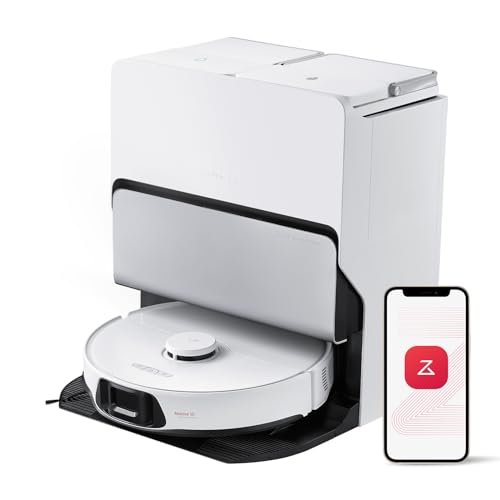
The Roborock S8 is a premium choice: a premium mapping robot known for orderly navigation, strong carpet behaviour and a polished app, suited to mixed-floor homes that want a set-and-forget routine. Treat it as a premium option and check the current Amazon listing before you buy, since listings, bundles and included accessories change often.
A robot that suits your home beats a celebrated model that suits someone else’s, every single time. Buying a robot vacuum well means matching the machine to your floors, your clutter and your tolerance for upkeep. Start with surfaces: the split between hard floor and carpet in your home steers brush choice, mopping value and budget. Next, count your obstacles honestly, because a tidy minimalist flat and a busy family living room need different robots. Then decide how hands-off you truly want to be, since self-emptying and pad washing are what separate weekly from monthly attention. Navigation quality is the feature owners feel every day, so it deserves priority over novelty extras. Check the consumables rhythm and parts availability for any model you shortlist, because a robot you cannot maintain becomes e-waste.
A robot that is maintained feels twice as capable as the same robot neglected, because nearly every fault it develops is a cleaning fault, not a broken part. Maintenance on a robot vacuum is light but non-negotiable, and it divides happy owners from disappointed ones. Filters clog gradually, so suction fades slowly enough that many owners blame the robot instead of the filter. Tap or replace filters on the maker’s rhythm, empty the bin before it compacts, and free the brush of hair before it strains. Wipe the cliff and obstacle sensors with a dry cloth when the robot starts behaving nervously near edges or furniture. Front caster wheels collect hair around their axle and can seize, adding drag that looks like weak cleaning. Spare brushes, filters and mop pads are consumables with a real replacement rhythm, so factor that ongoing care into ownership.

iRobot Roomba j7
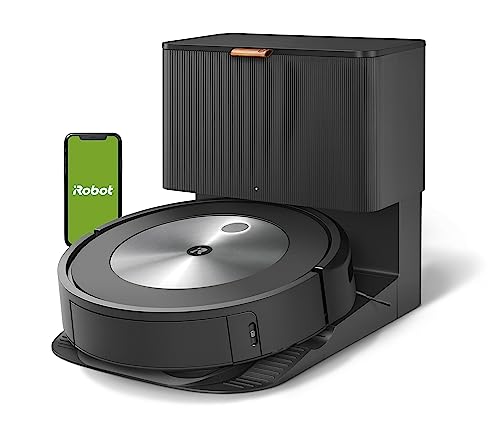
The iRobot Roomba j7 is a premium choice: a premium robot from the category’s best-known maker, built around obstacle awareness and pet-focused design, suited to busy homes that value avoidance over extras. Treat it as a premium option and check the current Amazon listing before you buy, since listings, bundles and included accessories change often.

Dreame L10s
Strengths and Trade-Offs
Strengths
- Floors stay at a steady standard with almost no daily effort from you
- Reaches under sofas, beds and cabinets that manual vacuuming often skips
- Scheduled runs keep pet hair, crumbs and grit from ever building up
Trade-Offs
- It maintains floors but never replaces a proper deep clean
- Brushes, filters, bins and mop parts need regular hands-on care
- Cords, small objects and loose rugs must be cleared before runs
Honest Limits, Hygiene and Safety Notes
Every article in this series carries the same plain warnings, because these are the points owners most often learn the hard way. None of them cancel the convenience of a robot vacuum, but all of them shape whether that convenience lasts.
Mop water and hygiene, without the gloss
If a robot mop starts to smell, the cause is almost always standing water or a pad left damp, and the fix is cleaning the system, not scenting it. Households that know they will skip this upkeep are honestly better served by a vacuum-only robot and a manual mop. Five minutes of tank and pad care protects your floors from being wiped with yesterday’s dirt. Dirty mop water is a hygiene issue, not a detail, and it deserves blunt treatment. A mop pad that sits damp in a dock will grow musty and can develop mould, especially in warm or humid rooms. Empty the dirty-water tank after mopping runs and rinse it rather than leaving grey water to sit until the next session. Wash or swap mop pads regularly and let them dry fully in the open air before the next use.
What the map of your home really means
Look for options to delete maps, turn off image features you do not need, and keep the app updated. Guest modes and no-go zones let you keep sensitive rooms off the cleaning route entirely. None of this has to be a deal breaker, but it is part of the real cost of a connected appliance. If a shared household account bothers you, give the robot its own login and a strong password. A robot vacuum is a networked sensor platform that also cleans, and it deserves the same care you give a smart speaker or camera. A mapping robot builds a floor plan of your home, and you should go in with your eyes open about that. Camera-based models see more than LiDAR models, which mostly measure distances and shapes rather than pictures.
A maintainer, not a replacement for deep cleaning
Keep a stick or handheld machine for stairs, upholstery, car mats and the crumbs a robot cannot reach in time. The households happiest with their robots are the ones that retired the daily chore, not the whole cleaning cupboard. A robot vacuum maintains floors; it does not replace deep cleaning, and honest expectations start there. Under heavy furniture, inside carpet pile at depth, along skirting with a crevice tool and on stairs, a full-size vacuum still wins. What the robot changes is the baseline: floors never reach the state that used to demand a weekend rescue clean. Most households settle into a rhythm of robot maintenance through the week and a manual deep clean on a slower cycle. That rhythm is the real product being sold, and judged on it, the category succeeds.
Cords and small objects: the prep that makes it work
Owners who prep lightly and often describe their robot as reliable; owners who never prep describe the same models as useless. Preparation is the unglamorous secret behind every good robot vacuum result. Charging cords, phone cables, shoelaces and curtain hems are the classic traps, and they stop more cleans than any technical failure. Small objects such as socks, toys, coins and pet accessories need a quick sweep into a basket before the run. A two-minute tidy of the floor is not cheating; it is the division of labour the technology assumes. Homes with children or pets benefit from a standing rule that floors get a quick scan before the robot leaves its dock. Cable management along skirting boards pays off permanently, because a cord lifted once never traps the robot again.
Stairs and cliff sensors: respect the limit
A physical barrier or a closed door remains the honest answer for homes where a fall would be costly or dangerous. Landings with loose rugs add risk, because a sliding rug can carry a robot closer to the edge than it planned. Split-level homes usually do best with the robot assigned to one level and carried between floors deliberately. If your stairs are open, steep or unusually shaped, weigh that layout heavily when choosing how much autonomy you actually want. Respecting the limit of the sensors is not fear; it is how these machines are designed to be used. Stair safety relies on cliff sensors that look for a sudden drop at the edge of a step. Those sensors are good but not infallible, and strong sunlight, very dark flooring and dirty sensor windows can all confuse them.
After the Boxes Are Gone: A Long-Term Second Look at the Robot vacuum
Most robot vacuum coverage stops at unboxing, yet almost everything that decides owner satisfaction happens afterwards. The first evening tells you about finish and first impressions; the third month tells you about durability, upkeep and whether the design still suits the way your household actually behaves. This section looks at the ownership phase in detail — the settling-in period, the first signs of wear worth watching for, and the small habits that separate owners who stay pleased from owners who start browsing replacements. If you are weighing Roborock S8, iRobot Roomba j7 or any similar design, treat the points below as the questions a good long-term review should answer.
The Settling-In Period: What Changes in the First Weeks
New materials and mechanisms relax. Fabrics soften, joints settle, finishes lose their showroom sharpness, and moving parts either bed in smoothly or start to complain. With a robot vacuum, use the first fortnight deliberately: operate everything daily, check fixings once after the first week, and keep a mental note of any sound, wobble or resistance that was not there on day one. Changes that stabilise after a small adjustment are normal settling; changes that keep progressing are early warnings, and they are far easier to raise with a seller while the purchase is recent.
Wear Worth Watching, and Wear Worth Ignoring
Not all wear is failure. Honest materials in the home cleaning category develop a patina — slight softening of edges, gentle colour shifts where hands and light fall — and most owners come to like it. The wear that matters is functional: looseness that returns after tightening, surfaces that mark from ordinary use rather than accidents, parts that need persuading, and finishes that fail at edges and corners first. Check those high-contact zones on any robot vacuum you already own, and look for honest close-up photographs of exactly those zones when you judge a replacement.
Photograph your room at the time of day you will use the robot vacuum most, and compare candidates against that light rather than against bright midday photographs. Small households should weight compactness and easy storage more heavily, while large households should weight durability and simple operation, because the failure modes differ. If the robot vacuum will serve children or older relatives, test the key actions with the weakest grip and the shortest reach in the house in mind. Leave a little capacity unused — in size, storage or power — because a robot vacuum run permanently at its limit ages faster and annoys sooner than one with headroom.
Ownership rewards attention in small doses. A robot vacuum that is checked monthly and cleaned gently will usually outlast a neglected premium model, and it will certainly stay pleasanter to live with. Judge any review — including the detailed assessments earlier in this guide — by whether it helps you through this long middle phase of ownership, because that phase, not the unboxing, is where the money is really spent.
Frequently Asked Questions
Can a robot vacuum replace my regular vacuum entirely?
Most households settle into a rhythm of robot maintenance through the week and a manual deep clean on a slower cycle. That rhythm is the real product being sold, and judged on it, the category succeeds. Judged as a total replacement for every other cleaning tool, even the best robot will disappoint you. Keep a stick or handheld machine for stairs, upholstery, car mats and the crumbs a robot cannot reach in time. The households happiest with their robots are the ones that retired the daily chore, not the whole cleaning cupboard. A robot vacuum maintains floors; it does not replace deep cleaning, and honest expectations start there. Under heavy furniture, inside carpet pile at depth, along skirting with a crevice tool and on stairs, a full-size vacuum still wins.
How often should a robot vacuum run?
Seasonal shedding, pollen periods and muddy months all justify temporarily tighter schedules. The best schedule is the one the household stops noticing because the floors simply stay done. Scheduling is where a robot vacuum stops being a gadget and becomes a routine. A daily or near-daily pass at a predictable hour keeps floors at a steady standard instead of swinging between clean and neglected. Run the robot when the house is naturally tidy, after breakfast or while everyone is out, and the results improve without any new hardware. Room-by-room schedules let you hit the kitchen and hallway often and spare quiet bedrooms on work-from-home days. Start with a simple schedule and refine it after two weeks of watching what the robot actually collects.
What should I pick up before a robot vacuum runs?
Cable management along skirting boards pays off permanently, because a cord lifted once never traps the robot again. Chair legs pushed in and laundry off the floor turn a stop-start clean into a smooth one. Owners who prep lightly and often describe their robot as reliable; owners who never prep describe the same models as useless. Preparation is the unglamorous secret behind every good robot vacuum result. Charging cords, phone cables, shoelaces and curtain hems are the classic traps, and they stop more cleans than any technical failure. Small objects such as socks, toys, coins and pet accessories need a quick sweep into a basket before the run. A two-minute tidy of the floor is not cheating; it is the division of labour the technology assumes.
Is the map a robot makes of my home private?
If a shared household account bothers you, give the robot its own login and a strong password. A robot vacuum is a networked sensor platform that also cleans, and it deserves the same care you give a smart speaker or camera. A mapping robot builds a floor plan of your home, and you should go in with your eyes open about that. Camera-based models see more than LiDAR models, which mostly measure distances and shapes rather than pictures. That map data lives in the maker’s app and cloud account, so read the privacy settings before the first run, not after. Look for options to delete maps, turn off image features you do not need, and keep the app updated. Guest modes and no-go zones let you keep sensitive rooms off the cleaning route entirely.
What happens if my home has stairs?
Landings with loose rugs add risk, because a sliding rug can carry a robot closer to the edge than it planned. Split-level homes usually do best with the robot assigned to one level and carried between floors deliberately. If your stairs are open, steep or unusually shaped, weigh that layout heavily when choosing how much autonomy you actually want. Respecting the limit of the sensors is not fear; it is how these machines are designed to be used. Stair safety relies on cliff sensors that look for a sudden drop at the edge of a step. Those sensors are good but not infallible, and strong sunlight, very dark flooring and dirty sensor windows can all confuse them. Never treat the sensors as a guarantee: test a new robot near your stairs under supervision before trusting it alone.
How much looking after does a robot vacuum need?
Maintenance on a robot vacuum is light but non-negotiable, and it divides happy owners from disappointed ones. Filters clog gradually, so suction fades slowly enough that many owners blame the robot instead of the filter. Tap or replace filters on the maker’s rhythm, empty the bin before it compacts, and free the brush of hair before it strains. Wipe the cliff and obstacle sensors with a dry cloth when the robot starts behaving nervously near edges or furniture. Front caster wheels collect hair around their axle and can seize, adding drag that looks like weak cleaning. Spare brushes, filters and mop pads are consumables with a real replacement rhythm, so factor that ongoing care into ownership. Ten unhurried minutes every couple of weeks keeps performance close to day-one levels.
Related Guides
Keep exploring with these companion guides from the same series and from our established floor-care coverage.