Disclosure: As an Amazon Associate, dailyhomedecorating.com earns from qualifying purchases. Links on this page are affiliate links; they cost you nothing extra. Prices and availability change often, so check the current Amazon listing before you buy.
This refrigerator organizer review takes the category seriously as a product class: what a modern clear-bin organiser system is, how the leading designs are built, how they perform across the real jobs inside a fridge, and where the honest limits lie. It is written for a reader deciding whether this class of product deserves space in their fridge at all, and which design philosophy, from everyday bins to rolling caddies, fits the way their household actually eats. Every pick below is presented prose-only while verification is pending.
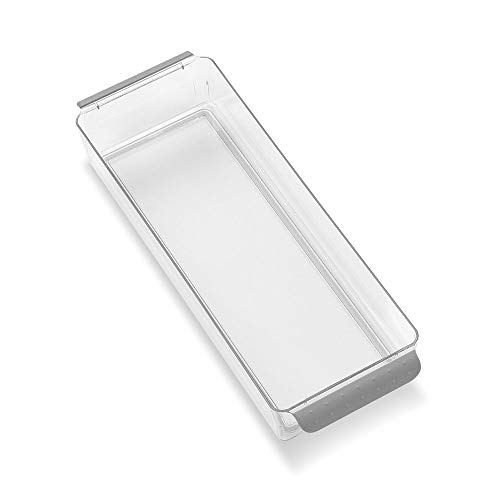
Key Takeaways and Verdict
- Best for: shared, busy, or deep fridges where food gets forgotten
- Not suited for: tiny, already-tidy fridges or upkeep-averse households
- Standout strength: visibility that makes rotation automatic
- Honest limitation: bins organise food; they do not preserve it
- Buy the fit first and the features second, every time
The verdict in one breath: a well-fitted refrigerator organizer system is one of the few cheap kitchen purchases whose benefit compounds daily, because it changes what a whole household sees, reaches, and uses first. Its value is behavioural rather than mechanical, which makes it both stronger than sceptics expect and weaker than marketing implies. Fitted well and washed regularly, it earns its space. Fitted badly, it is expensive clutter with good photography.
In this guide
What a Refrigerator Organizer Is and Where It Fits
A refrigerator organizer is a family of bins, trays, turntables, dividers, and caddies designed to give the inside of a fridge fixed zones and visible order. It sits in the home-organisation category rather than food storage proper: its job begins after food is bought and stored, and it concerns finding, rotating, and containing that food. The class ranges from entry multipacks that zone a whole fridge in one purchase to premium single pieces solving one problem beautifully, and the right altitude depends entirely on the fridge and household it will serve.
Organise by zone, not by shopping trip. Give each shelf or bin a single job: one zone for raw meat on the lowest shelf, one for dairy and eggs, one for produce that is not in the crispers, one for leftovers and ready-to-eat food, one for drinks, and one small zone for the odds and ends that otherwise wander. When everything has a job, putting groceries away becomes fast because there is no decision to make, and finding things becomes fast because there is only one sensible place to look.
Leftovers deserve special treatment because they are where fridges go wrong. A single, shallow, clearly visible leftover zone at eye level, with containers you can see into, means yesterday’s food gets eaten instead of slowly migrating to the back and becoming a science project. Date leftovers with a washable marker or a strip of tape on the lid. When the leftover zone is full, that is your signal to plan a meal around it rather than buying more, which is where an organiser quietly starts saving real money.
Keep a small landing zone for the items in active rotation: the jam in current use, the open milk, the butter dish, the snacks the household reaches for daily. Everything else can live a shelf deeper or higher. This front-of-fridge thinking mirrors how good kitchens have always worked, with the everyday within easy reach and the reserves behind. An organiser system that ignores daily habits and instead arranges food by category purity will be abandoned within a fortnight, so design around behaviour first and tidiness second.
Measure before you shop, and measure the fridge you actually use rather than the one in the brochure. Shelf depth, the clear height between shelves, the width left beside the crisper drawers, and the door bin spacing all decide which organisers fit. Write the numbers down, then subtract a little breathing room: a bin that only just squeezes in will scrape, stick, and annoy you every single day, while a bin with a finger of clearance slides in and out without a fight. Remember that many fridges taper slightly toward the back, so a bin that fits at the front lip may bind deeper in.
Height is the dimension shoppers most often get wrong. A tall bin looks efficient on a product page and then prevents the shelf above from sitting at its usual height, or forces you to tilt bottles to get them in and out. Think in layers: low bins for the main shelves where you reach over the front edge, taller bins only where the shelf spacing genuinely allows them, and nothing so tall that it blocks the air vents or hides the shelf light. If your fridge has adjustable shelves, decide their final positions first and organise second, not the other way round.
Door storage deserves its own measurement pass. Door bins vary enormously between models, and an organiser insert that is slightly too wide will bow the door bin or rattle every time the door swings. Condiments, small jars, and eggs suit the door because it is the warmest part of the fridge and they tolerate that well. Milk and other highly perishable items are better on a main shelf toward the back, where temperatures are coldest and steadiest, even if the door feels like their natural home.
Design, Build and Setup
Good design in this class is mostly restraint: clear walls, smooth interiors, honest thickness, integrated handles or a rolled lip, and footprints that respect standard shelf geometry. Setup is a single session of washing, drying, zoning, and loading, with shelf heights settled first and air vents left clear. The products below show the design spread of the class, from the balanced everyday bin to the wheeled caddy, and each mini-review carries the verdict lines a buyer actually needs: who it suits, who it does not, and what living with it is like.
Six designs define the class. Read them as philosophies as much as products: the all-rounder, the premium finish, the value system, the depth solver, the uniform range, and the rolling specialist.

madesmart Refrigerator Organizer Bin
The madesmart Refrigerator Organizer Bin is a clear, sturdy everyday bin family sold in singles and multipacks, positioned in the mid tier, with integrated handles and a smooth interior that wipes clean quickly. In daily use it earns its place by doing one job predictably: food goes in, the bin slides or lifts out without drama, and the contents stay visible so nothing is forgotten at the back. Treat it as a mid-tier choice and check the current listing for the exact configuration on offer, because sets and sizes change often.
Best for: households whose fridge habits match what the madesmart design does well, and who will wash and rotate it as part of a weekly rhythm. Not suited for: fridges whose shelf dimensions fight its footprint, or anyone expecting a bin alone, without zoning and rotation habits, to transform how fresh their food stays. Visibility helps you use food in time; it does not extend shelf life, and honest expectations keep a good product from disappointing you.
- Strengths: clear walls that keep contents visible at a glance
- Comfortable handling when the bin is full and cold
- Smooth surfaces that wash clean without fuss
- Trade-offs: takes a little shelf space of its own
- Needs regular washing to stay odour-free
- Works best as part of a zoned layout, not alone

OXO Good Grips Refrigerator Organizer Bin
The OXO Good Grips Refrigerator Organizer Bin is a thoughtfully finished clear bin line from a kitchen brand known for comfortable grips and honest design, positioned in the premium tier, with rounded corners that are gentle on glass shelves. In daily use it earns its place by doing one job predictably: food goes in, the bin slides or lifts out without drama, and the contents stay visible so nothing is forgotten at the back. Treat it as a premium choice and check the current listing for the exact configuration on offer, because sets and sizes change often.
Best for: households whose fridge habits match what the OXO Good Grips design does well, and who will wash and rotate it as part of a weekly rhythm. Not suited for: fridges whose shelf dimensions fight its footprint, or anyone expecting a bin alone, without zoning and rotation habits, to transform how fresh their food stays. Visibility helps you use food in time; it does not extend shelf life, and honest expectations keep a good product from disappointing you.
- Strengths: clear walls that keep contents visible at a glance
- Comfortable handling when the bin is full and cold
- Smooth surfaces that wash clean without fuss
- Trade-offs: takes a little shelf space of its own
- Needs regular washing to stay odour-free
- Works best as part of a zoned layout, not alone
SimpleHouseware Refrigerator Organizer Bins
The SimpleHouseware Refrigerator Organizer Bins is a value-focused clear bin set sold in generous multipacks, positioned in the entry tier, that makes it affordable to give every shelf and door zone its own container in one purchase. In daily use it earns its place by doing one job predictably: food goes in, the bin slides or lifts out without drama, and the contents stay visible so nothing is forgotten at the back. Treat it as a entry-tier choice and check the current listing for the exact configuration on offer, because sets and sizes change often.
Best for: households whose fridge habits match what the SimpleHouseware design does well, and who will wash and rotate it as part of a weekly rhythm. Not suited for: fridges whose shelf dimensions fight its footprint, or anyone expecting a bin alone, without zoning and rotation habits, to transform how fresh their food stays. Visibility helps you use food in time; it does not extend shelf life, and honest expectations keep a good product from disappointing you.
- Strengths: clear walls that keep contents visible at a glance
- Comfortable handling when the bin is full and cold
- Smooth surfaces that wash clean without fuss
- Trade-offs: takes a little shelf space of its own
- Needs regular washing to stay odour-free
- Works best as part of a zoned layout, not alone

Copco Non-Slip Turntable
The Copco Non-Slip Turntable is a rotating tray with a grippy surface that turns the deep back corner of a shelf into reachable storage, positioned in the entry to mid tier, and equally useful in a pantry cupboard. In daily use it earns its place by doing one job predictably: food goes in, the bin slides or lifts out without drama, and the contents stay visible so nothing is forgotten at the back. Treat it as a mid-tier choice and check the current listing for the exact configuration on offer, because sets and sizes change often.
Best for: households whose fridge habits match what the Copco design does well, and who will wash and rotate it as part of a weekly rhythm. Not suited for: fridges whose shelf dimensions fight its footprint, or anyone expecting a bin alone, without zoning and rotation habits, to transform how fresh their food stays. Visibility helps you use food in time; it does not extend shelf life, and honest expectations keep a good product from disappointing you.
- Strengths: clear walls that keep contents visible at a glance
- Comfortable handling when the bin is full and cold
- Smooth surfaces that wash clean without fuss
- Trade-offs: takes a little shelf space of its own
- Needs regular washing to stay odour-free
- Works best as part of a zoned layout, not alone

iDesign Linus Refrigerator Organizer Bin
The iDesign Linus Refrigerator Organizer Bin is a clear bin range with divided and handled options from a long-running home organisation brand, positioned in the mid tier, with clean lines that suit a tidy, uniform look across shelves. In daily use it earns its place by doing one job predictably: food goes in, the bin slides or lifts out without drama, and the contents stay visible so nothing is forgotten at the back. Treat it as a mid-tier choice and check the current listing for the exact configuration on offer, because sets and sizes change often.
Best for: households whose fridge habits match what the iDesign Linus design does well, and who will wash and rotate it as part of a weekly rhythm. Not suited for: fridges whose shelf dimensions fight its footprint, or anyone expecting a bin alone, without zoning and rotation habits, to transform how fresh their food stays. Visibility helps you use food in time; it does not extend shelf life, and honest expectations keep a good product from disappointing you.
- Strengths: clear walls that keep contents visible at a glance
- Comfortable handling when the bin is full and cold
- Smooth surfaces that wash clean without fuss
- Trade-offs: takes a little shelf space of its own
- Needs regular washing to stay odour-free
- Works best as part of a zoned layout, not alone

YouCopia RollOut Fridge Caddy
The YouCopia RollOut Fridge Caddy is a rolling caddy with small wheels and a handle that lets heavy bottles and jars glide forward instead of being dragged, positioned in the premium tier, and one of the few designs that genuinely changes how a deep shelf feels. In daily use it earns its place by doing one job predictably: food goes in, the bin slides or lifts out without drama, and the contents stay visible so nothing is forgotten at the back. Treat it as a premium choice and check the current listing for the exact configuration on offer, because sets and sizes change often.
Best for: households whose fridge habits match what the YouCopia RollOut design does well, and who will wash and rotate it as part of a weekly rhythm. Not suited for: fridges whose shelf dimensions fight its footprint, or anyone expecting a bin alone, without zoning and rotation habits, to transform how fresh their food stays. Visibility helps you use food in time; it does not extend shelf life, and honest expectations keep a good product from disappointing you.
- Strengths: clear walls that keep contents visible at a glance
- Comfortable handling when the bin is full and cold
- Smooth surfaces that wash clean without fuss
- Trade-offs: takes a little shelf space of its own
- Needs regular washing to stay odour-free
- Works best as part of a zoned layout, not alone
Performance in Real Use
Daily Loading and Unloading
In daily use the class performs exactly as designed when zones match habits: groceries land without decisions, and the cook pulls a whole category out in one bin instead of excavating item by item. Performance drops sharply when a household’s real shopping ignores the zones, because every misfit item becomes a small argument with the system. The lesson from real kitchens is consistent: two weeks of honest use reveals the true zones, and the wise owner rearranges once, early, rather than defending the first layout forever.
Visibility and Rotation in Practice
Visibility is where the class earns its reputation. Eye-level clear bins for leftovers and ready-to-eat food, rotated first in, first out, measurably change what gets eaten, because food competes fairly for attention instead of losing to whatever sits in front. The effect is strongest for leftovers, dairy, and produce overflow, and weakest for long-life condiments, which neither spoil quickly nor need rotation discipline. Expect waste reduction, not waste elimination, and be pleased with the honest version.
Cleaning and Hygiene Over Time
Performance over months is a cleaning story. Bins that wipe smooth and wash without fuss stay clear and odour-free; fussy designs with deep texture quietly become grimy and start hiding the food they were bought to display. The class’s best performers are boring in the sink, and that is high praise. A weekly rotation of one or two bins through warm soapy water keeps the whole system at its best with minutes of effort, provided the household actually keeps the rhythm.
Safety-Critical Use: The Meat Zone
The lowest shelf is where this product class does its most important work. A leak-proof bin with a lip contains raw meat drips that would otherwise contaminate everything below, turns clean-up into a rinse, and gives the riskiest food in the fridge a fixed, known address. No other zone justifies its bin on safety grounds alone; this one does. Any system, however small, should begin here, and any review that treats the meat bin as optional has its priorities backwards.
Food Safety Comes First in Any Fridge Layout
Rotation is the second habit an organiser either supports or quietly undermines. Work first in, first out: when new groceries come home, move the older items to the front and put the fresh purchases behind them, so the food that needs using first is the food you see and reach first. Clear bins help here because you can see what you already have before you shop, which cuts duplicate buying. Be honest about the limit, though: visibility does not extend shelf life, it only stops good food being forgotten, and dates and your own judgement still decide what stays.
Two housekeeping rules protect both food and appliance. Wash bins regularly with warm soapy water and dry them fully before they go back, because sticky residue in a cold, damp space is exactly where odours and mould take hold. And never block the air vents inside the fridge with tall bins pushed hard against the back or side walls. Cold air needs to circulate to keep temperatures even, and a bin wall sealing off a vent creates warm pockets where food spoils faster while the rest of the compartment over-chills.
Food safety is the quiet reason organisation matters, and it starts with placement rather than plastic. Raw meat belongs on the lowest shelf, inside a leak-proof bin with a raised lip, because drips travel downward and contaminate everything stored below them. A dedicated meat bin turns a potential cross-contamination problem into a simple rinse, and it also keeps packages from freezing against a cold back wall or sliding behind other food where they are forgotten until they are well past their best.
Strengths and Trade-Offs
- Strengths: a fridge readable at a glance, for everyone
- Strengths: containment that protects shelves and other food
- Strengths: rotation and zoning that cut forgotten-food waste
- Trade-offs: a real, permanent washing commitment
- Trade-offs: shelf space taxed by walls, bases, and gaps
- Trade-offs: rigidity that resists oversized and seasonal food
How It Compares
| Approach | Where it wins | Where it loses |
|---|---|---|
| Clear bin system | Visibility, zoning, containment | Upkeep and space tax |
| Turntable only | Deep corners, minimal commitment | No zones, no containment |
| No system, tidy habits | Free and flexible | Nothing teaches or contains |
Against doing nothing, the organiser class wins wherever a fridge is shared, deep, or busy, and draws in the calm single-person fridge. Against specialist-only approaches, a small bin core plus one specialist covers more real problems. The comparison that matters is never product against product in a studio; it is your fridge this month against your fridge last month, judged on waste, time, and temper.
Who Should Buy It and Who Should Skip It
Buy if food disappears into your fridge and reappears as waste, if several people load it differently, if deep shelves hide jars, or if raw meat currently rides the shelves uncontained. Use this pre-buy checklist: shelves measured with clearance allowed, vents located, zones sketched by habit, a washing rhythm honestly agreed, and a starter set small enough to survive a change of mind. Skip if your fridge is compact and calm, your storage is minimal, or the checklist makes you tired, because tired systems are abandoned systems.
Most fridge organisers are clear rigid plastic, and clarity is the point: you manage what you can see. Look for smooth interiors without deep ribs or textured corners, because every groove is a place for sauce residue to hide and cleaning time to multiply. Slightly thicker walls flex less when a full bin is lifted by its handles, and flex matters, because a bin that bows spills its contents and cracks sooner at the corners where stress concentrates.
Handles and lips decide daily comfort more than capacity does. Integrated cut-out handles are easy to wipe and cannot snap off, while a rolled top lip gives a bin rigidity and a comfortable grip. Stackable designs earn their keep only when the stacking is stable with real, uneven food inside; a lid that doubles as a shelf for the next bin is genuinely useful for eggs, cheese, and deli items, but stacking tall towers in a fridge makes the bottom layer invisible and hard to reach, which defeats the purpose.
Some organisers add features: dividers that keep bottles upright, egg trays with lids, can dispensers that roll the next can forward, turntables that spin the back row into reach, and rolling caddies for heavy jars. Each feature solves a specific annoyance and adds a cleaning surface, so buy features for problems you actually have. A can dispenser is wonderful in a household that drinks canned drinks daily and pointless clutter in one that does not. Match the gadget to the habit, not to the photograph.
A household that batch cooks needs organisers that respect containers: flat, stackable bins that corral meal-prep boxes into one zone, room for a large stock pot to land without rearranging three shelves, and a freezer-adjacent plan for overflow. A household that grazes needs the opposite: small, open, eye-level bins for snacks, yoghurt, cheese, and fruit, refreshed often and never buried. Neither system is better; they are answers to different questions, and buying the wrong answer is the commonest reason organisers end up in a cupboard.
Families with children benefit from a deliberate low zone: drinks, fruit, and approved snacks in one reachable bin turns the fridge from an adult-only puzzle into something a child can use without climbing or rummaging. Keep raw meat and heavy glass well away from that zone, and expect the kids’ bin to need the most frequent washing of any in the fridge. Small hands and sticky fingers are a design constraint, not a failure of the system.
Small fridges and under-counter models punish wasted millimetres. In a compact fridge, one or two perfectly fitted bins beat a large set of almost-right sizes, and a turntable can be transformative because depth you cannot reach is storage you do not have. Measure twice, buy once, and be willing to return a set that nearly fits. Nearly is not a size, and living with a bin that sticks every day costs more patience than a return ever will.
Setup, Care and Maintenance Essentials
Wash and dry new bins, set shelf heights, zone by habit with meat lowest and contained, leave vents and circulation space clear, and photograph the result for the household. Wash bins on rotation in warm soapy water, dry fully, wipe shelves as bins empty, date leftovers, and rotate stock at every shop. Review monthly and evict any bin not earning its volume. Maintenance in this class is light but non-negotiable; the product is the rhythm as much as the plastic.
Cleaning an organised fridge is faster than cleaning a chaotic one, but only if you clean the bins themselves on a rhythm. A quick wipe when a bin empties, a proper warm soapy wash on a regular cycle, and a full dry before refilling will keep odours away. Sticky rings from jars and sauce bottles build up invisibly, and a bin that looks clean can still smell of last month’s pickle brine. Rotating one or two bins through the sink each week spreads the work so it never becomes a dreaded whole-fridge project.
Check care instructions before assuming everything is dishwasher safe. Many clear bins prefer hand washing, because high dishwasher heat can cloud or warp rigid clear plastic over time, and cloudy bins quietly destroy the visibility you bought them for. Warm water, a soft sponge, and ordinary washing-up liquid handle nearly everything a fridge bin collects. For stubborn odours, a soak with bicarbonate of soda in the water usually does the job without harsh chemicals near food.
While a bin is out being washed, wipe the shelf beneath it. Crumbs and drips migrate under bins and are easy to miss for months. That thirty-second habit, repeated bin by bin, keeps the whole compartment fresher than an occasional heroic deep clean, and it gives you a natural moment to check dates, rotate stock to the front, and notice what needs using up. Organisation and hygiene are the same habit viewed from two directions.
Judge value over years, not at the checkout. A bin that is used every day, washed weekly, and still clear and uncracked after years of service has cost almost nothing per use, whatever its tier. A cheap set that clouds, cracks at the handles, or never quite fits has cost its full price for a few months of mild improvement. This is why the entry, mid, and premium tiers all have honest cases: entry sets let you test a system before committing, mid-tier bins balance clarity and toughness for most homes, and premium designs add the finishing details that heavy daily use rewards.
The savings an organiser creates are mostly invisible: less food thrown away because it was forgotten, fewer duplicate purchases because you can see what you own, and fewer emergency takeaway meals because tonight’s ingredients are findable. None of that appears on a receipt, and it easily outweighs the cost of the bins themselves in a busy household. The honest counterweight is that none of it happens automatically. The bin is a tool; the rotation, zoning, and washing habits are the actual product, and they are free but not effortless.
Refrigerator Organizer Review: Final Verdict
As a product class, the refrigerator organizer deserves its popularity and its sceptics in equal measure. It will not preserve food, chill better, or organise a household that refuses zones. It will, fitted honestly and kept clean, make a busy fridge legible, safer in its meat handling, and noticeably less wasteful. Buy the smallest system that changes your worst fridge habit, in the tier your daily use justifies, and judge it after a month of real life rather than a day of tidying.
Going Deeper: Making the System Last
Organise by zone, not by shopping trip. Give each shelf or bin a single job: one zone for raw meat on the lowest shelf, one for dairy and eggs, one for produce that is not in the crispers, one for leftovers and ready-to-eat food, one for drinks, and one small zone for the odds and ends that otherwise wander. When everything has a job, putting groceries away becomes fast because there is no decision to make, and finding things becomes fast because there is only one sensible place to look.
Leftovers deserve special treatment because they are where fridges go wrong. A single, shallow, clearly visible leftover zone at eye level, with containers you can see into, means yesterday’s food gets eaten instead of slowly migrating to the back and becoming a science project. Date leftovers with a washable marker or a strip of tape on the lid. When the leftover zone is full, that is your signal to plan a meal around it rather than buying more, which is where an organiser quietly starts saving real money.
Keep a small landing zone for the items in active rotation: the jam in current use, the open milk, the butter dish, the snacks the household reaches for daily. Everything else can live a shelf deeper or higher. This front-of-fridge thinking mirrors how good kitchens have always worked, with the everyday within easy reach and the reserves behind. An organiser system that ignores daily habits and instead arranges food by category purity will be abandoned within a fortnight, so design around behaviour first and tidiness second.
Cleaning an organised fridge is faster than cleaning a chaotic one, but only if you clean the bins themselves on a rhythm. A quick wipe when a bin empties, a proper warm soapy wash on a regular cycle, and a full dry before refilling will keep odours away. Sticky rings from jars and sauce bottles build up invisibly, and a bin that looks clean can still smell of last month’s pickle brine. Rotating one or two bins through the sink each week spreads the work so it never becomes a dreaded whole-fridge project.
Check care instructions before assuming everything is dishwasher safe. Many clear bins prefer hand washing, because high dishwasher heat can cloud or warp rigid clear plastic over time, and cloudy bins quietly destroy the visibility you bought them for. Warm water, a soft sponge, and ordinary washing-up liquid handle nearly everything a fridge bin collects. For stubborn odours, a soak with bicarbonate of soda in the water usually does the job without harsh chemicals near food.
While a bin is out being washed, wipe the shelf beneath it. Crumbs and drips migrate under bins and are easy to miss for months. That thirty-second habit, repeated bin by bin, keeps the whole compartment fresher than an occasional heroic deep clean, and it gives you a natural moment to check dates, rotate stock to the front, and notice what needs using up. Organisation and hygiene are the same habit viewed from two directions.
Judge value over years, not at the checkout. A bin that is used every day, washed weekly, and still clear and uncracked after years of service has cost almost nothing per use, whatever its tier. A cheap set that clouds, cracks at the handles, or never quite fits has cost its full price for a few months of mild improvement. This is why the entry, mid, and premium tiers all have honest cases: entry sets let you test a system before committing, mid-tier bins balance clarity and toughness for most homes, and premium designs add the finishing details that heavy daily use rewards.
The savings an organiser creates are mostly invisible: less food thrown away because it was forgotten, fewer duplicate purchases because you can see what you own, and fewer emergency takeaway meals because tonight’s ingredients are findable. None of that appears on a receipt, and it easily outweighs the cost of the bins themselves in a busy household. The honest counterweight is that none of it happens automatically. The bin is a tool; the rotation, zoning, and washing habits are the actual product, and they are free but not effortless.
A household that batch cooks needs organisers that respect containers: flat, stackable bins that corral meal-prep boxes into one zone, room for a large stock pot to land without rearranging three shelves, and a freezer-adjacent plan for overflow. A household that grazes needs the opposite: small, open, eye-level bins for snacks, yoghurt, cheese, and fruit, refreshed often and never buried. Neither system is better; they are answers to different questions, and buying the wrong answer is the commonest reason organisers end up in a cupboard.
Families with children benefit from a deliberate low zone: drinks, fruit, and approved snacks in one reachable bin turns the fridge from an adult-only puzzle into something a child can use without climbing or rummaging. Keep raw meat and heavy glass well away from that zone, and expect the kids’ bin to need the most frequent washing of any in the fridge. Small hands and sticky fingers are a design constraint, not a failure of the system.
Small fridges and under-counter models punish wasted millimetres. In a compact fridge, one or two perfectly fitted bins beat a large set of almost-right sizes, and a turntable can be transformative because depth you cannot reach is storage you do not have. Measure twice, buy once, and be willing to return a set that nearly fits. Nearly is not a size, and living with a bin that sticks every day costs more patience than a return ever will.
Seasonal Pressure and the Flexible Shelf
Every fridge meets its seasons: festive feasts, summer drinks, preserving gluts, and the January of good intentions. A system that cannot flex will be dismantled by its first celebration and never rebuilt. Protect the layout by designating one shelf or zone as deliberately flexible, where oversized and temporary food lands without evicting the permanent zones. The meat bin and the leftover zone never flex, because safety and waste live there; everything else can lend space for a week. When the season passes, the photograph of the normal layout restores order in minutes.
What Good Looks Like After a Month
Judge an organised fridge after a month, not after the satisfying first afternoon. Good looks like this: every zone still matches its contents, the meat bin is washed and in place, leftovers are dated and being eaten, bins are clear rather than cloudy with grime, and nobody in the household can remember the system being discussed. Waste is visibly down, duplicates have stopped arriving, and the door opens onto calm. If instead the bins are sticky, the zones are fiction, and food still hides, the honest fix is fewer bins and simpler zones, not more products.
Small Fridges, Big Lessons
Compact fridges teach the discipline that large ones let you postpone. With no space to waste, fit becomes exact, zones become few, and every product must argue for its volume. The lessons transfer upward: a big fridge organised with a small fridge’s discipline feels luxurious rather than merely large, because every shelf is readable and every item reachable. If you are between sizes, organise the fridge you have as if it were smaller. The habits cost nothing, and they will make any future fridge, of any size, work better from its first day.
The Shopping Trip Starts at the Fridge Door
An organised fridge changes shopping before it changes storage. A readable inventory means the list is written from evidence: what is finished, what is low, what is waiting to be used. Duplicate jars stop arriving, impulse extras meet the honest question of which zone they would live in, and food bought with a plan gets eaten on schedule. Over months this is where the money is saved, quietly, in food used rather than binned and in shopping that answers needs instead of guesses. The bins started it, but the list is where it pays.
After the Boxes Are Gone: A Long-Term Second Look at the Refrigerator organizer
Most refrigerator organizer coverage stops at unboxing, yet almost everything that decides owner satisfaction happens afterwards. The first evening tells you about finish and first impressions; the third month tells you about durability, upkeep and whether the design still suits the way your household actually behaves. This section looks at the ownership phase in detail — the settling-in period, the first signs of wear worth watching for, and the small habits that separate owners who stay pleased from owners who start browsing replacements. If you are weighing madesmart Refrigerator Organizer Bin, OXO Good Grips Refrigerator Organizer Bin or any similar design, treat the points below as the questions a good long-term review should answer.
The Settling-In Period: What Changes in the First Weeks
New materials and mechanisms relax. Fabrics soften, joints settle, finishes lose their showroom sharpness, and moving parts either bed in smoothly or start to complain. With a refrigerator organizer, use the first fortnight deliberately: operate everything daily, check fixings once after the first week, and keep a mental note of any sound, wobble or resistance that was not there on day one. Changes that stabilise after a small adjustment are normal settling; changes that keep progressing are early warnings, and they are far easier to raise with a seller while the purchase is recent.
Wear Worth Watching, and Wear Worth Ignoring
Not all wear is failure. Honest materials in the food storage & organization category develop a patina — slight softening of edges, gentle colour shifts where hands and light fall — and most owners come to like it. The wear that matters is functional: looseness that returns after tightening, surfaces that mark from ordinary use rather than accidents, parts that need persuading, and finishes that fail at edges and corners first. Check those high-contact zones on any refrigerator organizer you already own, and look for honest close-up photographs of exactly those zones when you judge a replacement.
Consider the refrigerator organizer from the perspective of the person who cleans around it, because designs that trap dust, block access or demand special products quietly tax every week of ownership. Think about noise, light and heat as neighbours of the refrigerator organizer, not afterthoughts, since a choice that performs well but disturbs the room around it rarely stays popular for long. Remember that guests experience your refrigerator organizer without instructions, so anything that needs explaining, warning or demonstrating is worth simplifying before it is worth defending. Plan for the refrigerator organizer to be moved at least twice in its life — for cleaning, redecorating or a change of room — and favour designs that forgive being shifted, tilted or carried. Look at the edges and undersides when you judge build quality, because those are the places makers save money first and the places owners discover last.
Ownership rewards attention in small doses. A refrigerator organizer that is checked monthly and cleaned gently will usually outlast a neglected premium model, and it will certainly stay pleasanter to live with. Judge any review — including the detailed assessments earlier in this guide — by whether it helps you through this long middle phase of ownership, because that phase, not the unboxing, is where the money is really spent.
Frequently Asked Questions
Do refrigerator organisers really keep food fresher?
Not directly, and any claim that a bin extends shelf life should be treated with suspicion. What organisers do is make food visible and reachable, so it gets used in good time instead of being forgotten at the back. Freshness still comes from correct temperatures, sensible storage, and using food within its dates. The organiser supports those habits; it does not replace them, and that honesty is exactly why a simple system outperforms an expensive one that promises miracles.
Where should raw meat go in an organised fridge?
On the lowest shelf, in a leak-proof bin with a raised lip, every time. Drips travel downward, so meat stored higher up can contaminate everything below it. A dedicated bin contains leaks, protects the shelf, and makes clean-up a quick rinse instead of a full shelf scrub. Keep the meat bin away from ready-to-eat food and wash it after every use, especially after poultry, and never let packages sit directly on the shelf where a torn wrapper can leak unnoticed.
How often should fridge organiser bins be washed?
Wipe a bin whenever it empties and give it a proper warm soapy wash on a regular weekly-to-fortnightly rhythm, drying it fully before it goes back. Sticky residue builds up quietly in a cold, damp compartment and is where odours start. Rotating one or two bins through the sink each week spreads the effort so it never becomes a big job. Hand washing suits most clear bins best, since high dishwasher heat can cloud rigid clear plastic over time.
Can organiser bins block the fridge air vents?
Yes, and it matters. Tall bins pushed hard against the back or side walls can seal off the vents that circulate cold air, creating warm pockets where food spoils faster while other areas over-chill. Leave a clear gap around vents, keep tall bins away from them, and check vent positions in your fridge manual before finalising a layout. Even temperatures protect food far more than any single accessory, so airflow always wins over one extra bin of storage.
What is first in, first out and why does it matter?
First in, first out means the oldest food gets used first. When new groceries come home, move older items to the front of the bin or shelf and place fresh purchases behind them. It sounds trivial and it is the single most effective waste-cutting habit in a fridge, because the food that needs eating first becomes the food you see first. Clear bins make the habit easy to keep, since a quick glance shows what is waiting before you write a shopping list.
How many organiser bins does a typical fridge need?
Fewer than most sets assume. Start with the zones you will genuinely maintain: a meat bin for the lowest shelf, one or two bins for dairy and ready-to-eat food, a leftover zone, and perhaps a turntable or rolling caddy if deep shelves hide food from you. Live with that core for a few weeks, notice what still wanders or gets lost, and add only the bin that solves that specific problem. A fridge crowded with organisers is just clutter with better marketing.
Related Guides and Next Steps
Keep building the system with the companion guides in this series. See how to choose a refrigerator organizer for more on this topic. See is a refrigerator organizer worth it for more on this topic. See refrigerator organizer buying guide for more on this topic. See refrigerator organizer pros and cons for more on this topic. See refrigerator organizer reviews for more on this topic. See best vacuum storage bags for more on this topic. See best storage baskets for more on this topic. See best makeup organizers for more on this topic. See best jewelry organizers for more on this topic. Each guide approaches the same fridge from a different angle, so read the one that matches the decision you are making next, put one shelf at a time in order, and let the habits settle before reorganising again.


