Disclosure: As an Amazon Associate, dailyhomedecorating.com earns from qualifying purchases. Links on this page are affiliate links; they cost you nothing extra. Prices and availability change often, so check the current Amazon listing before you buy.
Is a reading chair worth it? The short answer is: worth it if you read often, read for long stretches, and currently do that reading in a seat that was designed for something else — a sofa shared with everyone, a dining chair, a bed that puts you to sleep. A dedicated reading chair earns its floor space by turning scattered reading into a habit with a home: one comfortable place, with the light right and your book waiting, that quietly invites you back every evening. It is not worth it if you read rarely, read mostly in bed or on the move, or would have to squeeze the chair into a room where it blocks daily life. The value is real but conditional, and this article works through the conditions honestly.
Key Takeaways
- A reading chair pays off in proportion to use: daily long-session readers get their money’s worth quickly; occasional readers may never sit in it enough to justify the space.
- The real return is habit, not luxury — a dedicated corner with the right light makes reading the easiest option in the room.
- The true costs are space, upkeep and the extras around the chair — lamp, table, cushion — not just the chair itself.
- Comfort is personal, so a fair returns policy is part of the value calculation; a chair you cannot send back is a riskier purchase.
- Alternatives like a better cushion, a footstool and a lamp on your existing sofa capture part of the benefit for far less commitment.
In this guide
What You Actually Get When You Buy a Reading Chair
What you actually get is not a chair. It is a reading habit with furniture around it. Readers who set up a dedicated corner consistently report the same quiet effect: the book is there, the light is already right, the seat is the most comfortable one in the home, and starting a session takes no decision at all. Compare that with reading on a shared sofa — negotiating for the good end, adjusting a lamp that serves the whole room, losing your place to interruptions — and the difference is not comfort alone but friction. A reading chair removes friction from something you already want to do more of, and that is where its value compounds, evening after evening.
You also get fit. General seating is designed for an average body doing average things for moderate stretches. A chair chosen for your posture — your leg length, your way of holding a book, your preference for upright support or a curled sprawl — can hold you comfortably through sessions that would leave you shifting and stiff elsewhere. That fit is worth most to long-session readers, because discomfort is a session-ender: the chapter you did not finish because your back ached is the true cost of a bad seat. Over months, a chair that keeps you reading comfortably returns value in finished books, which is the metric that actually matters to a reader.
There is also a room-level benefit that buyers rarely predict. A reading corner gives a living room or bedroom a finished, intentional feel — a chair, a lamp, a small table reads as a designed vignette rather than spare furniture. Guests gravitate to it. It becomes the seat people choose for a morning coffee or a phone call, which means a good reading chair usually works harder than its name suggests. That secondary use matters for the value question: a chair used daily for reading and often for everything else justifies its footprint far more easily than one reserved, untouched, for a weekly novel session.
Finally, you get a boundary. A dedicated chair marks reading time as a real activity rather than something fitted around screens and chores. Many readers find that sitting in the chair is itself a signal — to themselves and to their household — that they are reading now. That ritual value is soft, unmeasurable and, for the readers who mention it, often the part they would least give up. If that sounds like marketing to you, be sceptical and weigh the harder factors below more heavily; the case for the chair does not depend on it. The step-by-step method in how to choose a reading chair shows what fit looks like in practice once you decide the category itself is worthwhile.
The Real Costs Beyond Money
The first real cost is space, and it is not negotiable. A reading chair plus the lamp and table that complete the corner claims a noticeable patch of a room permanently. In a generous living room that is nothing; in a small apartment it can be the difference between a room that flows and one you edge around. Measure honestly and walk the route the chair will block. Readers in tight homes should look hard at compact chairs and at corners that are currently dead space — behind a door swing, beside a bookcase — before concluding there is no room. The dedicated roundup of best reading chairs for the bedroom exists because bedroom corners are where many readers find their only spare patch.
The second cost is the ecosystem around the chair. Very few readers stop at the chair itself: a floor lamp or a better-positioned light, a side table, a cushion, a throw and felt pads for the legs all tend to follow, each sensible, together a real addition to the budget. None of it is wasted — the corner genuinely needs light and a surface — but count it in advance so the chair’s true cost is the corner’s cost. The third cost is upkeep. Upholstery needs vacuuming, spot cleaning and protection from the worst of the sun; lighter fabrics in busy households need it more often. A chair you must fuss over constantly returns less joy per hour than a forgiving one, which is why fabric choice appears in every serious guide to the category.
The fourth cost is the risk of a wrong fit, and it is the one buyers underestimate most. Comfort is personal; a chair that suits thousands of other readers may not suit your body, and a bulky chair is an awkward thing to return. That risk is manageable — buy where returns are fair, keep the packaging, test across several real sessions — but it is not zero, and it belongs in the worth-it calculation. A chair bought cheaply with no return route can be more expensive in the end than a mid-tier chair you were free to reject. Treat the returns policy as part of the price, because functionally it is.
Who a Reading Chair Pays Off For
The daily long-session reader
If you read most days and your sessions run past half an hour, you are the reader this furniture exists for. You will feel the difference in fit within a week, the habit effect within a month, and by any reasonable cost-per-hour reckoning the chair becomes one of the cheapest pleasures in the house surprisingly quickly. For you the question is rarely whether to buy but how well to choose: prioritise cushion resilience, arm support at book height and a fabric that suits your household, and spend your effort on fit rather than on saving a little at the tier below. Your corner will be used hard and should be built for it.
The returning reader rebuilding a habit
Many adults read far less than they intend to, crowded out by phones and tired evenings. For a returning reader, a reading chair is partly furniture and partly a commitment device: a visible, comfortable place that makes the book the easiest thing to reach for. This only works if the corner is genuinely inviting — right light, book waiting, phone elsewhere — but readers who set it up honestly often find the habit follows the furniture. If that is your situation, the chair is worth it as long as you build the whole corner and give the habit a fair month to form before judging the purchase.
The household creating a shared quiet corner
A reading chair also pays off in households carving out one calm seat in a busy home — a place a parent reads while children play nearby, or where anyone can take a book and ten quiet minutes. Here the value is shared across people, which improves the maths considerably, but the chair must be a compromise shape that suits different bodies passably rather than one body perfectly. Choose the middle path on seat depth and back angle, pick the most forgiving fabric in the house, and expect the chair to be used for far more than reading. That is a feature: shared use is value too.
Who Should Skip a Reading Chair
Skip it if your reading genuinely happens elsewhere and happily. Bed readers with a good pillow setup, train readers, audiobook walkers and library readers may find a dedicated chair becomes an expensive clothes stand — the classic fate of furniture bought for an imagined life rather than a real one. Be honest about the gap between the reader you are and the reader in the advertisement. Skip it, too, if your only available corner would compromise the room: a chair that blocks a walkway or crowds a small living room will be resented daily, and resented furniture is never worth it at any price.
Also skip it for now if the budget would force the bottom of the market with no return route. A poorly made chair with thin cushioning that flattens in a season is worse than no chair: it costs money, claims space and teaches you that reading chairs are uncomfortable. Waiting, saving toward the mid tier, or improving your current seat with a cushion, footstool and lamp in the meantime are all better moves. The balanced ledger in reading chair pros and cons will help you check whether your hesitation is about the category or about a specific chair.
Strengths and Trade-Offs of Owning a Reading Chair
- Strength: a seat fitted to your posture keeps long sessions comfortable in a way shared, general seating rarely manages.
- Strength: a dedicated corner removes friction from reading, and habits with a home tend to survive busy weeks.
- Strength: the chair usually earns secondary use — coffee, calls, guests — spreading its value beyond reading alone.
- Trade-off: it permanently claims floor space, plus room for the lamp and table that complete the corner.
- Trade-off: comfort cannot be guaranteed from a listing, so the purchase carries a fit risk that must be managed through returns.
- Trade-off: upholstery needs ongoing care, and the corner tends to attract extra spending on lamps, cushions and throws.
Weighed plainly, the strengths are about use and the trade-offs are about commitment. That is why the worth-it question always resolves to the same test: how much will you actually sit in it? Heavy use makes every trade-off look small. Light use makes even a modest chair look extravagant. There is no universal answer, and any guide that gives you one without asking about your habits is selling rather than advising.
Alternatives to Consider Before You Commit
The strongest alternative is upgrading the seat you already have. A firm cushion to correct a sagging sofa seat, a small lumbar cushion, a footstool and a lamp repositioned over your shoulder can capture a large share of the reading-chair benefit for a fraction of the commitment, and everything except the footstool is portable between rooms. If your current seat is structurally fine and your only complaints are light and leg support, try this first and honestly reassess in a month. Many readers discover the sofa was never the problem.
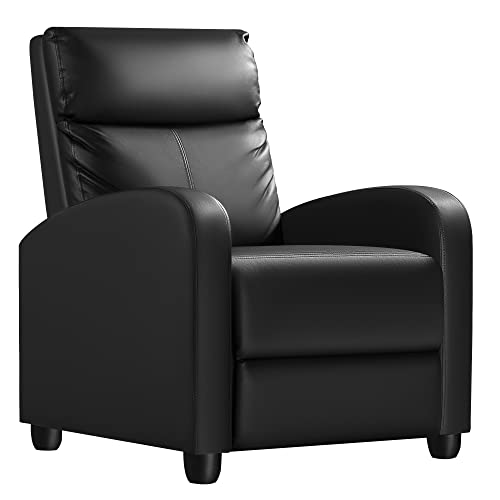
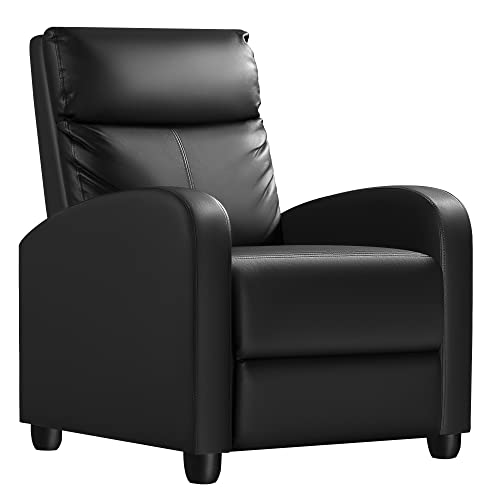
A second alternative is a different chair shape that serves two purposes. A supportive accent chair that works as guest seating, or a recliner that serves the whole household’s lounging, spreads the cost across more uses. The Homall recliner style, for instance, suits readers who also want a lean-back seat for films and rest, while a classic club chair anchors a formal room and reads as furniture first. Our hands-on style assessment in reading chair reviews compares these shapes directly. A third alternative, often overlooked, is the chaise or a sofa with a chaise end: it supports the legs-up reader superbly and seats guests, at the price of the largest footprint of all. Choose it only if the room genuinely has the space to spare.
Christopher Knight Home Malone Club Chair — the dual-purpose answer
As an alternative-with-benefits, the Malone club chair earns its place in a worth-it discussion because it is not only a reading chair: it is a proper living-room armchair that happens to read beautifully. For a household unsure whether a dedicated reading chair will be used, a chair with a second life as the room’s best seat lowers the risk of the purchase considerably. It sits in the mid tier, with the embracing club shape and substantial arms that long-session readers value. Best for: shared living rooms and cautious buyers. Not suited for: tiny corners or readers who specifically want a light, movable chair.
Homall Recliner Chair — the lean-back alternative
The Homall recliner represents the reader who also lounges: a padded recliner in the entry tier that lets you put your feet up and lean back with a book, then serves for films and naps too. If your reading posture is genuinely reclined, this shape may be worth more to you than any upright chair, and its dual use strengthens the value case. The honest cautions are footprint — a recliner needs room behind and in front — and that reclined reading drops the book lower, which some readers’ necks dislike. Best for: reclined readers who want one seat for reading and relaxing. Not suited for: upright readers or small rooms.
How to Get the Most Value If You Buy
Value is made after purchase as much as at it. Set the corner up completely on day one — lamp positioned, table placed, book waiting — because a half-finished corner invites half-hearted use, and use is the whole return on this purchase. Read in the chair at your best reading time rather than saving it for a someday session; habits form around convenience. Protect the fabric early with a throw over the seat and arms, vacuum the upholstery regularly, and keep the chair out of the harshest sun where you can, because a chair that still looks good in year three feels worth it in a way a shabby one does not.
Use the trial period ruthlessly. Read in the chair across several days and session lengths, in your real postures, before deciding it is a keeper; a chair that is merely fine in week one will be quietly avoided by month two, and avoided furniture is the worst value of all. If it is not right, return it while returning is easy and choose again with what your body taught you — that knowledge is worth money, because your second choice will be far better informed. Readers ready to choose can browse best lounge chairs for reading and best comfy accent chairs with their posture in mind, and plan the corner itself with best chairs for a reading nook.
Is a Reading Chair Worth It? The Decision Checklist
- Do I read at home, seated, at least several times a week?
- Do my sessions regularly run long enough that my current seat leaves me stiff or restless?
- Can I name the exact corner the chair, lamp and table will occupy — without blocking how the room works?
- Have I counted the full corner cost, not just the chair?
- Can I return the chair affordably if it does not suit my body after several real sessions?
- Will the chair get secondary use from me or my household if my reading dips?
If you answered yes to the first two and can honestly manage the rest, a reading chair is very likely worth it for you, and your remaining work is choosing well. If you answered no to either of the first two, improve your current seat and revisit the question when your reading life changes. The checklist is deliberately strict: a reading chair is a pleasure purchase, and pleasure purchases should have to argue their way into the house.
The Cost-per-Hour Way of Seeing It
One honest way to judge whether a reading chair is worth it is to stop looking at the price and start looking at the hours. Furniture like this is not consumed in a purchase; it is consumed in sittings, spread over years. A daily reader who sits for an hour most evenings accumulates hundreds of hours a year in the chair. Spread even a mid-tier purchase across that use and the cost of each comfortable hour becomes trivially small — smaller than the book in your hands by a wide margin. An occasional reader accumulates perhaps a tenth of those hours, and the same chair, at the same price, costs ten times as much per hour of actual use. The chair did not change. The arithmetic of your life did, and that arithmetic — not the ticket — is the real worth-it question.
This way of seeing it also explains why the mid tier so often wins the value argument. The cheapest chairs risk failing early — cushions flattening, fabrics wearing — which truncates the hours over which their low price can be spread, sometimes making them the most expensive option per comfortable hour. Premium chairs extend the hours through better materials but at a price that needs very heavy use to justify. The middle, bought well and returned ruthlessly if it does not fit, tends to deliver the most comfortable hours per unit of money for the most readers. That is not a rule, but it is a pattern worth weighing against your own expected use.
Run the same arithmetic on the alternatives before deciding. A cushion, footstool and lamp for your existing sofa cost little and may serve for years — if your sofa’s underlying seat is sound, their cost per hour is unbeatable, and the dedicated chair only wins when fit or habit genuinely demands it. Conversely, if you know you will read daily for a decade, being precious about the difference between tiers is its own false economy: the chair you love slightly more, sat in thousands of times, is worth more than the money saved on the one you merely accept.
What Owners Actually Say a Year Later
Talk to people a year after they bought a reading chair and a pattern emerges that no product page captures. Almost nobody talks about the chair’s specifications. They talk about behaviour: the book finished count that quietly rose, the evening routine that re-formed around the corner, the partner who colonised the chair for morning coffee. The satisfied owners share two traits — they chose by fit rather than photograph, and they built the whole corner rather than stopping at the chair. Their regrets, when they have them, are almost never about the model; they are about the lamp bought too late or the fabric chosen for an imaginary tidier household.
The dissatisfied owners share a pattern too, and it is equally instructive. Their chairs were bought quickly, often on appearance or a discount, for corners that were never completed, and the chair became a handsome place to put laundry. Notably, many of them conclude that reading chairs are not worth it — when the honest conclusion is that an unconsidered purchase is not worth it, in any category. If you take one idea from this article, take that distinction: the worth-it question is really two questions, whether the category suits your life and whether you will buy it properly. A yes to the first with a careless answer to the second produces the same regret as a no.
When the Answer Changes: Timing the Purchase
Worth is not static, and there are moments when a reading chair becomes a better buy than it was a year ago. A new home with a spare corner is the obvious one. A change in routine — a commute that ends, a child old enough to entertain themselves for an evening chapter, a deliberate decision to trade screen time for books — creates the use that justifies the chair. Physical changes matter too: readers who find the sofa increasingly hard to get out of, or a floor cushion increasingly unkind, may find a well-chosen chair with a supportive seat and arms to push from becomes worth it on ease alone, quite apart from reading.
The reverse is also true, and honesty requires saying so. If your life is about to become more mobile, your home smaller, or your evenings fuller, the same chair that would have been worth it last year may be a burden next year. Furniture rewards timing. Buy the chair for the reading life you are actually entering, at the moment you are entering it, and the worth-it question usually answers itself — which is perhaps the simplest summary of everything in this article.
A Worked Example: Two Households, Two Answers
Consider two households spending the same money. The first is a couple in a house with a spare corner by the living-room window. One of them reads nightly for an hour; the other joins for weekend mornings. They buy a mid-tier club-shaped chair, complete the corner with a floor lamp they already owned and a small table, and within a month the chair is the most contested seat in the house — reading, coffee, phone calls, the cat’s afternoon. By any honest accounting the purchase is not merely worth it; it is underpriced for the use it gets, and the only regret voiced is not buying the lamp’s replacement bulb sooner. The category, the timing and the buying were all right, and the result shows it.
The second household is a single renter in a small flat who reads twice a week, mostly in bed, and buys a large recliner on a discount impulse. It crowds the living area, the walkway narrows, sessions in it are pleasant but rare, and within a season it is the flat’s most expensive laundry surface. The chair itself is not bad — in the first household’s spare room it might have been loved. The purchase was wrong: wrong category moment, wrong size, wrong honesty about habits. The lesson the pair teaches is the thesis of this article — worth is a property of the match between chair, home and reader, never of the chair alone — and it is why the checklist comes before the catalogue in every sensible version of this decision.
The Environmental and Second-Hand Angle
One more consideration belongs in a modern worth-it calculation: longevity is the greenest feature a chair can have. A well-chosen chair kept for a decade is a smaller footprint than three cheap chairs discarded in the same period, which is another argument for buying by fit and returning ruthlessly rather than settling — settled-for chairs are the ones that get replaced. Readers open to it can also consider the second-hand market for quality chairs, where solid frames in good fabric change hands because houses change, not because chairs failed; inspect cushions and frames in person, and the value arithmetic can become very favourable indeed. Either way, the principle is the same: the most worthwhile chair is the one that stays.
The Psychology of the Corner: Why Place Changes Behaviour
There is a reason the worth-it argument keeps returning to habit, and it is worth stating plainly. People do not do what they intend; they do what their environment makes easy. A book on a bedside table competes with sleep. A book on a sofa competes with the television, the conversation and the phone charging beside you. A book in a dedicated chair, under its own lamp, in a corner arranged for nothing else, competes with almost nothing — the environment itself has already made the decision, and all the reader has to do is sit down. That is the entire mechanism by which a piece of furniture can change how much a person reads, and it is why owners describe the effect with surprise: they did not become more disciplined, their room became more helpful.
This also explains the failures with unusual clarity. A reading chair placed facing the television, or in the room’s traffic, or bought without its lamp and table, is an environment that has not actually been changed — the chair is new but the cues are the same, and behaviour follows the cues. Readers who conclude from such an experiment that reading chairs are not worth it have tested a chair, not a corner. The distinction matters because it is fixable: most failed reading chairs are one lamp, one table and one better position away from succeeding, and the cheapest experiment in this whole article is rearranging before replacing.
None of this requires believing anything mystical about furniture. It requires only the observation that starting is the hardest part of reading — the book is always good once you are in it — and that anything which makes starting effortless will, over a year of evenings, outperform willpower. A reading chair is worth it, when it is worth it, because it is a machine for starting. Judge every element of your planned corner by that standard — does this make starting easier tonight? — and you will have understood the purchase better than most people who make it.
Resale, Handing Down and the End of the Story
A final, practical entry in the worth-it ledger is what happens when the chair’s time with you ends. Well-kept chairs in neutral fabrics are among the easiest furniture to pass on: to a child leaving home, to a friend setting up a first flat, or through the second-hand market, where a sound frame and honest upholstery find buyers quickly because new equivalents cost real money. A chair bought well therefore carries a residual value — not necessarily financial, though it can be, but in usefulness transferred rather than landfill filled. The shabby, settled-for chair has no such second life, which is one more quiet argument for buying the chair you actually want, once, and keeping it well.
Handing down has a way of closing the worth-it argument emotionally as well. The chair a parent read in becomes the chair a student reads in; the corner dissolves but the object carries the habit with it. Not every purchase needs to justify itself across generations, and this article has worked hard to keep its accounting honest and present-tense. But when the sums are close — when the checklist says maybe — the knowledge that a good chair rarely ends with its first owner is a legitimate thumb on the scale. Buy the chair your life can use now, in a form another life could use later, and the question in this article’s title has been answered as well as it can be.
Two More Reader Stories
A teacher in her fifties, reading again after years of marking through her evenings, bought a modest accent chair and placed it facing away from the television with a lamp she already owned. She reports the result in books, not comfort: more finished in a school term than in the previous three years, because the chair made starting the default. Her verdict on worth is unhesitating, and notably she cannot describe the chair’s specifications at all. The value was never in the foam. It was in the geography of her evenings, and the chair was simply the piece of geography that changed.
A graduate student in a shared house ran the same experiment at the opposite scale: no budget for a chair, so he built the corner first — a cushion to firm the house sofa’s tired seat, a footstool from a market, the lamp moved six feet. He read more that semester than in his whole previous degree, and when he finally bought a chair of his own, he bought it knowing exactly which of his problems furniture still had to solve. His story belongs in this article because it proves the thesis from the other side: the worth lives in the corner and the habit, and the chair is worth it precisely when, and only when, it is the missing piece of that system.
Between the teacher’s chair and the student’s cushion lies the whole honest range of this question, and neither story is the exception. Readers who locate themselves truthfully on that range — how much of my problem is the seat, how much is the corner, how much is the calendar — will answer the worth-it question correctly for their own lives, which is the only correctness on offer.
The One-Sentence Version
If this article had to be one sentence, it would be this: a reading chair is worth it when you read enough, in a home with room for the corner, bought by fit with an exit if your body disagrees — and it is a waste of money, space and hope in every other combination, however beautiful the chair. Everything above is the working-out of that sentence. Keep it, apply it to your own last month of reading rather than your next month of intentions, and you will not buy the wrong answer.
What If the Money Is the Whole Question?
Some readers reach this article with the worth-it question reduced to a single constraint: the money is tight and the decision is really about priority. For them the honest advice is sequencing. Books first — a chair without books is a throne without a kingdom. Light second, because it improves every seat in the house including the floor. A cushion and footstool third, because together they repair most of what is wrong with most sofas. The chair comes fourth, bought when the first three are in place and the habit they support has proven it will use the chair daily. Sequenced that way, the purchase stops being a gamble on a future reading life and becomes the final step of an existing one, which is when it is most reliably worth it.
And if the chair never becomes affordable, the sequence itself has delivered most of the value — a lit corner, a repaired seat, a habit with a home. That outcome is not a consolation prize. It is the worth-it analysis working exactly as intended, spending money in the order that each unit of it buys the most reading. The chair is a means. The evenings are the end, and they can be reached by more than one road.
A Note for the Reader Still Undecided
If you have read this far and remain undecided, the indecision itself is data: it usually means the first two checklist questions — do I read enough, and can I name the corner — do not yet have clean answers. In that case the worth-it article’s advice is to run the cheapest experiment in the whole discussion. Build the corner without the chair: move the lamp, place a small table, repair your current seat with a cushion, and read there for two honest weeks. If the ritual forms and only the seat still complains, you have your answer and it is yes, with evidence. If the corner sits unused, you have your answer too, and it has cost you almost nothing to learn. Either way you will have decided the way this article has argued from its first paragraph — from your actual reading life, not from a photograph of someone else’s.
The Answer, Restated for Skimmers
Worth it if you read seated at home several times a week, in sessions your current seat cuts short, and you can give a chair, a lamp and a small table a corner that does not fight the room. Not worth it if your reading lives in bed, in transit or in short bursts, or if the only corner costs the room its ease. Everything else — tiers, fabrics, shapes, brands — is detail beneath those two sentences, and a reader who applies them honestly will reach the same conclusion this article reached at full length.
The Break-Even Question in Real Life: When a Reading Chair Pays Its Way
This section exists to ask the break-even question honestly, counting not just the purchase but the space, upkeep and attention the item will claim for as long as it is owned. It adds a layer that a feature list cannot give you, grounded in the living room furniture context this reading chair will actually live in. Where this guide names examples such as Christopher Knight Home Malone Club Chair, Homall Recliner Chair, use them as test cases for the checks below rather than as shortcuts past them.
Consider the edge cases that sit just outside normal use, because a reading chair will meet all of them eventually. The unusually large load, the unusually small task, the day you are in a hurry, the day something else in the room is broken and this has to cover for it. Versatility is not about a long feature list; it is about behaving predictably when conditions are imperfect. Where a design offers settings, modes, attachments or configurations, ask what each one is actually for in your home, and be suspicious of flexibility you cannot attach to a real occasion. One well-judged configuration used weekly beats five clever ones used once, and the honest reading chair for your home is the one whose strengths line up with your most frequent edge case, not your rarest.
Build a simple decision checklist and score it in writing. Five lines are enough: fit in the space, fit with the routine, ease of cleaning or upkeep, quality of the parts that move or wear, and how the reading chair will be stored or will look when it is not the centre of attention. Score each contender quickly, then look only at the lowest scores, because purchases are usually ruined by their weakest point rather than saved by their strongest. If two options tie, choose the one whose weakness is cheapest or easiest to live with. This sounds mechanical, and it is meant to: a written checklist is the best defence against the very human habit of falling for the last photograph you looked at.
Finally, plan the first fortnight. Decide where the reading chair will live from day one, what it replaces, what accessory or companion it needs straight away and what small job you will use to learn its habits while returning it is still simple. Keep the packaging until that learning period is over, note anything that surprises you, and deal with a mismatch early rather than adapting yourself around a poor fit for years. The households that end up happiest with a reading chair are rarely the ones that researched longest; they are the ones that checked fit honestly, bought for the ordinary week, and paid attention during the first days instead of assuming the decision ended at checkout.
One more angle is worth your time: the second-order costs. A reading chair changes what happens around it. It can demand a different cleaning product, a new storage habit, a moved piece of furniture, a rearranged cupboard or a standing arrangement with the people you live with. List those knock-on effects before you buy and decide whether you accept them as part of the deal. Sometimes the answer is an easy yes, and the reading chair earns its place by improving the whole routine around it. Sometimes the honest answer is that the supporting changes are the real project, and the purchase should wait until you are ready for them. Either answer is useful; the only bad outcome is discovering the knock-on effects by accident, one irritation at a time, after the decision can no longer be revisited.
It also helps to separate the problems a reading chair can solve from the problems it merely moves. If the underlying difficulty is space, the answer may be a smaller format or a different location rather than a more elaborate model. If the difficulty is time, look for the option that removes steps rather than the one that performs each step slightly better. If the difficulty is that several people want different things, a compromise design that everyone rates as good enough will usually outlast a specialist design that one person loves and everyone else avoids. Naming the real problem in one sentence, out loud, before you order, is a surprisingly powerful filter, and many shoppers find that the sentence itself points at a different reading chair than the one they started out researching.
Start with the unglamorous measurements. For a reading chair, the numbers that decide satisfaction are rarely the headline ones in a listing; they are doorway width, turning space on the stairs, floor clearance and the distance to the nearest table or lamp. Write the real dimensions of your space down, including the awkward constraints you normally work around without thinking, and hold every contender up against that sheet rather than against a showroom photograph. Then walk the route the reading chair will take on delivery day and during normal use. A choice that fits on paper but fights you every time it is moved, opened, cleaned or stored will lose its shine quickly, however strong its other qualities look in a comparison table.
Next, rehearse the week, not the ideal day. Picture the reading chair inside movie nights, reading sessions, guests staying longer than planned and children treating every edge as a climbing frame. Most disappointment comes from buying for the best-case scenario: the tidy version of the household, the motivated version of yourself, the weather or the guest list you hope for rather than the one you usually get. If the reading chair only makes sense when everything goes to plan, it is the wrong size, the wrong format or the wrong purchase for now. If it still looks useful on the tired, rushed, slightly chaotic version of the day, it has passed the most honest test there is, and the remaining questions are about detail rather than direction.
Frequently Asked Questions
How much use justifies buying a reading chair?
As a rough guide, if you will sit in it for several hours a week, most weeks of the year, a sensibly chosen chair pays for itself in comfort and finished books surprisingly fast. Below that — an hour here and there — the space and money are usually better spent improving the seat you already use. The honest test is your last month, not your intentions: count how often you actually read seated at home, and let that number, rather than your ambitions, drive the decision.
Is a reading chair worth it in a small apartment?
It can be, but only with discipline. Choose a compact chair, claim a genuinely dead corner rather than prime floor space, and make the chair work second jobs as guest seating or a morning coffee seat. If the only spot blocks a walkway or makes the room feel crowded, the daily irritation will outweigh the reading pleasure and the answer is no. Small-space readers should prioritise footprint and weight, and consider whether a cushion, footstool and lamp on the existing sofa solves the actual problem.
Should I buy a cheaper chair first to test the idea?
Testing the habit cheaply is sensible; testing it with a badly made chair is not, because thin cushioning that flattens quickly teaches you the wrong lesson about the category. If you want a low-commitment trial, buy an entry-tier chair from a seller with a fair returns policy and judge it across several real sessions. Alternatively, trial the corner itself first — lamp, table and cushion on your current seat — and see whether the ritual sticks before spending on furniture at all.
Does a reading chair hold its value or get used for other things?
In most homes a good reading chair quickly becomes a general favourite seat — morning coffee, phone calls, a guest’s first choice — and that secondary use is a large part of its real value. Very few stay reserved purely for reading, and that is fine. When judging worth, count all the sitting the chair will host, not just book time. The exception is a highly specialised shape, like a deep curler’s chair, that others may find odd; buy those only when the reading use alone justifies them.
What if I buy one and do not use it?
First, use the returns window honestly — several real sessions in the first weeks will tell you whether the chair or the habit is the problem. If the chair is comfortable but the habit did not form, move it to where you actually sit rather than leaving it in a neglected corner, and rebuild the corner around your real routine. If it truly goes unused past the return period, a quality chair in good condition usually finds a second home within the household or through resale far more easily than most furniture.
Is a recliner or a fixed chair better value for reading?
It depends entirely on your posture. Recliners give reclined readers and multi-use loungers excellent value, but the mechanism adds bulk and the reclined position suits neither upright readers nor small rooms. A fixed supportive chair with a separate footstool often delivers the same legs-up comfort with more flexibility and a smaller footprint. Judge by how you actually read — the posture audit matters more than the category — and remember a footstool can move to other seats while a recliner’s mechanism cannot.


