Where to buy
Shopping for the best security camera under $200? Every pick below is a complete, name-brand camera or camera kit that fits the under $200 framing as a single purchase; use the links to check price on Amazon, because the honest way to spend this budget is on coverage and storage terms, not on the badge on the box. Prices change often, so check price on Amazon for each pick before you buy. Orders are placed on Amazon. We may earn a commission from qualifying purchases.
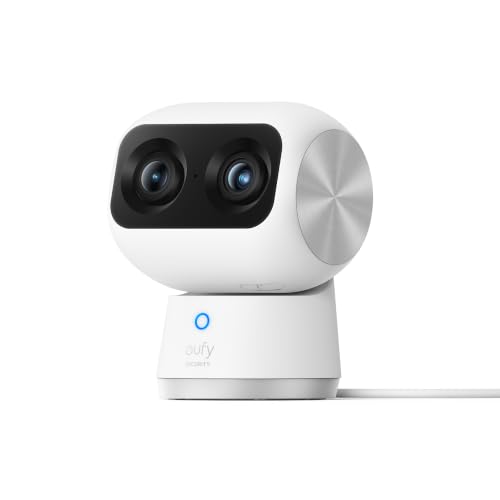
- Best indoor detail: eufy Security Indoor Cam S350 (Indoor only) — Check on Amazon
- Blink Outdoor 4 (2-Camera System with Sync Module Core) (Outdoor (wire-free)) — Check on Amazon
- Wyze Cam v4 (Indoor / outdoor) — Check on Amazon
- Wyze Cam Floodlight v2 (Outdoor (hardwired floodlight)) — Check on Amazon
- TP-Link Tapo C120 (Indoor / outdoor) — Check on Amazon
- Arlo Essential Indoor Camera 2K (2nd Generation) (Indoor only) — Check on Amazon
Read the full guide ↓
Disclosure: As an Amazon Associate, dailyhomedecorating.com earns from qualifying purchases. Links to Amazon on this page are affiliate links; they cost you nothing extra. Listing details such as price and availability change often, so check the current Amazon listing before you buy.
Shopping for the best security camera under $200 is really shopping for a small system, not a single gadget. At this tier the money can buy one excellent camera, a two-camera outdoor kit, or a floodlight camera that replaces a porch fitting, and the right answer depends on which parts of your home currently have no eyes on them at all. This guide treats the budget as a whole-home problem: the six picks mix indoor and outdoor models, each labelled clearly, so you can cover a main room and an entry with one purchase or build the first stage of a larger setup.
Two honest warnings before the picks. First, no camera in this guide, and no camera at any price, replaces a professionally monitored alarm system: cameras watch, record and alert, but they do not summon help by themselves, and we judge them here as visibility and evidence tools, not as protection guarantees. Second, the purchase price is only half the cost story. Several brands lock recorded history or smart detection behind a subscription, while others record locally to a memory card with no fee at all, and at this tier that difference matters more than small gaps in resolution. Every pick below states its subscription and storage terms in plain language.
Our short answer: start indoors with the eufy S350 if one main room matters most, choose the Blink two-camera kit if your front and back approaches are both uncovered, and add the Wyze floodlight where a wired fitting already exists. The Tapo C120 is the value route to free smart detection, the Wyze Cam v4 is the flexible spare that works anywhere, and the Arlo indoor camera is the privacy-first choice for a sensitive room. The sections below explain the trade-offs in full.
In this guide
Quick Picks
Six picks, six different jobs. Every camera below is labelled by where it can actually live, because a general security camera guide only helps if the indoor and outdoor roles are never confused.
| Best for | Pick | Zone | Key spec | Link |
|---|---|---|---|---|
| Best indoor detail | eufy Security Indoor Cam S350 | Indoor only | Dual lenses: 4K wide + 2K telephoto, 8x hybrid zoom, 360-degree pan and tilt | Check on Amazon |
| Best two-camera outdoor kit | Blink Outdoor 4 (2-Camera System with Sync Module Core) | Outdoor (wire-free) | Two 1080p wire-free cameras, 143-degree diagonal field of view (maker spec), Sync Module Core included | Check on Amazon |
| Best flexible single camera | Wyze Cam v4 | Indoor / outdoor | 2.5K QHD, maker-rated IP65, colour night vision, motion-activated spotlight and siren | Check on Amazon |
| Best floodlight camera | Wyze Cam Floodlight v2 | Outdoor (hardwired floodlight) | 2K HD, dual LED floodlights rated 2,800 lumens by the maker, 160-degree view, 105dB siren (maker figure) | Check on Amazon |
| Best free smart detection | TP-Link Tapo C120 | Indoor / outdoor | 2K QHD, maker-rated IP66, free on-device person, pet and vehicle detection, dual spotlights | Check on Amazon |
| Best indoor privacy control | Arlo Essential Indoor Camera 2K (2nd Generation) | Indoor only | 2K video, automated privacy shield that physically covers the lens, plug-in power | Check on Amazon |
How we chose
We chose for coverage per purchase first. A general under-$200 guide earns its keep by showing the different shapes a system can take at this budget: a flagship indoor camera, a two-camera outdoor kit, a hardwired floodlight, flexible indoor-outdoor singles, and a privacy-led indoor model. Every pick is a real, currently sold model from an established maker, verified against retailer and manufacturer listings, and each one is labelled indoor, outdoor or both so nobody buys a shelf camera for a rainy porch by mistake.
Second, we scored the true cost of ownership: whether recording works without a subscription, whether smart detection is free or paid, and what storage actually ships in the box. Third, we weighed power honestly: plug-in and hardwired cameras record continuously and never need charging, while battery cameras trade that for total placement freedom, and battery-life figures in this guide are always presented as maker claims under stated conditions. Finally, resolution and night vision were judged as maker specifications in context: a 2K camera aimed well beats a 4K camera aimed at a wall.
The picks in detail
eufy Security Indoor Cam S350 — Best indoor detail
Zone: Indoor only. Storage and subscriptions: Local microSD (up to 128GB, card sold separately) or eufy HomeBase 3; no subscription required for recording or on-device detection.
For a general system, the S350 is the indoor anchor: one camera that can watch a whole open-plan room, zoom into detail, and keep its recordings at home on a card or hub instead of in a paid cloud.
The S350 is the indoor half of a serious under-$200 system, and it earns that place with a trick no single-lens camera in this guide can copy: it carries two lenses at once. The maker fits a 4K wide-angle lens for the whole room and a 2K telephoto lens for faces and details, and the two work together for up to 8x hybrid zoom, so a clip can show both the room and a readable close-up of who crossed it. The head pans a full 360 degrees and tilts, and the camera can track a person or pet as they move instead of losing them at the edge of the frame.
Storage and fees are where this pick is unusually honest value. Recordings go to a microSD card in the camera (up to 128GB by the maker’s spec, card sold separately) or to a eufy HomeBase 3 hub if you own one, and the person, pet and crying detection the maker advertises runs on the device rather than behind a paywall. eufy sells an optional cloud plan, but nothing in the basic record-and-review loop requires it. Power is plug-in via USB, which means it can record continuously rather than waking for motion, and a privacy mode turns the lens away when you are home and want the room unwatched.
The limitations are placement and ecosystem. This is an indoor camera with no weather rating, so it cannot cover a porch or yard, and it lives inside the eufy app: it works with Alexa and Google Assistant for voice and display streaming, but it is not a HomeKit camera. The dual-lens head is also larger than a basic cube camera, which matters on a small shelf.
Day to day, the S350 behaves like a small robot guard for one room: it can return to saved viewpoints, follow a person across the floor, and tell the difference, per the maker’s on-device detection, between a person, a pet and a crying baby, which keeps alerts meaningful without a plan filtering them for you. Two-way talk is built in for checking in or warning off, and the app assembles event clips from the card or hub so you are not scrubbing a timeline blind. If you later add a HomeBase 3, the same camera joins a wider eufy system without being replaced, which protects this purchase better than most at the tier. The honest summary is that the S350 asks for a shelf, an outlet and a memory card, and in return removes both the second camera and the subscription from an indoor setup.
What we like
- Dual 4K wide and 2K telephoto lenses with 8x hybrid zoom (maker spec)
- Local recording to microSD or HomeBase 3 with no mandatory subscription
- 360-degree pan and tilt with person and pet tracking
- Plug-in power allows continuous recording
Honest limitation: Indoor only, with no weather sealing, and the microSD card is not included in the box.
Choose it if its role above matches the gap in your home; skip it if that gap is already covered or its one limitation is the thing you cannot accept. Check on Amazon
Blink Outdoor 4 (2-Camera System with Sync Module Core) — Best two-camera outdoor kit
Zone: Outdoor (wire-free). Storage and subscriptions: Cloud clip saving and person detection need a Blink Subscription Plan after the included trial; the Sync Module Core has no local storage, so local clips require a Sync Module 2 and USB drive bought separately.
In a whole-home plan this kit is the perimeter stage: two approaches covered in one box, with the subscription accepted as the running cost of wire-free convenience.
This is the only true kit in the guide: two wire-free outdoor cameras plus the Sync Module Core hub they connect through, sized so a front door and a back garden can be covered in one purchase under the tier. Each camera records 1080p HD with infrared night vision and a wide 143-degree diagonal field of view by the maker’s spec, and because there are no cables at all, placement is limited by Wi-Fi and hub range rather than by outlets.
Power is the headline maker claim: each camera runs on two AA lithium batteries, and Blink rates battery life at up to two years under its default settings and typical use assumptions. Treat that as a maker claim with conditions attached: heavy motion traffic, long live-view sessions and cold weather all shorten real battery life, and the honest expectation is long intervals between battery swaps rather than a guaranteed calendar figure.
The subscription terms are the part to accept before buying. Saving and reviewing clips in the cloud, and person detection, run through the Blink Subscription Plan once the trial ends. The included Sync Module Core does not offer local USB storage; if you want local clips without a plan you need the separate Sync Module 2 and a USB drive. Buy this kit for wire-free convenience with a plan, not as a subscription-free system.
Living with the Blink kit means living at battery pace. The cameras wake for motion or live view and sleep the rest of the time, which is how the maker can claim up to two years from a pair of AA lithium cells under default settings, and it also means clips begin at the trigger moment rather than a few seconds before it. The Sync Module Core keeps the cameras off your main Wi-Fi for their low-power link and brokers their connection to the app. Households that check in constantly, or mount a camera over a busy street, will swap batteries sooner and lean harder on the plan’s person detection to cut noise. Set expectations that way, and the kit’s appeal is real: two viewpoints, no cables, and a system that mostly disappears until something happens.
What we like
- Two cameras and the hub in one box for front-and-back coverage
- Completely wire-free mounting, indoors or outdoors
- Up to two-year battery life per camera (maker claim, conditions apply)
- Person detection available on the Blink plan
Honest limitation: Cloud clip history needs a paid Blink plan after the trial, and the included Core module cannot store clips locally.
Choose it if its role above matches the gap in your home; skip it if that gap is already covered or its one limitation is the thing you cannot accept. Check on Amazon
Wyze Cam v4 — Best flexible single camera
Zone: Indoor / outdoor. Storage and subscriptions: Local microSD (up to 512GB, card sold separately) records without a plan; the paid Cam Plus plan unlocks smart detection labels and cloud event history.
Treat the v4 as the system’s utility player: buy it for whichever viewpoint the other picks cannot reach, indoors or under cover outdoors, and know its smart labels are the paid layer.
The Wyze Cam v4 is the most flexible single camera in this roundup because the maker rates the same small body for indoor and outdoor use (IP65 weather resistance is the maker’s rating). Its 2.5K QHD sensor, colour night vision, motion-activated spotlight and built-in siren give it a deterrent toolkit that indoor-only cameras lack, and it can sit on a nursery shelf in winter and move to a covered porch in summer without buying anything new.
The fee structure needs reading carefully, because Wyze splits features across a line. Recording to a microSD card (up to 512GB by the maker’s spec, sold separately) works without any plan, including continuous recording, and basic motion alerts are free. What the paid Cam Plus plan adds is the smart layer: person, pet, package and vehicle detection labels, and cloud-stored event history. Without the plan you get motion alerts without those labels, so a busy street can mean more notifications to sort through by hand.
Power is wired USB, which keeps the camera always awake but means every placement needs an outlet within cable reach, and outdoors that cable run needs weather care. The camera is 2.4GHz Wi-Fi only, so homes whose routers push devices to 5GHz may need a moment of setup attention.
Ownership of the v4 is defined by choices Wyze leaves in your hands. Fit a large card and it becomes a quiet continuous recorder that happens to send motion alerts; skip the card and lean on the free tier and it becomes a live-view camera with limited history; add Cam Plus and it becomes a smart-alert camera that labels people, pets, packages and vehicles. All three are legitimate, but they are different products in practice, so decide which one you are buying before it arrives. The app is shared across Wyze’s whole range, which makes the v4 an easy first brick if you expect to add more cameras later, and its small magnetic-friendly form factor makes repositioning a two-minute job whenever a room changes.
What we like
- Works indoors and outdoors from the same body (maker-rated IP65)
- 2.5K QHD with colour night vision, spotlight and siren
- Local microSD recording, including continuous, with no plan required
- Two-way talk and Alexa and Google compatibility
Honest limitation: Smart detection labels and cloud history sit behind the paid Cam Plus plan, and it is 2.4GHz Wi-Fi only.
Choose it if its role above matches the gap in your home; skip it if that gap is already covered or its one limitation is the thing you cannot accept. Check on Amazon
Wyze Cam Floodlight v2 — Best floodlight camera
Zone: Outdoor (hardwired floodlight). Storage and subscriptions: Local microSD recording (card sold separately) works without a plan; Cam Plus adds smart detection labels and cloud event history.
The floodlight is the upgrade for a home that already has an outdoor fitting by the driveway or back door: it turns a dumb light into the hardest-working camera position on the property.
A floodlight camera does a job no battery camera can: it replaces an existing outdoor light fitting, so the camera gets permanent mains power, a permanent mounting point and a pair of bright LED panels in the same install. Wyze rates the two floodlights at 2,800 lumens combined, pairs them with a 2K camera and a 160-degree view, and adds a siren the maker rates at 105dB, so a detection can answer with light, sound and colour night footage at once.
Because it is hardwired, it never sleeps to save battery and never needs a ladder visit for charging. Recording can run to a microSD card locally (sold separately) with no plan required, and the paid Cam Plus plan layers on smart detection labels and cloud event history for shoppers who want them. Dusk-to-dawn and motion-triggered lighting modes mean the fitting still behaves like a porch light, not just a camera with lamps attached.
The honest cost is installation. This pick needs an existing floodlight junction box or new electrical work, which rules it out for most renters and for anyone not comfortable, or not permitted, to touch mains wiring; a qualified electrician is the safe route. There is no battery fallback during a power cut.
In daily use the floodlight earns its keep as a light first and a camera second: it can follow a dusk-to-dawn schedule, brighten on motion, and light a path for your own arrivals while the camera keeps watch. That dual role is why placement deserves care, since a fitting aimed for the driveway may give the camera a worse angle than a dedicated mount would, and the two jobs must be balanced at install. The siren and two-way talk turn a detection into a conversation or a warning from the app, and because power is permanent, none of these features ration themselves. If your home already relies on an outdoor fitting every night, this is the pick that upgrades an existing habit instead of adding a new device to maintain.
What we like
- Permanent mains power: no charging, no battery swaps
- Bright dual floodlights (2,800 lumens, maker figure) with colour night vision
- Wide 160-degree view and a loud siren (105dB, maker figure)
- Local microSD recording available without a subscription
Honest limitation: Hardwired install needs an existing junction box or an electrician, so it is not renter-friendly and dies with a power cut.
Choose it if its role above matches the gap in your home; skip it if that gap is already covered or its one limitation is the thing you cannot accept. Check on Amazon
TP-Link Tapo C120 — Best free smart detection
Zone: Indoor / outdoor. Storage and subscriptions: Local microSD recording (card sold separately) with no plan required; optional Tapo Care cloud adds cloud history and rich notifications.
The C120 is the budget expander of the system: its free detection makes it cheap to run in multiples later, watching a garage, side gate or second room without stacking subscriptions.
The Tapo C120 answers the subscription question differently from most of this guide: the person, pet and vehicle detection the maker advertises runs free on the device, so the alerts that rival brands place behind a plan arrive labelled here without one. The camera records 2K QHD, carries a maker IP66 weather rating for indoor or outdoor use, and adds dual spotlights for colour night vision.
Recording goes to a microSD card in the camera (sold separately) with no fee attached, and TP-Link’s optional Tapo Care plan exists for shoppers who want cloud-stored history and richer notifications on top. Power is plug-in with a generous cable, which suits a camera watching a driveway from a garage or a living room from a shelf, and the magnetic and screw-mount base options make small placement adjustments easy.
The trade-offs are ecosystem and power style. There is no battery version, so every spot needs an outlet, and the camera lives in the Tapo app rather than a hub-based system, which keeps things simple but means no central recorder unless you add one yourself. Cloud history, if you want it, is the paid layer here too.
The C120’s ownership story is simplicity. There is no hub to place, no plan needed to make alerts smart, and no battery to schedule around: plug it in, fit a card, and the camera watches indoors or out with labelled detections from day one. TP-Link’s app handles the Tapo range broadly, so a second Tapo camera, plug or bulb later joins the same place, and the camera’s compact body and flexible base make it easy to re-aim as you learn a room. Its ceiling is equally clear: shoppers who want hub-based central recording, or a fully battery-wireless position, are describing a different product, and the C120 does not pretend otherwise. Within its brief, it is the lowest-maintenance route in this guide to competent, fee-light coverage.
What we like
- Free on-device person, pet and vehicle detection (maker feature list)
- 2K QHD with maker-rated IP66 sealing for indoor or outdoor use
- Local microSD recording with no required plan
- Dual spotlights for colour night vision
Honest limitation: Plug-in power only, and cloud history sits behind the optional paid Tapo Care plan.
Choose it if its role above matches the gap in your home; skip it if that gap is already covered or its one limitation is the thing you cannot accept. Check on Amazon
Arlo Essential Indoor Camera 2K (2nd Generation) — Best indoor privacy control
Zone: Indoor only. Storage and subscriptions: Cloud recording and smart detection require an Arlo Secure plan after the trial; this model has no local storage option.
Choose the Arlo for the room where a camera feels intrusive: its physical shield lets a general system include a private space without asking the household to trust software alone.
The Arlo Essential Indoor Camera earns its place on one feature the rest of this guide mostly imitates in software: an automated privacy shield that physically closes over the lens. When the camera is disarmed, the shield shuts and the camera cannot see the room at all, which is a stronger privacy guarantee for a bedroom-adjacent or living-room camera than a promise inside an app. Video is 2K, power is plug-in, and the camera covers the standard indoor checklist of motion alerts, night vision and two-way talk.
The subscription position must be stated plainly: Arlo builds this camera around its Arlo Secure plan. After the included trial, cloud video recording and the smart detection and activity-zone features depend on that paid plan, and this model offers no microSD slot or hub recording as a local alternative. Budget for the plan as part of the purchase, or choose a local-storage pick from this guide instead.
Within those terms it is a polished indoor camera for shoppers already in, or happy to join, the Arlo ecosystem, and the shield makes it the easiest indoor camera here to justify in a private room. It is indoor-only, with no weather rating for a porch or garage.
The Arlo’s daily rhythm is built around arming and disarming: arm it when the house empties and the shield opens; disarm it when you are home and the lens is physically covered, a routine the app can automate by schedule or location on the maker’s platform. That rhythm suits households that think of security as a state the home is in, rather than a feed that is always running. The cost of the polish is the plan dependency already stated: treat the Arlo Secure subscription as part of the product, confirm what the trial includes and when it ends, and this becomes a calm, premium-feeling indoor camera. Buy it expecting free history and it will disappoint; buy it as a shielded, plan-based camera and it delivers exactly that.
What we like
- Physical automated privacy shield covers the lens when disarmed
- Sharp 2K indoor video with night vision and two-way talk
- Activity zones and smart detection on the Arlo Secure plan
- Simple plug-in setup with no hub required
Honest limitation: Recording history depends on a paid Arlo Secure plan after the trial, and there is no local storage option at all.
Choose it if its role above matches the gap in your home; skip it if that gap is already covered or its one limitation is the thing you cannot accept. Check on Amazon
Comparison table
| Pick | Zone | Key spec | Recording without a plan? |
|---|---|---|---|
| eufy Security Indoor Cam S350 | Indoor only | Dual lenses: 4K wide + 2K telephoto, 8x hybrid zoom, 360-degree pan and tilt | Yes — microSD or HomeBase 3 |
| Blink Outdoor 4 (2-Camera System with Sync Module Core) | Outdoor (wire-free) | Two 1080p wire-free cameras, 143-degree diagonal field of view (maker spec), Sync Module Core included | No — cloud history needs a Blink plan |
| Wyze Cam v4 | Indoor / outdoor | 2.5K QHD, maker-rated IP65, colour night vision, motion-activated spotlight and siren | Yes — microSD (smart labels need Cam Plus) |
| Wyze Cam Floodlight v2 | Outdoor (hardwired floodlight) | 2K HD, dual LED floodlights rated 2,800 lumens by the maker, 160-degree view, 105dB siren (maker figure) | Yes — microSD (smart labels need Cam Plus) |
| TP-Link Tapo C120 | Indoor / outdoor | 2K QHD, maker-rated IP66, free on-device person, pet and vehicle detection, dual spotlights | Yes — microSD, detection free |
| Arlo Essential Indoor Camera 2K (2nd Generation) | Indoor only | 2K video, automated privacy shield that physically covers the lens, plug-in power | No — history needs Arlo Secure |
What this budget really buys: singles, kits and fittings
It helps to see the six picks as three different ways of spending the same budget, because they are not interchangeable. The flagship single, represented here by the eufy S350, concentrates everything into one viewpoint: the best sensor, the cleverest movement, the most detail, pointed at the room that matters most. The kit, the Blink two-camera system, spreads the same money across two viewpoints of simpler cameras, trading per-camera quality for the thing single cameras cannot fake, which is being in two places at once. The fitting, the Wyze floodlight, spends the budget on infrastructure: permanent power and light at one outdoor position, which quietly removes the charging and sleeping compromises every battery camera lives with.
None of the three strategies is universally correct, and most mature systems end up mixing them over time: a flagship where the family lives, simple cameras on the approaches, a floodlight where the car parks. What this tier buys you, if you spend it in that order, is a home whose main room and main approach are both covered by devices that record somewhere you understand. What it should not buy is duplication: two premium cameras aimed at the same sofa, or a kit bought for a home with one door, are the shapes of waste at this budget.
One last framing before you order: think of the budget as covering the first year, not the box. A fee-free local-recording pick costs the tier once. A plan-based pick costs the tier plus a year of subscription you should mentally add before comparing. Neither answer is wrong, but comparing box prices alone systematically flatters the plan-based cameras, and this guide’s per-pick storage lines exist so you can run that honest comparison in seconds.
Placement is where this budget quietly succeeds or fails, so spend thought before money. Indoors, height and corner position matter more than the camera you choose: a shelf-height camera at face level near the entry captures the most identifiable view, while a ceiling-corner camera covers more floor at the cost of hats and hoods. Outdoors, mount under eaves where the maker’s weather rating is a safety margin rather than a daily test, keep the lens out of direct afternoon sun if you can, and remember that every camera in this guide needs Wi-Fi it can actually reach, so test the signal at the exact mounting point with your phone before a single screw or adhesive pad is committed.
It is also worth deciding, calmly and in advance, how the household will live with the system. Agree which rooms are camera rooms and which never will be, who gets app access, and whether indoor cameras use their privacy modes when everyone is home; the S350’s lens-away mode and the Arlo’s physical shield exist precisely for this conversation. Households that settle those questions at install time keep their cameras for years. Households that skip the conversation tend to unplug them within a month, and an unplugged flagship protects nothing at all.
How to choose the best security camera under $200 for a whole home
Start with a coverage map, not a product list. Walk your home and name the viewpoints that matter: usually the front approach, the back door or garden, and the main living space where entries converge. At this budget you can cover two of those well, or one exceptionally; trying to cover everything with one camera is the classic under-$200 mistake. Each pick in this guide is labelled with its zone, so match zones to your map first and brands second.
Next, decide your storage philosophy before you fall for a spec sheet. Local recording to a microSD card or hub costs nothing monthly and keeps footage in the house, but the card leaves with a stolen camera. Cloud recording survives theft and is viewable from anywhere, but on several brands it stops when the subscription stops. Neither is wrong; buying without knowing which you chose is. The where-to-buy box and every review above state each pick’s terms, so compare those lines as carefully as the resolutions.
Then match power to the position. Plug-in cameras are the right default indoors and anywhere an outlet is near, because continuous recording catches what motion triggers miss. Battery cameras belong where no outlet exists, accepting event clips and periodic charging or battery swaps. Hardwired floodlight cameras are the premium answer where a fitting already exists. Finally, check the unglamorous specs: your router’s Wi-Fi band, the camera’s field of view at your mounting distance, and whether the app supports the household’s phones. A camera that fits your home’s wiring and Wi-Fi will outperform a flagship that fights both.
Common mistakes
Buying resolution instead of coverage. A single 4K camera still sees one room. Two well-placed mid-range viewpoints usually tell you more about an incident than one beautiful close-up of the wrong angle.
Ignoring the subscription line. Shoppers compare box prices and discover at setup that history or person detection needs a plan. Read each pick’s storage terms above before ordering, and price the plan into the year, not the box into the cart.
Mixing indoor and outdoor ratings. An indoor camera on a porch may survive a dry month and fail in the first storm. IP figures quoted here are maker ratings for specific models; a camera with no rating is an indoor camera, whatever the listing photos imply.
Aiming cameras at neighbours instead of entries. Wide lenses tempt wide aims, but footage of the street is less useful, and less neighbourly, than a tight view of your own door, path and gate. Use privacy zones and activity zones where the app offers them.
Trusting battery claims as guarantees. Battery-life figures are maker claims measured under default settings and light use. Busy positions, live viewing and winter cold all shorten them; plan access for battery swaps when you mount.
Expecting a camera to act like an alarm. A camera records and notifies; it does not dispatch anyone. If monitored response matters to you, treat cameras as the visible layer alongside, not instead of, an alarm system.
Before you buy: a quick checklist
Run this five-point check before ordering any pick in this guide. One: name the viewpoint, in a sentence, that this camera will cover, and confirm the pick’s zone label matches it. Two: confirm power at that spot, an outlet within cable reach for plug-in and wired picks, or honest access for battery swaps on the Blink kit. Three: decide storage, card fitted on day one for local picks, or a plan knowingly accepted for Blink and Arlo history. Four: test Wi-Fi strength at the mounting point with your phone, standing exactly where the camera will live. Five: agree the household rules, which rooms are watched, who holds app access, and when privacy modes are used. A pick that passes all five is the right purchase for your home even if a rival has a bigger number on its box, and a pick that fails one will annoy you daily no matter how impressive its launch video looked. That is the whole method of this guide compressed into a minute, and it is why the reviews above spend as many words on storage, power and placement as on resolution.
Final recommendation
If you buy one thing from this guide, buy the coverage your home lacks most. For most households that is the eufy S350 indoors plus a plan to add outdoor cover next, or the Blink two-camera kit if the approaches come first and the subscription is acceptable. The Wyze floodlight is the strongest single upgrade where a fitting exists, the Tapo C120 is the running-cost champion, the Wyze Cam v4 fills any remaining gap, and the Arlo guards the room where privacy matters.
Whichever you choose, spend ten minutes after install checking the recorded view at night, confirming where clips are stored, and testing an alert end to end. A modest camera correctly aimed, recording somewhere you understand, beats a flagship left on factory settings.
A closing note on expectations: the strongest result at this tier is not a fortress, it is awareness. You will know when someone approaches, you will have a recording if it matters, and you will have paid a fair, understood price for that layer. Buy the pick that matches your home’s biggest blind spot, set it up carefully, and let the system grow only when a real gap shows itself.
Start here: eufy Security Indoor Cam S350 for the main role in this guide, with the Blink Outdoor 4 (2-Camera System with Sync Module Core) as the natural second step and the Wyze Cam v4 close behind it. If none of the three fits your home, the remaining picks above are ordered so the next one down is the closest alternative for the same job.
FAQ
Can one camera under $200 cover a whole house?
No single camera sees through walls or around corners. One pan-and-tilt indoor camera can cover one open-plan space well, and one outdoor camera can cover one approach. Most homes need at least two viewpoints, which is why this guide includes a two-camera kit and flexible singles that can be combined over time.
Do I have to pay a subscription for a security camera?
Not always. The eufy S350, Tapo C120 and both Wyze picks record locally to a memory card with no plan required, though Wyze and Tapo reserve some cloud and detection extras for paid tiers. Blink and Arlo build recording history around their paid plans after a trial. Each review above states the exact split for its brand.
Is local or cloud storage better?
Local storage has no monthly cost and keeps footage in the home, but it can be stolen with the camera and must be retrieved from the card or hub. Cloud storage survives theft and works from anywhere, but depends on a subscription on several brands and on your internet connection. Many owners use local recording as the base and add cloud only for the most important camera.
What resolution do I actually need?
For identifying a face at typical door and room distances, a well-aimed 2K camera is usually enough, and 2.5K adds margin. 4K, like the S350’s wide lens, helps most when you need to zoom into a recording afterwards. Lighting and placement change real-world clarity more than the headline number.
Will these cameras work during a power cut or internet outage?
Battery cameras keep recording motion events locally through a power cut, though remote viewing needs your router and internet back. Plug-in and hardwired cameras stop with the mains unless your home has backup power. Internet loss usually pauses cloud upload and remote access while local card recording continues on models that support it; check each maker’s outage notes for the model you choose.
Can a security camera replace a burglar alarm?
No. Cameras provide visibility, alerts and recordings; they do not include monitored response or entry sensors, and they should be treated as one layer of home security rather than a substitute for an alarm system.
Should I mix brands or stay in one app?
Staying in one brand keeps every camera in one app with one set of rules, which most households prefer. Mixing is reasonable when a specific pick does a job your main brand cannot, such as the Arlo’s physical shield, but expect two apps, two storage systems and, potentially, two subscriptions. At this budget, one ecosystem plus at most one deliberate exception is the comfortable limit.


