Disclosure: As an Amazon Associate, reviewstook.com earns from qualifying purchases. Links to Amazon on this page are affiliate links; they cost you nothing extra. Listing details such as price and availability change often, so check the current Amazon listing before you buy.
The best yoga rugs are towel-style mat covers with a grippy underside and an absorbent top, laid over your regular mat to add traction when your hands and feet get damp. For most people, the Manduka eQua towel is the first one to look at, and the Gaiam towel is a simpler everyday option. This guide explains how these yoga rugs differ, who each of six picks suits, and what to check about size and care before ordering.
Many people use the words yoga rug, yoga towel and mat towel for the same kind of product. The idea is simple: a thin, textile layer sits on top of the mat, so your hands and feet meet a surface that is made to hold on when things get slippery. Below you will find a quick comparison, six picks with strengths and limits, a size and material guide, a buying checklist and answers to common questions about care.
In this guide
Quick Picks: Yoga Rugs and Mat Towels at a Glance
| Pick | Best for | Why it stands out | Link |
|---|---|---|---|
| Best overall: Manduka eQua Yoga Mat Towel | Hot and active classes | Microfiber towel with a textured, grippy design | Check on Amazon |
| Best for beginners: Gaiam Yoga Mat Towel | Studio and home practice | Simple towel from a familiar yoga brand | Check on Amazon |
| Best for small spaces: Hugger Mugger Yoga Towel | Travel bags and shared mats | Compact towel that folds small | Check on Amazon |
| Best value for money: Aurorae Yoga Mat Towel | Daily practice | Straightforward towel with a skidless underside | Check on Amazon |
| Best premium look: Yoga Design Lab Mat Towel | Design-minded practitioners | Printed patterns on a functional towel | Check on Amazon |
| Best for hot rooms: Heathyoga Hot Yoga Towel | Heated studios | Absorbent towel with a non-slip back | Check on Amazon |
How These Yoga Rugs Were Chosen
This list is built from maker pages, product listings and the way each line is described. We did not use these towels in a studio, so there are no claims about how they perform in class or after many washes. We picked recognizable names, favored products described as non-slip on the underside and absorbent on top, and included a range of looks and sizes. Check each listing for current dimensions, since standard mat length and width vary between brands.
The 6 Best Yoga Rugs and Towel Style Mats
Each pick states who it suits, three strengths, one limit and a choose-it or skip-it line. These are towels and mat covers, not replacements for a full mat, so compare them on grip layers, size and washing steps.
Manduka eQua Yoga Mat Towel
Who it suits: people who practice in warm or active styles and want a respected brand with a long track record in yoga gear.
- Manduka is one of the best known names in yoga, and the eQua towel is a staple in its accessories line.
- The towel is described as microfiber with grip features on the underside, designed to stay put on a mat.
- It is offered in standard and extended sizes and in several colors, so you can match your mat.
The towel idea works best when the size matches the mat. A cover that bunches at the edges is more annoying than no cover at all, so choose a size that corresponds to your mat length and width. If you are tall, look at the longer option.
Honest limitation: a microfiber towel adds a layer of fabric between you and the mat, which changes the feel for some practitioners. Check the listing for the exact dimensions and care notes.
Choose it if you want a trusted brand and a close fit. Skip it if you prefer a mat that feels bare under your hands.

Gaiam Grippy Yoga Mat Towel
Who it suits: beginners and home practitioners who want a simple towel that does the job without much fuss.
- Gaiam is a familiar name in yoga and fitness accessories, and the towel is straightforward in design.
- Grip dots or a skidless underside are the central feature, which is the point of the product.
- It is available in a number of colors, which helps you pair it with a mat.
For a first towel, simplicity matters. You do not need a fancy pattern or a complicated care routine. A plain, well sized towel gives you the chance to find out whether you like practicing with a cover before you think about upgrading.
Honest limitation: basic towels can bunch if they are smaller than your mat, and a thin towel may not absorb as much as a thicker one. Read the listing for size.
Choose it if you want an easy first towel. Skip it if you need extra length.

Hugger Mugger Yoga Towel
Who it suits: people who travel or share a studio mat and want a compact towel that folds down small.
- Hugger Mugger has long been associated with yoga props and accessories.
- A light textile packs into a gym bag with room to spare.
- The straightforward design is easy to lay over any studio mat.
Studio rental mats are convenient, but a towel gives you a layer you control. Laying a personal towel over a rental mat keeps your hands on a surface you know. A light towel is also easy to pop into the wash at home.
Honest limitation: not every Hugger Mugger towel has the same grip features, so read the listing to see whether the underside is textured. Dimensions also vary.
Choose it if portability matters. Skip it if you want a thicker towel.
Aurorae Yoga Mat Towel
Who it suits: regular practitioners who want a no-frills towel with a skidless back for daily sessions.
- Aurorae is known for yoga mats and towels, and its towel design focuses on function.
- A non-slip underside helps keep the towel in place on common mat surfaces.
- A neutral look makes it simple to carry between home and studio.
The strength of a towel like this is predictability. You roll out the mat, lay the towel over it, and begin your session without adjusting anything. For those who practice every day, small conveniences add up, and a towel that is easy to wash fits that routine.
Honest limitation: a basic design may have fewer color options and less brand support than the biggest names. Check the listing for size and fiber.
Choose it if you want straightforward daily use. Skip it if you want a printed design.
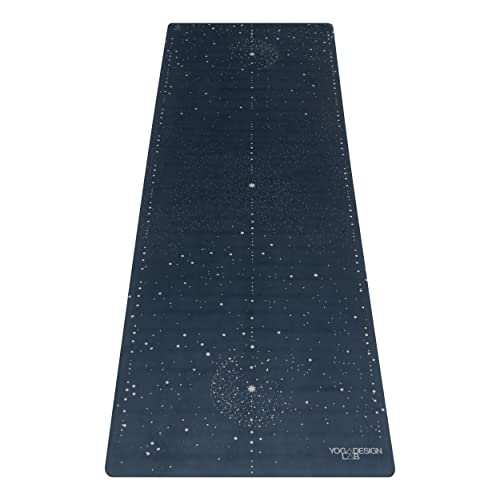
Yoga Design Lab Yoga Mat Towel
Who it suits: practitioners who want their gear to look good and are happy to pay attention to a design as well as grip.
- Yoga Design Lab is known for patterned mats and accessories with a bold visual identity.
- A printed towel can brighten a plain mat and make a studio bag more personal.
- The product is described as a towel for added traction, matching the brand’s mats.
Designs matter in practice more than people admit. A pleasant pattern encourages you to roll out the mat, which is half the battle in building a routine. Matching a towel to a mat from the same brand also helps with sizing.
Honest limitation: printed towels may need careful washing so the color lasts, so follow the care label. Make sure the size matches your mat.
Choose it if you like patterned gear. Skip it if you prefer plain colors.

Heathyoga Hot Yoga Towel Non Slip
Who it suits: people who attend heated classes and want an absorbent layer with a gripping back.
- The towel is aimed at hot yoga, with an absorbent top and a textured or dotted underside.
- A larger surface helps cover the full mat so hands and feet land on the same material.
- Several colors are available, which helps with identifying your towel in a busy studio.
In a warm room, a mat can become slick, and an absorbent towel makes it easier to hold poses. The towel works best when it is laid flat and smoothed to the corners before class, and it should be rinsed or washed after use according to the care label.
Honest limitation: details vary between listings and sellers, so check the size, fiber and the care steps. A towel can bunch during fast transitions.
Choose it if you practice in heat. Skip it if you want a thin, light cover.
Yoga Rugs vs Yoga Mats: What Is the Difference?
A yoga mat is the foundation: a cushioned, usually rubber or foam sheet that gives you a defined space and some padding. A yoga rug, or mat towel, is a thin textile layer designed to sit on top. Some people also use the term for a larger cotton rug used for floor practice, particularly in the traditional style. The towels in this guide are designed to sit on a mat and add traction.
Which one you need depends on your habits. If you practice in a warm room, a towel adds absorbency. If you travel, a towel plus a thin travel mat can be easier to pack than a heavy mat. If your mat already feels grippy, you may not need a towel at all.
Choosing the Right Size and Material
Standard mats are often around 68 inches long, with longer versions near 72 inches or more. Choose a towel at least as long as your mat so that the ends do not curl. Width matters too: a towel that is narrower than the mat leaves you stepping on bare mat at the edges.
Microfiber is the most common fabric for yoga towels because it is light, absorbent and quick to dry. Cotton towels are softer but heavier and slower to dry. Some towels use silicone dots on the back for grip, while others rely on a textured weave. Read the listing to learn how each one stays in place.
If you are between sizes, longer is usually the better error. A few extra inches can be folded under or hang off the end of the mat, while a short towel cannot be stretched. Also compare the thickness described in the listing: thin towels dry quickly and pack small, and thicker ones absorb more but take longer to dry after class. Think about which problem you actually have before choosing.
Using a Yoga Towel Well
Lay the towel flat and smooth it from the center to the edges. Check the corners and pull them straight before you begin. Some people dampen the towel slightly before use to improve traction, a trick often discussed in yoga communities, but follow the maker’s guidance for your product.
Between sessions, hang the towel to dry fully. Rolling a damp towel in a bag leads to odors and can wear the underside faster.
Care and Washing Tips
Most towels can be machine washed on a gentle cycle, but check the label. Avoid fabric softener, which can reduce absorbency and grip. Air dry or use a low setting, as high heat can damage textured backings. Wash it separately from items with zippers or hooks that could snag the fabric.
Rinse a hot yoga towel soon after class if you can. A quick rinse at home before the full wash helps keep it fresh.
Yoga Rugs for Different Styles of Practice
A flowing vinyasa class asks for quick transitions, so the towel must stay flat while you move between poses. A towel that is cut to your mat size and has a textured underside is the better fit. In a slower, floor-based style, such as yin or restorative work, grip matters less and a softer, thicker layer can add comfort at the knees and hands.
Heated classes make a towel more useful, because damp hands can slide on any surface. A hot room studio often keeps towels for hire in the lobby, but a personal one is a familiar surface that you know how to care for. At home, a towel is less about sweat and more about keeping a mat clean between sessions, and it can be laundered more easily than the mat itself.
Traveling and Studio Use
For travel, weight and packing size matter most. A thin microfiber towel folds to the size of a paperback and weighs little, so it pairs well with a light travel mat or a studio rental. Keep it in a small bag so that it does not pick up lint in your luggage. When you reach your destination, a quick shake and a smooth-out is all that is needed.
In a shared studio, choose a bright or patterned towel that is easy to spot, and take it home after each class. If you attend several classes a week, owning two lets one dry while the other is in use.
Colors, Patterns and Matching Your Mat
Choosing a towel is partly a style decision. Solid colors blend with most mats and look tidy, while patterned towels from brands such as Yoga Design Lab add personality. If your mat is dark, a lighter towel helps you see your hand placement. If your mat is bright, a neutral towel can calm the look. Matching brand and size usually gives the best fit because the towel is cut for that mat.
Setting Up a Home Practice Space With a Rug
If you practice at home, the floor beneath the mat matters. A bare hardwood or tile floor can let a mat creep, while a carpeted floor makes a mat feel unstable. A flat, level patch of room with space to extend your arms and legs in every direction is the basic requirement. Some people add a large, flat-woven cotton rug under the mat to define the area and to cushion the floor, though a rug with thick pile can make balance poses harder.
Keep the setup simple. Mat down, towel smoothed over it, a block or strap within reach, and a window cracked open for air. A tidy space invites daily practice, and a towel that lives in the same spot as the mat makes the routine easy to repeat. Wash the towel on a regular schedule so it is ready when you are.
Comparison of All Six Yoga Rugs
| Product | Size note | Material | Key feature | Best use | Link |
|---|---|---|---|---|---|
| Manduka eQua | Standard and extended | Microfiber | Grippy textured design | Active and hot classes | Check on Amazon |
| Gaiam Grippy | Standard | Microfiber, check listing | Simple skid-resistant back | Beginners | Check on Amazon |
| Hugger Mugger | Check listing | Light textile | Compact and portable | Travel, shared mats | Check on Amazon |
| Aurorae | Standard | Microfiber | Skidless underside | Daily practice | Check on Amazon |
| Yoga Design Lab | Matches brand mats | Check listing | Printed patterns | Style-focused practice | Check on Amazon |
| Heathyoga | Full mat size | Microfiber | Absorbent, gripping back | Heated classes | Check on Amazon |
How to Choose Yoga Rugs: A Buying Checklist
- Measure your mat so the towel matches in length and width.
- Check for a gripping underside, such as dots or a textured weave.
- Decide whether absorbency or lightness matters most.
- Pick a color you can recognize in a studio.
- Read the care label for washing and drying.
- Check the return window in case the fit is off.
It also helps to think about storage. A towel that is quick to dry and easy to fold will actually be used, while a heavy one that stays damp in a bag will be left at home. If you are unsure, go for a light microfiber towel first, and then change to cotton or a patterned design once you know your routine.
Finally, remember that a towel works with your mat, not instead of it. If your mat is worn out or too thin, a towel will not solve the problem. Consider the pair as a system and decide which part is limiting your grip and comfort.
Common Buying Mistakes
The most common mistake is ordering a towel without checking the mat size. A short towel leaves the ends bare, and a narrow one leaves the edges slick. Another is choosing by color alone and ignoring the underside, which is the part that does the work.
People also over-wash. Fabric softener and hot dryers can reduce the grip that made the towel useful in the first place.
Final Recommendation: One Pick per Buyer Type
- Active and warm classes: Manduka eQua.
- First-time buyers: Gaiam Grippy.
- Travel and shared mats: Hugger Mugger.
- Daily practice: Aurorae.
- Style: Yoga Design Lab.
- Heated rooms: Heathyoga.
Pick the two that fit your mat size and routine, check the listings, and order the one with the best fit.
The Towel Is a System, Not an Accessory
A yoga towel looks like the simplest object in this guide, a rectangle of fabric, but in practice it functions as a system with three jobs that must all be done at once. It must grip the mat beneath it so the layer does not travel during practice. It must grip the practitioner above it, hands and feet in poses that load them with the body’s weight, especially as warmth and effort build. And it must manage moisture, absorbing what the practice produces so the first two jobs do not fail at the moment they matter most. The six picks divide those jobs by design philosophy. The Manduka eQua brings the established studio answer, a microfiber towel from the mat world’s most recognised name. The Gaiam Grippy adds explicit grip features for the practitioner who has felt a towel slide and never wants to again. The Hugger Mugger and Aurorae towels serve the steady, traditional middle of the practice world. The Yoga Design Lab towel treats the towel as the mat’s visible surface, with designs that make the practice space beautiful. The Heathyoga hot yoga towel is built for the heated room, where the system’s third job becomes the first.
Understanding the system explains the failures practitioners blame on towels generally. A towel that bunches was usually a size mismatch, a towel laid over a mat it did not fit, or one placed dry and wrinkled instead of smoothed with intention. A towel that slips at the hands early in practice is often simply not yet damp, since many microfiber surfaces grip better with a little moisture, which is why experienced practitioners mist the hand and foot zones before beginning. A towel that feels like a layer between the practitioner and the mat is telling the truth about its nature, and the answer is either acceptance, because the hygiene and grip are worth it, or a thinner towel, rather than the conclusion that towels do not work. The system works when its three jobs are matched to the practice it serves.
Hot practice, gentle practice and the towel’s different days
In a heated or vigorous practice, the towel is not optional equipment but the surface itself, and it should be chosen, sized and laundered with that status. Full coverage matters, because any exposed mat will be found by a hand or a heel at the practice’s most demanding moment. Absorption matters, because the towel is the room’s hardest-working textile. In a gentle, restorative or yin practice, by contrast, the towel’s role softens: it becomes a comfort layer, a hygiene courtesy in a shared studio, a soft surface for the face in resting poses, and grip recedes in importance while texture and calm colours advance. The same practitioner may need both registers across a week, which is why many own two towels of different characters rather than one compromise, an economy the cover-and-insert logic of other guides in this series would recognise: a small wardrobe, each piece right for its day.
The Home Practice Space Deserves a Floor Plan
A yoga rug or towel at home usually lives on a mat, and the mat lives in a room that was designed for something else, so the practice space benefits from the same floor thinking this guide series applies to every other textile. Define the practice zone deliberately: a rectangle of floor that is clear, level and large enough for the mat with a margin for arms and props, in the room’s calmest light if the household can offer it. The towel’s colour and pattern set the zone’s mood more than any other object, because during practice the practitioner’s world narrows to the mat’s surface, and a design that pleases at that range, calm in gentle practice, energising in vigorous practice, is a genuine part of the equipment. The Yoga Design Lab direction exists because that narrowing is real: for an hour a day, the towel is not on the floor of the room; it is the room.
Storage completes the home system. A towel that is washed, dried and stored with the mat will be used; a towel that lives in a laundry limbo will be forgotten until the practice has already been compromised. Keep the practice kit together, mat, towel, any props the practice uses, in one place near the practice zone, and the home practice acquires the readiness that studios provide professionally. That readiness matters more than any single product choice, because the practice that happens is the only one that counts, and every element of the system, including the humble towel, earns its place by making the practice easier to begin and better to inhabit.
Washing Day: The Laundry System Behind a Yoga Towel
A yoga towel is washed more often than any other textile in this guide series, and its laundry system deserves to be designed rather than improvised. The principles are simple and worth stating completely. Wash the towel promptly after a heated or vigorous practice rather than letting it wait in a closed bag, because a damp microfiber in darkness is a smell being manufactured. Wash it by its maker’s guidance, which for most microfibers means avoiding the additives that coat fibres and quietly destroy the absorbency and grip the towel exists to provide; a towel that has lost its thirst has usually been laundered out of it rather than worn out. Dry it fully, in air where possible, and store it dry and open rather than compressed, so it arrives at the next practice fresh and ready to be misted, smoothed and used.
Rotation extends the system’s life. Two towels in alternation, each washed and rested in turn, will outlast a single towel washed relentlessly, and they give the practitioner a spare for the days when practice happens twice or laundry happens late. Studios and teachers who lend towels run the same system at scale, and the home practitioner can borrow their discipline without their volume: a small, fixed laundry rhythm attached to the practice itself, towel into the wash as the mat is rolled, so the care becomes part of the practice’s closing ritual rather than a separate chore competing with the day.
Travelling with a towel: studios, retreats and hotel floors
The towel is the travelling practitioner’s best friend precisely because the mat is not. A towel packs to almost nothing, weighs almost nothing, and converts any borrowed, rented or studio mat into a personal, hygienic surface whose grip and feel are known. On retreats, where practice is daily and mats are provided, the towel is the piece of home that makes the unfamiliar studio workable from the first morning. In hotels, a towel over a borrowed mat, or even laid as the practice surface on a clean floor where the practice is gentle, keeps a travelling routine alive, and a practice kept alive on the road is worth more than any equipment left at home. Choose the travelling towel for packability and quick drying above all, since hotel laundry is a hope rather than a system, and let the home towels, chosen for their grip and beauty, wait for the practice they serve best.
Grip Science in Plain Language
The grip of a yoga towel is a small piece of physics worth understanding, because it explains the practitioner’s most common frustrations and their remedies. A microfiber towel grips by surface contact and by moisture: its fine fibres present an enormous area to the mat and to the skin, and a light dampness increases the adhesion between those surfaces, which is why a towel can feel uncertain in the first minutes of practice and completely trustworthy by the middle. Grip features on the underside, the dots, patterns and coatings that several picks in this guide employ, add mechanical grip to the towel-mat interface, anchoring the layer so the top surface’s work is not undone from below. The practitioner’s part in the system is preparation: lay the towel smooth and wrinkle-free, mist the zones where hands and feet will load if the practice will be dry or the room cool, and give the first poses a moment to seat the towel before asking it for the practice’s full demands.
When grip fails mid-practice, the diagnosis is usually one of three things. The towel has dried in a heated room faster than the practice could dampen it, and a mist from the water bottle restores it. The towel has ridden up or bunched under a transition, and a breath spent smoothing it is an investment rather than an interruption. Or the mat beneath is itself smooth, dusty or worn, and no towel can grip a surface that offers it nothing, in which case cleaning the mat is the remedy and the towel was never the problem. Practitioners who learn those three diagnoses stop blaming their equipment and start managing their system, and the practice, which is the point of all of it, deepens accordingly.
The towel and the body: skin, comfort and confidence
There is a bodily dimension to the towel that specifications miss. Skin on microfiber feels different from skin on a mat, softer and drier, and for practitioners whose hands or feet are sensitive, or whose practice includes long holds with the face or forearms on the surface, that difference decides whether the practice is comfortable enough to deepen. Confidence is the other bodily gift: a practitioner who trusts the surface under their hands attempts the pose in front of them rather than the safer version behind them, and that trust, accumulated over practices, is how a towel quietly contributes to progress. Choose the towel whose surface your own skin is glad to meet, in the size your mat honestly needs, and the system will disappear into the practice, which is the highest praise any piece of yoga equipment can earn.
A Closing Method for the Yoga Towel Decision
The towel decision compresses into the practice’s own terms. Name the practice first, heated or gentle, studio or home, daily or occasional, because the towel’s three jobs change their order with the practice’s character. Name the mat second, its exact size and its surface, because the towel must fit the mat like a sheet fits a bed, and most towel disappointment is born in that measurement. Name the laundry third, the rhythm the household or the practitioner will actually keep, because a towel’s hygiene is its first virtue and its rhythm is its hygiene. Then choose from the six directions in this guide, the established studio system, the grippy assurance, the traditional middles, the beautiful surface or the heated room’s specialist, the one whose strengths answer the practice you named.
A towel chosen by that method disappears, which is its destiny. It will be misted, smoothed, practised on, washed and rolled a hundred times without being thought about, and the practice it serves will be the better for every one of those unremembered services. The final recommendation below is written as that matching, practice by practice, and the practitioner who has named their own practice honestly will find their towel in it without further argument.
The Practice Behind the Towel: A Note on Showing Up
Every piece of equipment in this guide is, in the end, an aid to a single unglamorous virtue: showing up. The towel’s contribution to that virtue is larger than its size suggests. A practitioner whose kit is ready, whose towel is clean, fitted and trusted, faces one less negotiation on the mornings when practice feels optional, and practices are kept or lost in exactly those negotiations. Studios understand this, which is why they make towels effortless to rent, borrow and return. Home practitioners can give themselves the same advantage with the small systems this guide has described: the kit kept together, the laundry attached to the practice’s close, the spare towel waiting. None of it is about the towel, and all of it is accomplished through the towel.
There is a fitting symmetry in that. Yoga asks its practitioners to attend to foundations, to the breath beneath the pose and the ground beneath the breath, and the towel is the practice’s most literal foundation, the surface every pose is built on. Choosing it carefully, fitting it honestly and keeping it clean is not consumer fussiness; it is the practice’s own discipline applied to its equipment. The six towels in this guide will each serve that discipline in their own way, and the practitioner who chooses among them by the method above has already begun the day’s practice before the mat is unrolled.
The last test: the first pose of the hardest class
Before the order is placed, run the practitioner’s own test. Picture the hardest class of your ordinary week, the warmest room, the fastest transitions or the longest holds, and place the chosen towel inside that picture: fitted to the mat without a spare inch of bunching, gripping from the first loaded pose, absorbing without surrendering, washing clean in the rhythm your life actually keeps. If the towel holds its composure in that imagining, it is the right towel, and the remaining differences among this guide’s six are matters of taste in surface and design, which the practitioner is fully qualified to judge alone. Buy for the hardest class, and every gentler practice will feel like a gift the equipment is giving back.
What a Year of Practice Does to a Towel, and What It Proves
A towel that has served a year of regular practice carries its record openly: a softening of the surface where the hands load, a familiarity in the way it folds, a reliability that no new towel can claim until it has earned it. That record is the practitioner’s evidence that the system works, that the size was right, the laundry kind and the grip honest, and it is why experienced practitioners are loyal to towels that have never been remarkable in any single class. Unremarkable, in equipment that touches every pose, is the highest available praise. The towel was never the point, and a year of not thinking about it is the proof that it did its whole job.
When a towel finally retires, worn thin in its working zones or tired in its grip despite kind laundry, it deserves an honest successor chosen by the same method, and usually in the same family, because the practice it served has not changed its nature. Buy the successor before the retirement is urgent, break it in across a few gentle practices, and the transition will be as unremarkable as the service on both sides of it. Continuity of that kind, in the smallest and most washed piece of equipment in this entire guide series, is a fitting place for the series’ rug wisdom to end: fit the textile to the life, keep it with simple rhythms, and let it disappear into the days it was made to serve.
There is one final habit that separates practitioners whose towels serve for years from those whose towels fade in a season, and it is simply this: treat the towel’s washing as part of the practice rather than as housekeeping that follows it. The same attention that aligns a pose aligns a laundry rhythm, prompt, gentle and complete, and a towel kept with that attention will be ready, class after class, to be forgotten in the best possible way, beneath a practice that has somewhere deeper to go.
A word for the reader who has never used a towel and wonders if they need one
Some readers arrive at this guide practising happily without a towel, and their question deserves a direct answer. A towel is not a requirement of yoga, and a practitioner on a personal mat, in a gentle practice, in a cool room, may never need one at all. The towel becomes equipment when one of three conditions appears: the practice heats up, in the room or in the effort, until grip and absorption become safety; the mat is shared, borrowed or rented, until hygiene becomes courtesy; or the practitioner’s own hands and feet tell them, by sliding in poses they have already earned, that the surface is the limiting factor in their practice. When any of those conditions arrives, and for most practitioners one eventually does, the towel stops being an accessory in the catalogue sense and becomes what this guide has described throughout: the thin, washable, hard-working foundation on which the practice stands.
That same honesty is the kindest way to read the final recommendation that follows. It does not crown a winner for all practices, because the towel that serves a heated studio faithfully would be wasted on a gentle home practice, and the towel that serves that gentle practice would be overwhelmed by the studio. It matches six small, washable, hard-working surfaces to the practices they were built for, and it trusts the practitioner, who alone knows the temperature of their room and the truth of their laundry, to recognise their own practice in the matching. Recognition, in yoga as in furnishing, is most of the decision.
So choose the towel the way the practice actually happens, with the warm room, the borrowed mat and the busy week all invited into the decision. The towels in this guide were made for exactly that honesty, and none of them will punish a practitioner for having a life around the practice. They will simply be there, clean, fitted and gripping, at the start of every session the life allows, which is all that any practitioner, or any piece of their equipment, can reasonably promise.
And when the towel is first unrolled, give it the first month this guide’s philosophy prescribes for every textile in the series: practise with it through the full cycle of your week’s classes before judging it, correct the one thing the evidence actually indicts, the misting, the smoothing, the fit against the mat, and then let the routines take over. A towel given that fair beginning will settle into the practice’s service so completely that, within a season, it will feel less like equipment and more like part of the mat itself.
That introduction, once made, tends to last. The practitioner stops thinking of the towel as an extra and starts thinking of it as part of the practice’s ground, and every later session gets easier to begin, because the surface has been settled by a choice that daily practice keeps confirming, one class, one wash and one quiet morning at a time.
It is a good place for a guide to end: not with a product, but with a practitioner who knows their own practice well enough to equip it wisely, and a simple, washable surface, honestly chosen and simply kept, doing its quiet work beneath every pose.
The reader who has followed the argument this far already owns the only tool the decision truly requires, which is an honest knowledge of their own practice, its heat, its pace and its rhythms.
Frequently Asked Questions
Do I need a yoga towel if my mat is grippy?
Not necessarily. A towel is most helpful when your hands and feet get damp.
What size towel fits a standard mat?
Choose one at least as long and wide as your mat, and check the listing.
Can I wash a yoga towel in the machine?
Most can be, but follow the care label and avoid fabric softener.
Is microfiber better than cotton?
Microfiber is lighter and dries faster; cotton is softer but heavier.
Will the towel slide on my mat?
A gripping underside helps. Smooth the towel flat before you begin.
Can I use a towel on a rental studio mat?
Yes, many people do. It is a handy way to have a surface you control.
Are these towels returnable?
That depends on the seller. Read the policy before opening the package.
How often should I wash my yoga towel?
Many people wash it after every few sessions, or sooner if it gets very damp. Follow the care label.
Will a towel make my mat feel thinner or thicker?
A towel adds a little thickness but mostly changes the surface texture. Try it at home first to see whether you like the feel.
Should I get a towel or a different mat?
If your current mat is in good shape and only gets slippery when damp, a towel is a low-effort fix. If the mat itself is worn or very thin, a replacement may help more than a cover.