Disclosure: As an Amazon Associate, reviewstook.com earns from qualifying purchases. Links to Amazon on this page are affiliate links; they cost you nothing extra. Listing details such as price and availability change often, so check the current Amazon listing before you buy.
The best kitchen rugs for linoleum are the ones whose backing is described as suitable for hard floors, whose surface wipes or washes easily and whose size matches the way you actually move around the room. Linoleum is a sensitive partner for floor coverings, so the backing matters as much as the pattern. Our top pick for most kitchens is the Ruggable Washable Rug, because its separate pad and cover system keeps the rug and the floor apart.
This guide is for people with linoleum or similar resilient flooring who want a kitchen rug without regrets. We compare six options built on different ideas, from washable covers to woven vinyl and cotton, explain who each suits, give each one an honest limitation and then walk through a checklist for protecting your floor. We do not make promises about stain results, because floors and spills vary, but we do show you what to look for.
In this guide
Quick Picks: Rugs for Linoleum Kitchens
| Buyer need | Pick | Why it leads | Link |
|---|---|---|---|
| Best overall | Ruggable Washable Rug | Washable cover on a separate pad | Check on Amazon |
| Best for standing at the sink | KMAT Cushioned Kitchen Mat | Cushioned mat for the work zone | Check on Amazon |
| Best designer look | Chilewich Mini Basketweave | Flat woven vinyl that wipes clean | Check on Amazon |
| Best natural cotton feel | DII Cotton Chenille Rug | Soft, simple, easy to launder | Check on Amazon |
| Best value-for-money workhorse | Gorilla Grip Anti Fatigue Mat | Cushioned mat in many sizes | Check on Amazon |
Why Linoleum Needs Extra Thought
Linoleum is a resilient flooring made from natural materials such as linseed oil and wood flour, and vinyl sheet flooring is often grouped with it in everyday talk. Both are comfortable underfoot and easy to wipe, but they can react to what sits on them. Some rubber and vinyl backings, left in place for long periods, can leave marks or discolouration, and trapped moisture can dull the surface.
None of this means you cannot use a rug. It means you should read the maker’s guidance on the listing, choose a backing described as suitable for hard floors, and lift the rug from time to time so the floor can breathe and be cleaned. If you are unsure, ask the floor’s manufacturer or installer for advice on mats and backings.
How We Chose These Rugs
This list is based on maker listings, published specifications and the way each brand describes its product. We have not handled these rugs ourselves, so we say nothing about how they feel or how they treat a floor in practice. We chose rugs that are positioned for hard floors and kitchens and that come from known brands.
We also aimed for variety. Each pick takes a different approach to the same problem, whether that is a washable cover, a cushioned mat, a woven vinyl surface or plain cotton, so you can choose by how you cook and clean rather than by colour alone.
6 Best Kitchen Rugs for Linoleum Floors
Ruggable Washable Rug Kitchen Runner
Ruggable’s idea is a two-part system: a thin washable cover that sits on a separate pad. The cover goes in the washing machine, per the maker, and the pad stays on the floor. This matters for linoleum because the part touching the floor is a pad designed for the purpose, not a patterned backing.
It also fits the way kitchens work. Spills happen, and being able to wash the cover means you can keep a patterned rug in the busiest room in the house.
Because the pattern lives on a thin cover, you can change the look of the kitchen by changing the cover, without replacing the pad. Check the listing for the pad type and its guidance on hard floors, and for the machine washing steps before your first wash.
Who it suits: Families, cooks who spill and shoppers who want a decorative rug that can be laundered.
- A washable cover over a separate pad, per the maker.
- A huge range of patterns for matching your kitchen.
- Runner sizes that suit galley and island layouts.
Honest limitation: The pad and cover system adds to the cost and bulk, and the cover is thin so cushioning is modest.
Choose it if you want style and washing in one. Skip it if you want a plush surface for long standing.

KMAT Cushioned Anti Fatigue Kitchen Mat
KMAT specialises in cushioned kitchen mats, and its products are aimed at people who stand while cooking or washing up. The listing positions it as a comfort mat rather than a decorative rug, and it is sized for the sink and stove zones.
For a linoleum kitchen, the key step is reading the backing description and following the maker’s guidance on floor types. Lift the mat now and then to check the floor beneath.
A common approach is to pair a mat like this with a long, thin runner elsewhere in the kitchen. The mat covers the spots where you stand still, and the runner covers the paths where you walk. That division keeps each item doing a single job well.
Who it suits: People who stand for long periods in the kitchen and want a dedicated mat at the work zone.
- A cushioned build described by the maker.
- Sizes suited to the sink and stove.
- A wipe-clean surface that matches kitchen use.
Honest limitation: It is a utility mat, so it does little for the look of the room.
Choose it if comfort at the counter comes first. Skip it if you want the rug to decorate.
Chilewich Mini Basketweave Woven Vinyl Floor Mat
Chilewich weaves vinyl yarns into flat mats with a refined, designer look. Mini Basketweave uses a finer weave than the standard version, which gives it a smooth, tailored appearance.
Because the surface is flat and non-absorbent, it suits a kitchen where wiping is the main cleaning method. Because it is thin, it also sits well under a door or against cabinets.
Vinyl-based weaves are often chosen for their look in photographs of modern homes, but the practical side is just as strong. They shake out easily, wipe down quickly and can be rolled for storage. Check the underside description on the page so you know what touches your floor.
Who it suits: Design-conscious cooks and anyone who wants a smart, flat mat that lies low on the floor.
- A fine woven vinyl surface that wipes clean.
- A low profile that clears cabinet doors.
- A designer look that suits modern kitchens.
Honest limitation: It is firm and thin, so it provides little cushioning.
Choose it if you want a stylish, flat surface. Skip it if you want a soft feel underfoot.
DII Contemporary Home Living Cotton Chenille Rug
DII makes simple, cotton-based home textiles, and its chenille rug is a no-frills option. Cotton is soft, takes colour well and, according to many care labels, can be laundered, so check the instructions on the listing.
Without a rubber backing, a cotton rug is a gentle neighbour for linoleum, though it may need a hard-floor pad to stay put.
Cotton rugs suit kitchens that lean cottage or farmhouse in style, and the colourways in this line are cheerful without being loud. Because cotton absorbs moisture, treat spills quickly and let the rug dry fully before it goes back down on the floor.
Who it suits: Shoppers who want a soft, natural-feeling kitchen rug and are happy to add a pad.
- A cotton chenille surface with a soft feel.
- No rubber backing, which some linoleum owners prefer.
- Simple, cheerful designs suited to casual kitchens.
Honest limitation: Without a grippy backing, it can shift unless you add a pad.
Choose it if you like soft cotton. Skip it if you want a rug that grips on its own.
Gorilla Grip Anti Fatigue Comfort Mat
Gorilla Grip makes a wide range of kitchen and bath mats. The comfort mat is a cushioned option in several sizes, which makes it flexible if you need a long runner or a short mat at the sink.
Read the backing notes carefully for linoleum, and keep the mat clean and dry underneath. A quick lift-and-wipe routine keeps trapped moisture away.
Size choice is the real asset. A small mat suits a narrow sink zone, while a longer one can run in front of a whole counter. Order the size by measuring first, and remember that the exact dimensions in each listing may be slightly different from the name of the size.
Who it suits: Busy kitchens and shoppers who want choice of size.
- A cushioned construction described by the maker.
- Many sizes and colours.
- A practical, wipe-clean look.
Honest limitation: Like most backed mats, it should be lifted regularly to check the floor.
Choose it if you want size options. Skip it if your floor is delicate and you want a pad-only solution.
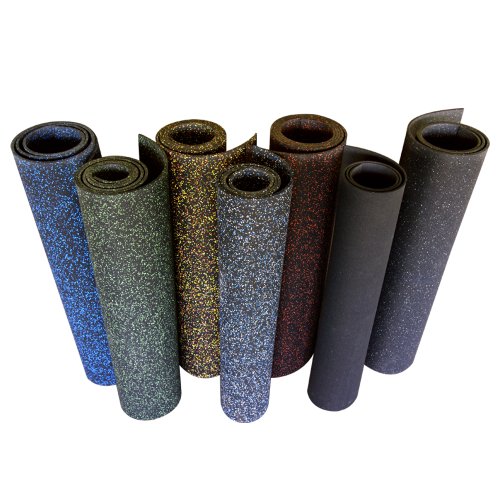
Rubber-Cal Elephant Bark Rubber Mat
Rubber-Cal produces heavy-duty rubber mats, and the Elephant Bark pattern is a textured, utilitarian design. It is best suited to the back door or utility corner rather than the main kitchen floor.
Rubber is the material that most calls for care on linoleum. If you use one, keep it clean, lift it often and read the maker’s guidance.
We include it because many linoleum owners need a heavy-duty answer for the back door, even if the main kitchen gets something gentler. If you choose to use it inside, keep it small, keep the floor beneath clean and lift it often.
Who it suits: Back-door entries, utility zones and laundry corners next to the kitchen.
- A heavy rubber construction.
- A textured surface that sheds dirt.
- Easy hosing or wiping.
Honest limitation: Rubber can mark some resilient floors if left down for long periods, so use it with care on linoleum.
Choose it if you need a tough entry mat. Skip it if your whole kitchen floor is linoleum and you want a rug for the work zone.
Comparison Table: Six Rugs for Linoleum
| Rug | Size | Material | Key feature | Best use | Link |
|---|---|---|---|---|---|
| Ruggable Washable Rug | Runner and rug sizes | Washable cover on pad | Machine washable cover | Decorative kitchens | Check on Amazon |
| KMAT Cushioned Mat | Mat sizes | Cushioned material | Comfort mat | Sink and stove | Check on Amazon |
| Chilewich Mini Basketweave | Several sizes | Woven vinyl | Flat designer weave | Modern kitchens | Check on Amazon |
| DII Cotton Chenille | Several sizes | Cotton | Soft, no rubber backing | Casual kitchens | Check on Amazon |
| Gorilla Grip Comfort Mat | Many sizes | Cushioned material | Size choice | Busy kitchens | Check on Amazon |
| Rubber-Cal Elephant Bark | Mat sizes | Rubber | Heavy-duty texture | Back doors | Check on Amazon |
Best Kitchen Rugs for Linoleum: Which Backing Is Gentlest?
Backings fall into a few families. Pad-based systems, like Ruggable’s, keep a separate pad against the floor. Cotton or fabric rugs with no backing rely on a hard-floor pad underneath. Woven vinyl, like Chilewich, is flat and non-absorbent, and uses a smooth underside. Rubber and rubber-like backings give the most grip but are the ones most likely to need extra care on resilient floors.
No category is automatically suitable or unsuitable. Floor finishes differ and so do backing compounds. What you can do is read the listing, follow the maker’s advice, and make a habit of lifting the rug so you can check the floor.
Protecting Linoleum Under a Kitchen Rug
Start with a clean floor. Grit under a rug acts like sandpaper, so sweep before you lay it down. If the maker recommends a pad, choose one labelled for hard floors and cut a little smaller than the rug.
Every few weeks, lift the rug and wipe the floor beneath. Let the surface dry completely before putting the rug back. If you notice cloudiness or colour change, stop using that rug in that spot and speak with the floor’s maker or installer.
Avoid dragging heavy mats across the floor. Lift and place them instead. And clean spills on the rug and floor promptly, so moisture does not sit under the rug.
Stains, Spills and Kitchen Realities
Kitchens produce a particular mix of mess: oil, coffee, tomato, flour and water. Pattern and mid-tone colour hide the early signs, but no rug is immune to a determined spill, and we make no promises about stain results. What helps most is speed. Blot the spill, work from the outside inward and follow the maker’s cleaning guidance.
Linoleum has its own habits. It can show scuffs from furniture and dull when harsh cleaners are used, so keep rug cleaners away from the floor itself, and use products recommended for your flooring when you wipe up. A damp cloth and mild cleaner are usually enough for everyday work, but check what the floor’s maker advises.
If you rent, keep the original instructions for your floor handy. A quick photograph of the floor before you put the rug down can also be useful, because it shows the condition at the start.
Washable Versus Wipe-Clean Rugs
Washable rugs go into the machine, which suits households that cook with oils and sauces. Wipe-clean rugs are cleaned in place with a damp cloth, which is quicker but less thorough. Which suits you depends on how you cook and how often you want to wash.
If you pick a washable rug, check the machine size and drying instructions, because longer runners may not fit in a home washer. If you pick a wipe-clean rug, keep a cloth near the sink so spills are dealt with straight away.
How to Choose a Kitchen Rug for Linoleum: Buying Checklist
- Read the backing notes. Confirm it is described as suitable for hard floors.
- Check the cleaning method. Washable, wipe-clean or spot-clean only.
- Measure the work zone. Leave bare floor at each end.
- Choose a low profile. Thin rugs clear cabinet doors and dishwasher doors.
- Plan for lifting. You will want to lift the rug and clean underneath.
- Pick a forgiving pattern. Busy designs hide marks.
- Compare customer photographs. They show true colour and wear.
- Know the returns process. Check before ordering.
Sizing and Placement in a Linoleum Kitchen
Most linoleum kitchens are compact, and the rug should respect that. Measure the zone between counter and opposite wall, then choose a rug that leaves a hand’s width of floor on every side. For a galley, a runner of around two feet wide is typical.
Keep rugs clear of door swings, and away from the stove’s heat. Place cushioned mats where you stand, and flat runners where you walk. If you have an island, a runner on the working side often works better than one under the stools.
Finally, think about moving furniture. Heavy appliances and chairs can drag a rug and the floor beneath, so lift rather than slide whenever you rearrange.
Common Buying Mistakes
- Assuming any backing suits linoleum. Read the notes and follow them.
- Never lifting the rug. Moisture and grit collect underneath.
- Using a dirty floor under a new rug. Clean first.
- Choosing pale solids. Kitchens show marks quickly.
- Ignoring the care label. Washing the wrong way can ruin a rug.
A Simple Care Routine for Rug and Floor
Good habits matter more than any single product. Once a week, shake or sweep the rug and run a mop or damp cloth over the exposed floor. Once a month, lift the rug completely, wipe the floor beneath with a cleaner your floor’s maker approves and let everything dry before laying the rug back.
Rotate the rug occasionally so wear and light fall evenly. Check the corners for curling, because a curled edge catches feet and trapped dirt works its way underneath. If a corner will not lie flat, a small piece of hard-floor tape designed for the purpose, used according to the tape maker’s notes, may help, but test it somewhere hidden first.
Keep a log if you like: the date you laid the rug, the date you last lifted it, and any changes you notice. It sounds fussy, but it makes problems easy to spot and gives you facts if you ever need to speak with a seller or flooring professional.
Final Recommendation
For most linoleum kitchens, the Ruggable Washable Rug is the most thoughtful all-round pick. If comfort at the counter matters most, add a KMAT mat. The full list by buyer type is below.
- Decorative and washable: Ruggable Washable Rug.
- Comfort at the sink: KMAT Cushioned Kitchen Mat.
- Designer flat weave: Chilewich Mini Basketweave.
- Soft cotton: DII Cotton Chenille Rug.
- Size flexibility: Gorilla Grip Anti Fatigue Comfort Mat.
- Back door and utility: Rubber-Cal Elephant Bark.
Ready to choose? Check size, colour and delivery details on our top two picks.
Linoleum Deserves a Defence Before the Rug Is Chosen
Linoleum is the most misunderstood floor in the kitchen, and a guide about covering it should begin by defending it. Properly kept, linoleum is warm underfoot compared with tile, quiet compared with wood, forgiving to dropped dishes compared with stone, and made substantially from natural materials that age with a mellow honesty. Its enemies are not feet or furniture but grit, standing water at its seams, harsh chemistry and the wrong rug backing left undisturbed for years. That last enemy is the one this guide exists to disarm, because a rug chosen and managed correctly protects linoleum from its other enemies, catching the grit at the door of the work zone, cushioning the standing cook, and giving the floor a renewable surface to wear in its place. The rug and the floor are allies, provided the alliance is administered with the small attentions described here.
The six picks divide by how they make that alliance. The Ruggable washable system separates the decorative top from its base, making complete washing a realistic rhythm rather than an aspiration. The KMAT and Gorilla Grip anti-fatigue mats put the cook’s body first, cushioning the standing zones where linoleum’s own give is not enough for a long session. The Chilewich woven vinyl offers the wipe-clean professional surface that treats spills as a moment’s work. The DII cotton chenille brings absorbency and a soft, traditional kitchen feeling for the sink’s splash zone. The Rubber-Cal rubber mat is the heavy-duty end of the family, for utility kitchens and back-door work zones where the floor’s protection outranks every other consideration. Reading the list as a set of alliances, each with its own terms, is the way to choose among them.
What actually harms linoleum under a rug
The mechanisms of harm are worth naming precisely, because each has a simple counter. Trapped moisture is the first: a spill that migrates under a rug, or condensation in a humid season, can sit against the floor unseen, so the counter is a rhythm of lifting and airing, and a preference for rugs that dry rather than seal. Incompatible backing chemistry is the second: some rubber and plasticised backings can interact with the floor’s surface over long, warm, undisturbed periods, leaving a mark that only appears when the rug is finally moved, so the counter is the maker’s compatibility guidance, a breathable pad as an intermediary where there is doubt, and never leaving any rug in one spot for years without inspection. Grit is the third, working as abrasive between rug and floor, and its counter is the oldest in this guide: shake, vacuum, and keep the interface clean. None of these counters is burdensome, and together they convert the rug from the floor’s risk into its bodyguard.
The Cook’s Triangle, Carpeted Intelligently
Kitchen design speaks of the working triangle between sink, stove and refrigerator, and a rug plan should be drawn on that triangle rather than on the room’s rectangle. The triangle’s edges are the cook’s true paths, walked hundreds of times a week, often with full hands and wet soles, and they are where grip, flatness and forgiveness matter most. The triangle’s vertices are the standing stations, where the body’s ledger of aches is written, and they are where cushioning earns its place. A runner that traces the busiest edge, a mat that serves the longest station, a washable rug that covers the splash-prone vertex: the combinations in this guide’s picks allow a household to carpet the triangle precisely instead of covering the room approximately, and precision here is worth more than square footage.
Households with two cooks, or with children apprenticed to the dishwasher, have a wider triangle and more simultaneous traffic, and their rug plan should privilege passing room and grip over marginal gains in cushion. Households where one cook performs long, solitary productions should privilege the stations, because that cook’s comfort is the kitchen’s limiting factor. In both cases, doors and drawers set the rug’s borders as firmly as walls do, and the tape experiment recommended elsewhere in this guide, marking the plan and cooking a real meal inside it, will reveal within one dinner whether the triangle has been carpeted intelligently or merely hopefully.
A Care Calendar for the Rug-and-Linoleum Partnership
Partnerships thrive on rhythm, and this one asks for a calendar so light that its only enemy is forgetting. Weekly, the rug receives its ordinary attention, a vacuum or a shake, and the cook’s standing zones are checked with a glance for the spills that should not be left to migrate. Monthly, the rug is lifted, not as a project but as a habit, the floor beneath is wiped and allowed to dry completely, the rug’s own underside is inspected, and both are reunited only when the floor is dry to the touch. Seasonally, the washable members of the family receive their full wash, the mats receive their deeper clean by their makers’ guidance, and the household reviews the whole arrangement with fresh eyes: is the cushioning still cushioning, is the grip still gripping, has any backing begun to change in texture in a way that deserves attention.
That calendar does two kinds of work. It protects the floor, certainly, catching every problem this guide has named while the problem is still small. It also protects the rug’s welcome in the household, because a rug that is regularly lifted, aired and cleaned never develops the stale, settled character that makes people suddenly dislike a kitchen textile without knowing why. Kitchens are rooms of rhythm by nature, of meals and seasons, and a rug that joins the rhythm becomes part of the kitchen’s competence. The linoleum beneath, meanwhile, quietly outlasts floors that were never given a renewable surface to take their wear, which was the point of the alliance from the beginning.
When the partnership should change
Every alliance has its term, and the signs that this one should be renegotiated are plain. A mat whose cushioning has gone permanently flat is no longer serving the cook, whatever its surface still promises. A washable rug whose top no longer sits true on its base after washing has finished its accurate service. A backing that has become tacky, brittle or discoloured has begun a conversation with the floor that the household should end. And a household whose cooking has changed, more cooks, longer sessions, a new dog at the back door, may simply need a different member of this guide’s family than the one that served its previous life. Replacing a kitchen rug on linoleum is a small event; replacing linoleum is not, and the whole philosophy of this guide is contained in keeping the small event timely so the large one stays distant.
Standing All Day: Professions, Holidays and the Home Cook’s Feet
There are days when a home kitchen becomes a workplace in earnest: the holiday production with its hours at the counter, the preserving day when the garden’s harvest is processed in one long session, the celebration meal cooked for a houseful of guests. Those are the days the rug-and-mat system in this guide is truly for, and they deserve planning like any other production. Place the cushioning where the long stations will be, not where an ordinary Tuesday puts them, because a holiday cook stands at the stove and the sink in different proportions than a weekday one. Check the grip with the floor in its real condition, since a floor that will receive splashes and flour dust behaves differently from a clean one. And give the cook a surface that can be wiped in seconds between stages, because a production day has no pauses long enough for a cleaning project.
Households that contain a professional, a baker, a nurse, a teacher, anyone whose working day is spent standing, bring a special knowledge to this purchase: they know what hard floors cost a body over years, and they rarely undervalue the kitchen’s cushioning again. For everyone else, the holiday test is the honest tutor. Cook one long meal on the bare floor and one on the chosen mat or cushioned rug, and let the body’s own ledger, knees, back, and the willingness to cook again tomorrow, cast the deciding vote. The anti-fatigue members of this guide’s family exist because that vote, once cast, is rarely reversed.
Small kitchens on linoleum: the complete-lane strategy
Small linoleum kitchens, in flats and older homes especially, often suffer from a scatter of little mats that migrate and overlap. The better strategy for them is the complete lane: one well-chosen runner or washable rug that covers the single working line from sink to stove in one continuous, gripped, cushioned surface. It simplifies the cook’s footing, simplifies cleaning to one object, protects the floor’s most trafficked strip completely, and makes the little room look deliberate. In a small kitchen the rug is not an accessory to the floor; it is the floor’s working surface, and it should be chosen with the seriousness that phrase implies, from the guide’s washable, grippy and cushioned families according to the household’s own rhythm.
A Closing Method for the Linoleum Decision
The linoleum decision compresses into the partnership’s own terms. Name the floor’s three enemies as they apply in your kitchen: the grit your traffic carries, the water your cooking produces, the standing your recipes demand. Choose the rug family that answers the greatest of the three first, washable for the spill-led kitchen, cushioned for the standing kitchen, wipe-clean or heavy-duty for the working kitchen that receives the outdoors. Confirm the backing’s friendship with the floor, by the maker’s guidance and a breathable intermediary where doubt remains. Then install the calendar with the rug, weekly attention, monthly lifting, seasonal deep care, so the partnership is administered rather than assumed.
A kitchen rug chosen and kept that way does something quietly remarkable: it lets a modest, honest floor outlast kitchens twice its price, while giving the cook a surface that respects the body’s work. The six picks in this guide are six ways of signing that partnership, and the right signature is the one your household’s rhythm can keep without effort. Sign it, cook on it, lift it monthly to greet the floor beneath, and the alliance will hold for years of meals.
The Back Door, the Utility Sink and Other Honest Places
Every kitchen has an honest end and a presentable end, and a complete rug plan serves both. The presentable end, the island, the breakfast table, the view from the dining room, is where the washable and tailored members of this guide’s family do their public work. The honest end, the back door with its boots and its dog, the utility sink, the passage to the bins and the garden, is where floors suffer most and rugs are thanked most, and it deserves the heavy-duty end of the family without embarrassment. A rubber mat at the back door that catches the garden’s evidence before it reaches the kitchen proper is not a compromise of the room’s design; it is the reason the rest of the room can afford its better rugs. Households that plan both ends, rather than asking one rug to be beautiful and indestructible in the same square feet, end with a kitchen that is both.
The same honesty applies to the seasons. The back door’s rug in the wet months is a different tool from its summer self, and some households keep a rotation, a heavier, darker, more sacrificial mat for the mud season and a lighter one for the dry, resting each in turn. Linoleum benefits doubly from that rotation, because the floor beneath each position gets its airing and inspection twice as often. None of this requires a large budget or a large storage space; it requires only the recognition that a kitchen is a working landscape with weather of its own, and that dressing its floor for the weather, zone by zone and season by season, is what the rug families in this guide were assembled to make easy.
A word for renters on linoleum
Renters inherit linoleum more often than owners choose it, and for them the rug system in this guide carries a special value: it is the complete, reversible renovation of a kitchen floor. A washable rug across the work lane, a cushioned mat at the long station and a serious mat at the door can transform a tired rental kitchen’s comfort, cleanliness and looks without touching the landlord’s property, and every piece leaves with the tenant. The one renter’s duty is the partnership’s calendar, kept faithfully, because the floor beneath the rugs must be returned as it was found, and the monthly lifting that protects any linoleum protects a renter’s deposit most of all. Kept that way, the system is the rare improvement that serves the present household entirely and the absent owner incidentally, which is exactly what good renting should look like.
The First Month With a Rug on Linoleum
The first month of the partnership deserves a little ceremony, because it sets the habits that will protect the floor for years. In the first week, check the rug’s position and grip daily, in the course of ordinary cooking rather than as a special inspection, and adjust the placement while the kitchen’s real traffic is still teaching you where the paths and stations truly are. At the first week’s end, lift the rug once, not because the calendar demands it yet but to learn how the lifting feels, where the rug wants to be carried, how the floor looks beneath, so the monthly habit is familiar before it is necessary. Note, in whatever place the household keeps such things, the date of that first lifting; the calendar that follows will date itself from it.
By the month’s end, the cook will have a verdict no listing could have given: whether the standing feels kinder, whether the spills have become smaller events, whether the kitchen sounds and feels more like a room and less like a workshop. If the verdict is good, the system has proved itself and needs only its rhythm. If one element disappoints, change that element, the mat’s position, the washable’s station, the back door’s defender, rather than condemning the whole idea, because the idea, a renewable, kind surface allied with an honest floor, is sound, and its parts are meant to be tuned. Kitchens reward tuning more than almost any room, and a tuned rug system on linoleum is one of the great quiet satisfactions of a working home.
For the household still hesitating at the counter
If two finalists remain and the decision will not settle, let the body cast the vote it is best qualified to cast. Stand at your own sink or stove for the length of one real task, washing the dishes of a family meal or preparing a dish that keeps you in one place, and notice where the tiredness gathers and what the floor has to do with it. Then choose the option that answers that tiredness most directly, whether it is the cushioned mat’s kindness, the washable rug’s complete coverage of the standing lane, or the tailored surface that makes the whole station feel professional. A kitchen decision made by the body in the room itself is rarely regretted, because the body will be consulted again at every meal, and it keeps honest records.
One more consideration belongs to households that cook with real enthusiasm for sauces, frying and the kind of baking that dusts a room. Such kitchens produce their evidence in the air as well as on the floor, and their rugs benefit from being chosen among the families that can be fully cleaned rather than merely surface-cleaned, and from being lifted on the monthly rhythm without exception. Enthusiasm in a kitchen should never be taxed by anxiety about a floor covering. Choose the rug that lets the cooking be as ambitious as the cook, keep its calendar, and the partnership will hold through every sauce the household can invent.
Finally, remember that every element of the system described in this guide is replaceable except the floor, and let that asymmetry govern the household’s priorities whenever a choice must be made. Sacrifice the mat before the linoleum, renew the washable before the floor’s finish is ever in question, and treat any sign of friction between rug and floor as the system’s request for attention rather than as a defect in either party. Alliances last when the stronger partner is protected by the weaker one’s timely retirement, and in this alliance the rug is, happily, the weaker partner by design.
There is a simple way to know, a year from now, that the choice was right. The linoleum will emerge from its monthly liftings looking as it did the day the system began, the cook’s long sessions will have lost their old cost, and the kitchen’s floor, the hardest-working surface in the house, will have become the one nobody worries about. In a home, the absence of a worry is a positive achievement, and it is the one this guide’s whole method, rug by rug, month by month, was designed to deliver.
So let the final recommendation below be read in that spirit. It is not a ranking of products in the abstract; it is a matching of care styles, cushions and constitutions to the kitchens most likely to keep them happily for years. Find your kitchen in the descriptions, its triangle, its traffic and its cook, and choose the partner that description points to. The floor beneath will thank the household in the only currency it has: years of unmarked, unworried service.
And when it arrives, give the system its first month of ceremony as this guide described, the daily glances, the first week’s lifting, the note of the date, because habits installed at the beginning are the ones still running in the fifth year. The partnership’s whole future is quietly decided in those first weeks, and they cost nothing but the attention the kitchen already receives at every meal.
That attention, in the end, is the whole secret this guide has to offer. Floors do not fail suddenly; they decline by small neglects, and they flourish by small attentions, and a household that understands which side of that ledger it is feeding will never be surprised by its kitchen floor again. Feed the attentions, and the linoleum, the rug and the cook will all be standing comfortably years from now.
It is worth saying, too, that none of this requires the household to become different people. The calendar is measured in minutes, the inspections in glances, and the whole system in the price of a mat or two. What it requires is only the decision, made once, that the floor is a partner in the kitchen’s work rather than a surface beneath notice. Households that make that decision rarely unmake it.
The rest, the cooking, the gathering, the ordinary beautiful traffic of a kitchen, the system will handle, as it was chosen, placed and kept to do.
That is a promise any good kitchen, and any honest floor, deserves to have kept on its behalf, every single day.
Frequently Asked Questions
Can a rubber-backed rug damage linoleum?
Some rubber and vinyl backings can mark resilient floors over time. Read the maker’s notes and lift the rug regularly.
Do I need a pad under a kitchen rug on linoleum?
If the rug has no backing, a hard-floor pad is useful. Choose one that suits resilient floors.
How often should I lift the rug?
Every few weeks is sensible. Wipe the floor beneath and let it dry before replacing the rug.
Can I put a runner in front of the stove?
Yes, but follow the maker’s guidance, keep it clear of heat sources and clean grease promptly.
Are washable kitchen rugs worth it?
For households that spill often, they can be. Check the machine size and care label first.
Which colour is best for a linoleum kitchen?
Mid tones and busy patterns hide marks. Pale solids show everything.
Bottom Line
Kitchen rugs for linoleum are about backing, cleaning and routine. Choose the Ruggable for a washable decorative rug, add a KMAT at the sink if you stand a lot, and use the checklist for any other listing.