Disclosure: As an Amazon Associate, Reviews Took earns from qualifying purchases. Links to Amazon on this page are affiliate links; they cost you nothing extra.
Check fit and fabric weight.
This guide is built from Amazon product listings and maker specs, not our own testing, so confirm size, contents and current price on each product page. Health products are for general information and are not medical advice.
Check the current price on Amazon.com for each product before you buy.
Last updated: November 2, 2026.
In this guide
Quick Picks
| Product | Type | Best for |
|---|---|---|
| [Upgraded 1000D Heavy Duty Fabric] 58 inch Grill Cover | Grill cover | weather protection |
| 48″ BBQ Grill Cover for Outdoor Grill 1000D Heavy Duty Waterproof | Grill cover | weather protection |
| 58″ Grill Cover for Weber Genesis II and Genesis 300 Serie 1000D | Grill cover | weather protection |
| 58 inch Gas Grill Cover for Outdoor Grill Waterproof BBQ Cover | Grill cover | weather protection |
| Heavy Duty BBQ Grill Cover for Outdoor Grill 58 Inch Black | Grill cover | weather protection |
| Grill Cover 58 inch BBQ Gas Grill Cover for Outdoor Grill | Grill cover | weather protection |
| Grill Cover 58 inch BBQ Gas Grill Cover for Outdoor Grill | Grill cover | weather protection |
Our Picks
1. [Upgraded 1000D Heavy Duty Fabric] 58 inch Grill Cover
A [Upgraded 1000D Heavy Duty Fabric] 58 inch Grill Cover (grill cover), per the listing. Check price on Amazon.
Good for: weather protection. Watch out: Measure your grill.
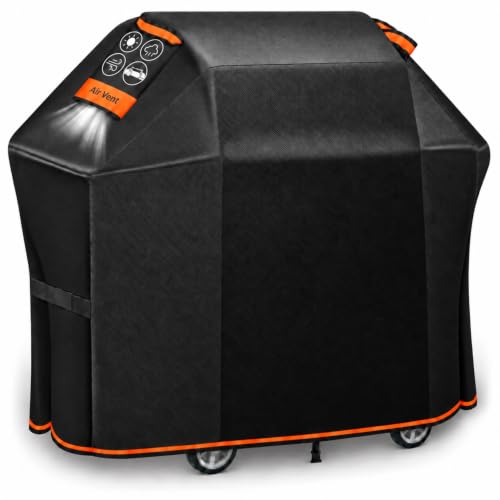
2. 48″ BBQ Grill Cover for Outdoor Grill 1000D Heavy Duty Waterproof
A 48″ BBQ Grill Cover for Outdoor Grill 1000D Heavy Duty Waterproof (grill cover), per the listing. Check price on Amazon.
Good for: weather protection. Watch out: Measure your grill.
3. 58″ Grill Cover for Weber Genesis II and Genesis 300 Serie 1000D
A 58″ Grill Cover for Weber Genesis II and Genesis 300 Serie 1000D (grill cover), per the listing. Check price on Amazon.
Good for: weather protection. Watch out: Measure your grill.

4. 58 inch Gas Grill Cover for Outdoor Grill Waterproof BBQ Cover
A 58 inch Gas Grill Cover for Outdoor Grill Waterproof BBQ Cover (grill cover), per the listing. Check price on Amazon.
Good for: weather protection. Watch out: Measure your grill.

5. Heavy Duty BBQ Grill Cover for Outdoor Grill 58 Inch Black
A Heavy Duty BBQ Grill Cover for Outdoor Grill 58 Inch Black (grill cover), per the listing. Check price on Amazon.
Good for: weather protection. Watch out: Measure your grill.
6. Grill Cover 58 inch BBQ Gas Grill Cover for Outdoor Grill
A Grill Cover 58 inch BBQ Gas Grill Cover for Outdoor Grill (grill cover), per the listing. Check price on Amazon.
Good for: weather protection. Watch out: Measure your grill.
7. Grill Cover 58 inch BBQ Gas Grill Cover for Outdoor Grill
A Grill Cover 58 inch BBQ Gas Grill Cover for Outdoor Grill (grill cover), per the listing. Check price on Amazon.
Good for: weather protection. Watch out: Measure your grill.
How to Choose
Size and capacity
Pick a size that fits your household.
Power and speed
Check wattage and settings.
Cleaning
Removable, dishwasher-safe parts help.
Measuring Your Grill for a Proper Fit
A cover that does not fit will flap in the wind, collect water or leave parts exposed. Measure three dimensions: width from side to side, depth from front to back and height from the ground or cart base to the top of the lid. Include side tables, handles, smokestacks and shelves in your measurements, since they stick out and need room. Measure at the widest points rather than relying on a catalog size.
Compare your numbers with the cover’s dimensions on the listing. Titles often list inches, such as 48 or 58, but these can refer to the width, and the other dimensions matter too. Some covers are made for specific grill series, and listings may mention compatibility with certain brands or lines. Check compatibility against your model name, and when in doubt, use measurements rather than assumptions.
Choose a cover that is slightly larger rather than tight. A snug fit with a little slack covers the whole grill and lets you pull it on and off easily. Too tight stresses seams and can damage side shelves, while too loose lets wind catch the fabric. If your grill has a rotisserie, a side burner or other protruding elements, include these in your measurements.
- Measure with the shelves folded or extended as you usually leave them.
- Allow for wheels, handles and propane tanks.
- Re-measure if you upgrade or add accessories.
Taking five minutes to measure avoids returns and a poorly fitting cover.
Fabric Weight, Weave and Coatings That Last
Listings often mention heavy-duty fabric with a denier number, such as 1000D. Denier describes the thickness of the yarn, and higher numbers usually mean a thicker, stronger fabric, but it is only one part of the story. The weave, the coating and the stitching all matter. A thick fabric with poor coatings can still leak, and a thinner fabric with a good coating may perform better. Treat denier numbers as a general indicator and read the whole description.
Waterproof claims vary. Some covers are water-resistant, shedding rain but not designed for heavy storms, while others have bonded backing or laminate for better protection. Look for taped or sealed seams, since stitching holes can leak. Check whether the cover is UV-resistant, since sun breaks down many materials and causes fading and cracking over time.
A backing or lining helps prevent scratches on the grill’s finish, and it keeps the cover from sticking to hot or damp surfaces. Dark colors absorb more heat, while lighter colors reflect more sunlight and may stay cooler. Think about your climate when choosing.
- Check that the cover is breathable enough to avoid trapped moisture.
- Look for reinforced corners and stress points.
- Consider how the material behaves in cold weather, as some stiffens.
Choose a fabric that matches your local weather, whether strong sun, heavy rain or snow.
Straps, Fasteners and Ventilation in Windy Weather
A cover that blows off does not protect the grill. Look for features that keep it in place: adjustable straps, buckles, elastic hems, drawcords or Velcro closures. Straps that pass under the grill or around the legs help in strong wind, and a hem with a cord lets you cinch it. Test that the fasteners are strong and easy to use with one hand.
Vents are an important detail. A vented cover lets air flow through, which reduces the billowing effect and allows moisture to escape. Without vents, a sealed cover can trap humidity and encourage rust and mold underneath. Check the description for vents, and look at their location, since vents positioned to block rain are more effective.
Handles on the cover make removal easier, especially for large grills. Check that they are stitched well and positioned to allow you to lift without dragging the cover on the ground. Dragging causes wear on the edges and picks up dirt.
- Add extra ties or clips in particularly windy locations.
- Make sure the cover reaches low enough to protect wheels and the cart.
- Let the grill cool completely before covering it.
Covering a hot grill can damage the fabric and is a fire risk, so always wait for it to cool.
Preparing the Grill Before You Cover It
A cover works best on a clean, dry grill. Before covering, burn off leftover food, brush the grates, empty the grease tray and wipe the exterior. Residue left on surfaces attracts pests, encourages rust and can leave odors when trapped under fabric. If you cooked with sauces or oils, clean the lid and drip areas as well.
Turn off the gas at the tank for gas grills, and disconnect it if you store the grill for a long time, following the manufacturer’s instructions. Make sure all knobs are off. Place any accessories, such as thermometers or tools, where they will not poke through the fabric. If side shelves fold, fold them to reduce stress on the cover.
Let the grill cool fully. Touch tests can be misleading, so allow plenty of time after cooking. Dry the surfaces; covering a wet grill traps moisture and promotes rust. In humid climates, check for condensation under the cover from time to time.
- Cover charcoal grills only after the coals are completely out and cold.
- Store propane tanks outdoors in the upright position and away from ignition sources, as directed in the manual.
- Check for pests such as spiders or nests before using the grill again.
Preparing the grill properly protects both the grill and the cover and extends the life of each.
Caring for the Cover and Knowing When to Replace It
Covers last longer with a little care. Shake off leaves and debris, and wipe the surface with a damp cloth and mild soap when dirty. Check the manufacturer’s directions before machine washing, since some coatings are damaged by it. Let the cover dry fully before putting it back on the grill, and store it dry when the grill is in use. Avoid storing the cover in a damp pile.
Pools of water on top can stretch the fabric and cause leaks, so shake off rain and snow when possible. In winter, brush off snow gently rather than hitting the cover, which can crack the coating. In summer, strong sun is the main aging factor, so consider moving the grill to a shaded spot if you can.
Know the signs of wear. Fading, cracking or peeling coating, torn seams, loose straps, holes and a sticky or tacky surface mean the cover is losing its protection. A cover that no longer sheds water should be replaced, since a failing cover can trap moisture against the grill.
When replacing, review what went well and poorly with the old one. If it blew away, look for better fasteners. If it leaked, look for sealed seams. Budget covers can be fine for light use or sheltered spots, while heavier covers suit exposed locations. Check the return policy and the warranty so you can swap it if it does not fit. A proper cover is a modest investment that protects a larger one.
What Actually Damages a Grill When It Is Left Outside
A cover is cheap insurance, but it helps to know what it insures against. Knowing the threats lets you judge which features of a cover matter for your yard rather than paying for ones you do not need.
Moisture is the first problem. Rain and humidity promote rust on cast-iron grates, burner tubes, and the firebox, and water that pools in a lid can sit for days. Sunlight is the second: ultraviolet light fades painted finishes, cracks plastic side-shelf trim, and dries out rubber knob grips and hoses. Debris is the third, with leaves, pollen, bird droppings, and sap all dirtying grates and clogging burner ports. Last are the pests, since spiders and insects love to nest in gas burner tubes and venturi openings.
A good cover helps with all four, but it is not a seal. It cannot stop condensation that forms inside from temperature swings, and a cover that traps moisture can do more harm than good if it is pulled over a damp grill. That is why ventilation, discussed below, is a real feature rather than a minor extra.
Cover Shapes and Special Cases
Most of the covers on the list above are sized for large gas grills around 58 inches wide, with a 48 inch option for smaller units. Shape and design still matter, because a poor fit lets wind pull the fabric loose.
- Standard rectangular gas grills: a boxy cover with an overhang long enough to reach the cart legs works well.
- Grills with side burners or shelves: check the total width with shelves up, and decide whether you fold them down before covering.
- Grills with a rotisserie motor or a tall warming rack: measure the maximum height, since these can add several inches.
- Kettle and round grills: need a rounded cover, so a rectangular one will not drape properly.
- Built-in or island grills: usually need a custom cover or a fitted one for the head only.
Brand-specific covers, like the one designed for Weber Genesis II and Genesis 300 series grills, are cut to the shape of a particular model family. If you own one of those, a matched cover usually fits closer than a universal one, though you should still compare your own dimensions with the listing.
Seasonal Habits That Extend Grill Life
How you use a cover matters nearly as much as which one you buy. A few seasonal habits make a visible difference over several years.
Spring
Before the first cookout, remove the cover and check for animal nests, spider webs, and loose debris around the burners. Run the grill on high for a few minutes with the lid closed to burn off anything left behind. Inspect the gas line and connections for cracks.
Summer
Brush the grates after each use and let the grill cool before covering it. If you cook heavily, wipe the lid interior occasionally so grease does not build up. If you leave the cover on in strong sun all summer, rotate it now and then to even out the wear.
Fall
Leaves can pile up on top of a covered grill and hold moisture against the fabric. Brush them off. Clean the grill thoroughly before storing it for winter, because leftover grease attracts pests.
Winter
Disconnect the propane tank if the grill will sit idle and store the tank outside in a ventilated place, never indoors. Snow that accumulates on a cover is heavy, so brush it off to avoid stress on the fabric and seams.
Questions to Ask Before You Buy a Cover
A short list will prevent most returns.
- Does the listed size match my grill with all shelves and handles attached?
- Does the cover have a drawstring, buckle, or hem to anchor it at the bottom?
- Are there handles on the sides to make it easy to lift off?
- Does the fabric have a waterproof coating, and does the listing mention vents?
- Is there a return window long enough for me to test the fit in real weather?
The answers will tell you more than the headline fabric number. A cover with a slightly lighter fabric but a snug fit and good ventilation will often outlast a heavier one that billows in the wind and chafes against the grill frame.
One more point is storage when the cover is off. Folding a wet cover and stuffing it into a shed invites mildew, so let it dry in the open air first, then fold it loosely and keep it somewhere dry. A cover that smells musty is a warning that moisture has been trapped, and a rinse with mild soap followed by thorough drying usually fixes it. Keep the straps and buckles in good condition too, since a broken clip is the most common reason a cover lifts off in a storm.
Fitting a Cover to Unusual Grills: Kettles, Kamados and Offset Smokers
Standard rectangular covers fit standard rectangular grills, and everything else needs thought. Kettle grills want a round, domed cover that sheds water off the lid rather than pooling it, and the cover should clear the lid handle and any side tables. Kamado cookers are heavy ceramic with a high dome and a hinge at the back; a cover must slip over the dome without dragging across the gasket, and it should be removed and replaced gently, since yanking a stiff cover across ceramic and seals ages both.
Offset smokers present length and a chimney: measure the full footprint including the firebox and stack, and choose a cover shaped or sized to swallow the chimney without straining seams. The 58-inch covers in this guide illustrate the common gas-grill class, but the measuring method from the earlier sections applies everywhere: longest length, deepest depth, highest point, then compare honestly with the cover’s stated dimensions rather than its marketing name.
Built-in grills in outdoor kitchens need covers that protect the cooking unit while accommodating countertops and backsplashes; sometimes two smaller covers, one for the grill head and one for a side burner, fit better than one enormous sheet that traps moisture against stone and steel. Whatever the shape, leave the bottom edge slightly off the ground so air circulates and the hem does not wick puddle water upward into the cover’s lining.
Wind, Storms and Keeping the Cover on the Grill
A cover that sails into the neighbor’s yard protects nothing, and wind management starts with fit: a cover sized closely to the grill presents less loose fabric to flap and lift. Use every fastening the design offers, straps under the body, drawcords at the hem, handle straps over the top, because each one guards a different failure. The strap and vent designs covered earlier in this guide matter most on exposed decks and rooftops, where gusts arrive without warning.
Before a forecast storm, add a walk-around to your routine: fasten straps, clear items the wind could throw against the grill, and check that the cover’s vents face away from the prevailing wind-driven rain where the design allows orientation. After the storm, lift the cover and check for pooled water and trapped debris, and let any moisture dry before covering again, since a sealed wet grill under a fresh cover is a rust incubator.
If covers repeatedly blow off despite fastening, the shape is fighting you: excess fabric acts as a sail no strap can fully tame. A closer size, or a cover with a more tailored cut for your grill family, such as the Genesis-specific fit in this guide, usually solves what extra bungee cords cannot. Treat repeated blow-offs as a fit diagnosis rather than a fastening failure.
Covering a Hot or Wet Grill: Timing Rules
Never cover a grill that is still hot. Heat trapped under a cover can damage the cover’s coating, warp synthetic fabrics, and in the worst case create a fire risk with grease residue. Let the grill cool until the lid is comfortable to touch, which also gives you the natural moment to brush the grates and empty the drip tray, the preparation steps this guide recommends before covering. A cover put on a cool, clean grill is protection; a cover thrown over a hot, dirty one is a slow problem sealed in fabric.
A rain-soaked grill asks for the opposite patience: dry the exterior first, or at least shake off standing water and let the surfaces air-dry before covering. Covering over a wet grill traps that moisture against painted and stainless surfaces for days. If a storm is arriving faster than the grill can dry, it is usually better to leave the grill uncovered through the rain and dry and cover it afterward than to seal it in wet.
Build the timing into your cooking routine: eat, let the grill cool during the meal, then clean and cover as part of clearing up. When covering becomes the last step of every cook rather than a separate chore remembered days later, grills stay cleaner, covers last longer, and the whole system quietly works the way the product photos promise.
Storing the Cover Itself and Spotting End of Life
When the cover comes off for a long cooking season, store it clean and dry, folded loosely rather than crushed into a ball, in a shaded spot away from rodents that find stored fabric attractive nesting material. A cover stored damp grows mildew that transfers odor and stains to the grill at first use, so wash and fully dry it before the off-season, following the care guidance in this guide’s earlier sections.
Learn the signs that a cover is ending its service: fabric that has gone stiff and papery, coating flaking on the inside, seams opening at the corners, and straps whose fasteners no longer grip. The most telling test is water behavior; a cover that once beaded rain and now soaks through in a shower is telling you its protective layer is spent, however intact it looks hanging on the grill.
Replace before total failure rather than after, because the failure period is when the grill takes its weather damage. Keep the old cover as a utility tarp for covering firewood or furniture during moves, and note the size and model that fit well so the replacement purchase starts from your own measurements instead of a fresh round of guessing.
Comparing the Picks Head to Head for Common Buyers
Most covers in this guide share the popular 58-inch class, so the real differences are fabric, fastening and fit intent. The Genesis-specific cover bets on tailored fit for one grill family, which pays in wind resistance and neatness if your grill matches. The generic heavy-duty covers, including the 1000D fabric models, bet on material toughness and universal sizing, serving households whose next grill may be a different shape entirely.
The 48-inch cover serves the smaller two- and three-burner class, a reminder that buying down a size for a closer fit beats buying up and belting the excess. Across all of them, judge by the underside and the seams as much as the headline fabric: coatings you cannot see and stitching you can are what the weather actually tests.
If your grill lives in severe sun, weight fabric and UV resistance higher; in severe wind, weight fit and fastenings; in wet climates, weight venting and water shedding. The cover that tops a comparison table in a mild climate is not automatically the cover for a coastal rooftop, and your weather is the specification sheet that matters.
Protecting the Whole Outdoor Cooking Area
A cover protects one appliance; a few habits protect the whole station. Keep the area under and around the grill clear of stored items that trap moisture against the legs and frame, and check the drip tray and grease management as part of covering, since a covered grill with a full grease tray still invites pests and flare-ups at the next cook.
Side burners, prep tables and pellet hoppers each have their own exposure. A single large cover over connected units can trap moisture in the joins; separate covers or a purpose-built cover for the whole island, with vents placed to breathe, usually serve better. Propane tanks should be stored as their own guidance directs, valve closed, upright and ventilated, never sealed inside an airtight cover arrangement.
Mats under the grill protect decks from grease and heat and make the area easier to keep clean, which in turn makes covering quicker. The station that takes ninety seconds to close down after a cook gets closed down every time; the station that takes ten minutes gets left to the weather and good intentions.
Covers Through the Four Seasons: A Practical Calendar
Spring asks for inspection: clean the cover, check straps and seams after winter’s flexing, and confirm the fit if the grill moved or gained accessories. Summer asks for venting discipline in humid regions, lifting the cover periodically so trapped damp can escape during long wet spells, and shade awareness, since a black cover in fierce sun bakes the grill’s exterior daily.
Autumn is deep-clean season: the grill cleaned before covering for winter lasts visibly longer, and the cover washed and dried before the cold sets in avoids mildew establishing over the quiet months. Winter asks for snow management, brushing heavy accumulation off the cover so its weight does not stress seams or the grill’s lid, and checking after storms that straps still hold and no water has pooled and frozen on top.
None of this is elaborate, but distributing it across the year keeps every task to minutes. The calendar approach also catches end-of-life early: the spring inspection that finds a failing cover gives you a season to replace it, rather than discovering the failure over a rusted grill in the first week of barbecue weather.
Grill Covers and Home Insurance, Warranties and Documentation
A cover will never appear in a policy document, yet the habits around it intersect with ownership paperwork more than most people realize. Grill warranties commonly exclude weather and rust damage, which means the cover is effectively the warranty for the grill’s exterior and its unlisted parts. Keeping the grill covered, cleaned and documented with a dated photo now and then is the closest thing to insurance an outdoor appliance gets.
If storm damage ever does involve the grill, insurers and makers alike respond better to owners who can show the equipment was maintained and secured: straps fastened, cover in place, area tidy. That is not bureaucracy; it is evidence the loss was the storm’s doing rather than neglect’s. The same photos that document condition for a claim also serve resale, where a well-kept grill with its cover fetches noticeably more than a weathered twin.
Keep the cover’s own receipt with the grill’s documents. Covers are replaced on a cycle, and knowing the model and size that fit, recorded once, ends the measuring ritual at every replacement. Ownership paperwork sounds dull until the day it saves an hour in a shop aisle or a dispute in a claim, after which it sounds like wisdom.
What a Cover Cannot Do: Honest Limits and Companions
A cover is weather management, not weather immunity, and honest expectations keep it effective. It will not stop a determined rodent, reverse rust that has already started, or protect a grill stored wet and dirty; it slows the weather’s work dramatically while the grill’s owner does the rest. Treating the cover as one layer in a system, alongside cleaning, positioning and occasional inspection, produces the results the marketing photographs promise.
Position is the cover’s silent partner: a grill backed against a wall under an eave needs less from its cover than one standing alone in an open yard, and moving a grill two meters can be worth more than upgrading its fabric. Drainage matters too; a grill standing where roof water pours onto it lives a harder life than any cover was designed to mediate.
Accept the replacement cycle as part of the system rather than as a product failure. Covers are consumables with multi-year lives, and budgeting their renewal alongside grill brushes and igniters keeps the whole station in the condition where cooking stays a pleasure. The grill that looks cared for usually is, and the cover is simply the most visible part of that care.
More Questions Answered
Can I cover a grill that is kept under a porch roof?
Yes, and it is still worthwhile: porch roofs block direct rain but not wind-blown moisture, dust, pollen and insects. A cover also keeps the grill cleaner between uses, though you can choose a lighter fabric than a fully exposed grill demands.
How do I stop mice and insects nesting under the cover?
Keep the grill clean of grease and food residue, which attract pests, and check under the cover regularly during quiet seasons. Close obvious entry gaps where practical, and avoid storing the grill near bird feeders or woodpiles that already host the local wildlife.
Should the cover touch the ground?
Ideally the hem sits slightly above the ground so air circulates and the fabric does not wick up puddle water. A cover dragging on wet concrete stays damp, mildews faster, and can freeze to the surface in winter, tearing when you pull it free.
Can I wash a grill cover in a machine?
Most covers are too large and stiff for home machines and their coatings dislike detergents and agitation. Wash by hand on the grill or a clean surface with mild soap and a soft brush, rinse well, and air-dry fully before storage or use.
Why does water pool on top of my cover?
Pooling means the cover’s shape does not match the grill’s contours or the fabric has stretched. A support, such as an upturned bucket or a cover support pole under the fabric, creates a peak that sheds water; long-term, a better-fitting cover solves it properly.
Do I need a cover for a stainless steel grill?
Stainless resists rust better than painted steel but still suffers from water spots, pollen staining, and corrosion of lesser-grade fasteners and internal parts. A cover keeps the finish presentable and protects the parts you cannot see, which age fastest.
How tight should a cover fit?
Snug enough not to flap or billow, loose enough to slip on without forcing seams. You should be able to remove it with two hands in a few seconds; a wrestling match at every use means the size or shape is wrong for your grill.
Can one cover fit both my grill and smoker?
Only if their footprints and heights are genuinely close. A compromise cover usually fits both badly, pooling water on one and straining seams on the other. Dedicated covers sized to each unit protect better and last longer.
Can I use a grill cover on a built-in grill island?
Yes, with a cover shaped for the island or separate covers per component, and attention to venting so moisture does not sit against stone and steel. Measure the whole installation, including raised backsplashes and side burners, before ordering.
How do I stop the cover sticking to a hot- climate grill?
Never cover a warm grill, and in very hot climates choose a cover with a light-colored or reflective outer if available, since dark fabrics absorb heat. A cover put on a cool grill in the evening rarely sticks; one thrown over a warm grill at noon is the usual story.
Should I cover my grill between uses in summer?
If it lives outdoors, yes: summer brings pollen, bird mess, sudden storms and sprinkler overspray, all of which a cover shrugs off in seconds. The habit takes less time than one extra grill cleaning per month.
What do I do if mold grows on the cover itself?
Wash the cover outdoors with mild soap and a soft brush, rinse thoroughly and dry it fully in the sun before reuse. Persistent mildew smell after washing usually means moisture is being trapped in storage; change where or how the cover is kept.
Can a cover protect against hail?
A padded or heavy fabric cover cushions small hail, but severe hail damages covers and grills alike. In hail-prone regions, the real protection is position: under an eave or in the garage during storm season, with the cover as the everyday layer.
How do I measure for a cover when my grill has a side burner?
Include the side burner in the total length with its lid closed and shelves in their normal position, and note any asymmetry; some covers are shaped for a burner side. A cover sized only to the main box will strain or leave the burner exposed.
Can I use a tarp instead of a fitted cover?
A tarp sheds water but traps moisture, flaps destructively in wind and rarely stays put without elaborate tying. As a temporary measure it beats nothing; as a season-long solution, a fitted cover’s venting and fastening repay their cost in grill condition.
How do I keep the cover smelling fresh?
Wash it when you wash the grill, dry it fully, and avoid sealing it over a dirty, greasy grill, which perfumes the fabric from inside. A cover stored clean and dry through the off-season comes back neutral; one stored damp does not.
Should I remove the cover during a heatwave?
A vented cover can stay on, but lifting it during extreme, still heat lets the grill breathe and lets you check for trapped moisture or pests. In humid heatwaves, a brief regular airing is the cheapest anti-mildew program there is.
What size cover for a grill with folded shelves?
Measure with shelves in the position you will actually store the grill. Folding shelves down can drop a size class and improve fit, but only if folding them is genuinely part of your routine rather than a measuring-day fiction.
Can a cover be repaired if it tears?
Small tears respond to fabric repair tape or patches made for outdoor gear, applied to a clean, dry surface. Seam failures and widespread coating loss are end-of-life signs; patch the small, replace the systemic.
Frequently Asked Questions
Is it easy to use?
Most have simple controls.
What do I need extra?
Check included accessories.
Is it safe?
Follow the manual.
What does 1000D mean on a grill cover?
It refers to the thickness of the yarn used in the fabric. Higher numbers usually mean thicker fabric, but coatings, weave and seams also affect performance.
Can I put a cover on a warm grill?
No. Let the grill cool completely first, because covering a hot grill can damage the fabric and is a fire risk.
Are waterproof covers really waterproof?
Many are water-resistant to varying degrees. Look for sealed seams and a laminated or coated backing, and read the product description.
How do I keep the cover from blowing off?
Use straps, buckles or a drawcord, and choose a cover with a snug but not tight fit. Extra ties can help in strong wind.
Should a grill cover have vents?
Vents let moisture escape and reduce billowing. They help prevent mildew and rust under the cover.
How do I clean a grill cover?
Wipe with mild soap and water, rinse and let it air dry. Check the care label before using a machine.
Will a cover protect my grill in winter?
It helps with snow and rain, but make sure the grill is clean and dry underneath. Remove accumulated snow gently.
Should I cover my grill every time I use it?
Yes, once it has cooled completely. Covering a hot or warm grill traps heat and can damage the fabric, and covering a damp one traps moisture. Between uses, a cover keeps out rain, pollen, and pests. For a grill used daily in dry weather, you may skip it, but most owners benefit.
What size grill cover do I need?
Measure the width from the outer edge of one side shelf to the other, the depth from front handle to back, and the height with the lid closed. Choose a cover at or slightly above those figures. Too small a cover will not reach the base; too large can flap in the wind.
Can a grill cover cause rust?
It can if moisture gets trapped. Covering a wet grill, or using a cover with no vents in humid weather, allows condensation to form. Let the grill dry fully first, and pick a cover with vents or a breathable lining. Check the grill occasionally for early signs of rust.
How long should a grill cover last?
Lifespan varies widely with sun, wind, and weather, and there is no reliable universal figure. Signs of wear include fading, brittle fabric, cracked coating, and torn seams or straps. Cleaning it regularly and storing it dry in the off season usually helps it last longer.
Bottom Line
Measure your grill; heavy-duty covers last longer.
More Outdoor Cooking Guides
- Best Charcoal Starters
- Best Bristle-Free BBQ Grill Cleaners
- Best Wood Chips for Smoking Meat
- Best Blackstone Griddle Accessory Sets
- Best Heat Resistant Grill Gloves
- Best Fireproof Grill Mats
- Best BBQ Utensil Sets with Case