Disclosure: As an Amazon Associate, Reviews Took earns from qualifying purchases. Links to Amazon on this page are affiliate links; they cost you nothing extra.
Gloves are not a substitute for care.
This guide is built from Amazon product listings and maker specs, not our own testing, so confirm size, contents and current price on each product page. Health products are for general information and are not medical advice.
Check the current price on Amazon for each listing.
Last updated: November 2, 2026.
In this guide
Quick Picks
| Product | Type | Best for |
|---|---|---|
| Hey Grill Hey Pitmaster Gloves BBQ Gloves Heat Protection up | BBQ gloves | handling hot food |
| Silicone Printing Oven Mitts Heat Resistant to 500 Degree | BBQ gloves | handling hot food |
| BBQ Gloves Heat Resistant 1472°F Grill Gloves with Storage Case | BBQ gloves | handling hot food |
| BBQ Gloves 1472°F Heat Resistant with Silicone Grip Oven Mitts | BBQ gloves | handling hot food |
| BBQ Gloves 1472 Degree F Heat Resistant Grilling Gloves Silicone | BBQ gloves | handling hot food |
Our Picks

1. Hey Grill Hey Pitmaster Gloves BBQ Gloves Heat Protection up
A Hey Grill Hey Pitmaster Gloves BBQ Gloves Heat Protection up (bbq gloves), per the listing. Check price on Amazon for the current listing.
Good for: handling hot food. Watch out: Check heat rating.

2. Silicone Printing Oven Mitts Heat Resistant to 500 Degree
A Silicone Printing Oven Mitts Heat Resistant to 500 Degree (bbq gloves), per the listing. Check price on Amazon for the current listing.
Good for: handling hot food. Watch out: Check heat rating.

3. BBQ Gloves Heat Resistant 1472°F Grill Gloves with Storage Case
A BBQ Gloves Heat Resistant 1472°F Grill Gloves with Storage Case (bbq gloves), per the listing. Check price on Amazon for the current listing.
Good for: handling hot food. Watch out: Check heat rating.

4. BBQ Gloves 1472°F Heat Resistant with Silicone Grip Oven Mitts
A BBQ Gloves 1472°F Heat Resistant with Silicone Grip Oven Mitts (bbq gloves), per the listing. Check price on Amazon for the current listing.
Good for: handling hot food. Watch out: Check heat rating.
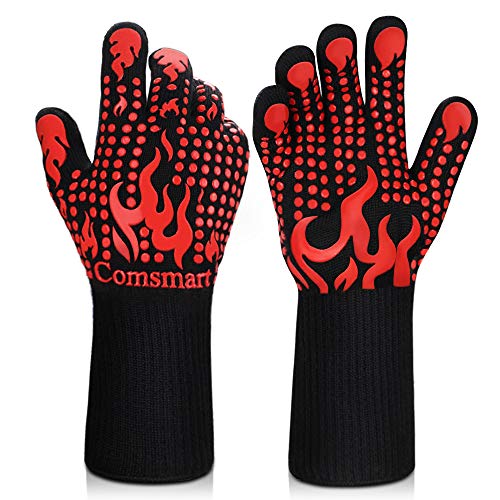
5. BBQ Gloves 1472 Degree F Heat Resistant Grilling Gloves Silicone
A BBQ Gloves 1472 Degree F Heat Resistant Grilling Gloves Silicone (bbq gloves), per the listing. Check price on Amazon for the current listing.
Good for: handling hot food. Watch out: Check heat rating.
How to Choose
Size and capacity
Pick a size that fits your household.
Power and speed
Check wattage and settings.
Cleaning
Removable, dishwasher-safe parts help.
Silicone, Fabric and Layered Materials Compared
Grill gloves are made from several materials, and each has strengths and weaknesses. Silicone is waterproof, easy to wipe clean and offers good grip on slick items. It can be stiff, which reduces dexterity, and thin silicone may let heat through quickly. Fabric gloves made from aramid or similar heat-resistant fibers tend to be more flexible and breathable, but they can absorb grease and water and may be harder to clean.
Many gloves combine materials, with a fabric lining for insulation and a silicone or textured outer layer for grip. Layered designs aim to balance comfort and protection, but a thicker glove usually means less feel for what you are holding. Check the listing for which layers are used and read the care label.
Think about what you handle. Moving hot grates, shifting charcoal and turning large cuts of meat call for a longer cuff and thicker insulation. Pulling a pan from the grill or lifting a rack may need less bulk but still good grip. If you smoke meat for hours, you might use gloves to handle hot foil pans or to shred pork, and for that a washable, food-safe surface is useful.
- Choose silicone-faced gloves if you often handle wet or greasy items.
- Choose fabric-lined gloves if flexibility matters.
- Check whether the glove is rated for contact with food if you will pull meat by hand.
Remember that manufacturers’ heat claims vary in how they are tested and described, so treat the numbers as a guide and keep your contact time short.
How to Read Heat Ratings Sensibly
Listings often show very large temperature numbers, and it is easy to misread them. A rating usually describes the temperature the material can withstand for a short period, not the temperature at which your hand is safe indefinitely. Your skin is protected only for as long as heat takes to pass through the glove, which depends on thickness, moisture and the type of contact.
Treat any heat figure with caution. The way a rating was measured may not be stated, and the same number can mean different things. Look instead at the practical details: the thickness of the insulation, the length of the cuff and any description of how long you can hold hot items. Check the instructions for warnings about contact with open flame and direct hot metal.
Moisture is a major risk. A wet glove conducts heat quickly and can cause steam burns, so keep gloves dry. Do not dip them in water to cool down while holding something hot. Grease can also be a problem because it may heat and stick to the surface.
- Test a new glove with a moderately warm item before handling very hot ones.
- Move slowly and avoid holding hot objects for long.
- Replace gloves with holes, thin spots or damaged stitching.
Gloves reduce risk but do not remove it. Use tongs and long-handled tools for most grill tasks, and treat the gloves as a backup for handling hot items.
Size, Cuff Length and Dexterity
A glove that fits poorly is both uncomfortable and unsafe. Too large, and it slips and makes you clumsy. Too small, and the fingertips press against the lining and heat reaches the skin quickly. Check the sizing information on the listing, measure your hand and note whether the product is a single size. If hands in your household vary a lot, consider whether the glove adjusts or comes in multiple sizes.
The cuff protects your wrist and forearm from radiant heat and hot splashes. A longer cuff suits big grills, charcoal setups and reaching over grates. A shorter one gives easier movement for kitchen tasks. Make sure your sleeves do not hang loose near flame, and avoid wearing clothing that can catch fire.
Dexterity is a trade-off with insulation. Separate fingers give you better control than mitt-style designs, which keep fingers together for more insulation. Decide which you prefer. For tasks like flipping burgers or moving small items, finger separation helps. For lifting heavy pans, a mitt can feel safer.
- Try the gloves on and pick up a small item to check control.
- Check that the interior does not bunch when you flex your hand.
- Look for a loop for hanging, so gloves dry between uses.
Comfort affects how likely you are to keep wearing them, and a glove you wear consistently protects better than one left in the drawer.
Care, Washing and Storage
How you treat grill gloves determines how long they last and how safe they remain. After use, let them cool, brush off ash, and wipe off grease. Follow the care label: silicone gloves can often be washed with warm soapy water, while fabric ones may be machine washable or may need spot cleaning. Some materials lose their protective qualities if washed incorrectly or with certain detergents, so read the instructions.
Dry gloves completely before storing. Moisture trapped inside encourages odor and mold, and damp insulation conducts heat more readily. Hang them in a ventilated spot, not near direct flame or a heater. Keep them in a dry container or the storage case if one is supplied, away from sharp objects.
Inspect them before each cookout. Look for burn marks, thinning fabric, cracks in silicone, loose seams and any areas where the lining shows. Replace the glove if you see damage. Do not use a glove that has been soaked in oil or fuel.
- Do not use gloves to hold flaming items.
- Keep gloves away from open flames while not in use.
- Wash food contact surfaces if you plan to handle ready-to-eat food.
Good care keeps the grip reliable and the glove hygienic. A well-kept pair can last through many seasons.
Safe Habits Beyond the Gloves
Gloves are only one layer of grill safety. Set up the cooking area so you rarely need them for emergencies: keep the grill on a flat, stable surface away from walls, railings and overhanging branches, and keep children and pets at a safe distance. Have a clear path to move hot items.
Use the right tool for each job. Long tongs, spatulas and grate lifters keep your hands away from the heat. Use gloves for lifting pans, adjusting grates or handling charcoal chimneys when needed. Always assume metal parts of the grill are hot, including handles and vents.
- Keep a fire extinguisher or other suitable means nearby, and learn how to use it.
- Never leave a lit grill unattended.
- Do not use gasoline or improper accelerants on charcoal.
- Let coals and ashes cool completely before disposing of them in a metal container.
When dealing with burns, cool the area with cool running water and seek medical help for serious injuries; this guide is general information and not medical advice. Check your grill’s manual for its specific safety instructions.
Finally, consider the whole kit. Safe handling also includes a meat thermometer, a clean surface for raw and cooked food and a dry place to set hot items. Gloves add a layer of confidence, but careful habits keep cookouts enjoyable and safe.
Which BBQ gloves should you buy?
The best BBQ gloves for you depend on what you handle, how much dexterity you want and how easy you want cleaning to be. Use these pairings as a guide, then confirm details on each listing.
- If you want a recognizable pitmaster-style glove: look at the Hey Grill Hey Pitmaster Gloves BBQ Gloves Heat Protection up, then read the listing for materials and cuff length.
- If you want gloves that come with a storage case: consider the BBQ Gloves Heat Resistant 1472°F Grill Gloves with Storage Case, which helps keep them clean and dry between cookouts.
- If you also want to use them in the kitchen: the Silicone Printing Oven Mitts Heat Resistant to 500 Degree and the BBQ Gloves 1472°F Heat Resistant with Silicone Grip Oven Mitts are named as oven mitts too, so check the shape and cuff.
- If you want a silicone-faced option for wet or greasy items: consider the BBQ Gloves 1472 Degree F Heat Resistant Grilling Gloves Silicone.
The headline temperature figures vary between listings and are not a guarantee of how long your hand is safe. Weigh them against thickness, cuff length and fit.
Think about finger separation too. Separate fingers help with small tasks, while mitt-style designs feel more secure when lifting heavy pans. If you are not sure, choose the style that matches the job you do most, and keep tongs for the rest.
What to check before you buy heat resistant grill gloves
Before you buy heat resistant grill gloves, check the material, cuff length, size, cleaning instructions and what the maker says about contact with flame and food. A quick look at these points prevents most poor purchases.
- Material: see whether the outer layer is silicone, fabric or a blend, and what the lining is.
- Heat claim: read how the maker describes the rating and any limits on contact time or open flame.
- Size: check the size chart or note if the gloves are one size, then compare with your hand.
- Cuff length: longer cuffs protect more of your wrist and forearm over a hot grate.
- Fingers or mitt: decide which shape fits your cooking.
- Food contact: check whether the listing says the gloves are suitable for handling food.
- Care: find out whether they can be machine washed or need hand washing.
- Included items: look for a storage case, hanging loop or extra pieces.
- Returns: read the seller’s terms in case the fit is wrong.
When the gloves arrive, inspect the stitching and the lining, and try them on dry. Pick up a few kitchen items to see how much control you have.
Then test them with something only moderately warm before moving on to hot grates or pans. A new glove should earn your trust gradually.
Do you need BBQ gloves if you already use tongs?
Yes, gloves are still useful if you already use tongs, because they cover tasks tongs handle poorly, such as lifting pans, moving hot foil trays and adjusting grates. But tongs should remain your main tool for most grill work.
Tongs keep your hands away from heat and flames, and long handles are the safest way to turn food. Gloves protect when you must grip something directly, which happens more often than people expect.
- Use tongs for turning and moving food on the grate.
- Use gloves for handling hot pans, foil trays, grate edges and charcoal equipment.
- Use gloves for shredding or pulling meat only if they are designed for food contact.
- Use a thermometer rather than your hands to check doneness.
Gloves can give a false sense of safety. A thick glove still lets heat through over time, and a damp glove conducts heat quickly. Keep contact short and put hot items down when you feel warmth building.
If you only grill occasionally and use long tools, a modest pair may be enough. If you smoke or cook for groups, gloves become more valuable.
Oven mitt style or glove style: which grill gloves suit you?
Glove-style grill gloves give better finger control, while mitt-style designs usually feel more secure for heavy pans and trays. Which suits you depends on the tasks you do most.
Glove-style designs separate each finger. That makes it easier to pick up small items, adjust food and handle tools. The cost is often thinner protection between fingers, and more seams where heat could reach.
Mitt-style designs keep fingers together, which tends to feel safer for lifting a hot rack or pan. They are bulkier, so fine tasks are harder.
Some listings in this guide are named as oven mitts, while others are named as gloves. Read the product page to see the actual shape, and do not assume from the title.
- Choose gloves for flipping, moving small items and shredding.
- Choose mitts for lifting heavy or wide cookware.
- Consider owning one of each if you cook often on a grill and in an oven.
Also think about how they go on and off. Gloves that are hard to remove with sweaty hands can be awkward in an emergency, so make sure you can slip them off quickly.
Is it worth paying more for grill gloves, and who should skip them?
Paying more can be worth it if you cook often, handle heavy items or want extras such as a case and longer cuffs, but a simple pair can be enough for occasional use. The right choice depends on how often you cook and how hot your tasks get.
The fair downsides of grill gloves are these:
- No glove makes you immune to heat, and thin or wet gloves can fail quickly.
- Silicone can be stiff, while fabric can absorb grease and moisture.
- Large heat figures on listings are hard to compare because testing methods are not always clear.
- Gloves wear out and need inspection for holes, thin spots and loose stitching.
- A poor fit makes any glove less safe.
You might skip gloves if you only use long tongs and rarely touch hot equipment. You might also skip heavy gloves if you need precise control, and use a lighter option along with careful tool choices.
If you have children or pets around, remember that gloves are no substitute for keeping them away from the grill. Always read the maker’s instructions and keep your cooking area safe.
Budget tiers are easy to describe in general terms. Simple, low-cost gloves can handle quick tasks, while more substantial pairs usually add thicker insulation, longer cuffs or a storage case. The listing will show which of those extras a pair really includes, so judge the extras rather than the label.
Compare the picks above, check the current listing for material, cuff length and care instructions, then choose the pair that fits how you will use it.
Fit and Grip in Practice: What the Spec Sheet Cannot Tell You
A heat rating only matters if the glove stays where your hand puts it. The most common complaint about grill gloves is not that they let heat through, but that they feel clumsy: fingers that are slightly too long fold at the tips, palms that are slightly too wide bunch up when you close your fist, and smooth linings let the glove rotate a little every time you lift something heavy. That small rotation is what makes a brisket feel like it is slipping even when your grip strength is fine. When you try a pair on, make a full fist, then mime the motions you actually use at the grill: pinching a thermometer probe, turning a corn cob, lifting a pan by one handle, and opening a stiff smoker latch. If any of those feel like guesswork, the glove is the wrong shape for you no matter how impressive the temperature number looks.
Grip texture deserves the same practical test. Silicone patterns printed across the palm and fingers, like the printed grip on the oven-mitt style pick in this guide, work best on dry, smooth surfaces such as sheet pans and ceramic dishes. Raised silicone strips and dots tend to bite better on greasy or textured items, like a foil-wrapped rack of ribs or a cast iron skillet with a rough handle. Neither style is universally better; the question is what you handle most. If your grilling is mostly trays, pans and oven work pulled from the kitchen, a printed palm is plenty. If you regularly move meat directly, handle a heavy Dutch oven outdoors, or work over a smoker where everything is slick with rendered fat, a more aggressive texture earns its place.
Cuff behaviour is the third fit detail people underestimate. A long gauntlet cuff protects the forearm when you reach across a hot grate, but it can also catch on watch straps, bracelets and loose sleeves, and it makes the gloves slower to pull off in a hurry. A shorter cuff is easier to live with for quick tasks. Whichever length you choose, check that the cuff opening is wide enough to go on fast with slightly sweaty hands, because the moment you most need the glove on is usually the moment something is already flaring up.
Matching glove style to the way you actually cook
Five-finger gloves reward cooks who do fiddly work: threading skewers, arranging coals, handling small vegetables, pulling pork. Mitt-style gloves reward cooks who value speed and simplicity and mostly move big, predictable items. Many households end up happiest with one of each near the grill, using the mitt for pans and the gloves for detail work. The picks above cover both shapes, so think about your last few cooks rather than your ideal ones: whichever style matches the tasks you repeated most is the style that will actually get worn instead of left in the drawer.
Heat Management Across a Whole Cooking Session
Heat protection is not a single moment; it is a budget you spend across the whole cook. Every time you hold a hot item, warmth soaks into the glove material, and the glove needs a moment of air to shed that heat before the next lift. Back-to-back handling, moving a chimney, then a grate, then a pan, then adjusting meat, stacks that warmth up until a glove that felt fine on the first task feels thin on the fourth. Building small pauses into your routine, setting items down on a clear landing zone instead of holding them while you think, keeps protection consistent from the first minute to the last.
Landing zones are an underrated part of glove safety. Decide before you light anything where hot items will go: a metal tray, a spare section of side table, a heat-safe trivet. Reaching for a landing spot while already holding a heavy, hot pan is how items get tilted and grease gets spilled. The same planning applies to your tools. Keep tongs, a spray bottle and a towel on the same side as your dominant hand so you are not reaching across the fire with a loaded glove.
Steam deserves a special warning because it defeats gloves that handle dry heat beautifully. Lifting the lid of a foil pan, opening a wrapped brisket, or pulling a dish covered with foil sends a plume of steam straight at wrists and forearms. Approach from the side, tilt lids away from you, and let the first burst escape before your hands go in. A glove that is damp from steam or from handling wet items also transfers heat faster afterwards, so swap to a dry pair or let the gloves air out before the next heavy lift.
Working around smokers, kettles and kamado grills
Each cooker asks something different of your gloves. On a kettle grill the main job is grate and chimney handling, short and hot. On a pellet grill the work is gentler but longer, with heavy pans and occasional reaching deep into the chamber. On a kamado, the dome and the deep firebox mean forearms work closer to radiant heat for longer stretches, which is where longer cuffs and layered fabric designs prove themselves. Match the glove to the cooker you use most weekends, not the one you use twice a year.
Troubleshooting: When Gloves Stop Feeling Protective
If a glove that used to feel solid now lets heat through quickly, work through the likely causes before blaming the material. First, check for compression: insulation works by trapping air, and spots that have been repeatedly pinched, folded in a drawer, or stored under heavy items lose loft and protect less. Second, check for contamination. Grease soaked into fabric carries heat and also degrades fibres over time; a proper wash often restores more protection than people expect. Third, look for thin spots at the thumb crotch and fingertips, the highest-wear zones, by holding the glove up to a bright light.
Slipping is the other common failure, and it is usually a surface problem rather than a glove problem. Silicone grip patterns pick up a film of grease and dust that makes them feel polished. Washing the grip zones with warm soapy water and letting them dry fully usually brings the bite back. If the lining has stretched and the glove twists on your hand, no amount of cleaning fixes it; that pair has reached the end of its useful life for heavy lifting, though it may still serve for light tasks like handling warm trays.
Odour is a maintenance signal too. A persistent smoky or sour smell after washing usually means moisture is being trapped inside the layers. Turn gloves inside out where the design allows, dry them in moving air rather than a sealed drawer, and never store them while still damp from a cook. Storing gloves flat, or hanging them by the cuff in a dry spot away from the grill itself, keeps both the insulation and the grip in better shape for the next season.
A simple pre-cook glove check
Before a big cook, spend thirty seconds on inspection: flex each finger looking for cracks in silicone coatings, squeeze the palm padding to confirm it springs back, check seams at the thumb and cuff for loose threads, and confirm both gloves of the pair are actually a matched set if you own more than one style. Catching a failing glove at the prep stage is far better than discovering it with a hot brisket in your hands.
Use Cases Beyond the Grill
Good grill gloves quietly take over other hot jobs around the house. In the kitchen they handle Dutch ovens, pizza stones and steel pans moving between oven and stovetop, and the longer cuffs help when reaching into the back of a deep oven. Around a campfire they are the right tool for adjusting logs with care, moving a cooking grate, or lifting a kettle, tasks where bare hands or a stick lead to singed knuckles. For bakers, the dexterity of a five-finger pair beats a mitt when rotating multiple loaf tins or handling a hot baking steel.
They also earn their keep during seasonal jobs: handling a hot ash bucket from a fireplace or wood stove, moving a just-used charcoal chimney to a safe cooling spot, or steadying a turkey fryer pot during setup and takedown, always following the fryer maker’s own safety guidance. In each case the rule is the same as at the grill: the glove buys you seconds of safe handling, not unlimited holding time, so plan the move before you pick the item up.
What gloves should not be asked to do is just as important. They are not for reaching into flames to rearrange burning fuel by hand, not for grabbing items straight out of a deep fryer, and not for handling anything soaked in flammable liquid. Keeping those boundaries clear is what lets a good pair last for years instead of one careless afternoon.
More Questions Worth Asking Before You Buy
Should I buy one premium pair or two cheaper pairs?
Two serviceable pairs often beat one premium pair in real households, because a damp or dirty pair can rest while the other works, and a second pair means a helper at the grill is protected too. If you cook alone and mostly do short tasks, one well-fitting quality pair is enough. The deciding factor is how often gloves get wet or greasy mid-cook in your routine.
How do I keep white or light-coloured gloves looking decent?
Smoke and grease stains are cosmetic long before they are functional problems. Wash promptly after heavy cooks rather than letting stains bake in over several sessions, pre-treat greasy spots with a small amount of dish soap before washing, and accept that working gloves develop a patina. If appearance matters because the gloves live on display in a kitchen, darker colours are the pragmatic choice.
Can left-handed cooks find truly ambidextrous designs?
Most five-finger grill gloves are symmetrical and work on either hand, which is handy when you grab one in a hurry. Mitt styles with a thumb positioned for one hand are the exception, so check the product description if you are left-handed or if the gloves will be shared between cooks with different dominant hands.
A Final Decision Checklist for Grill Gloves
Run through this sequence before ordering and you will rarely go wrong. First, name your main cooking style in one sentence, mostly pans and trays, mostly direct meat handling, mostly smoker work, because that sentence chooses your glove shape. Second, measure your hand and compare it honestly with the sizing guidance rather than assuming your usual glove size transfers between brands. Third, decide your cuff length by picturing your most common reach: across a kettle grate, into a deep oven, or deep into a smoker chamber. Fourth, choose grip texture for your slipperiest regular task, not your easiest one.
Fifth, plan the household, not just the cook. If a partner, teenager or friend regularly helps at the grill, a second pair in a second size protects them and stops the main pair being stretched by different hands. Sixth, think about where the gloves will live: a hook by the grill, a drawer in the kitchen, or a box with the smoking kit. Gloves stored where they are used get used; gloves stored somewhere theoretical get forgotten until the moment they are needed and are not there.
Finally, set a simple ownership rhythm from day one: wash after heavy cooks, dry fully before storing, inspect at the start of each season, and replace without sentimentality when the padding compresses or the grip polishes smooth. A pair of grill gloves is safety equipment that happens to look like clothing, and treating it with the same respect you give a smoke alarm or a fire extinguisher keeps it ready for the one moment in the season when it really earns its place.
The two-glove rotation, revisited
If your cooks regularly involve wet work, marinades, wrapped items, steam, alongside dry lifting, consider running two pairs in rotation even as a solo cook: a dry pair reserved for the heaviest lifts and a working pair for everything else. The dry pair’s insulation stays at full strength for the critical moments, and the working pair can be washed and dried without leaving you unprotected mid-cook. It is a small system, but systems are what separate cooks who feel in control from cooks who improvise around hot metal.
Common Mistakes That Shorten a Glove’s Life
The fastest way to ruin good grill gloves is to treat them as indestructible. Leaving them draped over a hot grill lid between tasks cooks the insulation slowly and ages the grip. Using them to grab items directly from flames chars fibres that looked invincible. Washing them rarely but harshly, boiling water, aggressive cycles, tumble heat, breaks down coatings faster than a season of cooking. Each habit is understandable in a busy cook’s rhythm, which is exactly why they are worth naming once, clearly.
The gentler regime is simple: rest gloves on a cool surface, never on the cooker; reserve them for handling hot objects, not for contact with fire itself; wash them as the maker directs, promptly after greasy work; and dry them in air, fully, before they go away. Follow that and the pair you buy this season should still be protecting you several seasons from now, which is the quiet economics behind buying decent gloves once rather than cheap gloves repeatedly.
Frequently Asked Questions
Is it easy to use?
Most have simple controls.
What do I need extra?
Check included accessories.
Is it safe?
Follow the manual.
Can I wash BBQ gloves in the washing machine?
Only if the care label allows it. Silicone-faced gloves are often hand washed, and fabric gloves vary, so follow the instructions.
Can I use grill gloves as oven mitts?
Many can be used that way, but check the maker's guidance. Keep them dry and watch for the cuff length when reaching into an oven.
Are silicone gloves better than fabric ones?
Silicone is easy to clean and grippy, while fabric tends to be more flexible. The better choice depends on what you handle.
Should I wet the gloves to cool down?
No. Wet gloves conduct heat and can cause steam burns. Keep them dry when handling hot items.
How do I know the gloves still protect me?
Look for thinning, holes, burn marks or damaged stitching. If you see any, replace them.
Can I handle food directly with BBQ gloves?
Some are designed for it, such as shredding meat, but check the listing for food-contact information. Wash them first and keep them clean.
What size should I choose?
Choose one that fits snugly without squeezing, with room to move your fingers. Check the size chart and the listing details.
What are the best BBQ gloves made of?
There is no single best material. Silicone is easy to clean and grippy, fabric is more flexible, and layered designs combine both. Choose based on what you handle and how much dexterity you need.
Can BBQ gloves protect from open flame?
Do not rely on them for that. Heat ratings usually describe short contact with hot surfaces, not holding your hand in flame. Check the maker's instructions for warnings about open flame.
How long can you hold hot items with grill gloves?
Only for a short time, and it varies with the glove, the item and whether the glove is dry. If you feel heat building, set the item down right away.
Are BBQ gloves dishwasher safe?
Some are, but many are not, so check the care label. When in doubt, wash by hand with warm soapy water and dry them completely.
How do I know what size grill gloves to buy?
Check the listing's size chart or note whether it is one size, and compare it with your hand. A snug fit with room to move your fingers is best.
When should I replace BBQ gloves?
Replace them when you see holes, thin spots, burn marks, cracked silicone or damaged stitching. Damaged gloves can let heat through quickly.
Can I use BBQ gloves on a smoker?
Yes, many people use them to handle hot pans, foil trays and meat on a smoker. Check whether the gloves are suitable for food contact if you will touch the meat.
Bottom Line
Check heat rating and grip.
More Outdoor Cooking Guides
- Best Fireproof Grill Mats
- Best BBQ Utensil Sets with Case
- Best Waterproof BBQ Grill Covers
- Best Charcoal Starters
- Best Bristle-Free BBQ Grill Cleaners
- Best Wood Chips for Smoking Meat
- Best Blackstone Griddle Accessory Sets