Disclosure: As an Amazon Associate, Reviews Took earns from qualifying purchases. Links to Amazon on this page are affiliate links; they cost you nothing extra.
Check real PSI, GPM and cord length.
This guide is built from Amazon product listings and maker specs, not our own testing, so confirm size, contents and current price on each product page.
Check the current price on Amazon for each pick before you buy.
Last updated: November 2, 2026.
In this guide
Quick Picks
| Product | Type | Best for |
|---|---|---|
| Westinghouse WPX3400e Electric Pressure Washer 3400 Max PSI | Pressure washer | cleaning patios and cars |
| 5000 PSI Professional Electric Pressure Washer 3.5GPM Heavy Duty | Pressure washer | cleaning patios and cars |
| Westinghouse ePX3100 Electric Pressure Washer 2300 Max PSI 1.76 | Pressure washer | cleaning patios and cars |
| MZK Lightweight Pressure Washer Portable Power Cleaner with Foam | Pressure washer | cleaning patios and cars |
| Pressure Washer Portable Power Washer 4 Quick Connect Nozzles | Pressure washer | cleaning patios and cars |
| Westinghouse WPX3000e Electric Pressure Washer 3000 Max PSI | Pressure washer | cleaning patios and cars |
| Westinghouse ePX3500 Electric Pressure Washer 2500 Max PSI 1.76 | Pressure washer | cleaning patios and cars |
| Westinghouse ePX3100s Electric Pressure Washer 2100 Max PSI 1.76 | Pressure washer | cleaning patios and cars |
Our Picks
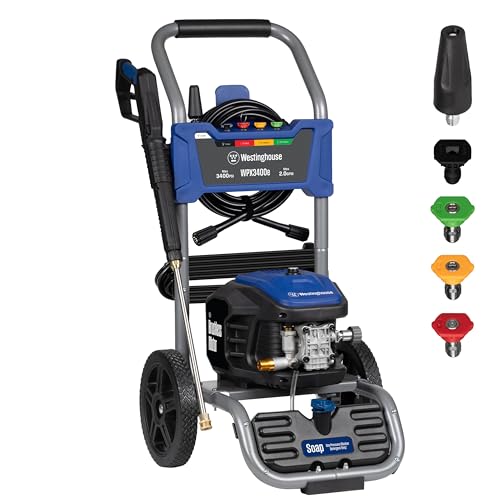
1. Westinghouse WPX3400e Electric Pressure Washer 3400 Max PSI
A Westinghouse WPX3400e Electric Pressure Washer 3400 Max PSI (pressure washer), per the listing. Check price on Amazon.
Good for: cleaning patios and cars. Watch out: Check hose and PSI claims.

2. 5000 PSI Professional Electric Pressure Washer 3.5GPM Heavy Duty
A 5000 PSI Professional Electric Pressure Washer 3.5GPM Heavy Duty (pressure washer), per the listing. Check price on Amazon.
Good for: cleaning patios and cars. Watch out: Check hose and PSI claims.
3. Westinghouse ePX3100 Electric Pressure Washer 2300 Max PSI 1.76
A Westinghouse ePX3100 Electric Pressure Washer 2300 Max PSI 1.76 (pressure washer), per the listing. Check price on Amazon.
Good for: cleaning patios and cars. Watch out: Check hose and PSI claims.

4. MZK Lightweight Pressure Washer Portable Power Cleaner with Foam
A MZK Lightweight Pressure Washer Portable Power Cleaner with Foam (pressure washer), per the listing. Check price on Amazon.
Good for: cleaning patios and cars. Watch out: Check hose and PSI claims.

5. Pressure Washer Portable Power Washer 4 Quick Connect Nozzles
A Pressure Washer Portable Power Washer 4 Quick Connect Nozzles (pressure washer), per the listing. Check price on Amazon.
Good for: cleaning patios and cars. Watch out: Check hose and PSI claims.
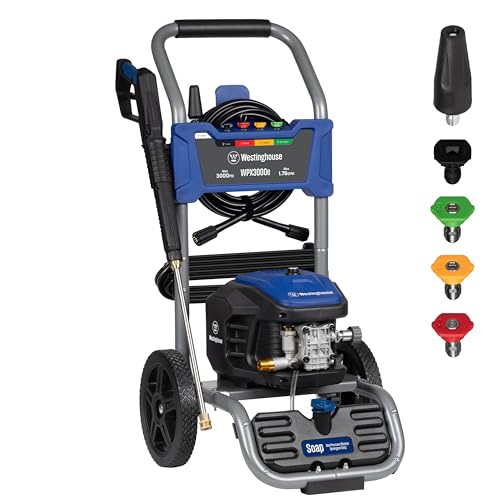
6. Westinghouse WPX3000e Electric Pressure Washer 3000 Max PSI
A Westinghouse WPX3000e Electric Pressure Washer 3000 Max PSI (pressure washer), per the listing. Check price on Amazon.
Good for: cleaning patios and cars. Watch out: Check hose and PSI claims.
7. Westinghouse ePX3500 Electric Pressure Washer 2500 Max PSI 1.76
A Westinghouse ePX3500 Electric Pressure Washer 2500 Max PSI 1.76 (pressure washer), per the listing. Check price on Amazon.
Good for: cleaning patios and cars. Watch out: Check hose and PSI claims.
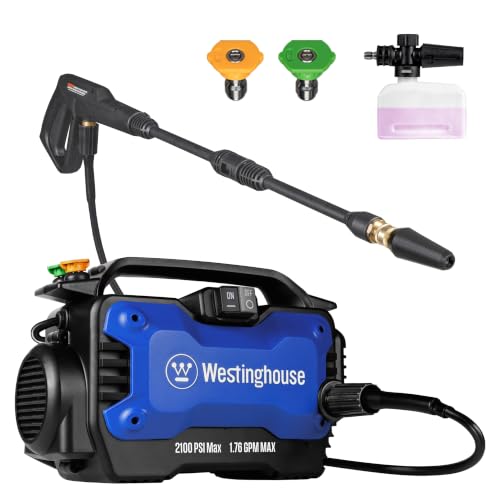
8. Westinghouse ePX3100s Electric Pressure Washer 2100 Max PSI 1.76
A Westinghouse ePX3100s Electric Pressure Washer 2100 Max PSI 1.76 (pressure washer), per the listing. Check price on Amazon.
Good for: cleaning patios and cars. Watch out: Check hose and PSI claims.
Best Picks by Category
These labels summarize listing details and are not hands-on test results.
- Standout pick (limited feedback): 5000 PSI Professional Electric Pressure Washer 3.5GPM Heavy Duty — a mid-range option; check price on Amazon. This is not an independent product-quality award.
- Popular pick: Westinghouse ePX3500 Electric Pressure Washer 2500 Max PSI 1.76 — a mid-range option; check price on Amazon.
- Best value: MZK Lightweight Pressure Washer Portable Power Cleaner with Foam — a budget-tier option; check price on Amazon.
- Budget pick: MZK Lightweight Pressure Washer Portable Power Cleaner with Foam — a budget-tier option; check price on Amazon.
- Premium option: Westinghouse WPX3400e Electric Pressure Washer 3400 Max PSI — a premium-tier option; check price on Amazon.
Price, Rating and Review Comparison
The table compares the picks by price tier. Prices change often, so confirm the current price on Amazon.
| Product | Price | Rating | Ratings | Price tier |
|---|---|---|---|---|
| MZK Lightweight Pressure Washer Portable Power Cleaner with Foam | Check price on Amazon | See listing | See listing | Budget |
| Westinghouse ePX3100s Electric Pressure Washer 2100 Max PSI 1.76 | Check price on Amazon | See listing | See listing | Budget |
| Pressure Washer Portable Power Washer 4 Quick Connect Nozzles | Check price on Amazon | See listing | See listing | Mid-range |
| Westinghouse ePX3100 Electric Pressure Washer 2300 Max PSI 1.76 | Check price on Amazon | See listing | See listing | Mid-range |
| 5000 PSI Professional Electric Pressure Washer 3.5GPM Heavy Duty | Check price on Amazon | See listing | See listing | Mid-range |
| Westinghouse ePX3500 Electric Pressure Washer 2500 Max PSI 1.76 | Check price on Amazon | See listing | See listing | Mid-range |
| Westinghouse WPX3000e Electric Pressure Washer 3000 Max PSI | Check price on Amazon | See listing | See listing | Premium |
| Westinghouse WPX3400e Electric Pressure Washer 3400 Max PSI | Check price on Amazon | See listing | See listing | Premium |
How Much Feedback Backs Each Rating
A high average from a handful of ratings is weaker evidence than a slightly lower average from thousands. Here is how the sample size looks for each pick.
How to Choose
Rating
Check amps, size or power ratings.
Build
Heavier materials last longer.
Safety
Use protective gear and follow instructions.
PSI, GPM and Cleaning Units
Two numbers describe most electric pressure washers. PSI, or pounds per square inch, measures the pressure of the water at the nozzle. GPM, or gallons per minute, measures how much water flows. Pressure helps lift stuck dirt, and flow helps rinse it away, so both matter. Some makers multiply the two to produce a figure sometimes called cleaning units, which can help compare machines, though it is a rough guide and not a performance guarantee.
Pay attention to how listings state PSI. The guide’s warning to check hose and PSI claims is important: terms such as “max PSI” describe a peak figure that the machine may reach under ideal conditions, and the working pressure at the nozzle can be lower. Very high figures on low-priced machines, or on units with small motors, deserve a careful look at the listing’s amp rating, motor type and flow rate. If the numbers do not seem to fit together, read the product details and recent comments.
Higher is not always better. Light tasks like washing cars, outdoor furniture and grills need less pressure than stripping paint or cleaning concrete. High pressure can etch wood, strip paint, damage siding or force water behind seals and window frames. Match the machine to your most demanding job, and use nozzles and distance to reduce pressure when needed. Many homeowners find a moderate electric washer handles most household tasks.
Power Supply, Hoses and Cords
Electric pressure washers need a suitable power supply. Check the listing’s amp rating and voltage, and make sure your outlet and circuit can handle it. A washer on a shared circuit with other appliances may trip a breaker. Use a ground-fault circuit interrupter outlet, commonly called a GFCI, which is designed to cut power if there is a fault, and many machines include a GFCI plug on the cord.
If you need an extension cord, check the machine’s manual for the allowed gauge and length. A cord that is too thin or too long can overheat or reduce performance. Use outdoor-rated cords and keep connections off wet ground. Never use damaged cords.
Hose length affects reach. Check both the high-pressure hose and the power cord lengths on the listing, then think about how far you need to go from the outlet and tap. A longer hose makes it easier to wash vehicles and walls without moving the machine, but heavy hoses can kink or tangle. Quick-connect fittings make changing hoses and nozzles faster, but confirm that the fittings are compatible with your accessories, because standards differ. Check that you have a garden hose connection and a water supply that meets the flow rate the machine needs. A weak supply can starve the pump.
Nozzles, Detergents and Accessories
Nozzles control the spray pattern and strength. Narrow-angle nozzles concentrate the water for stubborn spots, while wide-angle ones spread the force and suit delicate surfaces like cars. A low-pressure soap nozzle draws detergent into the stream. Many machines include a set of color-coded tips or a nozzle with adjustable settings. Check the listing for what is included and how to change nozzles, and read the manual before use.
Detergent systems vary. Some washers have an onboard tank, others have a siphon tube, and some have a foam cannon attachment. Use only detergents recommended for pressure washers and compatible with the surface you are cleaning. Harsh chemicals can damage pumps, paint and plants. Rinse thoroughly and follow label directions.
Accessories can expand what you can do. A surface cleaner attachment can clean flat areas such as patios and driveways more evenly, and an extension wand helps reach gutters or higher walls. Check that attachments are compatible with your machine’s fittings and pressure rating. Avoid cheap, poorly fitting accessories that leak or detach under pressure.
Do not forget protective gear. Safety glasses, closed shoes and gloves are sensible. Learn the trigger lock, and never point the spray at people, animals or yourself.
Surface-by-Surface Technique
How you use the machine matters as much as which one you buy. Start with the widest nozzle and the lowest pressure, and test on a hidden area. Keep the nozzle moving and hold it at a consistent distance, because dwelling in one spot can etch or gouge surfaces. Work from top to bottom, and use overlapping strokes to avoid streaks.
Concrete and pavers usually tolerate higher pressure, but joint sand can wash out, so check and refill after cleaning. Wood decks and fences are softer. Use a wide nozzle, stay farther away, and follow the grain to avoid raising fibers. Siding, painted surfaces and older mortar can be damaged, so be cautious and read the siding maker’s guidance. Vehicles need a gentle nozzle and a safe distance, and avoid spraying into seals, electrical parts and engine bays.
Avoid windows, unless the manufacturer allows it, as high pressure can break seals or glass. Do not spray at electrical outlets, light fixtures or meters. On ladders, the recoil from the trigger can unbalance you, so use an extension wand and keep both feet on the ground when possible.
Pretreat greasy or moldy areas with an appropriate cleaner and give it time to work, but do not let it dry. Rinse thoroughly. Wet surfaces become slippery, so take care on steps and slopes.
Maintenance, Winter Storage and Warning Signs
A pressure washer pump needs water to run, so never operate it dry. Before each use, connect the water supply, squeeze the trigger and let water flow to purge air before turning on the power. After use, release the pressure, turn off the power, and disconnect hoses. Wipe the machine and coil the hoses without kinks.
Check the inlet filter for debris, which can reduce flow, and clean it as the manual describes. Inspect O-rings, hose fittings and the spray gun for leaks, and replace worn parts. Avoid running the pump with the trigger closed for a long time, since it can overheat, and follow the machine’s guidance on thermal relief.
Cold weather is the main risk. Water left in the pump and hoses can freeze and crack parts. Drain the system, run the pump until no water comes out, and store the unit indoors. Some makers recommend pump antifreeze solutions, so follow the manual.
Warning signs include pulsing pressure, leaks, a motor that hums but does not run, unusual noises, a tripped breaker or a power cord that is warm or damaged. Stop using the machine and check the manual. Replace cords, hoses or fittings that show cracks or bulges. If problems continue, consult the warranty, since repair may be covered. Before buying, check that spare parts and accessories are available and that the return policy suits a heavy item. Store the manual and note the model number.
Reading PSI, GPM and Cleaning Units Without Confusion
Pressure washer listings pack several numbers into the title, and the Westinghouse WPX3400e, the Westinghouse ePX3100, the MZK lightweight washer and the 3.5 GPM heavy duty unit all show different figures. Knowing what each one means helps you understand what the machine can realistically do for your jobs.
- PSI: pounds per square inch, the force of the water at the nozzle. Listings often show a maximum figure, which may not be the working figure.
- GPM: gallons per minute, the volume of water. More flow helps rinse dirt away faster.
- Cleaning units: some makers multiply PSI by GPM to describe overall cleaning power. It is a rough comparison tool, not a promise.
- Hose length and power cord length: these decide how far you can work from the tap and the outlet.
- Nozzle set: different spray angles suit different surfaces.
Higher is not always better. Strong pressure can damage soft wood, siding, paint and some masonry, so match the setting to the surface and follow the maker’s guidance.
Matching Pressure to the Job
Choosing the right level means thinking about what you clean most often. The table below gives general ideas, but always read the manual for each surface and try a hidden spot first.
| Job | General approach |
|---|---|
| Cars, bikes and outdoor furniture | Lighter pressure and a wide spray angle |
| Fences and decks | Moderate pressure, with the nozzle kept at a steady distance |
| Concrete driveways and paths | Stronger pressure and a narrow nozzle, working in overlapping passes |
| Siding and windows | Gentle settings and a check of the maker’s advice for your material |
Keep a safe distance from people, pets and windows, and never point the wand at yourself or others. High-pressure water can injure skin and damage property. Wear eye protection and sturdy shoes, and use the safety lock whenever you put the trigger down.
Electric models need a safe power source. Follow the manual regarding extension cords, ground-fault protection and the use of the machine near water, or ask a licensed electrician if you are unsure about your outlet. After each use, release the pressure, drain the hoses, and store the washer where it will not freeze, because trapped water can crack the pump. Use only detergents that the maker approves for the machine.
Noise and weight are practical matters as well. Electric units are generally quieter than gas machines, but you still need to carry the washer, hoses and accessories around your property. Look at wheels, handle design and onboard storage for the wand and nozzles so that setup and cleanup stay quick.
Frequently Asked Questions
Is it right for beginners?
Check the features and manual.
Do I need extras?
Often protective gear or accessories.
How do I store it?
Dry and covered.
How much PSI do I need for washing a car?
Cars need a gentle approach, so a wide nozzle and a moderate setting with some distance are typical. Follow the machine's manual and test on a small hidden area.
Can I use an extension cord with an electric pressure washer?
Only if the manual allows it, and then with an outdoor-rated cord of the correct gauge and length. Keep connections dry and off the ground.
Why is my pressure washer pulsing?
Common causes include trapped air, a clogged inlet filter, a weak water supply or a worn part. Purge air, clean the filter and check the water flow.
Is it safe to use detergent in any pressure washer?
Use only detergents made for pressure washers and compatible with your surface and machine. Harsh chemicals can damage parts and surfaces.
Can I clean windows with a pressure washer?
Generally not at high pressure, because it can damage seals or glass. Check both the washer and window maker's guidance.
Should I leave water in the machine over winter?
No. Drain it fully and store it indoors, because frozen water can crack the pump and hoses. Follow any antifreeze advice in the manual.
What does GFCI mean on the plug?
It stands for ground-fault circuit interrupter, a device that cuts power if it detects a leak of current. It is a safety feature for use around water.
Going Deeper: What Separates an Easy Washer From a Frustrating One
Owners rarely complain about headline pressure; they complain about the hundred small frictions around it. Hose stiffness decides whether the machine follows you willingly around a car or fights every corner. Cord length decides whether you can reach the far side of a deck without dragging the unit across wet ground. Wheel size decides whether the washer climbs a garage lip or tips against it. When you compare the Westinghouse models and the lighter portable picks in this guide, weigh those handling details as heavily as the cleaning power, because they are what you feel on every single use.
Pump and motor design sit underneath those daily impressions. Induction motors generally run quieter and tolerate longer sessions, while universal motors keep a machine lighter and more compact for quick jobs. Neither is automatically better; the right match depends on whether your typical session is a ten-minute patio rinse or a full afternoon of driveway, siding, and fence work. A washer that matches your session length will feel reliable, while an overworked light machine or an oversized heavy one will both feel wrong, just in different ways.
Understanding detergent systems honestly
Onboard tanks are convenient for a single solution, while siphon tubes and foam cannons give you more control over dilution and let you switch products without rinsing a tank. For car washing, a foam cannon’s thick blanket is about dwell time and lubrication, not raw cleaning force. For siding, a low-pressure detergent pass followed by a rinse from the bottom up, then top down, prevents streaks. Whatever system a pick in this guide uses, flush it with clean water after detergent work so residue does not dry inside valves and seals.
Use Cases: Matching the Picks to the Work Around a House
Cars, trucks and motorcycles
Vehicle washing rewards restraint. Stand back, use a wide fan nozzle, keep the jet moving, and treat badges, seals, and chipped paint as fragile, because they are. The lighter portable picks in this list suit this work well: they set up fast, store in a corner, and deliver more than enough flow for foam, rinse, and wheel wells when used at a sensible distance. Engine bays deserve extra caution or a pass entirely, since forced water finds electrical connectors that a garden hose never troubled.
Driveways, patios and walkways
Flat concrete is where higher cleaning units and a surface cleaner attachment, where supported, repay their keep, turning a striped, wrist-tiring wand job into even passes. Work in overlapping lanes away from the house so dirty water has somewhere to go, and pre-treat oil spots and shaded algae patches with an appropriate cleaner and dwell time before you start. The heavier-duty picks in this guide exist for exactly this workload; a compact unit can do it, but the session stretches and so does your patience.
Siding, fences and outdoor furniture
These surfaces punish impatience. Vinyl siding should be washed at an angle that does not drive water up behind the laps, wood fencing wants a gentle fan and distance to avoid raising the grain into fur, and painted furniture wants the lightest touch of all. Test in an inconspicuous spot, let it dry, and look before committing to a whole wall. The mid-range picks in this list are the natural fit here, with enough flow to rinse soap thoroughly without forcing you to stand dangerously close to get results.
A First-Session Routine for Clean Results Without Damage
Set the machine on level ground, connect the water supply and run it through the hose before attaching the wand, so grit from the spigot does not travel into the pump. Purge air by squeezing the trigger until the stream runs steady, then start with the widest nozzle you own and increase intensity only after a test patch. Keep the GFCI plug connection dry and elevated, route cords and hoses so you are never stepping over a live line while backing up, and plan your path so the machine is never pulled by its own hose around a corner.
Technique matters more than force. Hold a consistent distance, move at a walking pace you can repeat, and overlap each pass by roughly a third so you do not leave zebra stripes that only appear once the surface dries. Work shaded sections first on hot days so detergent does not dry on the surface, and rinse more than feels necessary; most disappointment blamed on a washer is actually dried soap film. When you finish, shut off the water, trigger the wand to release pressure, and only then disconnect hoses, in that order, every time.
Troubleshooting: Pressure, Pulsing and Leak Problems
Pressure drops or the motor cycles on and off
Start with supply, not the machine. A kinked garden hose, a partially closed spigot, or a clogged inlet screen starves the pump and produces exactly these symptoms. Check the nozzle for grit next; a single grain can distort the fan and confuse your diagnosis. If the machine pulses with the trigger released, a small leak in the wand, hose, or fittings is letting pressure escape, so inspect connections with the system pressurized and look for the fine mist that betrays a failing seal.
Detergent will not draw
Most electric washers only siphon detergent at low pressure, so confirm you have fitted the correct low-pressure nozzle before suspecting a fault. Check that the pickup tube reaches the bottom of the container and that its small filter is not clogged with dried product. Thick, undiluted solutions draw poorly; follow the product’s dilution guidance. After the job, run clean water through the system until the discharge runs clear, because dried detergent inside the injector is the most common cause of next season’s failure.
Leaks at fittings and worn accessories
Drips at threaded joints usually mean a tired O-ring rather than a cracked part, and O-rings are cheap, standard, and worth replacing as a set when one fails. Store hoses loosely coiled without sharp bends, keep nozzles in a pouch rather than loose in a bucket of fittings, and never let the machine sit pressurized between jobs. A washer treated this way keeps its seals supple and its connections honest for many seasons.
Storage, Safety and Ownership Habits
Before winter in any climate that freezes, drain the pump completely and use a pump-saver product if the manufacturer recommends one, because trapped water expands and cracks housings that survived years of honest work. Coil the cord separately from the hose so neither chafes the other, and store the unit indoors where temperature swings are gentle. Keep a small kit with spare O-rings, the inlet screen, and nozzle-cleaning wire together in a labeled bag on top of the machine; future you, mid-job on a Saturday, will be grateful.
Safety habits deserve the same routine status. Never point the jet at skin, even through a glove, and treat a pressure washer injury as a medical problem rather than a scratch, because water can be forced under skin in ways that look deceptively minor. Keep children and pets inside while you work, wear closed shoes on wet surfaces, and stay off ladders with a running wand; the recoil and the hose are a combination that has ended many cleaning days early. Work from the ground with an extension wand where reach is the problem.
More Questions Owners Ask
Can I run a pressure washer from a bucket or rain barrel?
Only if the manufacturer states the model can self-prime from a standing source, and even then a short, wide supply hose and a clean filter are essential. Many electric washers expect pressurized mains supply and will run dry and overheat without it. Check the manual for your specific pick before experimenting, and never let the pump run without water while you test.
How do I avoid striping on a large driveway?
Stripes come from inconsistent distance, speed, or overlap, so pick a pace and a lane width and keep both boringly steady. A rotary surface cleaner, where compatible, removes most of the human variation. If stripes appear after drying, a second pass at right angles to the first, at gentle pressure, usually evens the result without re-soaking the whole area.
What should I do before washing a deck?
Sweep thoroughly, check for raised nails and loose boards, and move planters so water does not pool behind them. Use low pressure and a wide fan, keep the jet moving with the grain, and expect to follow with a brightener or stain only after the wood has dried fully, which can take days. Aggressive washing that fuzzes the surface creates more sanding work than it saves cleaning time.
When is a washer telling me it needs professional service?
Burning smells, oil or water weeping from the pump body, a GFCI that trips repeatedly, or pressure that fades steadily through every session despite clean filters and a good supply all point beyond home maintenance. Stop using the machine rather than working around those signs; pumps and electrics in a wet environment deserve respect, and a service visit is cheaper than a replacement bought in a hurry.
Head-to-Head: How the Picks in This Guide Differ in Practice
The Westinghouse models in this list form a ladder, and the honest way to climb it is by workload rather than by numbers. The compact ePX-series picks suit apartments, small patios, and car-focused owners who value a machine that comes out of the cupboard without a sigh. Step up within the range and you gain the flow and stamina that flatwork and full-house siding days demand, at the cost of weight and storage footprint. The heavy-duty professional-style pick sits at the top for owners whose cleaning list includes long driveways and serious seasonal grime, and it is wasted on a balcony.
The lighter portable models, including the MZK pick, answer a different brief: cleaning where storage, carrying, and quick setup dominate. A renter who washes a car and a small patio monthly will use a light machine more willingly and therefore more often than a powerful unit that lives buried in a shed. Frequency beats force in real households. Match the machine to the session you will actually repeat all year, and be suspicious of buying for the single biggest job you can imagine, which can usually be handled with patience, detergent, and a borrowed afternoon.
Electric ownership versus petrol ownership, briefly
Every pick here is electric, and that choice brings a household-friendly profile: no fuel to store, no exhaust in a closed garage, no pull cord, and a machine that waits months and starts instantly. The boundaries are equally real: you work within reach of an outlet and a tap, and heavy commercial workloads belong to a different class of machine. For the suburban jobs this guide targets, the electric trade is the right one, and the models above were chosen because they make that trade gracefully rather than grudgingly.
A Job-by-Job Playbook for Common Cleaning Days
Spring patio and furniture revival
Start by sweeping and removing cushions, then wash the furniture first while the patio dries from its own rinse, working top-down so dirty water never crosses a finished surface. Mildew on shaded furniture responds to an appropriate cleaner and dwell time far better than to pressure, so let chemistry work while you wash the slabs. Rinse planters and pots last, move everything back only when surfaces are dry, and the whole space looks deliberately renewed rather than merely hosed down.
Pre-winter driveway and path cleaning
Cleaning hard surfaces before winter is partly cosmetic and partly safety: algae films that are merely ugly in summer become skating rinks after frost. Work lanes toward drainage, pay attention to steps and shaded corners, and clear the runoff path so dirty water does not pond against the house. Finish by inspecting the machine itself before storage, because the washer you winterize carefully in autumn is the washer that works on the first spring morning without a troubleshooting session.
Washing the car properly with a pressure washer
Rinse loose grit first at a respectful distance, apply foam or detergent at low pressure, let it dwell without drying, wash by hand with a mitt where road film clings, and rinse again from the top down. The washer’s role is rinsing and foam delivery; the mitt does the delicate work. Keep the jet away from window seals, sensors, and any paint chip, and never chase a stubborn spot by moving closer and closer, which is how clear coat gets damaged by a tool that was only ever meant to help.
Extended Questions From the Driveway
Can I use hot water with an electric pressure washer?
Most household electric models are designed for cold supply water only, and hot water can damage pump seals that were never specified for it. Check the manual for your exact pick before connecting anything warmer than the tap’s cold side. If you need hot-water cleaning for greasy workshop floors, that is a specialist machine category, and forcing a domestic washer into the role shortens its life quickly.
Why does the fan pattern look uneven or streaky?
An uneven fan almost always means debris in the nozzle or a nozzle worn out of shape by being used as a pry tool or dropped on concrete. Clean it with the supplied wire or a wooden toothpick, never a steel pin that enlarges the orifice. If cleaning does not restore the fan, replace the nozzle; it is a wear part, and a fresh one transforms a machine owners were ready to blame on the pump.
How long can I run the machine continuously?
Follow the duty guidance in your manual, and use common sense between jobs: a washer that is too hot to rest a hand on comfortably is asking for a break. In practice, household work naturally alternates spraying with moving, scrubbing, and repositioning, which rests the motor. Long, uninterrupted flatwork sessions are where planning breaks matters, and they are another reason the heavier picks in this guide suit big properties better.
What extension cord, if any, is acceptable?
Many makers advise against extension cords entirely; where one is permitted, it must be a heavy-gauge outdoor cord rated for the load, kept as short as possible, with connections dry and off the ground. A thin household cord starves the motor, overheats, and causes exactly the weak performance owners then blame on the washer. When reach is a recurring problem, moving the machine and using a longer pressure hose is usually the better engineering answer.
Accessories and Upgrades: What Earns Its Place and What Does Not
A surface cleaner is the one accessory that genuinely changes what an electric washer can do in a day, because it turns driveway work from a wand-writing exercise into steady, even passes and contains the spray that otherwise mists everything nearby. A foam cannon earns its place for vehicle owners who wash weekly, since dwell time and lubrication protect the finish they are trying to preserve. A longer, flexible pressure hose quietly improves every job by letting the machine stay parked while you move, and it is usually a better purchase than a second set of novelty nozzles that promise a pattern for every occasion and mostly gather dust in the storage bin.
What rarely earns its place is the bargain accessory bundle bought on impulse: brushes with stiff bristles that belong nowhere near paint, unbranded quick-connect fittings that weep from the first session, and detergent assortments chosen by scent rather than by the surface you actually clean. Buy accessories against a named job on your own property, confirm the fitting standard matches your machine before ordering, and store the pieces you own in one labeled container with the washer. An accessory you can find, fitted correctly, in the first two minutes of a job is worth three that live in a mystery box in the attic.
Planning a cleaning calendar for the whole property
Spread the work across the year and no single weekend becomes a punishment. Spring belongs to patios, furniture, and the winter film on paths. Early summer suits siding and fences, when everything can dry thoroughly afterward. Vehicles follow their own rhythm whenever road salt or dust demands it. Autumn is for the pre-winter pass on hard surfaces and a careful machine check before storage. Written down once, this calendar also tells you which pick in this guide fits your life: a household whose calendar is mostly vehicles and a patio needs the nimble end of the range, while a property with long drives and full siding sits naturally at the heavier end.
When results disappoint: a calm diagnostic order
When a job looks worse than expected, resist buying anything for a day and work the diagnostic order instead. First, water supply and inlet screen. Second, nozzle condition and correct nozzle choice for the surface. Third, distance and pace, which account for most streaks and missed patches. Fourth, detergent suitability and dwell time. Only after those four should the machine itself be suspected, because in household use the washer is usually the most reliable part of the system and the setup around it is where results are actually decided.
Being a Good Neighbor and a Careful Water User
Pressure washing happens outdoors, in earshot and eyesight of everyone nearby, and a little consideration keeps it welcome. Work at sociable hours, because even a quiet electric washer carries across fences on a still morning. Watch where your runoff goes: soapy water and loosened grime should not be directed into a neighbor’s garden, a fish pond, or a storm drain that your local rules protect, and detergent choice matters more when everything you rinse eventually reaches soil or water. A quick word with the neighbor whose car sits within misting range prevents the most common dispute, which is never about noise at all but about a fine grey film discovered on a clean vehicle the next day.
Water discipline is the other half of the habit. A pressure washer actually uses less water than an open hose for the same job because the trigger shuts the flow off between passes, but only if you use that advantage: release the trigger while you move furniture, reposition, or think. Set up the whole job before the water goes on, keep a bucket and brush for the spots that need scrubbing rather than blasting, and the session gets shorter, quieter, and cheaper all at once. These are the habits that separate owners who enjoy their machine for a decade from owners whose washer becomes a source of small frictions around the house.
A final word on working methodically
Every good result in this guide traces back to the same unglamorous method: prepare the area, test a small patch, work in steady lanes, rinse more than feels necessary, and put the machine away clean and drained. Pressure washing rewards that temperament and punishes hurry more honestly than almost any household task. Learn the method on your own property’s forgiving surfaces first, and by the time you reach the jobs that matter, the machine will feel less like a tool you operate and more like a routine you simply follow.
Bottom Line
Match PSI to the job; higher PSI can damage surfaces.
More Home & Garden Guides
- Best Gel Memory Foam Toppers for Beds
- Best Mesh Office Chairs for Home Use
- Best Battery Push Mowers for Small Yards
- Best Battery Weed Eaters for Home Yards