Where to buy
Check the latest price, availability and delivery on Amazon. Orders are placed on Amazon. We may earn a commission from qualifying purchases.
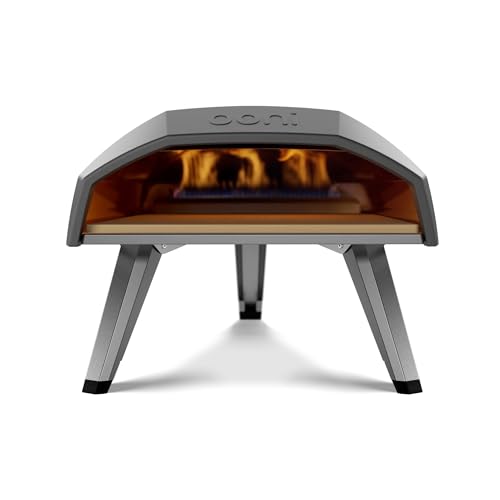
- Best portable gas oven: Ooni Koda 12 Gas Pizza Oven — Check on Amazon
- Best electric option: Ninja Artisan Outdoor Pizza Oven (MO201) — Check on Amazon
- Best for beginners: Solo Stove Pi Prime Pizza Oven — Check on Amazon
- Best build quality: Gozney Roccbox Outdoor Pizza Oven — Check on Amazon
See 2 more options
- BIG HORN OUTDOORS 12-Inch Wood Pellet Pizza Oven — Check on Amazon
- Ooni Karu 12G Multi-Fuel Pizza Oven — covered in prose below; no verified in-budget listing at research time
Read the full guide ↓
Disclosure: As an Amazon Associate, dailyhomedecorating.com earns from qualifying purchases. Links to Amazon on this page are affiliate links; they cost you nothing extra. Listing details such as price and availability change often, so check the current Amazon listing before you buy.
The best outdoor pizza oven for small patios under $500 is a geometry problem before it is a cooking problem. A small patio has to fit the oven, a stand that can hold it safely, room to swing a peel, a legal place for fuel, and the people eating — all inside a few square meters, often with a railing on one side and the house wall on the other. The right oven is the one whose whole system, not just whose body, fits that geometry without crowding out the evening it was bought for.
This guide ranks six ovens by small-patio logic. Light, compact gas leads; the electric oven places second because many small patios come with flame rules attached; and the one wood-fired model appears in prose only, with the smoke conversation held honestly. Every linked pick is a 12-inch oven — on a small patio, a 16-inch oven’s stand, peel swing and clearances consume the entire space, so this guide will not pretend otherwise. All picks were verified against maker specifications and screened against current CPSC recall records, and none is under a recall we could find.
Small patios also concentrate the safety questions. Heat clearances do not shrink because the patio did; if anything they matter more, with walls, fences and furniture closer on every side. The sections below treat placement as the first specification — measure the patio, the stand and the peel’s arc before falling for any oven, and let the space veto the shortlist. A small patio with the right oven is a pizzeria. A small patio with the wrong one is storage.
In this guide
Best outdoor pizza oven for small patios under $500: the quick picks
Six ovens, six different reasons to buy one. The table is the whole guide in miniature — if you already know your fuel and your pizza size, you can shop from here and skip the rest.
| Pick | Best for | Fuel | Pizza size | Peak heat |
|---|---|---|---|---|
| Ooni Koda 12 Gas Pizza Oven | Best portable gas oven | Gas | 12-inch | About 932-950°F |
| Ninja Artisan Outdoor Pizza Oven (MO201) | Best electric option | Electric | 12-inch | About 700°F |
| Solo Stove Pi Prime Pizza Oven | Best for beginners | Gas | 12-inch | 900°F class |
| Gozney Roccbox Outdoor Pizza Oven | Best build quality | Gas, optional wood burner | 12-inch | About 950°F |
| BIG HORN OUTDOORS 12-Inch Wood Pellet Pizza Oven | Best value wood-fired pick | Wood pellets | 12-inch | Up to about 860°F (listing figure) |
| Ooni Karu 12G Multi-Fuel Pizza Oven | Worth knowing about — prose only | Wood / charcoal, optional gas | 12-inch | About 950°F |
How these picks were chosen
Small-patio ranking started with a tape measure. We compared footprints, weights and working envelopes — oven plus stand plus peel swing plus clearance — rather than oven dimensions alone, and every 16-inch model was cut on that arithmetic, however good it is elsewhere. Fuel rules came second: small patios are disproportionately attached to apartments, townhouses and HOA-governed homes, so electric earned a top-two placing and solid fuel was demoted to a clearly-labeled prose mention.
Verification matched the rest of the series: specifications checked against the makers’ own figures, listings and price positions checked so no pick depends on a coupon, and every model screened against current US recall records with recalled products excluded entirely. None of the ovens below is under a CPSC recall we could find at research time.
Finally, we weighted disappearance. A small-patio oven earns its place by vanishing between sessions — folding legs, a cover, a body one person can lift onto a shelf or into a store box. The ranking rewards ovens that leave the patio to its other lives: morning coffee, a chair in the sun, a herb garden. Pizza night should borrow the patio, not annex it.
Safety first: fire, surfaces and clearances
On a small patio, the manual’s clearances are the floor plan. The oven sits on a stable, heat-resistant, non-flammable stand — never a plastic side table, a wooden crate or the patio floor itself — with clear space from walls, fences, curtains, planters and stored items on every side the maker specifies, and nothing combustible above it. Radiant heat on a small patio reaches things a big yard would spare: check what the oven’s mouth and chimney face, and keep that line of fire empty.
Fuel discipline tightens as space shrinks. A propane tank needs its own clear, ventilated spot away from the oven’s heat, and must never be stored indoors; pellets and wood need a small, dry, lidded store that is not the oven’s own hot shadow. Let the oven cool fully on its stand before the cover goes on — on a small patio the temptation to tidy early is strong, and a covered hot oven or a warm oven carried inside is how small spaces get hurt. Keep the walkway past the oven out of the plan entirely: nobody should ever squeeze behind a working pizza oven.
The ovens in detail
Ooni Koda 12 Gas Pizza Oven — Best portable gas oven
Key specs: 12-inch cordierite stone; propane only; heats to about 932-950°F and is ready in about 15-20 minutes; about 20.4 lb; folding legs; compact body roughly 24.4 x 15.5 x 11.7 inches; instant ignition with a flame safety device that cuts the gas if the flame blows out.
The Koda 12 is the small-patio default because its whole system is small: the lightest gas body here, folding legs, a footprint that suits a compact stand, and a cool-down after which one person can carry it to a cupboard. Its flame safety device earns a specific mention in tight quarters, where a gust funneling between fences can lift a flame — the oven cuts its own gas if the flame fails. You will turn pizzas attentively and buy the infrared thermometer it lacks; in exchange, your patio gets a real 950°F-class oven that stores like a suitcase.
Koda 12 ownership on a small patio is the art of the disappearing appliance. It cooks like a serious oven and stores like luggage, and that double life is why it anchors this guide. Owners fall into a tidy liturgy — stand, oven, tank check, bake, cool, cover or cupboard — that takes minutes and leaves the patio to its other purposes. The infrared thermometer lives with the peel; the turning becomes a small craft. Few owners upgrade for size, because the patio, not the appetite, set the specification — and the Koda respects it perfectly.
Who it suits: Anyone who wants the lightest, simplest credible gas oven and bakes 12-inch pizzas.
- The lightest serious gas oven in this guide, and the easiest to carry, store and set up
- Simple one-dial control: light it, wait, bake — there is almost nothing to learn
- The flame safety device is a real reassurance in breezy spots where flames can lift
Honest limitation: It is gas only, with no wood option, and the single rear burner leaves the front of the stone cooler than the back, so you need to turn the pizza during the short bake. There is no built-in thermometer, so an infrared thermometer is close to a required accessory.
Choose it if: Choose it if you want the simplest, lightest route to proper high-heat pizza and you are happy turning the pie as it bakes.
Skip it if: Skip it if wood flavor matters to you, or if you want a built-in temperature readout.
Ninja Artisan Outdoor Pizza Oven (MO201) — Best electric option
Key specs: 12-inch pizzas; electric heat from a standard outlet, with no flame, no tank and no fuel store; maximum temperature about 700°F; five pizza settings covering styles from Neapolitan to New York, plus bake, broil, proof and warm functions; a 12-inch pizza bakes in about 3 minutes; a pizza stone and peel are included; outdoor-rated electric appliance that still needs a dry, covered spot and a suitable outdoor outlet.
Where the small patio comes with rules — a townhouse complex, an HOA, a landlord — the Ninja Artisan may be the only oven on this list you are actually allowed to run, and it makes the most of the permission. No tank to store, no flame to explain, presets that suit a weeknight cook on a small table, and a proofing function that fixes dough in a small kitchen. It still needs a proper outdoor outlet and a dry, covered corner, and its 700°F ceiling is real — but on a rule-bound patio, ‘allowed and good’ beats ‘perfect and prohibited’ every time.
Artisan ownership on a small patio is the quiet life: no fuel runs, no tank questions, no fire anxiety from the neighbors, and dough proofing itself in the same box that will bake it. It asks for a real outdoor outlet and a dry corner, and returns weeknight pizza with almost no setup theater. Its crust ceiling is the known compromise, and owners who chose it for permission reasons rarely relitigate it — they are too busy being the only household on the street legally making pizza on their patio.
Who it suits: Homes where flame and fuel storage are banned or impractical, and preset-driven cooking appeals.
- No open flame and no propane tank, which removes the two things most often banned on balconies and small patios
- Preset pizza styles take the guesswork out of a first bake
- The extra functions — proofing dough, baking, broiling — earn its footprint between pizza nights
Honest limitation: Electric heat tops out around 700°F, well below the 950°F class of the gas and wood ovens here, so crusts come out excellent but the fierce leopard-spotted char of a true Neapolitan bake is gentler. It is also an outdoor appliance: it does not turn a kitchen into a pizzeria, and it must stay dry.
Choose it if: Choose it if flame and fuel are banned or impractical where you cook, or if you want presets instead of fire craft.
Skip it if: Skip it if you are chasing authentic 950°F Neapolitan results, or if you have no weather-protected outdoor outlet.
Solo Stove Pi Prime Pizza Oven — Best for beginners
Key specs: 12-inch cordierite stone; propane; 15,000 BTU burner; heats the stone toward the 900°F class with a maker-stated bake of about 90 seconds; front-facing temperature control dial; panoramic opening for watching the bake; 304 stainless steel construction; about 30.8 lb; maker states up to about 20 hours of cooking from a standard 20 lb propane tank.
The Pi Prime is the small-patio pick for a patio that can give an oven a permanent corner. At roughly 31 lb it is not the carry-away champion, but its front-facing dial is a genuine tight-space feature: you operate it standing in front, not reaching over or around a hot body, and its wide mouth shortens the peel work in a confined swing. Park it on a sturdy stand under its cover, keep its clearance zone honest, and it behaves like a built-in — the patio’s own little pizzeria, always ready.
Pi Prime ownership claims one corner of the small patio and civilizes it. The oven lives ready under its cover, its front dial faces the room like an appliance should, and its wide mouth makes the confined peel work shorter and surer. Owners plan around its permanence — the corner is the pizzeria, the rest of the patio stays social — and find the arrangement grows on them. Keep its clearance zone sacred and its tank legal, and it behaves like the patio was designed around it.
Who it suits: Beginners and busy hosts who want forgiving controls and a clear view of the bake.
- The wide, open front makes launching and turning less intimidating than narrow-mouth ovens
- The front dial is reachable without leaning over a hot oven body
- Stainless construction shrugs off patio weather better than painted finishes
Honest limitation: Solo Stove is honest that its bake takes about 90 seconds rather than the 60 seconds rivals quote, a side effect of that wide, convenient opening losing heat. It is a fair trade, but purists chasing the fastest Neapolitan bake should know it before they buy.
Choose it if: Choose it if you are new to pizza ovens and want forgiving controls and a clear view of the bake.
Skip it if: Skip it if the absolute fastest, hottest bake is your priority, or if you want a wood-burning option in the same body.
Gozney Roccbox Outdoor Pizza Oven — Best build quality
Key specs: 12-inch stone floor; propane burner included, with a detachable wood burner available separately; reaches about 950°F and bakes in about 60 seconds; built-in thermometer; thick insulation with a safe-touch silicone jacket; retractable legs; about 44 lb; a professional-grade peel is included in the box.
The Roccbox on a small patio is a deliberate trade: you give it the patio’s best corner permanently, and in return you get the most composed small oven made — insulated walls that stay touchable, a thermometer that ends guesswork, and heat retention that makes a run of pizzas for four feel effortless. Its weight means the corner is a commitment, so choose this when the patio is primarily a cooking space and the oven is its anchor piece. In that life, it is superb. In a patio that must reconfigure weekly, it is a beautiful obstacle.
Roccbox ownership on a small patio is a marriage, not a fling: it takes the best corner, permanently, and pays rent in composure — the calm thermometer, the touchable jacket, the stone that never seems to tire during a run of pizzas for friends. Hosts with tiny patios and serious standards call it the anchor of the space. The commitment is real, though: at 44 lb it does not do seasonal disappearing acts, so buy it when the patio’s identity is settled, not while it is still being negotiated.
Who it suits: Buyers who value insulation, a built-in thermometer and a premium build over saving weight or money.
- The insulated body holds heat between pizzas better than thinner ovens, so back-to-back bakes stay consistent
- The silicone jacket and built-in thermometer make it the most confidence-inspiring oven here for newer cooks
- Gas out of the box, with a genuine wood option later instead of a second oven purchase
Honest limitation: It is heavy for its size. At roughly 44 lb for a 12-inch oven, it is portable in the sense that it can move, not in the sense that you will enjoy carrying it far. The wood burner is also a separate purchase, so the dual-fuel promise costs extra to unlock.
Choose it if: Choose it if build quality, heat retention and a thermometer you can read at a glance matter more than saving weight.
Skip it if: Skip it if you need 16-inch capacity, or if the oven has to travel up stairs or across a campsite every time it is used.
BIG HORN OUTDOORS 12-Inch Wood Pellet Pizza Oven — Best value wood-fired pick
Key specs: 12 x 12 inch square pizza stone; burns wood pellets; the listing states temperatures up to about 860°F, readiness in about 18 minutes and bakes of about 90 seconds or less; stainless steel body; overall size about 27.1 x 14.2 x 28 inches; folding legs; optional gas and electric burner attachments are sold separately by the brand.
The BIG HORN’s small-patio case is its price and its lightness; its problem is its smoke. A pellet fire in a confined patio fills the space — and the neighbor’s — in a way a big yard absorbs. Choose it only where the patio is open on at least two sides, solid fuel is allowed, and the people above and beside you are either invited or genuinely unbothered. Where those stars align, it is the cheapest wood-fired pizza a small patio can host. Where they do not, its smoke will make the decision for you, socially and quickly.
BIG HORN ownership on a small patio lives or dies by the smoke treaty with your surroundings. In the right setting — open sides, tolerant neighbors, solid fuel allowed — it is a delight: cheap to feed, quick to learn, and light enough to store away. In the wrong one, it is a complaint generator with a chimney. Owners who thrive with it chose their context honestly at purchase time; the oven itself never pretended to be anything but a small, real fire, with everything that means in a small shared space.
Who it suits: Value-first buyers who want wood-fired flavor and accept variable, hands-on temperature control.
- The lowest-cost route in this guide to genuine wood-fired flavor
- Pellets are cheap, widely sold and easy to store in a sealed tub
- The square stone and tall chimney design suit small, casual pizza nights well
Honest limitation: Temperature control is the crudest here: pellet feed and airflow decide the heat, the stone runs cooler than the flame, and results vary more from bake to bake than with any gas pick. Treat the headline temperature as a peak near the flame rather than an even stone temperature, and expect a learning curve.
Choose it if: Choose it if you want wood-fired pizza at the lowest entry cost and you enjoy learning an oven’s moods.
Skip it if: Skip it if you want repeatable, dial-set temperatures or fast weeknight bakes with no fire tending.
Ooni Karu 12G Multi-Fuel Pizza Oven — Worth knowing about — prose only
Key specs: 12-inch pizzas; wood and charcoal out of the box, with an optional gas burner sold separately; a hinged glass door with a view of the bake; a mounted digital thermometer hub on current versions; powder-coated carbon steel shell with ceramic fiber insulation; about 26 lb class. We could not verify a current US Amazon listing and an in-tier price for this exact model at research time, so it appears here without a buying link rather than with a guessed one.
The Karu 12G is this guide’s prose-only pick, and on a small patio the reasoning doubles. We could not verify an in-budget US listing for this exact model, which alone earns it a link-free mention — and a chimney-fed wood fire is, on most small patios, a smoke and clearance problem before it is a dinner plan. If your small patio is a private, open, house-attached terrace where solid fuel is welcome, the standard Karu 12 in our main guide is the verified version of this idea. Otherwise, admire it from the gas and electric side of the fence.
The Karu 12G’s small-patio story is a short one, and this guide tells it plainly so the question is closed: a chimney, a live fire and a tight footprint are a poor match, and we could not verify an in-budget US listing for it besides. Its linked sibling, the standard Karu 12 in our main guide, is where this oven’s virtues belong — a garden with room for smoke to leave. On a small patio, spend the money on the ovens above, which were ranked for exactly your square meters.
Who it suits: Live-fire fans who like the Karu idea with a viewing door and thermometer — and who find it at a reputable retailer inside budget.
- The glass door keeps heat in while you watch, which helps new live-fire cooks judge a bake
- A built-in temperature readout answers the Karu family’s biggest beginner complaint
- Same light, portable footprint as the standard Karu 12
Honest limitation: Because we could not verify its current US listing and price inside this budget, we will not send you to a link we have not checked. Prices and listings for this model move, and third-party listings at inflated prices are common in this category.
Choose it if: Consider it if you find it at a reputable retailer, listed inside this budget, and you want the door and thermometer upgrades over the standard Karu 12.
Skip it if: Skip it if you want to order today from a verified listing — the standard Karu 12 above is the same idea with a link we could stand behind.
No Amazon link for this pick: we could not verify a current US listing inside this budget at research time, so it is covered in prose only. Check reputable retailers directly if it interests you.
Side-by-side comparison
| Oven | Fuel | Size | Weight | Thermometer | Best for |
|---|---|---|---|---|---|
| Ooni Koda 12 Gas Pizza Oven | Gas | 12-inch | About 20.4 lb | No | Best portable gas oven |
| Ninja Artisan Outdoor Pizza Oven (MO201) | Electric | 12-inch | Countertop class | Yes, preset controls | Best electric option |
| Solo Stove Pi Prime Pizza Oven | Gas | 12-inch | About 30.8 lb | No | Best for beginners |
| Gozney Roccbox Outdoor Pizza Oven | Gas + optional wood | 12-inch | About 44 lb | Yes, built in | Best build quality |
| BIG HORN OUTDOORS 12-Inch Wood Pellet Pizza Oven | Wood pellets | 12-inch | Light, folding-leg class | No | Best value wood-fired pick |
| Ooni Karu 12G Multi-Fuel Pizza Oven | Wood / charcoal + optional gas | 12-inch | About 26 lb class | Yes, on current versions | Worth knowing about — prose only |
Read the table as a map of trade-offs rather than a league table. The heaviest oven here is heavy because of insulation you can feel in every bake; the lightest earns its weight with a simpler burner and a thinner stone routine. Price positions move constantly, so use the Amazon links to check the current price on Amazon for the two or three ovens your fuel and size answers leave standing.
What this budget really buys
On a small patio, the budget’s most important purchase is not in the oven table at all — it is the stand. A cheap oven on a proper stand is a safe, satisfying system; a flagship balanced on an unsuitable table is a hazard with good marketing. Read this tier as system money: oven, stand, cover, peel, and the small storage that lets the system disappear. The picks here were chosen partly because they leave that system money intact inside the same overall budget.
Small spaces also punish the buy-twice pattern more than big ones. A too-large oven does not merely disappoint on a small patio; it occupies the entire stage while disappointing, and its replacement must first evict it. The discipline this guide keeps recommending — measure the system, honor the clearances, let the space veto — is really a budget rule: the cheapest oven is the one whose footprint you verified before the box arrived, because returns, restocking and resale losses are the most expensive accessories in the category.
Spend the remainder on the patio itself. What is left after a mid-list pick funds the things that make a small patio feel like a restaurant rather than a corridor: a folding side table for the landing zone, decent lighting for evening bakes, a storage box that swallows the oven’s kit. Entertaining math on a small patio is total-experience math, and the ovens at the top of this list are there because they leave the experience affordable.
One pattern in the table is worth naming: every oven here is a specialist wearing a generalist’s clothes. The specifications that look like weaknesses in a row — a lower peak temperature, a heavier body, a fuel you must tend — are the shadows of the strengths in the same row, and the right question is never which oven wins the table but which row’s compromises you will enjoy living inside. Shortlist by fuel and size, confirm by the limitation you mind least, and the table has done its job.
Setup, first burn and your first bake
Small-patio setup day has one rule: rehearse the geometry cold before anything gets hot. Place the stand, set the oven on it, and stand in the cook’s spot with the peel in hand. Swing the peel through its full arc — loading, turning, pulling — and watch what it nearly touches. Move the planter, the chair, the storage box now, while moving things is free. Check the door’s swing behind you and the route a finished pizza takes to its landing spot; on a small patio, choreography is a safety feature.
The first burn doubles as a heat audit of the whole patio. Run the oven up in stages and, with the back of your hand at a safe distance, learn where its heat actually goes: out of the mouth, up from the chimney or vent, radiating from the body. Confirm that nothing in that geography is combustible, meltable or a landlord’s fixture you would rather not explain. Electric ovens make this audit easy; gas ovens reward it; it is also when you confirm the tank’s or the cord’s final position, dressed neatly out of the footpath.
For the first bake, stage everything before ignition: dough, toppings, flour, landing board, gloves, thermometer. A small patio offers no room for the mid-bake dash indoors, and a cook crossing a hot zone with supplies is how accidents RSVP. Bake the plain cheese test pie, note the preheat time and the stone’s behavior, and let the oven cool completely in place before the cover goes on — the patio will look untidy for an hour, and that hour is the price of a tidy safety record.
How to choose the right oven for your space
Measure the system, not the oven
Draw the patio. Mark the stand’s footprint, the oven on it, the clearance zone on all sides, the peel’s swing arc, and the cook’s standing spot. Then mark what remains for a chair and a small table — that remainder is your real patio. If the drawing fails, the oven is too big, whatever its product page footprint claims. Twelve-inch ovens exist precisely because this drawing usually fails at sixteen.
Choose the stand as carefully as the oven
The stand must be stable, heat-resistant, rated for the oven’s weight plus a launched pizza’s leverage, and sized so the oven cannot be knocked toward an edge. A stand with a lower shelf quietly solves the fuel and tool storage that small patios lack. Wobbly is not a personality trait in a stand; it is a disqualification.
Decide where the oven sleeps
Between sessions the oven can live on its stand under a cover, in a deck box, or indoors once cold. Each choice favors different picks: folding, light ovens suit the carry-away life; heavier insulated ovens suit the permanent corner. Decide before buying, because storage is the feature you will use most often — every single time you do not cook.
Let the patio’s rules rank the fuels
Small patios inherit rules from landlords, HOAs and proximity. Electric where flame is banned, gas where a tank can legally live, solid fuel only where smoke has somewhere to go. The fuel decision on a small patio is made by the space and its rulebook first, and by your taste second — and a guide that pretends otherwise is setting you up for a complaint.
Plan the pizza’s landing zone
A small patio still needs somewhere for a finished pizza to land that is not the oven stand’s edge or your lap. A folding side table, a tray stand, even a cleared chair — decide it in advance. The landing zone is the smallest item in this guide and the one whose absence is felt most urgently, peel in hand, ninety seconds into the evening.
Care, cleaning and storage
Small-patio care is a war on clutter and moisture. The oven’s corner stays swept — leaves and packaging migrate on small patios and must never colonize the hot zone. The cover goes on cold and dry, comes off for an airing after wet weeks, and gets replaced when it cracks. Pellets and wood, where used, live in their sealed tub, not in a bag by the oven; the propane tank, where legal, lives upright in its one assigned spot, not wherever it last fit.
Because everything is close, small-patio ovens get inspected more by accident — use that. A glance at the hose each setup, a sniff at the connection, a look at the stone before the cover goes on: thirty seconds of habits that catch the season’s problems while they are still small. At season’s end, light ovens go to their indoor storage clean and dry; the permanent-corner ovens get their deep clean, their stone checked, and their corner swept back to rights.
Common mistakes to avoid
Buying a 16-inch oven for a 12-inch patio. The oven might physically fit; its stand, clearances and peel swing will not. The result is an oven used twice and stored forever. Size the system, not the stone.
Balancing the oven on whatever table exists. A plastic or glass patio table under a 900°F appliance is a failure scheduled, not a risk taken. The stand is part of the oven’s price — budget it with the oven.
Storing the tank in the hallway cupboard. Small spaces tempt illegal storage. A propane tank lives outdoors in a legal, ventilated spot or the oven does not run on gas — choose electric rather than improvising around a fire rule.
Covering or moving the oven while it is warm. On a small patio everything is close, including the cover, the cushions and the cook. Let the oven cool where it stands, completely, every time.
Ignoring the neighbors’ airspace. Smoke and cooking smells on a small patio are shared experiences. Gas and electric keep the peace; solid fuel spends goodwill. Spend it knowingly, or not at all.
Final recommendation
For most small patios, the Ooni Koda 12 is the answer this guide keeps arriving at: the lightest complete system, real high-heat performance, and a storage footprint that gives the patio back. Where flame is not allowed, the Ninja Artisan takes the same role honestly, and where the patio can host a permanent corner, the Solo Stove Pi Prime and Gozney Roccbox reward the commitment in different currencies — convenience and composure.
Measure first, obey the patio’s rules, and let the space veto anything it cannot hold safely. Do that, and a small patio stops being a limitation at all: it becomes the coziest pizza restaurant you have ever had a table at, with the shortest commute home in the world.
Whichever oven you choose, buy it from the maker or an authorized seller, keep the manual’s clearances as law, register the product the week it arrives, and give yourself three honest practice bakes before judging it. Pizza ovens reward patience at every stage — in the preheat, in the learning, and in the purchase itself.
Narrowing the shortlist
Narrow with the tape measure in one hand and the rulebook in the other. Strike every oven whose working envelope — stand, clearances, peel swing — your drawing of the patio cannot hold; sentiment is not a dimension. Strike every fuel your rules exclude. On most small patios this leaves two or three ovens, and among survivors the question becomes storage: the one that disappears wins ties, because a small patio’s scarcest resource is not heat but emptiness.
If exactly one oven survives both cuts, buy it without regret — constraint is a form of expertise. If none survive, the patio has told you something worth hearing before money moved: the stand, the spot or the timing needs to change first. Small patios reward the patient disproportionately, because when the fit is finally right, everything about the little pizzeria feels designed — and it was.
A year of pizza nights: the seasonal picture
Small patios live closer to the seasons than big yards do. Spring asks for the annual audit: stand steady, clearances still honest after winter rearrangements, cover replaced if it cracked. It is also the season when a small patio feels largest — every oven here seems made for the first mild evenings, when the whole setup is a table, a glow and two chairs.
Summer concentrates everything a small patio does: heat, closeness, the neighbors’ open windows. Bake in the cooler edges of the day, keep the cook shaded and hydrated, and let the oven’s exhaust path stay as planned rather than drifting with the furniture. Autumn returns the patio to the cook — the crowds thin, the oven’s warmth becomes a feature of the seating rather than a burden — and winter reduces the question to storage, answered well or badly back in spring. A small patio rewards the owner who thinks in this cycle, because in a few square meters there is nowhere for a neglected season to hide.
Frequently asked questions
What is the smallest pizza oven worth buying?
The compact 12-inch ovens in this guide are the practical minimum for real pizza: smaller novelty ovens exist, but they give up the stone temperature and working room that make the results worthwhile. A light 12-inch gas oven is the small-patio benchmark.
Can a pizza oven sit on a patio table?
Only on a table that is stable, heat-resistant, non-flammable and rated for the oven’s weight — a proper stand or metal-topped table, never plastic or glass. When in doubt, buy the stand the maker sells for the oven; it is designed for exactly this load and heat.
How much clearance does a pizza oven need on a small patio?
Follow the manual for your model — clearances vary — and treat them as minimums from walls, fences, furniture and anything combustible, including overhead. If your patio cannot provide a model’s clearances, that model is too big for your patio regardless of its footprint.
Is electric or gas better for a small patio?
Electric wins where flame or tank storage is banned, and it is the simplest weeknight option; gas wins on peak heat, portability and independence from an outlet. The patio’s rules usually decide first — check them before comparing specifications.
Where do I store a pizza oven on a small patio?
On its stand under a fitted cover is the zero-effort option for heavier ovens; light folding ovens can go in a deck box or indoors once fully cold. Never store a warm oven, and never bring the propane tank indoors with it.
Can I use a wood-fired oven on a small patio?
Only where solid fuel is explicitly allowed, the patio is open enough for smoke to clear, and clearances can be honored — a combination many small patios cannot offer. That is why this guide’s wood-fired entry is a prose-only mention rather than a linked recommendation.
Can I put a pizza oven on a wooden deck?
Treat decking as a surface to protect, not a foundation: the oven belongs on a proper stand, and wood or pellet ovens additionally need a non-flammable hearth layer beneath and around the ember zone, with clearances honored. Many owners choose a small paver or stone pad on the deck for exactly this reason. When in doubt, follow the oven manual’s surface requirements — they override any guide’s generalities.
How do I keep a small patio usable when the oven is not on?
Choose like a renter of your own space: folding-leg ovens that store in a deck box or cupboard, a stand that doubles as a side table, and a cover that makes the permanent corner look intentional. The test is February: if the patio still works for coffee and a chair with the oven stored, you bought the right system.
Related guides
More outdoor guides from this site, chosen to sit alongside a pizza oven purchase:


