Where to buy
Check the latest price, availability and delivery on Amazon. Orders are placed on Amazon. We may earn a commission from qualifying purchases.
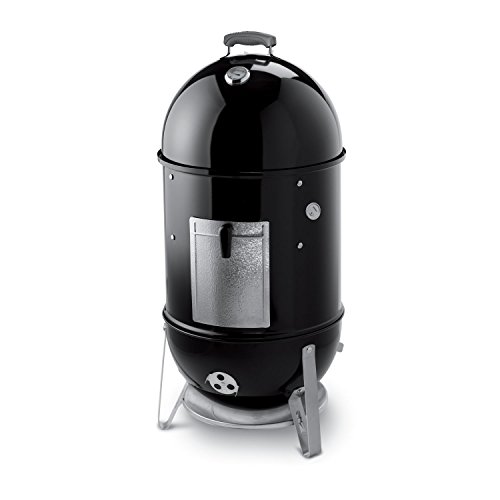
- Best for feeding a crowd: Weber Smokey Mountain Cooker, 18-Inch, Model 721001 — Check on Amazon
- Best main station: Char-Griller AKORN Kamado Charcoal Grill and Smoker, Model E16620 — Check on Amazon
- Best fast grilling station: Weber Performer Deluxe Charcoal Grill, 22-Inch, Black — Check on Amazon
- Best overflow and second fire: Char-Griller AKORN Jr. Portable Kamado Charcoal Grill and Smoker, Model E86714 — Check on Amazon
- Best premium searing station: Kamado Joe Joe Jr. 13.5-Inch Ceramic Charcoal Grill, Model KJ13RH — Check on Amazon
- The ceramic upgrade above this tier: Kamado Joe Classic Joe I, 18-Inch, Model KJ23RH — covered in prose below; its Amazon price sits above this guide’s ceiling, so it carries no purchase link here
Read the full guide ↓
Disclosure: As an Amazon Associate, dailyhomedecorating.com earns from qualifying purchases. Links to Amazon on this page are affiliate links; they cost you nothing extra. Listing details such as price and availability change often, so check the current Amazon listing before you buy.
Shopping for the best charcoal grill for outdoor entertaining under $700 is really shopping for a system, because entertaining is where a grill stops being an appliance and becomes a schedule. The questions change completely. It is no longer “how does it cook for four on a Tuesday” but “how does it feed fourteen on a Saturday without the host disappearing into fire management for three hours.” Throughput matters — how much food moves across the grate per hour. Holding matters — the first batch must stay warm and good while the third batch cooks. Recovery matters — a grill that takes twenty minutes to come back to temperature after the lid opens for a full load of cold chicken will make you late for your own party. And the host’s workload matters most of all: the best entertaining cooker is the one that asks the least of you between lighting it and serving.
That logic reshapes the ranking. The dedicated smoker leads this guide, which surprises people until they think about how party food actually works: the great entertaining meats — pulled pork, ribs, brisket, whole chickens — are cooked ahead, held beautifully, and served in volume, and a two-grate water smoker produces more party food per dollar and per square foot than anything else in this tier. The insulated kamado follows as the best main station, because it grills, roasts and holds temperature through an afternoon of lid openings with a calm that uninsulated cookers cannot match. The kettle station is the speed pick, the fastest charcoal routine in the guide for the burger-and-sausage style of party. The two compacts earn their places as second fires — overflow capacity and a dedicated searing or vegetarian station — because at a real gathering, two modest cookers beat one large one almost every time. Hosts planning the whole yard rather than just the grill should pair this guide with Best Patio Furniture Set For Outdoor Entertaining Under $700; the seating plan and the cooking plan are the same plan.
One honesty note, as in every version of this shortlist: the full-size ceramic kamado that tops so many wish lists is priced above this ceiling on Amazon, so it is discussed in prose — what it would add to a party, and what it would not — rather than linked. And a second: no grill in this tier feeds thirty people in one batch, and any guide that implies otherwise is selling you something. What this tier does brilliantly is feed eight to sixteen people with food cooked in waves, which is how every good backyard party in history has actually been catered. The general shortlist behind this ranking is Best Charcoal Grill Under $700; this version reorders it for the host.
In this guide
Quick Picks: The Best Charcoal Grill for Outdoor Entertaining Under $700 at a Glance
Match your party style to a row. Every linked pick goes straight to its Amazon listing so you can confirm the live price and configuration.
| Party style | Pick | Why it stands out | Link |
|---|---|---|---|
| Best for feeding a crowd | Weber Smokey Mountain Cooker, 18-Inch | 481 sq. in. across two stacked grates, cooked ahead and held — the highest party throughput per dollar in this tier | Check on Amazon |
| Best main station | Char-Griller AKORN Kamado, Model E16620 | Insulated kamado that grills, roasts and holds through an afternoon of cooking, on a cart with shelves | Check on Amazon |
| Best fast grilling station | Weber Performer Deluxe Charcoal Grill, 22-Inch | Gas ignition and a work table make it the fastest, calmest burger-and-sausage line in the tier | Check on Amazon |
| Best overflow and second fire | Char-Griller AKORN Jr., Model E86714 | A second insulated fire for sides, seafood, vegetarian grilling or the overflow batch — at a fraction of the budget | Check on Amazon |
| Best premium searing station | Kamado Joe Joe Jr., 13.5-Inch | A ceramic steak-and-seafood station that frees the main grill and cooks the best food at the party | Check on Amazon |
| The upgrade above this tier | Kamado Joe Classic Joe I, 18-Inch | Full-size ceramic for hosts who cook for a crowd weekly — priced above this guide’s ceiling on Amazon, so covered without a link | Prose only — see review below |
How These Picks Were Chosen
Entertaining reorders the criteria. First, throughput and holding: how much food a cooker finishes per hour, and how gracefully finished food waits — stacked grates, warming racks and insulated bodies that double as holding ovens all scored heavily. Second, recovery and calm: a cooker that shrugs off lid openings and cold loads, because party cooking is nothing but lid openings and cold loads; insulation is the single best predictor of a relaxed host. Third, workload: ash systems, fuel doors, ignition speed and work surfaces — every minute of fire-tending is a minute the host is not hosting. Fourth, the ensemble value: because two-cooker setups dominate real entertaining, picks were judged partly as partners — what does this cooker add beside that one — which is why two compacts make an entertaining shortlist at all. The standing rules of the series still applied: a verifiable Amazon listing for the exact model at or under $700 at research time (the Classic Joe I fails that gate and is prose-only), specifications from maker and listing data cross-checked where they disagreed, cooking areas translated into actual food, and no pick subject to a CPSC recall we could find. Prices in this category swing with the grilling season, so check price on Amazon when you order — ideally before your party is on the calendar, not the week of it.
The Six Picks in Detail
Weber Smokey Mountain Cooker, 18-Inch, Model 721001 — Best for Feeding a Crowd
Who it suits. The host whose parties are built around barbecue: the shoulder that feeds twelve as pulled pork, the rib afternoon, the brisket that makes the gathering an event. The Smokey Mountain leads this guide because entertaining food rewards cooking ahead, and no format cooks ahead like a water smoker — its output is finished before the first guest arrives, holds for hours, and serves in the kind of volume that makes a party feel abundant.
The machine is a vertical stack: charcoal base, porcelain-enameled water pan that steadies the temperature and keeps the chamber humid, and two plated steel cooking grates totaling 481 square inches. Translate that into a party: two pork shoulders — pulled, that is sandwiches for a crowd — or ribs across both levels, or a shoulder above and a pan of beans below catching the drippings. The fuel door on the side adds charcoal and wood without dismantling the stack, the dampers (three below, one in the lid) run the fire, the lid thermometer and probe grommet keep you informed, and the whole cooker weighs about 39 pounds and stores in sections when the season turns. The hosting virtue is temporal: a smoker’s work happens in the morning, at a pace the host chooses, and by party time the cooking is done and the cooker is a warm monument in the corner rather than a job. No other format in this guide gives the host their afternoon back like that.
Pros. The most party food per dollar and per square foot in this tier; cook-ahead, hold-long menu that frees the host; stacked capacity on a small footprint; fuel door for calm refueling; a bottomless community knowledge base for every party cut.
Honest limitation. It does one tempo: low and slow. A party built on burgers to order is not its party, and as a grill it is a workaround. The water pan’s cleanup is the least glamorous job in this guide, and a long smoke consumes a long afternoon of fuel — budget the charcoal bag accordingly. Hosts should also know it perfumes the yard for hours, gloriously to barbecue people and noticeably to everyone else.
Choose it if your entertaining menu is barbecue and your parties run to double digits. Skip it if your parties are grill-to-order affairs — your main station is below. Check price on Amazon, and confirm the 18-inch listing; the 22-inch is a different, hungrier cooker.
Char-Griller AKORN Kamado, Model E16620 — Best Main Station
Who it suits. The host who wants one station that handles the whole party menu: roast chickens while guests arrive, sear steaks to order, hold sides warm, and — between parties — smoke the weekend ribs. As a main station for entertaining, the AKORN’s insulation is its party trick: across an afternoon of openings, loadings and temperature changes, the triple-wall steel body recovers fast and drifts little, which is the difference between a host who cooks and a host who fights a fire in front of an audience.
The Amazon listing states 445 square inches of total cooking area including the warming rack, over a roughly 20-inch cast iron main grate. For a party, that layout works as a small line: proteins searing on the main grate, finished items holding on the warming rack, and — with the deflector stone that is sold separately and worth buying for exactly this role — a whole zone of gentle indirect heat for roasting vegetables, warming rolls or holding a tray at serving temperature. The cart gives the station a home with folding shelves for trays, the lid locks for moving it, the EasyDump ash pan keeps mid-season cleanup to seconds, and the price leaves a genuinely useful share of the budget for the party infrastructure around it — the second cooker below, the big serving boards, the extra charcoal. In entertaining terms, that headroom is a feature no flagship can offer.
Pros. One station for the whole menu, with insulated calm through a long afternoon; warming rack and big main grate for line-style cooking; cart and shelves included; mid-tier price funds the rest of the party setup.
Honest limitation. One chamber is one temperature at a time: the host who wants ribs at smoking temperature and steaks at searing temperature simultaneously needs the two-cooker answer, not a bigger kamado. The deflector stone is an extra purchase. And painted steel asks for its cover between parties — a station that lives outdoors earns its keep only if it is kept.
Choose it if you want the single most capable party station in the tier. Skip it if your parties are pure barbecue (the smoker above) or pure grill-to-order volume (the kettle below, or the kettle plus a compact). Check price on Amazon; seasonal sales move this model often.
Weber Performer Deluxe Charcoal Grill, 22-Inch, Black — Best Fast Grilling Station
Who it suits. The host of the classic grill party: burgers, sausages, chicken pieces and corn, cooked to order in waves while people stand around with drinks. For that format, speed and workflow beat everything, and the Performer Deluxe is the fastest charcoal workflow in this guide — the 22-inch kettle (363 square inches) mounted in a cart with a work table, a charcoal bin, and gas ignition that lights the fire at the push of a button.
Run a party on it and the design choices line up. The Touch-N-Go ignition means relighting or boosting a fire mid-party takes minutes, not a chimney cycle, so the second wave of burgers never waits on the fire. The work table is the staging area every grill party improvises badly — raw tray on one side, cooked tray on the other, tongs and thermometer between — and having it bolted to the grill keeps the host in one station instead of sprinting to the kitchen. The hinged grate lets you add coals without moving food. The One-Touch system sweeps ash into an enclosed catcher, so the station stays presentable through the event and cleans up after it in a minute. And the kettle’s two-zone fire is the party technique itself: a hot side for searing, a safe side where finished burgers hold and cheese melts, so guests eat in waves without anything going cold or catching fire.
Pros. Fastest light-up and recovery routine in the tier; a real staging table at the grill; enclosed ash handling keeps the party area clean; two-zone kettle cooking is built for serving in waves; the deepest parts and accessory support for a long hosting career.
Honest limitation. A 22-inch grate is a wave machine, not a banquet: figure on cooking for the crowd in batches and holding on the safe side, and know that a party of twenty all eating at the same minute is beyond any single cooker here. It is also a grill first — its smoking is competent with attention, not set-and-forget — so mixed menus pair it with the smoker or a kamado rather than asking it to be both. The cart footprint is permanent; place it once, well.
Choose it if your parties are grill-to-order and your hosting style is “cook and talk at the same time.” Skip it if your signature party is a brisket — that is the Smokey Mountain’s invitation. Check price on Amazon, and confirm the Deluxe with gas ignition rather than the plain Performer cart. Hosts comparing a no-ash party option should also read Best Gas Grill For Outdoor Entertaining Under $700.
Char-Griller AKORN Jr. Portable Kamado, Model E86714 — Best Overflow and Second Fire
Who it suits. Every host who has ever stood at a full grill holding a plate of food that does not fit. The AKORN Jr. is the second-fire pick: a genuine insulated kamado — triple-wall steel, cast iron grate, real vent control — in a locking-lid body one person can carry to wherever the party needs it. Its party roles are the ones main grills do badly: the vegetarian and sides station, kept free of meat; the seafood fire, hot and brief; the overflow grate when the main cooker is full; the kids’-burgers-first early shift; and the warming fire that holds at a low, steady temperature while the main event finishes.
Its 155 square inches are small in isolation and exactly right in an ensemble — a tray of sausages, four burgers, a halved rack of ribs, a grate of corn and peppers. Because it is insulated, it holds a low holding temperature on a handful of charcoal for hours, which is the unglamorous superpower of party cooking. Because it locks shut and carries, it also takes the party elsewhere: the park pavilion, the beach lot, the tailgate, where its kamado manners cook circles around the disposable grills around it. And because its price is a small fraction of this guide’s ceiling, it is the rare entertaining upgrade that requires no budget meeting: main station plus AKORN Jr. is the two-fire setup this guide recommends most, and it fits the tier with room to spare.
Pros. A true second fire with kamado control, at a fraction of the budget; dedicated-station duty (vegetarian, seafood, overflow, holding) that transforms party logistics; portable to wherever the gathering is; quick ash handling and a locking lid for transport.
Honest limitation. It cannot headline: as a party’s only cooker it serves four, not fourteen, and this guide will not pretend otherwise. Its street price is the most volatile here, with a history of jumping above its usual level — check price on Amazon before the party depends on it. And a second fire is a second fire to tend: for small gatherings it stays in the shed, correctly.
Choose it if you already host, or plan to, with any other pick on this page. Skip it if your gatherings are four people at a table — one cooker is the honest setup. The accessory kit that makes two-fire hosting smooth — extra tongs, trays, a second thermometer — is covered in Best Grill Accessories Under $700.
Kamado Joe Joe Jr. 13.5-Inch Ceramic Charcoal Grill, Model KJ13RH — Best Premium Searing Station
Who it suits. The host whose parties are smaller and whose standards are higher: eight people, a serious menu, and a main grill busy with volume while something precious — dry-aged steaks, scallops, a whole fish — deserves a dedicated fire. The Joe Jr. is that fire: a true ceramic kamado, with the maker’s lifetime warranty on its ceramics, that reaches and holds a fierce, even searing heat on its roughly 150-square-inch stainless grate and then, with its included heat deflector dropped in, turns gentle for roasting.
As an entertaining tool its virtues are precision and theatre in equal measure. Ceramic’s heat retention makes it the best small searing surface in this guide; its vent control makes it the calmest; and a compact red ceramic cooker on its cast iron stand, working at the edge of the patio, is the kind of thing guests gather around — the host who cooks the steaks on it is performing, pleasantly, whether they planned to or not. It is also the pick for the couple who entertain small and often: dinner for four with a cooker that feels like an heirloom beats a crowd machine used at a tenth of its capacity, fifty weeks a year. Between parties it lives on a table or low stand under a cover, taking a fraction of the yard a cart claims.
Pros. The finest searing and the finest build in this guide; lifetime ceramic warranty; deflector and stand included; compact footprint between parties; cooks the best food at the gathering, whatever else is on the main grill.
Honest limitation. Capacity is its honest ceiling: it is a station, not a solution, and a party of twelve needs it paired with volume from something else. Ceramic is fragile against knocks and drops, so its party spot should be out of the traffic line of coolers and chairs. And at roughly 76 pounds it is movable, not portable — it goes to its spot and stays there.
Choose it if your entertaining is small-group and quality-led, or as the premium partner to a volume cooker. Skip it if your parties are headcount-first — the smoker and the kettle station will serve you better. Check price on Amazon; it is often discounted from the maker’s list, which is how it holds its seat in this tier.
Kamado Joe Classic Joe I, 18-Inch, Model KJ23RH — The Ceramic Upgrade Above This Tier (Prose Only)
Who it suits. The serious host who cooks for a crowd most weekends and came here hoping the famous 18-inch ceramic fits the budget. The straight answer: on Amazon at research time, it does not — the Classic Joe I sits above this guide’s $700 ceiling — so it is covered in prose, without a purchase link, and with an honest account of what it would and would not change about a party.
What it adds is real: an 18-inch ceramic grate (about 250 square inches) plus a two-tier system that stacks a second level for holding and overflow, on a cart with shelves, with the lifetime ceramic warranty behind it. For a weekly host, that is a genuine main station with genuine expansion room. What it does not add is throughput magic: a party’s bottleneck is rarely the main grate alone — it is holding space, staging, and the host’s attention — and this guide’s in-tier ensembles (smoker plus kettle, kamado plus compact) attack all three bottlenecks at once, inside the budget, which a single over-budget cooker cannot. The Classic I is the right purchase for the host who has decided the budget is a guideline and the weekly crowd is a certainty; it is the wrong purchase as a hopeful upgrade for the twice-a-year party.
Pros. Full-size ceramic with two-tier expansion; cart and shelves; lifetime ceramic warranty; a complete, permanent party station for the frequent host.
Honest limitation. Priced above this guide’s ceiling on Amazon as of this writing. Heavy and permanent once placed. And the maker’s Series II above it means even this purchase invites the next step up — budget creep is this product line’s business model, and hosts should walk in knowing it.
Choose it if — outside this guide’s frame — weekly crowds and a flexible budget describe your life. Skip it if the ceiling is real: the ensembles in this guide will feed your parties better for the same money. Hosts whose yard plan includes a fire feature for after dinner should also see Best Fire Pit For Outdoor Entertaining Under $700.
Comparison Table
| Pick | Format | Cooking area | Entertaining strength | Watch out for |
|---|---|---|---|---|
| Weber Smokey Mountain 18″ | Vertical water smoker | 481 sq. in. on two grates | Cook-ahead crowd food; host is free by party time | Low-and-slow only; water pan cleanup |
| Char-Griller AKORN E16620 | Kamado on cart | 445 sq. in. total incl. warming rack | One station for the whole menu; insulated calm | One chamber, one temperature at a time |
| Weber Performer Deluxe 22″ | Kettle on cart | 363 sq. in. | Fastest grill-to-order line; staging table | Serves in waves; smoking is secondary |
| Char-Griller AKORN Jr. | Compact kamado | 155 sq. in. | Second fire: sides, seafood, overflow, holding | Cannot headline a party; price is volatile |
| Kamado Joe Joe Jr. | Ceramic kamado | ~150 sq. in. | Premium searing station for small, serious gatherings | Station, not a solution; fragile if knocked |
| Kamado Joe Classic Joe I | Ceramic kamado on cart | ~250 sq. in. plus second tier | Weekly-crowd ceramic main station | Above this guide’s ceiling — prose only |
How to Choose the Right Charcoal Grill for Outdoor Entertaining
Start from the menu, not the metal. Barbecue parties want a smoker’s cook-ahead volume. Grill parties want a kettle’s waves and a staging table. Mixed menus want a kamado’s range or a two-cooker ensemble. The hosts who choose backwards — cooker first, menu fitted to it afterwards — serve the grill’s favorite food instead of their guests’ favorite food, and the difference is audible at the table.
Count throughput, not area. A grate’s party capacity is how much finished food it produces per hour across three hours, including holding. Stacked smoker grates and warming racks count double in this arithmetic because they hold as well as cook; a huge single grate with nowhere to put finished food counts less than its number suggests. When you translate square inches into a party, translate them into a timeline.
Take the two-fire option seriously. Two modest cookers give you two temperatures, two timelines and a dedicated station for the food that should not share a grate — the single most common stress point at real gatherings. In this tier, a main station plus the AKORN Jr. costs less than most single flagships and hosts better. If your parties run past ten people more than twice a year, the ensemble is not an extravagance; it is the correct tool.
Plan the host’s afternoon. Where do raw and cooked trays live? Where do finished ribs hold? Who is cooking while the host greets people? Cookers with work tables, warming racks, fuel doors and push-button ignition are not luxury features in this context — they are the difference between hosting and catering your own party from behind a grill. Choose the setup that gives you your own gathering back. If the yard itself is being built for this life, the backyard-ranked version of this shortlist, Best Charcoal Grill For Backyards Under $700, covers placement and seasons in full.
Budget the party, not the grill. Charcoal in quantity, serving boards and trays, a second set of tongs, an instant-read thermometer (ideally two), a big cooler, lighting for after dark, and the grill’s cover for the other fifty weeks. The picks that sit below this tier’s ceiling fund the whole list; a cooker that consumes the entire budget hosts its first party under-equipped.
Common Mistakes When Buying a Grill for Entertaining
Buying one giant cooker instead of a system. The single biggest entertaining mistake at this budget. One chamber means one temperature and one timeline, and parties need at least two of each. Ensembles beat flagships at the table.
Cooking everything to order. A menu where every item needs the grill in the final thirty minutes is a hostage situation. Build the menu around one cook-ahead anchor — the smoker’s specialty — and let the grill handle the fast, theatrical items in waves.
Lighting the fire when the guests arrive. Charcoal’s clock starts at the chimney, not at the invitation. Every cooker here wants its fire lit well ahead, settled and stable, so the first food goes on a calm grill rather than a flaring one — and so the heavy lighting smoke is finished before the yard fills with people.
Forgetting the holding plan. Finished food needs a warm, safe place: the smoker’s second grate, the kamado’s warming rack, the kettle’s cool zone, a low oven indoors without shame. Parties fail in the gap between “done” and “served” more often than at any other moment.
Running out of fuel mid-party. Long gatherings burn more charcoal than the same hours of solo cooking, because the lids open constantly. Keep a full backup bag at every event; unopened charcoal keeps, but a dead fire at seven o’clock is forever.
Neglecting ash and grease around a crowd. Ash goes into a lidded metal container on a non-combustible surface, away from foot traffic and the fence, and is treated as hot for at least 48 hours. Grates get a bristle-free brush, never a wire-bristle one — loose bristles are a documented hazard, and a party is the worst place to learn it.
Running the Party: A Host’s Timeline
Morning: the smoker or the kamado takes the anchor food — shoulders, ribs, chickens — at its unhurried pace. An hour before guests: the main grill’s fire is lit and settling; the second fire, if you run one, takes the sides and the vegetarian items. As people arrive: the anchor food is resting or holding, the grill handles the fast items in waves, and the host is holding a drink rather than a chimney. At the table: batches land in sequence — grilled items first and hot, barbecue carved and served as the centerpiece — and nobody has watched the host disappear. After: vents closed, fires left to die in their sealed bodies, ash dealt with tomorrow when it is cold, covers on when the cookers are. That timeline, more than any specification, is what the picks in this guide were chosen to make possible.
Party Menus That Play to Each Cooker
The barbecue anchor menu. Built on the Smokey Mountain: two shoulders cooked through the morning and pulled at the table, a pan of beans on the lower grate, and slaw and rolls from the kitchen. The grill — any grill — is almost decoration on this menu, which is precisely its strength: the host cooks when the yard is empty and hosts when it is full. Add the AKORN Jr. as a hot fire for a tray of sausages and grilled corn in the final half hour and the menu gains its fresh-off-the-fire course without disturbing the anchor.
The grill-party menu. Built on the Performer Deluxe: burgers and sausages in waves on the two-zone fire, chicken pieces finishing on the safe side, corn in the husk around the edges. This menu is theatre — guests watch, order, and eat standing up — and it asks the most of the host, which is why the station’s table, ignition and ash system matter more than its grate size. The second fire earns its place here as the vegetarian station: peppers, mushrooms, halloumi and corn on a clean grate of their own, a small courtesy that guests remember disproportionately.
The mixed, ambitious menu. Built on the AKORN as main station with a compact as its partner: a whole chicken or a small shoulder roasting indirectly in the kamado through the afternoon, the compact running hot for steaks and seafood to order, the warming rack staging everything that finishes early. This is the menu that makes guests ask what kind of grill you own — and it is achievable, calmly, inside this tier, which is the entire argument for the ensemble approach. The failure version of this menu is the same food attempted on one cooker in sequence; the success version is a matter of fires, not talent.
The small, serious menu. Built on the Joe Jr. for six to eight people who came for the food: one perfect thing cooked at a time — a whole fish, thick steaks rested and sliced, scallops in the final minutes — with the kitchen carrying the sides and the host cooking at the table’s edge. Entertaining at this scale is a dinner party that happens to involve fire, and the ceramic compact is its ideal instrument. Hosts who default to this scale should buy for it without apology and ignore every capacity argument in this guide.
What This Budget Buys a Host, Honestly
It is worth pausing on what the $700 ceiling does and does not do for entertaining specifically, because party math differs from household math. It does not buy a cooker that feeds twenty at once; nothing at any sane home budget does, and the hosts who feed twenty well do it with timelines and ensembles, not with one enormous grate. It does buy the complete ensemble — a main station and a second fire, or a smoker and a kettle — with the accessories that make them a system, and that ensemble is, in the judgment of everyone who has hosted both ways, worth more at the table than any single flagship. It also buys durability for the hosting career: enamel, insulation and warranties that survive a decade of Saturdays. What it should not buy is a monument — the over-tier ceramic in this guide is a fine cooker and a poor party strategy, because the money it absorbs is the money the ensemble needed. Spend on the system, feed the people, and let the badges look after themselves.
The Week After the Party: Care That Keeps a Host Ready
Entertaining is hard on cookers in a specific way: long hours, heavy loads, constant openings, and a cleanup that happens when the host is tired. The routine that keeps a party cooker ready for the next invitation is short and worth fixing in habit. That night, close the vents and let the fire die in its sealed body — never water in a hot cooker, and never ash handling while anything is warm. Next day, when everything is cold through, brush the grate, empty the ash into the lidded metal can (treating it as potentially live for a full 48 hours before it goes near household trash), wipe the grease from rims and shelves, and check the charcoal supply while the party’s consumption is fresh in your mind — the time to discover an empty bag is the week before the next party, not the morning of it. Monthly in season, look at gaskets, vent hardware and the steel picks’ paint, and touch up chips before weather does. Hosts who run this small routine own cookers that are always ready; hosts who skip it own cookers that fail, eventually, in front of an audience.
Final Recommendation
For the classic barbecue party, buy the Weber Smokey Mountain 18-Inch and let it do the day’s heavy work before your guests arrive. For one station that handles a mixed menu, the Char-Griller AKORN is the entertaining center of this tier; for grill-to-order parties, the Performer Deluxe runs the fastest line. Whichever main station you choose, add the AKORN Jr. when you can — the second fire is the highest-value entertaining upgrade in this guide — and let the Joe Jr. tempt you only if your parties are small and your standards are not. Check price on Amazon, order before the invitations go out, and give the setup one practice cook before it has an audience.
FAQ
How many people can a charcoal grill under $700 feed at a party?
Realistically, eight to sixteen, cooked in waves with a holding plan — which describes nearly every successful backyard party. A two-grate smoker anchors the volume with food cooked ahead; a 22-inch kettle or a 20-inch kamado serves grilled items in batches. Beyond sixteen to twenty, the honest answers are a second cooker (this tier makes that affordable) or a menu that leans harder on cook-ahead food.
Is a smoker or a grill better for entertaining?
For the host, the smoker — its work is done before the party starts and its food holds beautifully. For the menu, it depends what your people love. Most seasoned hosts end with both tempos available: something low-and-slow anchoring the table and something hot and fast for the theatre and the latecomers.
What is the best second grill for a party setup?
A compact insulated kamado, because it adds a genuinely different capability — a second temperature, a holding oven, a dedicated station — rather than a smaller copy of the main grill. It also travels, which makes it the setup’s away-game cooker for parks and tailgates.
How do I keep grilled food warm without drying it out?
Hold it in the cooker’s gentle zones: the warming rack, the indirect side, the smoker’s lower grate — wrapped loosely, rested, and sauced late. Short holds at low heat keep grilled food at its best; long holds belong to barbecue, which is built for them. A low indoor oven is a legitimate holding tool and no guest has ever complained about it.
How much charcoal should I have on hand for a party?
More than the same hours of solo cooking would suggest — constant lid openings and long timelines burn fuel steadily. Keep at least one full unopened bag in reserve beyond what the day’s cooks should need; charcoal stores dry for a long time, and the reserve you do not use is next month’s supply, while the reserve you do not have is a ruined evening.


