Disclosure: As an Amazon Associate, dailyhomedecorating.com earns from qualifying purchases. Links on this page are affiliate links; they cost you nothing extra. Prices and availability change often, so check the current Amazon listing before you buy.
So, is a hedge trimmer worth it for an ordinary household? The short answer: is a hedge trimmer worth it if you own a real hedge that outgrows hand shears, you can reach it safely, and you will trim little and often; it is not worth it if your planting is tiny, your only boundary is dangerously tall, or the tool would sit unused while a professional does the work anyway. This guide expands that verdict honestly, including the costs beyond money, so you can place your own garden on the right side of the line with confidence.
Key Takeaways
- Worth it if: a genuine hedge, safe access, several trims a season, and storage space.
- Not worth it if: one tiny shrub, unsafe height only, or a professional already handles everything.
- The hidden costs are time for upkeep, storage, safety kit and learning the routine.
- Alternatives, hand shears, borrowing, hiring, can honestly beat owning for some homes.
- The decision checklist at the end settles most cases in two minutes.
Read those points again before you skim the detail, because almost every mistake owners make with a hedge trimmer traces back to ignoring one of them. The sections that follow simply unpack each point with the reasoning, the exceptions and the practical checks behind it.
In this guide
What You Actually Get When You Buy One
One underrated habit is walking the whole hedge before switching anything on. Look for hidden wire, old fence staples, irrigation lines, wasp activity and the neighbour’s plants pushing through from the other side. Two minutes of inspection prevents the classic mid-session surprises that damage blades and tempers. Note where the hedge is thickest, where it leans, and where last season’s cuts healed unevenly. That mental map tells you where to slow down and where a light pass is enough. It also tells you honestly whether the job is a maintenance trim or a renovation, and those two jobs should never be improvised into each other halfway through. Renovation work is staged across seasons, with hand tools doing the structural cuts and the trimmer restoring the surface afterwards. Confusing the two is how hedges get scalped and owners get discouraged, so decide which job you are doing before the blade ever moves.
Sharpening and blade care divide owners into those who schedule it and those who discover it. A blade that pulls, tears or leaves whiskery tips is telling you it needs attention, whether that means careful cleaning, professional sharpening or replacement of a damaged section. Do not file aggressively at teeth you do not understand; a light clean and oil solves more problems than amateur grinding. If a tooth is bent from striking metal, the honest fix is service or replacement, not hope. Keep the manual for your model, follow its specific guidance, and treat the blade with the same respect you would give a good kitchen knife, because the principle is identical: sharp, clean and dry beats strong and forced. Store the tool with its cover on, hung or shelved where the blade cannot be knocked, and never lend it without the cover and a two-minute safety briefing. Small disciplines like these are why some ten-year-old trimmers still cut beautifully while some two-year-old tools already feel tired.
The Real Costs Beyond Money
Gloves, eye protection and footwear are sometimes treated as optional garnish, and that attitude deserves a direct answer. Hedges hide thorns, splinters, old wire and occasionally nesting insects, and a trimmer throws small debris in unpredictable directions. Eye protection is therefore not a courtesy suggestion; it is the difference between a finished job and an urgent wash at the tap. Gloves protect against blisters during the job and against thorns during cleanup, when most small injuries actually happen. Firm shoes protect your stance on uneven borders and your feet if the tool is set down carelessly. Dress for the job for the whole job, including the tidy-up, and the work stays pleasant instead of becoming a story. Add hearing awareness on longer sessions, keep long hair and loose sleeves secured, and never let familiarity talk you out of the routine. The routine is precisely what keeps a familiar tool safe.
Keep perspective on what a hedge is for. It is a boundary, a backdrop, a windbreak, a wildlife corridor and often the green frame that makes flowers and lawns look intentional. A trimmer serves that frame. The best-kept hedges in any street are rarely the most aggressively shaped; they are the ones trimmed little and often, by someone who knows the plants, checks the line from the pavement, and stops when the work is done rather than when the tool is empty. Build that rhythm and the tool you choose, within any sensible tier, will serve you well for years. That is the standard every recommendation, comparison and verdict in this article is quietly measured against, and it is a standard any careful homeowner can meet. It also explains why this guide keeps returning to habits rather than heroics: hedges reward rhythm, and rhythm is something you can build in a single season with any sensible tool and a little honest attention.
Who It Pays Off For, Profile by Profile
Different hedge plants change the conversation in ways generic advice misses. Privet grows fast and forgives hard trimming, which makes it a good training hedge but a demanding one across a long season. Boxwood grows slowly, resents being scalped and rewards the lightest, most frequent touch, ideally with clean blades because boxwood blight spreads on dirty tools. Laurel has large leaves that a trimmer can shred unattractively, so many gardeners trim laurel with secateurs on visible stems or accept a softer finish and tidy the worst leaves by hand. Yew is forgiving and can regenerate from old wood, which makes it the classic candidate for renovating an overgrown formal hedge. Conifer hedges such as leylandii must never be cut back into bare brown wood, because they will not regrow from it. Knowing which of these you own changes your timing, your depth of cut and your tool settings more than any brand comparison ever will, so identify your plants before you shop.
Second-hand and shared tools deserve a fair hearing. A used trimmer from a known owner, with a clean blade and honest history, can be a sensible entry point for a small garden, provided you inspect the blade teeth, check the cable or battery health and confirm the safety switches work exactly as they should. Community tool libraries and neighbourly borrowing suit households with one small hedge trimmed a few times a year, though borrowing works best when the tool comes back cleaned, oiled and charged as a matter of courtesy. What does not work is inheriting a neglected tool with a damaged blade and no manual and hoping for the best. If the blade is bent, the guard is missing or the switches feel vague, walk away; a cutting tool is the wrong place for optimism. New or used, the standard is the same: safe switches, sound blade, comfortable handles and a power source you trust.
Who Should Skip It, Honestly
A hedge trimmer earns its place in the shed by turning a slow, arm-tiring job with hand shears into a controlled, repeatable pass along a hedge face. Instead of snipping branch by branch, you guide a reciprocating blade in smooth sweeps, and the hedge takes shape in minutes rather than hours. That speed matters most in the growing season, when privet, boxwood, laurel and similar hedging plants push out soft new growth quickly and can look untidy within weeks. Regular light trimming also keeps the plant healthier than occasional drastic cutting, because you remove mostly soft tips and encourage dense branching lower down. A good trimmer does not replace judgment, though. You still decide the line, the taper and how much to take off, and you still stop to step back and look. Think of the tool as an amplifier for technique: good habits produce a crisp hedge quickly, while rushed habits simply produce mistakes faster. That is why the guidance in this article spends as much time on preparation, stance and aftercare as on the tool itself.
Power source is the first real fork in the road. Corded electric models draw steady power from an outlet, never need charging and tend to feel light in the hand, but the cable limits your range and demands constant awareness so you do not cut through it. Cordless battery models free you to work anywhere in the garden, start instantly and store neatly, but runtime depends on the battery you fit and the thickness of what you cut. Petrol models still exist for very large or remote hedges, yet most households find them heavier, noisier and more maintenance-hungry than they need. For a typical suburban garden, battery power has become the default recommendation because it balances freedom, cleanliness and ease of storage. The honest exception is the very small garden with a single short hedge beside the house, where a corded tool can be simpler and lighter. Whichever route you choose, match the tool to the actual hedge you own today, not the estate you imagine owning one day.
How the Value Changes With Hedge Size
Blade behaviour matters more than headline marketing. A hedge trimmer blade is a pair of toothed bars that slide past each other, trapping stems against the teeth and shearing them cleanly when the tool is kept moving at a steady pace. Clean cuts heal faster and look better than crushed or torn cuts, which can brown at the tips and invite dieback. Keeping the blade clean, lightly oiled and free of sap build-up is therefore not cosmetic fussiness; it directly affects cut quality and how hard the motor has to work. Dull or damaged blades make the tool vibrate more, cut less cleanly and tempt you to force the tool through branches it should never tackle. Thick, woody stems belong to loppers or a pruning saw, not to a trimmer blade. Respecting that boundary is the single easiest way to extend a trimmer’s life. When you finish a session, brush debris away only with the machine switched off and the battery removed or the plug pulled, then store the blade covered and dry.
Safety deserves its own honest paragraph because a hedge trimmer is a cutting tool that works at arm’s length, often at shoulder height. Always wear eye protection and sturdy gloves, and choose firm footwear with real grip rather than sandals or trainers with worn soles. Keep both hands on the handles while the blade is moving, and never reach across a running blade to pull away a stuck branch. If growth jams the teeth, switch the tool off completely, remove the battery or unplug it, and only then clear the jam with a gloved hand or a stick. Keep children and bystanders well away from the work area, and keep pets indoors until you finish. With a corded model, route the cable over your shoulder and behind you, and check its position before every pass. On a ladder, keep your footing secure, keep your hips inside the rails and never lean out to reach one last branch; climb down and move the ladder instead. Finally, avoid trimming wet growth near any electrical supply, and postpone the job if the hedge is soaked and the ground is slippery.
What a Season of Ownership Feels Like
The shape you aim for explains many buying and technique decisions. A hedge that is slightly narrower at the top than at the base lets sunlight reach the lower foliage, which keeps the bottom dense instead of bare and leggy. Gardeners call this a batter or taper, and it is far easier to maintain with small regular trims than to restore after years of neglect. Flat tops are popular because they look formal, but they collect debris and can shade the sides if the hedge is wide. Rounded tops shed leaves and snow more kindly and suit informal gardens. Whatever profile you choose, consistency matters more than perfection: a slightly imperfect line repeated calmly looks better than a heroic correction that scalps one section. Use a taut string line or a long straight edge as a visual guide for formal hedges, and work in shallow passes rather than one deep cut. Remember that you can always take a little more off tomorrow, but you cannot put growth back once it is on the ground.
Timing shapes results as much as tool choice. Most hedges respond best to trimming after a flush of growth has hardened slightly, rather than when the new shoots are at their softest and most sappy. Evergreen hedges such as boxwood and yew reward gentle, frequent attention, while vigorous plants such as privet and laurel may need several passes across a long season. Always check for nesting birds before you start, and delay work if a nest is active, because disturbing it helps nobody and may break local rules. Avoid cutting in harsh midday heat when freshly cut foliage can scorch, and avoid frosty mornings when brittle stems shatter instead of cutting cleanly. After trimming, a light feed and a thorough watering during dry spells help the plant recover and push even regrowth. Keep a simple note of when you trimmed each hedge and how it responded; after one full season you will know your own garden’s rhythm far better than any generic calendar can tell you.
How Alternatives Stack Up in Practice
Ergonomics decide whether a trimmer feels like help or punishment. Weight matters, but balance matters just as much: a tool that carries its weight close to your body and offers a comfortable rear handle will feel lighter over a long hedge than a nominally lighter tool that pulls your wrists forward. Rotating or multi-position rear handles help when you switch from vertical sides to horizontal tops, because your wrists stay in a more natural line. Vibration is the quiet enemy; it creeps into hands and forearms and shortens comfortable working time, so take regular breaks, shake out your hands and swap tasks when you can. If you have arthritis or reduced grip strength, look for generous handle spacing, soft grips and a tool you can start without wrestling a stiff switch. The best test is brutally simple: pick the tool up in the shop, hold it at working height, and imagine the tenth minute, not the first. Comfort you feel in minute ten is the comfort that finishes the hedge neatly.
Maintenance is short, simple and routinely skipped, which is why so many trimmers underperform. After each session, with the tool switched off and isolated from its power source, brush loose clippings from the blade, wipe away sap with a suitable cleaner or resin solvent, and apply a light film of blade oil before fitting the scabbard. Check the blade for bent teeth or nicks if you struck wire, a hidden staple or a fence; a damaged tooth can tear every cut that follows. Keep ventilation slots clear so the motor cools properly, and store the tool indoors, dry and out of children’s reach. Battery users should store packs partly charged in a cool place rather than leaving them baking in a hot shed or sitting flat for months. Corded users should coil the cable loosely and inspect it for nicks before each use. None of this takes long. Five calm minutes after trimming protects the tool, sharpens your next session and removes the small frustrations that make people dread the job.
Getting the Most Value If You Buy
Choosing between trimming yourself and hiring help is a legitimate part of the decision. A professional with long-reach equipment will finish a tall, long or awkward hedge faster and will take the clippings away, which matters more than people expect, because a big trim produces a surprising volume of green waste. Doing it yourself spreads the cost into your own time, gives you control over the exact line and lets you trim little and often, which most hedges prefer. Many households land in the middle: they own a trimmer for the routine faces they can reach safely from the ground, and they bring in help once a year for the high top or the neglected back boundary. That hybrid approach is sensible, not a compromise to be embarrassed about. Be honest about ladders in particular. If a hedge can only be finished by stretching from the top rung, the correct purchase is not a longer trimmer; it is a safer platform, a long-reach tool used from the ground, or a professional’s visit.
Clippings and cleanup shape the real-world experience more than brochures admit. Laying an old sheet or tarp along the base of the hedge before you start catches most of the fall and turns a tedious raking job into a quick gather-and-carry. Work from the top of the hedge downward on the sides so falling clippings do not lodge in foliage you have already finished. Shake each section gently as you go to dislodge loose pieces hiding inside the canopy. On paths and patios, sweep promptly because wet clippings stain paving and become slippery. Compost healthy clippings if your system runs hot enough, and keep diseased material out of the compost and out of the hedge’s own mulch. A blower can speed the final tidy, but a stiff brush and a little patience usually do the same job more quietly. When the tools are away and the line of the hedge catches the evening light cleanly, the cleanup discipline stops feeling like overhead and starts feeling like part of the craft.
How Comfort Decides Whether Value Arrives
Formal and informal hedges ask slightly different things of a trimmer and its owner. Formal hedges in boxwood, yew or hornbeam reward precision: shorter, controlled passes, frequent stepping back, and a willingness to stop when the light makes the line hard to judge. Informal flowering hedges need a lighter touch and better timing, because cutting at the wrong moment removes the very buds you planted them for. With flowering hedges, learn the plant before the tool: trim after flowering if it blooms on old wood, and shape by thinning selected stems rather than shearing the whole surface. A trimmer used thoughtlessly can turn a flowering hedge into a green box that never performs. Used thoughtfully, it keeps the outline tidy while the plant still does its seasonal job. The tool does not know your plant; you have to. That knowledge, more than any feature list, separates a hedge that looks managed from one that looks merely attacked.
Long-reach and standard trimmers solve different problems. A standard trimmer is lighter, simpler and easier to control for hedges you can reach comfortably from the ground, which covers most garden boundaries. A long-reach or pole trimmer extends your range for tall hedges and lets you keep both feet planted, but the extended shaft makes the head feel heavier, slows fine corrections and can tire shoulders quickly. Some systems convert between the two, which suits gardens with one tall boundary and several ordinary ones. If you go long-reach, practise the sweeping motion on a low section first, because the geometry feels unfamiliar and the blade is farther from your eyes. Never use reach as an excuse to work under branches you cannot see clearly, and never stand directly beneath the section you are cutting. The safest tool is the one whose working position keeps you balanced, observant and in control for the whole session, not the one with the most impressive reach on the box.
Why Plant Knowledge Protects Your Investment
Noise, neighbours and storage are unglamorous factors that quietly decide satisfaction. Battery and corded electric trimmers are considerate tools: they start without fuss, run without fumes and are quiet enough for ordinary weekend work without testing anyone’s patience. Petrol tools carry more noise and exhaust, one reason households keep moving away from them for routine hedges. Storage matters too. A trimmer lives most of its life in the shed, so a blade cover, a hanging point out of damp air and a battery stored sensibly will do more for its lifespan than any accessory bundle. If shed space is tight, a tool that hangs flat against a wall earns real points. Think also about who else might use the tool. A partner or older teenager helping with the garden needs controls they can understand at a glance and a weight they can hold safely. Buying for the household that actually exists, rather than for a single confident user, prevents the common outcome where one person does every trim because nobody else trusts the tool.
Cutting capacity is often misunderstood, so let us be plain. A trimmer is designed for the soft and semi-woody growth a hedge produces in a season, plus slightly older wood on vigorous plants. It is not a substitute for loppers, a pruning saw or secateurs, and forcing it through thick branches strains the motor, damages teeth and leaves ugly torn stubs inside the hedge. The practical workflow on a neglected hedge is staged: first remove clearly dead, crossing or over-thick stems with hand tools, then use the trimmer to re-establish the surface, then maintain that surface little and often so it never becomes a rescue job again. Owners who respect that sequence rarely complain about power. Owners who expect one tool to do every job usually complain about everything. When you assess a trimmer, ask whether it handles your hedge’s normal seasonal growth with ease, not whether it can heroically chew the thickest branch you can find. Ease on the normal job is what you will feel every single session.
What Happens If You Buy and Rarely Use It
Weather and ground conditions belong in every plan. Trim on a calm, dry day when you can see the line clearly and the foliage is not dripping; wet leaves clump, stick to the blade and make cuts less predictable, and wet ground turns a simple stance into a slip risk. Wind moves long hedges just enough to ruin a straight pass and blows clippings everywhere except onto your sheet. Early morning and late afternoon light reveal the surface honestly, while harsh overhead sun can hide dips until the job is done. If you wear glasses or prescription lenses, fit proper eye protection over them rather than skipping protection altogether. Hydration and breaks sound like filler advice until you have spent an hour holding a vibrating tool at shoulder height; tired arms make sloppy cuts and sloppy decisions. Work in sections, finish one face properly, rest, then move on. A hedge trimmed in two calm sessions looks better than a hedge attacked in one exhausted marathon, every time.
Technique on the vertical faces rewards patience. Hold the blade lightly against the growth and move upward in smooth arcs, letting the teeth do the work rather than pressing the bar into the hedge. Working upward helps clippings fall clear instead of settling into the section you just finished. Keep the blade as flat to the intended plane as you can, and check your line from several paces back after each section, because small drifts compound into visible waves. Corners deserve special care: define them deliberately, trim each face to the corner in turn, and resist the urge to round them off with a casual sweep unless a soft corner is the look you want. For the top, work from a stable position where you can see across the surface, keep both hands on the tool, and use a string line on formal hedges until your eye is trained. If you cannot see the top safely, that is information, not a challenge: use long-reach equipment from the ground or get help.
How Households Share the Value
Budget thinking works best when it is framed as tiers and seasons rather than a single number. An entry-level corded or small battery trimmer can keep a modest hedge tidy for years if the hedge is genuinely modest. A mid-tier battery tool on a platform you already own often delivers the best value in the whole category, because the battery cost is shared across several tools and the trimmer itself is capable enough for real gardens. Premium tools justify themselves through comfort, stamina on larger properties and the simple fact that you will use them more willingly, not through magic. What rarely pays is buying the cheapest possible tool for a large, dense hedge and then fighting it every session until you replace it. Equally, a premium tool bought for one small shrub is money parked in the shed. Match the tier to the hedge, the season count and the household. That matching exercise, done honestly, is the core skill this whole cluster of guides is trying to teach.
Environmental considerations are straightforward and worth stating plainly. Electric trimming produces no exhaust at the point of use and far less noise than older petrol equipment, which benefits you, your neighbours and garden wildlife. Battery care extends that benefit: charge sensibly, avoid storing packs in temperature extremes, and recycle batteries properly at the end of their life rather than binning them. Sharp, clean blades also have an environmental angle, because efficient cutting wastes less of your effort and less of the plant. Healthy hedges themselves are environmental assets, sheltering birds and insects, filtering dust and softening boundaries better than fences. Trim with that value in mind: check for nests, leave some structure where wildlife depends on it, and avoid turning every boundary into a shaved wall. A tidy garden and a living garden are not enemies. The trimmer, used with restraint and timing, is one of the tools that lets you have both at once.
If You Buy: Models by Situation
The models below are named in prose only in this draft. Each one is a real product from a recognised brand, placed in a qualitative tier so you can shortlist sensibly. Check the current listing for the model that interests you before you buy, and confirm it suits your hedge, your power setup and your hands.

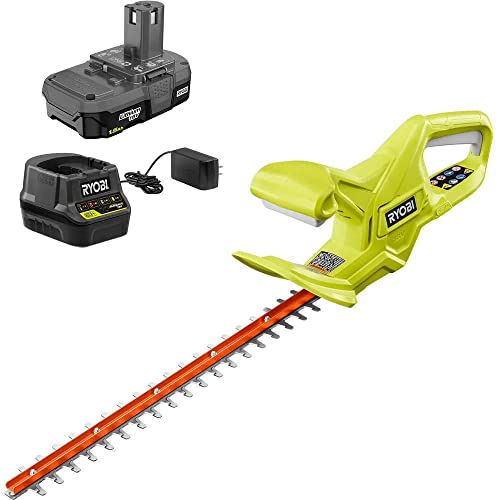
Ryobi 18V ONE+ Hedge Trimmer
The Ryobi 18V ONE+ Hedge Trimmer is a cordless hedge trimmer in the wide Ryobi ONE+ family, positioned as an accessible mid-tier choice for households that already own compatible batteries for other tools. In practice that positioning means it suits some gardens far better than others, and the honest way to judge it is against your own hedge rather than against a showroom rival. Consider how often you trim, how thick your seasonal growth becomes, how far the hedge sits from power or storage, and who else in the household will use the tool. A model that matches those answers will feel right within one session; a model that fights them will feel wrong for years, however well it reviewed elsewhere. Treat this shortlist as a starting point for hands-on comparison, hold the tool if you can, and let comfort and control cast the deciding vote.
Best for: homeowners whose garden and habits match the tier described above. Not suited for: anyone expecting a trimmer to do the work of loppers and a pruning saw on thick, old wood, or anyone whose hedge can only be reached by stretching unsafely.

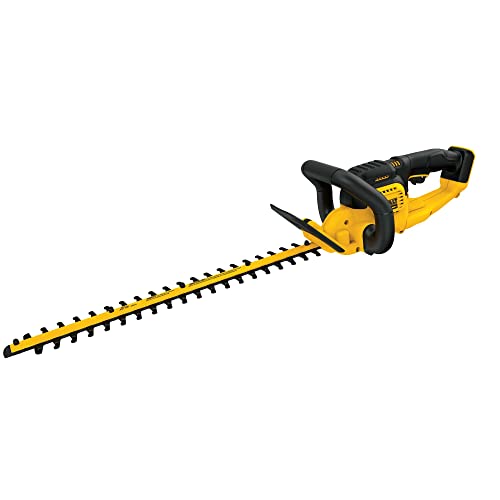
Greenworks 40V Hedge Trimmer
The Greenworks 40V Hedge Trimmer is a cordless hedge trimmer from a brand focused on battery-powered outdoor equipment, positioned in the mid tier for medium gardens where a step up in cutting confidence matters. In practice that positioning means it suits some gardens far better than others, and the honest way to judge it is against your own hedge rather than against a showroom rival. Consider how often you trim, how thick your seasonal growth becomes, how far the hedge sits from power or storage, and who else in the household will use the tool. A model that matches those answers will feel right within one session; a model that fights them will feel wrong for years, however well it reviewed elsewhere. Treat this shortlist as a starting point for hands-on comparison, hold the tool if you can, and let comfort and control cast the deciding vote.
Best for: homeowners whose garden and habits match the tier described above. Not suited for: anyone expecting a trimmer to do the work of loppers and a pruning saw on thick, old wood, or anyone whose hedge can only be reached by stretching unsafely.
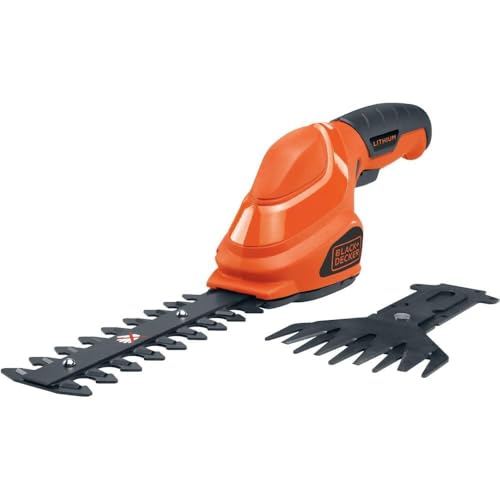
BLACK+DECKER HedgeHog
The BLACK+DECKER HedgeHog is a corded electric hedge trimmer from a brand most homeowners already know from drills and garden tools, positioned as an entry-level, always-ready option for small to medium hedges near an outdoor outlet. In practice that positioning means it suits some gardens far better than others, and the honest way to judge it is against your own hedge rather than against a showroom rival. Consider how often you trim, how thick your seasonal growth becomes, how far the hedge sits from power or storage, and who else in the household will use the tool. A model that matches those answers will feel right within one session; a model that fights them will feel wrong for years, however well it reviewed elsewhere. Treat this shortlist as a starting point for hands-on comparison, hold the tool if you can, and let comfort and control cast the deciding vote.
Best for: homeowners whose garden and habits match the tier described above. Not suited for: anyone expecting a trimmer to do the work of loppers and a pruning saw on thick, old wood, or anyone whose hedge can only be reached by stretching unsafely.
EGO Power+ Hedge Trimmer
The EGO Power+ Hedge Trimmer is a cordless hedge trimmer from a premium battery outdoor brand, positioned in the premium tier for larger properties, denser growth and frequent seasonal shaping. In practice that positioning means it suits some gardens far better than others, and the honest way to judge it is against your own hedge rather than against a showroom rival. Consider how often you trim, how thick your seasonal growth becomes, how far the hedge sits from power or storage, and who else in the household will use the tool. A model that matches those answers will feel right within one session; a model that fights them will feel wrong for years, however well it reviewed elsewhere. Treat this shortlist as a starting point for hands-on comparison, hold the tool if you can, and let comfort and control cast the deciding vote.
Best for: homeowners whose garden and habits match the tier described above. Not suited for: anyone expecting a trimmer to do the work of loppers and a pruning saw on thick, old wood, or anyone whose hedge can only be reached by stretching unsafely.
Strengths and Trade-Offs of Owning One
- Strength of owning: your hedge gets trimmed when it needs it, in small healthy passes, on your schedule.
- Strength of owning: the per-season effort drops sharply once the routine and the line are established.
- Strength of owning: you learn your plants closely, which improves every other garden decision too.
- Trade-off of owning: storage, charging or cable care, blade cleaning and safety kit become your responsibilities.
- Trade-off of owning: the tool cannot safely solve tall or structural work, so some jobs still need other help.
- Trade-off of owning: an unused trimmer is pure shed clutter, so honesty about habits matters more than enthusiasm.
Read that list against your own household rather than against an ideal gardener. The strengths are large and real for the right home. The trade-offs are small and real for the same home, and decisive for the wrong one. That asymmetry is exactly why the worth-it question has no universal answer, and why anyone who gives you one without asking about your hedge is guessing with your money.
Alternatives to Consider Before You Decide
Hand shears remain genuinely excellent for small hedges, individual shrubs and flowering wood, with zero storage or charging overhead. Borrowing or a tool library suits the household with one modest hedge trimmed a few times a year, provided the tool returns cleaned and oiled. Hiring a professional suits tall, long or neglected boundaries and includes waste removal, which is worth more than it sounds. Many households combine options: shears for shrubs, an owned trimmer for routine faces, a professional annually for the high top. If an alternative covers your real situation completely, choosing it is not settling; it is the correct answer to the worth-it question, and this guide is happy to give it.
The Decision Checklist
- Do you own a hedge that takes real time with hand shears? Yes moves you toward buying.
- Can every part be reached safely from the ground or with long-reach equipment? No means solve access first.
- Will you trim at least a few times a season? Rarely means borrow or hire instead.
- Do you have dry storage and two minutes of blade care per session? Ownership assumes both.
- Does a battery platform you own offer a trimmer? Yes makes the value case much stronger.
- Would safety kit be bought and actually worn by every user? If not, pause the purchase.
Mostly yes answers: buy, in the tier your hedge justifies, and use the companion guides in this cluster to set it up well. Mostly no answers: choose the alternative proudly and revisit next season if your planting changes. Mixed answers: solve the single blocking item, usually access or storage, and the rest of the decision tends to resolve itself. That is the whole method, and it works because it respects both your money and your garden.
Deeper Notes From the Hedge
An extra word on record-keeping, because it quietly separates improving gardeners from repeating ones. After each trim, note the date, the sections you worked, anything that surprised you and how the hedge looked a fortnight later. Photographs from the same two or three viewpoints make regrowth patterns obvious in a way memory never does. Within a year you will know which face races ahead, which corner sulks, and which month your main trim belongs in. That knowledge feeds back into every decision this cluster discusses: when to trim, how much to take, whether your tool still fits the job, and when a section needs renovation rather than maintenance. Two minutes of notes per session is the cheapest expertise in gardening.
Is a Hedge Trimmer Worth It — Closing Assessment
Before the questions below, one closing thought ties the whole guide together: the right outcome comes from matching the tool, the plant and the person, and from building calm, safe habits that repeat every season.
The Break-Even Question in Real Life: When a Hedge Trimmer Pays Its Way
This section exists to ask the break-even question honestly, counting not just the purchase but the space, upkeep and attention the item will claim for as long as it is owned. It adds a layer that a feature list cannot give you, grounded in the garden & lawn context this hedge trimmer will actually live in. Where this guide names examples such as Ryobi 18V ONE+ Hedge Trimmer, Greenworks 40V Hedge Trimmer, BLACK+DECKER HedgeHog, use them as test cases for the checks below rather than as shortcuts past them.
Think about who else has a vote. A hedge trimmer is usually shared, moved, cleaned or complained about by more than one person, and the second user’s priorities are often the ones that surface after the return window closes. Check height, weight, reach, noise, heat, sharp edges or sheer visual presence, whichever apply, against the smallest, oldest or least enthusiastic person who will live with it. If you are buying for a household that includes children, pets, elderly relatives or lodgers, run the clumsy scenario too: the spill, the knock, the curious tug, the door left open. A robust hedge trimmer choice survives other people; a fragile one only survives its buyer.
Consider the edge cases that sit just outside normal use, because a hedge trimmer will meet all of them eventually. The unusually large load, the unusually small task, the day you are in a hurry, the day something else in the room is broken and this has to cover for it. Versatility is not about a long feature list; it is about behaving predictably when conditions are imperfect. Where a design offers settings, modes, attachments or configurations, ask what each one is actually for in your home, and be suspicious of flexibility you cannot attach to a real occasion. One well-judged configuration used weekly beats five clever ones used once, and the honest hedge trimmer for your home is the one whose strengths line up with your most frequent edge case, not your rarest.
Build a simple decision checklist and score it in writing. Five lines are enough: fit in the space, fit with the routine, ease of cleaning or upkeep, quality of the parts that move or wear, and how the hedge trimmer will be stored or will look when it is not the centre of attention. Score each contender quickly, then look only at the lowest scores, because purchases are usually ruined by their weakest point rather than saved by their strongest. If two options tie, choose the one whose weakness is cheapest or easiest to live with. This sounds mechanical, and it is meant to: a written checklist is the best defence against the very human habit of falling for the last photograph you looked at.
Finally, plan the first fortnight. Decide where the hedge trimmer will live from day one, what it replaces, what accessory or companion it needs straight away and what small job you will use to learn its habits while returning it is still simple. Keep the packaging until that learning period is over, note anything that surprises you, and deal with a mismatch early rather than adapting yourself around a poor fit for years. The households that end up happiest with a hedge trimmer are rarely the ones that researched longest; they are the ones that checked fit honestly, bought for the ordinary week, and paid attention during the first days instead of assuming the decision ended at checkout.
One more angle is worth your time: the second-order costs. A hedge trimmer changes what happens around it. It can demand a different cleaning product, a new storage habit, a moved piece of furniture, a rearranged cupboard or a standing arrangement with the people you live with. List those knock-on effects before you buy and decide whether you accept them as part of the deal. Sometimes the answer is an easy yes, and the hedge trimmer earns its place by improving the whole routine around it. Sometimes the honest answer is that the supporting changes are the real project, and the purchase should wait until you are ready for them. Either answer is useful; the only bad outcome is discovering the knock-on effects by accident, one irritation at a time, after the decision can no longer be revisited.
Frequently Asked Questions
Is a hedge trimmer worth it for a small garden?
Only if the small garden contains a real hedge that regularly outgrows hand shears. One or two shrubs are served better by shears and secateurs, with no storage, charging or blade routine to maintain. Measure your hand-trimming time honestly for one season; if it stays trivial, skip the purchase without regret.
How many hedges do I need to justify owning one?
One decent-length hedge is enough if you trim it several times a season and can reach it safely. The justification is time and plant health, not hedge count. A single long boundary trimmed little and often repays a mid-tier tool comfortably, while several tiny shrubs may never repay anything beyond good shears.
Is it worth upgrading from shears if I enjoy hand trimming?
Enjoyment is a real factor and this guide respects it. If hand trimming is your pleasure and your hedges stay healthy and tidy, a trimmer adds speed you may not want. Upgrade when the workload starts beating the pleasure, when a new or longer hedge arrives, or when joints and stamina begin voting against the old routine.
What is the biggest hidden cost of owning one?
Attention, in small regular doses: cleaning and oiling the blade, managing batteries or cables, storing the tool properly and wearing the safety routine every time. None of it is expensive or slow, but all of it is mandatory for the tool to stay safe and effective. Households that resent small routines should factor that in honestly.
Is a hedge trimmer worth it if I might move house soon?
Probably not at premium tier. A modest tool, borrowing, or a professional tidy before selling can carry a short horizon perfectly well. If the move is uncertain or distant, buy for the garden you live in now; hedges need care in the present tense, and a sound mid-tier tool holds its usefulness in almost any next garden too.
Can I try before committing to owning one?
Yes, and you should if you are undecided. Borrow from a neighbour, use a tool library, or hire for one season and track how long the work takes and how the hedge responds. One honest season of evidence settles the worth-it question better than any review, including the companion reviews in this cluster.
Related Guides and Next Steps
Keep building your hedge-care knowledge with the companion guides in this series and the established guides below. Each one approaches the same garden from a different angle, so together they cover choosing, using, judging and maintaining your equipment without repeating the same advice twice.