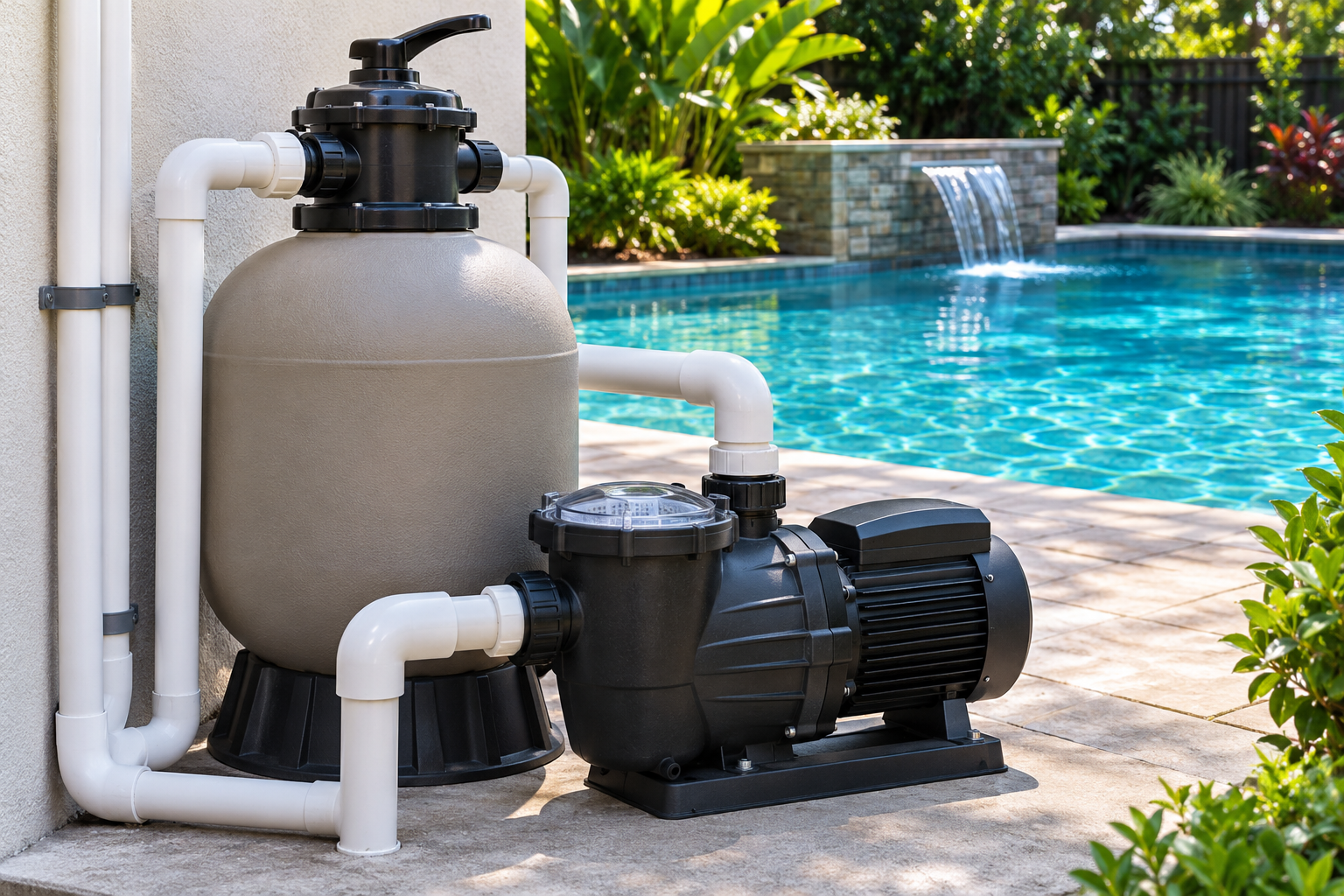
Amazon product examples to compare
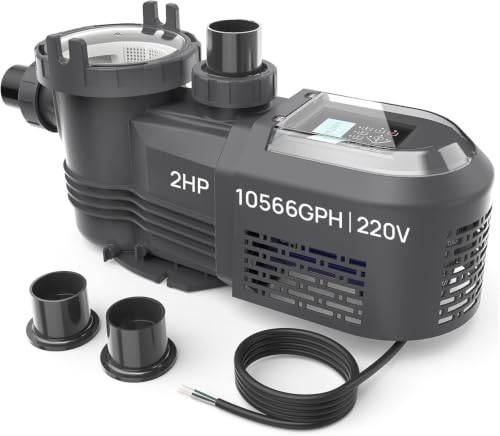
ASIN: B0G2LSZQJCView on Amazon

ASIN: B00PKHX2BMView on Amazon
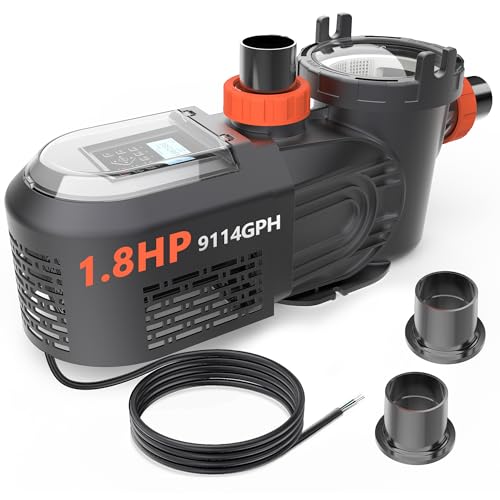
ASIN: B0DYJ77DW2View on Amazon
Certain content that appears on this site comes from Amazon. This content is provided “as is” and is subject to change or removal at any time. Product examples and images are supplied through Amazon Creators API; check the current listing for specifications and availability.
As an Amazon Associate, DailyHomeDecorating.com earns from qualifying purchases.
For most pool owners, the pump is one of the largest electricity users in the home — and for decades it had exactly two settings: full speed and off. A traditional single-speed pump runs at one fixed, high speed whether it is filtering gently on a quiet Tuesday or driving a cleaning cycle after a storm, drawing full power the entire time. Variable speed pumps changed that equation. By letting you set motor speed to match the job, they allow long, quiet, low-energy filtration most of the day and full power only for tasks that genuinely need it, such as vacuuming or priming.
Shopping for the best variable speed pool pumps is therefore less about raw horsepower and more about control: how precisely you can program speeds and schedules, how the pump handles your plumbing and filter, and how its real operating costs stack up over seasons of use. This guide explains the technology in plain terms, without rankings, invented prices, or unverified savings claims, so you can build a short list that fits your pool.
What to Look for First
Start with your pool: its volume, the filter it uses, any features the pump must serve, and how many hours a day the system runs. Those facts guide everything that follows.
Flow Rate at Different Speeds
Flow rate — the water a pump moves per hour or per minute — is not a single number on a variable speed pump; it is a range you control. The central idea is turnover at lower speed: because filtration only needs water to pass steadily through the filter, many pools can achieve daily turnover by running longer at a much lower speed instead of briefly at full speed. Water features, spa jets, some cleaners, and solar heating are the counter-examples; each may need a specific higher flow, and those needs set the higher-speed steps in your schedule.
Judge a pump by the flow it delivers at the speeds you will actually use, in your plumbing, rather than by its maximum output. Resistance in pipes, fittings, and the filter reduces delivered flow at every speed. If a manufacturer publishes flow across speeds, use it to plan your schedule: low for daily filtration, medium for skimming, and full speed reserved for vacuuming and backwashing.
Head and Your Plumbing Layout
Head is the total resistance the pump works against: friction in pipes, elbows, valves, the filter, and any equipment in the loop. It matters doubly with variable speed pumps, because lowering speed reduces the pump’s ability to push against that resistance. In a high-resistance system — long pipe runs, many tight bends, small-diameter plumbing — flow at very low speeds can fall more than owners expect, and skimmers may stop drawing effectively.
That does not make variable speed a poor choice for such pools; it means the schedule must be set by observation. Find, by experiment, the lowest speed that still skims the surface and moves water through every return. That measured low speed is the foundation of your savings, because every unnecessary increment above it costs disproportionate power.
Power, Efficiency, and How Speed Changes Everything
The physics behind variable speed savings is the most important concept in this guide. For centrifugal pumps, power consumption falls much faster than speed: cutting speed roughly in half reduces power draw far more than half, while flow falls roughly in proportion to speed. That is why running twice as long at half speed can move a similar amount of water for dramatically less energy.
When comparing pumps, look at how finely speed can be adjusted and whether the controls show power consumption, since a display that reports watts makes efficient scheduling a matter of reading numbers rather than guessing. Be skeptical of any universal savings figure: your result depends on your pool, plumbing, electricity price, and the schedule you run.
Energy regulations have also moved in this direction. In the United States, federal efficiency rules for dedicated-purpose pool pumps have, in general terms, pushed the market toward variable speed designs for most residential in-ground applications, and some states and utilities offer rebates for qualifying pumps. Details vary by place and change over time, so check the rules and rebate eligibility where you live before buying.
Materials and Build Quality
A variable speed pump is an investment expected to run daily for years, outdoors in heat, sun, and splash. Look for a housing that resists weather and pool chemicals, corrosion-resistant hardware, and a strainer basket and lid built for frequent opening. The electronics deserve equal attention: the drive lives in or on the pump, so a well-sealed control housing and a readable display protected from glare and weather matter in daily life.
Check serviceability before you buy. A pump whose lid, basket, and drain plugs are easy to handle will be maintained, and electronics that can be serviced as a unit may be cheaper to keep long-term. Read the warranty terms as written, rather than relying on a headline number of years.
Types of Variable Speed Pool Pumps Explained
Full Variable Speed Pumps
A full variable speed pump lets you set motor speed across a wide, finely adjustable range and store multiple speeds in a schedule. This is the most flexible design: daily filtration at a tuned low speed, a step up for a cleaner or water feature at set hours, and full speed on demand for vacuuming or priming. These pumps suit owners who want to optimize energy use and pools with several features needing different flows.
Variable Speed Replacement Motors and Drives
Some pools keep a sound pump housing but replace a failed or inefficient single-speed motor with a variable speed motor-and-drive unit. This can be a cost-conscious route when the wet end is in good condition and compatible. It demands care: shaft and mounting compatibility, seal replacement during the swap, and confirmation that the combination delivers the flow your filter needs. Have compatibility confirmed before ordering parts.
Two-Speed and Multi-Speed Pumps
Older two-speed pumps offer a high and a low setting rather than a continuous range. They capture part of the variable speed advantage — low-speed filtration is still far cheaper than full-speed filtration — with simpler controls and often a lower cost. They give up fine tuning: if your ideal speed sits between the steps, you compromise. For simple pools, that compromise can be acceptable; for complex pools, full variable speed earns its keep.
Pumps With Integrated Automation
Some variable speed pumps work with a pool automation system that also runs the heater, lights, and chlorinator, while others carry onboard scheduling and work entirely standalone. Standalone control is simpler and avoids compatibility questions. Automation pays off when you already own a system that coordinates features — for example, raising pump speed automatically when solar heating calls. Decide which world you live in before choosing, because mixing control systems without checking compatibility is a common source of frustration.
Key Features That Actually Matter
Programming and Schedule Flexibility
The schedule is where savings are made or lost, so judge the controls closely. Useful programming includes multiple speed steps with start and stop times, a quick override for vacuuming, and settings that survive a power outage. Controls should be understandable at the equipment pad, in bright light, without a manual — because that is where you will adjust them.
Priming and Flow Monitoring
Good variable speed pumps prime in a controlled way, typically running at a higher speed briefly to establish flow, then settling to the scheduled speed. Features that detect loss of prime and shut down with a clear message protect the pump from running dry, which damages seals quickly. A display showing speed, power draw, and faults in plain terms turns troubleshooting from guesswork into diagnosis.
Freeze Protection and Timers
In climates with occasional freezes, built-in freeze protection that circulates water when temperatures approach freezing can protect plumbing overnight — though it supplements, and never replaces, proper winterizing. Timers also keep the system coherent: a salt chlorinator only generates while water flows, so its production window must sit inside the pump’s run schedule at a speed that satisfies its flow switch.
Noise Level
Variable speed pumps are noticeably quieter at filtration speeds, for a simple reason: most pump noise scales with speed, and a motor turning slowly makes a fraction of the sound of the same pump at full tilt. If your equipment sits near a bedroom window or a neighbor’s fence, low-speed quiet is a benefit you will notice daily. Judge noise claims by speed: nearly every pump is loud at maximum, so compare candidates in the low-to-mid range you will actually live with.
How to Choose by Use Case
Standard In-Ground Pool, Filtration First
For a typical in-ground pool whose main job is filtration, choose a full variable speed pump sized so its comfortable mid-range covers your plumbing’s needs, then build a schedule around long low-speed filtration with a daily higher-speed window for skimming. Size with headroom: a pump loafing at moderate speed generally runs quieter and lasts better than a small pump straining near its maximum.
Pools With Cleaners and Water Features
Catalog every feature and its flow need before choosing: suction cleaners that need enough vacuum to move, waterfalls and deck jets that need visible flow, spa spillways, and heating systems with minimum flows. Each becomes a scheduled speed step. The right pump is the one whose range covers the hungriest feature at its top end and still turns down low enough for efficient filtration.
Saltwater Pools
Salt systems pair naturally with variable speed, because the chlorinator needs adequate flow for a set number of hours to produce enough chlorine, and long low-speed runs spread that production evenly through the day. Confirm your lowest planned speed reliably satisfies the chlorinator’s flow requirement across a dirtying filter’s cycle, and choose seals suited to salt service.
Energy-Cost-Driven Replacements
If your main motivation is replacing a working single-speed pump to cut running costs, do the arithmetic with your own numbers: your current pump’s power draw and daily hours, your electricity price, and the schedule you would realistically run. Factor in any rebate you have confirmed you qualify for. Owners with high electricity prices and long seasons usually see the strongest case; owners with short seasons and cheap power should run the numbers just as honestly.
Safety Around Electricity and Water
Pool equipment combines high electrical loads, water, and outdoor conditions, and variable speed drives add modern electronics to that mix. Installation and wiring changes should follow the pump manual and local electrical code, and in many places this work belongs to a licensed electrician or qualified pool professional. Circuits serving pool pumps require ground-fault protection, and bonding keeps every metal part at the same electrical potential — neither is optional, and neither should ever be bypassed to stop a nuisance trip; a tripping device is reporting a fault that needs finding.
Always switch off power at the breaker — not just at the pump’s controls — and verify it is off before opening the pump or touching wiring. The drive can retain stored energy briefly after shutdown, so follow the manual’s safety instructions before opening any electrical cover. Never operate the pump with a damaged cable, a cracked control housing, or standing water in the electronics area. If you are not certain a task is within your competence, that uncertainty is the answer: hire it out.
Installation Tips That Prevent Problems
A variable speed pump rewards a careful installation because its schedule assumes the plumbing behaves as expected. Set the pump on a firm, level pad, keep suction plumbing as direct as the layout allows, and use the pipe sizes the manual specifies, since undersized suction lines steal flow and invite loss of prime. Leave working room around the strainer lid and controls, and confirm the supply voltage matches the pump’s requirements.
After start-up, prime the pump as directed and then do the real work of a variable speed install: calibration. Starting from a moderate speed, lower the filtration speed step by step over several days, checking that skimmers still draw and any flow-dependent device still operates. Raise speeds for features until each works properly, and write the final schedule down. That hour of tuning is where most lifetime savings are decided.
Care and Maintenance
Variable speed pumps need the same hydraulic care as any pool pump, plus a little attention to their electronics. Empty the strainer basket regularly and keep the pump’s surroundings clear so cooling air flows freely; a motor choked with leaves runs hot, and heat is the enemy of bearings and circuit boards alike. Clean or backwash the filter on its pressure cue, remembering that a loading filter raises resistance and quietly reduces flow at a given speed — if circulation weakens late in the filter cycle, the filter, not the program, is usually the cause.
Inspect seals and lid O-rings for weeping, and address small leaks early because drips near a drive housing never improve with time. Update your written schedule when seasons or features change, and listen to the pump weekly; new bearing whine or a drive that repeatedly faults are early warnings to act on while they are still inexpensive. Before a hard freeze, follow the manual’s winterizing steps exactly.
Common Mistakes to Avoid
The defining mistake with a variable speed pump is buying the technology and then running it like a single-speed pump — full speed for a few hours a day — which keeps the purchase price and discards the savings. The opposite mistake also exists: setting filtration speed so low that skimming fails and the chlorinator or heater quietly stops working, then blaming the pump for problems the schedule caused.
Other frequent errors include sizing by horsepower habit instead of by flow at realistic resistance; ignoring the flow needs of cleaners and heating until after installation; and neglecting the filter, so a clogged filter masquerades as a pump problem. Owners also miss rebates by not checking current rules before purchase, and skip the calibration days that turn a generic schedule into their pool’s schedule. Finally, do not let anyone bypass ground-fault protection to silence a trip — treat the trip as a diagnosis waiting to happen.
Frequently Asked Questions
How much can a variable speed pool pump actually save?
It depends on your current pump, electricity price, season length, and — most of all — the schedule you run. Because power falls much faster than speed, long low-speed filtration usually costs substantially less than short full-speed runs for the same turnover, but no honest universal figure exists. Estimate from your own bills and planned schedule.
What speed should I run my variable speed pump at?
There is no single correct speed. Set filtration at the lowest speed that still skims effectively, circulates to all returns, and satisfies any flow-dependent equipment, found by lowering the speed gradually and observing the pool. Set higher steps for vacuuming and features at the lowest speeds where each works properly.
Can a variable speed pump run my cleaner and water features?
Yes, provided its flow range covers those features’ needs at its higher speeds. List every feature’s flow requirement before buying, schedule a speed step for each, and verify performance during start-up calibration.
Do I need an electrician to install a variable speed pool pump?
In many areas, yes — pool pump circuits involve code requirements for ground-fault protection and bonding that are properly handled by a licensed electrician or qualified pool professional, and some warranties expect professional installation. Even where a like-for-like swap is permitted, having the electrical side verified is money well spent.
Are variable speed pumps required now?
Efficiency rules in the United States have, in general terms, moved most new residential in-ground installations toward variable speed designs, and some states and utilities add their own requirements or rebates. Rules differ by pool type and location and change over time, so confirm what applies to your installation before you buy.
Why is my variable speed pump noisy at low speed?
A variable speed pump should be at its quietest at low speed, so new noise deserves investigation. Common causes are vibration through rigid plumbing or an unlevel pad, air drawn in on the suction side, a strainer partly blocked with debris, or worn bearings. Check mounting, water level, and the strainer first.
Variable-Speed Pool Pump Models to Compare
- Pentair IntelliFlo3 VSF 1.5 HP (011065): Offers variable-speed and flow control; Pentair lists 115/208–230 V input and a 9.4 WEF rating. Search Amazon by exact model · Manufacturer specifications.
- Pentair IntelliFlo3 VSF 3 HP (011075): A larger configuration with 208–230 V input and 7.1 WEF; choose only when the calculated system flow requires it. Search Amazon by exact model · Manufacturer specifications.
Conclusion
The best variable speed pool pumps are the ones whose range and controls fit your pool’s real life: low enough at the bottom end for long, quiet, inexpensive filtration, strong enough at the top for the cleaners and features that need real flow, and programmable enough that the right speed happens at the right hour without daily attention. Size by flow at your plumbing’s resistance rather than by habit, confirm the electrical and regulatory details for your area, and invest the calibration time after installation. Shortlist a few pumps that meet those criteria, compare their manuals and warranty terms as written, and choose the one whose programming you understand at a glance.