Affiliate disclosure: As an Amazon Associate, DailyHomeDecorating.com earns from qualifying purchases. If you buy through links on this page, we may receive a commission at no extra cost to you.
This guide focuses on dry vacuuming sealed ceramic or porcelain tile and grout. It compares floorheads, brush-roll control, debris pickup, edge access, and routine care; wet-dry cleaning is treated separately because not every tile or grout surface allows it.
Amazon product examples to compare

Miele Classic C1 Pure Suction Vacuum for Hard Floors & Low-Pile Carpet
ASIN: B07P97CD5T
The verified listing identifies the Miele Classic C1 Pure Suction as intended for hard floors and low-pile carpet. Its straight-suction positioning makes it a useful option to compare when you want to clean tile without relying on a spinning carpet brush. Confirm the included floorhead and tool set in the exact bundle you select.

Shark Navigator Lift-Away Vacuum, HEPA, Carpet and Pet Hair, Blue, NV360 | Lift-Away Pod, Carpet and Hard Floor Cleaning, Swivel Steering, Brushroll Shutoff, 0.9-Qt Dust Cup, Upholstery/Crevice Tools
ASIN: B00JH98GR4
The Shark Navigator NV360 listing describes a brush-roll shutoff, hard-floor and carpet cleaning, swivel steering, and a lift-away pod. Turning off the brush roll can help avoid scattering larger crumbs on tile, while the lift-away design may help with edges or stairs. Check the controls and the exact accessory bundle.
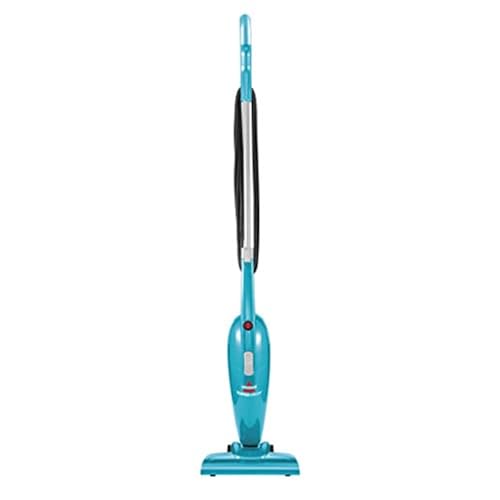
Bissell 2033 Featherweight Stick Lightweight Bagless Vacuum and Electric Broom with Crevice Tool for Hard Floors and Carpets, Blue
ASIN: B06ZY7BTWM
The Bissell Featherweight 2033 is listed as a lightweight stick vacuum and electric broom for hard floors and carpet, with a crevice tool. Its simple format can be convenient for kitchen crumbs and quick passes on smooth tile. Review the dust cup size, cord and cleaning-head setup before choosing it as the home’s primary vacuum.

Bissell Crosswave Turbo Vacuum Mop All in One Wet and Dry Vac Combo Hard Floor & Area Rug Cleaner, 3888A
ASIN: B0C9V48DDZ
The Bissell CrossWave Turbo listing describes an all-in-one wet-and-dry vacuum mop for hard floors and area rugs. It is a different category from a dry-only vacuum: it handles liquid and floor washing as well as pickup, so the user must follow its cleaning-solution, surface-compatibility, tank, and brush-cleaning directions. Confirm your tile and grout are compatible before use.
Certain content that appears on this site comes from Amazon. This content is provided “as is” and is subject to change or removal at any time. Product examples and images are supplied through Amazon Creators API; confirm specifications and availability on the current listing.
Browse the Home & DIY section for other practical guides. For a general overview, see best vacuums for everyday home cleaning, or compare vacuums for hardwood floors and carpet when your home has mixed surfaces.
What matters most when vacuuming tile
Tile looks durable, but it is not a single uniform surface. A smooth glazed porcelain floor, a textured ceramic entry, and natural stone tile with sanded grout create different cleaning conditions. For everyday dry debris, the vacuum needs to collect dust, grit, crumbs, and hair without throwing larger particles across the room or scratching the finish. A good tile-floor choice is often defined by controllable airflow, a suitable floorhead, edge reach, and easy maintenance more than by maximum suction claims.
This guide focuses on dry vacuuming sealed tile and grout in kitchens, bathrooms, foyers, and other living areas. It does not treat tile as carpet, hardwood, or a generic “hard floor” category. We compare brush-roll control, nozzle design, suction adjustment, crevice access, and the difference between straight-suction vacuums and rotating-brush uprights. One wet-dry floor cleaner appears as a separate option; its liquid and cleaning-solution features must only be used on surfaces approved by its manufacturer and your tile maker.
Quick picks for different tile-cleaning routines
The Miele Classic C1 Pure Suction listing explicitly targets hard floors and low-pile carpet, making it the straight-suction canister comparison in this guide. The Shark Navigator NV360 includes a brush-roll shutoff, which helps when you want the option to switch between rugs and tile. The Bissell Featherweight is a lightweight stick-style choice for quick pickups. The Bissell CrossWave Turbo is a wet-dry vacuum mop rather than a standard dry vacuum, so consider it only if you want a combined floor-care appliance and your surfaces are compatible.
We selected these examples by their current Amazon Creators API listing titles, images, and product features, not by independent lab testing. The list is a practical comparison rather than a claim that each model has been tested on your exact tile. Specifications, packages, and pricing can change. Check the live product page for the selected variant, included floor tool, maintenance requirements, compatibility, shipping terms, and return policy before purchasing.
Tile-specific problems a vacuum should solve
Kitchen tile collects crumbs, flour, pet hair, and dried grit near cabinets and under stools. Entry tile sees sand and small stones that can scratch a finish if repeatedly dragged under a wheel or brush. Bathroom floors collect lint and hair, especially along baseboards and around a vanity. In each location, the tool needs to pick up debris without scattering it and must reach the edges where particles settle. A cleaning head that seals too tightly to a smooth floor can also feel difficult to push.
Grout lines add another consideration. Recessed joints trap dust and fine debris that a wide floor nozzle may skim over. A crevice tool or a nozzle with edge channels can help, but frequent aggressive brushing may damage weak, cracked, or unsealed grout. Avoid using a stiff brush attachment or a powered brush on a delicate tile surface unless the manufacturer says it is safe. Vacuuming should remove loose debris; it is not a substitute for repairing grout or washing an embedded stain.
Glazed ceramic, porcelain, and natural stone are not identical
Glazed ceramic and porcelain tile often have a hard, smooth top surface, but their texture, grout, and finish still vary. Textured or embossed tiles can hold crumbs in shallow grooves, so a flat nozzle may need slower passes. Natural stone such as slate, marble, or limestone may have a different finish and sealing routine. If the tile type is uncertain, check the installation documentation or ask the flooring manufacturer before using wet cleaning chemicals or powered brush attachments.
This is why “safe for tile” on a listing should not be treated as universal approval for every floor. A dry vacuum’s wheels, brush, and nozzle can still affect loose grout, a chipped edge, or a delicate coating. Inspect the floor for loose tiles and damaged joints. Use a soft floor tool when the surface is polished or easily marked, and follow both the vacuum instructions and flooring-care guidance. For the CrossWave wet-dry example, confirm in writing that the material and grout are approved for its method and solution.
Brush roll or straight suction?
A spinning brush roll can agitate debris from rugs, but on smooth tile it may flick larger crumbs or grit ahead of the nozzle. A vacuum with brush-roll shutoff lets you keep a powered head for rugs and disable it on hard flooring. This is the reason the Shark NV360’s shutoff feature is relevant: it gives the user a choice rather than forcing the brush to spin on every surface. Check how the control is labeled and whether the selected head continues to seal and collect effectively when the brush is off.
Straight-suction floorheads have no powered roller contacting the surface. They can be gentler on hard finishes and may suit a home without much carpet. The tradeoff is that a turbo or powered brush may be helpful if the same machine must clean rugs or pick up embedded pet hair. A soft roller is another design used on some models, but the exact replacement heads and compatibility matter. Do not assume a generic soft roller fits a specific vacuum; verify the model number.
Suction control and airflow on smooth floors
More suction is not automatically better on tile. A tightly sealed floor tool can become hard to move, especially if the head has a narrow opening or a powerful motor. Adjustable suction or an airflow vent can help balance pickup and maneuverability. If your vacuum has no adjustment, a compatible hard-floor tool may have a wider channel that allows air to move more freely. Test the head on a clean, dry area and confirm it does not stick, chatter, or push crumbs away.
On textured tile or deep grout, a little more airflow may help lift dust, but the vacuum should still be controllable. Heavy grit should be removed gently so it is not dragged over a polished surface. Use steady overlapping passes and avoid pressing the nozzle down with body weight. A pressure gauge or a high Pa figure in an online listing does not tell you how the complete nozzle behaves on your exact tile; floorhead design and airflow path matter.
Nozzle width, edge channels, and corners
Wide heads cover open kitchen floors quickly, while narrow heads turn more easily around a toilet, vanity, island, or chair legs. Look at the head width and height in the specification diagram. A low-profile nozzle may reach under cabinets or furniture if there is enough clearance. Edge-cleaning channels can improve pickup along baseboards, but a separate crevice tool is often needed for tight gaps and corners.
For an entryway or a small bathroom, a compact stick vacuum can be easier to store and deploy. The Bissell Featherweight listing includes a crevice tool, which can help with corners and baseboard edges, but its compact format may mean more frequent dust-cup emptying. For a larger home, a canister with a separate parquet-style head may offer maneuverability and reach. Match the tool to the shape of the room, not just its total square footage.
Why grout needs a separate plan
Grout is porous or textured depending on its composition, condition, and seal. Dust can settle into a recessed line, and a standard floor head may not fully contact it. A vacuum with a narrow nozzle or a soft-bristle attachment can help lift loose debris from the joint, but the tool should not scrape or dig into the grout. Work gently and use a brush approved for the floor. If grout is cracked or crumbling, address the repair before repeated cleaning.
Vacuuming first is useful before damp mopping because it removes loose grit that could otherwise move across the finish. It does not dissolve soap residue, mineral deposits, or dried food. Use the tile manufacturer’s recommended cleaner for wet cleaning, and avoid using a steam mop or unapproved chemical on an unknown surface. Sealer condition matters: if water beads differently in different areas, consult a flooring professional about resealing rather than increasing suction or brushing harder.
Compare canister, upright, and stick formats
A canister vacuum separates the motor and bin from the floorhead, leaving a lighter nozzle in the user’s hand. A straight-suction model such as the Miele Classic C1 Pure Suction is a natural format to compare for tile and low-pile rug homes. The hose and wand can reach under tables and around bathroom fixtures, although the canister body needs room to follow and a bagged model has ongoing replacement costs.
An upright packages the motor and head in one unit, which can be convenient for bigger continuous areas and mixed floors. The brush-roll shutoff on the Shark NV360 is especially useful when moving from carpet to tile, provided the exact configuration includes the stated control. A stick vacuum such as the Bissell Featherweight is lighter and quick to store, but its bin and cord or battery arrangement may affect whole-home use. Choose the format that you will actually bring out for routine tile cleaning.
How to evaluate suction and brush controls in a listing
Product pages may use terms like “hard-floor mode,” “brush-roll shutoff,” “soft roller,” or “bare-floor setting.” These phrases mean different things. Look for clear photographs of the floorhead and the controls, then read the manual if it is available. A shutoff switch should stop the brush, while a hard-floor setting might simply change suction or airflow. If the detail is missing, contact the seller rather than inferring behavior from the title.
Check what accessories are included in the exact bundle. Some models show a parquet or hard-floor head in the product photo but sell it separately. Others group several variants under one listing. Verify the model number, color, included tool list, and replacement part compatibility before adding to cart. This is particularly important if you are buying based on a soft brush recommendation; the image should correspond to the selected model, not a different configuration on the same product page.
A closer look at the four product examples
The Miele Classic C1 Pure Suction is listed specifically for hard floors and low-pile carpet. A straight-suction approach can be attractive when the room is mostly tile and you prefer to avoid a spinning brush on the floor. Confirm which floorhead and small tools come with the package, because retailer bundles may differ. Also factor in the canister’s bag and filter replacements, its storage footprint, and how far the cord reaches from the outlet.
The Shark Navigator NV360 is an upright option whose listing names a brush-roll shutoff, swivel steering, a lift-away pod, and cleaning for hard floors and carpet. It can serve a mixed home if you want one machine to transition between surfaces. On tile, turn the brush off if the instructions recommend that setting and check that crumbs collect rather than scatter. Its dust cup and filters need routine care; confirm the stated capacity and included attachments in the current listing.
Quick pickup versus whole-home cleaning
The Bissell 2033 Featherweight is listed as a lightweight stick and electric broom with a crevice tool, for hard floors and carpets. That format can be convenient for a kitchen after cooking, a small entry, or a quick pass around the dining table. Its compact design is not a promise that it replaces a full-size vacuum in every home. Consider the size of the dust cup, cord length, filtration details, and the cleaning head’s ability to reach the edge of your tile.
The Bissell CrossWave Turbo is a different kind of floor-care device: the listing describes an all-in-one wet-and-dry vacuum mop for hard floors and area rugs. It may fit someone who wants one pass to collect debris and wash compatible sealed flooring. It is not the same choice as a dry vacuum for cleaning rugs or fragile grout. The tanks, brush roll, cleaning solution, and self-clean process require care after use. Follow the product and flooring instructions exactly.
Tile and area rugs in the same room
An open kitchen may have tile under the table and a washable runner by the sink. A vacuum that can switch modes helps avoid using a rotating brush on the tile and then leaving it disabled on a rug where agitation would be useful. If the model cannot adjust its head, use a dedicated floor tool or separate machines. The transition should be smooth enough that the nozzle does not catch a rug edge or scatter debris as it crosses.
Check the runner’s backing and fringe. A loose edge can wrap around a brush roll or block a vacuum’s wheels. Secure the rug with a pad compatible with your floor, and test the vacuum on its lowest setting first. If you use a wet-dry cleaner, do not assume it can safely wash a rug merely because the product title mentions area rugs; review the current instructions and fabric suitability.
Pet hair and tile floors
On tile, pet hair tends to collect along walls, under furniture, and around floor transitions rather than embed in the surface. A vacuum with a useful edge tool and easy-to-clean brush can make routine pickups faster. Long fur may still wrap around a roller if one is used. Inspect the brush after early sessions to learn how often it needs cleaning and whether the head scatters hair across the smooth floor.
For homes with shedding pets, filtration, dust-cup emptying, and replacement filter availability matter. Empty a bagless bin carefully to limit dust escaping back into the room; replace or wash filters only as the manufacturer permits. A straight-suction canister may avoid a powered brush on tile, while an upright with brush shutoff offers more flexibility on rugs. The right approach depends on the amount of hair and the surfaces elsewhere in the home.
Kitchen crumbs, grit, and everyday debris
Large crumbs are a special case on smooth tile: a fast spinning brush can flick them away before the suction opening reaches them. Slow down, use a brush-off setting, or choose a head designed for bare floors. For sand and grit at the entry, pick up the particles gently and empty the bin before it overfills. Avoid repeatedly rolling heavy grit under a hard plastic wheel or nozzle edge.
Fine flour and dust may require overlapping passes, particularly along grout. If the vacuum has a sealed filtration system, check that the filters and seals are properly installed. A clogged filter can reduce airflow and make cleaning less effective. Keep the floor dry when using a dry vacuum; liquids can damage a standard machine and create an electrical hazard. Use only a wet-dry vacuum for liquids, and only within its stated limits.
Sealed floors, grout, and wet-dry cleaning
A dry vacuum’s job is to collect loose particles before wet cleaning. If your grout is sealed and the tile manufacturer allows a damp method, a separate mop with an approved cleaner may be appropriate. A wet-dry product such as the CrossWave has a cleaning solution and recovery system, but compatibility depends on the exact tile, grout, finish, and solution. Read the manufacturer’s instructions and the flooring warranty before using it, especially on natural stone or unsealed grout.
Never pour liquid into a standard vacuum or use a carpet shampooer on tile unless its manual specifically allows that surface and process. Avoid steam and aggressive chemicals when the floor’s material is unknown. Too much moisture can affect grout or reach gaps at the tile edge. If you are unsure, contact the installer or tile manufacturer and test an approved cleaner in a hidden area.
Storage and maneuverability
A vacuum can be excellent on paper and still become a nuisance if there is no place to store it near the kitchen or entry. Measure the closet height, outlet location, and floor area. A stick model can hang on a wall or sit in a compact corner; a canister needs space for the body and wand; an upright may need clearance to stand or recline. Choose a weight and handle shape you can comfortably steer around island legs and bathroom fixtures.
For a canister, check hose length and cord rewind, and consider whether the body can follow without bumping into cabinet faces. For an upright, look at swivel steering and how low it lies under furniture. For a stick, review how the dust cup empties and whether the floorhead has a light or edge cleaning. These everyday details can matter more than a headline suction rating when you clean tile several times a week.
Maintenance that protects both vacuum and tile
After vacuuming entry tile, check the floorhead and wheels for embedded grit. Remove hair and fibers from the roller as directed, wipe the nozzle, and clean sensors or vents if the manual calls for it. A dirty wheel can drag debris across a polished surface. Replace worn floor pads and soft rollers when needed. Store the tool dry and keep cords away from sharp tile edges or cabinet hinges.
For bagged canisters, replace bags before they are packed tight and maintain filters on schedule. For bagless vacuums, empty the cup outdoors or over a trash bin if practical, and keep dust away from the room. Do not wash a filter unless the manufacturer says it is washable. For wet-dry cleaners, rinse the recovery tank and brush components after each use as instructed, then allow them to dry fully to limit odor and buildup.
Buying mistakes to avoid for tile
One mistake is assuming a vacuum advertised for all floors will automatically be gentle on polished tile. Verify whether the roller can be turned off and whether a hard-floor head is included. Another is treating maximum suction as the only performance measure. A head that sticks to the floor or pushes crumbs forward may be frustrating even with a powerful motor. If possible, test the nozzle in a returnable purchase and observe whether it collects larger debris.
Also avoid using a wet-dry cleaner without checking the flooring warranty and cleaning solution. Do not use steam on a floor just because it is ceramic-looking; grout and sealers can react differently. Finally, do not confuse general hard-floor reviews with tile-specific results. Compare the surface texture, grout depth, and debris in your own room, and read recent feedback from owners with a similar floor.
When a robot or mop may complement the vacuum
A robot vacuum can collect everyday dust on a clear tile floor, but it still needs floor preparation and cannot reach every corner, stair, or furniture surface. If you are deciding between a robot and a manually operated vacuum, consider whether your priority is scheduled maintenance or targeted control. For a manual comparison across room types, see our general vacuum guide. For a different flooring scenario, our mixed hardwood-and-carpet guide discusses switching among floor types.
A mop handles dried residue that a vacuum cannot remove. Vacuum or sweep loose grit first, then use a tile-compatible damp method if allowed. Do not expect a vacuum’s brush to scrub grout or lift an old stain. A small hand brush may be appropriate for a specific grout issue, but use a cleaner approved for the tile and avoid scraping. Keeping each tool within its role helps prevent floor damage and makes the routine easier to repeat.
Frequently asked questions
What type of vacuum is best for tile floors? A straight-suction canister, a hard-floor head, or an upright with brush-roll shutoff can all work. The right choice depends on grout texture, rugs, room size, and how much manual control you prefer.
Should I turn off the brush roll on tile? Often, yes, especially if a spinning brush scatters crumbs or could mark a delicate finish. Follow the vacuum manual and test the setting on a clean, inconspicuous area.
Can a vacuum scratch tile? The tile surface is usually hard, but grit caught under a wheel or nozzle can cause scratches, and delicate finishes vary. Keep wheels and heads clean, and avoid dragging heavy debris across the floor.
Can I use a wet-dry vacuum on every tile floor? No. Check the cleaner instructions, approved solution, tile material, grout condition, and flooring warranty. Natural stone and unsealed grout may need different care.
Is straight suction enough for tile? It can be effective for loose dust and debris on smooth tile, especially with a suitable floorhead. Textured surfaces and rugs may call for a different tool or a separate brush setting.
How do I clean dirt out of grout lines? Vacuum loose particles with a suitable nozzle and gentle technique, then use a tile-approved damp cleaning method if needed. Do not use a stiff powered brush on weak grout.
Can I use a carpet vacuum on tile? Only if its floorhead and settings are appropriate. Turn off a rotating brush where recommended, or use a dedicated hard-floor attachment.
Final checklist for tile-floor shoppers
Before choosing among the best vacuums for tile floors, identify the tile surface and grout condition; decide whether you need a dry vacuum or a wet-dry cleaner; check for brush-roll shutoff or a straight-suction floorhead; confirm a useful nozzle for edges and grout; and verify the weight, cord or battery, dust system, filtration, and replacement parts. Then review the exact Amazon variant, seller, included tools, current availability, and return policy.
The Miele C1 Pure Suction is the straight-suction canister comparison, the Shark Navigator NV360 offers brush-roll shutoff, and the Bissell Featherweight is a compact option for quick pickups. The CrossWave Turbo is a separate wet-dry floor-care choice, only for surfaces approved by its instructions. Match the machine to the floor you own and the routine you can maintain. A gentler, controllable pass is often more useful than an impressive specification that does not suit the tile.