Best Manure Spreaders: How to Feed Soil Evenly on a Small Farm
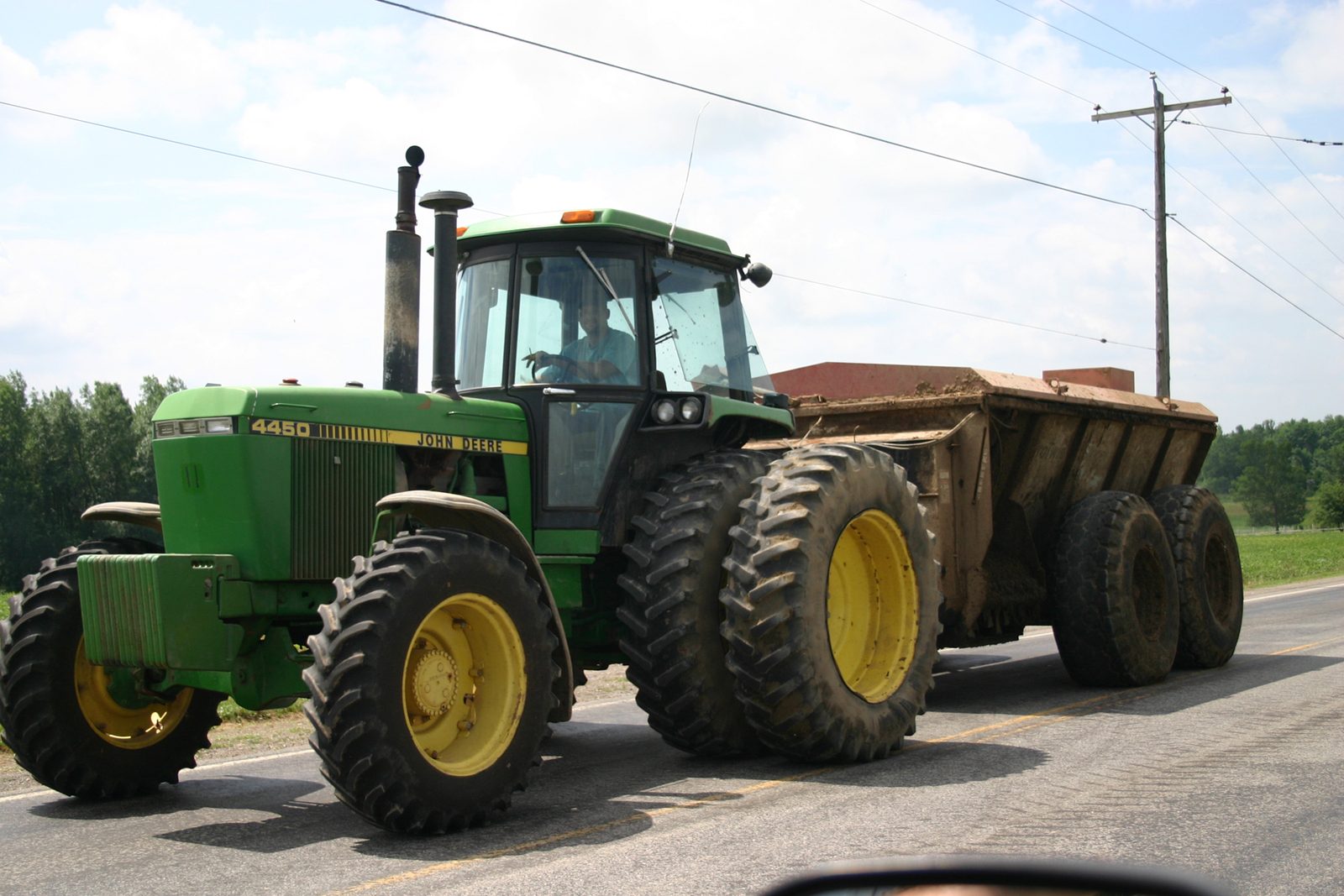
Manure is one of the most valuable materials on a small farm or large garden, and also one of the easiest to waste. Spread too thin in one pass and piled in the next, it feeds soil unevenly, leaves strips of lush and hungry growth, and can create odor and runoff problems near water and neighbors. A good manure spreader turns a heavy, unpleasant chore into a controlled part of your soil program: it shreds material as it spreads, lays down an even layer at a rate you can adjust, and does so without demanding more tractor, time, or repairs than your operation can give it. The best manure spreaders are not simply the biggest boxes on wheels. They are the ones matched to your livestock numbers, your fields and beds, your towing vehicle, and the kind of manure you actually handle.
This guide walks through how to choose without relying on unverified rankings or invented performance claims. Instead of naming specific models, it focuses on the decisions that matter most: capacity and load cycle, how the apron and beaters are driven, how finely and evenly the machine spreads, build quality where manure attacks metal, and what adjustment and upkeep the spreader will need. By the end, you should be able to judge any manure spreader, new or used, against the work your land actually requires.
Disclosure: As an Amazon Associate, Daily Home Decorating earns from qualifying purchases made through links in this article, at no extra cost to you. Product details are based on published manufacturer specifications.
Quick Picks
| Pick | Product | Best For |
|---|---|---|
| Best Overall | Country Manufacturing Model 600 Ground-Driven Manure Spreader (25 Bushel) | Small farms wanting a proven ground-driven spreader |
| Best Lightweight | Newer Spreader Model 200 | Aluminum spreader light enough for a garden tractor or ATV |
| Best Compact | Titan Attachments Compact Manure Spreader (MNRSPRDRv2) | Small barns and stalls with an 8.7 cu. ft. box |
| Best for Composted Manure | Landzie 44-inch Compost and Peat Moss Spreader | Even topdressing of composted manure and compost |
| Best Budget Walk-Behind | VEVOR Compost Spreader 24-inch | Push-style mesh drum spreading for small areas |
| Best for One to Three Horses | Newer Spreader Model 100 Basic Edition | The smallest Newer unit for a couple of stalls |
Our Picks
1. Country Manufacturing Model 600 Ground-Driven Manure Spreader (25 Bushel) — Best Overall
The Model 600 follows the classic ground-driven layout the guide describes: wheel power runs the apron chain and rear beaters, so there is no PTO shaft to hook up and any small tractor, ATV, or even a riding mower can tow it. The 25-bushel box suits a small stable’s daily muck-out, and the steel construction with a chain-driven floor is built to be repaired with ordinary hardware rather than replaced. Ground drive also means spread rate follows ground speed, which keeps application reasonably consistent once you settle into a pace. Country Manufacturing has sold this style of spreader for decades, and parts support reflects that. For a small farm that wants one dependable manure spreader without PTO complications, this is the benchmark the others are measured against.
2. Newer Spreader Model 200 — Best Lightweight
Wet manure is heavy, and a heavy steel spreader behind a small tow vehicle can be more machine than the job needs. The Model 200 answers with aluminum construction that keeps the empty weight around 125 lb while still offering roughly 13 cubic feet of box capacity — enough for a small barn’s daily stalls. It is a ground-driven design with a simple hitch, so a garden tractor or ATV handles it easily, and the lighter box is far kinder to soft paddock ground and lawn areas you cross on the way to the field. Aluminum also shrugs off the corrosion that manure liquor inflicts on painted steel. Choose the Model 200 if your tow vehicle is small, your ground is soft, or you simply want a spreader one person can move around the barn by hand.
3. Titan Attachments Compact Manure Spreader (MNRSPRDRv2) — Best Compact
Titan’s compact spreader is sized for the reality of a backyard barn: an 8.7 cubic foot box rated for about a 200 lb load, small enough to maneuver through a barn aisle and gate, and towed by an ATV or lawn tractor rather than a farm tractor. The ground-driven mechanism engages with a simple lever, and the rear beaters shred and broadcast material behind the unit as you drive, so a couple of stalls’ worth of bedding and manure goes out in one short trip instead of a wheelbarrow relay. Steel construction keeps it affordable and easy to weld or patch years down the line. It will not keep up with a boarding stable, but for two to five horses it turns the worst chore on the place into a ten-minute drive.
4. Landzie 44-inch Compost and Peat Moss Spreader — Best for Composted Manure
Once manure has been composted down to a fine, crumbly material, a traditional beater spreader is the wrong tool — it flings unevenly and wastes material. The Landzie is a walk-behind mesh drum spreader: you fill the 44-inch barrel with composted manure or compost, latch the mesh lid, and push. The rotating drum sifts material out in an even blanket, which is exactly the finish you want for topdressing pastures, paddocks, and lawns with finished compost. The wide drum covers ground quickly, and the mesh breaks up small clumps as it rolls. It cannot handle fresh, straw-heavy manure — that still needs a beater spreader — but as the second half of a composting system it produces the most even result of anything here.
5. VEVOR Compost Spreader 24-inch — Best Budget Walk-Behind
The VEVOR applies the same mesh-drum principle as the Landzie at a narrower 24-inch width and a lower price, which suits garden-scale work: topdressing raised beds, small paddock corners, and lawn patches with composted manure, compost, or soil mixes. The steel mesh barrel rolls on two wheels with a push handle, sifting material evenly as it goes, and the hinged hopper door makes loading with a shovel straightforward. The narrower drum is slower on open ground but easier to steer between beds and through garden gates, and it stores in a fraction of the space of a tow-behind unit. Like all drum spreaders it needs dry, screened, well-composted material to flow properly. For a small property that composts its manure, it is an inexpensive way to put that compost exactly where it helps.
6. Newer Spreader Model 100 Basic Edition — Best for One to Three Horses
The Model 100 Basic Edition is Newer Spreader’s smallest tow-behind, aimed squarely at the one-to-three-horse owner the guide describes: daily output is a few wheelbarrow loads, and the spreader only needs to swallow that in one trip. It keeps the company’s ground-driven layout and straightforward steel construction in a compact box that a lawn tractor or ATV tows without drama, and the basic specification skips extras to hold the price down. That simplicity is the point — fewer parts, easy hosing-out after use, and a machine sized to the actual pile behind a small barn. Newer sells much of its line direct and through dealers rather than consumer marketplaces, so check the listing for current specification and availability. For a couple of stalls, it beats both a wheelbarrow and an oversized farm spreader.
What to Look for First
Manure spreading sits at the intersection of livestock, land, and machinery, so start with your whole system rather than with a catalog. A spreader that suits a few goats and a market garden will frustrate a small herd, and a machine sized for a herd will be clumsy and wasteful in garden rows.
Count the Manure You Actually Produce
Start with volume. How many animals do you keep, how are they bedded, and how much manure and bedding accumulates between spreading opportunities? Straw-bedded manure, shavings, composted manure, and fresh manure all bulk differently and flow through a spreader differently. A spreader works best when it can clear your accumulated pile in a reasonable number of loads on the days when fields are fit to travel and weather allows spreading. Too small, and you spend whole days hauling small loads; too large, and partially filled loads sit, pack down, and spread unevenly, while the machine itself becomes harder to maneuver and store.
Also think about timing. Many small farms can only spread in certain windows, between grazing, planting, and wet weather. The right capacity is the one that lets you finish your ground inside those windows without rushing, overloading, or driving on soil that is too wet to bear the weight.
Know Your Material: Fresh, Bedded, or Composted
Manure is not one material. Fresh manure with heavy straw bedding is long, stringy, and prone to bridging inside a box. Composted manure is shorter, more uniform, and usually flows and shreds more readily. Poultry litter, horse manure with shavings, and cattle manure each behave differently again, and frozen chunks in winter challenge any beater design. Be specific about what you will spread most often, and look for a box, apron, and beater arrangement described as suited to that material. A spreader that handles your worst typical load, not just your easiest one, is the one that will earn its keep.
Match the Spreader to Your Towing Vehicle and Land
Every spreader needs a suitable towing vehicle, whether that is a compact tractor, a larger utility vehicle, or, for the smallest designs, a riding mower or ATV where the manufacturer allows it. Consider weight when loaded, not empty weight: a full box of wet manure is far heavier than the machine itself, and your vehicle must pull it, turn it, and stop it safely on your slopes and gateways. Check turning space at field ends, gate widths, and the tightest corners on your route from pile to field. Ground clearance, tire size, and how the loaded machine travels over rutted tracks matter just as much, because a spreader that gets stuck loaded is a serious problem, not an inconvenience.
Types of Manure Spreaders Explained
Manure spreaders differ mainly in size and in how the moving floor, called the apron, and the spreading beaters are powered. Those two choices shape capacity, maintenance, and what vehicle you need.
Ground-Driven Spreaders
A ground-driven spreader powers its apron and beaters from its own wheels as it moves. That makes it simple and independent: there is no power take-off shaft to connect, and the spreading rate naturally ties itself to ground speed. Ground-driven designs are popular for small farms and large gardens because they can be towed by a range of vehicles and are mechanically straightforward. Their limits follow from the same design: if the wheels slip on wet or loose ground, spreading falters, and you generally have less independent control over beater speed and apron speed than with a powered machine.
PTO-Driven Spreaders
A power take-off, or PTO-driven, spreader uses the tractor’s power to run the apron and beaters. This gives stronger, more consistent shredding and spreading, especially with heavy, bedded, or partly frozen material, and it keeps working even if ground conditions are soft. PTO designs suit larger small farms with a suitable tractor already on hand. The trade-offs are complexity and commitment: you need a tractor with a compatible PTO, you must maintain guards and shafts carefully, and hooking up takes more time and attention than a simple ground-driven unit.
Small Tow-Behind and Walk-Behind Scale Options
At the smallest scale, compact tow-behind spreaders serve a few animals, a large garden, or a small paddock system. They trade capacity for maneuverability and price, and they can be the right answer where a full-size box could never turn. Judge them by the same standards as larger machines, apron strength, beater design, and corrosion resistance, and be realistic about load numbers: many small loads are fine in a garden, but they add up quickly if your animal numbers grow. At the other end, larger tow-behind boxes for bigger acreage follow the same principles, just with more attention to running gear, brakes where fitted, and the towing power required.
Key Features That Actually Matter
Once the type fits your farm, the details of construction decide how evenly a spreader works and how long it survives a corrosive, abrasive material.
Box Construction and Corrosion Resistance
Manure attacks steel constantly, through moisture, acids, and constant abrasion. Look for box materials and coatings described as resistant to that environment, sound welds, and a floor that will not trap material at the edges. Wood, steel, and composite floors all appear in this class of equipment, each with different maintenance needs; what matters is that the floor is smooth enough for the apron to carry material evenly and sturdy enough to be repaired or replaced when it wears. Inspect used machines with particular care here, because box and floor condition largely determines remaining life.
Apron Chain and Drive
The apron is the moving chain-and-slat floor that carries manure back to the beaters. Its chain, slats, sprockets, and tensioning arrangement do hard work under heavy, shifting loads. Look for a design where tension can be checked and adjusted, where the chain is protected from obvious damage, and where replacement parts are obtainable. An apron that runs unevenly or slips under load will deliver material in surges, and no beater design can spread a surging feed evenly.
Beaters and Shredding Action
Beaters break up manure and throw or distribute it behind the machine. Their shape, number, and position affect both fineness and spread pattern: some designs emphasize shredding clumps and straw, others emphasize a wide, even throw. For pasture and hay ground, an even pattern with well-shredded material matters because large clumps smother grass and break down slowly. For garden ground that will be worked in, fineness matters slightly less than total evenness. Whatever your ground, look for beaters that are sturdily mounted, guarded where they should be, and straightforward to clear safely when material wraps or jams, always with the machine stopped and power disconnected.
Spread Pattern and Adjustable Rate
A good spreader lets you change how much material lands per area, not just how fast you drive. Adjustable apron speed, gate or endgate control where fitted, and clear guidance in the manual all help you match application to your soil plan. The pattern behind the machine should overlap sensibly with the next pass, so think about effective working width rather than the widest throw claimed: a slightly narrower, even pattern feeds soil better than a wide, streaky one.
How to Choose by Use Case
A Few Animals and a Large Garden
If you keep a small number of animals and spread mainly on garden ground, raised beds’ surrounding plots, or a small orchard, prioritize maneuverability, fine shredding, and a modest box you can load easily by fork or small loader. A ground-driven compact spreader often fits this scale well. Even, modest applications worked into the soil reward you more than heavy surface layers.
Pasture and Hay Ground on a Small Farm
For grazing land and hay fields, evenness across the full pattern is the priority, because clumps and bare strips show up directly in growth and in what livestock will graze. Choose capacity that clears your pile within your weather windows, beaters suited to your bedding type, and a rate range that lets you apply light, frequent dressings rather than one heavy pass. Plan headland turning space before you buy, not after the first loaded trip.
Horses and Bedded Manure
Horse manure with straw or shavings is bulky, light for its volume, and prone to bridging and wrapping. Favor spreaders with a generous box for the weight involved, an apron and beater arrangement that handles long material, and easy, safe access for clearing the occasional wrap. Expect to fill more often than the box volume alone suggests, because bedded manure does not pack like heavier material.
Composted Manure and Soil Building Programs
If you compost before spreading, your material is more uniform and your goal is usually a measured application tied to soil tests and crop needs. Prioritize fine rate control and an even pattern, and keep records of loads per field so you can repeat what worked. A spreader that adjusts in small, repeatable steps is worth more here than maximum capacity.
Calibration, Care and Maintenance
For a manure spreader, calibration means setting application rate and ground speed together so the layer you intend is the layer the field receives. There is no dial that knows your manure, so the check has to happen in the field, with your material, at your settings.
How to Set Rate and Speed in Practice
Begin with the manual’s guidance for your type of material and the setting closest to your target rate. Spread a measured load over a measured area, a taped-off strip of known length and your working width makes the arithmetic simple, at the ground speed you intend to use, then look carefully at the result. Walk the strip: is coverage even side to side, are clumps small enough for your ground, and is the layer the thickness you aimed for? Adjust one thing at a time, apron speed or gate setting before driving speed, and re-check. Faster driving with the same apron setting thins the application; a faster apron at the same speed thickens it. Once you find the combination that works for a given material, write it down: material type, setting, gear or speed, and loads per field. Manure changes with bedding and composting, so repeat the check when the material changes noticeably, at the start of each season, and after any apron or drive repair.
Also respect conditions and setbacks. Spread when material will stay where your crop can use it: avoid spreading on saturated or frozen ground where local rules restrict it, keep required distances from waterways, wells, and ditches, and work material into garden soil promptly where that is your practice. Your local extension guidance is the right source for rates and setbacks for your soil and crops.
Cleaning and Corrosion Control
Manure left in a box keeps corroding and hardens into a load of its own. After spreading, empty the spreader fully, scrape and wash out residue, paying attention to the floor edges, apron chain, sprockets, and beater area, and let the machine dry before it sits. A spreader stored clean under cover will outlast a neglected one by years. Clear wrapped material from beaters and shafts only with the machine stopped, the towing vehicle off, and PTO power, where fitted, fully disconnected.
Routine Inspection and Lubrication
On a regular schedule, and always before a spreading window, check apron chain tension and condition, slats for damage, tire condition and pressure, wheel bearings, hitch and safety chain, and all guards. Lubricate the points the manual specifies, including chains and bearings suited to lubrication, and confirm that PTO guards on powered models are intact and turn freely on their shafts. Tighten loose fasteners early; vibration under load finds every loose bolt. Keep spare shear pins or other sacrificial parts the manual calls for, so a small overload does not end a spreading day.
Common Mistakes to Avoid
The most common buying mistake is sizing by box volume alone without weighing what a full load of your manure does to towing, turning, and stopping, or without counting how many loads your pile will actually make. A close second is buying for a tractor or vehicle you plan to get someday, leaving a spreader you cannot use properly now. With used machines, skipping a close inspection of the floor, apron chain, and beaters to save money often buys someone else’s corrosion problem.
In use, the same errors recur. Overloading heaped above the box makes material spill, bridges, and feed unevenly. Spreading at whatever speed finishes fastest, without ever checking the layer on the ground, produces the streaks people blame on the machine. Other frequent mistakes include spreading on ground that is too wet, rutting fields and losing nutrients to runoff; ignoring setbacks from water; letting manure sit in the box between jobs; neglecting apron tension until the chain jumps or breaks under load; and clearing jams with the drive still connected, which is a serious safety hazard. Finally, many owners keep no record of what was applied where, so each season starts from guesswork instead of from last year’s results.
Frequently Asked Questions
What size manure spreader do I need?
Size it from your manure volume between spreading windows and the loads you can finish in those windows, not from box volume alone. Count your animals, bedding, and storage, then choose a capacity your towing vehicle can pull, turn, and stop safely when the box is fully loaded.
Is ground-driven or PTO-driven better?
Ground-driven models are simpler and can be towed by more vehicles, which suits many small farms and large gardens. PTO-driven models give stronger, more consistent shredding in heavy or partly frozen material but need a compatible tractor and more careful setup. The better choice is the one that matches your vehicle and your toughest typical load.
Can I spread fresh manure, or should I compost first?
Both are possible, and local rules, crop timing, and your soil plan decide which is appropriate. Composted manure is more uniform, spreads more evenly, and is generally easier to work with near food crops, while fresh manure needs more care with timing, setbacks, and incorporation. Follow local guidance for waiting periods and application rules for your crops.
How do I get an even spread pattern?
Load the box evenly without heaping, set the rate with a measured test strip, drive at a steady speed, and overlap passes slightly and consistently. Even feeding from a well-tensioned apron matters as much as the beaters, so fix surging or slipping at the apron before adjusting anything else.
How often should I maintain the apron chain?
Check tension and condition before each spreading session, clean manure away from the chain and sprockets after use, and lubricate and adjust exactly as the manual directs. Apron problems caught early are adjustments; apron problems ignored become breakdowns under a full load.
What should I inspect on a used manure spreader?
Inspect the box and floor for corrosion and holes, the apron chain and slats for stretch and damage, beaters for wear and bent parts, tires and bearings, and the hitch and guards. Run the apron if you safely can. Remaining life in those parts matters more than paint or age.
Conclusion
The best manure spreaders are the ones that fit your farm as a system: capacity matched to your animals and your spreading windows, a drive type matched to your towing vehicle, beaters and an apron matched to your bedding and compost, and construction that can survive manure’s daily attack with basic cleaning and inspection. Weigh total ownership, parts, tires, lubrication, and the time to calibrate and keep records, alongside the purchase price, and judge evenness on the ground behind the machine rather than on claims in a listing. Shortlist a few models that meet those criteria, inspect any used machine’s floor, apron, and beaters in person, and read the manual before the first load. A spreader chosen that way will turn a chore into measured soil feeding, season after season.
Word count (body, excluding front matter): 2,936 words.