Best Electric Pool Cleaners: How Robotic Cleaners Work and How to Choose
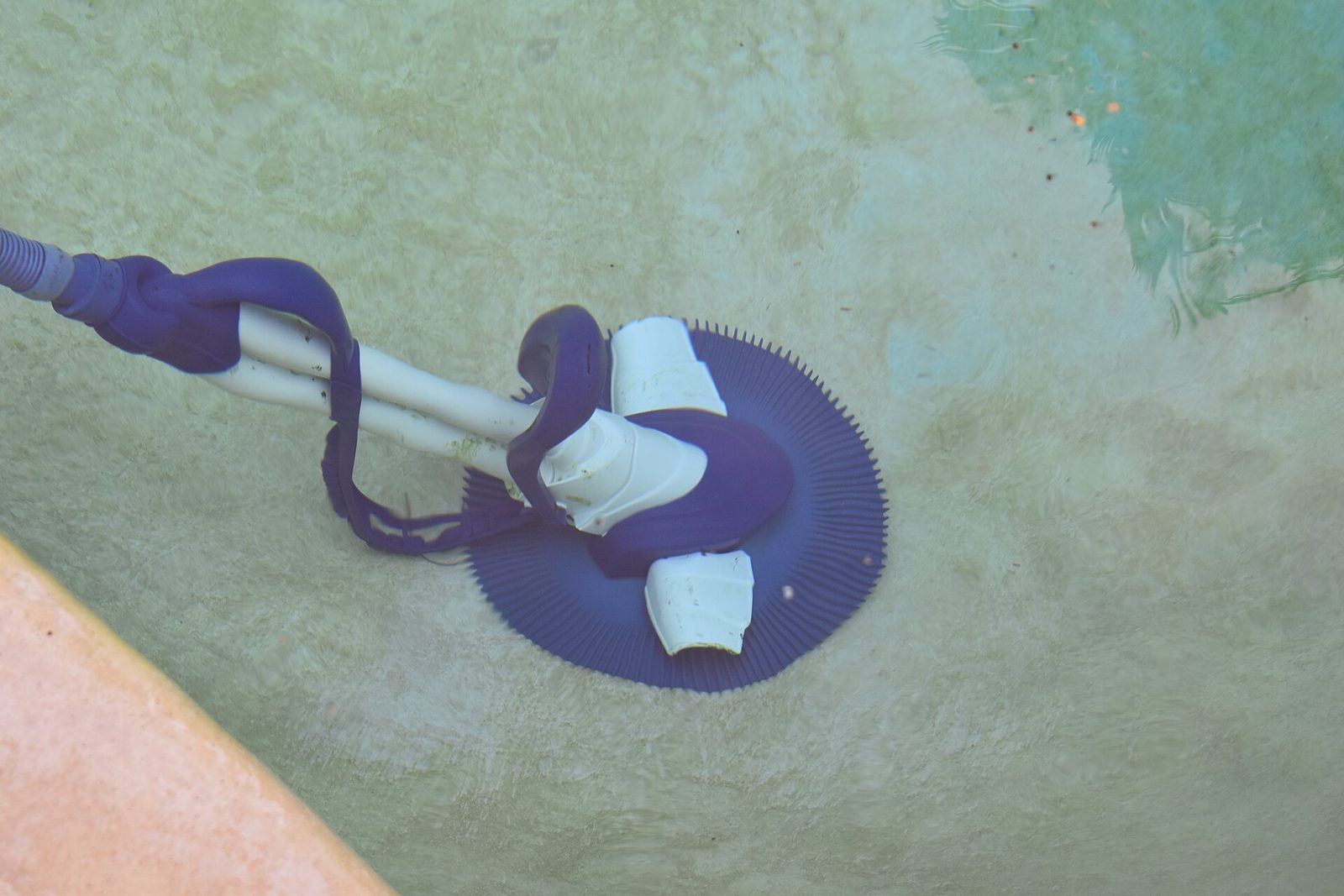
Electric pool cleaners — most often sold as robotic cleaners — clean independently of your pool pump. A self-contained unit travels the floor and, on many designs, the walls, scrubs with brushes, and collects debris in its own basket or filter instead of sending it to your main filter. For owners tired of hoses, suction adjustments, and pump schedules dictating when cleaning happens, that independence is a genuine change in how pool care feels. You place the cleaner in the water, start a cycle, and later lift it out, empty it, and store it until the next run.
Independence, however, comes with its own decisions. Corded and cordless designs behave differently in the water and in your routine. Filtration quality, climbing ability, cable or battery management, weight, and pool size all shape whether an electric cleaner delights you or annoys you every week. This guide to the best electric pool cleaners explains how these machines work, how they differ from suction and pressure cleaners, and which criteria to weigh for inground and above ground pools, without inventing model rankings, prices, or test results.
Disclosure: As an Amazon Associate, Daily Home Decorating earns from qualifying purchases made through links in this article, at no extra cost to you. Product details are based on published manufacturer specifications.
Quick Picks
| Pick | Product | Best For |
|---|---|---|
| Best Electric Overall | Dolphin Nautilus CC Pro | Inground pools up to 50 ft wanting waterline cleaning |
| Best Cordless Electric | Aiper Scuba S1 | Inground pools up to 1,600 sq. ft. |
| Best Cordless with App Control | WYBOT C1 Pro | Inground and above-ground pools up to about 1,614 sq. ft. |
| Best Smart Electric | Polaris 9650iQ Sport | Large inground pools up to 60 ft |
| Best Electric for Filtration | Dolphin Premier | Inground pools up to 50 ft with varied debris |
| Best Fast Electric Clean | Hayward TigerShark QC | Inground pools up to 20 x 40 ft |
Our Picks
1. Dolphin Nautilus CC Pro — Best for Electric Overall
The Nautilus CC Pro fixes the one coverage gap in the standard Nautilus line: it scrubs the waterline as well as floors and walls, on inground pools up to 50 feet. As an electric cleaner it is fully independent of your pump, running its own motors and filtration, with Wi-Fi app control for scheduling and cycle selection, a top-load filter system with fine-filtration options, and an active scrubbing brush for the biofilm that collects at the tile line. The corded design means unlimited runtime and no battery degradation to plan around, at the cost of managing a cable. For electric-cleaner shoppers who found the base models almost right, the Pro is the complete version.
2. Aiper Scuba S1 — Best for Cordless Electric
The Scuba S1 is the cordless half of the electric story: a battery robot that cleans floor, walls, and waterline with no cable in the water and no poolside power supply. Aiper rates it for inground pools up to about 1,600 square feet, with planned WavePath navigation, up to roughly 180 minutes in standard modes, and an optional fine MicroMesh filter for dust-heavy pools. One-button startup and self-parking retrieval keep the routine close to effortless. The compromises define the category: charging takes hours, runtime is finite, and the battery is not user-replaceable. If your pool is mid-size and your priority is the cleanest possible day-to-day routine, the S1 is the cordless benchmark.
3. WYBOT C1 Pro — Best for Cordless with App Control
The C1 Pro is the connected step up in WYBOT's cordless C1 platform, aimed at pools up to roughly 1,614 square feet in both inground and above-ground installations. It keeps the cordless advantages — no cable, no pump connection, drop-in startup — and adds app-based mode selection across floor, wall, and waterline cleaning, with planned route navigation rather than random bouncing and runtimes in the same long class as the standard C1. Top-loading filtration keeps maintenance to a rinse. Cordless cleaners in this tier live or die on whether the battery routine fits your pool size, so measure before you buy. For owners who want app control without returning to a cord, the C1 Pro is the balanced option.
4. Polaris 9650iQ Sport — Best for Smart Electric
As an electric cleaner, the 9650iQ Sport is the control enthusiast's choice. Its iAquaLink app integration goes beyond start and schedule: you can pick cleaning modes, target spots with the included remote, and check cycle status from anywhere, while the robot itself uses four-wheel drive and a rear water jet to handle large inground pools up to 60 feet, including steps and swim-outs that stall lighter robots. The 70-foot swivel cable, large easy-empty canister, and Easy Lift retrieval system are practical touches you feel weekly. It is among the most expensive cleaners in this guide and still corded, but for a big pool where automation depth matters, it justifies the tier.
5. Dolphin Premier — Best for Electric for Filtration
Electric cleaners collect debris in their own filters, so filter design is where the Premier separates itself. Its multi-media system swaps between fine cartridges for everyday dust, an oversized leaf bag for autumn and storm debris, and NanoFilter panels for the finest material, letting one machine match the season instead of clogging or passing dirt back. Dual active brushes scrub floor, walls, and waterline on inground pools up to 50 feet, cycle options run up to a full deep clean, and the swivel cable resists tangles. There is no app and no battery; it is a corded specialist. Owners whose debris changes through the year will appreciate it more than gadget-focused rivals.
6. Hayward TigerShark QC — Best for Fast Electric Clean
The TigerShark QC earns its electric-cleaner place on cycle speed. Its Quick Clean mode completes a floor-focused pass in about 90 minutes — the setting owners actually use between swims — while the full cycle scrubs floors, walls, and coves on inground pools up to 20 by 40 feet. Everything is onboard: its own pump, its own reinforced cartridge filtration, and a simple power supply with no plumbing, hoses, or booster pump involved, which is the core electric advantage this article explains. The platform is mature rather than new, so you trade away app features for proven simplicity. If your pool is mid-size and your cleaning happens in short windows, the QC's pace is the point.
What “Electric” Means in Pool Cleaning
An electric cleaner carries its own motor or motors. Those motors drive its movement and create the suction that lifts debris into an onboard collection chamber, while brushes loosen material from the surface so it can be captured. Because the work happens inside the unit, your pool pump and filter are not part of the cleaning mechanism. Your filtration system still circulates and polishes the water as normal, but a cleaning cycle does not depend on pump speed, suction valves, or return pressure.
Most electric cleaners fall into two power families. Corded robotic cleaners draw power through a floating cable from a power supply that stays out of the water and connects to a suitable outlet, used exactly as the manual and local electrical rules require. Cordless, battery-powered cleaners carry a rechargeable battery onboard, removing the cable entirely in exchange for a finite runtime per charge and the need to retrieve and recharge the unit between sessions. Both are “electric” in the sense that matters for buyers: self-powered, self-filtering, and independent of pool plumbing.
What to Look for First
Cleaning Coverage and Navigation
Coverage decides whether an electric cleaner saves you work or just moves it around. Ask how a unit navigates: some follow systematic patterns using sensors and programmed logic, while others move in guided random patterns that cover a simple pool given enough time. Neither approach guarantees results in a complex pool, so judge coverage against your shape. Steps, benches, ladders, main drains, and tight corners challenge every cleaner, and most owners still brush those spots by hand.
Cycle options matter as well. A floor-only mode can be efficient for routine upkeep, while a floor-and-wall mode suits pools with visible wall film or a dirty waterline. Longer is not automatically better: a cycle that matches your pool size finishes the job without needless wear, energy use, or time spent with the unit sitting in the water.
Wall Climbing and Scrubbing
Many electric cleaners climb walls, and the better question is whether they climb yours. Traction depends on surface — plaster, pebble, fiberglass, vinyl, and tile each grip differently — and on brush and drive design. Active scrubbing brushes that spin or agitate as the cleaner travels do more to loosen film than a passive intake alone, especially at the waterline where oils and fine grime collect. Confirm that brush materials and drive parts are approved for your finish, particularly with vinyl liners and smooth tile, and do not assume a cleaner that climbs a rough plaster wall will hold the same line on a slick surface.
Onboard Filtration
Onboard filtration is the electric cleaner’s signature advantage and its main chore. Debris stays in the unit’s basket or cartridge, so your main filter stays cleaner and you can see exactly what was collected. Look at two things: capacity and fineness. A generous basket suits leafy pools and longer intervals between emptying. Finer filter options suit dust, sand, and pollen, but fine media clogs faster and needs more frequent rinsing. Some systems offer interchangeable baskets or cartridges for different debris; if your pool swings between leaf season and dust season, that flexibility can be worth more than extra cycle modes.
Weight and Handling
You will lift this machine, wet, out of the water regularly. Weight, handle design, and how the unit drains as you lift it shape your real experience far more than showroom specifications suggest. A cleaner that is manageable for one person to retrieve from the deep end, carry to a rinsing spot, and store will get used consistently. One that feels like hauling a soaked suitcase will quietly be used less and less. If possible, consider who in the household will handle it and whether storage near the pool is practical.
Electric vs. Suction and Pressure Cleaners
Understanding the alternatives keeps expectations honest. Suction side cleaners use your pump’s suction, travel on a hose from the skimmer or a suction line, and send debris to your filter. They are simple and light, with no power supply or battery, but they clean only while the pump runs, load the filter with debris, and depend entirely on correct flow. Pressure side cleaners use return water pressure, sometimes with a booster pump, and collect debris in an attached bag. They handle bulky leaves well and spare the filter, but they add plumbing, pressure adjustment, and a bag to manage.
Electric cleaners sidestep those dependencies. They keep debris out of the filter, scrub actively, and run on their own schedule. In exchange, they introduce electronics, a cable or battery, onboard filters to rinse, higher handling weight, and storage needs out of the water. For a pool whose pump setup is weak, complicated, or already strained, that independence can be decisive. For a pool with strong, simple plumbing and light debris, a basic suction cleaner may still be the easier system to live with. The best electric pool cleaners earn their place when independence, scrubbing, and onboard filtration solve problems you actually have.
Corded vs. Cordless Electric Cleaners
Corded Robotic Cleaners
A corded design runs as long as its cycle and power allow, without a battery runtime ceiling, which suits larger pools and longer floor-and-wall sessions. Power supplies often host cycle controls and scheduling features, depending on design. The cable needs sensible management: it must be long enough to reach the far end with slack, benefit from swivels where fitted to reduce twisting, and be stored loosely rather than in tight coils that create memory and tangles. You also need a suitable, protected outlet within sensible reach of where the power supply will sit, positioned and used exactly as the manual directs. Electricity and water demand respect: keep the power supply out of the pool, follow all instructions about swimming while the cleaner runs, and never improvise extension arrangements the maker prohibits.
Cordless Battery Cleaners
Cordless models remove the cable, which simplifies setup, avoids tangle, and can suit smaller and midsize pools, above ground pools, and owners who dislike managing a long cord. The trade-offs are runtime per charge, recharge time between sessions, and battery care over the product’s life. Judge a cordless cleaner by whether one charge realistically covers your pool with time to spare, not by whether it can finish a much smaller test pool. Battery units also tend to need prompt retrieval after a cycle, since a finished cleaner sitting at the bottom helps no one, and long-term battery health depends on the charging and storage habits the manual describes.
Which Power Design Fits You?
Choose corded if your pool is large, your cleaning sessions are long, or you want cycle flexibility without watching a charge level. Choose cordless if your pool is modest, setup simplicity matters most, and your debris load fits comfortably within a single charge. In both cases, confirm cable length or runtime claims against your own pool measurements, and treat marketing coverage figures as best-case guidance rather than a promise for a pool full of steps and benches.
Pump and Filter Requirements — and What You Skip
Electric cleaners have the shortest equipment checklist of any automatic type, which is part of their appeal. There is no minimum pump flow to meet, no suction regulator to adjust, and no booster pump to consider. Your pump keeps its normal filtration schedule, and cleaning no longer competes with skimming for suction.
That freedom has limits worth understanding. The pool filter still does the whole job of polishing water between cleaning cycles, so neglected filtration will leave water cloudy no matter how well the floor is scrubbed. Very dirty pools — heavy algae, storm debris overload, or water you cannot see the bottom of — are not a job for an electric cleaner alone. Those conditions need skimming, brushing, treatment, and filtration first, both to protect the cleaner from clogging and because fine suspended material is a water chemistry and filtration problem, not a vacuuming problem. Likewise, keep baskets in the pool system emptied and the water balanced; an electric cleaner works best as a maintainer of a basically healthy pool.
One more practical point: because the cleaner collects debris onboard, its own basket becomes the bottleneck in leaf season. A unit with modest capacity in a pool under heavy trees may need emptying mid-cycle, which is manageable if you expect it and frustrating if you do not.
Choosing by Pool Type and Size
Inground Pools
Inground pools are the home ground of full-size electric cleaners. Confirm compatibility with your surface and dimensions, climbing performance on your finish, and cable length or runtime for your farthest corner. Deep ends test traction and retrieval: think about where you will stand to lift the unit out and whether its weight when full of water is sensible there. Pools with attached raised spas, in-floor fittings, or elaborate steps should be treated as floor-cleaning jobs for the robot, with those special areas finished by hand.
Above Ground Pools
Many above ground pools suit compact electric cleaners well, especially cordless designs that avoid draping a cable over the wall. Choose a unit explicitly rated for above ground pools and vinyl liners, with gentle enough contact parts for the liner and enough capacity for a flat but often dusty floor. Wall climbing varies on flexible above ground walls, so value strong floor coverage over climbing claims, and confirm the unit can handle the cove where wall meets floor without hanging up.
Small, Medium, and Large Pools
For small pools, a compact, light electric cleaner with a simple cycle is usually the sweet spot; oversized units waste money and effort. Midsize pools are where filtration capacity and navigation quality start to separate satisfying cleaners from mediocre ones. For large pools, prioritize reach — cable length or proven runtime — coverage logic, and basket capacity together, because a cleaner that must be emptied and restarted repeatedly has not really automated the job. In every size, measure your pool yourself and compare against the maker’s stated suitable dimensions rather than relying on a retailer’s summary.
Care and Maintenance
Electric cleaners ask for little, but they ask regularly. Empty and rinse the basket or cartridge after cycles — a clogged onboard filter is the most common cause of weak suction and poor climbing, and rinsing takes minutes. Inspect brushes and tracks or wheels for hair, string, and wear, and clear the intake area of trapped debris. Rinse the unit with fresh water as directed, let it drain and dry sensibly, and store it shaded out of the pool, with the cable loosely arranged or the battery charged and stored as its manual specifies.
Water chemistry protects your investment too: persistently unbalanced water can degrade seals, brushes, and electronic housings over time, and a cleaner should never be left sitting in heavily treated, freshly shocked water unless the maker allows it. At the start of each season, run a supervised cycle and watch for steady travel, proper climbing, and complete coverage. Small problems — a split brush roller, a worn track, a damaged cable — are inexpensive to address early and costly to ignore.
Common Mistakes to Avoid
The most frequent buying mistake is sizing by headline claims instead of your own pool: a cable too short for the far corner, a battery that fades before the deep end, or a basket too small for your trees. The second is neglecting the onboard filter, then concluding the cleaner has lost power when it is simply clogged. Owners also commonly leave electric cleaners in the water for days between cycles against maker guidance, store cables in tight coils that guarantee tangles, and run units in neglected, algae-heavy water that overwhelms any cleaner.
A subtler mistake is expecting the robot to eliminate all other care. Steps, corners, and waterline details still need a brush, chemistry still needs testing, and floating debris still needs skimming. Finally, respect the electrical basics: correct outlet protection, power supply placement as instructed, and no swimming during operation unless the manual explicitly permits it. These are simple rules, and they are not optional decoration.
Frequently Asked Questions
Are electric and robotic pool cleaners the same thing?
In everyday shopping language, mostly yes. Robotic cleaners are self-contained electric cleaners with their own motor, navigation, and onboard filtration. The word “electric” describes how they are powered, and “robotic” describes their self-directed operation. Suction and pressure cleaners, by contrast, are powered by your pool pump and are not electric.
Do electric pool cleaners work in above ground pools?
Many compact models do, including cordless designs that suit smaller pools well. Choose a cleaner rated for above ground use and vinyl liners, check that its weight and handling suit lifting it over the pool wall, and focus on floor coverage, since wall climbing on flexible walls is limited for most designs.
Will an electric cleaner pick up fine sand and dust?
Yes, that is one of their strengths, provided the onboard filter is fine enough for that material and is rinsed often. Very fine debris clogs filter media faster, so expect more frequent rinsing during dusty periods. If fine material keeps returning immediately, also check your main filter and circulation, since suspended fines are a whole-system issue.
How long does a cordless pool cleaner run on one charge?
It varies by model, battery size, and how hard the cleaner works on walls and debris, so no single figure applies across products. Judge any stated runtime against your pool’s size and shape, and favor a cleaner whose realistic coverage comfortably exceeds your pool rather than one that must use every minute of a charge to finish.
Can I swim while an electric cleaner is running?
Follow the manual for your specific cleaner without exception. Many makers instruct that no one should be in the pool while a corded unit is operating, and power supplies and cables must be handled exactly as directed. When in doubt, run cleaning cycles while the pool is empty of swimmers and retrieve the unit before swimming resumes.
Does an electric cleaner replace my pool filter or pump?
No. It collects debris from surfaces into its own basket, but your pump and filter still circulate, filter, and support sanitation for the whole body of water. Think of the electric cleaner as handling the surfaces while the circulation system handles the water itself. Both systems maintained together are what keep a pool clear.
Conclusion
The best electric pool cleaners combine genuine independence from your pump with coverage, climbing, and onboard filtration matched to your pool’s surface, size, and debris. Decide first between corded stamina and cordless simplicity, then test filtration capacity, handling weight, and reach against measurements from your own pool rather than showroom impressions. Rinse the filter, store the unit properly, and keep up the brushing and chemistry no machine replaces, and an electric cleaner will repay you with a pool that is ready to use far more often than it is waiting to be cleaned. Shortlist models confirmed for your pool type, verify their details with their makers, and choose the one your routine can sustain.