Best Broadcast Spreaders: How to Feed and Seed Your Lawn Evenly
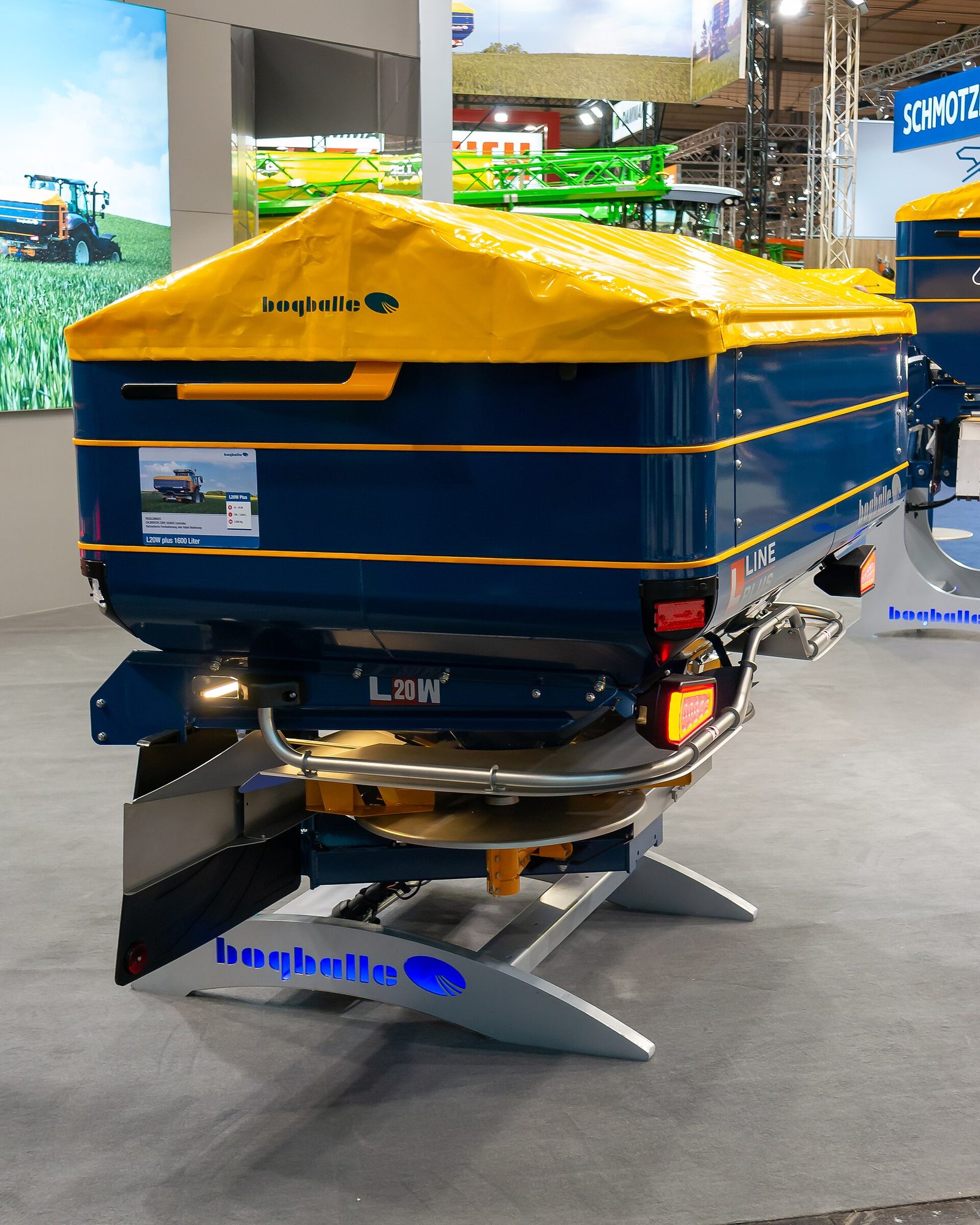
A broadcast spreader does a simple job in a surprisingly demanding way. You fill a hopper with fertilizer, grass seed, or another granular product, walk the lawn at a steady pace, and a spinning plate beneath the hopper throws the granules out in a wide fan to either side. When everything works well, the result is an even, invisible layer of material and a lawn that greens up uniformly. When it does not, the evidence shows up within weeks as pale stripes, dark green streaks, thin patches of new seed, or granules wasted on the driveway.
That is why the best broadcast spreaders are not necessarily the biggest or the most expensive ones. They are the ones whose hopper size, spread pattern, controls, and build quality match your lawn and the products you apply. A spreader that is perfect for a large, open yard can be clumsy around flower beds, while a compact model that is delightful on a small lawn can turn a big feeding day into an afternoon of refills.
This guide explains how to choose without relying on unverified rankings or invented test results. Instead of naming specific models, it walks through the decisions that determine results in your yard: how the spreader types differ, which features genuinely affect evenness, how to match a spreader to common use cases, and how calibration and basic care keep the pattern consistent season after season.
Disclosure: As an Amazon Associate, Daily Home Decorating earns from qualifying purchases made through links in this article, at no extra cost to you. Product details are based on published manufacturer specifications.
Quick Picks
| Pick | Product | Best For |
|---|---|---|
| Best Overall for Most Homeowners | Scotts Turf Builder EdgeGuard DLX Broadcast Spreader (76232) | Best Overall for Most Homeowners |
| Best for Fast, Accurate Work on Big Lawns | Scotts Elite Spreader (75902) | Best for Fast, Accurate Work on Big Lawns |
| Best Mid-Range Walk-Behind | EarthWay 2600A-Plus Walk-Behind Broadcast Spreader, 40 lb | Best Mid-Range Walk-Behind |
| Best Shoulder Spreader for Slopes and Tight Areas | Chapin 84700A Professional Bag Seeder, 25 lb | Best Shoulder Spreader for Slopes and Tight Areas |
| Best Premium Professional Walk-Behind | Spyker ERGO-PRO SPY50L-1P Broadcast Spreader, 50 lb | Best Premium Professional Walk-Behind |
| Best Heavy-Duty Steel-Frame Option | ECHO RB-60 Heavy-Duty Broadcast Spreader, 60 lb | Best Heavy-Duty Steel-Frame Option |
Our Picks
1. Scotts Turf Builder EdgeGuard DLX Broadcast Spreader (76232) — Best Overall for Most Homeowners
The EdgeGuard DLX is the full-size version of Scotts’ homeowner formula: a hopper that holds enough product for up to 15,000 square feet, pre-calibration for Scotts bagged products, and the EdgeGuard panel that stops material throwing to the right when you edge along pavement and planting beds. The precision rate setting on the control panel makes it easier to repeat a bag’s recommended setting accurately instead of estimating between numbers. At roughly eleven pounds empty it is easy to hang on a garage wall, and it handles fertilizer, grass seed, weed-and-feed, salt, and ice melt across the year. It is a plastic-frame homeowner tool rather than a contractor machine, but for quarter-acre lawns and standard bagged products it covers the brief with the least friction.
2. Scotts Elite Spreader (75902) — Best for Fast, Accurate Work on Big Lawns
The Elite is Scotts’ step-up broadcast design, built around dual rotors instead of a single spinner plate. Scotts rates it for up to 20,000 square feet of product per fill and a six-foot spread pattern, claiming application about twenty percent faster than a standard five-foot pattern, with the twin feed intended to keep the pattern uniform. It keeps EdgeGuard edge protection, adds an ergonomic handle with a smartphone holder, and rolls on never-flat tires that remove puncture worries. This is the Scotts to choose for larger suburban lots where a Mini or DLX means mid-job refills, or if you overseed annually and pattern accuracy matters to you. It is still tuned first for Scotts products, so third-party materials may need a test pass on the driveway to confirm flow.
3. EarthWay 2600A-Plus Walk-Behind Broadcast Spreader, 40 lb — Best Mid-Range Walk-Behind
The 2600A-Plus sits in EarthWay’s line between homeowner and commercial machines: a 40-pound rustproof poly hopper, the patented EV-N-SPRED three-hole system for a balanced pattern on both sides of the spreader, and a fully enclosed gearbox. The three-hole design matters because it drops material onto the spinner at controlled points, which is the mechanism behind the even, non-striped coverage EarthWay is known for. Pneumatic tires and a sturdy T-handle suit regular use on medium and larger lawns, and the same unit handles seed, fertilizer, and ice melt. Choose it if you want commercial-style pattern control and serviceable construction without jumping to the price or weight of the 50-pound commercial 2150, and you are comfortable setting rates from the included charts rather than one brand’s bag labels.
4. Chapin 84700A Professional Bag Seeder, 25 lb — Best Shoulder Spreader for Slopes and Tight Areas
Not every lawn can be pushed over. The 84700A carries 25 pounds of seed or fertilizer in a waterproof, zipper-top bag worn over the shoulder, with a hand-crank spreader head, enclosed gears, a rear baffle, and multiple gate settings. That format shines on slopes, terraced beds, food plots, pond edges, and the awkward strips where a wheeled spreader tips or cannot turn. At under four pounds empty it is also the easiest spreader here to store and to grab for quick overseeding patches. Chapin notes it is not recommended for salt, sand, or pelletized lime, so treat it as a seed-and-fertilizer tool. If your property is a patchwork of small areas rather than one open rectangle, this can be more useful than any walk-behind.
5. Spyker ERGO-PRO SPY50L-1P Broadcast Spreader, 50 lb — Best Premium Professional Walk-Behind
Spyker builds for turf professionals, and the SPY50L-1P shows it: a 50-pound hopper on a powder-coated steel frame, an ergonomic handle designed to reduce wrist and arm strain over long routes, large pneumatic wheels, and a bridge-free hopper design intended to keep material flowing without someone shaking the spreader. The Accu-Way spread-pattern adjustment lets you balance the pattern left-to-right, which is the correction most basic spreaders simply do not offer. An optional side deflector kit handles edge work. It costs far more than homeowner models and is over-specified for a small lawn, but for large properties, estates, and anyone who spreads many times a season, it is the buy-once option. The button uses a search link with the full model code because we could not verify one ASIN for this model.
6. ECHO RB-60 Heavy-Duty Broadcast Spreader, 60 lb — Best Heavy-Duty Steel-Frame Option
ECHO’s RB-60 brings power-equipment thinking to a walk-behind spreader: a 60-pound hopper on a heavy-duty steel frame, a T-handle with rubber grips, a spring-loaded chute lever for positive gate control, a heavy-duty agitator, and 10-inch pneumatic tires. The factory-set spread pattern is up to about eight feet, and a side deflector is included for working along edges. ECHO backs it with a five-year consumer warranty, which signals how the frame and gearbox are expected to age. It suits owners with larger or rougher lawns who maintain other ECHO equipment and prefer steel construction over poly homeowner builds. Expect to calibrate carefully for fine seed, which broadcasts differently from prilled fertilizer. The button uses a search link with the full model code because we could not verify one ASIN for this model.
What to Look for First
Before comparing features, start with your lawn and your products. A spreader is a metering tool, and the right choice depends far more on what passes through it, and where, than on any single headline specification.
Start With Your Lawn Size and Shape
Measure or estimate your lawn area, excluding the house, driveway, and beds. Size drives almost every other decision. Small lawns reward maneuverability and easy storage, because you will spend more time turning and edging than walking long straight passes. Large lawns reward capacity and a wide, consistent pattern, because refills and extra passes add up quickly. Shape matters too: a yard broken up by paths, trees, and beds needs tight control at the edges, while a simple open rectangle lets a wide-throwing spreader show its strengths.
Slopes matter too. A loaded hopper is heavier than it looks, and on hills or rough ground, wheel size and stability will matter more than an extra bit of hopper volume.
Hopper Capacity and Refills
Hopper capacity is usually described by weight or volume, and the practical question is how it interacts with your lawn. A larger hopper means fewer refills, which keeps your pace and pattern consistent across a big job, but a full one is heavier to push and more awkward in tight corners. A smaller hopper stays light and nimble but demands more stops. Match capacity to your typical application, not your largest imaginable one: you can run a big hopper half full, but you cannot stretch a small one.
The Materials You Will Spread
List the products you realistically expect to apply over the next few years: granular fertilizer, grass seed for overseeding or repairs, weed-and-feed products where permitted, lime or soil amendments, and ice melt in winter. These materials differ in granule size, weight, and how freely they flow. Fine, light seed behaves differently from heavy fertilizer prills, and dusty products can bridge over the hopper opening or flow unevenly. A good spreader offers a wide, clearly marked range of rate settings and keeps material moving toward the outlet. If you plan to spread very fine or very coarse material, check the manufacturer’s guidance before assuming one tool handles everything.
Your Strength, Storage, and Budget Reality
Be honest about the human factors: who will use the spreader, whether they can push a full load across your terrain, and where the tool will live between uses. A spreader stored damp and dirty will corrode and clog no matter how well it was built. Budget for the whole picture — the spreader, storage, cleaning supplies, and wear parts over its life. Spending a little more on durable wheels, a corrosion-resistant hopper, and solid controls usually pays back in seasons of use; paying for capacity you never need rarely does.
Types Explained: Broadcast, Drop, Handheld, and Tow-Behind
Spreaders fall into a few broad families, and understanding how each one delivers material is the fastest way to narrow the field. The alternatives to broadcast matter, because many lawns are best served by a combination.
Walk-Behind Broadcast Spreaders
The walk-behind broadcast spreader is the general-purpose choice for most homeowners. Granules fall onto a spinning impeller plate, which throws them outward in a fan extending to both sides and in front of the machine. That wide pattern covers ground quickly and forgives small variations in your walking line, because adjacent passes overlap. The trade-offs are precision and tidiness: the fan can scatter granules onto paths, driveways, and beds, and its edges are lighter than its center, so technique matters. For open and medium-to-large lawns, this is usually the most efficient format.
Handheld Spreaders
Handheld spreaders hold a small amount of material in a hopper you carry, with a hand crank or a small motor spinning the impeller. They are inexpensive, store anywhere, and are genuinely useful for spot seeding, small patches, and tight corners where a wheeled machine cannot go. Their limits are capacity and consistency: output depends on your cranking and walking rhythm, and refills are constant beyond a small area. Think of a handheld unit as a complement to a wheeled spreader rather than a replacement, unless your entire lawn is very small.
Drop Spreaders
A drop spreader takes the opposite approach. Material falls straight down through openings along the bottom of the hopper, in a band exactly as wide as the hopper itself, and nowhere else. That makes drop spreaders excellent near beds, pools, paths, and water, and for products that must not stray. The cost is speed and forgiveness: you must overlap each pass slightly and walk accurate lines, because any gap or double-covered strip shows up later as a visible stripe. Many gardeners choose between these two wheeled formats first.
Tow-Behind Spreaders
Tow-behind broadcast spreaders attach to a lawn tractor or riding mower and carry a much larger load than you would want to push. For large properties, they turn feeding and seeding into a driving job. They need storage space, a compatible tow vehicle, and room to turn, and their pattern still depends on a steady driving speed. For an average suburban lawn they are more machine than the job requires; for acreage, they are often the only realistic format.
Key Features That Affect the Pattern
Once you have settled on a type, a handful of design details separate a spreader that lays down an even pattern from one that fights you every season.
Impeller, Agitator, and Hopper Design
Inside the hopper, an agitator keeps granules moving toward the outlet so they do not bridge, clump, or stop flowing mid-pass. The impeller plate below does the throwing, and its design influences how evenly material spreads across the fan. A hopper with smooth, steeply sloped sides empties more completely and cleans more easily than one with flat ledges where product collects. These details rarely headline a listing, yet they explain much of why two similar-capacity spreaders can perform very differently.
Edge Control
Edge control — sometimes called an edge guard or deflector — blocks the pattern on one side so granules do not scatter onto hard surfaces or into beds when you walk a boundary. It is one of the most valuable features a broadcast spreader can have. Fertilizer on a driveway is wasted money and can wash into storm drains, and seed in a flower bed becomes next month’s weeding. If your lawn has many edges, prioritize a guard you can flip from the handle rather than one that requires stopping and bending down.
Tires, Frame, and Hopper Material
Larger pneumatic or deep-tread wheels roll more smoothly over bumps and maintain a steadier pace and pattern than small solid wheels, which can bounce on rough ground. The frame and hopper should resist corrosive fertilizers: coated metal and quality plastic both have their place, but look for fasteners and axles protected from constant contact with granules. A spreader that feels stable when loaded and rolls straight will produce better results than a flimsier tool with a longer feature list.
Rate Settings and Controls
The rate control sets how far the hopper outlet opens, and it should adjust in clear, repeatable steps you can return to for each product. Handle-mounted controls let you open and close the flow at the end of each pass without breaking stride, preventing the heavy dump that happens when a spreader sits open and stationary. A reliable shutoff matters as much as the setting itself: most over-application happens at turns, stops, and starts, not mid-pass.
How to Choose by Use Case
Small, Mostly Open Lawns
For a small lawn with few obstacles, a compact walk-behind broadcast spreader is usually all you need. Prioritize light weight, simple controls, and easy storage over capacity, since a few refills cost little time. A handheld spreader can even serve as your only tool if the lawn is tiny or broken into small patches, accepting that you will trade some evenness for convenience.
Medium Lawns With Beds and Paths
This is the broadcast spreader’s home ground, with one condition: choose a model with good edge control. You will walk boundaries on nearly every job, and a deflector you actually use is worth more than extra hopper volume. Mid-range capacity keeps the loaded weight manageable, and comfortable wheels matter because beds and trees mean more turns, and every turn is a place where patterns go wrong.
Large or Sloped Properties
On large lawns, capacity and a wide, consistent pattern save the most time, and pneumatic-style wheels earn their keep over long distances and rough ground. If a lawn tractor is already part of your routine, consider a tow-behind model. On slopes, be honest about loaded weight: a smaller hopper filled more often can be safer and less exhausting than one heavy load pushed uphill, and it keeps your pace — and therefore your pattern — steadier.
Overseeding and Seasonal Feeding
If your main jobs are fall overseeding and a few feedings a year, versatility matters most. Seed and fertilizer flow differently, so look for a wide adjustment range and settings guidance for both. A spreader that handles your lightest seed and your heaviest granular product without clogging or surging will cover nearly every lawn task you have.
Calibration, Care and Maintenance
A spreader’s pattern is only as good as its setting, and its setting is only meaningful if the machine is clean and working as designed. Calibration and care are not advanced topics; they are the difference between the rate on the bag and the rate on your lawn.
How Calibration Works
Product labels give an application rate — a weight of product per unit of lawn area — and usually suggest spreader settings. Those settings are a starting point, not a guarantee, because they assume a walking pace, granule size, and machine condition that may not match yours. Calibration means checking what your spreader actually delivers at a given setting, over a measured area, at your normal pace, and adjusting until it matches the label rate. It takes a few minutes with a tape measure and a scale, and it needs repeating when you change products, because each granule type flows differently.
A Simple Calibration Routine
Start on a clean, hard surface with a measured test area. Use the label’s suggested setting, load a known amount of product, and make a pass at your normal walking speed, opening and closing the hopper exactly as you would on the lawn. Weigh what was spread, or what remains, and compare it with the label rate for that area. Too much out means closing the setting a step; too little means opening it. Repeat until you are close, then write the working setting down with the product name, so next season starts from knowledge instead of guesswork.
Cleaning After Every Use
Fertilizer is corrosive and hygroscopic: it attracts moisture and attacks metal. After every use, empty leftover product back into its bag — never leave granules sitting in the hopper — then brush or rinse the hopper, impeller, and outlet clean and let everything dry fully. Pay attention to the agitator and sliding outlet plate, where residue builds up and gradually changes how the machine meters. A spreader put away dirty will not hold its calibration, because corrosion and caked residue narrow openings and roughen the surfaces granules slide across.
Storage and Seasonal Checks
Store the spreader dry, under cover, and off damp floors. Before each season, work the controls through their full range, spin the impeller by hand, check that the outlet opens and closes completely, and inspect wheels, axles, and fasteners for corrosion or wear. Lubricate moving parts if the manufacturer recommends it. These few minutes catch the stiff cable or sticking plate that would otherwise announce itself as a ruined pattern mid-lawn.
Common Mistakes to Avoid
The most common buying mistake is choosing by hopper size alone and ending up with a spreader that is heavy, bulky, and unpleasant for your lawn. A close second is ignoring edge control on a yard full of beds and pavement, then spending years sweeping granules and pulling stray seedlings. A third is assuming one setting works for every product: seed, fertilizer, and amendments all flow differently, and a spreader bought without a usable adjustment range makes accurate work impossible.
Mistakes in use are just as predictable. An uneven pace — rushing mid-lawn and dawdling at turns — produces uneven coverage no machine can correct, because a broadcast pattern depends on steady forward speed. Leaving the hopper open while stopped dumps a pile that can burn grass. Spreading on a windy day scatters light granules and seed, and spreading before heavy rain wastes product to runoff. Finally, many owners skip calibration and trust the dial. The dial is a suggestion; the measured pass is the truth.
Frequently Asked Questions
How wide does a broadcast spreader throw material?
It varies by model, product, and walking speed, which is why calibration on your own surface matters more than any published figure. Heavy granules throw farther than light seed, and the fan’s edges receive less material than its center, so effective width — the pass spacing that still overlaps evenly — is always less than the maximum distance a granule can land.
Can I use one spreader for both fertilizer and grass seed?
Yes, and most homeowners do. Fertilizer and seed differ in size and weight, so each needs its own setting, and fine seed often needs a lower setting and closer pass spacing. Clean the hopper between products, recalibrate when you switch, and the same machine can handle both jobs well.
What is an edge guard, and do I need one?
An edge guard is a shield or deflector that blocks the pattern on one side of the spreader, keeping granules on the lawn when you walk along a driveway, path, or bed. If your lawn has hard edges — and most do — it is one of the most useful features you can choose, saving product and cleanup time.
Why does my lawn show stripes after feeding?
Stripes usually come from pass spacing, not the product. Gaps under-apply, heavy overlaps over-apply, and both show as alternating pale and dark bands once the grass responds. A steadier pace, consistent overlap, and a calibrated setting prevent most striping. For stubborn cases, applying half the rate in one direction and half at right angles evens out small errors.
Should I make one full-rate pass or two half-rate passes?
Two half-rate passes in a crosshatch pattern are more forgiving, because errors in one direction are softened by the other, and many experienced lawn owners prefer this method for seed especially. One full-rate pass is faster and works well once your calibration and spacing are proven. Beginners generally get better results from the two-pass approach.
Can I spread in the rain or onto wet grass?
Light moisture is usually workable for granular fertilizer, but spreading during rain, onto standing water, or just before a downpour wastes product and risks runoff. Granules also clump when the product gets wet in the hopper, ruining the pattern. Wait for a calm, mostly dry window whenever you can.
Conclusion
The best broadcast spreaders share a short list of qualities: a hopper sized to your lawn rather than your ambitions, a pattern you can control at the edges, wheels and a frame that roll steadily under load, and rate settings you can set, check, and repeat. Decide which type fits your property first, weigh edge control and build quality ahead of raw capacity, and treat calibration and cleaning as part of the purchase rather than chores to learn later. A spreader chosen and maintained that way will feed and seed evenly for years, and your lawn — uniform in color, free of stripes, and thickening where you sowed it — will show the difference.
Word count (body, excluding front matter): 2,927 words.