Disclosure: As an Amazon Associate, reviewstook.com earns from qualifying purchases. Links to Amazon on this page are affiliate links; they cost you nothing extra. Listing details such as price and availability change often, so check the current Amazon listing before you buy.
The best 10 inch memory foam mattresses give you a slow, contouring top layer on a stable base without the extra height of a twelve or fourteen inch bed. At this thickness you get a proper comfort layer, a base that keeps the shape and a profile that fits standard sheets and most frames. This guide covers six current models that take slightly different approaches to the same idea.
The short version: pick a gel-infused model if you like a cooler-feeling first touch, pick a plain foam stack if you want simplicity, and pick the one whose cover and return window you trust. All six ship compressed, which makes stairs and tight hallways far less of a problem than with a conventional bed.
Below you will find a quick picks table, an honest write-up of every mattress, a comparison, a buying checklist, a section on foam layers, and answers to the questions that come up before an order.
In this guide
Quick Picks
| Best for | Our pick | Link |
|---|---|---|
| Best overall plain foam bed | Mellow 10 Inch Memory Foam | Check on Amazon |
| Best for a gel-infused top | Sweetnight 10 Inch Gel Memory Foam | Check on Amazon |
| Best value-for-money wording for a spare room | Ashley Chime 10 Inch | Check on Amazon |
| Best for a ventilated, gel-style build | Classic Brands Cool Gel 10 Inch | Check on Amazon |
How We Chose These Memory Foam Mattresses
We compared manufacturer listings, published specifications and the way each brand describes its foam layers and cover. We have not slept on these mattresses ourselves, so we make no claims about long-term feel. Instead we describe the layers, the thickness, the cover, the delivery format and the buyer each one fits, then point you to the listing for sizes, firmness wording and current terms.
The 6 Best 10 Inch Memory Foam Mattresses
Mellow 10 Inch Memory Foam Mattress
Mellow sells simple, boxed foam beds, and the ten inch memory foam model is its mid-height option. The listing describes a stack of foam layers with a memory foam comfort layer on top of a firmer base.
Who it suits: buyers who want a plain foam mattress for a main bedroom without a premium label, and households setting up a spare room who do not want to learn a new vocabulary of foam types.
- Memory foam comfort layer over a firmer base layer.
- Ten-inch height fits standard sheets without deep pockets.
- Arrives rolled, so one person can bring it in.
Honest limitation: it is a conventional foam design, so there is no unusual feature to set it apart. Choose it if you want a clean, familiar foam feel. Skip it if you want something with a distinctive hook.

Sweetnight 10 Inch Gel Memory Foam Mattress
Sweetnight sells a wide range of boxed foam beds, and its ten inch gel memory foam model adds gel-infused foam to the comfort layer. The idea is a surface that feels cooler to the touch when you first lie down than a plain foam layer would.
Who it suits: shoppers who dislike the warm, enclosed feel of some foam beds on first contact, and anyone who wants a quiet foam mattress for a bedroom where partners move around at different times.
- Gel-infused foam in the top layer.
- Foam-only build is quiet and has no springs.
- Ten-inch height suits most standard frames.
Honest limitation: gel infusion changes the feel at first touch, but it does not stop foam from holding warmth over a long night. Choose it if you like the idea of a cooler first touch. Skip it if you want a bouncy surface.
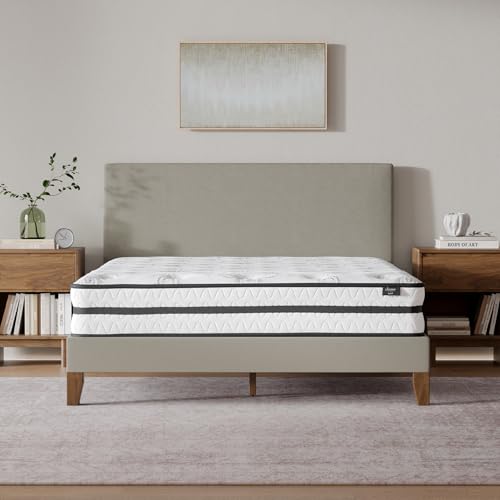
Signature Design by Ashley Chime 10 Inch Memory Foam Mattress
Ashley is one of the largest furniture brands in the country, and the Chime line is its boxed foam range. The ten inch version is a common choice for bedrooms where the mattress should look tidy and be easy to buy.
Who it suits: shoppers who prefer a mainstream furniture brand, families furnishing a guest room and students moving into a first flat. The Chime line is easy to find in several sizes.
- Memory foam over base foam in a ten-inch build.
- Major furniture brand behind the product.
- Delivered in a box, with the mattress expanding after opening.
Honest limitation: the line is built for broad appeal, so it does not chase a specialized feel. Choose it if brand familiarity matters. Skip it if you want a niche, feature-heavy bed.

Classic Brands Cool Gel Ventilated 10 Inch Memory Foam Mattress
Classic Brands has sold gel memory foam beds for years, and its ventilated ten inch model uses open-cell gel foam with a vented structure. The listing positions it as a cooler-feeling foam bed with a firm base.
Who it suits: buyers who liked gel foam in earlier mattresses and want a ten inch version, and people who prefer a vented foam structure to a plain solid block.
- Gel foam with a ventilated structure.
- Established foam brand with a long track record in the category.
- Ten-inch height keeps the bed low and tidy.
Honest limitation: ventilation helps airflow in the foam but does not turn it into a coil bed. Choose it if you want gel-style foam. Skip it if you want a springy feel.

Novilla 10 Inch Gel Memory Foam Mattress
Novilla offers boxed foam and hybrid beds, and the ten inch gel memory foam model is its lower-profile foam option. It pairs a gel-infused layer with base foam under a quilted cover.
Who it suits: buyers who like a quilted look, renters who want a bed that is easy to set up, and anyone moving a mattress up stairs alone.
- Gel-infused comfort layer with a quilted cover.
- All-foam construction keeps weight down.
- Compressed delivery makes setup easier.
Honest limitation: with ten inches of height, there are fewer layers than in a taller model. Choose it if you want a lighter, lower foam bed. Skip it if you want maximum depth.

Vibe 10 Inch Gel Memory Foam Mattress
Vibe makes boxed gel memory foam beds, and its ten inch model uses a gel-infused comfort layer over a foam base, wrapped in a soft cover. It is a no-nonsense choice for bedrooms where simplicity counts.
Who it suits: shoppers who want a straightforward gel foam bed and do not need an extended list of options, and households looking for a guest bed that is quick to set up.
- Gel-infused memory foam in the comfort layer.
- Soft cover over a layered foam stack.
- Boxed delivery and a simple setup.
Honest limitation: it is a simple design, so check the listing for the exact layer description. Choose it if you want gel foam without complexity. Skip it if you want a hybrid.
10 Inch Memory Foam Comparison
| Mattress | Size | Material | Key feature | Best use | Link |
|---|---|---|---|---|---|
| Mellow 10 Inch | Queen | Memory foam | Plain foam stack | Main bedroom | Check on Amazon |
| Sweetnight 10 Inch | Queen | Gel memory foam | Gel-infused top | Couples | Check on Amazon |
| Ashley Chime 10 Inch | Queen | Memory foam | Furniture brand | Guest room | Check on Amazon |
| Classic Brands Cool Gel | Queen | Gel foam | Ventilated structure | Gel foam fans | Check on Amazon |
| Novilla 10 Inch | Queen | Gel memory foam | Quilted cover | Stair carriers | Check on Amazon |
| Vibe 10 Inch | Queen | Gel memory foam | Simple layered build | Spare room | Check on Amazon |
What the Layers in a 10 Inch Foam Bed Do
A ten inch memory foam mattress is usually built from two or three layers. The top layer is the comfort foam, the part you feel first. It is soft, slow to rebound and shapes itself to what presses into it. Below it sits a transition or base foam, which is firmer and gives the mattress its overall shape. In some beds a thin quilted layer under the cover adds a plusher look.
The ratio of comfort foam to base foam decides the feel. A thick comfort layer feels deeper and softer, while a thin one feels more like resting on a firm board with a little cushion. Because ten inches leaves less room than twelve, makers have to pick, and the listing usually tells you which way they lean.
Gel Infusion Explained
Gel memory foam is memory foam with gel beads or swirls mixed in. Makers describe it as a way to give the surface a cooler first touch. It changes how the foam feels when you first lie down and can alter its response slightly, but it does not turn foam into a breathable coil system. If you tend to feel warm in a bed, a hybrid is a better match than any foam.
That said, gel foam has become so common that it appears in most boxed beds, and plenty of buyers like it simply because it is the usual standard. Treat the gel label as a feature of the comfort layer, not a promise about overall temperature.
Memory Foam or Hybrid at Ten Inches
At ten inches, a memory foam bed delivers quiet movement, light weight and a deep contouring feel. A hybrid at the same height leaves less room for foam, which means a thinner comfort layer on top of a coil unit. The hybrid will be bouncier and more airy, and the memory foam will feel quieter and more enclosing.
If you share a bed and your partner moves around, memory foam hides the motion better. If you like to sit on the edge or want a lively surface, a hybrid wins. Neither is correct for everyone, so pick the feel you remember liking in past mattresses.
Sizes and Dimensions to Check
Every listing in this guide shows a queen, but each model is usually offered in several sizes. A twin or twin XL suits a single bed or a bunk, a full suits a compact bedroom, and a queen or king suits two adults. Dimensions vary slightly between brands, and some sellers list a queen that is a fraction of an inch off a rival, so compare the length and width figures on the page against your frame.
Do not assume that a size offered in one thickness is offered in all of them. A brand might sell a ten inch bed in every size but the twelve inch only in a few. If you are shopping for a particular size, filter the listing first, then read about the layers.
Bases That Work With a Foam Mattress
Foam needs an even surface. A solid platform frame is the simplest choice, and a slatted frame with narrow gaps is also fine. A metal frame with a few wide bars will let foam sag between them, so add a sheet of plywood or a bunkie board if you have one of those. A matching foundation works too, and gives a low finished height.
Adjustable bases are a different matter: some foam beds suit them and others do not, so check the maker’s guidance before you buy one. If you plan to change your bed frame at the same time as the mattress, choose the mattress first and then pick a base that matches the maker’s advice.
How to Choose a 10 Inch Memory Foam Mattress
- Read the layer list to see how much comfort foam sits above the base.
- Decide whether gel infusion matters to you or whether plain foam is enough.
- Check the cover description and whether it can be spot-cleaned.
- Match the size to the room and the frame you already own.
- Check return terms and the trial window.
- Measure doorways and stairs against the boxed dimensions.
- Consider what you want from the first week: quiet, easy setup, or a particular cover.
Common Buying Mistakes
One common mistake is expecting ten inches to deliver the deep feel of a fourteen inch luxury bed. It is a balanced mattress and should be bought on that basis. Another is trusting the word cool on a listing. Gel and ventilation affect first touch, not the whole night.
A third mistake is skipping the frame. Memory foam needs a solid base, and widely spaced slats let the foam sag. Finally, many buyers hurry the first night. Foam needs time to expand, and a short new-bed smell is normal. Give the bed a day in a ventilated room before you decide whether it suits you.
Another trap is chasing a long feature list. Brands add words such as cooling, ventilated, quilted and plush to the title, but what matters is the actual layer arrangement and the cover. Compare two or three listings side by side, note the thickness of each layer where the maker gives it, and ignore adjectives that do not tell you what the bed is made of. A shorter, clearer description often signals a simpler and more honest product.
Lastly, think about the return process before you order. A boxed foam mattress that has fully expanded is bulky, so some sellers arrange a pickup, while others ask you to donate it. Know which applies, because that detail can matter more than a small difference in foam.
Unboxing, Odor and Settling In
Plan the first evening carefully. Clear the frame, vacuum the slats or platform and have the protector and sheets within reach, so you can dress the bed as soon as the foam has opened. Putting a fresh protector on a clean surface from day one is far easier than adding it later.
Place the box on the frame, cut the outer plastic and watch the mattress unroll. Most foam beds reach nearly full shape within a few hours, with the final shape coming later. A faint new-foam smell is common and fades in a ventilated room, so open a window and keep the door open. Wait until the bed has fully opened before adding a protector and sheets.
Use a protector from the beginning. Foam is hard to clean thoroughly, and a washable protector keeps the cover looking fresh. Rotate the bed head to foot on the schedule the maker suggests.
When to Choose a Different Thickness
Ten inches suits most buyers, but not all. If you want a plusher look and a deeper stack of layers, a twelve or fourteen inch foam bed gives the maker more room for a thick comfort layer. If you have a very low frame or a loft bed with limited height, an eight inch model may be the better fit. For children, spare rooms and short-stay guests, a thinner bed often does the job and costs less in weight and shipping bulk.
Think about what you want to see when you walk into the room, too. A tall mattress on a tall frame dominates a small bedroom, while a ten inch on a low platform leaves open space above the bed. Visual balance matters just as much as comfort, so picture the finished room before you decide.
Care and Keeping the Foam Fresh
Foam beds do not need much, but a few habits make a difference. Keep a protector on the mattress, wash it every month or two, and let the bed air with the sheets off for an hour once in a while. Vacuum the surface with a soft brush attachment, and treat spills at once by blotting, not rubbing, so the liquid stays near the top.
Never soak foam, and do not use a steam cleaner or a hair dryer on it. Heat and moisture can damage the cell structure. Rotate the mattress head to foot on the schedule the maker recommends, and if the bed has a distinct top and bottom, do not flip it. When you move, carry the mattress flat or bagged rather than folding it, as folding can crease the layers.
Final Recommendation
For a plain foam bed, the Mellow 10 Inch is the simplest default. For a gel-infused top, take the Sweetnight 10 Inch Gel Memory Foam. For a mainstream furniture brand in a guest room, the Ashley Chime is an easy fit, and the Classic Brands Cool Gel suits buyers who like a ventilated foam structure. Check each listing for sizes, firmness wording and terms before you order.
If you cannot choose between plain and gel foam, think about how you feel on first contact with a bed. If you tend to feel warm quickly, lean toward the Sweetnight or Classic Brands. If you are content with a plain bed and want the simplest setup, the Mellow or Ashley Chime will do the job without fuss. Whichever you pick, confirm the size, read the layer description on the listing and check the return window.
Our top two picks:
Memory Foam Has a Temperature, and It Matters
Every material in a mattress responds to its environment, but memory foam responds more visibly than most, and understanding that single fact prevents a large share of disappointed first nights. The foam softens as it warms and firms as it cools. Your body warms the area beneath you through the evening, which is why a foam bed often feels most yielding in the small hours and most resistant in the first five minutes. The room does the same work at a larger scale, which is why the identical mattress can feel noticeably different in January and in July.
A mattress delivered on a cold day deserves particular patience. It may arrive stiff from the truck, expand slowly and feel unyielding on its first night in a cool bedroom, and none of that is a defect. Give it a full day in a heated room before forming any impression at all, and give it several nights before forming a verdict. The reverse happens in a heatwave, when the foam starts each night already softened and some sleepers find the familiar hug becoming a wallow. If your bedroom swings widely between seasons, expect your foam mattress to have two personalities and judge it across both if your trial window allows. People who sleep in consistently cool rooms often prefer the softer-feeling builds in a range, while people in warm climates often gravitate to the firmer and gel-presented options, for reasons the next sections explain.
What this means for the trial period
Because temperature is a variable, keep it controlled while you judge the bed. Sleep with your normal bedding, at your normal room temperature, for at least a week before deciding the foam is too firm or too soft. Changing the duvet, the thermostat and the mattress in the same week makes it impossible to know which change did what. One variable at a time is slow advice, but a mattress is a ten-year object bought in a hurry, and a disciplined fortnight is the cheapest research you will ever do on it.
The Break-In Period, Night by Night
New memory foam is not finished foam. The cells inside it have been compressed for shipping, then asked to open in your bedroom, and the surface you meet on night one is tighter than the surface you will know by the end of the month. Makers and experienced owners describe the same arc so consistently that it is worth setting out plainly, so you can recognise where you are in it.
On the first nights, the bed may feel firmer than the description led you to expect, and you may notice the foam holding your shape for a moment when you roll, like a footprint in wet sand. This is the material at its most literal. Across the first week, two things happen together: the foam completes its expansion, including the corners, which are always the last to fill out, and your body stops bracing against an unfamiliar surface. Much of what people call break-in is actually the sleeper relaxing. By the end of the second week, the response quickens, the surface feels more uniform and the bed’s real character, the one you will live with, has emerged. Decisions made before that point are decisions about a mattress that no longer exists.
Helping the process without forcing it
Warmth, time and ordinary use are the whole recipe. Walking carefully across the surface in clean socks can help reluctant areas open, and sleeping on different parts of the bed during the first week evens the early wear. What does not help is heat applied directly, weights left standing on one spot, or folding the mattress to hurry it. If a corner still sits low after the maker’s stated expansion window has fully passed, photograph it with a tape measure visible and contact the seller while the trail of evidence is fresh. That is a manufacturing conversation, and it goes better with dates and pictures than with frustration.
Gel, Ventilation and Cooling Claims, Translated
Most of the picks in this guide present themselves as gel memory foam, and one puts ventilation in its very name, so it is worth being precise about what those words can and cannot promise. Gel is blended or layered into foam to change how the surface handles heat at first contact. The honest version of the claim is modest: a gel-presented surface often feels cooler to the touch when you first lie down, because the material draws warmth away from the skin a little faster than plain foam does. What no gel can do is refrigerate a bed for eight hours. Over a full night, any foam reaches equilibrium with the sleeper, and the lasting temperature of the bed is governed far more by your protector, sheets, duvet and room than by the gel in the top layer.
Ventilation works differently. Channels, perforations or open structures in the foam give air somewhere to go when you move, and movement is frequent in sleep even when you do not remember it. Each roll pumps a little stale, warm air out and draws cooler room air in. The effect is subtle rather than dramatic, but unlike a first-touch coolness it operates all night. Shoppers who sleep genuinely hot should therefore read a listing in this order: ventilation and structure first, gel second, and marketing adjectives last. Then they should fix their bedding, because a breathable mattress under a heavy synthetic duvet is a cooling system with the lid on.
Where the Mellow fits in this picture
Against a field of gel-presented rivals, the Mellow is the reminder that plain, well-judged memory foam remains a legitimate choice. A sleeper in a cool bedroom who uses natural-fibre bedding may never ask the foam to do any cooling work at all, and for that sleeper the decision returns to feel, support and value, where a simpler build competes perfectly well. Cooling features earn their place when the room, the climate or the sleeper runs warm. Bought for a problem you do not have, they are harmless. Bought instead of the right firmness, they are a distraction, because no surface treatment rescues a bed whose support is wrong for your body.
Choosing Between the Picks in This Guide
The gel group: Sweetnight, Novilla and Vibe
Three of the six picks lead with gel in their names, and readers understandably ask how to separate them. Separate them by the rest of their descriptions in this guide rather than by the shared headline. One will be presented with the emphasis on its layered build, another on its feel for a particular room or sleeper, another on straightforward value. Gel is the entry ticket they share, not the difference between them. Read for what each build does beneath the gel layer, since that is where your back will spend the night, and pay attention to the support descriptions, the cover and the trial terms attached to each. If two still seem identical after that reading, choose by the room: the warmer bedroom takes the one whose overall presentation leans coolest, and the guest room takes the one with the most forgiving, middle-of-the-road feel.
Classic Brands Cool Gel Ventilated and Ashley Chime
The Classic Brands pick is the natural first look for a sleeper who has rejected foam before on warmth grounds, because its name promises the two mechanisms, gel and ventilation, working together, and its place in this guide is built around that cooling brief. The Signature Design by Ashley Chime plays a different role: it is the furniture-brand option, the mattress a shopper chooses when they want a recognised name from the wider home world and a bed that coordinates with how the rest of the room was bought. Neither role is a compromise. A hot sleeper served properly will sleep better than a brand loyalist on the wrong build, and a buyer who values a familiar name and an uncomplicated purchase will enjoy the Chime long after a spec-sheet victory would have been forgotten. Know which buyer you are before the box arrives, not after.
A pick for the guest room
Guest rooms forgive almost everything except extremes, and memory foam’s party trick, close contouring, divides opinion among visitors more than any other quality. Some guests adore the held feeling and ask what the mattress is called. Others spend the night feeling unable to move freely. For a dedicated guest bed, choose the pick in this list whose description sounds the least specialised, keep a lighter duvet on it than you would use yourself, and leave a folded blanket at the foot so a warm guest can adjust without a midnight negotiation. The ten inch profile helps here too, since it keeps a spare room’s bed looking like a bed rather than a camp, while still being a mattress you can move when the room changes jobs.
Sleeping Positions on a Ten Inch Foam Bed
Foam rewards stillness and forgives restlessness differently from springs, and each sleeping position negotiates its own treaty with the material. Side sleepers are memory foam’s natural constituency, because the surface yields at the shoulder and hip while filling the waist, spreading load that a flatter bed concentrates. Their one caution is depth perception: on a ten inch build, a heavier side sleeper should confirm during the trial that the hip is cushioned without feeling as though it has arrived at the firm base beneath, a distinction the body reports clearly by the second week.
Back sleepers should attend to the lumbar region in the first hour of the night, when the foam is still cool and honest. The lower back wants contact without collapse, a gentle filling of the curve rather than a hammock. If you wake feeling as though you slept in a shallow bowl, the build is too yielding for you regardless of how luxurious it felt at bedtime. Stomach sleepers have the strictest brief of all, since their position is healthiest on the firmest, flattest surface a range offers, and they should choose accordingly and keep the pillow thin. Combination sleepers, the majority, should test the roll itself: foam that responds too slowly makes turning into a small expedition, and the right ten inch build is one whose surface recovers quickly enough that changing position at three in the morning never fully wakes you. That roll test, done deliberately on night three or four, predicts long-term satisfaction for restless sleepers better than any other single check.
Troubleshooting Ten Inch Memory Foam
The new-foam smell is lingering
A fresh foam mattress carries a manufacturing smell that most owners notice for the first days. Air is the remedy and patience is the dose: a ventilated room, bedding left off during the day, and time. If the smell is still assertive after the period the maker describes, contact the seller rather than masking it with fragrances, which layer one smell over another and can soak into the foam you are trying to clear. Never seal a new mattress inside a waterproof protector on day one and then wonder why the smell stayed; the protector goes on once the airing has done its work, or loosely at first if the bed must be slept on immediately.
One area feels different from the rest
Check the base before you check the foam. A slat that has slipped, a support leg that has shortened on thick carpet, or a foundation panel that flexes will all print through ten inches of foam and impersonate a mattress fault. Lift the mattress, inspect the whole support surface in daylight and correct anything you find. Then rotate the mattress end to end and sleep a further two nights. A difference that moves with the mattress belongs to the mattress. A difference that stays in the same place in the room belongs to whatever is underneath it.
You feel stuck in one position
That held, slow feeling is memory foam behaving as designed, but design intent does not oblige you to enjoy it. First confirm the foam is warm enough to respond, since a cold room exaggerates the effect considerably. Then consider the surface layers above the mattress: a thick, soft topper deepens the nest and makes escape slower, so removing layers, not adding them, is the experiment for a sleeper who feels trapped. If the sensation persists in a warm room with minimal bedding, you have learned something durable about your own preferences, and it is exactly what a trial period exists to teach. Record it, act within the window and choose a livelier build next time with the confidence of experience.
Living With the Foam: Care That Actually Matters
Memory foam asks for protection from liquids above all, because foam that has soaked through dries slowly and reluctantly. A protector is therefore not an accessory but part of the mattress, fitted once the new bed has aired and kept on permanently. Small surface spills should be blotted, never rubbed, with the minimum of moisture and a mild cleaning approach, then dried thoroughly with moving air before the bedding goes back. Sunlight on the bare foam is best avoided, since the material prefers shade, and a bedroom’s ordinary indirect light is all it ever needs.
Rotation is the second habit. A one-sided foam mattress is not flipped, but turning it head to foot on a seasonal rhythm spreads the sleeping pattern across the whole surface and delays the formation of two permanent body-shaped valleys in a couple’s bed. While it is turned, vacuum the surface gently, inspect the cover and check the base beneath, because care tasks travel well in a bundle. Finally, when the mattress eventually moves house, keep it flat if you possibly can, carry it with two people using its sides rather than its corners, and give it a day at room temperature in its new home before judging how it survived the journey. Foam remembers insults for a day or two and then, true to its name in the kindest sense, forgets them.
The Base Under a Foam Mattress Deserves Its Own Inspection
Ask owners of disappointing foam mattresses what finally fixed the problem and a surprising number will point under the bed. Memory foam is a continuous material that bridges small irregularities gracefully but telegraphs large ones faithfully, and ten inches of it cannot levitate over a support problem. Before your mattress arrives, and again at the first rotation, give the base the kind of inspection usually reserved for the mattress itself.
Run a hand along every slat. Slats should be unbroken, evenly spaced and firmly seated in their holders, with no single slat sitting lower than its neighbours. Press down hard at the centre of the bed, where two sleepers’ hips will spend a third of their lives, and watch for flex in the frame itself. A centre rail with a support leg should meet the floor squarely; a leg hovering above thick carpet or sunk into it changes the geometry of the whole bed. If your base is a solid platform, check that it is genuinely flat rather than gently crowned or dished, because foam will adopt that shape over months and present it to your back as its own idea. Correcting a base costs an afternoon and perhaps a set of replacement slats. Failing to correct it costs the return of a mattress that was never at fault, followed by the same disappointment arriving in a different box.
Foundations, floor beds and adjustable bases
A foam mattress on the floor is a legitimate short-term arrangement and a poor long-term one, mainly because air cannot circulate beneath it and moisture from the room and the sleeper collects where nobody can see it. If a floor period is unavoidable, lift and air the mattress regularly. On an adjustable base, a ten inch all-foam build is the most cooperative construction in this guide, since there are no springs to object to being bent, but confirm the maker’s guidance on the listing before pairing them, and expect the foam to feel slightly different when the head is raised, because your weight redistributes toward the bend. On a traditional foundation, the rule is simpler: flat, firm and fully covered beats open and springy for foam every time, and the mattress will feel closer to its description on the base its maker imagined for it.
When Ten Inches of Memory Foam Is the Wrong Answer
An honest guide should mark its own boundaries. There are sleepers and rooms for whom this entire shortlist, however carefully chosen, is the wrong tool, and recognising that before ordering is worth more than any comparison within it.
If you strongly dislike any sensation of being held by a bed, if you change position constantly and wake fully each time the surface responds slowly, foam will frustrate you in a way no firmness adjustment cures, and a hybrid or innerspring shortlist is your natural home. If the bed must serve a sleeper who needs to get in and out with great ease many times a night, a very contouring surface can make that manoeuvre harder work than a livelier bed would, and the edge and the response deserve more weight than the contouring. If the room is a cold, rarely heated spare room used a handful of nights a year, the foam will spend those nights at its firmest and least welcoming, and guests may meet a version of the mattress its owner never experiences. And if the bed is destined for a bunk or a loft with a strict guardrail limit, thickness is governed by safety rules rather than comfort, and the slimmer guides in this series exist for exactly that decision.
None of this diminishes the picks above, which serve the large middle of sleepers extremely well. It simply places them. A ten inch memory foam mattress is a considered answer to a particular set of preferences: quiet, stillness, close support and an even surface in a normally heated room. Match those preferences honestly, support the bed properly, judge it warm and broken in, and the foam will repay you with the deep, undisturbed feel that made the material famous.
A Short Word on Foam for Children and Older Relatives
Two groups of sleepers are often bought for rather than buying, and both deserve a thought before a foam mattress is chosen on their behalf. For a child’s first full-size bed, the appeal of foam is real: it is quiet when they fidget, forgiving when they read propped against pillows and light enough for a parent to lift a corner when something small and precious rolls underneath. Choose the firmer end of a range rather than the softest, keep the bedding simple and remember that a ten inch bed on a child’s frame can sit higher than small legs expect, so check the finished height with the child present before the trial clock starts.
For an older relative, the calculus turns on movement. A surface that holds its sleeper kindly through the night must also release them willingly in the morning, and the honest test is a rehearsal: sit on the edge, stand, turn and sit again, in daylight, before deciding the bed is right. If rising from the foam feels like work, believe that evidence over any description, and look at the livelier options or a lower frame that restores leverage. Bought with those two rehearsals in mind, a ten inch foam mattress serves the youngest and oldest sleepers in the house with the same quiet competence it offers everyone in between.
Finally, consider the sleeper who shares the bed with a pet, because memory foam changes that negotiation too. A dog or cat that settles against a foam mattress settles into its own shallow contour and tends to stay there, rather than patrolling a springy surface through the night, and many owners count that stillness among the material’s unadvertised virtues. The counterweight is housekeeping: foam and pet hair are old adversaries, and the protector earns its place twice over in a pet household, washed more often than the human-only schedule suggests. Choose the pick whose cover and care guidance suit that reality, keep the lint roller nearer than the bedroom door, and a ten inch foam bed will serve every species in the household with the same even temper.
Frequently Asked Questions
Is 10 inch memory foam thick enough?
For most buyers it is. Ten inches holds a comfort layer and a base layer, though it is less deep than twelve inch models.
Will it fit my frame?
Most standard frames accept it. Check the frame’s maker guidance for slat gaps or a platform.
Does memory foam smell?
A faint new-foam smell is common and usually fades in a ventilated room after unboxing.
Can I use a topper on a 10 inch foam bed?
You can, though check sheet pocket depth and the maker’s guidance, as the added height may need deeper sheets.
How long should I wait before using it?
Follow the maker’s timing on the listing, and let the bed open fully.
Can I return it?
Many sellers have a trial or return window, but terms differ. Check before you order.
How do I clean it?
Use a protector, spot-clean with mild soap and a damp cloth and let it dry. Do not soak foam.
Which one is best for a guest room?
The Ashley Chime and Mellow are simple, familiar choices for a spare room.