Disclosure: As an Amazon Associate, dailyhomedecorating.com earns from qualifying purchases. Links to Amazon on this page are affiliate links; they cost you nothing extra. Prices and availability change often, so check the current Amazon listing before you buy.
The best blankets for newborns are mostly not for sleeping. Safe-sleep guidance is clear that newborns sleep safest on their backs in a bare space — firm mattress, fitted sheet, nothing loose — so a newborn blanket’s real jobs are held time, nursing and contact naps with an awake caregiver, tummy time on firm surfaces under supervision, stroller walks, and the toddler future. This guide compares six verified blankets through that honest lens: a merino-organic-cotton blanket made for babies and toddlers, breathable cotton options for held and supervised use, a light quilt and fleece throws for family holding rotations, and a soft sherpa throw for parents and supervised cuddles — each with its supervision boundary stated, and with weighted and heated products excluded entirely. Swaddling itself is covered in Best Swaddle Blankets For Newborns; this guide covers everything around the swaddle.
Newborn textile marketing blurs these boundaries constantly, dressing cribs with quilts and plush that no safety guidance endorses for sleep. Parents deserve the unblurred version: buy beautiful blankets, use them constantly in arms and laps, keep the sleep space bare, and graduate textiles to the bed only as your child and current guidance allow. Every pick below is genuinely useful in a newborn household — none requires pretending a blanket belongs in an unattended crib.
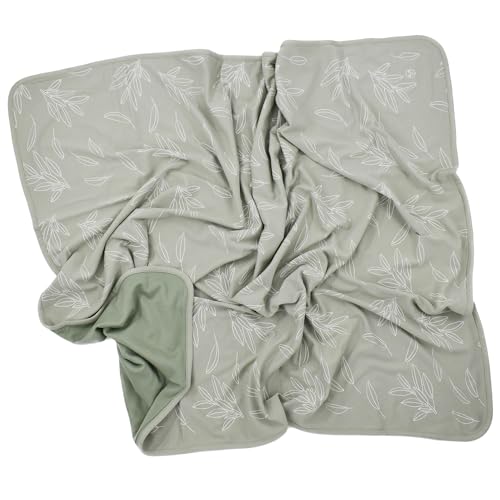
Where to Buy
All picks are sold on Amazon; check listings for current price and availability. Lead pick: the Woolino Toddler Blanket – Merino Wool and Organic Cotton Baby Blanket for Girls and Boys – — Check on Amazon. The others are the Bedsure Waffle Blanket — Check on Amazon; the Tache Cotton Patchwork Quilt — Check on Amazon; the Exclusivo Mezcla Throw — Check on Amazon; the Bedsure Fleece Bed Blanket — Check on Amazon; and the Bedsure GentleSoft Sherpa Throw — Check on Amazon. Adult-space nursery coordination is in Best Throw Pillows Under $100 — for the parents’ chair, never the crib.
In this guide
Quick Picks
| Pick | Badge | Why it earns its place |
|---|---|---|
| Woolino Toddler Blanket – Merino Wool and Organic Cotton Baby Blanket for Girls and Boys – | Best Overall | Merino-cotton regulation sized for babies, serving holding through toddlerhood. |
| Bedsure Cooling Cotton Waffle Blanket for Hot Sleepers | Best Budget | Breathable cotton for held time that returns to parent beds later. |
| Tache Cotton Patchwork Quilt Blanket Country Farm Cottage Vintage Antique Ditsy Floral Pai | Best for Photos and Keepsakes | Cotton patchwork charm for supervised tummy time and family pictures. |
| Exclusivo Mezcla Soft Large Fleece Throw Blanket for Couch | Best for Night Feeds | The parents’ throw: light warmth for the feeding chair at 3 a.m. |
| Bedsure Fleece Bed Blankets Queen Size Grey – Soft Cozy Warm Winter Blanket Christmas Than | Best for Family Holding | Big soft fleece for couch holding sessions with siblings and grandparents. |
| Bedsure GentleSoft Sherpa Fleece Throw Blanket for Couch | Best Compact | Plush supervised-cuddle throw that later becomes the toddler’s own. |
Key Takeaways
- Newborn sleep spaces stay bare: blankets are for holding, supervision, and later stages — no exceptions in this guide.
- The Woolino is the one true baby blanket in the pool: merino regulation, organic cotton surface, toddler-ready size.
- Breathable cotton beats plush synthetics for held newborns, who share their holder’s body heat.
- Parents need blankets too: night feeds are cold, and the feeding-chair throw is essential equipment.
- Never buy weighted or heated blankets for infants or toddlers, whatever the marketing suggests.
How These Picks Were Chosen
Baby fitness required gentle, washable textiles with an honest supervised or future use: the Woolino as the pool’s only baby-specific blanket; cotton waffle and patchwork for breathable held and tummy time; light fleece throws for family holding and parent use. All weighted blankets (suffocation and pressure risks for infants) and all heated blankets (burn and overheating risks, cord hazards) were excluded categorically, as were faux-fur long-pile products for the youngest stage. Specs are pool-verified only. Safety framing follows widely published safe-sleep principles; your pediatrician’s current guidance supersedes this article at every point. Fiber gentleness context is in Best Material For Blankets.
The 6 Best Best Blankets for Newborns — Reviewed
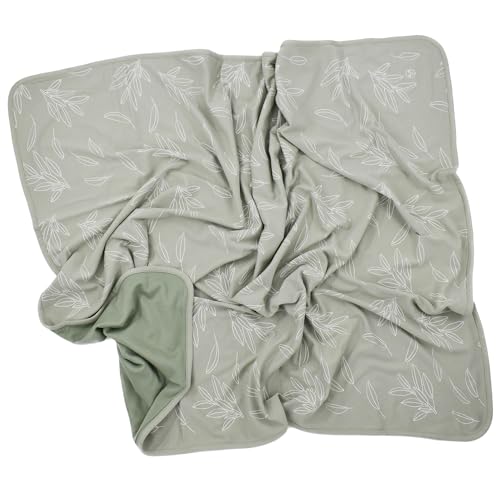
Woolino Toddler Blanket – Merino Wool and Organic Cotton Baby Blanket for Girls and Boys –
Our badge: Best Overall
The Woolino Toddler Blanket – Merino Wool and Organic Cotton Baby Blanket for Girls and Boys – is the newborn pick that needs no disclaimers about its purpose: a baby and toddler blanket with an Australian merino wool lining for temperature regulation and a GOTS-certified organic cotton outer for a silky, gentle surface, sized about 52.5 by 40 inches in Sage. Merino’s two-way regulation — warm in cold rooms, cool in warm ones — suits held newborns whose temperature support is still developing, and the maker positions it as a four-season companion from babyhood onward.
Strengths
- Purpose-built for babies and toddlers, with premium natural materials.
- Regulation reduces over- and under-dressing guesswork during holding.
- Machine washable and sized to remain useful for years, not weeks.
Trade-offs
- Still a blanket: supervised and held use for newborns, never unattended crib bedding.
- Premium tier among baby blankets (check current pricing).
- One blanket at this quality means laundry rotation needs a cotton understudy.
| Color | Sage |
| Size | 40 inch |
Use the Woolino across the newborn day: over your lap during feeds, across the stroller on walks (secured, away from the face), under supervised tummy time on a firm surface, and as the car blanket for held arrivals and departures — never as a loose layer behind or over a harnessed infant in a car seat in ways that affect fit. When toddlerhood arrives, it becomes the child’s own bed blanket without a new purchase. Woolino’s maker notes US-based service and a long specialty history in merino baby essentials, which shows in the sizing and materials discipline. Choose Woolino as the registry’s cornerstone blanket. Skip it only if budget requires covering swaddles and sacks first.
Best for: held time, stroller walks, and the toddler years / Not suited for: unattended newborn sleep (no blanket is)
Choose Woolino as the baby blanket that lasts. Check on Amazon

Bedsure Cooling Cotton Waffle Blanket for Hot Sleepers
Our badge: Best Budget
The Bedsure Cooling Cotton Waffle Blanket for Hot Sleepers serves newborn households as the breathable workhorse: cotton-bamboo waffle for held babies who run warm against a caregiver’s body, for nursing cover-ups at home, and for the parent side of every contact nap — then, when the baby stage passes, it returns to full duty as a summer bed blanket. No other pick here amortizes across so many household roles.
Strengths
- Breathability prevents the held-baby sweat patch in warm rooms.
- Absorbent and endlessly washable through spit-up season.
- Adult queen size covers parent and held baby together comfortably.
Trade-offs
- Not baby-sized or baby-specific; fold and manage the extra fabric carefully, away from baby’s face.
- Adults’ blanket in the nursery means strict crib exclusion discipline.
- Waffle texture is utilitarian next to keepsake quilts.
| Color | 01 – Ivory |
| Size | Queen (90″ X 90″) |
| Weight | 3.8 Pounds |
Station the waffle blanket on the feeding chair and keep it there: its summer-bed career can wait a few months while it serves the newborn shift. Its cotton behavior is detailed in Best Cotton Blankets For Summer. Choose waffle for breathable, budget-wise held time. Skip it as a gift centerpiece — givers should choose the Woolino or the Tache for presentation.
Best for: held time in warm rooms and parent coverage / Not suited for: crib use or baby-specific gifting
Choose the waffle blanket as the nursery’s breathable workhorse. Check on Amazon

Tache Cotton Patchwork Quilt Blanket Country Farm Cottage Vintage Antique Ditsy Floral Pai
Our badge: Best for Photos and Keepsakes
The Tache Cotton Patchwork Quilt Blanket Country Farm Cottage Vintage Antique Ditsy Floral Pai is the newborn blanket for the moments families photograph: cotton patchwork in vintage florals, laid under supervised tummy time on a firm floor surface, draped over a chair for portraits, and spread for picnics when the baby is older. Cotton’s breathability and washability suit baby-adjacent duty, and patchwork’s handmade look carries keepsake weight no fleece can imitate.
Strengths
- Photogenic, heirloom character for milestone moments.
- Flat cotton surface suits supervised floor and tummy time.
- Light layer for stroller and held use in mild weather.
Trade-offs
- Decorative role: not a warmth or sleep product for newborns.
- Delicate cold washing to protect patchwork colors.
- Throw size serves babies and laps, not beds.
| Color | Burgundy |
| Size | 50×60 |
Keep the Tache folded where supervised floor time happens, wash it before first baby use as with all new textiles, and let it accumulate the family history it was designed for. Choose Tache for keepsake and photo duty. Skip it if your nursery needs are purely functional — the Woolino and waffle cover those with change to spare.
Best for: tummy time, photos, and keepsake gifting / Not suited for: warmth or sleep roles
Choose the Tache for the blanket in the family photos. Check on Amazon

Exclusivo Mezcla Soft Large Fleece Throw Blanket for Couch
Our badge: Best for Night Feeds
The Exclusivo Mezcla Soft Large Fleece Throw Blanket for Couch is the parents’ newborn blanket, and parents count: light brushed flannel for the feeding chair, warm enough for 3 a.m. in a cool house, washable after every spill the night produces, and sized to cover a parent holding a swaddled baby without engulfing either. Newborn care runs on parental endurance, and endurance runs on small comforts like this.
Strengths
- Perfect feeding-chair weight and coverage for the holding adult.
- Fastest wash-and-dry cycle in the nursery rotation.
- Travels to grandparents’ houses and hospital bags (for the parent) effortlessly.
Trade-offs
- An adult throw: never a baby sleep item, and keep fleece contact for held time supervised.
- Too light to serve as the household’s only warm layer in winter.
- Utilitarian styling.
| Color | Forest Green |
| Size | Throw XL (50″ x 70″) |
| Weight | 1.55 pounds |
Buy it for the chair, keep it on the chair, and thank it nightly. After the newborn stage it resumes ordinary throw life without a mark. Choose Exclusivo for parent endurance. Skip expecting any baby-specific function from it.
Best for: feeding parents and night-shift comfort / Not suited for: direct baby sleep use
Choose Exclusivo to survive night feeds in comfort. Check on Amazon

Bedsure Fleece Bed Blankets Queen Size Grey – Soft Cozy Warm Winter Blanket Christmas Than
Our badge: Best for Family Holding
The Bedsure Fleece Bed Blankets Queen Size Grey – Soft Cozy Warm Winter Blanket Christmas Than covers the whole holding party: queen fleece spread over a couch or bed where a parent, a newborn, and an older sibling can share supervised cuddle time with room to spare. Its softness invites the family pile-on that makes newborns feel like additions rather than disruptions, and its washability survives the pile-on’s consequences.
Strengths
- Generous shared coverage for family holding sessions.
- Soft, forgiving surface for delicate newborn skin during held contact.
- Returns to full bed-blanket duty when the baby stage passes.
Trade-offs
- Large adult blanket requiring careful fabric management around a newborn’s face during holding.
- Fleece warmth can overheat held babies in warm rooms — cotton leads there.
- Not baby-specific in any dimension.
| Color | Grey |
| Size | Queen (90″ X 90″) |
| Weight | 3.19 pounds |
Use the big fleece where the family gathers, keep baby’s face visible and fabric clear during every hold, and let siblings build their blanket-fort affections at a supervised distance from the newborn. Choose the queen fleece for family-scale holding. Skip it for solo, precise newborn textiles — that is Woolino’s job.
Best for: family cuddle sessions and shared holding / Not suited for: unattended baby use
Choose the queen fleece for the whole family’s holding time. Check on Amazon

Bedsure GentleSoft Sherpa Fleece Throw Blanket for Couch
Our badge: Best Compact
The Bedsure GentleSoft Sherpa Fleece Throw Blanket for Couch closes the guide as the plush supervised-cuddle throw: flannel and sherpa reversibility in a personal size that suits a grandparent’s lap, a rocking chair, and — in time — the toddler’s own first blanket of choice. The maker notes gift-ready presentation; for newborn households, its softness serves the holders as much as the held.
Strengths
- Plush comfort for long held sessions in cool rooms.
- Personal size manages neatly around holding adults.
- Graduates to toddler ownership seamlessly.
Trade-offs
- Sherpa pile is for supervised holding only at newborn stage — never sleep spaces.
- Warm for summer holding; cotton picks lead in heat.
- Pet households will find it claimed by animals between baby uses.
| Color | 01 – Grey |
| Size | Throw (50″ X 60″) |
| Weight | 2.03 pounds |
Assign the sherpa throw to the rocking chair and the grandparents. Wash it before first use and on the nursery’s frequent rotation. Choose GentleSoft for plush held comfort in cool seasons. Skip it for summer newborns, where waffle cotton is kinder.
Best for: cool-season holding and grandparent laps / Not suited for: sleep spaces or hot rooms
Choose GentleSoft for plush supervised cuddles. Check on Amazon
Fabrics Against Newborn Skin: A Calm Comparison
Newborn skin rewards softness, breathability, and laundry honesty, in that order. Cotton in its breathable weaves is the wardrobe’s foundation for a reason: it softens with washing, tolerates the constant laundry newborn life demands, and feels familiar against skin from the first use. Cotton-bamboo blends add silkiness that parents love for held time, with care labels that deserve reading because blends vary. Merino, as the Woolino pick in the swaddle companion guide illustrates for held time and toddlerhood, regulates temperature in both directions and suits supervised holding beautifully, at a premium that buys years of later use rather than weeks of newborn use. Synthetic fleeces and plush fabrics are the nursery’s temptation and its cautionary tale in one: irresistibly soft in the shop, warm in a way that newborns rarely need indoors, prone to shedding fibers, and categorically for supervised, awake, held contexts only — never sleep, never the crib. Whatever fabric you choose, wash it before first use, inspect it after washing for the threads and pills that the first cycle reveals, and judge it by its washed self, because the washed self is the one your baby will actually live against. A fabric that survives your laundry with its softness intact is worth more than a fabric that wins the shop and loses the machine.
Comparison Table
| Pick | Size | Material focus | Newborn role | Check price on Amazon |
|---|---|---|---|---|
| Woolino | 40 inch | Merino + organic cotton | Baby blanket, held + toddler | Check price on Amazon |
| Bedsure Waffle | Queen 90″ X 90″ | Cotton-bamboo | Held time, parents | Check price on Amazon |
| Tache Quilt | 50×60 | Cotton patchwork | Tummy time, photos | Check price on Amazon |
| Exclusivo Throw | Throw XL 50″ x 70″ | Brushed flannel | Parents’ night feeds | Check price on Amazon |
| Bedsure Fleece Bed | Queen 90″ X 90″ | Flannel fleece | Family holding | Check price on Amazon |
| Bedsure Sherpa Throw | Throw 50″ X 60″ | Flannel + sherpa | Supervised cuddles | Check price on Amazon |
How to Choose the Best Blankets for Newborns
Sort every blanket by supervision level first
Before fiber, color, or price: is this for held time, supervised floor time, stroller walks, or a future stage? Nothing in this guide — nothing in any honest guide — is for unattended newborn sleep. Sorting by supervision prevents the nursery’s most dangerous category error and clarifies every later choice.
Choose breathable, washable, gentle
Held newborns share body heat, so breathable cotton and regulating merino beat plush insulation. Everything baby-adjacent will be washed constantly; choose textiles that welcome it. Wash all new blankets before first use with gentle, residue-free detergent per label, and keep fragrances away from newborn textiles.
Buy for the arc, not the week
Newborn-specific textiles serve briefly; baby-to-toddler textiles (Woolino class) serve for years; parent textiles serve forever. A registry balanced across the arc — swaddles from the swaddle guide, one premium baby blanket, parent throws, family fleece — outperforms a pile of newborn-only items outgrown by the first growth spurt.
Gift with safety literacy
Givers: the most loving newborn blanket gift pairs beauty with correct use — include a note celebrating held time and tummy time, never nursery styling that implies crib use. Avoid weighted, heated, and long-pile products for infants entirely, however they are marketed.
How Many Blankets Does a Newborn Household Actually Need?
Count by station and by laundry interval, not by the size of the gift pile. The working wardrobe most households converge on is modest: several breathable blankets rotating through held time and feeding stations, one or two floor-time blankets in constant wash rotation, a stroller blanket that lives with the stroller, and the sleep system — swaddles, then sacks — counted separately because it is equipment, not bedding. Against that working set, keep one clean spare in reserve for the midnight blowout that empties every station at once, because newborns specialize in correlated failures. Households washing daily can run leaner; households washing twice a week should scale every station up by one and feel no guilt about it. What the count should not include is a bench of decorative blankets awaiting a use the stages never provide — they occupy the closet, the budget, and the gift-givers’ generosity that the working wardrobe needed. If your current pile is mostly decorative, do not despair: reassign the breathable, washable ones to stations, move the plush and heavy ones firmly to adult spaces, store the keepsakes as keepsakes, and buy only the gaps. The wardrobe is a system for a year of stages, and a small system that covers every stage beats a large pile that covers only the photograph.
How to Wash Newborn Blankets
Wash before first use and frequently thereafter: gentle cycle, mild detergent, no heavy fragrances or softener buildup on skin-contact textiles, and complete drying before storage or use. Separate baby textiles from heavily soiled household loads when practical. Inspect blankets regularly for loose threads, holes, and worn pile that could shed fibers, and retire damaged textiles from baby duty promptly. Merino-cotton follows its maker’s label; cotton tolerates the most; fleece asks only for moderate heat discipline. Clean textiles are a safety feature in a nursery, not a housekeeping preference.
Problem: Baby overheats during holding. — Remove a layer, switch to breathable cotton, and check the room before the baby — holders generate more heat than they realize.
Problem: Grandparents want to put a blanket in the crib. — Share the bare-crib rule kindly and early, and redirect their generosity to held time, where blankets genuinely belong at this stage.
Problem: You received a dozen decorative blankets. — Assign each a supervised role (floor, photos, stroller, toddler future), store the surplus, and keep the sleep space bare without guilt.
Problem: Baby spits up on everything constantly. — That is the job description. Rotate cotton workhorses, keep the premium Woolino for cleaner occasions if you wish, and lower every textile’s preciousness setting.
Held Time, Done Well: The Hours Newborn Blankets Actually Work
Since held time is where newborn blankets spend their lives, it deserves technique rather than assumption. When a baby is held under a blanket, the blanket’s job is shared warmth and containment while the adult’s arms do the supporting; arrange it so the baby’s face stays entirely clear, the fabric cannot slip upward, and the adult can see the baby’s face at a glance without moving anything. Check warmth at the baby’s chest, not the hands, and remember that the holder’s body is a heat source — a baby held against a warm adult under a warm blanket in a warm room can overheat in an arrangement that looks gentle, so loosen or remove the blanket layer first whenever the chest feels hot or the skin looks flushed. If the holding adult feels drowsy, the held nap ends: place the baby on their back in the bare crib or hand them to an awake adult, because a sleeping adult plus loose blankets plus a newborn is the one combination this entire guide exists to prevent. Feeding sessions follow the same rules with one addition — keep the blanket clear of the feeding itself, so latching, bottle position, and the baby’s breathing stay visible and unobstructed, and expect the feeding-station blanket to need washing more than any other textile in the house. Assign it that job deliberately, in a washable class, and rotate a clean spare to the chair.
Tummy Time and Floor Time: Blankets on Duty
Supervised tummy time on a firm, flat surface is where newborn blankets visibly work: a cotton quilt or folded waffle layer cushions a hard floor without creating a soft, unsafe sleep-like surface. Keep sessions awake and attended, place baby on their tummy only while you are present and engaged, and move sleeping babies to their bare sleep space the moment drowsiness wins — floor textiles are play equipment, never nap equipment. As babies roll and sit, the same blankets become picnic and play layers, which is why cotton durability outranks delicacy in this guide.
Car Seats, Carriers, and the Blanket Rules That Travel
Blankets interact with safety equipment in ways that marketing photographs routinely get wrong, so the rules deserve plain statement. In a car seat, nothing bulky goes between the baby and the harness or behind the baby’s back: dress the baby in normal clothing, buckle the harness snugly as the seat’s instructions require, and only then — if the day is cold — lay a blanket over the buckled baby, outside the harness, where it cannot interfere with the straps’ fit and can be removed the moment the car’s cabin warms. In carriers and wraps, follow the carrier maker’s positioning guidance with the baby’s face visible and airways clear, and treat any added blanket as an outer layer for the pair of you that never covers the baby’s face or head. In strollers, tuck blankets so wheels, folding mechanisms, and the baby’s own kicking cannot drag fabric over the face, and recheck after any transfer — car to stroller, stroller to arms — because transfers are when arrangements loosen unnoticed. These rules travel with you to grandparents’ cars and friends’ strollers unchanged; equipment varies, but the principles — harness fit first, face always clear, warmth added outside the safety system — do not. When in doubt about a specific seat or carrier, its manual and your pediatrician’s office outrank every blanket guide ever written, including this one.
Stroller and Travel Blankets for Newborns
On walks, blankets manage wind and sun transitions: a light cotton layer tucked securely around (never over the face, never loose enough to reach wheels or drag), merino for temperature swings, and constant checks that baby is warm-dry rather than hot. In cars, blankets go over the harness, never under or behind the baby in ways that compromise fit, and only once the seat is correctly buckled — car-seat manufacturer guidance governs, always. Travel rewards the same discipline as home: textiles serve the baby under supervision, in motion and at rest stops alike.
The Newborn Blanket Wardrobe, Stage by Stage
A newborn’s first year uses blankets in distinct stages, and buying by stage prevents both the bare-crib violations and the closet of unused textiles that plague new nurseries. In the first weeks, blankets live almost entirely in adult hands: held time, nursing sessions, skin-to-skin with an awake caregiver, and stroller walks. Sleep itself belongs to the bare crib — firm mattress, fitted sheet, baby on the back — with warmth provided by room temperature, appropriate clothing, correctly used swaddles, and then sleep sacks, as the companion guide to Best Swaddle Blankets For Newborns details stage by stage. The blankets that shine in this stage are breathable, washable without ceremony, and sized for laps and chairs rather than for cribs, because laps and chairs are where they will actually work.
As the baby grows into floor time, blankets take their second job as supervised surfaces: a clean, firm-area layer for tummy time and play, always with an awake adult present and always on a firm surface beneath, never as padding that changes a sleep space. In this stage, washability becomes the dominant virtue, because floor blankets meet everything, and texture variety earns its keep as babies begin reaching, gripping, and mouthing the world — with every textile inspected for loose threads, worn patches, or detachable decorations before it goes on the floor. The stroller stage adds outdoor duties: a blanket for walks, tucked so it cannot slip over the baby’s face, removed or loosened the moment you come indoors so a baby dressed for the street does not overheat in a warm house. Each stage retires some textiles and promotes others, and the wardrobe that was planned by stage — as the later toddler stage in Best Blankets For Sleeping households eventually shows for older children — never forces a parent to improvise with the wrong blanket at the wrong moment, which is where most nursery textile mistakes are actually born.
Grandparents, Gift-Givers, and the Registry Conversation
Most newborn blankets arrive as gifts, so the kindest section of this guide is addressed to the givers. Give for the stages above: breathable blankets for held time, a workhorse set that welcomes daily washing, and — if you want the gift that parents bless at midnight — a sleep sack in a coming size, chosen with the parents, rather than another decorative throw. Skip, without exception, anything weighted, anything heated, and anything marketed with loose bedding imagery for a crib; no sentiment survives contact with safe-sleep guidance, and parents should never have to choose between a giver’s feelings and a bare crib. If you are the parent, have the conversation early and warmly: share the household’s plan — swaddles and sacks for sleep, blankets for holding and floors — and give gift-givers a way to be generous inside it, because most givers want exactly that guidance and are relieved to receive it. Keep receipts and tags where exchanges are possible, since babies vote on textures and parents vote on laundry, and a gift that can be exchanged for the right stage serves the baby better than a gift preserved out of politeness in a drawer. Gratitude and safety are not in tension unless a household lets them be; the plan, stated kindly in advance, keeps them allies.
Common Buying Mistakes
Decorating the crib
Quilts, throws, and plush in styled crib photos are marketing, not guidance. The bare sleep space is the standard; beauty lives in held time and the room around the crib.
Buying weighted or heated for infants
Categorically unsafe purchasing. Any product implying infant suitability for weight or electric heat should lose your trust and your money.
Over-insulating held babies
A held newborn borrows an adult’s furnace. Plush winter textiles overheat held babies in ordinary rooms; breathable layers and temperature checks prevent the commonest newborn blanket error.
Registering only for newborn sizes
Weeks pass; toddlers remain. Balance the list with baby-to-toddler textiles and parent gear, or you will re-buy the nursery’s textiles quarterly.
Inspecting, Rotating, and Retiring Newborn Blankets
Newborn textiles live hard lives in miniature: washed constantly, dragged, chewed, and loved at full intensity. Build a small inspection habit into the fold after laundry — seams, edges, loose threads, thinning patches, and any closure or decoration a baby could work free — because a blanket’s condition changes faster in its first year than in the decade after. Rotate the wardrobe so the same two blankets do not absorb every wash cycle while the rest wait pristine for a stage that passes in weeks; even wear is kind wear, and babies attach to familiar textures regardless of which blanket provides them. Retire decisively: a blanket with holes, fraying that sheds threads, or damage you would have to explain is done, whatever its sentimental rank, and its replacement should already be in the house. Keepsakes deserve their own honest category — the blanket that comes home from the hospital, the one a grandparent made — stored clean and kept for memory, which frees the daily wardrobe to be chosen purely for safety, washability, and use. Sentiment preserved deliberately is stronger than sentiment imposed on a workhorse textile, and babies, who cannot read labels, benefit from the clarity either way.
The First Night Home: A Blanket Checklist You Can Run Half Asleep
Print this in your head before the first night. Sleep space: bare crib or bassinet, firm mattress, fitted sheet, nothing else in it — no blanket, no plush, no extras, however the nursery was styled for visitors. Baby: on the back, dressed for the room, swaddled correctly if your household swaddles, with chest snug, hips free, face clear. Held time: blankets welcome, adult awake, face visible, warmth checked at the chest. Feeding station: washable blanket, clean spare within reach. Stroller and car: warmth outside the harness, tucked against slipping, loosened indoors. Spare system: sleep sack in the house before rolling, clean reserve blanket folded where midnight hands can find it. Pediatrician: their guidance saved where you can find it at 3 a.m., ranked above this list, above product listings, above every well-meaning voice in the family chat. A household that can run this checklist half asleep has understood everything this guide was written to teach, and its blankets — chosen from the picks above, assigned to their stages, washed without fear — will do their quiet work beautifully for the whole first year.
One last reassurance belongs here, because new parents absorb anxiety from every direction and blankets attract more than their share. The system in this guide is deliberately simple, and simple systems are forgiving: a bare crib is easy to verify, a stage plan is easy to remember, and a washable wardrobe is easy to maintain even in the weeks when nothing else in the house is maintained at all. You do not need the perfect blanket, the complete registry, or a nursery that resembles anyone else’s photographs. You need the right blanket in the right place at each stage, an awake adult where blankets and babies meet, and the confidence — which this guide hopes it has earned — to let every other textile opinion in your life be exactly that: an opinion, ranked below your plan and your pediatrician, and welcome to admire the baby from outside the crib. Share the plan with anyone who will care for the baby, in writing if the household runs on handovers, because a plan that lives in one exhausted parent’s memory is a plan with a single point of failure — and newborns, as every section of this guide has noted, specialize in finding exactly that point at exactly 3 a.m.
Finally, give the plan a review date. At the six-week mark, when the household has found its rhythm, walk the stations once with fresh eyes: which blankets are working hardest, which stage is about to change, whether the sleep-sack transition is stocked, and whether any textile has quietly migrated toward the crib that should migrate back out. Ten minutes of review at each stage boundary keeps the wardrobe matched to the baby you actually have, rather than to the newborn you planned for — because babies revise every plan, and the households that thrive are not the ones with the perfect original list, but the ones whose list keeps up, stage by stage, with the child — revising generously, keeping the crib bare and the held hours warm, and trusting the plan precisely because the plan keeps earning that trust, week by week and stage by stage.
Final Recommendation
Anchor the newborn textile kit with the Woolino Toddler Blanket for baby-specific quality, support it with the waffle blanket for breathable held time — Check on Amazon — and equip the parents with the Exclusivo throw. Keep every sleep space bare, follow your pediatrician over any article, and let blankets do their real newborn work: in arms, on laps, and in the photographs you will keep forever.
Twins, Premature Babies, and Other Reasons Your Pediatrician Outranks This Guide
Some nurseries run on specialized instructions, and this guide defers to them completely. Twins multiply every textile decision — double the rotation, double the laundry rhythm, and double the temptation to improvise at 3 a.m., which is precisely why twin households benefit most from the stage plan and the spare-in-the-house discipline described above. Babies born early, or with hip, skin, temperature-regulation, or feeding considerations, may receive specific guidance about wrapping, layering, and textiles from their clinical team; that guidance governs, and product articles — including this one — are background reading by comparison. The same deference applies to any household whose pediatrician adjusts the general safe-sleep framework for their baby’s circumstances. What does not change across these situations is the framework’s core: back sleeping, a bare and firm sleep space, nothing weighted or heated for infants, blankets assigned to supervised life, and an awake adult wherever a blanket and a baby share space. Hold the core, follow your clinician on the particulars, and treat every product claim that conflicts with either as a reason to set the product down.
Photographs, Keepsakes, and the Blanket in the Picture
Newborn photography loves blankets, and babies are photographed wrapped, draped, and nestled in textiles that no one would propose for sleep. The distinction that keeps photography safe is supervision and duration: a posed, attended, awake-or-closely-watched photo session with a caregiver’s hands effectively on the baby is a supervised context, and the moment the session ends, the textiles return to their ordinary rules and the baby returns to a bare sleep space. Never let a photographic arrangement become a nap arrangement because the baby fell asleep looking peaceful; transfer to the crib, on the back, bare, exactly as at any other time. Keepsake blankets photographed in the first days and then stored clean carry their meaning without carrying risk, and milestone photographs across the first year — the same blanket beside a growing baby on a supervised surface — give families the continuity they want from a textile with none of the exposure of daily misuse. Enjoy the pictures. Just let the crib stay boring, because boring cribs are what safe nurseries look like between the photographs.
Frequently Asked Questions
Can newborns sleep with blankets?
Safe-sleep guidance says no loose blankets in the sleep space: back sleeping on a firm, bare surface, with warmth from room temperature, clothing, correct swaddling, and later wearable sleep sacks. Blankets in this guide are for held and supervised use.
What blanket material is best for newborns?
Breathable, gentle, washable fibers: cotton for everyday held time, merino-cotton blends for temperature regulation. Avoid heavy plush against newborn skin for long held sessions in warm rooms, and wash everything before first use.
How many blankets does a newborn need?
Fewer than marketing suggests: swaddle wraps (see the swaddle guide), one quality baby blanket, one or two cotton workhorses for holding rotation, and parent throws. Laundry tempo, not nursery styling, sets the real number.
Are fleece blankets okay for newborns?
For supervised holding in cool rooms, light fleece is fine with temperature checks. For sleep spaces, no blanket of any material is appropriate at this stage. Cotton remains the safer default for long held contact in warm rooms.
When can my baby sleep with a blanket?
Follow current guidance from your pediatrician and national safe-sleep authorities — commonly, loose blankets enter the sleep space only well after the first birthday, with many families transitioning through wearable sacks first. This guide does not set that timeline; your clinician does.
What should I do with gifted crib bedding sets?
Use the textiles for supervised floor time, stroller walks, photos, and toddler stages, and keep the crib bare now. Gratitude and safety coexist easily when each textile gets its correct job.


