Disclosure: As an Amazon Associate, dailyhomedecorating.com earns from qualifying purchases. Links to Amazon on this page are affiliate links; they cost you nothing extra. Prices and availability change often, so check the current Amazon listing before you buy.
Choosing the best swaddle blankets for newborns starts with honesty about what a swaddle is: a thin, breathable wrap used snugly around a newborn who sleeps on their back, for the first weeks until any sign of rolling — never a loose blanket in a crib, and never a weighted or heated product. Our verified pool for this topic contains no true swaddle wraps, so this guide follows the brief’s prose-only path: it recommends swaddle types qualitatively (muslin wraps, stretch-knit wraps, hook-and-loop swaddle pods, and transition sleep sacks) without inventing listings or specifications, and links only the closest pool textiles with their limits stated plainly — a merino-organic-cotton toddler blanket for supervised holding and later toddler use, and light cotton blankets for held, supervised time and stroller shade-free comfort, never for unattended newborn sleep. Always follow current safe-sleep guidance from your pediatrician and national health authorities over any product guide, including this one. For the broader nursery blanket picture after the swaddle stage, see Best Blankets For Newborns.
New parents are sold blankets aggressively, and most of them are not swaddles. A true swaddle wrap is large, thin, breathable, and slightly stretchy or softly structured, so it can be wrapped snugly around the torso while hips stay free to move, and removed the moment rolling begins. Thick quilts, fleece throws, and weighted products — however lovely — belong to holding, tummy time on a firm surface under supervision, and toddlerhood. This guide keeps those lanes separate in every single pick, because in a nursery, category honesty is safety.
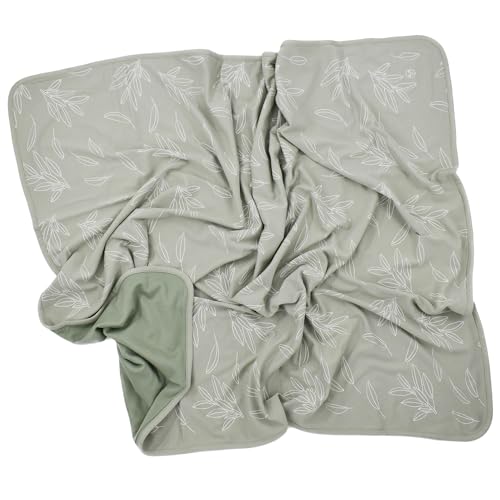
Where to Buy
Swaddle picks below are prose-only types with no affiliate links; check Amazon’s baby listings for current swaddle wraps, verifying fabric, size, and closures on each listing. The closest linked pool textile is the Woolino Toddler Blanket – Merino Wool and Organic Cotton Baby Blanket for Girls and Boys – — Check on Amazon — included for supervised holding and the toddler stage, not as a newborn swaddle. Light cotton options for held and supervised use are the Bedsure Waffle Blanket — Check on Amazon; and the Tache Cotton Quilt — Check on Amazon. Nursery coordination ideas are in Best Throw Pillows Under $100 for parent spaces, keeping adult textiles out of the crib entirely.
In this guide
Quick Picks
| Pick | Badge | Why it earns its place |
|---|---|---|
| Muslin Swaddle Wraps (prose-only) | Best Overall | Breathable, generous, multi-use wraps — the classic newborn swaddle. |
| Stretch-Knit Swaddle Wraps (prose-only) | Best for Beginners | Forgiving stretch makes snug, secure wrapping easier to learn. |
| Hook-and-Loop Swaddle Pods (prose-only) | Best for Night Feeds | Fast, repeatable wraps at 3 a.m. without origami. |
| Transition Sleep Sacks (prose-only) | Best for Rolling Stage | Wearable blankets that replace swaddles safely when rolling begins. |
| Woolino Toddler Blanket – Merino Wool and Organic Cotton Baby Blanket for Girls and Boys – | Best Premium | Merino-cotton blanket for supervised holding now, toddler comfort later. |
| Bedsure Cooling Cotton Waffle Blanket for Hot Sleepers | Best for Supervised Holding | Breathable cotton layer for held naps, nursing, and stroller walks — supervised only. |
Key Takeaways
- Buy true swaddle wraps — thin, breathable, generously sized — for swaddling; buy blankets for holding and later stages.
- Swaddle only on the back, snug at the chest, loose at the hips, and stop swaddling at the first sign of rolling.
- Nothing loose, weighted, heated, or plush belongs in a newborn’s sleep space.
- Muslin is the most versatile nursery textile ever made: swaddle, burp cloth, nursing cover, stroller layer, and emergency everything.
- Plan the transition now: sleep sacks replace swaddles, and toddler blankets like the Woolino replace sleep sacks in time.
How These Picks Were Chosen
The verified pool was audited first: it contains one baby-adjacent blanket (the Woolino toddler blanket) and general household blankets, but no swaddle wraps. Rather than mislabel household blankets as swaddles, this guide recommends four swaddle and transition types as prose-only picks with qualitative guidance and no invented specifications, and includes two linked cotton textiles with explicit supervised-use framing. Excluded entirely for newborns: all weighted blankets, all heated blankets, sherpa and faux-fur products — each is named here only to be ruled out. Safety framing follows widely published safe-sleep principles (back sleeping, bare crib, hip-healthy swaddling, stopping at rolling); your pediatrician’s current guidance supersedes this article. The Tache quilt, though charming, was left as a comparison-table absence rather than a pick for newborns because patchwork quilts are holding and decor textiles, not newborn sleep items.
The 6 Best Best Swaddle Blankets for Newborns — Reviewed
Muslin Swaddle Wraps (Prose-Only)
Our badge: Best Overall
Muslin — a loose, breathable cotton weave, often cotton or bamboo-blend in modern wraps — is the newborn standard for good reason. Large muslin wraps swaddle securely without overheating, soften with every wash, and then spend years as burp cloths, nursing covers, stroller sun layers (never draped to trap heat — keep airflow), tummy-time surfaces, and emergency changing pads. No link or specifications are offered; shop listings by generous dimensions, breathable weave, and pre-washed softness.
Strengths
- Most breathable swaddle class — the safest temperature profile for wrapping.
- Generous sizes forgive imperfect wrapping technique while you learn.
- Multi-year utility far beyond the swaddle weeks.
Trade-offs
- Requires learning a wrap technique; the first nights involve practice.
- Determined Houdini babies can work arms free — technique and snugness matter.
- Thin fabric offers no warmth alone in cold rooms; dress baby appropriately underneath.
Buy muslins in multiples — they are consumed by every bodily fluid a newborn produces, often before noon. Learn one wrap well (chest snug, hips free, fabric away from the face), practice on a doll if that helps your confidence, and keep a clean wrap at every feeding station. Choose muslin as your default swaddle wardrobe. Skip it only if nighttime wrapping dexterity truly defeats you — then the pod style below is your friend, without shame.
Best for: most newborns and parents wanting one versatile textile / Not suited for: parents who need closure-based wrapping
Choose muslin wraps as your swaddle foundation. No Amazon link is provided for this prose-only pick by design.
Stretch-Knit Swaddle Wraps (Prose-Only)
Our badge: Best for Beginners
Stretch-knit wraps — soft jersey-style fabrics with gentle give, described qualitatively with no link or specs — forgive beginner technique by hugging securely without precise folding. The stretch recreates a womb-like snugness many newborns settle into quickly, and the forgiving fabric reduces the rewrapping cycles that exhaust new parents at night.
Strengths
- Easiest secure wrap for first-time parents.
- Snug, even pressure that many newborns find settling for sleep on their backs.
- Soft against newborn skin with no scratchy closures.
Trade-offs
- Stretch fabrics can overheat more than muslin in warm rooms — dress baby lightly.
- Too-stretchy wraps loosen as babies kick; check snugness at every use.
- Sizing matters more than with muslin; follow each maker’s weight guidance.
Use stretch wraps in cool-to-neutral rooms, check that baby’s chest rises easily and hips flex freely, and never let stretch seduce you into wrapping tighter than snug. As with all swaddles, stop at rolling signs. Choose stretch-knit for confidence in the first weeks. Skip it in hot climates where muslin’s airflow wins.
Best for: first-time parents and cool-room nurseries / Not suited for: hot rooms or strong, escape-artist babies
Choose stretch-knit wraps for beginner-friendly swaddling. No Amazon link is provided for this prose-only pick by design.
Hook-and-Loop Swaddle Pods (Prose-Only)
Our badge: Best for Night Feeds
Swaddle pods and sacks with hook-and-loop (or zip) closures trade textile elegance for 3 a.m. reliability: the same wrap, every time, in seconds, with one hand half asleep. Described qualitatively without link or specifications, pods suit parents who value repeatability, partners who wrap differently from each other, and babies who startle awake during traditional rewrapping.
Strengths
- Fastest, most consistent nighttime wrapping.
- Many designs allow diaper access without full unwrapping — verify on listings.
- Removes technique anxiety for grandparents and caregivers.
Trade-offs
- Hook-and-loop can be noisy at night and wears with washing; zips are quieter.
- Sized products are outgrown; expect to buy the next size or transition out.
- Less versatile after swaddling ends than muslin’s second career.
Keep the pod at the nightstand and muslins everywhere else — most families run a hybrid system within a week. Check closures for wear before each use, since a failed closure at night means loose fabric, which means the swaddle comes off entirely rather than being left half-fastened. Choose pods for nighttime sanity. Skip them if you love the ritual and skill of wrapping itself.
Best for: night feeds, multiple caregivers, consistency / Not suited for: parents wanting one textile from birth to toddlerhood
Choose swaddle pods for repeatable nights. No Amazon link is provided for this prose-only pick by design.
Transition Sleep Sacks (Prose-Only)
Our badge: Best for Rolling Stage
Every swaddle career ends — at the first sign of rolling, which can arrive earlier than any calendar promises. Transition sleep sacks (wearable blankets, described qualitatively with no link or specs) are the safe next step: warmth without loose bedding, arms free or gently transitioning per the design, sized by weight and length. Buying one before you need it, at 2 a.m. with a newly rolling baby, is the mark of a prepared nursery.
Strengths
- Safe warmth with no loose fabric in the sleep space.
- Eases the swaddle exit with familiar enclosed comfort.
- Sized versions serve for months, unlike weeks-long swaddle stages.
Trade-offs
- Some babies protest any change; expect a few adjustment nights.
- Warmth ratings vary by maker — match the sack to room temperature and dress baby accordingly.
- Another sized purchase in a year full of them.
Introduce the sack for one sleep at a time if your baby resists, keep the room and pajamas consistent, and retire swaddles completely once rolling appears — no one-arm compromises unless a product is specifically designed and guided for transition. Choose sleep sacks as your planned second act. There is no skip condition: every swaddled baby needs an exit strategy.
Best for: every family, starting at first rolling signs / Not suited for: use as a reason to delay stopping swaddling
Choose a sleep sack before rolling forces the issue. No Amazon link is provided for this prose-only pick by design.
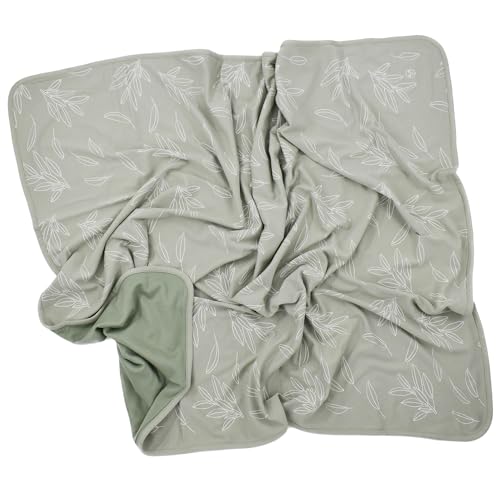
Woolino Toddler Blanket – Merino Wool and Organic Cotton Baby Blanket for Girls and Boys –
Our badge: Best Premium
The Woolino Toddler Blanket – Merino Wool and Organic Cotton Baby Blanket for Girls and Boys – is this guide’s premium linked pick with its role stated exactly: it is a toddler blanket — Australian merino lining with a GOTS-certified organic cotton outer as the maker describes, about 52.5 by 40 inches — for supervised holding, nursing sessions, stroller walks, and the toddler stage ahead. It is not a swaddle and must not be used as loose bedding in a newborn’s sleep space. What it offers newborn families is temperature-regulating comfort during held time and a premium blanket that stays relevant for years.
Strengths
- Merino regulates temperature during held naps and contact time in any season.
- Organic cotton surface is silky and gentle against newborn skin during holding.
- Machine washable and sized to serve through toddlerhood — a registry-worthy keeper.
Trade-offs
- Not a swaddle; families still need true wraps for swaddling.
- Premium tier among baby textiles (check current pricing).
- Must be kept out of the unattended sleep space like all blankets at this age.
| Color | Sage |
| Size | 40 inch |
Use the Woolino where newborns actually use blankets most: in arms, in laps, over a parent’s shoulder, across a nursing chair. Its regulation shines during long contact naps (with the holding adult awake) and chilly stroller walks. When toddlerhood arrives, it graduates to the child’s own bed seamlessly — see its nursery role in Best Blankets For Newborns. Choose Woolino as the premium holding-and-toddler blanket in a swaddle wardrobe. Skip it if your budget must cover wraps and sacks first — those are the safety-critical purchases.
Best for: supervised holding now, toddler comfort later / Not suited for: swaddling or unattended newborn sleep
Choose Woolino for premium held-time comfort. Check on Amazon

Bedsure Cooling Cotton Waffle Blanket for Hot Sleepers
Our badge: Best for Supervised Holding
The Bedsure Cooling Cotton Waffle Blanket for Hot Sleepers joins this guide in a strictly supervised role: a breathable cotton-bamboo waffle layer for held babies, nursing sessions, skin-to-skin time with an awake caregiver, and as the household blanket parents themselves use during night feeds. It is an adult bed blanket by size and design — never a crib item, never a swaddle — included because newborn life is mostly held life, and the textiles of held life should breathe.
Strengths
- Breathable waffle keeps held babies and feeding parents from overheating together.
- Absorbent cotton blend handles the spills and spit-up of held time, washing easily.
- Serves parents for years after the newborn stage as a summer bed blanket.
Trade-offs
- Adult queen size is unwieldy as a baby-specific textile — fold it down for holding.
- Absolutely not for unattended sleep, cribs, or swaddling.
- Waffle texture is more textile than keepsake; gift-givers may prefer the Woolino.
| Color | 01 – Ivory |
| Size | Queen (90″ X 90″) |
| Weight | 3.8 Pounds |
Fold the waffle blanket over the nursing chair and leave it there through the newborn months; its second career begins when baby graduates and it returns to the bed in Best Cotton Blankets For Summer territory. Choose it if your household values one breathable textile that serves parents and held babies alike. Skip it as a registry centerpiece — wraps, sacks, and the Woolino carry the baby-specific roles.
Best for: held time, nursing chairs, and parent comfort / Not suited for: any unattended baby use
Choose the waffle blanket for breathable held-time layering. Check on Amazon
Comparison Table
| Pick | Type | Stage | Supervision | Check price on Amazon |
|---|---|---|---|---|
| Muslin Wraps (prose) | Breathable wrap | Newborn swaddle | Back-sleep swaddle rules | Check price on Amazon |
| Stretch-Knit Wraps (prose) | Stretch wrap | Newborn swaddle | Back-sleep swaddle rules | Check price on Amazon |
| Swaddle Pods (prose) | Closure pod | Newborn swaddle | Back-sleep swaddle rules | Check price on Amazon |
| Sleep Sacks (prose) | Wearable blanket | Post-rolling | Wearable, sized | Check price on Amazon |
| Woolino Blanket | Merino-cotton blanket | Holding + toddler | Supervised only for infants | Check price on Amazon |
| Bedsure Waffle | Cotton bed blanket | Holding + parents | Supervised only for infants | Check price on Amazon |
How to Choose the Best Swaddle Blankets for Newborns
Choose fabric by nursery temperature
Warm nurseries and summer babies: muslin, always. Cool nurseries: stretch-knit or muslin over appropriate sleep clothing. Overheating is a real swaddling risk; a breathable wrap plus a correctly dressed baby beats a thick wrap plus hope. Check baby’s chest or back — warm and dry is right; hot or sweaty means a layer comes off.
Choose closure by caregiver reality
Confident wrappers and daytime swaddling favor muslin’s versatility. Exhausted nights and multiple caregivers favor pods’ repeatability. Many families own both within a fortnight. There is no virtue prize for origami at 3 a.m.; choose what your household will use correctly every time.
Size generously, replace promptly
Swaddle wraps should be large enough to wrap securely without fabric near the face, with hips free to flex — hip-healthy technique matters as much as snugness. Outgrown or worn closures end a product’s service immediately. Growth is fast; inspect wraps weekly for thinning, holes, and tired hook-and-loop.
Plan the whole first year of blankets now
Swaddles (weeks) to sleep sacks (months) to toddler blankets (the Woolino stage) is one purchasing arc. Registries that fund the arc beat registries with twelve decorative newborn blankets and no transition plan. Ask gift-givers for the unglamorous stages; they are the ones you will bless at midnight.
How to Swaddle Safely: The Non-Negotiables
Place baby on their back, always. Wrap snug around the chest with arms in the position your pediatric guidance recommends, loose around hips and legs so they can flex and move. Keep fabric clear of the face and head. Dress baby for the room so swaddling adds security, not heat. Stop swaddling at the first sign of rolling attempts — not at a fixed birthday. Never swaddle with weighted, heated, or loose extra blankets, and never place a swaddled baby on their stomach or side. If any of this conflicts with your pediatrician’s current advice, your pediatrician wins.
Problem: Baby breaks out of every wrap. — Technique first: chest snugness and arm placement decide security. If breakouts persist, switch to a pod design rather than wrapping tighter or adding layers.
Problem: Baby hates swaddling. — Some do. Try arms-out wearable options per product guidance, or skip swaddling entirely — it is optional, never mandatory. A sleep sack alone is a complete, safe system.
Problem: You cannot tell if baby is too warm. — Feel the chest or back of the neck: hot or sweaty means remove a layer or switch to muslin. Hands and feet run cool normally and mislead many parents.
Problem: Baby rolled in the swaddle once. — Swaddling ends that day, permanently, for sleep. Move to the sleep sack for the next sleep, not the next week.
The Nursery Textile Audit: What to Keep Out of the Crib
A safe newborn sleep space is bare: firm mattress, fitted sheet, baby. Everything else in this guide’s wider world — quilts, fleece throws, faux fur, weighted blankets, heated blankets, pillows, and plush items — stays out until toddler stages and product guidance say otherwise, however photogenic the nursery styling suggests. Held time, tummy time on firm surfaces with supervision, and stroller walks are where beautiful textiles live during the newborn months. Auditing the crib with this single rule prevents the commonest and most consequential nursery buying mistakes, including several products sold with nursery imagery that no safety guidance endorses for sleep.
Swaddles as Gifts and Registry Strategy
Gift-givers: muslin multipacks are the newborn equivalent of a perfect casserole — unglamorous, consumed daily, remembered gratefully. Add one premium holding blanket (the Woolino class) for the keepsake note, and, if you know the parents well, a sleep sack in the next size for the transition they have not yet imagined. Avoid novelty blankets, monogrammed plush, and anything weighted or heated for infants regardless of marketing. Include receipts; babies vote on swaddle styles with authority, and exchanges are part of the system.
Learning to Wrap: What the First Two Weeks Actually Look Like
The first wraps at home rarely look like the hospital nurse’s demonstration, and that gap is normal. A newborn is small, wiggly, and opinionated, and your hands are learning while tired. Give yourself a low-stakes practice routine: wrap during a calm, awake window rather than only at bedtime when everyone is already frustrated, lay the wrap flat on a firm surface so you can see your corners, and talk through the same sequence out loud each time — chest snug, hips free, fabric clear of the face — until the sequence becomes automatic. Partners and other caregivers should learn the same sequence, because a baby who is wrapped three different ways by three people gets three different sleep cues. If one caregiver consistently gets breakouts while another does not, watch each other wrap once; the difference is almost always chest snugness or where the arms sit, not strength, and it is fixable in a single demonstration.
Expect the learning curve to interact with laundry. A wrap that is slightly damp, still warm from the dryer, or stretched out after several uses behaves differently from a fresh one. Muslin in particular relaxes with use and then tightens again after washing, so a technique that felt perfect on Monday can feel loose on Thursday with the same wrap. That is not a product failure; it is textile reality. Rotating four to six wraps evens out that variation, because you are never forced to use the one stretched, soiled wrap at midnight. Keep the rotation simple: a small basket by the changing area for clean wraps, a separate spot for used ones, and no heroic attempts to spot-clean a wrap that needs a full wash. Newborn weeks reward systems that work when you are half awake over systems that are elegant when you are rested.
Night wrapping deserves its own honest paragraph. At night, speed and consistency matter more than textile versatility, which is why so many families drift toward pods even if they love muslin during the day. There is no inconsistency in that drift; it is good household engineering. Use the forgiving, multi-use textile when you have light and patience, and the repeatable closure system when you have neither. What matters is that whichever system you use at night, you use it correctly every time — snug chest, free hips, back sleeping, bare crib — and that you stop entirely when rolling appears. A family that understands its own tiredness and plans for it will swaddle more safely than a family that insists on a single ideal method it cannot sustain at 3 a.m.
Washing, Drying, and Keeping Swaddles Safe Over Time
Swaddle care is safety care, because fabric condition changes how a wrap holds. Wash wraps frequently — newborn textiles collect milk, spit-up, and diaper leaks quickly — and follow each maker’s care label for temperature and drying. Muslin typically softens and becomes more pliable with washing, which improves wrapping, but thinning fabric, holes, frayed edges, or loose threads are retirement signals, not character. A torn wrap can create loose fabric in the sleep space, which defeats the entire purpose of a snug swaddle. Inspect wraps as you fold them: hold the fabric up, check the corners and edges where stress concentrates, and pull gently at seams and closures. Hook-and-loop closures deserve special attention, because lint-filled hooks grip poorly; clean the hooks, press closures closed before washing so they do not snag other textiles, and retire any pod whose closure no longer holds firmly through a full sleep.
Detergent and softness choices also matter for newborn textiles. Use a mild routine your household can repeat, rinse thoroughly, and be cautious with heavy fragrances or additives on anything that sits against newborn skin for hours — if your pediatrician or dermatology guidance suggests a specific approach for your baby’s skin, follow that guidance over general laundry advice. Dry wraps fully before storing them; a damp wrap folded into a drawer mildews quickly in a warm nursery and loses the breathability that made you choose it. Store clean wraps flat or loosely folded where air circulates, not compressed under heavy blankets. For held-time blankets like the Woolino and the waffle blanket, the same inspection habit applies: check for loose threads, worn patches, or damaged stitching before each period of supervised use, and keep any textile with damage out of baby use until it is repaired or retired.
Rotation also protects against a subtle mistake: stretching a single favorite wrap well past its useful life because the baby seems to prefer it. Babies settle to snugness, back positioning, and a calm routine far more than to one specific textile. If a favorite wrap thins or a favorite pod is outgrown, replace it promptly with the next wrap or the transition sack rather than improvising — double-wrapping, adding a household blanket over a swaddle, or leaving a worn closure half-fastened. Improvisation with newborn sleep textiles is never the right answer. When in doubt, the safer system is the simpler one: one correct wrap, or no wrap and a sleep sack, in a bare crib on the baby’s back.
Room Temperature, Clothing, and the Swaddle Together
A swaddle does not work alone; it works as one layer in a system that includes room temperature, pajamas, and the baby’s own signals. Think in layers you can name: what is the room like, what is the baby wearing under the wrap, and what does the wrap add? In a warm room, that might be a light onesie under muslin and nothing more. In a cool room, it might be footed pajamas under a stretch-knit wrap. The error to avoid is stacking warmth out of anxiety — heavy pajamas plus a thick wrap plus a warm room — because overheating is harder for a newborn to signal than coolness. Cool hands and feet, as noted in the troubleshooting above, are poor guides; the chest and back of the neck tell the truth. Check them when you place the baby down and again if you wake during the night and feel unsure.
Houses complicate this system in predictable ways. A nursery over a garage, a bedroom that gets afternoon sun, or an older home with uneven heating can swing several degrees between bedtime and the early morning hours. Dress and wrap for the room as it will be during the longest sleep stretch, not only as it feels at the moment you wrap, and recheck if your home’s heating or cooling changes seasonally. Summer newborns in air conditioning are a special case: the air can feel cool to an adult moving around while a wrapped, still baby needs less coverage than you expect. Muslin’s breathability earns its Best Overall badge precisely here — it forgives small misjudgments in layering better than denser textiles. For daytime held time, the same layering logic applies with an adult’s body heat added: a baby held against a warm caregiver under the Woolino or the waffle blanket is receiving substantial warmth from the holder, so unwrap or loosen held layers if the baby’s chest feels hot or looks flushed, and never let a held nap drift into an adult falling asleep with loose blankets around the baby. Held time is supervised time, with an awake adult, or it is crib time with bare-crib rules.
Travel and visits test the system further. Grandparents’ homes, hotel rooms, and friends’ nurseries have different temperatures, different cribs and bassinets, and well-meaning helpers with different wrapping habits. Bring your own wraps and your own sleep sack, state your non-negotiables plainly and kindly — back sleeping, bare sleep space, stop at rolling, no weighted or heated products — and do not lend your system to improvisation because you are a guest. Most caregivers welcome clear instructions; ambiguity, not firmness, creates risk. If a safe sleep surface is not available when traveling, prioritize arranging one over preserving a nap schedule. The swaddle wardrobe travels well precisely because muslin and pods are light and packable; there is rarely a practical reason to substitute unknown household blankets for your own wraps away from home.
Common Buying Mistakes
Confusing blankets with swaddles
Thick, small, or plush blankets cannot swaddle and must not sleep loose with newborns. Buy wraps for wrapping and blankets for holding — the distinction is the entire guide.
Buying weighted or heated products for infants
Never, under any marketing claim. Weighted and heated products are adult textiles. Any listing suggesting infant use should end your consideration of that seller.
Swaddling past rolling
Rolling changes everything overnight. The transition sack must already be in the house. Calendar-based swaddling end dates are guesses; rolling is a fact.
Wrapping hips tightly
Snug chest, free hips — always. Legs must flex and move for healthy development. If a wrap immobilizes the legs straight and tight, rewrap or replace it.
From Swaddle to Sleep Sack to Toddler Blanket: Planning the Handoffs
Each handoff in the first year feels bigger than it is, because it arrives with disrupted sleep. The swaddle-to-sack handoff is the most sensitive, so rehearse it before rolling forces it. If your baby is thriving in swaddles and shows no rolling signs, introduce the sleep sack for a daytime nap while you can observe the adjustment, then return to the swaddle for nights until rolling appears — at which point the sack becomes the only system, for every sleep, without a gradual exception. Babies who protest the sack usually protest change itself, not the sack specifically; keeping the room, pajamas, feeding routine, and placement on the back identical while only the textile changes gives the protest the fewest possible causes and the fastest resolution. Expect a handful of unsettled sleeps and plan adult support accordingly, rather than retreating to a swaddle that rolling has already made unsafe.
The sack-to-toddler-blanket handoff comes much later and follows product guidance and your pediatrician’s advice, not a birthday alone. This is where a blanket like the Woolino earns its keep a second time: a textile the child already knows from held time becomes the bed blanket when loose bedding is appropriate, carrying familiar texture and scent into a new stage. That continuity is genuinely useful — toddlers accept known textiles more readily than new purchases — and it is the strongest practical argument for buying one premium holding blanket during the newborn months rather than several decorative ones. The waffle blanket’s handoff runs in the opposite direction: it returns fully to adult use as a summer bed layer, which is why its inclusion here never depended on baby-specific claims. A well-planned nursery textile budget therefore buys in sequence and reuses across stages, instead of buying six unrelated products that each serve for three weeks. Families comparing the full arc will also find Best Blankets For Sleeping useful for how adult and family sleep textiles differ from nursery textiles, keeping the categories — and the safety rules — distinct.
Siblings and second babies change the plan in one helpful way: wraps and sacks that survive inspection can often serve again, but only after the same condition check you would give any textile — fabric integrity, closure grip, correct sizing for the new baby. Do not assume a stored swaddle is automatically ready; storage can degrade elastic and hook-and-loop, and sizing guidance is baby-specific. Wash stored textiles before reuse, inspect them in good light, and replace anything doubtful. Hand-me-down generosity is wonderful for muslins, which have no closures to fail; it requires more caution for pods and sacks, where closures and zips are safety components, not details.
Frequently Asked Questions About Fit, Hips, and Everyday Worries
Parents ask most often about tightness, and the honest answer is that snug has a feel you learn: the wrap should hold the arms securely against the torso without compressing the chest, and you should be able to place a hand between the wrap and the baby’s chest without forcing it. Hips and legs, by contrast, should move — flexing, frogging slightly, and kicking within the wrap’s lower looseness. If you cannot see or feel that lower freedom, rewrap looser at the bottom rather than adjusting the top. Another common worry is the startle reflex: swaddling is popular precisely because it softens startles, but a baby who consistently fights the wrap, cries harder when wrapped, or sleeps better unswaddled is giving you usable information. Swaddling is a tool, not a requirement, and a sleep sack alone, on the back, in a bare crib, is a complete and safe alternative from the start for families who prefer it.
Day-night confusion also comes up: should swaddles be used for naps as well as nights? Consistency helps babies learn the cue — wrap means sleep — so most families who swaddle do so for both, with identical safety rules each time. A swaddle never licenses a different sleep position, a softer surface, or a couch nap; the rules travel with the wrap. Similarly, a baby who falls asleep held, in a swing, or in a car seat should be moved to a firm, flat, bare sleep surface on their back per current guidance, swaddled correctly or in a sack, rather than left to finish the sleep wherever it started. These transfers wake some babies, which is frustrating and still correct. Finally, trust the hierarchy this guide opened with: if anything here — or on any product listing — conflicts with your pediatrician’s current advice for your baby, follow your pediatrician. Product guides generalize; clinicians know the individual baby, including prematurity, reflux management plans, hip considerations, and growth patterns that can change textile advice in ways no article should override.
Final Recommendation
Build the newborn textile kit in order: muslin wraps for swaddling, a pod for nights if your household wants one, a sleep sack waiting for rolling, and the Woolino Toddler Blanket for held time and the toddler years — Check on Amazon. Keep every other blanket in the house out of the crib, follow your pediatrician over any guide, and let the swaddle stage be short, safe, and well-supplied.
How Many Wraps, Pods, and Sacks Does One Baby Actually Need?
Work backward from laundry, not from marketing bundles. If you wash baby laundry every other day, four wraps or pods cover one in use, one clean and ready, one in the wash, and one spare for the inevitable double-soil night. Families washing daily can manage with three; families washing twice a week should own six and stop apologizing for it. Buy the bulk of the quantity in your primary system — muslin for most households, as Best Material For Blankets discussions of breathable weaves also emphasize for nursery use — and only one or two in the secondary system until the baby votes. Babies do vote: some settle instantly in stretch and fight muslin, others do the reverse, and no review can predict your baby’s preference. For sleep sacks, one in use and one clean spare in the current size is the practical minimum, because a sack soiled at midnight without a backup forces exactly the loose-blanket improvisation this guide exists to prevent. Keep the next size of sack in the house before the current size looks snug; growth spurts do not send advance notice, and a too-small sack is as unusable as a worn closure. This quantity discipline — enough to never improvise, not so much that outgrown textiles pile up unworn — is the difference between a registry that serves the family and a nursery that merely photographs well.
Frequently Asked Questions
What is the best material for swaddle blankets?
Breathable muslin cotton (or cotton-bamboo muslin blends) for most nurseries: airflow, softness after washing, and generous sizing. Stretch knits suit cool rooms and beginners; both must allow hip movement and back-sleeping.
How many swaddle blankets do I need?
Enough to survive laundry reality: most families rotate four to six wraps or pods, since newborns soil textiles at heroic speed. Muslin multipacks exist precisely for this arithmetic. Count your laundry interval honestly rather than aspirationally — the household you are with a newborn is not the household that washed on a perfect schedule before the baby arrived — and include one wrap that lives in the diaper bag for wraps away from home, because borrowing an unknown household blanket while visiting reintroduces every sizing, fabric, and condition question this guide worked to settle. When the count feels excessive on a registry, remember that wraps are consumed, inspected, and retired on condition, so a modest surplus bought in advance is prudence, not indulgence.
When should I stop swaddling?
At the first sign of rolling attempts, immediately and permanently for sleep. Transition to a wearable sleep sack the same day. Do not wait for a particular week or month marker.
Can newborns sleep with a blanket if it is tucked in?
Safe-sleep guidance favors a bare sleep space: no loose or tucked blankets for unattended newborn sleep. Warmth comes from room temperature, appropriate clothing, swaddles used correctly, and later sleep sacks.
Are weighted blankets ever okay for babies?
No. Weighted blankets are not for infants or toddlers. This guide excludes them from newborn consideration entirely, and any weighted product in a nursery should be removed to adult spaces.
What should I do with beautiful blankets gifted for the newborn?
Use them for held time, tummy time under supervision, stroller walks, and nursery decor outside the crib — then graduate them to toddler use. Thank the giver warmly and keep the crib bare; both can be true.


