Disclosure: As an Amazon Associate, dailyhomedecorating.com earns from qualifying purchases. Links to Amazon on this page are affiliate links; they cost you nothing extra. Prices and availability change often, so check the current Amazon listing before you buy.
The best mattresses for back pain and side sleepers must satisfy two masters that usually fight. Side sleeping demands a soft, deep reception: the shoulder and hip must sink far enough that the spine runs straight, or the night becomes a sideways bend with pressure points. Back comfort demands the opposite discipline: a pelvis that does not sink, a lumbar curve that is supported, a surface that refuses to hammock. Most mattresses choose one master and fail the other — the plush bed that delights your shoulder and betrays your back, the firm bed that straightens your spine and bruises your hip. The picks in this guide are the ones engineered to serve both: zoned surfaces that soften exactly at the shoulder and hip while firming at the waist, grids that flex at points and hold between them, and foams whose support scales with load. Comfort framing only, as always in this lot — no mattress treats back conditions, and persistent pain belongs to a clinician — but the shoulder-versus-spine dilemma is a design problem, and design has answers.
Every pick below was required to demonstrate both halves of the brief in its verified listing: a named mechanism for shoulder and hip relief, and a named mechanism for pelvic support. Mattresses with only one half, however excellent, were excluded — this keyword is the intersection, and the intersection is small.
Where to Buy
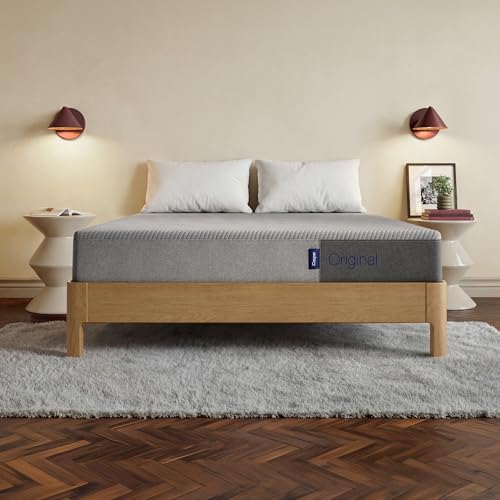
All six picks are sold on Amazon — verify current price, size, and trial terms on the listing before buying. Start with the Casper Sleep Original 11″ Memory Foam Mattress, the zoned diplomacy this keyword is built around; confirm it via this Check on Amazon link. The remaining picks: Purple Mattress — Check on Amazon; Zinus 12 Inch Green Tea Memory Foam Mattress — Check on Amazon; Layla 10″ Copper Infused Memory Foam Mattress — Check on Amazon; Leesa Original 10″ Memory Foam Mattress — Check on Amazon; Sweetnight CoolNest Queen Mattress — Check on Amazon.
In this guide
Quick Picks
| Pick | Badge | Why it earns its place |
|---|---|---|
| Casper Sleep Original 11″ Memory Foam Mattress | Best Overall | Zoned Support: firmer under the waist and lower back, forgiving at the shoulder — the dilemma, engineered away. |
| Purple Mattress | Best for Shoulder Pressure | The grid collapses under the shoulder and hip while the waist rests on firm, cool support. |
| Zinus 12 Inch Green Tea Memory Foam Mattress | Best Value | Patented zoned relief and certified materials bring the dual brief to a friendly tier. |
| Layla 10″ Copper Infused Memory Foam Mattress | Best Adjustable | Flippable faces plus copper foam that firms under pelvic load — tune the balance yourself. |
| Leesa Original 10″ Memory Foam Mattress | Best Contouring | Premium targeted pressure relief with enough support discipline for the back’s half of the bargain. |
| Sweetnight CoolNest Queen Mattress | Best Cooling | Five-zone cushioning in a deep cooling build, for side sleepers whose backs also run hot. |
Key Takeaways
- The dilemma is zoning-shaped: soft at the shoulder and hip, firm at the waist. Buy the asymmetry, not an average firmness.
- Your pillow is the second half of side-sleeping alignment — its loft must match the shoulder depth your new mattress creates.
- A pillow between the knees completes the side-sleeping system by parking the pelvis in neutral.
- Grid and copper mechanisms answer the dilemma dynamically; zoned foam answers it geographically; both are legitimate.
- Judge the mattress on side-sleeping nights specifically — back sleepers’ verdicts do not transfer.
- The foam-only version of this tournament, with the cores compared, lives in Best Foam Mattresses For Back Pain.
How These Picks Were Chosen
We applied a dual-brief audit to the verified pool. Side-sleeping half: a named pressure mechanism at the shoulder and hip (zoned softness, grid flex, deep targeted contouring, five-zone cushioning). Back half: a named support mechanism at the pelvis (zoned firmness, support cores, load-responsive foam). Six mattresses documented both. Uniformly medium mattresses — the industry’s usual answer to this keyword — were excluded for having neither mechanism, only an average; uniformly plush and uniformly firm mattresses were excluded for failing one half outright.
We also weighted trial length, because the dual brief doubles the evaluation work: you must test the shoulder’s verdict and the spine’s verdict across the same weeks, and bodies adapt to new alignment slowly. The picks’ trials (a hundred nights and beyond) are treated as part of the product.
The 6 Best Mattresses for Back Pain and Side Sleepers — Reviewed

Casper Sleep Original 11″ Memory Foam Mattress
Our badge: Best Overall
The Casper Sleep Original 11″ Memory Foam Queen Mattress is this keyword’s thesis in product form. Its Zoned Support design firms the foam under the hips, waist, and lower back — holding the pelvis at the height that keeps a side sleeper’s spine straight — while the shoulder zone stays comparatively forgiving, letting the shoulder sink to its alignment depth. That is not a compromise between the two masters; it is each master served in its own territory. Open-cell foam breathes, motion isolation is deep, the feel is medium-firm, and the trial runs a hundred nights.
Strengths
- True zoning: the shoulder and the waist get different, correct answers
- Medium-firm diplomacy also serves the back-sleeping nights in a side sleeper’s week
- Breathable foam and total motion silence for couples
Trade-offs
- Foam zoning is a gentle gradient; very heavy side sleepers may need deeper travel
- Eleven inches is mid-depth for the shoulder of a broad-framed sleeper
- No verified weight in the pool data
| Color | Light Gray |
| Size | Queen |
| Dimensions | 80 x 60 x 11 inches |
On the side, the Casper’s geometry shows up as an absence of negotiations: the shoulder does not perch, the waist does not sag, the neck — given a pillow lofted to the new shoulder depth — does not crane. On the back, the same zoning holds the lumbar line that pure side-sleeper mattresses abandon. That two-position competence is rarer than it sounds, and it is why this mattress, more than any other in the pool, seems designed by someone who read this keyword carefully.
Its durability design — foams made to resist sinking and sagging — protects the zoning’s calibration across years, because a zoned mattress whose zones fade is just a mattress. For the side sleeper whose back has vetoed every plush bed and whose shoulder has vetoed every firm one, start the trial here.
Best for: side sleepers whose backs demand pelvic discipline / Not suited for: very heavy side sleepers needing maximum shoulder depth
Choose it for engineered diplomacy; skip it if you want a single-mechanism specialist. Check on Amazon

Purple Mattress
Our badge: Best for Shoulder Pressure
The Purple Mattress answers the dilemma dynamically: two inches of GelFlex Grid flex away under the shoulder and hip — cradling those pressure points, in the brand’s framing — while the grid under the waist and back stays upright and firm. No zone map is needed, because the material itself distinguishes a bony point from a broad surface by how it buckles. The surface is temperature-neutral, instantly responsive, and medium-firm, with edge support foam and a durable base.
Strengths
- Point-precise shoulder relief with the waist held firm — the dilemma solved by physics
- Instant response: rolling from side to back costs no effort and no waiting
- Cool sleep for the high-contact side-sleeping posture
Trade-offs
- One hundred pounds of setup — arrange help in advance
- Premium position in this guide
- The grid feel is an acquired taste for some; the trial decides
| Color | White |
| Size | Queen |
| Dimensions | 80 x 60 x 11 inches |
| Weight | 100 pounds |
Side sleepers with a “bad shoulder” — the one that ends every attempt to lie on it by 2 a.m. — are this mattress’s most convincing jury. The grid yields completely at that point while the rest of the body is held in line, a combination foam approximates with zoning and the grid achieves by structure. Back sleepers inherit the same evenness: the upper back and pelvis rest on a firm, cool lattice that never sags into a diagonal.
For combination sleepers — side to back to side, all night — the instant response removes the toll that foam charges at every transition, which matters when each transition is also a back negotiation. If your shoulder has rejected zoned foam as not quite enough, the grid is the next mechanism, and for many it is the final one.
Best for: shoulder-dominant side sleepers and combination sleepers / Not suited for: foam-hug devotees and solo setups
Choose it for precision; skip it if you want traditional contour. Check on Amazon

Zinus 12 Inch Green Tea Memory Foam Mattress
Our badge: Best Value
The Zinus 12 Inch Queen Green Tea Memory Foam Mattress brings the dual brief to the friendly tier: patented zoned pressure relief maps targeted cushioning and support across the surface, in a medium-firm feel over a durable base foam, with CertiPUR-US foams, an OEKO-TEX cover, fiberglass-free construction, and freshness infusions. Side sleepers get their zones; backs get their base; budgets get their answer.
Strengths
- Real zoning at a value position — the dual brief without the premium
- Twelve-inch depth gives the shoulder honest travel
- Certified, fiberglass-free materials file
Trade-offs
- Slow classic foam response at position changes
- Warmer sleep than the grid and cooling picks
- Airing time required after unboxing
| Color | White |
| Size | Queen |
| Dimensions | 80 x 60 x 12 inches |
| Weight | 62.3 pounds |
The Zinus’s zoning is foam’s geography lesson: bands of differing response laid across the mattress so anatomy meets intention. Side sleepers feel the shoulder band give and the waist band hold; back sleepers feel an even, supported plane; couples feel nothing of each other at all, courtesy of foam’s motion absorption. For a first dual-brief mattress — the upgrade from the old bed that failed one master or the other — it is the lowest-risk entry in the guide.
Freshness infusions and the breathable knitted cover handle the foam warmth partially; hot sleepers should still read the CoolNest review below. But as a complete, certified, zoned answer at its tier, the Zinus is the pick we would hand a friend whose shoulder and back filed a joint complaint.
Best for: value shoppers wanting genuine zoning for the side-plus-back brief / Not suited for: hot, restless combination sleepers
Choose it for zoned value; skip it if you need instant response. Check on Amazon

Layla 10″ Copper Infused Memory Foam Mattress
Our badge: Best Adjustable
The Layla 10″ Copper Infused Memory Foam Mattress lets the sleeper set the dilemma’s balance personally. Flippable — soft on one side, medium-firm on the other — it offers two shoulder-versus-spine treaties in one mattress, while its copper-gel memory foam firms responsively under load, supporting the pelvis more strongly the deeper it presses. Copper cooling keeps the contour comfortable, the trial runs 120 nights, and two memory foam pillows are included — a genuinely relevant bonus for a keyword whose alignment is half pillow.
Strengths
- Two firmness faces: choose your shoulder-spine balance by flipping, not buying
- Copper foam’s load response disciplines the pelvis automatically
- Included pillows start the alignment system at the head end
Trade-offs
- Flipping sixty-nine pounds takes two people and a plan
- The soft face can overshoot for back-dominant sleepers
- Variable foam feel needs a learning week
| Color | Natural |
| Size | Queen |
| Dimensions | 80 x 60 x 10.5 inches |
| Weight | 69 pounds |
The Layla’s insight is that the side-plus-back dilemma is not solved once — it is tuned. A shoulder in a tender month wants the soft face’s reception; the same sleeper’s back, in a stiff month, wants the medium-firm face’s discipline. The copper foam mediates nightly, firming under the pelvis whichever face is up, so neither treaty is a surrender. Made to order in the USA, it arrives without warehouse fatigue in its foam.
Practical counsel: start medium-firm (backs forgive slower than shoulders), log three weeks, flip on evidence, log three more. The 120-night trial is sized for exactly this two-act evaluation, and few mattresses in any guide use their trial as intelligently as this one invites you to.
Best for: side sleepers whose shoulder-back balance changes, and couples / Not suited for: anyone who cannot arrange a two-person flip
Choose it for tunable diplomacy; skip it for a fixed, forgettable feel. Check on Amazon
Leesa Original 10″ Memory Foam Mattress
Our badge: Best Contouring
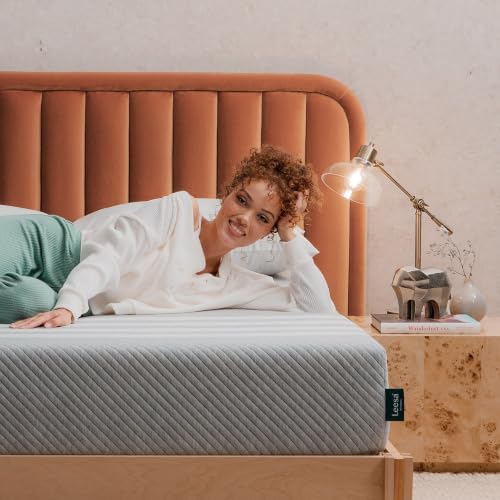
The Leesa Original 10″ Memory Foam Mattress serves the dilemma with contour depth: a premium all-foam mattress designed for cooling, contouring, and pressure relief, with targeted pressure relief in its brief. The shoulder and hip are received by foam that spreads their load across the widest possible contact area, while the mattress’s overall support keeps the waist from the hammock sag that pure plushness would allow. Its breathable twill cover and USA assembly complete a polished, decade-established product.
Strengths
- Deep, even contouring — the shoulder disappears into support, not into a hole
- Targeted pressure relief as a stated design goal
- Still, cool, premium foam feel for couples
Trade-offs
- No zoning — the waist gets contouring diplomacy rather than a firm band
- Ten inches limits shoulder travel for heavier side sleepers
- Slow foam response at transitions
| Color | Grey |
| Size | Queen |
| Dimensions | 80 x 60 x 10 inches |
| Weight | 71 pounds |
The Leesa’s argument is that contouring, done with premium foams at the right overall firmness, can serve both masters without a zone map: the surface yields everywhere, but the support beneath yields less, so the pelvis’s deeper load meets a firmer answer than the shoulder’s shallower one. It is the gradient philosophy rather than the geographic one, and for average-weight side sleepers it works beautifully — the spine runs straight because the whole body is floated level.
It is also the couples’ contouring pick: two side sleepers with two backs can share its evenness without negotiation, and its motion isolation keeps each one’s turning private. If your dilemma has defeated firm beds and your weight is average, the Leesa’s float is a serious answer.
Best for: average-weight side sleepers wanting premium, even contouring / Not suited for: heavier side sleepers or zoning purists
Choose it for the float; skip it if you need a mapped firm waist. Check on Amazon
Sweetnight CoolNest Queen Mattress
Our badge: Best Cooling
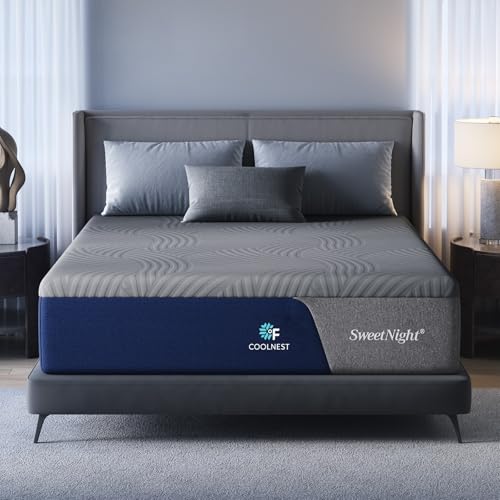
The Sweetnight CoolNest Queen Mattress closes the guide for the side sleeper whose back also runs hot: fourteen inches of foam in a five-zone ergonomic design — cushioning pressure areas from head to toe, redistributing pressure while maintaining balanced support — inside a CoolNest cooling system of PCM foam, gel memory foam, and a ventilated cover. Five zones is the finest-grained geography in this guide: the shoulder, lumbar, and hip each get a planned answer, and the cooling keeps the deep stack from punishing the sleeper it cradles.
Strengths
- Five-zone map answers shoulder, waist, and hip individually
- Deepest profile here — maximum shoulder travel for bigger frames
- Cooling system built for the hot side-sleeping posture
Trade-offs
- Fourteen inches needs deep-pocket sheets and a low frame
- Expansion can take up to seventy-two hours
- Medium feel may underwhelm firm-back devotees
| Color | Grey & Blue |
| Size | Queen (U.S. Standard) |
| Dimensions | 80 x 60 x 14 inches |
| Weight | 68.67 pounds |
Side sleeping concentrates body heat exactly where it concentrates pressure — the buried shoulder, the loaded hip — so the hot side sleeper’s restlessness is structural, and every repositioning re-opens the back’s negotiation. The CoolNest’s layered cooling attacks that cycle at its source, while its zones hold the alignment that the repositioning was trying to find. The result, for the right sleeper, is the stillest hot night in this guide.
CertiPUR-US certification and ten-year protection back the build. If your side-sleeping back pain diary correlates with temperature — and many do, once someone suggests checking — this is the pick whose mechanism matches your data.
Best for: hot side sleepers with whole-body pressure maps / Not suited for: high frames or firm-feel loyalists
Choose it for zoned, cool depth; skip it if your setup cannot take the height. Check on Amazon
Comparison Table
| Pick | Shoulder Answer | Spine Answer | Profile | Check price on Amazon |
|---|---|---|---|---|
| Casper Original 11″ | Gentler shoulder zone | Firmer waist/lumbar zone | 11 inch | Check price on Amazon |
| Purple Mattress | Grid flexes at the point | Firm grid at the waist | 11 inch | Check price on Amazon |
| Zinus 12 Inch Green Tea | Zoned cushioning band | Zoned support + base foam | 12 inch | Check price on Amazon |
| Layla 10″ Copper | Soft face option | Copper load response | 10.5 inch | Check price on Amazon |
| Leesa Original 10″ | Deep even contouring | Gradient support | 10 inch | Check price on Amazon |
| Sweetnight CoolNest | Five-zone cushioning | Five-zone balanced support | 14 inch | Check price on Amazon |
How to Choose the Best Mattress for Back Pain and Side Sleepers
Draw Your Own Alignment
Lie on your side on your current bed and have someone photograph you from behind, or check in a mirror: a healthy side-sleeping line runs straight from neck to tailbone, with the shoulder sunk and the waist supported. A line that dips at the waist means your surface is too soft in the middle; a line that bends at the shoulder means it is too hard at the point. That photograph is your shopping specification — the picks above are labeled by which failure they correct, and your next mattress should be chosen to flatten your specific curve, not the average sleeper’s.
The Pillow Equation
Side-sleeping neck alignment is arithmetic: pillow loft should equal the distance from the mattress surface to your ear when your shoulder is sunk to its sleeping depth. A deeper-sinking mattress needs a thinner pillow than the same sleeper on a firm bed — which is why pillow decisions come after mattress decisions, and why changing both at once makes the trial unreadable. Add a pillow between the knees to keep the top leg from dragging the pelvis into rotation, and the side-sleeping system is complete. The pillow shelf in Best Throw Pillows For Bedrooms Under $100 is a starting point for the knee pillow’s budget version.
Weight Changes the Answer
Heavier side sleepers load the shoulder point harder and sink the pelvis deeper; they need more travel (twelve to fourteen inches, or the grid’s flex) and firmer waist answers. Lighter side sleepers may not engage a firm zone map at all and do better with gradient contouring or a soft face. There is no universal pick in this guide — there is a pick per body, and the reviews’ trade-offs are written to route you honestly.
Trial on Side-Sleeping Nights, Logged
Back sleepers’ impressions do not count here. Log your side-sleeping mornings specifically: shoulder state, hip state, back state, and how long each takes to clear. Two weeks is a first signal; a month is a verdict. If the shoulder improves and the back worsens (or the reverse), you have learned your dilemma’s personal asymmetry — and the adjustable and zoned picks exist to tune exactly that dial.
Do Not Forget the Foundation
A sagging base bends the spine no matter what the zones intend. Straight-edge the foundation before the new mattress arrives; side sleepers, whose alignment is a straight line by definition, are the sleepers most betrayed by a curved base.
How Do You Build the Complete Side-Sleeper System?
The mattress is the foundation layer of a three-part system. Part two is the head pillow, loft-matched as described above, firm enough to hold the neck’s line without propping. Part three is the knee pillow — or a spare bed pillow — between the knees, which keeps the pelvis from rotating and the lower spine from twisting through the night. Assemble all three before judging any one of them; side sleepers routinely “return” mattresses that were innocent while the pillow system was guilty. Rotate the mattress quarterly, keep the protector on, and re-photograph your alignment line after the first month: the picture, compared with the before, is the most honest review your purchase will ever receive.
Problem: shoulder numbness persists on a zoned mattress — the pillow is too high or the shoulder zone is not landing under your shoulder; shift your sleeping position a few inches along the bed to align zones with anatomy, and re-measure pillow loft.
Problem: back aches despite a happy shoulder — the waist is under-supported for your weight; a firmer zone map, the medium-firm face, or a grid’s waist discipline is the correction.
Problem: hip pressure wakes you — your comfort travel is insufficient for your load; deepen (twelve-to-fourteen-inch picks) or change mechanism (grid) rather than adding a plush topper over a failing core.
Problem: you end up on your stomach by morning — your side setup is uncomfortable enough to expel you; fix the shoulder and pillow first, and the migration usually stops.
Problem: neck pain joined the picture — pillow loft, almost always; the mattress changed your shoulder depth and the old pillow no longer matches it.
The Side Sleeper’s Back: Why the Waist Is the Whole Story
Stand a side sleeper’s anatomy in profile and the problem draws itself: the shoulder and hip are wide, the waist is narrow, and gravity pulls the narrow part down. If the mattress does not push back at the waist — with a zone, a grid’s upright cells, a load-responsive foam, or a support gradient — the spine sags into a lateral curve and the back pays for the shoulder’s comfort. Every mechanism in this guide is, at heart, a waist answer wearing a shoulder answer’s clothing. That is also why “medium” mattresses fail this keyword so reliably: a uniform medium is too hard at the shoulder and too soft at the waist simultaneously, the worst reading of both numbers. Judge every candidate by its waist, and the shoulder — the louder complainer — will usually be found already handled by any design intelligent enough to support the middle.
Couples: Two Side Sleepers, Two Backs, One Mattress
When both partners sleep on their sides with backs to protect, the mattress must run the dilemma twice, at two weights, on one surface. Zoned designs scale reasonably — each body finds its own zones — and foam’s motion isolation keeps each sleeper’s turning private. The failure mode is asymmetry: a much heavier partner’s pelvis depresses the shared waist zone for both. The honest escalations are the grid (whose flex is local by structure), the flippable compromise calendar, or two twin XLs on a king frame with each side tuned separately. Do not let one mattress’s marketing outvote two spines; the bed serves the sleepers, and this guide’s mechanisms are ranked to let it.
The Combination Sleeper’s Rotation: Designing for All Three Positions
Most readers of this keyword are not pure side sleepers with a back problem — they are rotation sleepers whose night tours all three positions, and whose mattress must pass three different examinations before dawn. The back intervals grade lumbar support and pelvic levelness. The side intervals grade shoulder yield and hip pressure. The stomach intervals — even brief ones — grade whether the pelvis stays level on a surface soft enough for shoulders, which is the exact point where the two headline requirements collide. This is why zoned and load-responsive designs dominate this guide: they are the only architectures that answer a changing question, firming where the load is broad (the back’s pelvis) and yielding where it is sharp (the side’s shoulder), without the sleeper negotiating anything. Uniform mattresses answer the rotation with a compromise that each position grades as adequate; zoned mattresses answer it with a sequence of near-specialists, and the morning log of a rotation sleeper can feel the difference within the first week.
Pillow strategy rotates too. A combination sleeper’s pillow must serve a neck in three alignments, which is why medium-loft, shape-holding pillows outperform both the side sleeper’s tall specialist and the back sleeper’s low one for this population — and why the trial protocol in this guide changes the pillow in week two, after the mattress has been graded alone. Households where the rotation sleeper shares with a fixed-position partner will find the diplomacy designs in Best Mattresses For Heavy Couples relevant when loads differ, and the pure side-sleeping deep-dive in Best Latex Mattresses For Side Sleepers worth reading for the shoulder science alone. Design for the rotation you actually perform, not the position you claim at dinner parties, and the mattress stops being a compromise and becomes a system. The foam-only branch of the same design problem is worked in depth in Best Foam Mattresses For Back Pain, for readers whose shortlist is all-foam.
Pregnancy, Recovery, and Other Seasons of the Side Sleeper
The back-pain-and-side-sleeping combination has seasons, and two deserve direct address. Pregnancy is the first: as the months advance, back sleeping becomes uncomfortable or inadvisable for many, side sleeping becomes the assigned position, and the pelvis’s load geometry changes monthly — a season in which the zoned, forgiving picks in this guide earn their keep nightly, supplemented by the pillow architecture (between the knees, supporting the belly’s weight) that obstetric nurses teach and that no mattress can replace. The second season is recovery — from a back strain, a procedure, or a birth — when the sleeper’s position tolerance narrows to whatever does not provoke, and the mattress’s job becomes pure non-interference: level, kind at the points, easy to exit at the hours when exits are frequent and unassisted. Both seasons share a shopping implication that contradicts the usual advice: do not buy a permanent mattress for a temporary geometry at the season’s peak discomfort. Buy for the household’s ordinary years, choose the forgiving end of this guide’s range, and let pillows — cheap, changeable, disposable — carry the season’s special requirements.
The seasons pass; the mattress remains. That asymmetry is why this guide’s picks privilege adaptability — zoning, load-responsive foam, dual firmness — over any single position’s perfection. A mattress that serves the ordinary rotation well and the special seasons adequately will out-serve, across a decade, a specialist bought in a difficult month and regretted in the ordinary years on either side of it.
The Shoulder Audit: Separating Mattress Problems From Pillow Problems
Side sleepers with back pain file two complaints that feel identical at 3 a.m. and have opposite fixes, and the audit that separates them takes one week and two pillows. Complaint one is the shoulder itself — numbness, tingling, a joint that aches in its socket — which indicts the surface: the shoulder is not sinking far enough, and the answer is yield at the point, whether from zoning, a softer shoulder zone, or a mechanism like the grid. Complaint two is the neck and upper back — stiffness along the spine’s top, headaches that start at the skull’s base — which usually indicts the pillow: with the shoulder correctly sunk, the head’s support span has changed, and the old pillow’s height now tilts the neck for eight hours. The audit protocol runs the variables in the lot’s standard order — mattress alone in week one, pillow height adjusted in week two, both logged — because changing both at once leaves the sleeper with relief and no idea what caused it, which matters the day the pillow needs replacing and the experiment must be repeated from memory.
Keep the audit’s records with the warranty papers. A household that knows its shoulder needs yield and its neck needs a specific loft owns a specification that outlives any single mattress — and every future purchase, in this category and beyond it, starts from knowledge instead of folklore.
Reading the Morning: A Field Guide to Your Own Data
Two weeks of logs produce patterns, and patterns need reading. Improvement that arrives gradually and holds — stiffness ratings drifting down across the fortnight — is the mattress working as designed, and it predicts the months honestly. Improvement that spikes on night two and evaporates by night nine is novelty, and it predicts nothing except that new surfaces feel promising. A pattern split by position — side mornings improving, back mornings flat — is the most informative result of all: it grades the mattress’s two jobs separately and tells the sleeper whether the remaining problem is a pillow adjustment, a firmness step, or a different architecture altogether. And a flat line across both positions, on a verified foundation with a sane pillow, is the mattress’s acquittal and the clinic’s summons: the variable has been controlled, and the answer lives elsewhere.
Keep the log after the verdict, whichever way it falls. It is the baseline against which the mattress’s aging will be measured in year three, the document a warranty claim dreams of, and the first page of any future clinician conversation about your sleep. Thirty seconds a morning buys all of that. There is no cheaper instrument in this entire category.
A Word for the Back Sleeper Reading Someone Else’s Guide
This keyword’s audience includes a quiet minority worth addressing directly: the back sleeper whose side-sleeping partner chose the mattress, or whose own back pain has begun during side-sleeping intervals they did not choose. Combination nights are negotiated nights, and the mattress that serves them is the one whose zoning reads both bodies’ maps — firmer where the back sleeper’s pelvis lands, yielding where the side sleeper’s shoulder digs — without either sleeper filing a complaint the log can hear. If that is your household, grade the trial as two sleepers, not one and a guest: both logs, both vetoes honored, and the decision rule agreed before the first night makes the data awkward. The picks here were chosen for exactly that dual citizenship.
And if the negotiation fails — if one surface genuinely cannot serve both backs — the split arrangement named elsewhere in this lot is not a defeat but a specification. Two sleepers, two surfaces, one bed: the geometry that remains when honesty outruns compromise.
The Combination in the Long Run: How Needs Migrate
End with the trajectory, because this keyword’s readers are on one. The back that aches at thirty-five from desk years asks different questions at fifty, and the side sleeping that was a preference becomes, for many, a prescription-shaped habit as shoulders and hips file their own reports. A mattress bought for the combination should therefore be graded not only on tonight’s dual verdict but on its posture toward change: zoning that will serve the back if the side intervals lengthen, surface kindness that will serve the shoulder if the back intervals shrink, and a warranty long enough to cover the migration’s first chapter. The picks in this guide were chosen with that trajectory in view — adaptable architectures for bodies whose only constant is revision. Buy for tonight, with the decade in peripheral vision, and let the log you start this month become the document your future self shops from.
Postscript: Two Positions, One Standard
The combination sleeper’s demand — a back’s discipline and a shoulder’s kindness from the same square of bedding — sounded like a contradiction when this category began, and the zoned, responsive designs in this guide are the industry’s answer, refined across a decade of exactly this complaint. That the answer now exists at every tier in this lot is a small history of consumer evidence winning: millions of logged mornings, translated into engineering. Add yours to the record — buy the adaptable design, run the dual trial, keep the file — and the next generation of combination sleepers will shop from a guide written by your data as surely as this one was written by your predecessors’.
One Sentence to Carry Into the Trial
Carry this into the first night: judge the mattress by the trend of fourteen mornings, in both positions, with the pillow changed only in week two — and by nothing else. Not the showroom memory, not the first night’s strangeness, not a partner’s single enthusiastic dawn. The trend is the truth’s shape in this category; everything else is weather. Sleepers who hold that discipline buy this keyword’s mattress once, correctly, and spend the following decade as the neighborhood’s quiet authority on the subject.
Common Buying Mistakes
Buying the Shoulder’s Mattress and Ignoring the Waist
Plush showrooms sell shoulders and betray backs by morning. If the listing cannot say what holds your waist up, it is not a mattress for this keyword, whatever it does for your shoulder in minute one.
Buying Firm for the Back and Bruising the Shoulder
The symmetric error. A shoulder that cannot sink bends the spine from the top instead of the middle — same curve, different culprit. This keyword’s answer is asymmetry, never a single firmness.
Changing the Pillow and Mattress Together
You will feel different and learn nothing. Sequence the changes, log the mornings, and let each variable confess on its own.
Skipping the Knee Pillow
The cheapest alignment tool in this entire guide is a spare pillow between the knees. Side sleepers who omit it leave their pelvis rotated all night and blame the mattress for the back’s complaint.
Judging on Back-Sleeping Nights
Your back’s verdict on its back is not evidence about your side. Log the side-sleeping mornings — they are the trial this keyword is running.
Final Recommendation
The Casper Sleep Original 11″ Memory Foam Mattress is our top answer for back pain and side sleepers: genuine zoning that serves the shoulder and the spine in their own territories, in a breathable, motion-silent foam. Shoulder-dominant sleepers should escalate to the Purple’s grid, tuners to the Layla’s faces — Check on Amazon for its trial — and value shoppers to the Zinus without a moment’s shame. Build the full system (mattress, loft-matched pillow, knee pillow), photograph your alignment, and let a month of side-sleeping mornings decide. For the back-only half of the dilemma in its foam form, Best Mattresses For Sore Backs is the natural next read.
Frequently Asked Questions
What firmness is best for side sleepers with back pain?
A zoned medium — softer at the shoulder and hip, firmer at the waist — is the engineered answer. In a single-firmness mattress, medium to medium-firm with real surface cushioning is the compromise; both plush and firm uniform mattresses fail one half of this keyword’s brief.
Why does my back hurt even on a soft mattress made for side sleepers?
Because softness without waist support lets the pelvis and midsection sag into a lateral curve. The shoulder is comfortable and the spine is bent — the classic plush-bed betrayal. You need a waist answer: zoning, grid discipline, or load-responsive support.
What pillow should a side sleeper with back pain use?
One whose loft fills the gap between the mattress surface (with your shoulder sunk to sleeping depth) and your ear, keeping the neck straight — plus a second pillow between the knees for the pelvis. Measure after choosing the mattress; the mattress’s shoulder depth sets the pillow’s number.
Is memory foam or a hybrid better for this combination?
Zoned memory foam (this guide’s leaders) tailors the asymmetry precisely and isolates motion; hybrids answer with coil durability and easier movement. The grid is the third way. Your weight, heat, and motion priorities should arbitrate — the mechanisms matter more than the category.
How long before I know if the mattress works for both problems?
Three to four weeks of logged side-sleeping mornings. The shoulder usually reports within days; the back’s adaptation to new alignment takes longer, and early stiffness can be transition rather than failure. The trend across the month is the verdict.
Can a topper fix my current mattress for side sleeping?
If its core supports your waist and only the shoulder surface is too hard, a quality topper can complete it. If the waist sags, a topper follows the sag and the spine stays bent — in that case the mattress is the purchase, and the topper is a delay.


