Disclosure: As an Amazon Associate, dailyhomedecorating.com earns from qualifying purchases. Links to Amazon on this page are affiliate links; they cost you nothing extra. Prices and availability change often, so check the current Amazon listing before you buy.
The best mattresses for upper back pain solve a geometry problem that lower-back advice does not cover. Upper back and shoulder-blade discomfort — the ache between the shoulders, the tightness at the base of the neck, the shoulder that protests by morning — is usually a story of alignment at the top of the spine: a pillow too high or too flat, a surface too hard for the shoulder blades or too soft to hold the chest up, and a day’s worth of desk posture carried into a bed that repeats it. No mattress treats upper back conditions, and persistent, radiating, or worsening pain belongs to a clinician — this guide is comfort framing only. But the sleep surface and pillow system together decide the angles your upper spine holds for eight hours, and the wrong angles are an entirely fixable problem.
The picks below were screened for the upper back’s specific needs: shoulder reception deep enough that side sleepers do not perch and twist, surface support that keeps the chest and upper spine level for back sleepers, responsive materials that let the shoulders settle without a fight, and zoning that treats the shoulder zone differently from the pelvis. We also treat the pillow as part of the mattress decision throughout, because for this keyword the pillow is guilty in at least half of all cases.
Where to Buy
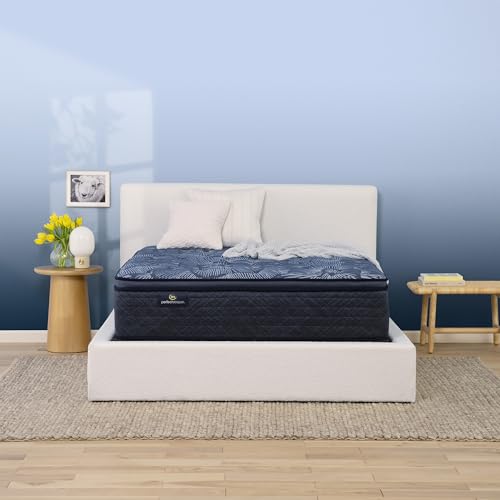
All six picks are sold on Amazon — verify current price, size, and trial terms on the listing before buying. Start with the Serta Perfect Sleeper Ultimate 14.5″ Queen Mattress, whose zoned coils and pillow top are engineered for exactly this shoulder-versus-support balance; confirm it via this Check on Amazon link. The remaining picks: Casper Sleep Original 11″ Memory Foam Mattress — Check on Amazon; Purple Mattress — Check on Amazon; Tuft & Needle Original Legacy Mattress — Check on Amazon; Nectar 12″ Memory Foam Mattress — Check on Amazon; GhostBed Classic 11 Inch Memory Foam Mattress — Check on Amazon.
In this guide
Quick Picks
| Pick | Badge | Why it earns its place |
|---|---|---|
| Serta Perfect Sleeper Ultimate 14.5″ Queen Mattress | Best Overall | Zoned coils cradle the shoulders while holding the back’s support zones, under a cooling gel pillow top. |
| Casper Sleep Original 11″ Memory Foam Mattress | Best Zoned Foam | Firmer under the lower back, gentler at the shoulders — the upper back’s preferred asymmetry in foam. |
| Purple Mattress | Best for Shoulder Pressure | The grid collapses precisely under the shoulder point while the chest stays supported and cool. |
| Tuft & Needle Original Legacy Mattress | Best Responsive | Bounce-back adaptive foam lets shoulders settle without sinking the upper spine into a slump. |
| Nectar 12″ Memory Foam Mattress | Best for Back Sleepers | Firm contouring holds the whole back’s line, with a year-long trial to separate mattress effects from pillow effects. |
| GhostBed Classic 11 Inch Memory Foam Mattress | Best Budget | Dense-core support with a lively, cooling surface at the friendliest tier here. |
Key Takeaways
- Upper back comfort is a shoulder-and-pillow equation: the mattress must receive the shoulder, the pillow must match the resulting neck angle.
- Zoned designs that soften at the shoulder and firm at the pelvis are this keyword’s ideal architecture.
- Back sleepers need the chest held level — a surface that lets the upper back slump recreates desk posture all night.
- Responsive surfaces beat deep slow foam when shoulders need to settle and resettle without effort.
- Change one variable at a time during the trial: mattress first, pillow second, or you will never know which fixed it.
- Desk ergonomics write the problem; the bed can only stop compounding it — the full-system view is in Best Mattresses For Sore Backs, this guide’s lower-back sibling.
How These Picks Were Chosen
We filtered the verified pool for shoulder-zone intelligence: zoned coils or foam with a gentler shoulder region, grid flex at the point of the shoulder, pillow-top cushioning over real support, or responsive foam that lets the upper body settle without sagging. Mattresses that were uniformly firm (shoulder punishment) or uniformly plush (upper-back slump) were excluded for this keyword. Trial length mattered more than usual, because upper back experiments require isolating variables — mattress, then pillow — across weeks.
As with every health-adjacent guide in this lot: desk research, comfort framing, no treatment claims. Upper back pain has causes ranging from posture to conditions that need evaluation; new, severe, radiating, or persistent pain is a clinical matter, and this guide says so in its deep-dive section as plainly as here.
The 6 Best Mattresses for Upper Back Pain — Reviewed

Serta Perfect Sleeper Ultimate 14.5″ Queen Mattress
Our badge: Best Overall
The Serta Perfect Sleeper Ultimate 14.5″ Queen Mattress leads because its engineering reads like it was briefed on this keyword. Its zoned coil design provides targeted support for the lower back and hips with cradled comfort everywhere else — which means, in practice, the shoulder zone is allowed to be kind while the support zones stay disciplined. Above the coils, PillowSoft Aire foam adds cushioning with airflow, Cool Twist gel memory foam contours without heat, and the medium pillow top feel gives the shoulder blades a reception that firm mattresses deny them. BestEdge foam encasement keeps the full surface usable, and the foams are CertiPUR-US certified with a hundred-night trial.
Strengths
- Zoned coils: cradled shoulders, supported back — the exact asymmetry this keyword wants
- Pillow top and gel foam cushion the shoulder blades without a soft core
- Cooling gel and airflow foams keep the upper body from overheating against the surface
Trade-offs
- 14.5-inch profile needs deep-pocket sheets and a considered frame height
- At over eighty-two pounds, setup and rotation are two-person events
- Medium pillow top may feel too cushioned for strict firm-bed back sleepers
| Color | Dark Blue |
| Size | Queen |
| Dimensions | 79.5 x 60 x 14.5 inches |
| Weight | 82.26 pounds |
For the side sleeper, the Serta’s sequence is the comfort: the pillow top receives the shoulder’s first contact, the gel foam spreads its load, and the zoned coils quietly refuse to let the pelvis drag the spine into a diagonal. For the back sleeper, the same stack holds the chest on a level, cushioned plane — no shoulder-blade pressure ridges, no slumped upper back rehearsing the desk hunch. The tall profile even helps the pillow equation: a higher bed surface changes the shoulder-to-pillow geometry, and many upper-back sleepers find the Serta’s loft lets a standard pillow land at the right neck angle without stacking.
It is the premium pick of this guide and behaves like it, from the edge encasement to the trial terms. Shoppers whose upper back story is really a whole-back story should note its zoning serves both ends of the spine — which is why it also headlines our support-first guides elsewhere in this lot.
Best for: side and back sleepers wanting zoned shoulder kindness over real support / Not suited for: low frames, shallow sheets, or strict plank-firm devotees
Choose it for the most complete upper-back engineering here; skip it if your setup cannot take its height. Check on Amazon

Casper Sleep Original 11″ Memory Foam Mattress
Our badge: Best Zoned Foam
The Casper Sleep Original 11″ Memory Foam Queen Mattress executes the same asymmetry in foam: its Zoned Support design firms the foam under the hips, waist, and lower back while the shoulder region stays comparatively forgiving. For upper back comfort, that means a side sleeper’s shoulder can sink to alignment depth without the pelvis following it into a twist, and a back sleeper’s upper spine rests on a surface that is calm rather than pushy. Open-cell Flex Foam keeps air moving, motion isolation is excellent, and the hundred-night trial gives the pillow experiment room to run.
Strengths
- Firmer where the back needs holding, gentler where the shoulder needs receiving
- Breathable foam keeps the high-contact shoulder zone from overheating
- Deep motion isolation for couples with different sleep schedules
Trade-offs
- Foam zoning is gentler than coil zoning; very heavy sleepers may overpower the shoulder zone’s design
- Eleven inches is mid-depth for shoulder travel
- No verified weight in the pool data
| Color | Light Gray |
| Size | Queen |
| Dimensions | 80 x 60 x 11 inches |
The Casper’s upper-back talent is that it disappears: the shoulder settles, the neck — given a correctly lofted pillow — stays neutral, and the night stops being a series of micro-adjustments. Desk workers will recognize the specific relief of a surface that does not push back between the shoulder blades, the spot where a day of keyboard tension lives. Its foams are built to resist the sinking and sagging that would quietly erase the zoning over time, and the medium-firm diplomacy suits the partner-sharing reality of most queens.
If your upper back problem coexists with a lower back that demands support, the Casper is the guide’s most balanced single answer — one mattress arguing competently for both ends of the spine. Pair it with the pillow protocol in the how-to section and judge the pair across a month.
Best for: combination sleepers and desk workers wanting zoned foam balance / Not suited for: very heavy sleepers or coil loyalists
Choose it for foam zoning done right; skip it if you want the Serta’s pillow-top plushness. Check on Amazon

Purple Mattress
Our badge: Best for Shoulder Pressure
The Purple Mattress is the precision instrument for the shoulder-dominant version of this keyword. Two inches of GelFlex Grid flex away under the shoulder point — cradling it, in the brand’s framing, while keeping the spine aligned — and hold firm under the chest and back, so the upper spine rests on support while its most painful point is unloaded. The grid’s air channels keep the whole high-contact shoulder region temperature-neutral, and the surface’s instant response lets a restless upper back resettle without effort.
Strengths
- Grid collapse is localized to the shoulder point — relief without regional softness
- Cool, airy surface where upper backs generate the most heat and pressure
- Instant response for the frequent repositioning upper back sleepers perform
Trade-offs
- One hundred pounds of setup — arrange help
- Premium tier in this guide
- Unusual feel; the trial is part of the purchase, use it
| Color | White |
| Size | Queen |
| Dimensions | 80 x 60 x 11 inches |
| Weight | 100 pounds |
Side sleepers with a “bad shoulder” — the one they cannot lie on by 2 a.m. — are this mattress’s natural jury, and the grid’s local flex is the most convincing testimony in the pool: the point that protests gets a material that yields completely there and nowhere else. Back sleepers benefit differently: the upper back lies on a firm, cool, even lattice that does not create the shoulder-blade ridges firmer foams can. Either way, the neck’s job gets easier, because a shoulder at the right depth makes the pillow’s geometry solvable.
It is also the pick for upper back sleepers who run hot and thrash — every avoided repositioning is a shoulder not re-loaded. If your complaint map is drawn in one or two precise points, start the trial here.
Best for: shoulder-point-dominant pain and hot, restless sleepers / Not suited for: contouring-foam devotees or solo setup situations
Choose it for point precision; skip it if you want a traditional foam feel. Check on Amazon

Tuft & Needle Original Legacy Mattress
Our badge: Best Responsive
The Tuft & Needle Original Legacy Medium Firm Gel Foam Queen Mattress serves the upper back sleeper who slumps: its T&N Adaptive foam — open-cell, gel and graphite infused — contours with bounce-back support, so the chest and shoulders are received without the upper spine sinking into the rounded posture it spends all day in. Flex foam firms as you settle deeper, ventilated Release foam enhances pressure relief, and the brand cites better airflow than its standard-foam counterpart. CertiPUR-US and GREENGUARD Gold certified, hundred-night trial, assembled in the USA.
Strengths
- Bounce-back support keeps the upper back level instead of slumped
- Graphite and gel cooling for the high-contact shoulder and chest zone
- Responsive surface makes position changes — and morning exits — easy
Trade-offs
- Ten inches is the slimmest profile here; deep shoulder sink is not its style
- Up to two weeks of break-in before the feel settles, per the brand
- Side sleepers with acute shoulder points may need the grid’s deeper yield
| Color | White |
| Size | Queen |
| Dimensions | 80 x 60 x 10 inches |
| Weight | 72 pounds |
The Tuft & Needle’s upper-back argument is postural: many upper back sleepers do not need more softness, they need a surface that holds the thoracic spine in its natural, gentle curve instead of letting it fold. Adaptive foam’s firming-under-depth behavior does exactly that — the deeper the chest settles, the more support answers — while the shoulder still gets a forgiving first inch. Combination sleepers who rotate between back and side will feel the design’s diplomacy most.
It is also the easiest ownership story among the responsive picks: manageable weight, mainstream trial, dual certifications. If your upper back story is “desk posture that follows me to bed,” this mattress is the rebuttal with the lowest friction.
Best for: back and combination sleepers whose upper backs slump into soft beds / Not suited for: side sleepers needing maximum shoulder depth
Choose it for level, lively support; skip it if your shoulder needs to disappear into the bed. Check on Amazon

Nectar 12″ Memory Foam Mattress
Our badge: Best for Back Sleepers
The Nectar 12″ Memory Foam Mattress is the back sleeper’s upper-back pick: a firm-leaning contouring build whose memory foam relieves pressure on high-tension areas while its adaptive support layer promotes spinal alignment along the whole back, upper included. On your back, the surface fills the neck’s curve support role jointly with the pillow, keeps the shoulder blades on an even plane, and refuses the mid-back sag that turns eight hours into a slumped marathon. The 365-night trial and forever warranty make it the lowest-risk way to discover whether your upper back problem is a mattress problem at all.
Strengths
- Firm, even support holds the entire spine’s line, neck to pelvis
- A year-long trial separates mattress effects from pillow and posture effects cleanly
- Cooling cover and deep motion isolation protect the whole night’s quality
Trade-offs
- Firm lean can under-receive a side sleeper’s shoulder
- Slow foam response for frequent repositioners
- Seventy-eight pounds; two-person rotations
| Color | White |
| Size | Queen |
| Dimensions | 80 x 60 x 12 inches |
| Weight | 78 pounds |
Back sleepers with upper back complaints often discover their mattress is innocent and their pillow — too thick, pushing the head and upper spine into flexion all night — is guilty. The Nectar’s trial is the diagnostic tool for that discovery: a full year lets you change the pillow in month two, the desk chair in month four, and attribute improvements honestly. What the mattress itself guarantees is a level, durable platform that never becomes the problem: no sag, no ridge, no surprises at 3 a.m.
Its cooling top layer matters for upper backs specifically, since the shoulder and chest contact zone is where back sleepers overheat first. Steady support, steady temperature, steady sleep — for the back sleeper, that triad is the product.
Best for: back sleepers wanting a level, durable platform and a year to diagnose their setup / Not suited for: side sleepers with dominant shoulder pressure
Choose it for firm, patient diagnosis; skip it if you sleep mostly on your side. Check on Amazon

GhostBed Classic 11 Inch Memory Foam Mattress
Our badge: Best Budget
The GhostBed Classic 11 Inch Queen Memory Foam Mattress closes the guide as the accessible route to upper-back-appropriate support: a high-density foam core that supports spinal alignment, cooling gel memory foam and aerated latex above it, in a balanced medium-firm feel that is soft, supportive, and springy. The brand frames the build around waking refreshed with hips and back supported — comfort framing we report as such — and the mattress is CertiPUR-US certified and made in the USA and Canada.
Strengths
- Dense core keeps the upper spine’s line honest at a friendly tier
- Lively latex-gel surface lets shoulders settle and resettle without effort
- Fifty pounds — kind to the person rotating it, who may be you with a sore back
Trade-offs
- No zoning; the shoulder gets the same answer as the pelvis
- Contains a latex layer — not for latex-sensitive shoppers
- Budget tier refinement is a step below the Serta and Casper
| Color | White |
| Size | Queen |
| Dimensions | 80 x 60 x 11 inches |
| Weight | 50 pounds |
The GhostBed’s upper-back case is competence without specialization: the surface is responsive enough for shoulders to find their spot, the core is firm enough to keep the thoracic spine from slumping, and the cooling layers keep the contact zone comfortable. For a first dedicated mattress purchase aimed at upper back comfort — replacing the hand-me-down or the decade-old foam — it delivers the category’s fundamentals at a tier that leaves budget for the pillow upgrade this keyword so often actually needs.
That budget point deserves emphasis: an upper back shopper with limited funds often does better with the GhostBed plus a properly chosen pillow than with a premium mattress under a guilty old pillow. This guide’s system thinking, applied to your wallet.
Best for: budget shoppers wanting sound, responsive support plus pillow money left over / Not suited for: shoppers needing zoned shoulder specialization
Choose it for balanced value; skip it if your shoulder needs a specialist mechanism. Check on Amazon
Comparison Table
| Pick | Shoulder Strategy | Upper-Back Support | Profile | Check price on Amazon |
|---|---|---|---|---|
| Serta Perfect Sleeper 14.5″ | Pillow top + zoned cradle | Zoned coils | 14.5 inch | Check price on Amazon |
| Casper Original 11″ | Gentler shoulder zone | Zoned foam | 11 inch | Check price on Amazon |
| Purple Mattress | Grid flexes at the point | Firm grid elsewhere | 11 inch | Check price on Amazon |
| Tuft & Needle Original | Adaptive reception | Firming bounce-back foam | 10 inch | Check price on Amazon |
| Nectar 12″ Memory Foam | Firm contouring | Adaptive support layer | 12 inch | Check price on Amazon |
| GhostBed Classic 11″ | Balanced gel-latex surface | High-density core | 11 inch | Check price on Amazon |
How to Choose the Best Mattress for Upper Back Comfort
Diagnose Your Position First
Upper back discomfort wears two different costumes. On your side, it is usually shoulder geometry: the shoulder cannot sink, so the upper spine bends sideways and the neck compensates. On your back, it is usually slump or ridge: the surface either lets the upper back fold or pushes a pressure ridge between the shoulder blades. Stomach sleeping twists the neck and is this keyword’s hardest case — firmness and a thin pillow are its only mattress-side mitigations. Name your costume before shopping; the picks above are labeled by which they serve.
The Pillow Protocol: Change One Variable at a Time
During the trial’s first two weeks, keep your current pillow and log your mornings. Then change only the pillow — side sleepers need loft equal to the shoulder’s depth on the new mattress; back sleepers need a thinner pillow that supports the neck’s curve without pushing the head forward — and log two more weeks. This unglamorous protocol is the only way to know whether you bought the right mattress, and it regularly reveals that a mid-tier mattress plus the right pillow beats a premium mattress under the wrong one. Shoppers whose discomfort spans the whole back should run the same discipline alongside Best Mattresses For Degenerative Disc Disease‘s support-first framework.
Shoulder Zone Versus Whole-Surface Feel
Ask of any candidate: what does the shoulder meet, specifically? Zoned designs answer with a gentler band; the grid answers with local collapse; pillow tops answer with a cushioned layer over support; responsive foams answer with a shallow, lively reception. A mattress that cannot answer — uniform hardness, uniform plushness — is guessing at your keyword. The comparison table’s second column is the whole guide in miniature.
Firmness for the Upper Back: Supported Medium
The upper back wants what the shoulder forbids and vice versa, which is why zoning exists. Absent zoning, the compromise is a supported medium: firm enough at the core to hold the thoracic line, cushioned enough at the surface to spare the blades. Both extremes fail this keyword in characteristic ways — hard surfaces bruise the shoulder points, soft ones rehearse the desk slump — and the middle, engineered properly, is not a compromise but the answer.
Daytime Honesty: The Bed Cannot Undo the Desk Alone
If your upper back spends ten hours folded over a keyboard, eight hours level will help but not absolve. Screen height, chair support, and movement breaks are the daytime half of this keyword, and they cost less than any mattress here. Buy the mattress to stop the night from compounding the day — and fix the day with the money you save by not buying the most expensive mattress in this guide.
How Do You Set Up the Shoulder-and-Pillow System?
Start with the mattress expanded fully on a supportive base. Night one through fourteen: current pillow, morning log (where exactly the ache sits, how long it lasts). Then set the pillow by position. Side sleepers: lying on the mattress, the pillow should fill the space from the mattress surface to your ear so the neck runs straight — on a deep-sinking mattress that means a thinner pillow than the same sleeper needs on a firm one, which is why pillow shopping comes after mattress selection, never before. Back sleepers: the pillow should support the neck’s curve with the head resting back, not propped forward; if you wake with a stiff neck and a headache’s overture, the pillow is too high. Stomach sleepers: the thinnest pillow you can tolerate, or none, to minimize neck rotation strain. Adjust in small steps — one pillow change per fortnight — and let the log arbitrate.
Problem: shoulder aches despite a zoned mattress — the pillow is almost certainly too high or too low for the new shoulder depth; re-measure the ear-to-mattress gap on the actual mattress before blaming the zones.
Problem: ache sits between the shoulder blades on a firm bed — your surface is bridging the upper back; a cushioned top layer (pillow top, gel foam) or a thin surface pad usually resolves what firmness created.
Problem: neck stiffness joins the upper back ache — pillow height again, or a pillow that has gone flat and dead; pillows age out in a few years and take necks with them.
Problem: mornings are fine, evenings ache — your mattress is innocent; the desk is the defendant. Redirect the next purchase to the chair and screen setup.
Problem: one shoulder is always the problem — you may be a committed one-side sleeper; alternate sides deliberately for a week, and consider the grid’s point relief if the bad shoulder still cannot clock a full night.
Upper Back Pain and the Desk Worker: The Full-Day Picture
The typical upper back shopper is a knowledge worker whose spine spends the day in a C-curve — head forward, shoulders rounded, shoulder blades spread — and then asks a bed to reverse it in eight hours. A good mattress does its half: it holds the upper spine in its natural alignment, unloads the shoulder points, and lets the day’s muscular tension dissipate in supported rest. But the honest guide says the other half out loud: monitor at eye level, feet supported, a chair that holds the lower back so the upper back can relax, and movement every hour. Sleep and ergonomics are one system with two shifts. The mattress is the night shift — hire a good one from this guide, and stop asking it to work days too. Readers whose ache has migrated downward over the years will find the sequel in Best Affordable Mattresses For Back Pain, where the same support logic is priced for tighter budgets.
When Upper Back Pain Is Not a Mattress Matter
Some upper back presentations need a clinician, not a cart: pain radiating into an arm or hand, numbness or weakness, pain after a fall or accident, pain with fever or unexplained weight loss, or discomfort that steadily worsens regardless of position or surface. Chest-adjacent pain in particular should never be self-diagnosed as muscular. This guide’s scope is the common, mechanical, posture-and-surface story — the ache that tracks with your workday and your pillow. If yours does not fit that story, get it evaluated first; mattress shopping will still be here afterward, and you will shop it with better information.
The Desk Worker’s Upper Back: Where the Ache Is Really Made
Upper back pain is the posture condition of the screen era, and an honest guide should say plainly where most of it is manufactured: at the desk, between 9 and 5, in the long forward slump that loads the thoracic spine and the muscles between the shoulder blades hour after hour. The mattress’s role is real but downstream — it is the recovery shift, not the workplace. Sleepers who get the most from this guide’s picks pair the purchase with the two or three daytime corrections that cost nothing: a screen raised so the head stops drifting forward, a chair that lets the shoulder blades actually rest against something, and movement breaks that reverse the slump before it sets. None of that diminishes the bed’s contribution. Eight hours of level, pressure-kind support is when the day’s accumulated tension is supposed to discharge; on a sagging or shoulder-jamming mattress it merely changes costume and continues. Think of the purchase and the posture fixes as one intervention with a night shift and a day shift, each making the other look good.
The pillow deserves a second mention in this context, because the desk worker’s neck and upper back arrive at bed pre-loaded, and pillow geometry decides whether the night continues the load or releases it. Back sleepers with upper back ache generally do best with a pillow that supports the neck’s curve without pushing the head forward — the forward push is the slump, recreated horizontally. Side sleepers need the shoulder’s width filled so the thoracic spine stays straight rather than tilting toward the bed. Both experiments belong in the trial’s second week, one variable at a time, logged like everything else this lot’s guides recommend. Readers whose ache sits lower, in the lumbar region, will find the mechanics differ enough to deserve their own treatment in Best Foam Mattresses For Back Pain and the lot’s broader back-comfort cluster, while Best Mattresses For Sore Backs covers the general morning-stiffness pattern that upper back pain so often travels with.
Thoracic Mobility and the Morning: Ten Minutes That Change the Day
The thoracic spine — the upper back’s twelve vertebrae — is built to rotate and extend gently, and modern life asks it to do neither: it flexes forward at the desk, stays flexed in the car, and arrives at bed having barely moved through its other ranges all day. Sleep restores the tissues, but the first movements of the morning are where the night’s gains are either banked or spent, and upper-back sleepers consistently report that a short, gentle mobility routine changes their day out of proportion to its length. The pattern clinicians commonly suggest is unglamorous: before rising, a few slow breaths that expand the rib cage against the mattress; gentle rotations of the trunk within comfort; then, seated at the bed’s edge — on a mattress whose edge holds, as this guide’s picks are chosen to do — a minute of easy extension and rotation before standing. Nothing forceful, nothing through pain, and anything prescribed by your own clinician outranks any general routine, this one included.
The mattress’s contribution to that ten minutes is easy to overlook and real: a surface level enough that breathing against it is symmetrical, an edge firm enough to sit on safely while half-awake, and a height that lets feet rest flat during the seated minute. Those are shopping specifications, and they are already embedded in this guide’s reviews — one more reason the upper back, so often treated as the lumbar’s poor relation, deserves a guide of its own. The ache that is made at the desk and unmade in the morning is managed in the hours between: the night’s level, the morning’s movement, and the day’s posture, each doing a third of the work.
Upper Back Pain in Athletes and Physical Workers
The desk worker owns this keyword’s stereotype, but the thoracic spine keeps two other sets of books. Athletes — rowers, climbers, swimmers, lifters, anyone whose sport loads the shoulder girdle — generate upper back soreness by exertion rather than posture, and their nights are recovery shifts in the literal sense: the tissue trained by day repairs by night, on a surface that must unload the very muscles the sport just spent. For this tribe the pressure-kind, responsive picks lead, because a hard-used shoulder girdle needs both cradling and the freedom to move through the micro-positions that recovery sleep uses. Physical workers — nurses, warehouse staff, tradespeople, caregivers — split the difference: postural load and exertion load in the same shift, with the added variable of schedules that scatter sleep across daylight hours, when room darkness and household quiet become as much a part of the sleep system as the mattress.
Both tribes share one shopping trait with the desk worker: their soreness fluctuates with the work cycle, which makes the two-week logged trial — spanning rest days and brutal days alike — the only honest evaluation. A mattress judged on a quiet Sunday has been examined by none of the week’s witnesses. Let the whole cycle testify.
The Travel Neck: Upper Back Pain Away From Home
Upper back sleepers collect data about their condition in hotels whether they intend to or not: the strange bed, the wrong pillow, the morning that is dramatically better or worse than home. The better mornings are the valuable ones — they identify what your home setup lacks, whether that is firmness, pillow height, or simple freshness — and the prepared traveler learns to interrogate them before checkout rather than merely enjoying them. The worse mornings usually indict the pillow first, which is why experienced upper-back travelers carry their own or request specific replacements on arrival rather than at midnight. A travel log, kept to the standard of two lines per morning, turns a year of trips into a specification document for the home purchase — the closest thing to a multi-mattress trial that money cannot buy but travel provides free.
Home again, run the comparison honestly: if hotel beds consistently beat your own, your mattress has been convicted by witnesses, and this guide’s picks are the sentencing hearing. If home consistently wins, you own evidence that your setup works — file it, and let it end the shopping with the confidence only data provides.
The Reading-in-Bed Problem
One habit quietly sabotages upper-back sleepers more than any mattress choice: reading or scrolling in bed, propped at the slumped angle that pillows-against-a-headboard always produce. The posture is the desk slump recreated in the bedroom — thoracic spine flexed, head craned — held for the exact hour the body should be unwinding from it. The fix costs nothing structural: read in a chair, or build a proper wedge arrangement that supports the whole back at an incline rather than folding it at the waist, and keep the bed itself for lying flat. Sleepers who make that single change frequently report that the mattress they were about to replace was innocent all along.
It is the fitting final lesson of this guide: the upper back keeps the books of the whole day, and the mattress is only the night shift. Audit the evening’s last hour with the same honesty as the trial log, and the two together will tell you the truth about where your ache is made.
A Closing Distinction: Stiffness Is Not Damage
Upper back sleepers frighten themselves unnecessarily with a conflation worth dissolving: morning stiffness that eases with movement and warmth is the ordinary behavior of loaded soft tissue, not evidence of harm. It responds to exactly the program this guide lays out — level nights, mobile mornings, audited days. Stiffness that does not ease, pain that sharpens rather than loosens, symptoms that travel into the arms — those belong to a different file and a professional’s examination. Knowing which story your mornings tell is the beginning of shopping well, because it tells you whether you are buying comfort or seeking care. Both are legitimate errands. They are simply not the same store.
Common Buying Mistakes
Buying a Lower-Back Mattress for an Upper-Back Problem
Lumbar-focused designs spend their engineering at the wrong end of the spine for this keyword. Upper back comfort is decided at the shoulder zone and the pillow — shop those, not the lumbar band.
Changing Mattress and Pillow on the Same Night
You will feel different and learn nothing. Sequence the changes across the trial, keep the log, and let each variable confess separately.
Choosing Firm to “Fix Posture”
A hard mattress does not straighten an upper back; it bruises the shoulder points and bends the spine around them. Posture at night is alignment, and alignment needs a received shoulder over a supported core.
Ignoring the Desk While Upgrading the Bed
The most expensive mattress in this guide cannot outwork ten daily hours of slump. Split the budget: a mid-guide mattress plus real ergonomics beats a flagship under a laptop hunch.
Judging by the First Morning
Upper back response to a new surface takes a week or more to declare itself, and pillow interactions take another. The trial is measured in weeks for a reason — use them.
Final Recommendation
The Serta Perfect Sleeper Ultimate 14.5″ Queen Mattress is our top pick for upper back comfort: zoned coils that cradle the shoulder while disciplining the back, under a cooling gel pillow top. Foam shoppers should take the Casper’s zoned diplomacy, shoulder-point sufferers the Purple’s precision — Check on Amazon for its trial — and back sleepers the Nectar’s level patience. Whichever you choose, run the pillow protocol before you judge it, fix one desk variable the same month, and let a month of mornings arbitrate. For the pillow itself, Best Throw Pillows For Bedrooms Under $100 is a starting shelf — though a dedicated side-sleeper pillow, loft-matched to your new mattress, is the specific purchase this keyword usually ends with.
Frequently Asked Questions
What firmness is best for upper back pain?
A supported medium — cushioned at the surface for the shoulder blades, firm at the core for the thoracic spine — suits most upper back sleepers. Zoned designs refine that answer by softening the shoulder band specifically. Both extremes, plank and plush, characteristically make upper back complaints worse.
Is my pillow or my mattress causing my upper back ache?
Statistically, the pillow is the first suspect, especially for neck-adjacent stiffness. The honest method is sequential: trial the mattress with your current pillow for two weeks, then change only the pillow for two weeks, logging mornings throughout. The variable that changes the log is the culprit.
What sleep position is best for upper back comfort?
Back sleeping with a properly thin, neck-supporting pillow keeps the upper spine most neutral for most people. Side sleeping works well with a received shoulder (zoned, grid, or pillow-top surfaces) and a correctly lofted pillow. Stomach sleeping twists the neck and is the hardest position to make upper-back-friendly.
Can a mattress fix pain from desk posture?
It can stop the night from compounding it — holding alignment and unloading shoulders for eight hours — but it cannot undo ten hours of daily slump. Pair the mattress with basic ergonomics (screen height, chair support, hourly movement) for the full effect.
When should upper back pain be checked by a doctor?
When it radiates into an arm, comes with numbness or weakness, follows trauma, arrives with fever or weight loss, is chest-adjacent, or steadily worsens despite surface and posture changes. Those presentations are clinical matters first and shopping matters second.
Do I need a special pillow with a new mattress?
Often, yes — because the right pillow loft depends on how deeply your shoulder sinks into the new mattress. Buy the mattress first, measure the resulting shoulder depth, then choose the pillow to match. It is the cheapest high-impact purchase in this entire keyword.


