Disclosure: As an Amazon Associate, dailyhomedecorating.com earns from qualifying purchases. Links to Amazon on this page are affiliate links; they cost you nothing extra. Prices and availability change often, so check the current Amazon listing before you buy.
The best mattresses for allergies are not the ones with the loudest “hypoallergenic” label — they are the ones whose materials, certifications, and surfaces give dust mites, mold, and chemical irritants the fewest places to live. If you wake up congested, with itchy eyes or a scratchy throat that mysteriously clears by mid-morning, your mattress is a prime suspect: it is warm, it collects skin cells and moisture nightly, and an older or poorly made one can harbor exactly the allergens that make sleep miserable. This guide approaches the problem in comfort and wellness terms only — no mattress treats or cures allergies — but the sleep surface you choose, and how it is built and certified, genuinely shapes the environment you breathe in for eight hours a night.
Every pick below was screened for the details that matter to allergy-conscious shoppers: CertiPUR-US certified foams (tested for content, emissions, and durability), OEKO-TEX tested covers where available, antimicrobial surface technology, fiberglass-free construction, and materials that resist moisture buildup. We favored mattresses whose verified listings document those features rather than merely implying them, and we will tell you plainly where a pick is a comfort choice rather than a hygiene one.
Where to Buy
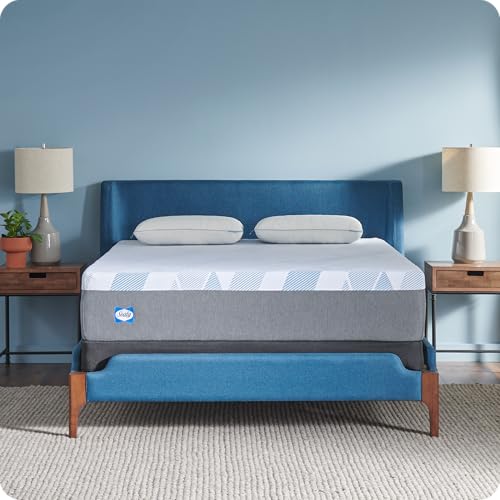
All six picks are sold on Amazon, where you should confirm the current price, size, and availability before buying. Start with the Sealy Dreamlife 12″ Hybrid Mattress-in-a-Box for its built-in antimicrobial surface protection, and check its listing through this Check on Amazon link. The remaining picks: Zinus 12 Inch Green Tea Memory Foam Mattress — Check on Amazon; Casper Sleep Original 11″ Memory Foam Mattress — Check on Amazon; Novilla Bliss Queen Size Mattress — Check on Amazon; GhostBed Classic 11 Inch Memory Foam Mattress — Check on Amazon; Lucid 10 Inch Gel Memory Foam Mattress — Check on Amazon.
In this guide
Quick Picks
| Pick | Badge | Why it earns its place |
|---|---|---|
| Sealy Dreamlife 12″ Hybrid Mattress-in-a-Box | Best Overall | Surface-Guard antimicrobial technology built into the surface, CertiPUR-US foam, and encased coils that ventilate better than solid foam. |
| Zinus 12 Inch Green Tea Memory Foam Mattress | Best Certified Materials | CertiPUR-US foams plus an OEKO-TEX Standard 100 cover, fiberglass free, with green tea and charcoal freshness infusions. |
| Casper Sleep Original 11″ Memory Foam Mattress | Best for Sensitive Sleepers | CertiPUR-US certified, breathable open-cell foam that traps less heat and moisture, and a long home trial to test your own reaction. |
| Novilla Bliss Queen Size Mattress | Best Budget | CertiPUR-US certified gel memory foam with a breathable knitted cover and plant-infused freshness foam at an accessible tier. |
| GhostBed Classic 11 Inch Memory Foam Mattress | Best for Hot Sleepers | Cooling gel foam and aerated latex-style airflow layers that reduce the warm, damp microclimate allergens love. |
| Lucid 10 Inch Gel Memory Foam Mattress | Best Moisture Management | Bamboo charcoal absorbs moisture and helps regulate temperature, with CertiPUR-US certified, fiberglass-free construction. |
Key Takeaways
- Certifications are the shortcut: CertiPUR-US for foams and OEKO-TEX for covers mean the materials were independently tested, not just marketed.
- Dense foam and encased-coil hybrids give dust mites fewer deep cavities than old-fashioned open innersprings, and they pair well with a zippered allergen encasement.
- Antimicrobial surface treatments, like Sealy’s Surface-Guard, address bacteria and surface allergen buildup directly.
- Moisture is the multiplier — cooling, breathable builds and charcoal layers help keep the sleep surface drier and less hospitable.
- No mattress replaces the routine: wash bedding hot weekly, encase the mattress, and vacuum the surface on a schedule.
- However good the mattress, test your own response during the trial window; sensitivity is individual, which is why the picks with long trials earn extra credit here — and if heat and moisture are your main triggers, our night sweats guide covers that side of the problem in depth.
How These Picks Were Chosen
We screened the verified pool for documented hygiene-relevant features, in this order: third-party material certifications (CertiPUR-US, OEKO-TEX), explicit antimicrobial or allergen-focused surface technology, fiberglass-free construction, and breathability features that limit the warm, humid conditions dust mites and mold prefer. Products whose listings made allergy-adjacent claims we could not verify from the pool data were not credited for them. We also weighed home-trial length, because the only reliable test of whether a mattress suits your sensitivities is sleeping on it in your own home through your own worst allergy weeks.
One honesty note: “hypoallergenic” is not a regulated certification for mattresses, and we treat it as marketing language wherever it appears. What we can stand behind are the named certifications and technologies in each verified listing, and those are what the reviews below cite. We also excluded nothing from the pool on allergy grounds alone — but several pool mattresses with no documented certifications or hygiene features simply ranked below these six for this particular keyword. If your sensitivities are severe or you have asthma, treat this guide as shopping research to discuss with your clinician, not as medical guidance.
The 6 Best Mattresses for Allergies — Reviewed

Sealy Dreamlife 12″ Hybrid Mattress-in-a-Box
Our badge: Best Overall
The Sealy Dreamlife 12″ Hybrid Mattress-in-a-Box leads this guide because it is the only pool pick whose verified listing names a technology aimed directly at the mattress surface’s microbial life: Surface-Guard Technology, a built-in antimicrobial protection designed to help prevent the growth of bacteria and the buildup of allergens on the sleep surface. Underneath, two inches of SealyComfort gel memory foam conform for pressure relief, a transition foam adds support, and seven inches of individually encased coils deliver targeted support with independent movement — and, relevant here, a ventilated structure that solid foam blocks cannot match.
Strengths
- Surface-Guard antimicrobial protection targets bacteria and surface allergen buildup directly
- CertiPUR-US certified foam, made without formaldehyde, ozone depleters, or heavy metals
- Encased coils ventilate the core and reduce the warm, still air pockets mites favor
Trade-offs
- Surface treatments help the surface; they do not replace a zippered allergen encasement for serious dust-mite sensitivity
- At just over eighty pounds, it is a two-person unboxing and setup job
- Hybrid motion isolation is good, not foam-level total, for very light sleepers with restless partners
| Color | Dreamlife |
| Size | Queen |
| Dimensions | 80 x 60 x 12 inches |
| Weight | 80.6 pounds |
For the allergy-conscious sleeper, the Dreamlife’s layered story is coherent: the surface actively resists microbial buildup, the comfort foam is certified for content and emissions, and the coil core keeps air moving through the mattress instead of letting warmth and humidity pool inside it. In daily life it sleeps like a well-mannered hybrid — contouring on top, supportive underneath, with edges that hold up when you sit to put on shoes. Couples will notice the encased coils doing quiet work: each coil moves independently, so a partner’s turning stays mostly on their side.
Pair it with the routine in the how-to section below — encasement over the mattress, hot-washed bedding, regular surface vacuuming — and you have the most complete allergen-management setup in this guide. The gel memory foam also keeps the surface from sleeping hot, which matters more than it sounds: a cooler, drier bed is a less inviting habitat, full stop. Shoppers whose congestion tracks with overheating should cross-read Best Mattresses For Night Sweats for the cooling side of the same problem.
Best for: allergy-conscious sleepers who want antimicrobial surface tech plus hybrid support / Not suited for: anyone expecting a mattress alone, without encasements and laundry habits, to solve severe sensitivities
Choose it for the most complete hygiene feature set in the pool; skip it only if you strongly prefer an all-foam feel. Check on Amazon

Zinus 12 Inch Green Tea Memory Foam Mattress
Our badge: Best Certified Materials
The Zinus 12 Inch Queen Green Tea Memory Foam Mattress carries the strongest paper trail in this guide: its foams are CertiPUR-US certified and free from ozone depleters, formaldehyde, and heavy metals, while its cover meets OEKO-TEX Standard 100, tested for over a hundred harmful substances including pesticides and allergens. It is also explicitly fiberglass free, using a carbon rayon fire barrier instead — a detail that matters to shoppers who have read one too many stories about fiberglass escaping a damaged mattress cover. The foam itself is infused with green tea extract and purified charcoal to neutralize odors and keep the sleep environment fresh.
Strengths
- Dual certification story: CertiPUR-US foams plus an OEKO-TEX Standard 100 cover
- Fiberglass-free construction removes a common worry for sensitive households
- Green tea and charcoal infusions target odor and freshness between washes
Trade-offs
- The cover is not the star for washing; plan on a separate zippered encasement and protector
- All-foam build sleeps warmer than the hybrid picks despite the breathable knitted cover
- A mild off-gassing smell on unboxing is normal here and needs a day or two of ventilation — sensitive noses should plan for it
| Color | White |
| Size | Queen |
| Dimensions | 80 x 60 x 12 inches |
| Weight | 62.3 pounds |
Comfort-wise, the Zinus is a medium-firm memory foam bed with patented zoned pressure relief: targeted cushioning where your body presses hardest, steadier support elsewhere. Side, back, and stomach sleepers all get a workable surface, and the foam’s motion absorption is genuinely good for couples. For the allergy shopper, though, the feel is almost secondary to the file of certifications — this is the pick for people who read labels, keep a low-chemical household, and want the mattress’s materials documented rather than described.
Set it up with ventilation time before the first night, especially if your sensitivity includes smells: unbox it in a room you can air out, let it expand fully, and give the initial odor the day or two the listing itself suggests it may need. After that, its freshness infusions and a normal protector routine keep it neutral. Households furnishing a whole low-allergen bedroom will find the bedding layer matters just as much — washable bedding, stocked up on during sales, completes the system this mattress starts.
Best for: label-readers who want independently certified foams and cover, fiberglass free / Not suited for: sleepers who need to use a mattress the same night it arrives, without airing time
Choose it for the strongest certification file in the pool; skip it if you sleep very hot and want coils. Check on Amazon

Casper Sleep Original 11″ Memory Foam Mattress
Our badge: Best for Sensitive Sleepers
The Casper Sleep Original 11″ Memory Foam Queen Mattress makes its allergy case through breathability and a risk-free trial rather than antimicrobial claims. Its open-cell Flex Foam is designed to keep air flowing so the mattress sleeps cooler and drier than traditional memory foam — and a drier sleep surface is a less welcoming one for the organisms allergy sufferers worry about. The foams are CertiPUR-US certified, the support is zoned (firmer under hips, waist, and lower back), and the purchase includes a hundred-night trial, which for a sensitive sleeper is not a perk but a testing protocol.
Strengths
- Breathable open-cell foam reduces the heat and moisture buildup allergens thrive on
- CertiPUR-US certified foams with documented content standards
- Hundred-night trial lets you test the mattress through your own worst allergy weeks
Trade-offs
- No antimicrobial surface treatment; hygiene management is on your encasement and laundry
- No verified weight in the pool data, and the eleven-inch profile is mid-pack for edge support
- Medium-firm zoned feel may read firm to lightweight side sleepers in the first weeks
| Color | Light Gray |
| Size | Queen |
| Dimensions | 80 x 60 x 11 inches |
The Casper’s zoned support is its comfort signature: the foam firms up under your midsection to keep your spine aligned while staying more forgiving at the shoulders, which is why it suits such a wide range of sleepers. Motion isolation is a foam specialty and the Casper does it well — a restless partner’s movements are absorbed by the layers rather than telegraphed across the bed. For allergy shoppers, the honest summary is that this is a clean-materials, breathable, certified foam bed whose hygiene story you complete with an encasement; in exchange, you get one of the most broadly comfortable feels in the pool and a trial long enough to be meaningful.
Durability is part of the wellness picture too: Casper designs its foams to resist sinking and sagging, and a mattress that keeps its shape keeps its surface smooth and easier to vacuum and encase evenly. A sagging mattress pools moisture and skin cells in the trough; a resilient one does not. If your household’s sensitivities extend to a child or guest room, the same logic applies at smaller scale — compare the approach in Best Crib Mattresses For Newborns, where washable, breathable construction is the whole game.
Best for: sensitive sleepers who want certified, breathable foam and a long trial to verify their own comfort / Not suited for: shoppers who want built-in antimicrobial treatment rather than a DIY hygiene routine
Choose it for breathable certified comfort with trial protection; skip it if antimicrobial surface tech is your top priority. Check on Amazon

Novilla Bliss Queen Size Mattress
Our badge: Best Budget
The Novilla Bliss Queen Size Mattress brings the allergy-relevant basics — CertiPUR-US certified foam, a breathable knitted cover, gel memory foam that dissipates heat and minimizes moisture buildup — to the most accessible tier in this guide. Its three-layer foam design relieves pressure and supports spinal alignment, its comfort foam is plant-infused to absorb odor, and the cover meets skin-safety standards for a gentle sleep surface. For a guest room, a first apartment, or a second bedroom where an allergy-conscious bed is needed without flagship spending, it covers the essentials honestly.
Strengths
- CertiPUR-US certified foams with a skin-safety-tested cover
- Gel memory foam and breathable knit work against heat and moisture buildup
- Plant-infused comfort foam absorbs odor for a fresher surface between washes
Trade-offs
- No antimicrobial treatment and no OEKO-TEX cover certification to match the Zinus
- Full expansion can take up to seventy-two hours, longer than most picks here
- Edge support is reinforced for foam, but heavier sleepers will still find it soft at the perimeter
| Color | Bliss |
| Size | Queen (U.S. Standard) |
| Dimensions | 80 x 60 x 12 inches |
| Weight | 61.5 pounds |
Sleeping on the Novilla feels like classic, well-executed gel memory foam: a gentle contour at the back and hips, weight distributed evenly, and motion absorbed so thoroughly that a partner’s schedule barely registers. The hundred-day trial and ten-year protection give budget shoppers the same test-it-at-home safety net as pricier beds, which matters doubly when the question is not just comfort but how your nose and eyes feel at 6 a.m. Give it the full expansion window before judging — the listing is candid that the mattress regains its full shape within seventy-two hours, and sleeping on it early can speed expansion but muddies your first impression.
In an allergy-focused bedroom, the Novilla rewards the same routine as every pick here: encasement, protector, weekly hot wash for bedding. Its breathable cover and moisture-minimizing gel foam make that routine easier to keep ahead of, and its price tier leaves room in the budget for the encasement and spare sheet sets that do the daily hygiene work. Shoppers furnishing on a strict budget across the whole room should also see Best Mattresses Under $400, where this value tier is the focus.
Best for: budget-conscious allergy shoppers and guest rooms needing certified foam without flagship pricing / Not suited for: sleepers wanting antimicrobial tech or the fastest possible setup
Choose it for certified essentials at a friendly tier; skip it if you want the Sealy’s surface technology. Check on Amazon

GhostBed Classic 11 Inch Memory Foam Mattress
Our badge: Best for Hot Sleepers
The GhostBed Classic 11 Inch Queen Memory Foam Mattress attacks the allergy problem from the climate side. Its four layers combine cooling gel memory foam, high-density support foam, and aerated latex — a material chosen because its open structure lets air move instead of pooling warmth against your body. A cooler, drier mattress interior is simply a worse neighborhood for dust mites and mildew, and for sleepers whose nighttime congestion tracks with overheating, that airflow is the feature that matters most. The mattress is CertiPUR-US certified and made in the USA and Canada.
Strengths
- Aerated latex and gel foam layers actively move air and shed heat
- CertiPUR-US certified materials from a North American-made mattress
- High-density core supports spinal alignment with minimal motion transfer
Trade-offs
- No antimicrobial surface treatment; the hygiene case is climate, not chemistry
- Medium-firm feel with a springier surface than pure memory foam — hug-lovers take note
- At fifty pounds it is light for a queen, which eases handling but signals a less dense build than the heaviest picks
| Color | White |
| Size | Queen |
| Dimensions | 80 x 60 x 11 inches |
| Weight | 50 pounds |
The GhostBed’s feel is the liveliest in this guide: soft, supportive, and springy, with the aerated latex keeping the surface responsive when you change position. Back, side, stomach, and combination sleepers are all in its stated audience, and the high-density core is credited with easing morning stiffness and keeping hips and back aligned — comfort claims we repeat as the brand’s framing, not as medical promises. For the allergy shopper who also runs hot, it resolves the classic memory foam dilemma: contouring without the swamp.
Practically, its lighter weight makes the hygiene routine easier than with any other queen here — rotating it, lifting corners to fit an encasement, and vacuuming the surface are all one-person jobs. That matters more than it sounds: the best allergen routine is the one you actually keep, and a mattress that fights you physically gets cleaned less. Pair it with breathable bedding rather than heavy quilts in summer, and the whole sleep system stays in the dry, airy register this mattress is built for.
Best for: hot sleepers whose congestion worsens in warm, damp beds / Not suited for: shoppers who want antimicrobial surface treatment built in
Choose it for airflow-driven freshness; skip it if you prefer a slow, deep memory-foam hug. Check on Amazon

Lucid 10 Inch Gel Memory Foam Mattress
Our badge: Best Moisture Management
The Lucid 10 Inch Gel Memory Foam Mattress earns the final slot on the strength of one ingredient allergy shoppers underrate: bamboo charcoal. Infused through the mattress, charcoal absorbs moisture and helps regulate temperature through the night, working against the damp microclimate that lets odors and mildew develop inside foam. The comfort layer is gel-infused memory foam that draws heat away from the body, the construction is fiberglass free, the foams are CertiPUR-US certified, and the mattress is made in the USA with global and US parts, backed by a ten-year warranty.
Strengths
- Bamboo charcoal absorbs moisture and supports a drier, fresher foam core
- CertiPUR-US certified and fiberglass free, with a ten-year warranty
- Gel-infused comfort layer reduces the heat buildup that makes beds feel stuffy
Trade-offs
- No antimicrobial surface treatment or OEKO-TEX cover to match the top two picks
- Ten-inch profile with a medium feel can read soft for heavier back sleepers
- Charcoal manages moisture inside the foam; surface allergens still need an encasement and vacuuming
| Color | White |
| Size | Queen |
| Dimensions | 79 x 59 x 10 inches |
| Weight | 57.9 pounds |
As a sleep surface, the Lucid is a balanced medium: three inches of gel foam cushion pressure points while the transition layer and high-density base keep the spine in line, and it works on adjustable bases, platforms, and slatted frames without a box spring. In humid climates and in bedrooms that never quite dry out — basement rooms, coastal homes, small apartments with steamy bathrooms nearby — the charcoal’s moisture appetite is a genuine structural advantage, the kind that shows up in year two rather than week two.
It is also a practical household citizen: under fifty-eight pounds, easy to rotate, and compatible with the adjustable bases many allergy sufferers use to sleep slightly elevated. Elevated head positioning is a comfort strategy many congested sleepers swear by; a mattress that flexes safely with an adjustable base supports that routine. Round out the setup with the encasement and laundry rhythm described below, and the Lucid delivers a dry, certified, low-fuss sleep environment at a mid-range tier.
Best for: humid climates and moisture-prone rooms needing certified, charcoal-managed foam / Not suited for: shoppers wanting built-in antimicrobial surface protection
Choose it for moisture management and versatility; skip it if you want the deepest contouring in the guide. Check on Amazon
Comparison Table
| Pick | Certifications (verified) | Hygiene Headline | Profile | Check price on Amazon |
|---|---|---|---|---|
| Sealy Dreamlife 12″ Hybrid | CertiPUR-US | Surface-Guard antimicrobial | 12 inch hybrid | Check price on Amazon |
| Zinus 12 Inch Green Tea | CertiPUR-US + OEKO-TEX cover | Fiberglass free, charcoal freshness | 12 inch foam | Check price on Amazon |
| Casper Original 11″ | CertiPUR-US | Breathable open-cell foam | 11 inch foam | Check price on Amazon |
| Novilla Bliss 12″ | CertiPUR-US | Gel foam, moisture-minimizing | 12 inch foam | Check price on Amazon |
| GhostBed Classic 11″ | CertiPUR-US | Aerated latex airflow | 11 inch foam | Check price on Amazon |
| Lucid 10 Inch Gel | CertiPUR-US | Bamboo charcoal moisture control | 10 inch foam | Check price on Amazon |
How to Choose the Best Mattress for Allergies
Read Certifications, Not Adjectives
“Hypoallergenic,” “allergy-friendly,” and “clean sleep” are unregulated phrases any brand can print. CertiPUR-US and OEKO-TEX are different: they name testable standards for content, emissions, and harmful substances, administered by third parties. When a listing names a certification, that claim can be checked; when it offers only adjectives, it cannot. Build your shortlist from certifications first, then choose among the certified options by comfort. This one habit will do more for an allergy-conscious purchase than any other research you do.
Decide How Much Hygiene Help You Want Built In
There are three levels of built-in help in this guide: antimicrobial surface technology (the Sealy), freshness and moisture infusions (Zinus’s green tea and charcoal, Lucid’s bamboo charcoal), and breathability engineering (Casper, GhostBed). None replaces an encasement, but they differ in how much they forgive imperfect routines. If you know your laundry habits are aspirational, buy more built-in help. If you are disciplined about encasements and hot washes, a breathable certified foam may serve you just as well.
Foam Density and Coil Ventilation
Dust mites live where it is warm, dark, and fed by skin cells. Dense foam offers them fewer deep voids than an old open-coil mattress, while encased-coil hybrids ventilate the core so warmth and humidity do not accumulate. Both architectures in this guide are defensible; the worst choice for allergies is a tired, sagging mattress of any type, because its troughs collect moisture and debris. If your current mattress is past its prime, replacement itself is an allergy intervention — see Best Mattresses For Pressure Relief for how to judge when a surface has stopped supporting you.
Plan the Encasement Before the Mattress Arrives
A zippered allergen encasement with a pore size small enough to block dust mites is the single most effective accessory in this entire topic, and it should be ordered with the mattress, not after. Measure the mattress depth — the picks here run ten to twelve inches — and buy the encasement to match, because a strained zipper is a failed barrier. Add a washable protector over the encasement for spills, and you have separated the jobs properly: the encasement blocks allergens, the protector absorbs accidents, the sheets provide comfort.
Use the Trial as a Test, Honestly
Allergy response is individual and seasonal. A hundred-night trial that spans a pollen shift or a humid spell tells you more than any review. Keep a simple note of morning symptoms during the trial’s first month; if congestion is unchanged or worse despite a full encasement routine, use the return policy without guilt. That is what the trial is for, and brands price it in.
How Do You Keep a Mattress Allergen-Low?
The routine is unglamorous and decisive. Wash sheets and pillowcases weekly in hot water; wash the protector monthly and the encasement a few times a year, following its care label. Vacuum the mattress surface monthly with an upholstery attachment, slowly, including the seams where debris collects. Keep bedroom humidity moderate — a small hygrometer costs little and tells you whether your room is in the damp range mites love. Air the bed in the morning instead of making it instantly; an hour of exposure dries the surface noticeably. And manage the whole room, not just the bed: washable curtains, hard floors or a vacuumed rug, and pillows inside their own encasements multiply the mattress’s benefit. For the deep-clean question shoppers always ask next, our guide to the Best Steam Cleaner For Mattresses covers when steam helps and when it risks adding moisture you do not want.
Problem: waking congested despite a new mattress — check the pillows first; old pillows are dense allergen reservoirs, and encase or replace them before blaming the mattress.
Problem: musty smell in a humid season — increase morning airing time, run a dehumidifier, and vacuum the surface; persistent odor inside foam means moisture got ahead of you and the encasement routine needs tightening.
Problem: new-mattress smell bothers you — ventilate the room and let the mattress air unmade for several days; certified foams’ initial odor fades, and charcoal-containing picks usually settle fastest.
Problem: encasement crinkles and feels hot — put a breathable protector and a natural-fiber sheet over it; the barrier stays, the plastic feel goes.
Problem: symptoms spike when guests visit — guest rooms sit closed and unaired; open the room, wash the bedding fresh, and vacuum the mattress before guests arrive.
Dust Mites, Mold, and VOCs: The Three Different Problems People Call “Mattress Allergies”
Shoppers use one phrase for three separate issues, and each has a different fix. Dust-mite allergy is a reaction to mite waste particles, managed by barriers (encasements), hot washing, and humidity control — the mattress’s job is to be encaseable, smooth, and not already saturated. Mold and mildew are moisture problems, managed by breathability, charcoal or gel moisture handling, and room humidity discipline; a mattress in a dry room rarely grows anything. VOC and odor sensitivity is a materials problem, managed by certifications that test emissions and by airing a new mattress before use. Diagnose which of the three is actually your problem — a week of notes on when symptoms strike (after humid nights? in pollen season? only with a brand-new product in the room?) will usually reveal it — and then weight the picks accordingly: barrier-friendly hybrids for mites, breathable and charcoal builds for moisture, certified low-emission foams for chemical sensitivity.
Building the Whole Low-Allergen Bedroom
A mattress works inside a system. Pillows should be washable or encased; heavy drapes that never get washed should become blinds or washable curtains; the rug, if any, should be low-pile and vacuumed on the same schedule as the mattress. Bedding fabric matters modestly — smooth, tightly woven cotton percale shows less lint and washes hot without complaint — and spare sets matter practically, because a weekly hot wash only happens if a clean set is ready to go on. Storage under the bed should be closed bins, not open dust habitat. None of this requires a renovation; it requires a Saturday and a routine. The reward is cumulative: each element removes a fraction of what you breathe at night, and the fractions add up to mornings that feel different. When sale season arrives, Black Friday Bedding Deals 2026 is a sensible moment to stock the spare washable sets that make the routine effortless.
Allergy Seasons and the Mattress: A Year-Round Plan
Allergy management fails when it is treated as a spring project, because the bedroom’s allergen load follows a calendar with no off-season. Pollen peaks in spring and fall ride into the bedroom on hair, clothing, and open windows, and settle into bedding that then holds them against the sleeper’s face for eight hours — the mattress routine in this guide (encasement, hot weekly washes, surface vacuuming) is what keeps the bed from becoming a pollen archive between peaks. Summer adds humidity, and humidity is the dust mite’s growth signal: a bedroom that drifts humid in July grows its mite population exactly when windows close for air conditioning, which is why the cooling, ventilating picks in this guide earn their places on allergen grounds and not merely comfort ones. Autumn brings mold spores and the return of heating systems that circulate a summer’s accumulated dust through every room; a mattress surface vacuum and a protector wash in September is worth three in December. Winter is the indoor season — maximum hours in bed, minimum ventilation, pets claiming the warmest spot in the house — and it is when the encasement earns its purchase price nightly. The shoppers who sleep well through all four seasons are not the ones with the most expensive mattress; they are the ones whose routine runs on the calendar instead of on symptoms.
Travel deserves a line in the plan, because allergy sleepers reliably suffer their worst nights away from home — hotel mattresses of unknown age and encasement status, vacation rentals with decorative bedding that has never met hot water. A travel encasement for the pillow, a personal pillowcase washed before the trip, and a shower-and-change routine after pollen-heavy days outdoors will not recreate your home system, but they blunt the worst of the exposure. Returning home, wash the travel textiles hot before they rejoin the bedroom. None of this is medical treatment — antihistamines, immunotherapy, and diagnosis belong to your clinician — but exposure control is the half of allergy management that happens in rooms rather than pharmacies, and the bedroom is the room where your exposure is longest and closest. Build the system once, run it on the calendar, and let the mattress do the work it was chosen for.
Children, Pets, and Guests: The Household’s Other Allergen Sources
A low-allergen bedroom is only as strong as its traffic. Children bring the outdoors in on clothes and hair, and a household rule as small as “outside clothes off the bed” protects more sleep than any single product in this guide. Pets are the harder negotiation: a dog or cat on the bed imports dander, pollen, and dust directly into the sleeper’s breathing zone for the entire night, and for a genuinely sensitive sleeper the kindest arrangement — for everyone, including the pet — is a beloved pet bed beside the human one rather than on it. Where the pet’s place on the bed is non-negotiable, a washable throw over the pet’s territory, washed hot on the same weekly cycle as the sheets, contains most of the contribution. Guests complete the picture: a spare room’s mattress that sits unused for months accumulates dust undisturbed, and the encasement-plus-protector discipline this guide prescribes for the primary bed matters doubly there, because the guest who reacts badly at 2 a.m. has no routine of their own to fall back on. Vacuum the guest mattress before visitors arrive, wash its bedding hot, and the room is ready in an hour.
The principle under all three is that allergen management is a property of the household’s habits, not of any mattress — the mattress is simply the largest, closest, longest-contact surface in the system, which is why this guide spends its length there. Build the habits around the picks here, and the system holds for every sleeper under the roof.
A Note on “Hypoallergenic” as a Marketing Word
One vocabulary warning completes the shopper’s toolkit: “hypoallergenic” has no regulated definition in the mattress category, and a listing may carry it for nothing more than a smooth cover. The specifications that actually predict an allergy sleeper’s experience are the ones this guide screened for — encasement compatibility, washable or antimicrobial surfaces, certifications with named standards behind them, and constructions that do not harbor dust in open cavities. Read past the adjective to the mechanism, every time, and the word loses its power to disappoint.
Common Buying Mistakes
Trusting the Word “Hypoallergenic”
Because the term is unregulated for mattresses, it tells you nothing testable. Shoppers who buy on that word alone often end up with an uncertified mattress and a false sense of security. Buy the certification, not the adjective.
Skipping the Encasement to Save Money
An encasement costs a fraction of any mattress here and does more allergen-blocking work than the mattress itself. Skipping it while upgrading the mattress is buying a better engine and keeping flat tires.
Choosing Latex Without Checking Your Own Sensitivity
Latex is often recommended for allergy shoppers because it resists mites and mold — but a small number of people are sensitive to latex itself. The GhostBed’s aerated latex layer is one component among several; if you have a known latex sensitivity, choose a latex-free pick like the Sealy or Zinus instead.
Ignoring the Room’s Humidity
A great mattress in a damp room still sleeps in damp air. If your bedroom runs humid, a dehumidifier or better ventilation may improve your mornings more than any single mattress feature — and it protects the mattress you just bought.
Judging by the First Night
New mattresses off-gas mildly and sleep warm while they finish expanding; allergy impressions from night one are unreliable. Give the mattress its airing period and at least two weeks of the full routine before deciding, and use the trial window as designed.
Final Recommendation
For most allergy-conscious shoppers, the Sealy Dreamlife 12″ Hybrid Mattress-in-a-Box is the most complete answer: antimicrobial Surface-Guard protection, CertiPUR-US foam, and a ventilated coil core in one mattress. If your priority is documented materials above all, the Zinus is the connoisseur’s pick — Check on Amazon for its current listing and certification details. Hot sleepers should look hard at the GhostBed, humid-room dwellers at the Lucid, and budget shoppers at the Novilla. Whichever you choose, order the encasement the same day; the mattress is half the system, and the routine is the other half. And if your sleep troubles pair congestion with aches, Best Affordable Mattresses For Back Pain covers the comfort side of that combination.
Frequently Asked Questions
What type of mattress is best for dust mite allergies?
Dense foam and encased-coil hybrids are the usual recommendations because they offer fewer deep hiding places than old open innersprings and pair cleanly with a zippered allergen encasement. The encasement does the actual blocking; the mattress’s job is to be smooth, supportive, and encaseable at its full depth.
Do CertiPUR-US and OEKO-TEX certifications actually matter?
Yes, within their scope: they verify that foams and textiles were tested for content, emissions, and specified harmful substances by third parties. They do not certify that a mattress will improve anyone’s allergies — no certification can — but they replace marketing claims with checkable facts about materials.
Can a mattress cure my allergies?
No, and you should distrust any listing that implies otherwise. A well-chosen mattress plus encasements, hot washing, and humidity control can reduce your nighttime exposure to common triggers, which many people experience as better sleep and easier mornings. Diagnosis and treatment belong to your clinician.
How often should I clean a mattress for allergies?
Vacuum the surface monthly, wash bedding weekly in hot water, wash the protector monthly, and wash the encasement a few times a year. Air the bed each morning before making it. Consistency matters more than intensity — a modest routine kept beats a deep clean done twice a year.
Is memory foam bad for allergies?
Not inherently. Dense memory foam gives mites few voids to colonize, and certified foams address the emissions concern. Its weaknesses are heat and moisture retention in cheaper builds, which is why the picks here use gel, charcoal, zoned, or open-cell constructions rather than basic dense foam.
Should I steam clean my mattress for allergens?
Steam can help surface hygiene, but it also adds moisture that must fully dry to avoid feeding the mold problem you are trying to prevent. Many allergy households do better with vacuuming, encasements, and sunlight airing as the routine, reserving steam for specific spot incidents — our linked steam-cleaning guide walks through the trade-offs in detail.


