Affiliate disclosure: As an Amazon Associate, this site may earn from qualifying purchases. If you buy through links on this page, we may receive a commission at no extra cost to you.
Cat hair is a small, persistent mess that shows up in more places than the floor. Fine undercoat drifts into corners, longer strands cling to upholstery and blankets, and litter granules scatter around the box. A vacuum that handles one part of that routine may still be inconvenient for the rest: a carpet brush can be awkward on a sofa, a large upright may be difficult to bring onto stairs, and a dust cup can puff when emptied. The best vacuums for cat hair make it easier to gather fur from the surfaces where it collects and to maintain the machine after repeated use.
This guide focuses on cat-specific cleanup: loose fur and undercoat, upholstery, litter scatter, small grooming debris, and filtration for homes where pet allergens are a concern. It is distinct from our general pet and dog-hair guides because it treats litter tracking and furniture as everyday tasks alongside floor pickup. The product examples are comparison candidates based on current product information, not a head-to-head test. No vacuum removes every allergen or replaces regular litter-box cleaning, laundering, dusting, or appropriate medical advice.
Quick answer: choose for the mess your cat leaves behind
For a home with carpet, upholstery, and stairs, prioritize a powered floor head plus a detachable pod or useful hose with a small motorized upholstery tool. For mostly hard floors, look for a brush-roll setting that limits scatter and a nozzle that can lift loose litter without pushing it across the room. If filtration matters, check the complete sealed system and the method of emptying; a filter label alone does not establish how well the whole machine contains fine particles. If you have multiple cats or shed heavily, a larger dust bin or a bagged design can reduce how often you stop to empty debris.
Among the examples here, the Shark ZU102 is a corded upright option whose manufacturer describes a pet-focused brush roll and sealed filtration. The BISSELL Pet Hair Eraser Turbo Lift-Off 3774F combines a powered floor head with a detachable pod and pet upholstery tool. The Kenmore Intuition BU4050 is a bagged upright with lift-up cleaning and a hair-oriented brush roll in the Amazon listing. The BISSELL CleanView Swivel 3836 is a more straightforward upright example with swivel steering, a triple-action brush roll, and a scatter-reducing hard-floor mode. Compare their exact accessories, price, consumable costs, and warranty before deciding.
Cat-hair vacuum models worth comparing
These Amazon product titles and images were obtained through Amazon Creators API. Check the current product page for the exact model number, bundle, stock, and included attachments. The examples are not ranked by independent lab testing and may not suit every cat household.

ASIN: B0BQX5BR7C. Compare for multi-surface fur pickup, a pet-focused brush roll, and above-floor reach.

ASIN: B0C69ZFWM9. Compare if you want a detachable pod and a dedicated upholstery pet tool.

ASIN: B09FJF627G. A bagged upright comparison for households that prefer a contained disposal routine.
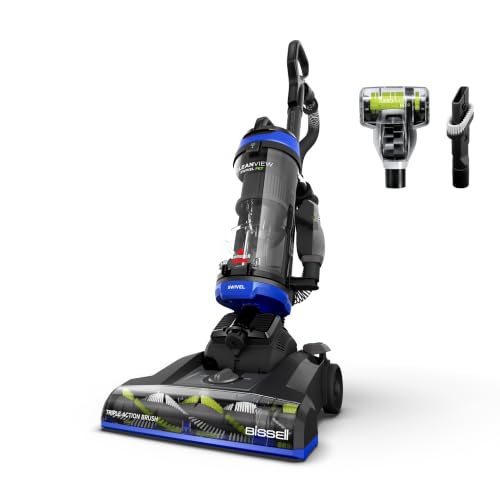
ASIN: B0CWB3TF7X. A simpler corded upright to compare for carpet, hard floors, and scattered dry debris.
Why cat hair needs more than strong floor suction
Cat fur varies in length and texture. A short-haired cat can still shed a fine layer that settles along baseboards and upholstery seams, while a long-haired cat may leave visible strands that wrap around a brush roll. Seasonal shedding, coat type, indoor temperature, grooming habits, and the cat’s preferred resting places all affect what accumulates. The vacuum should be matched to the surfaces and amount of hair in your home, not just to the breed label or the number of pets.
Fur also moves from surface to surface. It can collect in a woven sofa, cling to a fleece blanket, pack into a rug, or drift under a bed. A floor-only machine may keep open areas tidy but leave the couch, stairs, cat tree, and window perch covered. Look for tools that are easy to attach and store. A small motorized brush is often useful for upholstery, but a crevice tool and soft dusting brush can be better for delicate fabric, shelves, and hard-to-reach corners.
Hair can accumulate in the vacuum itself. Long strands may wind around the roller, while dense undercoat can load a filter or dust cup. A tangle-reducing brush roll can reduce interruptions, but no design is truly maintenance-free. Check how easily you can open the brush access, remove hair, empty the bin, and wash or replace filters. The easier those steps are, the more likely you are to keep the machine working well.
Cat litter scatter: hard floors and nearby rugs
Litter tracking creates a different pickup problem from hair. Larger dry granules are heavy enough to scatter when a fast brush roll pushes them across hard flooring. A hard-floor mode, brush shutoff, or straight-suction setting can help collect granules more directly. If the vacuum has no brush control, slow passes and a nozzle that sits close to the floor may reduce scattering, though the model’s instructions should guide the setup.
Before vacuuming, pick up larger clumps or unusually large pieces by hand and keep the litter area dry. Do not vacuum wet litter, urine, or material that the machine’s manual excludes. Fine litter dust can load filters and may become airborne during cleanup, so avoid aggressive sweeping that raises a cloud. Use the vacuum in the mode recommended for your floor and filter. If the cat litter manufacturer advises against vacuuming a specific product, follow that direction.
A mat outside the litter tray can catch some granules before they travel through the room. A small handheld vacuum or a lightweight floor tool can make spot cleanup convenient, while a full-size upright is useful for the whole area. Consider whether the machine can fit around the litter box and whether its nozzle opening can handle the litter size. A narrow intake may clog more readily on larger pieces, so scoop the obvious debris first.
Cat litter can be abrasive. Empty the dust cup regularly and inspect the floor head for trapped granules. Follow the manufacturer’s instructions before rinsing the bin or filter; damp parts must dry fully before reassembly. If litter dust leaves an odor or sticky residue, use a damp cloth for the floor after vacuuming rather than trying to make the vacuum collect wet residue.
Upholstery, blankets, and cat furniture
Furniture is often the most visible fur problem in a cat home. Hair can weave into sofa fabric, collect along piping, and stick to throws after a cat naps. A hose with a small motorized pet tool helps loosen embedded strands from durable upholstery. For delicate fabrics, use a soft brush or low suction and check the furniture care tag first. Always test a small, hidden area before using a rotating tool, since some materials can snag or fuzz.
Removable pods and hand-vacuum modes can make above-floor cleanup faster because you are not balancing a full upright against a sofa. If the vacuum remains upright, check the hose length and whether it stays stretched without pulling the base over. A flexible hose should reach the top of a cat tree, but a wide motor head may not fit between posts or narrow shelves. A slim crevice tool can collect fur from seams and corners, though it should not be used to pull at loose threads.
For blankets and washable covers, laundering is often the most practical way to remove embedded fur. A vacuum can pick up loose hair between washes, but it may not remove every strand from a textured weave. Use a pet tool or gentle brush setting, and avoid vacuuming fabric that is not securely supported. If your cat sleeps on one preferred throw, a washable cover can reduce the area that needs repeated vacuuming.
Cat trees and scratching posts may shed a mix of fur, sisal fibers, and bits of dried food. Use the crevice tool or brush attachment to work from the top down and collect debris at the base. Check the manufacturer’s guidance for the upholstery or carpet covering. Avoid forceful passes over loose carpet edges, frayed sisal, or parts that can unwind. If the cat furniture is unstable, steady it before vacuuming so the tool does not tip it.
Filtration and allergens: know what a label means
Cat allergies are not caused by fur alone. Pet allergens can come from dander and other proteins, and those particles can settle in indoor dust. A vacuum with a high-efficiency filter may help keep some captured particles from escaping back into room air, but no vacuum eliminates allergens or guarantees symptom relief. The Environmental Protection Agency notes that a HEPA filter can help keep some vacuumed dust from escaping and recommends regular vacuuming of carpets and furniture; it also advises people with asthma or allergies to leave the area while vacuuming when possible.
Check whether “HEPA” refers to a replaceable filter, a bag, or a sealed system for the whole machine. Air can bypass a filter if seals, doors, or the dust container do not fit correctly. A manufacturer’s stated test method and particle size matter. Do not treat a filter claim as medical advice or a guarantee that the vacuum will prevent allergy symptoms. If allergy or asthma is a concern, follow guidance from a healthcare professional and consider other steps such as laundering bedding, damp dusting, and keeping the cat out of sleeping areas if appropriate for your household.
Bagged vacuums can be convenient for disposal because the collected debris is enclosed in a replaceable bag. A sealed bag closure can reduce contact during removal, but you still need to install the bag and filters correctly. Bagless machines avoid bag purchases, but emptying a dusty cup may expose you to debris. If you choose bagless, empty it outdoors when practical and keep your face away from the opening. Follow the manufacturer’s cleaning instructions to avoid releasing dust into the room.
Odor cartridges and scented bags are separate from filtration. They may alter odor perception but do not remove the underlying source of litter or waste. Keep the litter box clean and dispose of collected waste promptly. If the vacuum itself develops an odor, inspect the brush roll, bin, filters, and any trapped debris rather than masking the smell.
Choose a brush roll that suits cat fur and floors
A rotating brush roll can lift fur from carpet pile, but hair wraps around the roller as part of normal use. Tangle-resistant or self-cleaning brush technology may reduce how often you cut hair off by hand. Read the claim carefully: products may be tested on a particular hair length or cleaning duration, and real-world results depend on coat type, floor covering, and maintenance. Check whether the roll is removable without special tools.
For hard floors, brush roll control matters because loose litter and kibble can be propelled forward. A brush shutoff lets the vacuum collect debris with suction alone. Scatter-reducing floor features can also be useful, but confirm that they apply to the exact model. If your machine has only one brush setting, use slower passes over scattered particles and follow the user guide. The right vacuum should transition between rooms without requiring guesswork.
Carpet height adjustment affects how easily the vacuum moves and how well the brush engages fibers. Low pile may need a lower head setting; plush rugs can require a higher setting or reduced suction. If the vacuum is difficult to push, adjust the height as the manual directs rather than forcing the head across the floor. On delicate rugs, turn off the brush roll when allowed and test discreetly. Fringe can wrap around an active roller.
Cat hair is light, but litter is heavier and may be gritty. A narrow brush head can help maneuver around furniture, while a wider cleaning path covers rooms faster. A large bin is convenient for multiple-cat homes, but adds size and weight. Compare cleaning width, capacity, turning radius, cord reach, and storage as one group of tradeoffs.
Bagged or bagless for a cat household?
A bagged model can make sense if you want to dispose of fur, dander-containing dust, and litter in a closed container. Look up the correct bag code and price before buying, and check that replacement bags are available. Bag cost depends on how often the machine is used and how much debris each bag holds. Fine litter dust can fill a bag more quickly than loose fur, so the indicator may matter more than the calendar.
A bagless model removes the recurring bag purchase and lets you see when the cup is full. The tradeoff is that you must empty the container and clean filters as instructed. Fur may cling inside a bin, and static can leave fine strands behind. A washable filter can reduce ongoing expense but needs proper drying time before reuse. If the machine is your only vacuum, having a spare filter can prevent downtime.
Consider who empties the vacuum and where. A sealed bag can be easier for someone who dislikes handling dust. A bagless unit can be more convenient for a household that wants to avoid consumable bags and is comfortable cleaning the bin. In either case, do not overfill the container, operate without the correct filters, or ignore a clog. Reduced airflow can make hair pickup worse and place stress on the motor.
Pick the right format for your home layout
A full-size upright is efficient for open carpet and larger rooms. It may include an upholstery hose and dedicated pet tool, but it takes more storage space. A detachable-pod upright combines a floor head with a portable section that can be carried to stairs and furniture. A canister can be easier to guide around furniture and may have interchangeable floor tools, though the body follows behind you and requires separate storage.
A cordless stick is convenient for quick fur and litter cleanup, especially in a small home, but consider battery runtime and bin capacity. A handheld can collect localized debris around the litter tray or on a cat tree, but it may not be comfortable for whole-room floor cleaning. Many homes benefit from a primary vacuum plus a small spot-cleaning tool, provided the extra device does not create more maintenance than it saves.
Measure closet space and note where the litter box, cat beds, and favorite perches are located. A vacuum stored near the main fur zones is more likely to be used promptly. Check whether the hose, tools, cord, and charging stand have a place. For apartment stairs or narrow hallways, compare the machine’s carrying weight and width, not just the floor-head size.
Maintenance for fur, litter, and odor
After each substantial cleanup, check the brush roll for wrapped hair, thread, and sisal fibers. Turn off and unplug the machine or remove the battery before reaching into the head. Use the manufacturer’s brush-cleaning method and avoid nicking the bristles or cutting into a belt. If the roll is removable, clean both ends, where hair often gathers around the bearings. A self-cleaning feature reduces some wrapping but does not remove every strand from the machine.
Empty the bin before it reaches the fill line and inspect the inlet for a compacted fur plug. Fine litter dust may load filters more quickly than ordinary household dust. Clean or replace filters at the intervals and by the methods in the manual. Do not wash a non-washable filter, and let washable parts dry fully before reinstallation. Keep the dust cup or bag compartment clear so the seal closes correctly.
Odor control starts with removing trapped debris. Hair, food crumbs, litter dust, and damp material can accumulate in the brush, filter, and hose. Do not vacuum damp litter, urine, or wet food with a standard dry vacuum unless its manual specifically allows the material. If a vacuum smells after use, switch it off, inspect the bin and filters, and clean only the parts that the manual permits. Avoid spraying fragrance or cleaning fluid into the motor or filter compartment.
Keep the litter box area itself as clean as possible. A mat, a covered litter area where suitable for the cat, and regular scooping can reduce tracking. Vacuum after the litter is dry and larger pieces have been picked up. Where allergy control matters, damp-wipe hard surfaces after collecting dust and launder washable pet bedding regularly. Vacuuming is one part of a cleaning routine, not the complete routine.
How to compare the example models
Shark Rotator Pet ZU102: Shark describes this corded upright as having PowerFins HairPro for pet hair, an odor-neutralizer cartridge, a large dust cup, an extendable hose, and Anti-Allergen Complete Seal with a HEPA filter. It may suit a cat household that wants an upright for floors plus hose-based furniture cleanup. Compare the replacement cartridge and filter costs, and verify whether the included tools match your needs.
BISSELL Pet Hair Eraser Turbo Lift-Off 3774F: BISSELL lists a detachable pod, FurGuard self-cleaning brush roll, sealed HEPA allergen system, and TurboBrush Pivot Pet Tool. That combination is relevant when the same vacuum needs to reach stairs, furniture, and floor coverings. Check the exact 3774F package and maintenance instructions; BISSELL says to empty the tank, clean filters regularly, and remove hair from the brush roll.
Kenmore Intuition BU4050: The Creator API listing identifies a bagged upright with a Hair Eliminator brush roll, lift-up cleaner, and pet tool. It is a comparison option for someone who prefers bag disposal and above-floor portability. Confirm the bag code, filtration claims, the actual included tools, and whether the listing is new or a particular bundle.
BISSELL CleanView Swivel Pet 3836: BISSELL describes its Triple Action brush roll for fur and embedded dirt and Scatter-Free Technology for hard floors. The swivel head can be helpful around furniture. It is a simpler bagless example; it does not make a sealed HEPA filtration claim on the product page. If fine-particle containment is a priority, compare the full filtration system rather than assuming every pet-branded model is equivalent.
Common buying mistakes in cat homes
Choosing only for carpet. Cat messes collect on sofas, stairs, cat trees, and around the litter box. Check hose reach and tools, not just the floor head.
Assuming a “pet” label means it handles litter scatter. Look for brush-roll shutoff or a clear hard-floor mode, and confirm that the model is intended for dry debris pickup of the size you expect.
Expecting a HEPA label to solve allergies. Check the full system and disposal process. A vacuum can help capture particles but does not eliminate allergens or replace health guidance.
Ignoring the dust cup or bag. A small container may fill quickly in a multi-cat home. Compare volume, fill indicators, sealing, replacement bags, and how easy it is to empty.
Believing tangle-free means no maintenance. Brush rolls, filters, bins, and hoses still need inspection. Long hair and fibers can collect at the ends or inside the head.
Using a floor brush on every fabric. Delicate upholstery, loose weaves, fringe, and scratching-post coverings may need a softer tool or different cleaning method. Test first and follow care instructions.
Vacuuming damp or excluded material. Wet litter, urine, and other liquids can damage a dry vacuum and create hygiene issues. Follow the manual and pick up unsuitable material by another method.
Frequently asked questions
What vacuum feature matters most for cat hair?
It depends on where the hair collects. For carpet, a powered brush roll and useful height settings matter. For upholstery and stairs, a motorized pet tool or detachable pod can save effort. For hard floors near a litter box, brush-roll control and a nozzle that does not push granules around are helpful.
Does a HEPA vacuum remove cat allergies?
No vacuum can promise to remove allergies. A HEPA filter or sealed system may help retain some captured particles, but allergens can remain on surfaces and in the air. The EPA advises regular vacuuming and suggests people with asthma or allergies leave the area while vacuuming when possible. Consult a healthcare professional for individual allergy or asthma guidance.
Can I vacuum cat litter?
Many standard dry vacuums can pick up small amounts of dry litter if the manufacturer allows it, but larger pieces should be picked up first and dusty litter can load filters. Do not vacuum wet litter, urine, or material excluded by the manual. Use the appropriate floor mode and maintain the filter afterward.
Is a bagged vacuum better for cat hair?
Bagged vacuums can provide a contained disposal step and may be convenient for fur and dust. Bagless models avoid replacement bags but require dust-cup emptying and filter care. Choose based on disposal comfort, ongoing supply costs, and the model’s filtration design.
How do I get cat hair off a sofa?
Use an upholstery tool appropriate for the fabric. A small motorized pet tool can help on sturdy upholstery, while a soft brush or manual lint tool may be safer for delicate textiles. Check the fabric care instructions and test a hidden area first. Wash removable covers and throws as their labels allow.
How often should I clean the vacuum brush roll?
Inspect it regularly, especially after collecting long fur or fibers. Remove wrapped hair when you see it, using the method in the manual. A tangle-resistant or self-cleaning roller may reduce maintenance but does not eliminate the need to check the brush and its ends.
Final recommendation
The best vacuum for cat hair is the one that collects fur from your floors and furniture, manages litter scatter without spreading it, and is simple enough to maintain often. Prioritize a useful upholstery tool, a brush roll suited to your flooring, a realistic dust-container size, and filtration you understand. If you want to compare broader options, see our guides to vacuums for pet homes, dog-hair pickup, and pet hair on carpet. For indoor particle guidance, see the EPA’s overview of indoor particulate matter.
Certain content that appears on this site comes from Amazon. This content is provided “as is” and may change or be removed at any time. Product examples and images are supplied through Amazon Creators API; check current Amazon listings for the latest prices, availability, product details, and specifications.