Affiliate disclosure: DailyHomeDecorating.com may earn a commission from qualifying purchases made through links in this article. This does not change the price you pay. Product examples are selected to illustrate different rug styles and construction types; always confirm the current size, color, material, care instructions, and availability on the listing before ordering.
How to choose the best rugs for a living room
The best rugs for a living room do more than fill an empty patch of floor. A well-sized rug joins the sofa, chairs, and coffee table into one seating area, adds softness underfoot, and gives the room a useful layer of color and pattern. The right choice depends on the way you live: a household with pets and muddy shoes needs a different pile and cleaning routine from a quiet formal sitting room. Start with the furniture footprint and daily traffic, then narrow the search by construction, color, texture, and care.
A beautiful rug can still look wrong when it is too small, difficult to clean, or too delicate for the room. Treat size and function as design decisions, not afterthoughts. Measure the seating group before shopping, test a few colors against the floor and upholstery, and decide how much maintenance you will accept. This guide explains practical layouts, common dimensions, fibers, patterns, rug pads, cleaning, and four example products whose current Amazon listing data was checked through the Amazon Creators API.
There is no single winner for every home. A low-pile patterned rug may be the easiest match for a busy family room, while a plush neutral rug may make a quiet reading corner feel warmer. In an open-plan space, the rug can mark where the living area ends without putting up a wall. Think of it as a foundation that should support your furniture and habits first, then express your preferred style.
Amazon rug examples to compare
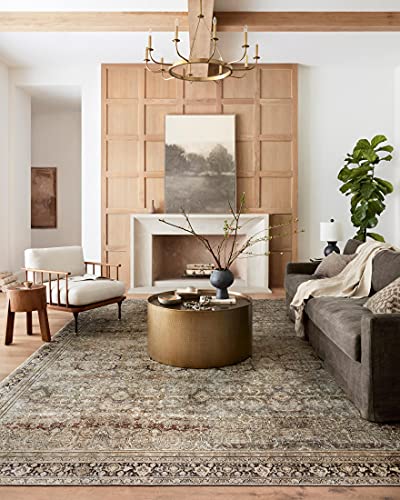
ASIN: B07K1K72Z5

ASIN: B082PJZ6R2

ASIN: B0BDGKFKP5

ASIN: B08KT9HJV1
Certain content that appears on this site comes from Amazon. This content is provided “as is” and is subject to change or removal at any time. Product examples and images are supplied through Amazon Creators API; confirm specifications and availability on the current listing.
The layout rule that makes a living room rug feel intentional
Begin with the seating arrangement rather than the bare room dimensions. A rug should visually connect the main pieces. The most flexible layout places the front legs of the sofa and accent chairs on the rug while the rear legs remain on the floor. This makes the seating group feel anchored and leaves a clear border of flooring around it. If the rug stops short of every seat, the furniture can look scattered, as though each piece belongs to a separate zone.
For a larger room where the furniture floats away from the walls, an all-legs-on layout can create a generous, finished island. The rug needs to extend far enough beyond the furniture that legs are not perched on the edge. This style uses more rug and can visually compress a small room, so measure carefully. In a compact apartment, a smaller floating rug centered under a coffee table can work when it deliberately defines a small conversation zone and the furniture sits close around it.
Use painter’s tape to mark the proposed rug outline before buying. Sit on the sofa and look at the taped shape from the doorway, then check whether chair legs, a media console, or a door swing conflict with it. Walk around the perimeter. A tape outline reveals whether a 5-by-8-foot rug will feel balanced or whether the room needs a larger 8-by-10. It also helps expose the common mistake of choosing a rug based only on the coffee table.
Leave a visible strip of floor around the rug where the layout allows. The border gives the eye a frame and helps show the room’s flooring. The right border depends on the space: a small room may have only a narrow exposed band, while a larger room can show more. Do not force symmetry when a fireplace, bay window, or open doorway makes the room asymmetric. Align the rug with the main sofa or seating group, because that is the visual anchor people notice first.
Common sizes and how to choose between them
A 5-by-8-foot rug is often a starting point for a small apartment living room or a compact seating arrangement. It can sit beneath the coffee table and extend toward the sofa, but check the chair placement before deciding. If both sofa and chairs sit outside it, the rug may read as a small accent rather than the foundation of the conversation area. A 6-by-9-foot size gives a little more reach and can suit a narrow room where a 8-by-10 would crowd walkways.
An 8-by-10-foot rug is a common fit for a medium living room, particularly when the sofa and chairs have their front legs on the rug. The actual rug dimensions vary by maker and style, so verify the listing’s exact measurement rather than assuming every “8 by 10” is identical. A 9-by-12-foot option can be useful in a spacious room or open-plan layout where the full seating group should sit on the rug. It needs adequate clearance from doors, cabinets, and adjacent dining furniture.
Round rugs can soften rooms dominated by rectangular furniture and help define a small reading nook or a circular seating group. They are less straightforward under a long sofa: the curved edge may leave some front legs off the rug. A runner can work beside a sectional or along a passage through a long living room, but avoid using a narrow runner as the only rug beneath a wide seating arrangement. Match the shape to the furniture geometry and traffic path.
When two sizes seem possible, compare the taped outlines with the furniture legs and walking space. Choose the size that lets the sofa and chairs relate to each other while preserving comfortable routes through the room. A rug that is slightly larger often feels more cohesive, but oversizing can place its edge beneath a door or create a tripping point. Measurements, not a generic room-size chart, should make the final call. Manufacturer sizing guides also differ, so use the exact rug dimensions and the room plan together.
Materials: choose for feel, traffic, and care
Wool is valued for its resilient feel and natural texture, but it is not a maintenance-free choice. Pile height, weave, dye, and finishing all affect how a particular wool rug responds to spills and vacuuming. Read the care label and follow the manufacturer’s instructions. A wool rug may suit a living room where you want a substantial, tactile surface, but households with frequent spills should be realistic about prompt blotting and periodic professional care.
Polypropylene and other synthetic fibers appear in many affordable, patterned, or low-pile rugs. They can be practical in active rooms because the surface is often easier to vacuum than a deep shag. Do not treat “easy care” as a guarantee that every stain will release or that a rug can be machine washed. Check the specific care instructions, backing, and construction. Some products recommend spot cleaning only, while others have a removable or washable component.
Cotton rugs can feel soft and casual, and some smaller cotton rugs are designed to be laundered. Larger living-room sizes may be cumbersome for a home washing machine, and frequent washing can stress the backing or seams if the manufacturer does not approve it. Confirm whether the whole rug or only a cover is washable. The listing should explain how to dry it and whether a separate pad is required.
Natural plant fibers such as jute or sisal create a relaxed, organic texture that pairs well with wood and linen. They can be less forgiving around wet spills, and their coarser feel may not suit everyone who walks barefoot. Use them in a room where you value texture and can respond quickly to moisture. A flat woven natural-fiber rug can also serve as a base layer beneath a smaller patterned accent rug, provided the combined edges remain flat and stable.
Pile height affects comfort, cleaning, and door clearance. A low pile tends to be easier to vacuum and allows chair or table legs to sit more steadily. A medium pile adds softness without the deep cushion of a shag. A plush pile can make a sitting area inviting but may trap crumbs and make a robot vacuum or wheeled furniture work harder. Check the combined rug-and-pad height against doors and nearby transitions.
Color and pattern: coordinate without making the room feel busy
Start by identifying the room’s largest fixed colors: flooring, sofa, wall paint, and curtains. A rug can repeat one of those tones and introduce a second accent. If the sofa is solid and the room feels flat, a patterned rug can supply contrast. If the upholstery already has a strong pattern, a quieter rug with texture or a restrained geometric motif may create balance. The goal is not to match every item exactly; a little variation keeps the room from appearing like a packaged set.
Light rugs can make a seating area feel airy and can reflect the colors already present in a room. They also show soil and spills sooner, especially in an entry-connected family room. Darker rugs can ground pale furniture and hide some everyday dust, but may show lint, pet hair, or powdery debris. A medium-value pattern often disguises small changes in surface appearance better than a flat, very light or very dark field. Consider your cleaning routine as part of the color decision.
Pattern scale matters. Large motifs can read clearly across a spacious room but may compete with a small sofa or busy artwork. Tiny, intricate patterns can add depth, although they may look visually noisy from across a compact room. Before ordering, compare the listing image with the dimensions: a motif that appears subtle in a close-up may repeat dramatically across an 8-by-10-foot surface. If possible, order a sample or look at an in-person swatch under the room’s lighting.
A vintage-inspired medallion or distressed pattern can bring character to a neutral room, while stripes and simple geometry can reinforce a modern look. Abstract designs tend to work when you want movement without a traditional focal motif. Choose one pattern that supports the room’s existing shapes rather than stacking several competing designs. A calm rug can be the visual pause between patterned pillows, art, and window treatments; a bolder rug can become the room’s feature when the surrounding pieces are simpler.
Four example rugs and the room situations they illustrate
The examples below are not a ranked laboratory test. They show four different approaches to a living-room rug: a printed, vintage-inspired low profile; a neutral power-loomed pattern; a washable medallion design; and a plush shag. Exact dimensions, colors, seller details, care directions, and availability can change. Check the live product page and choose the size and color variation that actually matches your measurements.
Loloi Layla Olive and Charcoal: layered color in a traditional pattern
The Amazon Creators API listing identifies the Loloi Layla in olive and charcoal as a printed area rug whose nominal 7-foot-6-inch by 9-foot-6-inch dimensions are described as approximately 8 by 10. Its patterned surface can suit a room that needs more depth than a solid neutral. The olive and charcoal palette may pair with warm wood, cream upholstery, or accents that repeat one of those colors. Because an approximate size can differ from a standard exact 8-by-10, confirm the dimensions before laying out furniture.
This kind of low-profile printed rug can be a practical direction for a high-use sitting area if the listed care matches your needs. Review the current listing for fiber content, backing, and cleaning instructions instead of assuming that every rug in a collection has identical construction. A busy pattern can soften the visibility of minor everyday marks, but it does not replace routine vacuuming. Pair it with a quality pad if the underside and floor type call for one.
SAFAVIEH Evoke: a quiet ivory-and-taupe foundation
The SAFAVIEH Evoke listing in the Creator data describes an 8-by-10 ivory and taupe vintage-medallion rug made with power-loomed polypropylene and a low pile. A muted palette can be useful when the room already has color in the upholstery or artwork. Its modest pile is also a sensible format to consider under a coffee table and the front feet of a sofa, where you want a defined textile layer without a thick, plush surface. Verify that the selected color and size match the exact variant.
Ivory backgrounds are attractive but deserve a candid traffic check. A room where shoes, pets, or snacks are common may need a darker or more varied pattern. If you like the lighter look, use a designated entry mat, remove shoes, and keep a safe spill routine nearby. Always blot rather than scrub a fresh spill, and check the manufacturer’s cleaning instructions before applying a cleaner. Test any approved cleaning product in a hidden area first.
nuLOOM Davi Stone Medallion: patterned and washable-style choice
The API listing identifies the nuLOOM Davi Stone Medallion as an 8-by-10 washable area rug. Its stone-toned medallion design is a middle ground between a plain neutral and a high-contrast statement. The word “washable” is not enough by itself to determine maintenance: check whether the full rug, a removable cover, or only a specific size is washable, and whether your washer can handle the dimensions. Follow the care label and drying guidance so the backing and edges are not damaged.
A washable construction may be appealing for a home with children or pets, but practical upkeep still begins with prevention. Choose a placement where the rug will not bunch or block a door, use an appropriate pad if recommended, and vacuum on settings suitable for the pile. If a spill occurs, remove solids gently and blot liquid from the outer edge inward. Confirm the washing process before purchase rather than relying on a broad product title.
SAFAVIEH Hudson Shag: comfort with a higher-care trade-off
The SAFAVIEH Hudson listing describes an ivory-and-beige 8-by-10 shag rug with a substantially taller pile than the other examples. A plush surface can make a low-traffic conversation area feel softer and more relaxed. It can also hide the floor and create a cozy contrast against a smooth leather sofa or wood furniture. In exchange, deeper fibers may demand more attention: crumbs and pet hair can be harder to remove, and some robot vacuums may struggle at the edge or across the pile.
Consider a shag when comfort is your priority and the room’s routine can support it. Check the listing for exact pile height, recommended vacuum settings, shedding notes, and care instructions. Do not use a rotating brush or aggressive suction unless the manufacturer allows it. A stable rug pad can help with movement, but choose one compatible with the floor finish and rug backing. If easy chair movement or quick cleanup matters more, compare a low-pile alternative before committing.
Rug pads, floors, and safety details
A rug pad can add grip, reduce bunching, and create a small cushion between rug and floor. Select the pad for both the rug and the floor finish. Some rubber or adhesive-backed products may not be suitable for every surface, especially delicate finishes. Follow floor and pad manufacturer guidance, and check whether the rug’s own backing already includes a non-slip layer. Trim the pad so it remains hidden just inside the rug’s edge.
A loose rug edge is a trip risk, particularly on a walking route or beside a doorway. Flatten curled corners according to the manufacturer’s instructions and avoid placing a small rug where a door catches it. If a rug is on polished hardwood or tile, test the pad’s grip and check periodically for movement. Keep cords and furniture legs from lifting the rug edge. In a home with older adults or toddlers, a securely anchored low-profile rug may be safer than a thick, loose shag.
Furniture can leave impressions in a pile. Rotate the rug periodically if the layout and pattern allow it, and use furniture cups or protectors where recommended. When moving heavy pieces, lift rather than dragging them across the textile. Keep rugs away from direct, strong sunlight when fading is a concern, or use window treatments to reduce exposure. These simple choices help the rug age more evenly and keep the room’s layout comfortable.
Cleaning and maintenance that protect the rug
Vacuum regularly using a setting appropriate for the rug’s pile and construction. The Carpet and Rug Institute recommends following a consistent maintenance routine and checking the rug maker’s instructions; delicate or imported rugs may need professional care. For a reversible rug, vacuum both sides when appropriate and clean beneath it periodically. A low-pile synthetic rug and a hand-knotted wool rug should not automatically receive the same brush, suction, or cleaning solution.
For a fresh spill, remove loose solids carefully and blot liquid with a clean absorbent cloth. Work from the outer edge toward the center to avoid spreading the mark. Do not rub hard, since friction can distort fibers or push the stain deeper. Use only a cleaner approved for that fiber and dye; pretest it in an inconspicuous spot. Valuable, antique, hand-dyed, or delicate rugs are better handled by a qualified rug-cleaning professional than by experimenting with a strong household product.
Place a washable mat near an exterior entrance and encourage shoes-off habits if that suits the household. These steps reduce the grit that reaches the living room and make vacuuming more effective. Pet owners can keep a lint tool and absorbent cloth nearby, while families with small children may prefer a rug with a forgiving pattern and a clear written care plan. If the rug needs deep cleaning, use the method on its label and let it dry fully before replacing furniture or a pad.
The Carpet and Rug Institute notes that the right cleaning method depends on the carpet or rug and its manufacturer’s recommendations. Its guidance is a useful reminder to avoid universal hacks: a solution safe for one synthetic rug may discolor another. Never assume that “natural” cleaners are automatically safe for dyes or backing. Record the maker’s care directions when you buy the rug so they are available later if a spill or maintenance question comes up.
How to style a rug with a sofa, coffee table, and accents
Repeat one rug color elsewhere in the room to make the palette feel deliberate. A charcoal accent can appear again in a lamp base, picture frame, or pillow piping. A warm ivory field can echo curtains or a throw, while olive can appear in a cushion or a leafy plant. Repetition is more flexible than exact matching: use related shades and different textures so the room feels layered rather than coordinated from one set.
A coffee table should sit comfortably on the rug and leave room to walk around it. If the table’s legs sit near the rug edge, the composition may feel cramped. A larger rug can let the table float within the seating group and still leave an exposed border of floor. For a small room, a glass or visually light table can keep the rug visible, while a substantial wood table can complement a natural-fiber or vintage-inspired design.
Layering rugs can add depth when the lower rug is large, flat, and securely placed. A smaller patterned piece can define a reading nook or introduce a contrasting accent. Avoid layering where the combined edges create a raised lip or where the top rug slides. Check that both rugs and their pads are compatible with the flooring. In most living rooms, one properly sized rug provides a calmer base than several small mats scattered around the furniture.
Plants, lighting, and textiles can help connect a rug to the wider room. If you are adding greenery, our guide to best planters for tomatoes explains practical container choices, while the Home & DIY guides collect more ideas for useful home updates. For general site inspiration, return to Daily Home Decorating. These links are optional starting points; select objects that fit your room, not a checklist of accessories.
A simple decision process before ordering
First, tape the seating area and decide how the front or all legs will sit. Second, choose the nearest standard size that fits the outline and leaves the walking paths open. Third, choose a material and pile based on traffic, pets, spills, and vacuuming habits. Fourth, choose the color and pattern by comparing them with the room’s largest surfaces. Fifth, review the listing’s exact dimensions, material, backing, care instructions, return conditions, and delivery details. This sequence helps prevent an attractive product photo from distracting you from an unsuitable fit.
Before checkout, confirm the color name and size variant in the selected option, not only in the main product title. Product pages can group several sizes and colors under one listing, and a thumbnail may depict a different variant. Read recent listing details cautiously because seller information and availability may change. Save a screenshot or note of the care instructions and measurements. If the rug is expensive or the color is difficult to judge on a screen, obtain a sample or compare it in person when possible.
When a room has an unusual shape, measure the seating footprint in multiple directions and draw a simple floor plan. Include door swings, fireplace hearths, built-in shelves, and the route between the entry and the sofa. A rectangular rug is not always the best answer: a round or irregular shape may fit a nook, while a runner may work along an elongated zone. The best rugs for living rooms are the ones that look intentional in the actual layout and remain easy to live with after the first week.
Frequently asked questions
Should a living room rug go under the sofa?
In most seating arrangements, the front legs of the sofa should sit on the rug. This connects the sofa visually with the coffee table and nearby chairs. In a large room with floating furniture, all legs may fit on a larger rug. A small accent rug can sit only beneath a coffee table when that is a deliberate small-space layout, but measure the whole group so the seating does not feel disconnected.
Is an 8-by-10 rug large enough for a living room?
It can work well in many medium rooms when it reaches under the front legs of the sofa and chairs. In a larger room or a layout with widely spaced furniture, a 9-by-12 may create better continuity. Room size alone cannot answer the question: furniture width, walkways, doors, and the chosen layout matter. Tape the dimensions on the floor and confirm each product’s exact measurements before ordering.
What rug material is easiest to maintain?
There is no universal easiest material because construction, pile, dye, and backing matter. Many low-pile synthetic rugs are relatively simple to vacuum, while washable designs can help if the exact size is compatible with your washing setup and the manufacturer approves laundering. Natural fibers may need more cautious spill response. Always follow the specific care label and test approved cleaners in a hidden spot.
Do I need a rug pad?
A pad is useful when the rug shifts, needs a little cushioning, or requires protection from friction against the floor. Choose one recommended for both the rug backing and your floor surface. Verify that the pad does not stain or damage the finish, and trim it so it does not protrude. A rug with an integrated grip may still move on some floors, so check stability after installation.
How do I keep a light rug clean?
Reduce grit at the entrance, vacuum regularly on the correct setting, and blot spills promptly using the rug maker’s directions. A patterned ivory rug may disguise small marks better than a solid pale surface, but no color makes cleaning unnecessary. Use a mat at the door and a clear shoes policy if practical. For delicate or valuable rugs, use professional cleaning rather than aggressive spot treatments.
Final take
Choose the rug around the seating footprint, the traffic in the room, and the care routine you are willing to maintain. A front-legs-on layout is a flexible starting point; a larger rug may suit floating furniture, and a compact floating rug can deliberately define a smaller zone. Confirm size, pile, material, backing, care, and variant details before buying. Then use color and pattern to connect the sofa, floor, curtains, and accents. With those decisions in the right order, the best rugs for living room spaces feel like part of the design and work well in daily life.
Sources and further reading
- A&R Area and Patio Rug Sizing Guide
- The Carpet and Rug Institute: Cleaning and Maintenance
- Crate & Barrel: How to Choose a Rug
- Amazon Creators API product catalog data, accessed for product names and primary images; confirm current listing details.