Disclosure: As an Amazon Associate, dailyhomedecorating.com earns from qualifying purchases. Links on this page are affiliate links; they cost you nothing extra. Prices and availability change often, so check the current Amazon listing before you buy.
These vacuum food container reviews take the plural seriously: instead of crowning one winner, they assess the main approaches to vacuum food storage side by side — machine-linked containers, dedicated-pump glass systems, accessible plastic sets and meal-prep designs — so you can see which style of system suits which kind of household. Every system named is described in prose, judged on its seal, its valve, its pump and how honestly it handles the limits of vacuum storage.
Key Takeaways
- No single system wins for everyone; the pump and the sizes you need decide the shortlist.
- Glass systems feel premium and resist odours; plastic sets win on weight, quantity and travel.
- Every system shares the same safety limits: refrigeration rules apply in full.
- Spare gaskets and lids matter more than the size of the starter set.
Short verdict. The best-reviewed system in this round-up is the one whose pump you will use daily and whose containers match your portions. Read the individual assessments below with your own fridge in mind, not with a league table in mind.
In this guide
Vacuum Food Container Reviews: The Systems Compared as a Class
Glass and plastic bodies involve a genuine trade, not a hierarchy. Glass is heavier and can chip, but it resists staining from tomato sauces and turmeric, does not hold onto yesterday’s onion smell, and feels reassuringly rigid when you stack it. Plastic is lighter for lunch bags and kinder when dropped, and good food-grade plastic handles the freezer without complaint, but it can pick up colours and odours over time and it scratches as cutlery and scouring pads do their work. Many households end up with both: glass for the fridge at home, lighter plastic for food that travels.
Shape matters more than most listings admit. Rectangular and square containers tile a fridge shelf with far less wasted space than round ones, and they stack in neat layers that let you see a week of prepared food at a glance. Round containers, on the other hand, are easier to stir in, easier to clean in the corners and often seal beautifully because the pressure is even all the way around. If you mostly store soups, salads and marinated foods, round vessels earn their place. If you mostly store flat, portioned, stackable meals, rectangles will make your fridge feel twice as organised.
Capacity should be planned around portions, not around the biggest thing you might ever cook. A container that is far too large for its contents leaves a lot of air to remove and a lot of headspace where condensation can gather, while a container packed sensibly full evacuates quickly and keeps food in gentle contact with itself rather than sloshing around. Most households do best with a spread: small vessels for herbs, cheese ends and half an onion, medium vessels for single meals and leftovers, and one or two large vessels for a whole cooked dish or a big salad before dressing.
Think honestly about the pump before you think about the boxes. Some systems borrow suction from a countertop vacuum sealer you may already own, some use a small rechargeable electric pump, and some rely on a simple hand pump that asks for a little patience. The best pump is the one you will actually use on a tired weeknight. A powerful system that lives in a cupboard behind the slow cooker will lose to a modest hand pump that lives in the cutlery drawer, every single week, because storage habits are built on convenience far more than on maximum performance.
Compatibility is the hidden cost in this category. Lids, valves and pumps are rarely interchangeable between brands, so the first set you buy is effectively a decision about the ecosystem you will expand later. Before committing, check that replacement gaskets and extra lids for that system are easy to find, that individual containers are sold separately as well as in sets, and that the pump connection has not changed between generations of the product. A cheap orphaned set with no spare parts is more expensive in the end than a slightly dearer system you can maintain for years.
Food Safety, Stated Plainly: What Vacuum Storage Cannot Do
The food-safety position in this article is deliberately plain, because vacuum storage attracts exaggerated claims. Removing air slows spoilage; it does not stop it. Bacteria and moulds are slowed by cold far more reliably than by low oxygen, so everything perishable still belongs in the fridge or freezer, still needs to be used within the normal period for that food, and still needs your ordinary judgement about smell, texture and appearance before you eat it. If anything about stored food seems off, throw it away. No container, however expensive or well sealed, can make doubtful food safe again.
A vacuum container is not a preserving jar, and this point cannot be repeated too often. It is not canning, it does not sterilise food, and it does not make anything shelf-stable. Food sealed under vacuum must never be treated as safe to keep at room temperature unless that food was already safe to keep at room temperature in an ordinary container — dry goods, for example. Cooked food, dairy, meat, fish and prepared salads belong in the fridge, vacuum or no vacuum, and anyone who tells you a vacuum lid lets you store perishables in a cupboard is giving you dangerous advice.
Low-oxygen storage carries one specific risk that deserves honest mention rather than alarm. Some harmful bacteria are comfortable in environments with very little oxygen, and moist, low-acid foods are exactly the setting where care matters most. The protection is not to avoid vacuum containers; it is to respect the ordinary defences — prompt refrigeration, sensible storage times, clean containers, and reheating food properly. Vacuum storage should sit on top of good food hygiene, never in place of it. Households that follow normal fridge discipline can use these containers with confidence and without anxiety.
Two working rules protect almost everything else in this article. First, never vacuum-seal hot food: let cooked food cool, refrigerate it promptly within the usual safe window, and seal it once it is cool, because sealing in steam creates condensation, weakens the seal and keeps food warm in the danger zone longer than it should be there. Second, wash the seals and valves thoroughly after every use, because the valve is the hygiene weak point of the whole system — residue collects there, and a dirty valve both smells and seals badly. Clean equipment and cold storage do the real safety work; the vacuum simply helps.
The Main Systems, Assessed One by One
The first group covers the best-known approaches: a container built for an existing sealer ecosystem, a premium dedicated-pump system, a glass system with its own pump heritage, and a value-oriented multi-piece set. Read each assessment for the household it suits, not just the features it lists.
FoodSaver Vacuum Container
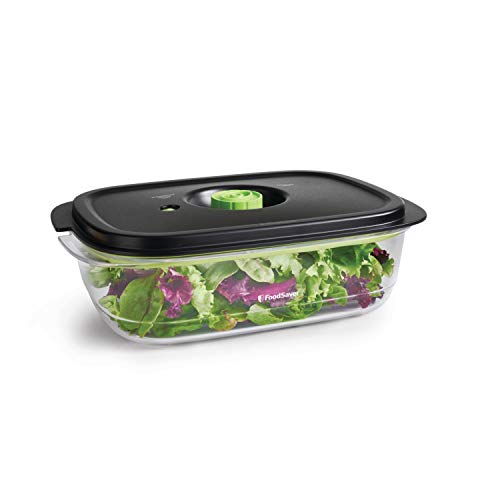
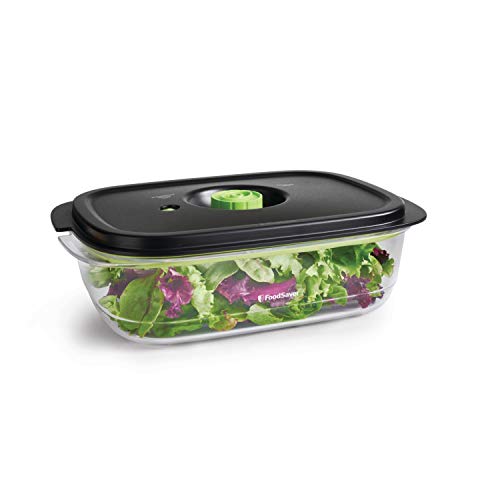
The FoodSaver Vacuum Container is a widely available system container designed to work with FoodSaver hose and handheld accessories, familiar to anyone who already owns a FoodSaver machine. Treat it here as a prose description only: it sits in the system tier its maker aims at, and its real value depends on whether its pump, lid sizes and spare parts fit the way your household already works. Judge it on the seal you can maintain, the valve you can clean properly, and the sizes you will reach for weekly, rather than on any headline promise printed on the box.
In daily use, a container like the FoodSaver earns its place through small repetitions: a rim wiped without thinking, a lid that tells you clearly whether the seal has held, a body that comes clean without soaking, and a shape that returns to the same shelf space every time. Those repetitions, not the first impressive demonstration, are what separate a system that is still in service after a year from one that migrates to the back of a cupboard. If you shortlist it, plan to start with the smallest sensible set and expand only after a month of real use.

Zwilling Fresh and Save Vacuum Container
The Zwilling Fresh and Save Vacuum Container is a premium glass and plastic system built around a compact rechargeable pump, with app-linked lids in some sets and a noticeably finished feel in the hand. Treat it here as a prose description only: it sits in the system tier its maker aims at, and its real value depends on whether its pump, lid sizes and spare parts fit the way your household already works. Judge it on the seal you can maintain, the valve you can clean properly, and the sizes you will reach for weekly, rather than on any headline promise printed on the box.
In daily use, a container like the Zwilling Fresh and Save earns its place through small repetitions: a rim wiped without thinking, a lid that tells you clearly whether the seal has held, a body that comes clean without soaking, and a shape that returns to the same shelf space every time. Those repetitions, not the first impressive demonstration, are what separate a system that is still in service after a year from one that migrates to the back of a cupboard. If you shortlist it, plan to start with the smallest sensible set and expand only after a month of real use.
VacSy Vacuum Container
The VacSy Vacuum Container is a glass-based system from the Zepter VacSy family, sold around a dedicated pump and round and rectangular vessels aimed at regular fridge and pantry use. Treat it here as a prose description only: it sits in the system tier its maker aims at, and its real value depends on whether its pump, lid sizes and spare parts fit the way your household already works. Judge it on the seal you can maintain, the valve you can clean properly, and the sizes you will reach for weekly, rather than on any headline promise printed on the box.
In daily use, a container like the VacSy earns its place through small repetitions: a rim wiped without thinking, a lid that tells you clearly whether the seal has held, a body that comes clean without soaking, and a shape that returns to the same shelf space every time. Those repetitions, not the first impressive demonstration, are what separate a system that is still in service after a year from one that migrates to the back of a cupboard. If you shortlist it, plan to start with the smallest sensible set and expand only after a month of real use.
Nutrichef Vacuum Container Set
The Nutrichef Vacuum Container Set is a multi-piece plastic set positioned as an accessible way to try vacuum storage across several sizes at once, with a handheld pump included in many bundles. Treat it here as a prose description only: it sits in the system tier its maker aims at, and its real value depends on whether its pump, lid sizes and spare parts fit the way your household already works. Judge it on the seal you can maintain, the valve you can clean properly, and the sizes you will reach for weekly, rather than on any headline promise printed on the box.
In daily use, a container like the Nutrichef earns its place through small repetitions: a rim wiped without thinking, a lid that tells you clearly whether the seal has held, a body that comes clean without soaking, and a shape that returns to the same shelf space every time. Those repetitions, not the first impressive demonstration, are what separate a system that is still in service after a year from one that migrates to the back of a cupboard. If you shortlist it, plan to start with the smallest sensible set and expand only after a month of real use.
More Systems Worth a Serious Look
The second group serves two distinct buyers: the meal-prepper who portions cooked food for the week, and the bulk-buying household that wants many matching vessels. Both are legitimate answers to different questions.
Prep Naturals Vacuum Container
The Prep Naturals Vacuum Container is a glass meal-prep oriented container with a vacuum valve in the lid, aimed at people packing lunches and portioning cooked food for the week. Treat it here as a prose description only: it sits in the system tier its maker aims at, and its real value depends on whether its pump, lid sizes and spare parts fit the way your household already works. Judge it on the seal you can maintain, the valve you can clean properly, and the sizes you will reach for weekly, rather than on any headline promise printed on the box.
In daily use, a container like the Prep Naturals earns its place through small repetitions: a rim wiped without thinking, a lid that tells you clearly whether the seal has held, a body that comes clean without soaking, and a shape that returns to the same shelf space every time. Those repetitions, not the first impressive demonstration, are what separate a system that is still in service after a year from one that migrates to the back of a cupboard. If you shortlist it, plan to start with the smallest sensible set and expand only after a month of real use.

Lasting Freshness Vacuum Container
The Lasting Freshness Vacuum Container is a plastic system sold in family-size sets with its own pump, aimed at bulk buyers who want many matching vessels rather than a few premium pieces. Treat it here as a prose description only: it sits in the system tier its maker aims at, and its real value depends on whether its pump, lid sizes and spare parts fit the way your household already works. Judge it on the seal you can maintain, the valve you can clean properly, and the sizes you will reach for weekly, rather than on any headline promise printed on the box.
In daily use, a container like the Lasting Freshness earns its place through small repetitions: a rim wiped without thinking, a lid that tells you clearly whether the seal has held, a body that comes clean without soaking, and a shape that returns to the same shelf space every time. Those repetitions, not the first impressive demonstration, are what separate a system that is still in service after a year from one that migrates to the back of a cupboard. If you shortlist it, plan to start with the smallest sensible set and expand only after a month of real use.
Performance Across Real Kitchens
Everyday Leftovers and Fridge Order
Cheese is a natural fit, with one caveat. Hard and semi-hard cheeses keep their flavour and resist drying out beautifully in a vacuum container, and you can open, slice and reseal the same block across many days without wrapping and rewrapping in film. Soft, high-moisture cheeses are less predictable: they can weep liquid under pressure and their texture can suffer. Whatever the cheese, bring it out, let any condensation be wiped away, and reseal with a clean, dry rim. If you see mould, do not simply trim more generously because the food was vacuum stored; use the same judgement you would use for any stored cheese.
Coffee, nuts, seeds and dry pantry goods are the quiet overachievers here. Oxygen is the enemy of aromatic oils, so keeping beans, ground coffee, walnuts or flaked almonds in an evacuated container in a cool cupboard protects flavour between uses far better than a loosely clipped bag. The container must be completely dry inside, because trapped moisture in a low-air environment helps nobody, and strong-smelling goods deserve their own dedicated vessel so the gasket does not carry garlic or spice notes into everything else you store. Pantry use also spares the pump the sticky work that fridge foods involve.
Delicate Foods and Strong Smells
Odour control is an underrated benefit in a shared fridge. Strong foods — blue cheese, cut onion, garlicky dips, spicy ferments — can perfume everything around them through an ordinary loose lid. A properly sealed vacuum lid holds those smells in far more effectively, which your butter, milk and leftover cake will silently thank you for. The effect runs both ways: delicate foods are protected from absorbing fridge odours. Just remember that the gasket itself can absorb strong smells over time, which is another reason the lid needs regular, thorough washing rather than a quick rinse under the tap.
Stacking and fridge geography sound trivial until you live with a system for a month. Lids that nest or stack flat, bases that sit securely on top of one another, and a footprint that matches your shelf depth turn storage from a jigsaw into a system. Measure your fridge shelves and your cupboard before you buy a big set, and count the lids as carefully as the bases, because lids are what actually fill a drawer. A set that stores compactly when empty will be kept; a set that explodes across a cupboard will gradually be abandoned, however well it seals.
Freezing, Marinating and Pantry Duty
A simple seal check becomes second nature. After evacuating, wait a minute and look at the lid: many designs have an indicator, a slightly domed or dimpled button, or simply a lid that resists a gentle lift. Recheck the next day for the first few uses of any new container, until you trust your technique. If a seal has failed, the usual suspects, in order, are food on the rim, a gasket seated unevenly, a valve with residue in it, and a container filled so full that the lid cannot sit flat. Work through that list calmly before blaming the product, because technique fixes most failures.
Children, older relatives and anyone with limited hand strength should be part of the buying decision if they will use the containers. Some lids need a firm two-handed press to close before vacuuming, some pumps need a steady grip, and some sealed lids are genuinely hard to open because the pressure difference is doing its job. Look for lids with a clear release valve or tab that lets air back in before opening, and try to picture the least strong person in the household opening a sealed container of soup without drama. Accessibility is a performance feature, not an afterthought.
Strengths and Trade-Offs Across the Class
Strengths:
- Consistently slower staling for cheese, herbs, leftovers and dry goods.
- Tidier, stackable fridges and far less odour transfer between foods.
- Reusable for years, replacing a steady stream of film and foil.
Trade-offs:
- Lids, gaskets and valves add real washing-up to every use.
- Each brand is its own ecosystem; parts rarely interchange.
- No system changes the safe storage time of perishable food.
Who Each Style Suits and Who Should Skip the Class
Microwaving deserves its own warning because it is the mistake everyone makes once. Never microwave a sealed vacuum container: steam needs somewhere to go, and a lid held down by pressure difference is exactly the wrong arrangement. Release the vacuum, remove or fully vent the lid according to the maker’s instructions, and check whether the body itself is rated for microwave use before it goes in. The same caution applies to reheating on a hob or in an oven unless the product is explicitly sold for that purpose. A container that is brilliant in the fridge is not automatically a cooking vessel.
Environmental reasoning cuts in a more honest direction than most marketing suggests. A durable container system you use for years replaces a great deal of single-use film and foil, and better storage means less food thrown away, which matters more than almost any packaging saving. But a large set bought on impulse and abandoned in a cupboard is pure waste, however virtuous its materials. Buy the smallest set that covers your real habits, expand it only when you find yourself short, and choose a system with spare parts available so that a worn gasket is a small replacement, not a reason to bin the whole set.
There is a learning curve, and it is mostly about restraint. New owners tend to vacuum everything to the maximum, fill containers to the brim and seal food that is still warm from cooking, then wonder why results are mixed. A week or two of calmer use — cooling food first, leaving a little headroom, wiping rims, using partial vacuum for delicate items — produces dramatically better results from exactly the same equipment. Keep notes for the first month if you like: which foods improved, which did not, which container sizes you reached for. That small record is worth more than any amount of advertising copy.
Think about what you will store most, in plain categories, before you look at any set. Households that cook big batches on weekends need large, freezer-friendly rectangles. Households that buy small amounts of good cheese, herbs and deli items need small vessels with excellent seals. Households feeding children need many medium containers that survive being dropped, opened by small hands and washed constantly. The right set is simply the one whose sizes match your list. Buying to a fantasy of elaborate preserving projects, when your real life is leftovers and lunches, is how good containers end up unused.
Setup, Care and Maintenance Essentials
Think honestly about the pump before you think about the boxes. Some systems borrow suction from a countertop vacuum sealer you may already own, some use a small rechargeable electric pump, and some rely on a simple hand pump that asks for a little patience. The best pump is the one you will actually use on a tired weeknight. A powerful system that lives in a cupboard behind the slow cooker will lose to a modest hand pump that lives in the cutlery drawer, every single week, because storage habits are built on convenience far more than on maximum performance.
Compatibility is the hidden cost in this category. Lids, valves and pumps are rarely interchangeable between brands, so the first set you buy is effectively a decision about the ecosystem you will expand later. Before committing, check that replacement gaskets and extra lids for that system are easy to find, that individual containers are sold separately as well as in sets, and that the pump connection has not changed between generations of the product. A cheap orphaned set with no spare parts is more expensive in the end than a slightly dearer system you can maintain for years.
Freezer use is where vacuum containers quietly shine, provided you leave room for expansion. Liquids and saucy foods expand as they freeze, so fill a little less generously than you would for the fridge, and let hot food cool completely before it goes anywhere near a seal. Freezing in a rigid container also protects food from being crushed under bags of peas and gives you flat, stackable blocks that thaw evenly. Label the lid or the side with the contents and the date you froze it, because vacuum-packed food all starts to look mysteriously similar after a few weeks in frosty glass or plastic.
Marinating is the use case that surprises people most pleasantly. Under vacuum, a marinade is held in close contact with the surface of meat, fish or vegetables, and the food takes on flavour in a way that feels noticeably more even than a loose bag left to slosh in the fridge door. Use a container large enough that the food is not compressed into a solid block, keep everything properly refrigerated for the whole marinating time, and observe exactly the same food-safety timing you would use in any other vessel. Vacuum changes contact, not temperature, and the fridge rules do not relax just because the lid is impressive.
Going Deeper: Living With the System Week After Week
Cheese is a natural fit, with one caveat. Hard and semi-hard cheeses keep their flavour and resist drying out beautifully in a vacuum container, and you can open, slice and reseal the same block across many days without wrapping and rewrapping in film. Soft, high-moisture cheeses are less predictable: they can weep liquid under pressure and their texture can suffer. Whatever the cheese, bring it out, let any condensation be wiped away, and reseal with a clean, dry rim. If you see mould, do not simply trim more generously because the food was vacuum stored; use the same judgement you would use for any stored cheese.
Coffee, nuts, seeds and dry pantry goods are the quiet overachievers here. Oxygen is the enemy of aromatic oils, so keeping beans, ground coffee, walnuts or flaked almonds in an evacuated container in a cool cupboard protects flavour between uses far better than a loosely clipped bag. The container must be completely dry inside, because trapped moisture in a low-air environment helps nobody, and strong-smelling goods deserve their own dedicated vessel so the gasket does not carry garlic or spice notes into everything else you store. Pantry use also spares the pump the sticky work that fridge foods involve.
Leftovers are the everyday test. A cooked stew, a tray of roasted vegetables or the remains of a roast chicken will tell you within days whether your system seals well, stacks sensibly and cleans without a fight. Portion leftovers into the containers you will actually reheat or serve from, cool them promptly and refrigerate them within the usual safe window, and eat them within the usual safe period for cooked food. The vacuum buys you better texture and slower staling on the surface; it does not buy you extra days of safety, and any leftover that smells off or looks wrong should be thrown away without negotiation.
Odour control is an underrated benefit in a shared fridge. Strong foods — blue cheese, cut onion, garlicky dips, spicy ferments — can perfume everything around them through an ordinary loose lid. A properly sealed vacuum lid holds those smells in far more effectively, which your butter, milk and leftover cake will silently thank you for. The effect runs both ways: delicate foods are protected from absorbing fridge odours. Just remember that the gasket itself can absorb strong smells over time, which is another reason the lid needs regular, thorough washing rather than a quick rinse under the tap.
Stacking and fridge geography sound trivial until you live with a system for a month. Lids that nest or stack flat, bases that sit securely on top of one another, and a footprint that matches your shelf depth turn storage from a jigsaw into a system. Measure your fridge shelves and your cupboard before you buy a big set, and count the lids as carefully as the bases, because lids are what actually fill a drawer. A set that stores compactly when empty will be kept; a set that explodes across a cupboard will gradually be abandoned, however well it seals.
Washing up decides long-term satisfaction more than any first impression. Bodies that go in the dishwasher are convenient, but lids with valves and gaskets often do better washed by hand, where you can lift the seal, clean its channel and check for nicks or warping. Heat can distort some plastic lids and age gaskets faster, so follow the maker’s care guidance for the lid even if the base is dishwasher-happy. Dry every part fully before reassembling and storing, because a lid closed on a damp gasket in a dark cupboard is an invitation to musty smells that then transfer to food.
A simple seal check becomes second nature. After evacuating, wait a minute and look at the lid: many designs have an indicator, a slightly domed or dimpled button, or simply a lid that resists a gentle lift. Recheck the next day for the first few uses of any new container, until you trust your technique. If a seal has failed, the usual suspects, in order, are food on the rim, a gasket seated unevenly, a valve with residue in it, and a container filled so full that the lid cannot sit flat. Work through that list calmly before blaming the product, because technique fixes most failures.
Children, older relatives and anyone with limited hand strength should be part of the buying decision if they will use the containers. Some lids need a firm two-handed press to close before vacuuming, some pumps need a steady grip, and some sealed lids are genuinely hard to open because the pressure difference is doing its job. Look for lids with a clear release valve or tab that lets air back in before opening, and try to picture the least strong person in the household opening a sealed container of soup without drama. Accessibility is a performance feature, not an afterthought.
Travel and lunch use reward lighter, smaller containers and punish fragile ones. A vacuum container in a work bag keeps a salad crisper and a grain bowl fresher-tasting than a loose box, and the seal resists the minor leaks that ruin a commute. Glass is usually the wrong choice for a bag that gets dropped on trains; good plastic earns its keep here. Keep the container upright where you can, remember that temperature rules for perishable lunches still apply in full — an insulated bag and a cold pack are still necessary — and open the valve before microwaving anything, always.
Microwaving deserves its own warning because it is the mistake everyone makes once. Never microwave a sealed vacuum container: steam needs somewhere to go, and a lid held down by pressure difference is exactly the wrong arrangement. Release the vacuum, remove or fully vent the lid according to the maker’s instructions, and check whether the body itself is rated for microwave use before it goes in. The same caution applies to reheating on a hob or in an oven unless the product is explicitly sold for that purpose. A container that is brilliant in the fridge is not automatically a cooking vessel.
Environmental reasoning cuts in a more honest direction than most marketing suggests. A durable container system you use for years replaces a great deal of single-use film and foil, and better storage means less food thrown away, which matters more than almost any packaging saving. But a large set bought on impulse and abandoned in a cupboard is pure waste, however virtuous its materials. Buy the smallest set that covers your real habits, expand it only when you find yourself short, and choose a system with spare parts available so that a worn gasket is a small replacement, not a reason to bin the whole set.
There is a learning curve, and it is mostly about restraint. New owners tend to vacuum everything to the maximum, fill containers to the brim and seal food that is still warm from cooking, then wonder why results are mixed. A week or two of calmer use — cooling food first, leaving a little headroom, wiping rims, using partial vacuum for delicate items — produces dramatically better results from exactly the same equipment. Keep notes for the first month if you like: which foods improved, which did not, which container sizes you reached for. That small record is worth more than any amount of advertising copy.
Think about what you will store most, in plain categories, before you look at any set. Households that cook big batches on weekends need large, freezer-friendly rectangles. Households that buy small amounts of good cheese, herbs and deli items need small vessels with excellent seals. Households feeding children need many medium containers that survive being dropped, opened by small hands and washed constantly. The right set is simply the one whose sizes match your list. Buying to a fantasy of elaborate preserving projects, when your real life is leftovers and lunches, is how good containers end up unused.
Start with what the vacuum actually does. A pump or a hose attachment draws air out through a small valve in the lid, and the flexible seal around the rim is pressed down by the difference in pressure. Less air inside means less oxygen available at the surface of the food, and that slows some of the processes that stale bread, wilt herbs and dull the flavour of cheese. It does not sterilise anything, it does not cook anything, and it does not turn a perishable food into a preserved one. Treating the container as a slower clock rather than a stopped clock is the single most useful mindset you can bring to this whole category.
The seal is where these containers live or die. Most lids use a soft silicone or rubber gasket that sits in a channel around the rim, and that gasket has to be clean, supple and correctly seated before the pump ever runs. A crumb of grated cheese, a smear of sauce or a single hair trapped under the gasket can create a channel that lets air creep back in over a day or two. Experienced users wipe the rim with a clean cloth as a reflex, the way experienced bakers flour a surface, because the few seconds it takes are the difference between a seal that holds all week and one that quietly fails overnight.
The valve deserves the same respect as the gasket. It is a small, often flexible disc or button in the lid that opens under suction and closes when the pump stops. Because food vapour and tiny droplets pass through it every time you evacuate the container, the valve is where residue collects first and where hygiene problems begin if cleaning is lazy. Any container you consider should let you reach the valve, rinse it and dry it properly. A lid design that traps moisture around the valve and cannot be opened up for washing is a design you will regret within a month of regular use.
Glass and plastic bodies involve a genuine trade, not a hierarchy. Glass is heavier and can chip, but it resists staining from tomato sauces and turmeric, does not hold onto yesterday’s onion smell, and feels reassuringly rigid when you stack it. Plastic is lighter for lunch bags and kinder when dropped, and good food-grade plastic handles the freezer without complaint, but it can pick up colours and odours over time and it scratches as cutlery and scouring pads do their work. Many households end up with both: glass for the fridge at home, lighter plastic for food that travels.
Shape matters more than most listings admit. Rectangular and square containers tile a fridge shelf with far less wasted space than round ones, and they stack in neat layers that let you see a week of prepared food at a glance. Round containers, on the other hand, are easier to stir in, easier to clean in the corners and often seal beautifully because the pressure is even all the way around. If you mostly store soups, salads and marinated foods, round vessels earn their place. If you mostly store flat, portioned, stackable meals, rectangles will make your fridge feel twice as organised.
After the Boxes Are Gone: Long-Term Ownership Notes From Vacuum food container Reviews
Most vacuum food container coverage stops at unboxing, yet almost everything that decides owner satisfaction happens afterwards. The first evening tells you about finish and first impressions; the third month tells you about durability, upkeep and whether the design still suits the way your household actually behaves. This section looks at the ownership phase in detail — the settling-in period, the first signs of wear worth watching for, and the small habits that separate owners who stay pleased from owners who start browsing replacements. If you are weighing FoodSaver Vacuum Container, Zwilling Fresh and Save Vacuum Container or any similar design, treat the points below as the questions a good long-term review should answer.
The Settling-In Period: What Changes in the First Weeks
New materials and mechanisms relax. Fabrics soften, joints settle, finishes lose their showroom sharpness, and moving parts either bed in smoothly or start to complain. With a vacuum food container, use the first fortnight deliberately: operate everything daily, check fixings once after the first week, and keep a mental note of any sound, wobble or resistance that was not there on day one. Changes that stabilise after a small adjustment are normal settling; changes that keep progressing are early warnings, and they are far easier to raise with a seller while the purchase is recent.
Wear Worth Watching, and Wear Worth Ignoring
Not all wear is failure. Honest materials in the food storage & organization category develop a patina — slight softening of edges, gentle colour shifts where hands and light fall — and most owners come to like it. The wear that matters is functional: looseness that returns after tightening, surfaces that mark from ordinary use rather than accidents, parts that need persuading, and finishes that fail at edges and corners first. Check those high-contact zones on any vacuum food container you already own, and look for honest close-up photographs of exactly those zones when you judge a replacement.
A simple ownership routine keeps a vacuum food container performing the way the early reviews promised:
- Once a month, spend two minutes checking fixings, feet, seals or moving parts — whichever your vacuum food container relies on — and correct small changes before they compound.
- Clean little and often with the mildest method that works, rather than rarely and aggressively, and always test any new cleaner on a hidden patch first.
- Rotate, rest or reposition the vacuum food container if one side takes all the light, heat or traffic, so wear spreads evenly instead of concentrating.
- Keep the manual, spare parts and any touch-up materials together in one labelled place; the day you need them is never the day you want to search.
- Photograph the vacuum food container once a year from the same spot; comparing pictures is the most reliable way to notice slow change you would otherwise miss.
Look at the edges and undersides when you judge build quality, because those are the places makers save money first and the places owners discover last. Ask how the vacuum food container behaves on your worst floor, wall or surface rather than your best one, since homes are uneven and listings are photographed in perfect rooms. Keep the receipt, delivery note and a photograph of the label together, because warranty conversations go smoothly when dates and model details are at hand. If two people in the household disagree about the vacuum food container, let the person who will use or maintain it most have the deciding vote on practical questions. Beware of buying for the household you hope to become; the vacuum food container that serves the household you already are will be used this week, not someday.
Ownership rewards attention in small doses. A vacuum food container that is checked monthly and cleaned gently will usually outlast a neglected premium model, and it will certainly stay pleasanter to live with. Judge any review — including the detailed assessments earlier in this guide — by whether it helps you through this long middle phase of ownership, because that phase, not the unboxing, is where the money is really spent.
Frequently Asked Questions
Which vacuum container system is best overall?
There is no honest single winner. Households with a countertop sealer often prefer containers that use it; households without one usually do better with a dedicated pump. Glass suits home fridge use, plastic suits travel and quantity. The best system is the one whose pump, sizes and spare parts match your routine, which is why this round-up assesses styles rather than crowning a champion.
Are the more expensive systems worth it?
They can be, where the extra cost buys a better pump, sturdier lids, glass bodies that resist odours and readily available spare gaskets. They are not worth it if the sizes are wrong for your food or the pump is awkward enough to live in a cupboard. Judge value over years of weekly use, not by the contents of the starter box.
Do vacuum containers extend how long food is safe?
No. They slow spoilage and protect quality, but perishable food must be refrigerated or frozen and used within its normal safe period. Vacuum storage is not canning and never makes food shelf-stable. If stored food smells off or looks wrong, throw it away regardless of how good the seal looks.
Which foods benefit most across all the systems?
Hard cheese, fresh herbs, leftovers, marinated foods, coffee, nuts and dry pantry goods show the clearest gains in every system tested by long-term users. Delicate berries and soft leaves need a gentler, partial vacuum. Hot food should never be sealed; cool it first, refrigerate promptly, then seal.
How much cleaning do these systems really need?
More than an ordinary box. Wash lids after every use, clean the gasket and its channel, and scrub around the valve, where residue collects and hygiene fails first. Dry everything fully before storing. A system whose lids you cannot clean properly will smell within weeks, whichever brand is printed on it.
Can I mix containers from different brands?
Bodies can sit in the same fridge, but lids, valves and pumps almost never interchange, so each brand is effectively a separate system. Expanding two systems at once doubles your spare-parts problem. Pick one ecosystem, live with a small set for a month, and expand that one if it earns the space.
Related Guides and Next Steps
Use the companion guides in this series together: each one covers a different decision, and together they take you from first principles to a clean, well-kept system that suits your kitchen.
vacuum food container buying guide
vacuum food container vs airtight food storage containers
how to choose a vacuum food container
best vacuum storage bags for space saving
best under bed storage for spare household items