Disclosure: As an Amazon Associate, dailyhomedecorating.com earns from qualifying purchases. Links on this page are affiliate links; they cost you nothing extra. Prices and availability change often, so check the current Amazon listing before you buy.
Learning how to choose an electric snow shovel is mostly a matter of answering a few honest questions in the right order: how much area, what kind of snow, how far from power, and who will be doing the clearing. Get those answers first and the market narrows itself, because most models differ less than their packaging suggests. This step-by-step guide walks through each decision, shows you the mistakes that send buyers back to the shop, and finishes with worked examples you can match against your own home before you spend anything.
Key Takeaways
An electric snow shovel is a specialist for light, frequent clearing on small paved areas, and it rewards households that use it little and often. Power off completely — battery removed or plug pulled — before any jam is cleared, and never reach toward the auger on a connected machine. Corded models suit compact areas near an outlet; cordless models suit spread-out properties. Storage near the door, a planned throwing route and honest expectations about deep or wet snow matter more than any single feature. Choose for your ordinary winter morning, not for the storm of the decade.
Safety comes before speed with any powered snow tool, and the rule that matters most is simple: remove the battery or unplug the machine completely before you clear a jam at the auger. Never put a hand near the auger while the machine still has a power source connected, even if the trigger is released and everything looks still. Use a clearing tool, a wooden handle or a gloved hand only after the power is disconnected, and wait until every moving part has fully stopped. With a corded model, use an outdoor cord rated for winter use, keep it behind you as you work, plan each pass so you never run the machine over its own cord, and check the cord for damage before every outing. Dress for grip and visibility, clear in daylight where you can, and stop for a rest whenever the cold starts to dull your concentration, because most winter mishaps happen when tired people rush the last few passes.
In this guide
What You Need to Know Before Comparing Models
Light, dry snow is the easy case every powered shovel enjoys. Wet, heavy snow and the dense ridge left where the road has been cleared are a different test altogether, and they are where expectations need managing. Work in shallower passes, slow down, let the auger chew rather than forcing the machine forward, and accept that the last stubborn ridge may still belong to a manual shovel and a bit of patience. That is the unglamorous truth of this category, and it is more useful than any headline claim.
You will judge this tool with your shoulders, not with a brochure. A well-balanced machine that feels easy to guide in a showroom still has to be pushed, lifted over thresholds and carried back through the snow you have just cleared. Thick gloves change your grip, cold changes your strength, and a machine that demands constant downward pressure will wear you out in a way its weight on paper never predicts. Keep that picture in mind as you read the rest of this guide, because every recommendation that follows hangs on it.
An electric snow shovel earns its keep in the off season by disappearing. Hung on a garage wall, stood in a hall cupboard or tucked beside the door it will actually be used from, it stays part of the household routine. Banished to the back of a crowded shed, it becomes a tool you remember only after you have already cleared the steps by hand, which quietly defeats the point of owning it. That is the unglamorous truth of this category, and it is more useful than any headline claim.
There is mercifully little to maintain. Keep the housing and auger area clean and dry before storage, check the cord or battery contacts, look over the scraper edge and moving parts for wear, and store batteries in the conditions the maker recommends rather than leaving them in a freezing outbuilding all winter. Ten calm minutes at the end of the season buys you a machine that simply works on the first snowy morning of the next one. Keep that picture in mind as you read the rest of this guide, because every recommendation that follows hangs on it.
A snow shovel head is narrow by design, and that narrowness is both the limit and the charm of the category. You clear in ribbons, pass after pass, the way you would with a manual shovel, except the machine does the lifting and throwing. Short areas feel quick and satisfying. Long areas test your patience, because the maths of a narrow path over a long distance never stops applying, however cheerful the motor sounds. Keep that picture in mind as you read the rest of this guide, because every recommendation that follows hangs on it.
How to Choose an Electric Snow Shovel in Seven Steps
An electric snow shovel earns its keep in the off season by disappearing. Hung on a garage wall, stood in a hall cupboard or tucked beside the door it will actually be used from, it stays part of the household routine. Banished to the back of a crowded shed, it becomes a tool you remember only after you have already cleared the steps by hand, which quietly defeats the point of owning it. That is the unglamorous truth of this category, and it is more useful than any headline claim.
There is mercifully little to maintain. Keep the housing and auger area clean and dry before storage, check the cord or battery contacts, look over the scraper edge and moving parts for wear, and store batteries in the conditions the maker recommends rather than leaving them in a freezing outbuilding all winter. Ten calm minutes at the end of the season buys you a machine that simply works on the first snowy morning of the next one. Once you see your own home in that description, the rest of the buying decision becomes refreshingly straightforward.
Knowing when this tool is out of its depth is part of using it well. Snow that is very deep, heavily compacted or frozen into layers is a job for heavier equipment or for a slower manual approach in thin slices. Forcing a small machine through conditions it was never built for helps nobody: it strains the tool, exhausts the operator and usually clears less snow than a calm change of plan would have done. That is the unglamorous truth of this category, and it is more useful than any headline claim.
One underappreciated pleasure of the category is how comparatively civilised it sounds next to fuel-powered clearing equipment. You can clear early before work without feeling you have declared war on the street, and you can tidy up late in the evening after a second fall. That quietness changes behaviour: people clear more often, in smaller bites, and frequent small bites are exactly how this tool performs at its best. Judge it against your own property on your own worst ordinary morning, and the decision usually makes itself.
A tool this approachable changes who clears the snow. Someone who would never wrestle a large two-stage machine may happily take a turn with a light powered shovel, and that sharing matters across a long winter. Agree who does which area, keep the machine by the door everyone uses, and make the safe routine — power off before any jam is touched — a house rule that nobody improvises around. It sounds obvious written down, yet it is the single most common reason these machines get returned or resented.
Snow Joe 24V-SS13 Cordless Snow Shovel — Best Overall
This slot is written prose-first: a compact cordless option that suits light, frequent clearing close to the house. Treat it as a starting point for your own shortlist rather than a final word, and check the current listing carefully before you buy, because configurations, bundled batteries and included accessories vary between sellers and across the season. What matters here is the fit: the size of area it suits, the way it is powered, and how comfortably it handles the light, frequent clearing this category exists for.
Best for: readers whose clearing matches the role described above. Not suited for: long driveways, very deep falls or heavily compacted snow, where a larger machine or a manual fallback still earns its place. Strengths in this role are convenience, approachability and storage; the honest trade-off is the narrow clearing path every model in this category shares.

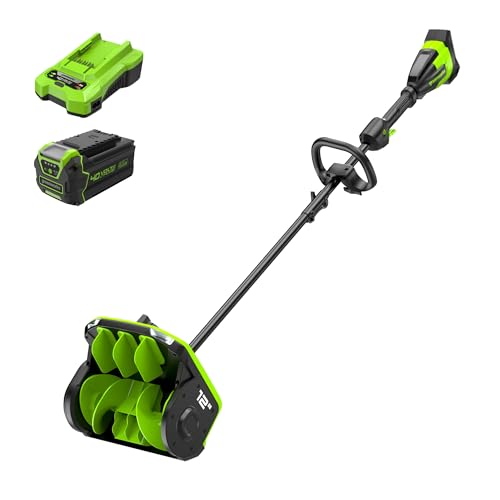
Greenworks 40V Cordless Snow Shovel — Best for Small Areas
This slot is written prose-first: a cordless option for households already invested in a compatible battery family. Treat it as a starting point for your own shortlist rather than a final word, and check the current listing carefully before you buy, because configurations, bundled batteries and included accessories vary between sellers and across the season. What matters here is the fit: the size of area it suits, the way it is powered, and how comfortably it handles the light, frequent clearing this category exists for.
Best for: readers whose clearing matches the role described above. Not suited for: long driveways, very deep falls or heavily compacted snow, where a larger machine or a manual fallback still earns its place. Strengths in this role are convenience, approachability and storage; the honest trade-off is the narrow clearing path every model in this category shares.
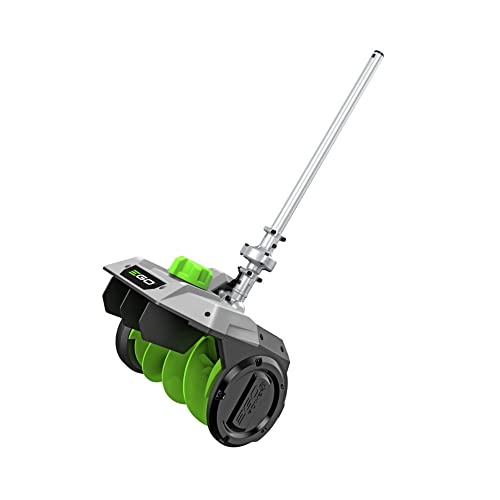
EGO Power+ Multi-Head Snow Shovel Attachment — Best Cordless Option
This slot is written prose-first: an attachment route that makes the most sense when you already own the matching power head. Treat it as a starting point for your own shortlist rather than a final word, and check the current listing carefully before you buy, because configurations, bundled batteries and included accessories vary between sellers and across the season. What matters here is the fit: the size of area it suits, the way it is powered, and how comfortably it handles the light, frequent clearing this category exists for.
Best for: readers whose clearing matches the role described above. Not suited for: long driveways, very deep falls or heavily compacted snow, where a larger machine or a manual fallback still earns its place. Strengths in this role are convenience, approachability and storage; the honest trade-off is the narrow clearing path every model in this category shares.
Toro Power Shovel — Best Corded Option
This slot is written prose-first: a straightforward corded option for patios, steps and short paths near an outlet. Treat it as a starting point for your own shortlist rather than a final word, and check the current listing carefully before you buy, because configurations, bundled batteries and included accessories vary between sellers and across the season. What matters here is the fit: the size of area it suits, the way it is powered, and how comfortably it handles the light, frequent clearing this category exists for.
Best for: readers whose clearing matches the role described above. Not suited for: long driveways, very deep falls or heavily compacted snow, where a larger machine or a manual fallback still earns its place. Strengths in this role are convenience, approachability and storage; the honest trade-off is the narrow clearing path every model in this category shares.
Earthwise SN700 Corded Snow Shovel — Best for Existing Battery Owners
This slot is written prose-first: a corded option that keeps working as long as the job takes, within reach of the cord. Treat it as a starting point for your own shortlist rather than a final word, and check the current listing carefully before you buy, because configurations, bundled batteries and included accessories vary between sellers and across the season. What matters here is the fit: the size of area it suits, the way it is powered, and how comfortably it handles the light, frequent clearing this category exists for.
Best for: readers whose clearing matches the role described above. Not suited for: long driveways, very deep falls or heavily compacted snow, where a larger machine or a manual fallback still earns its place. Strengths in this role are convenience, approachability and storage; the honest trade-off is the narrow clearing path every model in this category shares.
Gear for This Guide
Knowing when this tool is out of its depth is part of using it well. Snow that is very deep, heavily compacted or frozen into layers is a job for heavier equipment or for a slower manual approach in thin slices. Forcing a small machine through conditions it was never built for helps nobody: it strains the tool, exhausts the operator and usually clears less snow than a calm change of plan would have done. Keep that picture in mind as you read the rest of this guide, because every recommendation that follows hangs on it.
An electric snow shovel earns its keep in the off season by disappearing. Hung on a garage wall, stood in a hall cupboard or tucked beside the door it will actually be used from, it stays part of the household routine. Banished to the back of a crowded shed, it becomes a tool you remember only after you have already cleared the steps by hand, which quietly defeats the point of owning it. It sounds obvious written down, yet it is the single most common reason these machines get returned or resented.
A snow shovel head is narrow by design, and that narrowness is both the limit and the charm of the category. You clear in ribbons, pass after pass, the way you would with a manual shovel, except the machine does the lifting and throwing. Short areas feel quick and satisfying. Long areas test your patience, because the maths of a narrow path over a long distance never stops applying, however cheerful the motor sounds. Judge it against your own property on your own worst ordinary morning, and the decision usually makes itself.
Think about the snow you actually get, not the worst storm you can remember. Most homes see far more light, frequent falls than deep, once-a-season dumps, and an electric snow shovel is built squarely for the frequent kind. If your typical morning is a modest layer on the steps, the deck and a short walk, this tool is in its element. If your typical morning is a long driveway buried after every storm, it is a helper alongside something bigger, not a replacement for it. Judge it against your own property on your own worst ordinary morning, and the decision usually makes itself.
Corded models offer simple, consistent running and a lighter purchase decision, but they tie you to an outlet and demand constant cord awareness. Cordless models free you to roam the whole property, clear the far end of the path and help a neighbour, but they ask you to manage batteries, charging and cold-weather storage. Neither answer is wrong. The right answer is the one that matches the shape of your property and your tolerance for faff on a freezing morning. Once you see your own home in that description, the rest of the buying decision becomes refreshingly straightforward.
Common Mistakes When Choosing
Knowing when this tool is out of its depth is part of using it well. Snow that is very deep, heavily compacted or frozen into layers is a job for heavier equipment or for a slower manual approach in thin slices. Forcing a small machine through conditions it was never built for helps nobody: it strains the tool, exhausts the operator and usually clears less snow than a calm change of plan would have done. Judge it against your own property on your own worst ordinary morning, and the decision usually makes itself.
Think about the snow you actually get, not the worst storm you can remember. Most homes see far more light, frequent falls than deep, once-a-season dumps, and an electric snow shovel is built squarely for the frequent kind. If your typical morning is a modest layer on the steps, the deck and a short walk, this tool is in its element. If your typical morning is a long driveway buried after every storm, it is a helper alongside something bigger, not a replacement for it. Judge it against your own property on your own worst ordinary morning, and the decision usually makes itself.
One underappreciated pleasure of the category is how comparatively civilised it sounds next to fuel-powered clearing equipment. You can clear early before work without feeling you have declared war on the street, and you can tidy up late in the evening after a second fall. That quietness changes behaviour: people clear more often, in smaller bites, and frequent small bites are exactly how this tool performs at its best. Once you see your own home in that description, the rest of the buying decision becomes refreshingly straightforward.
You will judge this tool with your shoulders, not with a brochure. A well-balanced machine that feels easy to guide in a showroom still has to be pushed, lifted over thresholds and carried back through the snow you have just cleared. Thick gloves change your grip, cold changes your strength, and a machine that demands constant downward pressure will wear you out in a way its weight on paper never predicts. That is the unglamorous truth of this category, and it is more useful than any headline claim.
A snow shovel head is narrow by design, and that narrowness is both the limit and the charm of the category. You clear in ribbons, pass after pass, the way you would with a manual shovel, except the machine does the lifting and throwing. Short areas feel quick and satisfying. Long areas test your patience, because the maths of a narrow path over a long distance never stops applying, however cheerful the motor sounds. That is the unglamorous truth of this category, and it is more useful than any headline claim.
Pro Tips From Households That Chose Well
A tool this approachable changes who clears the snow. Someone who would never wrestle a large two-stage machine may happily take a turn with a light powered shovel, and that sharing matters across a long winter. Agree who does which area, keep the machine by the door everyone uses, and make the safe routine — power off before any jam is touched — a house rule that nobody improvises around. That is the unglamorous truth of this category, and it is more useful than any headline claim.
One underappreciated pleasure of the category is how comparatively civilised it sounds next to fuel-powered clearing equipment. You can clear early before work without feeling you have declared war on the street, and you can tidy up late in the evening after a second fall. That quietness changes behaviour: people clear more often, in smaller bites, and frequent small bites are exactly how this tool performs at its best. Once you see your own home in that description, the rest of the buying decision becomes refreshingly straightforward.
There is mercifully little to maintain. Keep the housing and auger area clean and dry before storage, check the cord or battery contacts, look over the scraper edge and moving parts for wear, and store batteries in the conditions the maker recommends rather than leaving them in a freezing outbuilding all winter. Ten calm minutes at the end of the season buys you a machine that simply works on the first snowy morning of the next one. Keep that picture in mind as you read the rest of this guide, because every recommendation that follows hangs on it.
Think about the snow you actually get, not the worst storm you can remember. Most homes see far more light, frequent falls than deep, once-a-season dumps, and an electric snow shovel is built squarely for the frequent kind. If your typical morning is a modest layer on the steps, the deck and a short walk, this tool is in its element. If your typical morning is a long driveway buried after every storm, it is a helper alongside something bigger, not a replacement for it. Once you see your own home in that description, the rest of the buying decision becomes refreshingly straightforward.
Where the snow lands matters as much as how fast it leaves the ground. These machines throw forward, and some let you nudge the direction a little, so your route should be planned like a small logistics problem. Start on the side that lets you throw onto open ground, work away from walls, cars and windows, and never aim the stream at a neighbour’s cleared path, a doorway someone is about to use, or the road where passing traffic can throw it straight back. Judge it against your own property on your own worst ordinary morning, and the decision usually makes itself.
Safety comes before speed with any powered snow tool, and the rule that matters most is simple: remove the battery or unplug the machine completely before you clear a jam at the auger. Never put a hand near the auger while the machine still has a power source connected, even if the trigger is released and everything looks still. Use a clearing tool, a wooden handle or a gloved hand only after the power is disconnected, and wait until every moving part has fully stopped. With a corded model, use an outdoor cord rated for winter use, keep it behind you as you work, plan each pass so you never run the machine over its own cord, and check the cord for damage before every outing. Dress for grip and visibility, clear in daylight where you can, and stop for a rest whenever the cold starts to dull your concentration, because most winter mishaps happen when tired people rush the last few passes.
A calm end-of-season routine
Finish the season the way you want to start the next one. Clear the last grit and moisture away, let the machine dry fully, inspect the cord or contacts, coil any cord loosely rather than tightly, and store the tool where winter will find it ready rather than buried. Note anything that wore, loosened or frustrated you while you still remember it, because a small fix in spring is a working machine in the first snow, and a forgotten fault is a manual shovel morning you did not plan for.
Worked Examples: Three Homes, Three Right Answers
There is mercifully little to maintain. Keep the housing and auger area clean and dry before storage, check the cord or battery contacts, look over the scraper edge and moving parts for wear, and store batteries in the conditions the maker recommends rather than leaving them in a freezing outbuilding all winter. Ten calm minutes at the end of the season buys you a machine that simply works on the first snowy morning of the next one. It sounds obvious written down, yet it is the single most common reason these machines get returned or resented.
An electric snow shovel earns its keep in the off season by disappearing. Hung on a garage wall, stood in a hall cupboard or tucked beside the door it will actually be used from, it stays part of the household routine. Banished to the back of a crowded shed, it becomes a tool you remember only after you have already cleared the steps by hand, which quietly defeats the point of owning it. Once you see your own home in that description, the rest of the buying decision becomes refreshingly straightforward.
Light, dry snow is the easy case every powered shovel enjoys. Wet, heavy snow and the dense ridge left where the road has been cleared are a different test altogether, and they are where expectations need managing. Work in shallower passes, slow down, let the auger chew rather than forcing the machine forward, and accept that the last stubborn ridge may still belong to a manual shovel and a bit of patience. Judge it against your own property on your own worst ordinary morning, and the decision usually makes itself.
Where the snow lands matters as much as how fast it leaves the ground. These machines throw forward, and some let you nudge the direction a little, so your route should be planned like a small logistics problem. Start on the side that lets you throw onto open ground, work away from walls, cars and windows, and never aim the stream at a neighbour’s cleared path, a doorway someone is about to use, or the road where passing traffic can throw it straight back. Judge it against your own property on your own worst ordinary morning, and the decision usually makes itself.
Corded models offer simple, consistent running and a lighter purchase decision, but they tie you to an outlet and demand constant cord awareness. Cordless models free you to roam the whole property, clear the far end of the path and help a neighbour, but they ask you to manage batteries, charging and cold-weather storage. Neither answer is wrong. The right answer is the one that matches the shape of your property and your tolerance for faff on a freezing morning. That is the unglamorous truth of this category, and it is more useful than any headline claim.
A Deeper Look at Everyday Ownership
Light, dry snow is the easy case every powered shovel enjoys. Wet, heavy snow and the dense ridge left where the road has been cleared are a different test altogether, and they are where expectations need managing. Work in shallower passes, slow down, let the auger chew rather than forcing the machine forward, and accept that the last stubborn ridge may still belong to a manual shovel and a bit of patience. That is the unglamorous truth of this category, and it is more useful than any headline claim.
One underappreciated pleasure of the category is how comparatively civilised it sounds next to fuel-powered clearing equipment. You can clear early before work without feeling you have declared war on the street, and you can tidy up late in the evening after a second fall. That quietness changes behaviour: people clear more often, in smaller bites, and frequent small bites are exactly how this tool performs at its best. Keep that picture in mind as you read the rest of this guide, because every recommendation that follows hangs on it.
There is mercifully little to maintain. Keep the housing and auger area clean and dry before storage, check the cord or battery contacts, look over the scraper edge and moving parts for wear, and store batteries in the conditions the maker recommends rather than leaving them in a freezing outbuilding all winter. Ten calm minutes at the end of the season buys you a machine that simply works on the first snowy morning of the next one. Once you see your own home in that description, the rest of the buying decision becomes refreshingly straightforward.
The best clearing session is decided the night before. Note where the cord can safely reach, which side you will throw towards, where cars should be parked so they do not block your first pass, and which steps or slopes need grit afterwards. In the morning you are executing a plan rather than inventing one in the dark with cold hands, and the whole job feels shorter even when it is not. It sounds obvious written down, yet it is the single most common reason these machines get returned or resented.
Corded models offer simple, consistent running and a lighter purchase decision, but they tie you to an outlet and demand constant cord awareness. Cordless models free you to roam the whole property, clear the far end of the path and help a neighbour, but they ask you to manage batteries, charging and cold-weather storage. Neither answer is wrong. The right answer is the one that matches the shape of your property and your tolerance for faff on a freezing morning. Judge it against your own property on your own worst ordinary morning, and the decision usually makes itself.
Knowing when this tool is out of its depth is part of using it well. Snow that is very deep, heavily compacted or frozen into layers is a job for heavier equipment or for a slower manual approach in thin slices. Forcing a small machine through conditions it was never built for helps nobody: it strains the tool, exhausts the operator and usually clears less snow than a calm change of plan would have done. It sounds obvious written down, yet it is the single most common reason these machines get returned or resented.
Safety comes before speed with any powered snow tool, and the rule that matters most is simple: remove the battery or unplug the machine completely before you clear a jam at the auger. Never put a hand near the auger while the machine still has a power source connected, even if the trigger is released and everything looks still. Use a clearing tool, a wooden handle or a gloved hand only after the power is disconnected, and wait until every moving part has fully stopped. With a corded model, use an outdoor cord rated for winter use, keep it behind you as you work, plan each pass so you never run the machine over its own cord, and check the cord for damage before every outing. Dress for grip and visibility, clear in daylight where you can, and stop for a rest whenever the cold starts to dull your concentration, because most winter mishaps happen when tired people rush the last few passes.
Putting the Decision Together, Slowly and Honestly
Stand outside on a dry day and walk the route you clear in winter, slowly, with fresh eyes. Start at the door you actually use, cross the steps, follow the path, pass the car, and finish where your property meets the road or the pavement. Every change of surface, every step down, every tight corner between a wall and a hedge is information, because an electric snow shovel meets all of it at ground level, in the cold, while you are wearing thick gloves and thinking about getting to work on time.
Now replay the same walk in the snow you remember from last winter, not the deepest fall but the ordinary one. Where did the snow drift against a fence and double its depth? Where did meltwater refreeze into a sheet you had to chip at? Where did the cleared snow from the road pile up across your entrance overnight? A good choice survives this honest replay. A poor choice only survives the showroom version of winter, which is why so many disappointed owners describe a machine that worked beautifully on the first light fall and struggled with everything after it.
Talk to whoever else will use the tool before you buy, not after it arrives. The person with the bad shoulder, the teenager on the morning rota and the partner who clears in the dark before an early shift all meet a different machine in practice, even though it is the same handle in the same hallway. Agree the house safety rule together as well: the battery comes out or the plug comes out before anyone touches a jam at the auger, every single time, with no exceptions for being in a hurry, because hurry is exactly when exceptions hurt people.
Finally, decide what success looks like for the season as a whole rather than for a single storm. For most households success is unglamorous: steps that are never treacherous, a path that is always passable, a deck the dog can use, and a morning routine that no longer starts with dread. Judge the tool against that whole season in spring, and you will usually find the verdict kinder and fairer than the verdict you would have given it on the one morning it met snow beyond its design.
One last check before you decide
Before you settle, borrow the mindset of a neighbour who has owned one for three winters. They no longer talk about power or features at all. They talk about the battery that lives charged by the door, the cord that hangs in loops instead of tangles, the pass they always make before the snow gets walked down and packed, and the ridge at the end of the path that they still finish by hand without resentment. That is the ownership pattern you are really choosing between models: not a specification, but a small winter habit that either fits your household or quietly does not. Choose the model that makes the habit easiest to keep, store it where the habit starts, and let the first season, judged whole, be the review that counts.
Write your shortlist down, sleep on it, and revisit it after the next forecast rather than during it. Decisions made while snow is already falling tend to buy the wrong kind of urgency, while decisions made calmly, with your route, your storage and your household’s real habits in front of you, tend to still look right in February, which is the only test that matters.
From First Step to Final Check: Working Well With a Electric Snow Shovel
The main steps for the electric snow shovel are covered above; what follows is the working discipline around those steps, covering preparation, order of work, the checks that catch mistakes early and the small follow-up habits that keep the result sound. It is written for real homes, where interruptions and imperfect spaces are normal.
Start With Your Space and Your Routine
A good test is the two-week question: imagine the electric snow shovel after a fortnight of ordinary use, with no special effort from you, and ask whether you would still choose it. Think about who else will use the electric snow shovel, how often, and in what way, because a choice that suits one person perfectly can frustrate everyone else in the household. A slight wobble, a stiff action or a small misalignment on day one rarely improves on its own, so address it during setup while adjustments are still easy to make. Where the electric snow shovel meets the floor, the wall or another surface, check what protects both sides, because scuffs and marks in those contact zones are the most common early complaint.
Keep the area around the electric snow shovel clear while you work and for a short while afterwards, so that nothing is knocked, spilled or leaned on before everything has settled, dried or been secured. Seasonal checks suit most Seasonal & Holiday items well, so tie a quick inspection of the electric snow shovel to a job you already do, such as changing clocks or clearing gutters. Apply the same checks to each shortlisted example, whether that is the Toro Power Shovel; the EGO Power+ Multi-Head Snow Shovel Attachment; the Snow Joe 24V-SS13 Cordless Snow Shovel, because consistent testing is what makes the differences between models visible. Households with children or pets put different demands on a electric snow shovel than the listing photographs suggest, so judge edges, stability and cleanability against your real household, not a styled one.
When Small Problems Appear
A return is easiest when you have kept the packaging until you are sure, so give the electric snow shovel a fair trial period in its real position before you break down boxes and dispose of padding. The best electric snow shovel for a rented home may differ from the best for an owned one, because fixings, marks and alterations carry different consequences in each case. Take a photograph of the space before you order and mark the intended position of the electric snow shovel on it, then revisit that photo whenever a listing tempts you toward a larger or different style. Colour and finish samples in listings are taken under controlled light, so expect the electric snow shovel to look different at home and favour options that sit comfortably with the tones already in the room.
Think about the season in which the electric snow shovel will work hardest, and judge it against that season rather than the mild week in which you happen to be shopping. Whatever the task, preparation decides most of the result with a electric snow shovel, so lay out what you need, clear the area and read the relevant steps fully before you begin rather than discovering a missing item halfway through. Plan where the packaging and any old item being replaced will go on delivery day, a small step that prevents a rushed, careless first setup of the new electric snow shovel. If you shop with someone else, agree the must-haves together before looking, so that the electric snow shovel you choose is a shared decision rather than one person’s compromise discovered later.
Storage is part of ownership, so decide now where the electric snow shovel, its accessories and its seasonal extras will go when they are not in use, and measure that space too. Think about the end of the electric snow shovel’s life with you as well, including whether it could move to another room, be passed on, or be stored without damage when your needs change.
A Short Decision Checklist
- The main job the electric snow shovel must do, written in one sentence
- Who will use the electric snow shovel most, and any limits they have
- Assembly needs, tools required and whether help is needed
- The material and finish, matched to light, moisture and wear in its spot
- How the electric snow shovel will be cleaned in an ordinary week
- Delivery path, from the door to the final position
- What your current arrangement does badly that the electric snow shovel must fix
- Where the electric snow shovel and its accessories will be stored when not in use
Taken together, these checks take only a little time, yet they answer the questions that decide whether the electric snow shovel suits your home, your household and your routine, and they do so before money changes hands rather than after.
Frequently Asked Questions
Can an electric snow shovel replace a full-size snow blower?
For most homes, no, and it is happier when you do not ask it to. An electric snow shovel is built for light, frequent clearing on steps, decks, patios and short walks, where a full-size blower is awkward or impossible to use. On a long driveway or after a genuinely heavy storm it becomes a companion tool that handles the edges and the areas near the house while something larger does the heavy lifting, and judged in that role it earns its storage space easily.
How do I clear a jam safely?
Stop, release the control, and then remove the battery or unplug the machine completely before you go anywhere near the auger. Wait until everything has stopped moving, then clear the blockage with a clearing tool or a sturdy handle, keeping your hands out of the housing wherever you possibly can. Never reach into the auger area while a power source is still connected, even if the machine seems quiet and still, because a powered auger can start again the moment a control is touched.
Is a corded or cordless model better?
Cordless is better when your clearing spreads out, takes you away from the house or crosses areas a cord cannot safely reach. Corded is better when your area is small, close to an outlet and cleared often, because running is unlimited and there is no battery to manage. The honest answer is that the shape of your property decides: map where you actually clear, check where a cord could honestly reach, and let that map choose for you rather than any general preference.
What kind of extension cord does a corded model need?
Use an outdoor cord that is rated for winter conditions and suitable for the job, keep it as supple as the cold allows, and inspect it for cuts or damage before every outing. Work so the cord stays behind you, plan passes that move away from the outlet, and never let the machine run over its own cord. If your clearing regularly takes you beyond a sensible cord run, that is the property telling you a cordless model fits your life better.
How should I store it between seasons?
Clean snow, grit and moisture off the housing and auger area, let everything dry, check the cord or battery contacts, and store the machine somewhere dry where it will not be buried under a year of other clutter. Batteries should be stored following the maker’s guidance rather than abandoned in a freezing shed. Hang the tool near the door you actually use in winter if you can, because a machine that is easy to reach gets used, and a machine that gets used gets its value back.
Does it work on gravel or uneven ground?
Carefully, and with lowered expectations. These machines are happiest on smooth, paved surfaces such as concrete, asphalt, decking and slabs, where the housing can glide and the auger can work evenly. On gravel they can pick up and throw loose stones, which is a hazard for windows, cars and people, and on rough or broken ground they judder and tire you quickly. For unpaved areas, a manual shovel or a different clearing method is usually the wiser choice.
Related Guides
Keep reading with these companion pieces: our companion guide: electric snow shovel buying guide, our companion guide: electric snow shovel pros and cons, our companion guide: electric snow shovel review, garden hoses for spring clean-up, indoor rugs that cope with tracked-in snow, entryway rugs that trap snow at the door, more on electric snow shovel reviews, more on is an electric snow shovel worth it.
