Disclosure: As an Amazon Associate, dailyhomedecorating.com earns from qualifying purchases. Links on this page are affiliate links; they cost you nothing extra. Prices and availability change often, so check the current Amazon listing before you buy.
If you are researching robot vacuum vs robot vacuum mop, you are really asking how much of the daily floor chore a small autonomous machine can honestly take off your plate. This guide answers that question in plain terms: what these machines do well, where they struggle, what they ask of you in return, and how to judge the models that keep coming up in every shortlist. No hype, no invented figures, just the ownership picture.
Key Takeaways
- Vacuum-only robots are simpler, drier and easier to keep hygienic.
- Vacuum-mop combos suit hard-floor homes that will maintain tanks and pads.
- Robot mopping is maintenance mopping, never a deep scrub.
- Carpet-heavy homes gain least from paying for mopping.
- Dirty-water care is the deciding habit, not the feature list.
Robot Vacuum vs Robot Vacuum Mop: The Quick Verdict
Decide before you buy whether mopping is your main goal or a bonus, because the right model differs sharply between the two. Mopping on robot vacuums ranges from a damp pad dragged behind the machine to scrubbing pads that lift dried marks. The light end of that range is maintenance mopping: it keeps hard floors looking fresher between real mops. Dried-on kitchen splashes and muddy paw prints near doors are at the edge of what most robot mops handle well. Water tanks, pad washing and drying are part of the deal, and skipping them turns a cleaning tool into a smell source. Homes that want mopping to matter should look at how the pad is agitated and whether the dock washes it, not just whether a tank exists. Carpet households need a model that lifts its pad or stays off rugs when mopping, or you will find damp rug edges.
Wood, tile, laminate and vinyl show every crumb and hair, so a scheduled pass keeps them looking swept without you fetching a broom. Fine dust along skirting boards and under kitchen cabinets is exactly the kind of dirt a low robot reaches better than an upright. Grit is the enemy of hard floor finishes, and removing it daily is a quiet form of floor care, not just tidiness. Watch how the robot behaves on thresholds between rooms, because a model that climbs them confidently can cover a whole level unaided. Wet-looking shine is beyond any dry robot, so hard floors still need occasional mopping by hand or by a mop model used carefully. Scatter is the main hard-floor flaw: fast side brushes can flick light debris ahead of the machine instead of into it. A slower, methodical pass usually fixes scatter better than more suction does.
Filters, brushes, mop pads and dock bags on some systems are recurring consumables with a steady rhythm. Your time has a value in the other direction: minutes of supervision and maintenance against hours of manual vacuuming returned. Premium tiers mostly buy autonomy: better navigation, self-emptying, pad washing and obstacle avoidance that needs less babysitting. Entry tiers clean the same floors more simply, provided you prep and empty them yourself. Mid-range models are where most households find the balance, with mapping and decent brushes without every dock extra. Paying for features your layout cannot use, such as elaborate mopping in a carpeted home, is the commonest waste. Match the tier to the chore you actually hate most, and the purchase tends to feel fair a year later.
In this guide
Cleaning Results on Hard Floors Compared
Watch how the robot behaves on thresholds between rooms, because a model that climbs them confidently can cover a whole level unaided. Wet-looking shine is beyond any dry robot, so hard floors still need occasional mopping by hand or by a mop model used carefully. Scatter is the main hard-floor flaw: fast side brushes can flick light debris ahead of the machine instead of into it. A slower, methodical pass usually fixes scatter better than more suction does. Hard floors are the easiest surface for a robot vacuum and the place where daily running pays off fastest. Wood, tile, laminate and vinyl show every crumb and hair, so a scheduled pass keeps them looking swept without you fetching a broom. Fine dust along skirting boards and under kitchen cabinets is exactly the kind of dirt a low robot reaches better than an upright.
Carpet households need a model that lifts its pad or stays off rugs when mopping, or you will find damp rug edges. Used honestly, robot mopping is a genuine convenience; oversold, it is the feature owners feel most misled about. Decide before you buy whether mopping is your main goal or a bonus, because the right model differs sharply between the two. Mopping on robot vacuums ranges from a damp pad dragged behind the machine to scrubbing pads that lift dried marks. The light end of that range is maintenance mopping: it keeps hard floors looking fresher between real mops. Dried-on kitchen splashes and muddy paw prints near doors are at the edge of what most robot mops handle well. Water tanks, pad washing and drying are part of the deal, and skipping them turns a cleaning tool into a smell source.
A spill of rice, a trail of litter or a muddy doorway can be sent to the robot instead of fetching a full vacuum. Zone cleans from the app let you target the area under the dining table after meals, which is where daily dirt actually lives. The habit changes how a home feels: small messes stop accumulating into a general sense of untidiness. Spot modes work best on hard floors and short pile, where a few passes genuinely lift the mess. Anything wet, sticky or hazardous still belongs to you and a cloth, not to the robot. Teach the household the voice or app command and the robot becomes a shared appliance rather than one person’s project. Over months, these small rescues add up to the strongest argument owners make for the category.
Carpet Behaviour Compared
Most models sense carpet and raise their effort automatically, which helps with surface litter and tracked-in grit. What they remove best is the daily layer: crumbs, dust, pet hair and the fine grey film that dulls pile between deep cleans. Thick, plush pile can slow a robot down, bog its wheels and leave it working hard for modest results. Dark carpet sometimes confuses older cliff sensors, which may read a deep colour as a drop. Fringed rugs deserve a test run under supervision, because tassels can wind around brushes and stop the job. Low and medium pile in living rooms and bedrooms is the sweet spot where a robot genuinely changes how the floor feels underfoot. If your home is mostly deep carpet, plan on the robot as a maintenance layer and keep a full-size machine for real extraction work.
Decide before you buy whether mopping is your main goal or a bonus, because the right model differs sharply between the two. Mopping on robot vacuums ranges from a damp pad dragged behind the machine to scrubbing pads that lift dried marks. The light end of that range is maintenance mopping: it keeps hard floors looking fresher between real mops. Dried-on kitchen splashes and muddy paw prints near doors are at the edge of what most robot mops handle well. Water tanks, pad washing and drying are part of the deal, and skipping them turns a cleaning tool into a smell source. Homes that want mopping to matter should look at how the pad is agitated and whether the dock washes it, not just whether a tank exists. Carpet households need a model that lifts its pad or stays off rugs when mopping, or you will find damp rug edges.
Hair wrapping is not a defect so much as a maintenance rhythm, and homes with long hair or shedding pets will meet it weekly. A brush that pops out without tools makes that rhythm painless, which is why tool-free removal is worth prioritising. Check the ends of the roll as well as the middle, because hair migrates to the bearings and quietly robs performance. When a robot starts sounding strained or leaves lines of dirt behind, the brush is the first place to look. Keeping the brush clean protects every other part of the system, from the motor to the battery. The brush roll does the unglamorous work of lifting grit out of carpet pile and sweeping crumbs toward the suction path. Rubber extractors tend to shed hair more easily, while bristle brushes can dig into carpet but collect tangles faster.
Hygiene and Upkeep Compared
Five minutes of tank and pad care protects your floors from being wiped with yesterday’s dirt. Dirty mop water is a hygiene issue, not a detail, and it deserves blunt treatment. A mop pad that sits damp in a dock will grow musty and can develop mould, especially in warm or humid rooms. Empty the dirty-water tank after mopping runs and rinse it rather than leaving grey water to sit until the next session. Wash or swap mop pads regularly and let them dry fully in the open air before the next use. Docks that wash pads still need their own trays and filters rinsed, because the dock collects what the pad gives up. If a robot mop starts to smell, the cause is almost always standing water or a pad left damp, and the fix is cleaning the system, not scenting it.
Filters clog gradually, so suction fades slowly enough that many owners blame the robot instead of the filter. Tap or replace filters on the maker’s rhythm, empty the bin before it compacts, and free the brush of hair before it strains. Wipe the cliff and obstacle sensors with a dry cloth when the robot starts behaving nervously near edges or furniture. Front caster wheels collect hair around their axle and can seize, adding drag that looks like weak cleaning. Spare brushes, filters and mop pads are consumables with a real replacement rhythm, so factor that ongoing care into ownership. Ten unhurried minutes every couple of weeks keeps performance close to day-one levels. A robot that is maintained feels twice as capable as the same robot neglected, because nearly every fault it develops is a cleaning fault, not a broken part.
A small bin in a busy home can fill mid-clean, after which the robot is mostly pushing dirt around. Self-emptying docks move debris into a larger bag or bin at the base, stretching the interval between your interventions. The trade-off is dock size, ongoing bag costs on some systems and another appliance footprint to place. Bagless docks avoid the consumable but ask you to empty and occasionally rinse a container instead. Whichever style you choose, emptying on a rhythm beats waiting for the robot to complain. A quick shake of the filter while you empty keeps airflow healthy and suction honest. Think of bin care as the two-minute tax that buys you weeks of not vacuuming by hand.
Docks, Tanks and Footprint Compared
Self-emptying and mop-washing docks are furniture in their own right, so measure the footprint before falling for a model. Keep the area around the dock permanently clear; a dock surrounded by shoes is a dock the robot cannot reach. Power access matters too, because a dock that shares a switched socket will eventually be switched off by someone. Choose the dock spot as deliberately as you would place a pet bed, because the robot will live its whole life around it. Dock placement decides more of the ownership experience than most buyers expect. The dock needs clearance in front so the robot can approach and leave without threading a maze. A spot on hard flooring near the rooms cleaned most often keeps journeys short and rescues easy.
Think of bin care as the two-minute tax that buys you weeks of not vacuuming by hand. Dustbin size quietly shapes how hands-off a robot vacuum really is. A small bin in a busy home can fill mid-clean, after which the robot is mostly pushing dirt around. Self-emptying docks move debris into a larger bag or bin at the base, stretching the interval between your interventions. The trade-off is dock size, ongoing bag costs on some systems and another appliance footprint to place. Bagless docks avoid the consumable but ask you to empty and occasionally rinse a container instead. Whichever style you choose, emptying on a rhythm beats waiting for the robot to complain.
Filters, brushes, mop pads and dock bags on some systems are recurring consumables with a steady rhythm. Your time has a value in the other direction: minutes of supervision and maintenance against hours of manual vacuuming returned. Premium tiers mostly buy autonomy: better navigation, self-emptying, pad washing and obstacle avoidance that needs less babysitting. Entry tiers clean the same floors more simply, provided you prep and empty them yourself. Mid-range models are where most households find the balance, with mapping and decent brushes without every dock extra. Paying for features your layout cannot use, such as elaborate mopping in a carpeted home, is the commonest waste. Match the tier to the chore you actually hate most, and the purchase tends to feel fair a year later.
Who Each Option Suits and Who Should Skip Each
Then decide how hands-off you truly want to be, since self-emptying and pad washing are what separate weekly from monthly attention. Navigation quality is the feature owners feel every day, so it deserves priority over novelty extras. Check the consumables rhythm and parts availability for any model you shortlist, because a robot you cannot maintain becomes e-waste. Read the return terms and use the first fortnight as a real trial in your own layout. A robot that suits your home beats a celebrated model that suits someone else’s, every single time. Buying a robot vacuum well means matching the machine to your floors, your clutter and your tolerance for upkeep. Start with surfaces: the split between hard floor and carpet in your home steers brush choice, mopping value and budget.
Hard floors are the easiest surface for a robot vacuum and the place where daily running pays off fastest. Wood, tile, laminate and vinyl show every crumb and hair, so a scheduled pass keeps them looking swept without you fetching a broom. Fine dust along skirting boards and under kitchen cabinets is exactly the kind of dirt a low robot reaches better than an upright. Grit is the enemy of hard floor finishes, and removing it daily is a quiet form of floor care, not just tidiness. Watch how the robot behaves on thresholds between rooms, because a model that climbs them confidently can cover a whole level unaided. Wet-looking shine is beyond any dry robot, so hard floors still need occasional mopping by hand or by a mop model used carefully. Scatter is the main hard-floor flaw: fast side brushes can flick light debris ahead of the machine instead of into it.
Thick, plush pile can slow a robot down, bog its wheels and leave it working hard for modest results. Dark carpet sometimes confuses older cliff sensors, which may read a deep colour as a drop. Fringed rugs deserve a test run under supervision, because tassels can wind around brushes and stop the job. Low and medium pile in living rooms and bedrooms is the sweet spot where a robot genuinely changes how the floor feels underfoot. If your home is mostly deep carpet, plan on the robot as a maintenance layer and keep a full-size machine for real extraction work. Carpet is where robot vacuums earn their keep and also where their limits show most clearly. Most models sense carpet and raise their effort automatically, which helps with surface litter and tracked-in grit.
How to Decide: Follow Your Floors
Check the consumables rhythm and parts availability for any model you shortlist, because a robot you cannot maintain becomes e-waste. Read the return terms and use the first fortnight as a real trial in your own layout. A robot that suits your home beats a celebrated model that suits someone else’s, every single time. Buying a robot vacuum well means matching the machine to your floors, your clutter and your tolerance for upkeep. Start with surfaces: the split between hard floor and carpet in your home steers brush choice, mopping value and budget. Next, count your obstacles honestly, because a tidy minimalist flat and a busy family living room need different robots. Then decide how hands-off you truly want to be, since self-emptying and pad washing are what separate weekly from monthly attention.
Empty the dirty-water tank after mopping runs and rinse it rather than leaving grey water to sit until the next session. Wash or swap mop pads regularly and let them dry fully in the open air before the next use. Docks that wash pads still need their own trays and filters rinsed, because the dock collects what the pad gives up. If a robot mop starts to smell, the cause is almost always standing water or a pad left damp, and the fix is cleaning the system, not scenting it. Households that know they will skip this upkeep are honestly better served by a vacuum-only robot and a manual mop. Five minutes of tank and pad care protects your floors from being wiped with yesterday’s dirt. Dirty mop water is a hygiene issue, not a detail, and it deserves blunt treatment.
Multi-storey homes ask an extra question of a robot vacuum: how will it move between levels? Most robots cannot climb stairs, so the realistic options are carrying the machine or owning the routine one level at a time. Models that store several maps make carrying practical, because the robot recognises each floor instead of remapping it. A second dock is a luxury; most owners simply carry the robot and let it charge on its main base. Ground floors with kitchens and entrances usually deserve the robot most, since that is where grit and crumbs concentrate. Upstairs bedrooms often need less frequent attention and can share the robot on a rota. Be honest about whether you will actually carry a machine weekly, because a plan you abandon is not a plan.
Final Recommendation by Use Case
Water tanks, pad washing and drying are part of the deal, and skipping them turns a cleaning tool into a smell source. Homes that want mopping to matter should look at how the pad is agitated and whether the dock washes it, not just whether a tank exists. Carpet households need a model that lifts its pad or stays off rugs when mopping, or you will find damp rug edges. Used honestly, robot mopping is a genuine convenience; oversold, it is the feature owners feel most misled about. Decide before you buy whether mopping is your main goal or a bonus, because the right model differs sharply between the two. Mopping on robot vacuums ranges from a damp pad dragged behind the machine to scrubbing pads that lift dried marks. The light end of that range is maintenance mopping: it keeps hard floors looking fresher between real mops.
The households happiest with their robots are the ones that retired the daily chore, not the whole cleaning cupboard. A robot vacuum maintains floors; it does not replace deep cleaning, and honest expectations start there. Under heavy furniture, inside carpet pile at depth, along skirting with a crevice tool and on stairs, a full-size vacuum still wins. What the robot changes is the baseline: floors never reach the state that used to demand a weekend rescue clean. Most households settle into a rhythm of robot maintenance through the week and a manual deep clean on a slower cycle. That rhythm is the real product being sold, and judged on it, the category succeeds. Judged as a total replacement for every other cleaning tool, even the best robot will disappoint you.
Run the robot when the house is naturally tidy, after breakfast or while everyone is out, and the results improve without any new hardware. Room-by-room schedules let you hit the kitchen and hallway often and spare quiet bedrooms on work-from-home days. Start with a simple schedule and refine it after two weeks of watching what the robot actually collects. The dustbin contents are honest feedback: if the kitchen bin-load is always heavy, that room earns more frequent runs. Seasonal shedding, pollen periods and muddy months all justify temporarily tighter schedules. The best schedule is the one the household stops noticing because the floors simply stay done. Scheduling is where a robot vacuum stops being a gadget and becomes a routine.
Side-by-Side Comparison
| Consideration | What to expect | Who it favours |
|---|---|---|
| Daily upkeep | A scheduled pass most days | Homes that hate the daily crumb layer |
| Deep cleaning | Still needs a full-size vacuum | Carpet-heavy and allergy-conscious homes |
| Edges and corners | Good, rarely perfect | Homes willing to do a quick weekly edge pass |
| Stairs | Cannot climb them; sensors guard drops | Single-level homes most of all |
| Upkeep | Short, regular maintenance sessions | Owners who prefer small chores over big ones |
A robot that suits your home beats a celebrated model that suits someone else’s, every single time. Buying a robot vacuum well means matching the machine to your floors, your clutter and your tolerance for upkeep. Start with surfaces: the split between hard floor and carpet in your home steers brush choice, mopping value and budget. Next, count your obstacles honestly, because a tidy minimalist flat and a busy family living room need different robots. Then decide how hands-off you truly want to be, since self-emptying and pad washing are what separate weekly from monthly attention. Navigation quality is the feature owners feel every day, so it deserves priority over novelty extras. Check the consumables rhythm and parts availability for any model you shortlist, because a robot you cannot maintain becomes e-waste.
Where to Buy: Models for Each Side
Each model below is presented in prose only, positioned by tier, with a slot marker where a verified listing link and official image will be added once verification is complete. Compare them on navigation, brush design, dock style and upkeep, not on headline claims.

Eufy RoboVac
The Eufy RoboVac is a entry choice: an entry-level line known for slim bodies and simple controls, suited to smaller homes, under-furniture reach and buyers who prefer straightforward cleaning over mapping extras. Treat it as a entry option and check the current Amazon listing before you buy, since listings, bundles and included accessories change often.
A robot that suits your home beats a celebrated model that suits someone else’s, every single time. Buying a robot vacuum well means matching the machine to your floors, your clutter and your tolerance for upkeep. Start with surfaces: the split between hard floor and carpet in your home steers brush choice, mopping value and budget. Next, count your obstacles honestly, because a tidy minimalist flat and a busy family living room need different robots. Then decide how hands-off you truly want to be, since self-emptying and pad washing are what separate weekly from monthly attention. Navigation quality is the feature owners feel every day, so it deserves priority over novelty extras. Check the consumables rhythm and parts availability for any model you shortlist, because a robot you cannot maintain becomes e-waste.
Tap or replace filters on the maker’s rhythm, empty the bin before it compacts, and free the brush of hair before it strains. Wipe the cliff and obstacle sensors with a dry cloth when the robot starts behaving nervously near edges or furniture. Front caster wheels collect hair around their axle and can seize, adding drag that looks like weak cleaning. Spare brushes, filters and mop pads are consumables with a real replacement rhythm, so factor that ongoing care into ownership. Ten unhurried minutes every couple of weeks keeps performance close to day-one levels. A robot that is maintained feels twice as capable as the same robot neglected, because nearly every fault it develops is a cleaning fault, not a broken part. Maintenance on a robot vacuum is light but non-negotiable, and it divides happy owners from disappointed ones.

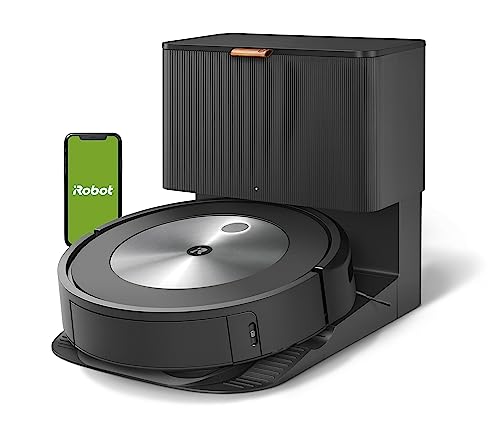
iRobot Roomba j7
The iRobot Roomba j7 is a premium choice: a premium robot from the category’s best-known maker, built around obstacle awareness and pet-focused design, suited to busy homes that value avoidance over extras. Treat it as a premium option and check the current Amazon listing before you buy, since listings, bundles and included accessories change often.
Navigation quality is the feature owners feel every day, so it deserves priority over novelty extras. Check the consumables rhythm and parts availability for any model you shortlist, because a robot you cannot maintain becomes e-waste. Read the return terms and use the first fortnight as a real trial in your own layout. A robot that suits your home beats a celebrated model that suits someone else’s, every single time. Buying a robot vacuum well means matching the machine to your floors, your clutter and your tolerance for upkeep. Start with surfaces: the split between hard floor and carpet in your home steers brush choice, mopping value and budget. Next, count your obstacles honestly, because a tidy minimalist flat and a busy family living room need different robots.
Maintenance on a robot vacuum is light but non-negotiable, and it divides happy owners from disappointed ones. Filters clog gradually, so suction fades slowly enough that many owners blame the robot instead of the filter. Tap or replace filters on the maker’s rhythm, empty the bin before it compacts, and free the brush of hair before it strains. Wipe the cliff and obstacle sensors with a dry cloth when the robot starts behaving nervously near edges or furniture. Front caster wheels collect hair around their axle and can seize, adding drag that looks like weak cleaning. Spare brushes, filters and mop pads are consumables with a real replacement rhythm, so factor that ongoing care into ownership. Ten unhurried minutes every couple of weeks keeps performance close to day-one levels.

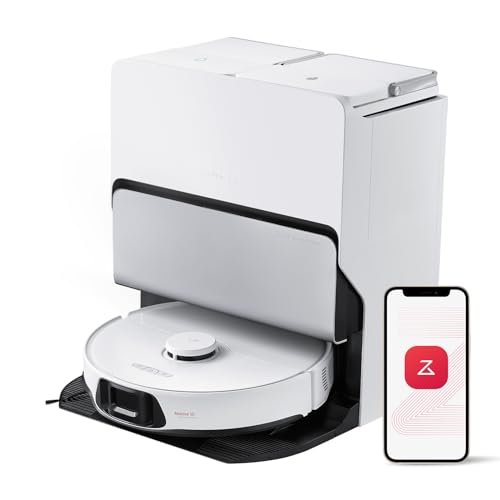
Roborock S8
The Roborock S8 is a premium choice: a premium mapping robot known for orderly navigation, strong carpet behaviour and a polished app, suited to mixed-floor homes that want a set-and-forget routine. Treat it as a premium option and check the current Amazon listing before you buy, since listings, bundles and included accessories change often.
Next, count your obstacles honestly, because a tidy minimalist flat and a busy family living room need different robots. Then decide how hands-off you truly want to be, since self-emptying and pad washing are what separate weekly from monthly attention. Navigation quality is the feature owners feel every day, so it deserves priority over novelty extras. Check the consumables rhythm and parts availability for any model you shortlist, because a robot you cannot maintain becomes e-waste. Read the return terms and use the first fortnight as a real trial in your own layout. A robot that suits your home beats a celebrated model that suits someone else’s, every single time. Buying a robot vacuum well means matching the machine to your floors, your clutter and your tolerance for upkeep.
Front caster wheels collect hair around their axle and can seize, adding drag that looks like weak cleaning. Spare brushes, filters and mop pads are consumables with a real replacement rhythm, so factor that ongoing care into ownership. Ten unhurried minutes every couple of weeks keeps performance close to day-one levels. A robot that is maintained feels twice as capable as the same robot neglected, because nearly every fault it develops is a cleaning fault, not a broken part. Maintenance on a robot vacuum is light but non-negotiable, and it divides happy owners from disappointed ones. Filters clog gradually, so suction fades slowly enough that many owners blame the robot instead of the filter. Tap or replace filters on the maker’s rhythm, empty the bin before it compacts, and free the brush of hair before it strains.

Dreame L10s
The Dreame L10s is a premium choice: a premium vacuum-and-mop combination aimed at hard-floor homes, suited to households that want mopping handled by the same machine with dock support. Treat it as a premium option and check the current Amazon listing before you buy, since listings, bundles and included accessories change often.

Narwal Freo
Strengths and Trade-Offs
Strengths
- Floors stay at a steady standard with almost no daily effort from you
- Reaches under sofas, beds and cabinets that manual vacuuming often skips
- Scheduled runs keep pet hair, crumbs and grit from ever building up
Trade-Offs
- It maintains floors but never replaces a proper deep clean
- Brushes, filters, bins and mop parts need regular hands-on care
- Cords, small objects and loose rugs must be cleared before runs
Honest Limits, Hygiene and Safety Notes
Every article in this series carries the same plain warnings, because these are the points owners most often learn the hard way. None of them cancel the convenience of a robot vacuum, but all of them shape whether that convenience lasts.
Mop water and hygiene, without the gloss
Dirty mop water is a hygiene issue, not a detail, and it deserves blunt treatment. A mop pad that sits damp in a dock will grow musty and can develop mould, especially in warm or humid rooms. Empty the dirty-water tank after mopping runs and rinse it rather than leaving grey water to sit until the next session. Wash or swap mop pads regularly and let them dry fully in the open air before the next use. Docks that wash pads still need their own trays and filters rinsed, because the dock collects what the pad gives up. If a robot mop starts to smell, the cause is almost always standing water or a pad left damp, and the fix is cleaning the system, not scenting it. Households that know they will skip this upkeep are honestly better served by a vacuum-only robot and a manual mop.
What the map of your home really means
None of this has to be a deal breaker, but it is part of the real cost of a connected appliance. If a shared household account bothers you, give the robot its own login and a strong password. A robot vacuum is a networked sensor platform that also cleans, and it deserves the same care you give a smart speaker or camera. A mapping robot builds a floor plan of your home, and you should go in with your eyes open about that. Camera-based models see more than LiDAR models, which mostly measure distances and shapes rather than pictures. That map data lives in the maker’s app and cloud account, so read the privacy settings before the first run, not after. Look for options to delete maps, turn off image features you do not need, and keep the app updated.
A maintainer, not a replacement for deep cleaning
Under heavy furniture, inside carpet pile at depth, along skirting with a crevice tool and on stairs, a full-size vacuum still wins. What the robot changes is the baseline: floors never reach the state that used to demand a weekend rescue clean. Most households settle into a rhythm of robot maintenance through the week and a manual deep clean on a slower cycle. That rhythm is the real product being sold, and judged on it, the category succeeds. Judged as a total replacement for every other cleaning tool, even the best robot will disappoint you. Keep a stick or handheld machine for stairs, upholstery, car mats and the crumbs a robot cannot reach in time. The households happiest with their robots are the ones that retired the daily chore, not the whole cleaning cupboard.
Cords and small objects: the prep that makes it work
Small objects such as socks, toys, coins and pet accessories need a quick sweep into a basket before the run. A two-minute tidy of the floor is not cheating; it is the division of labour the technology assumes. Homes with children or pets benefit from a standing rule that floors get a quick scan before the robot leaves its dock. Cable management along skirting boards pays off permanently, because a cord lifted once never traps the robot again. Chair legs pushed in and laundry off the floor turn a stop-start clean into a smooth one. Owners who prep lightly and often describe their robot as reliable; owners who never prep describe the same models as useless. Preparation is the unglamorous secret behind every good robot vacuum result.
Stairs and cliff sensors: respect the limit
If your stairs are open, steep or unusually shaped, weigh that layout heavily when choosing how much autonomy you actually want. Respecting the limit of the sensors is not fear; it is how these machines are designed to be used. Stair safety relies on cliff sensors that look for a sudden drop at the edge of a step. Those sensors are good but not infallible, and strong sunlight, very dark flooring and dirty sensor windows can all confuse them. Never treat the sensors as a guarantee: test a new robot near your stairs under supervision before trusting it alone. A physical barrier or a closed door remains the honest answer for homes where a fall would be costly or dangerous. Landings with loose rugs add risk, because a sliding rug can carry a robot closer to the edge than it planned.
The Tie-Breaker Tests: Robot vacuum or Robot Vacuum Mop, Judged in Five Real Situations
Specification tables rarely settle the robot vacuum question, because most households do not live at the extremes where one option dominates. What settles it is a handful of ordinary situations, repeated weekly, in which one design quietly fits better than the other. Run both candidates through the five situations below — honestly, with your own rooms, habits and household in mind — and the choice usually stops being a coin toss. Keep score as you go; a candidate that wins three situations clearly is almost always the right purchase, even if the other wins on paper.
Situation One and Two: The Busy Weekday and the Crowded Weekend
First, picture the robot vacuum — or its alternative — at seven on a weekday morning, when everyone is in a hurry and nobody is being careful. Which design forgives haste? Which one can be used half-asleep, one-handed, or by the least patient person in the house without a workaround? Then picture the weekend version: guests, extra loads, longer sessions, and the robot vacuum in continuous rather than occasional use. Designs that shine in short bursts sometimes annoy over long stretches, and the reverse is also true. A candidate that handles both rhythms without complaint has passed the two hardest tests in everyday life.
Situations Three to Five: Small Spaces, Shared Users and the Bad Day
Next, shrink the setting: imagine the same choice in the smallest room it might ever serve, or after a future move to a smaller home. Versatility across spaces is a hidden form of value that rarely appears in listings. Then multiply the users: children, guests, an older relative, a pet. A robot vacuum that only works for one careful adult is a fragile purchase in a shared home. Finally, imagine the bad day — something spills, breaks, clogs, overheats or simply refuses to cooperate. Which option is easier to clean up, work around, repair or replace a part for? The answer to that last question is the one owners remember longest.
A tape measure, a spirit level and ten patient minutes prevent more robot vacuum regrets than any amount of comparison shopping after the fact. When a listing is vague about a dimension, material or included part that matters to you, treat the vagueness itself as information and look for a clearer seller.
If the scores end level, choose on the factor you cannot change later — footprint, capacity or core construction — and let accessories settle the rest. And if one candidate wins the situations but loses your heart, notice that too: a robot vacuum is looked at and lived with daily, and liking the thing is a legitimate, durable advantage. What this method removes is the worst outcome of all — choosing by headline feature and discovering, a month later, that your real life preferred the other one.
Frequently Asked Questions
Is a robot vacuum mop worth it over a vacuum-only model?
Mopping on robot vacuums ranges from a damp pad dragged behind the machine to scrubbing pads that lift dried marks. The light end of that range is maintenance mopping: it keeps hard floors looking fresher between real mops. Dried-on kitchen splashes and muddy paw prints near doors are at the edge of what most robot mops handle well. Water tanks, pad washing and drying are part of the deal, and skipping them turns a cleaning tool into a smell source. Homes that want mopping to matter should look at how the pad is agitated and whether the dock washes it, not just whether a tank exists. Carpet households need a model that lifts its pad or stays off rugs when mopping, or you will find damp rug edges. Used honestly, robot mopping is a genuine convenience; oversold, it is the feature owners feel most misled about.
Will a robot mop leave my carpets damp?
Low and medium pile in living rooms and bedrooms is the sweet spot where a robot genuinely changes how the floor feels underfoot. If your home is mostly deep carpet, plan on the robot as a maintenance layer and keep a full-size machine for real extraction work. Carpet is where robot vacuums earn their keep and also where their limits show most clearly. Most models sense carpet and raise their effort automatically, which helps with surface litter and tracked-in grit. What they remove best is the daily layer: crumbs, dust, pet hair and the fine grey film that dulls pile between deep cleans. Thick, plush pile can slow a robot down, bog its wheels and leave it working hard for modest results. Dark carpet sometimes confuses older cliff sensors, which may read a deep colour as a drop.
How often must I empty the dirty-water tank?
Wash or swap mop pads regularly and let them dry fully in the open air before the next use. Docks that wash pads still need their own trays and filters rinsed, because the dock collects what the pad gives up. If a robot mop starts to smell, the cause is almost always standing water or a pad left damp, and the fix is cleaning the system, not scenting it. Households that know they will skip this upkeep are honestly better served by a vacuum-only robot and a manual mop. Five minutes of tank and pad care protects your floors from being wiped with yesterday’s dirt. Dirty mop water is a hygiene issue, not a detail, and it deserves blunt treatment. A mop pad that sits damp in a dock will grow musty and can develop mould, especially in warm or humid rooms.
Can a robot mop handle dried kitchen spills?
Wood, tile, laminate and vinyl show every crumb and hair, so a scheduled pass keeps them looking swept without you fetching a broom. Fine dust along skirting boards and under kitchen cabinets is exactly the kind of dirt a low robot reaches better than an upright. Grit is the enemy of hard floor finishes, and removing it daily is a quiet form of floor care, not just tidiness. Watch how the robot behaves on thresholds between rooms, because a model that climbs them confidently can cover a whole level unaided. Wet-looking shine is beyond any dry robot, so hard floors still need occasional mopping by hand or by a mop model used carefully. Scatter is the main hard-floor flaw: fast side brushes can flick light debris ahead of the machine instead of into it. A slower, methodical pass usually fixes scatter better than more suction does.
Which is better for a mostly carpeted home?
Next, count your obstacles honestly, because a tidy minimalist flat and a busy family living room need different robots. Then decide how hands-off you truly want to be, since self-emptying and pad washing are what separate weekly from monthly attention. Navigation quality is the feature owners feel every day, so it deserves priority over novelty extras. Check the consumables rhythm and parts availability for any model you shortlist, because a robot you cannot maintain becomes e-waste. Read the return terms and use the first fortnight as a real trial in your own layout. A robot that suits your home beats a celebrated model that suits someone else’s, every single time. Buying a robot vacuum well means matching the machine to your floors, your clutter and your tolerance for upkeep.
What happens if I neglect the mop pads?
Empty the dirty-water tank after mopping runs and rinse it rather than leaving grey water to sit until the next session. Wash or swap mop pads regularly and let them dry fully in the open air before the next use. Docks that wash pads still need their own trays and filters rinsed, because the dock collects what the pad gives up. If a robot mop starts to smell, the cause is almost always standing water or a pad left damp, and the fix is cleaning the system, not scenting it. Households that know they will skip this upkeep are honestly better served by a vacuum-only robot and a manual mop. Five minutes of tank and pad care protects your floors from being wiped with yesterday’s dirt. Dirty mop water is a hygiene issue, not a detail, and it deserves blunt treatment.
Related Guides
Keep exploring with these companion guides from the same series and from our established floor-care coverage.