Disclosure: As an Amazon Associate, dailyhomedecorating.com earns from qualifying purchases. Links on this page are affiliate links; they cost you nothing extra. Prices and availability change often, so check the current Amazon listing before you buy.
If you are asking is a raised garden bed worth it, this guide gives you a straight answer built on real costs in time and effort, real material differences, and the experience of gardeners who have filled, planted, and sometimes regretted a bed. The short version comes first, then the evidence.

Key Takeaways
- A raised bed buys you drainage, clean soil, easier access, and a tidy, organised plot.
- Material choice — cedar, other wood, coated metal, or galvanised steel — decides lifespan, heat behaviour, and maintenance more than any other decision.
- Fill soil is a safety question as well as a growing question: know its source, and test suspect urban soil before growing food.
- No bed lasts forever, and no bed removes the need to water, feed, and pay attention.
In this guide
Is a Raised Garden Bed Worth It? The Short Answer
Worth it if your ground is poor, heavy, waterlogged, or hard to work; if your back or knees make ground-level gardening painful; or if you want a neat, productive bed close to the house that you will actually tend. Not worth it if your open ground is already deep, clean, and easy, if you cannot keep up with the extra watering a free-draining bed asks for, or if the total cost of frame plus fill would crowd out the plants themselves. The rest of this article tests that short answer properly, profile by profile.
Soil volume is the hidden work of every raised bed. A modest bed holds a surprising amount of fill, and a tall bed holds a small mountain. Work out the volume before you order anything, buy the best fill you can manage for the top layer where roots feed most actively, and do not panic about the bottom of a deep bed: clean garden soil, compost in progress, and bulky organic matter can take up lower space in a tall bed as long as drainage stays free and the material is genuinely clean. What you must never do is fill a food bed with soil of unknown history just because it was free and nearby.
Accessibility deserves more than a passing mention. Raised beds are one of the simplest ways to keep gardening open to people who cannot kneel, bend deeply, or work at ground level, and elevated planters extend that further for seated gardening and wheelchair users, provided paths are firm and wide enough and the reach across the bed is kept short. If accessibility is the point, test the reach and the working height with the actual gardener before filling anything, keep the most-used bed closest to the door, and put tools, water, and seating within the same small working area.
Finally, keep expectations in the right order. A raised bed improves drainage, soil quality, access, and organisation. It does not repeal weather, pests, or the need to water, feed, and pay attention. Gardeners who treat the bed as a better starting point thrive with it; gardeners who treat it as a guarantee blame it unfairly by August. Go in with clear eyes, a notebook, and a watering routine, and a raised bed is one of the most reliably satisfying structures a garden can hold.
Top Picks at a Glance
These are the beds discussed throughout this guide, presented prose-only while verification is pending, so compare them on material, style, and fit rather than on any link. Each one is a real, named product from a real brand, positioned honestly by tier.

Greenes Fence Cedar Raised Garden Bed — Best Overall
The Greenes Fence cedar bed is a cedar wood bed: a classic cedar option from a long-running garden brand, sold as straightforward boards-and-corners kits that suit gardeners who want natural wood without a complicated build. Treat it as a best overall candidate in prose terms. Best for: gardeners whose priorities match that description and who want a known, clearly described material. Not suited for: anyone whose site, crops, or budget point the other way — read the material, height, and fill discussion in this guide before deciding, and check the current listing yourself for the exact configuration on offer.

Best Choice Products Wooden Raised Garden Bed — Best for Natural Wood
The Best Choice Products wooden bed is a wood bed: a widely sold wooden bed from a value-focused brand, often chosen for a first bed or a trial layout before committing to a larger permanent garden. Treat it as a best for natural wood candidate in prose terms. Best for: gardeners whose priorities match that description and who want a known, clearly described material. Not suited for: anyone whose site, crops, or budget point the other way — read the material, height, and fill discussion in this guide before deciding, and check the current listing yourself for the exact configuration on offer.
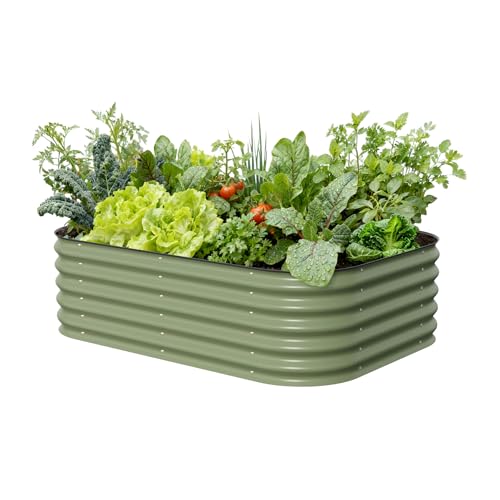
Vego Garden Metal Raised Garden Bed — Best Modular Metal
The Vego Garden metal bed is a coated metal bed: a modular coated-metal bed known for configurable shapes and taller profiles, aimed at gardeners who want to avoid wood rot and reconfigure beds over time. Treat it as a best modular metal candidate in prose terms. Best for: gardeners whose priorities match that description and who want a known, clearly described material. Not suited for: anyone whose site, crops, or budget point the other way — read the material, height, and fill discussion in this guide before deciding, and check the current listing yourself for the exact configuration on offer.
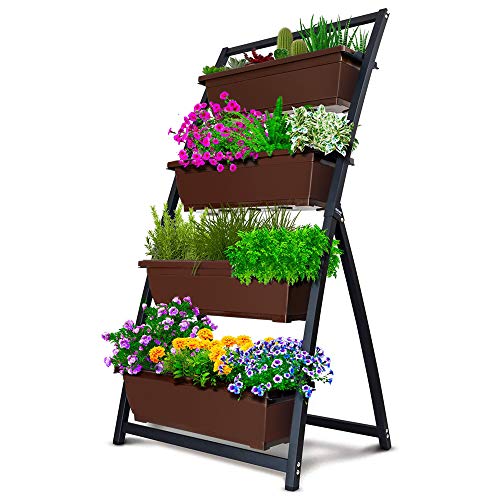
Outland Living Raised Garden Bed — Best for Tidy Patios
The Outland Living bed is a wood-look bed: a neat, furniture-leaning bed that suits patios and visible front or side gardens where appearance matters as much as growing space. Treat it as a best for tidy patios candidate in prose terms. Best for: gardeners whose priorities match that description and who want a known, clearly described material. Not suited for: anyone whose site, crops, or budget point the other way — read the material, height, and fill discussion in this guide before deciding, and check the current listing yourself for the exact configuration on offer.

Giantex Wooden Raised Garden Bed — Best Elevated Style
The Giantex bed is a wood bed: a practical wooden bed, often sold in elevated or tiered styles, that appeals to gardeners who want to reduce bending or fit a bed onto a deck or balcony. Treat it as a best elevated style candidate in prose terms. Best for: gardeners whose priorities match that description and who want a known, clearly described material. Not suited for: anyone whose site, crops, or budget point the other way — read the material, height, and fill discussion in this guide before deciding, and check the current listing yourself for the exact configuration on offer.

Foxlang Galvanized Raised Garden Bed — Best Galvanised Value
The Foxlang galvanized bed is a galvanized metal bed: a galvanized steel bed in the simple open-bottom panel style, chosen for durability, clean lines, and easy placement over prepared ground. Treat it as a best galvanised value candidate in prose terms. Best for: gardeners whose priorities match that description and who want a known, clearly described material. Not suited for: anyone whose site, crops, or budget point the other way — read the material, height, and fill discussion in this guide before deciding, and check the current listing yourself for the exact configuration on offer.
What You Actually Get
Height is a genuine trade-off, not a simple upgrade. Taller beds spare your back, warm earlier, drain beautifully, and can sit over poor or contaminated ground with a proper base and clean fill. They also need far more soil to fill, cost more to set up well, dry out faster, and can be awkward for very tall crops on a windy site. Shallow beds are cheaper to fill, kinder to deep-rooted plants that want to push into the ground below, and easier to move or reconfigure. Neither is better in the abstract. The right height is the one that matches your body, your crops, and your willingness to fill and water the volume you create.
Cost honesty helps everyone, so think about total cost rather than frame cost. The frame is often the smaller part of the bill: fill soil, compost, mulch, seeds, supports, netting, and watering gear add up, and a tall bed multiplies the fill line considerably. That does not make raised beds poor value — a productive bed returns harvests, convenience, and years of easier gardening — but it does mean a realistic budget beats an optimistic one. If funds are tight, start with one well-filled bed rather than three half-filled ones. One bed done properly teaches you everything and produces from the first season.
Water access shapes daily life with a raised bed more than almost anything else. Beds drain freely and warm quickly, which plants love, but that also means they dry faster than the ground around them, especially in wind and heat. Place beds within easy reach of a tap or a planned drip line, think about where the hose will lie so it does not crush seedlings, and consider mulch from the first week: a layer of clean straw, shredded leaves, or fine bark holds moisture, cools the surface, and cuts weeding. A bed that is easy to water gets watered; a bed at the far end of a long hose drag gets skipped on tired evenings, and the plants keep the score.
The Real Costs Beyond Money
Small spaces reward raised beds disproportionately. A single bed on a sunny patio, a narrow bed along a fence, or an elevated planter on a balcony turns otherwise decorative square footage into food and flowers. The rules shrink but do not change: know your material, fill with clean soil, keep drainage free, and be realistic about crop choice — compact and cut-and-come-again crops repay small spaces far better than one enormous plant that monopolises the bed. Herbs, salads, chillies, and dwarf beans are the classic small-bed earners, and they keep the harvest coming in handfuls all season.
Wildlife and pets write their own review of every bed. Cats treat fresh, soft raised-bed soil as an invitation, neighbourhood wildlife samples ripe produce, and dogs patrol edges. Plan for it rather than resenting it: a simple net or fleece over young crops, a low barrier while seedlings establish, and prompt harvesting all help. Taller beds deter some casual visitors but not determined ones. If your garden has regular four-legged attention, factor protection into the setup from day one instead of bolting it on after the first raided row of salad leaves.
Appearance matters more than purists admit, because a bed you like looking at gets tended. In a front garden, a tidy cedar or neat metal bed reads as intentional landscaping; a sagging improvised frame reads as a project that stalled. On a patio, an elevated planter keeps the space feeling furnished rather than allotment-like. Match the material to the setting you will see every day: natural wood softens into planting, coated metal looks crisp and modern, and galvanised steel has a working-garden honesty that suits a vegetable patch. Pride in the object is not vanity; it is maintenance motivation.
Who It Pays Off For
Measure the reach before you measure the plot. Most gardeners can work comfortably about two feet in from an edge, which is why beds you can reach from both sides are commonly around four feet wide, and beds pushed against a fence or wall should be narrower. Length is far more forgiving: a long bed is simply several short beds sharing a frame, as long as you leave paths wide enough for a wheelbarrow and for kneeling. Sketch the layout on paper, mark the paths honestly, and remember that a slightly smaller bed you can tend easily will out-produce a grand one you avoid because reaching the middle is a stretch and a strain.
Start with the job the bed has to do, because almost every good decision follows from it. A bed for salad leaves and herbs near the kitchen door wants to be shallow, handy, and easy to reach across. A bed for tomatoes, peppers, and squash wants depth, strong sun, and room for supports. A bed meant to rescue a gardener with a bad back wants height above all else. When the job is clear, size, material, and placement stop being guesses and become answers, and the long lists of options shrink to a handful that genuinely fit your garden, your body, and your season.
Assembly is a one-afternoon job that echoes for years, so do it properly. Build on the flattest ground you can, check the frame is square before you fill it, and never fill a bed and then try to move it — a filled bed is effectively permanent. Level the base, remove sharp stones and perennial weed roots from underneath, and if the ground below is good, fork it over so roots and worms can move between bed and soil. Take the extra twenty minutes to get the frame sitting true; every later job, from netting to adding a cold frame, is easier on a square, level bed.
Who Should Skip It
Edges and corners are where cheap beds fail first, so look there when you compare products. Boards bow outward under the pressure of wet soil, corners pull apart, and thin panels flex every time you lean a fork against them. Strong corner joints, sensible board thickness, and, on metal beds, rolled or folded edges that are safe to handle all matter more than decorative details. If a product description is vague about how corners join and how edges are finished, treat that vagueness as information. A bed is a retaining structure for heavy, wet soil; judge it like one.
Sunlight decides more harvests than any product feature. Walk the site at different times of day and notice where shadows from fences, sheds, and trees actually fall in midsummer, not just in spring. Most vegetables want a long stretch of direct sun, and a bed placed for convenience in a bright-looking spring corner can spend half the summer in shade as trees leaf out. If the sunniest spot is awkward, it is usually still the right spot: you will forgive a longer walk with the watering can far more readily than you will forgive a season of leggy, shaded plants that never quite produce.
Think in seasons, not in a single spring weekend. A good bed earns its place across the whole year: spring salads, summer fruiting crops, autumn roots and greens, and a winter cover of mulch or a simple cover crop that protects the soil you paid for. Rotation matters even in a small garden. Avoid growing the same family in the same bed year after year where you can, refresh the surface with compost each season, and keep notes.
Alternatives to Consider
How to Get the Most Value If You Buy
The Decision Checklist
Safety, Soil and Honest Limits You Need to Hear
Know what your bed material actually is
The most important safety rule in this whole guide is simple: know what your bed material is before food goes anywhere near it. Old railroad ties are the classic trap. They were treated with creosote, they can leach into surrounding soil, and they have no place around vegetables and herbs you plan to eat. The same caution applies to unknown reclaimed lumber and mystery treated timber from a demolition pile. If you cannot name the treatment, do not grow food in it. Either line it fully and treat it as an ornamental bed, or avoid it for food beds altogether and choose new, clearly described material instead. Modern shop-bought beds from named brands describe their material plainly, which is exactly why buying a known product is safer than improvising with found timber of unknown history.
Be honest about where your fill soil comes from
A raised bed is only as clean as the soil you fill it with, and fill soil sourcing deserves honesty rather than optimism. Bulk soil quality varies enormously: one load is rich, screened and ready to plant, the next is heavy, full of stones and weed seed, or mostly subsoil with very little organic matter. Ask the supplier what is in the mix and where it came from. More importantly, if your own garden soil or any donated soil comes from a suspect urban site — near an old painted building, a busy historic road, or former industrial ground — test that suspect urban soil for lead before growing food in it. A basic soil test through a local extension service is inexpensive compared with a season of vegetables, and it also tells you about pH and nutrients, so the test pays for itself twice.
Drainage and the liner trade-off
Liners sound like an easy answer to every worry, and they are not. A liner can slow direct contact between soil and a wooden frame and can help keep soil from washing out between boards, but a fully sealed liner also holds water, and waterlogged soil suffocates roots and rots frames faster from the inside. Most open-bottom beds drain best with no impermeable liner at all: the bed sits on the ground, excess water escapes downward, and worms move freely between the bed and the soil below. If you line the sides only, leave the bottom open. On a patio or deck, use a permeable landscape fabric base that lets water through while holding soil in, and accept that any bed on hard surfacing needs more frequent watering because it drains and dries faster.
Metal beds and hot sun
Metal beds have one honest weakness that sellers underplay: metal beds heat up in hot sun. On a fierce afternoon the soil near the edges of a galvanized or coated steel bed can become noticeably warmer than the soil in the middle, and shallow-rooted seedlings near the rim feel it first. In a hot climate, site a metal bed where it gets a little late-afternoon relief, mulch the surface well, water at the edges as carefully as at the centre, and avoid pushing heat-sensitive transplants right against the wall in midsummer. In cooler regions that same warmth is a small spring advantage, warming the bed earlier in the season. Neither effect is a deal-breaker, but pretending it does not exist leads to puzzled, scorched seedlings.
Wood rot timelines, stated plainly
No bed lasts forever, and wood rot timelines should be stated plainly rather than hidden behind the word durable. Untreated softwood in ground contact can soften and fail within a few seasons. Cedar and other naturally resistant woods last considerably longer, especially in drier climates and where boards can dry between waterings, but even cedar eventually softens at the soil line and at corners where moisture sits. Metal beds avoid rot entirely but can scratch, dent, and eventually corrode at damaged coating points. Plan on inspection each spring, expect to replace individual wooden boards rather than whole beds where the design allows it, and treat a bed as a long-lived tool with a finite life, not a permanent structure. That honest expectation is what separates a satisfied owner from a disappointed one.
Putting It All Together in Your Own Garden
Start with the job the bed has to do, because almost every good decision follows from it. A bed for salad leaves and herbs near the kitchen door wants to be shallow, handy, and easy to reach across. A bed for tomatoes, peppers, and squash wants depth, strong sun, and room for supports. A bed meant to rescue a gardener with a bad back wants height above all else. When the job is clear, size, material, and placement stop being guesses and become answers, and the long lists of options shrink to a handful that genuinely fit your garden, your body, and your season.
Seen through that lens, the Greenes Fence cedar bed earns its place on a shortlist only when its cedar wood construction and its intended setting line up with your site: check the material description carefully, picture the bed in your sunniest suitable spot, work out the fill it needs, and be honest about the watering routine you will keep in August as well as in April.
Measure the reach before you measure the plot. Most gardeners can work comfortably about two feet in from an edge, which is why beds you can reach from both sides are commonly around four feet wide, and beds pushed against a fence or wall should be narrower. Length is far more forgiving: a long bed is simply several short beds sharing a frame, as long as you leave paths wide enough for a wheelbarrow and for kneeling. Sketch the layout on paper, mark the paths honestly, and remember that a slightly smaller bed you can tend easily will out-produce a grand one you avoid because reaching the middle is a stretch and a strain.
Seen through that lens, the Best Choice Products wooden bed earns its place on a shortlist only when its wood construction and its intended setting line up with your site: check the material description carefully, picture the bed in your sunniest suitable spot, work out the fill it needs, and be honest about the watering routine you will keep in August as well as in April.
Sunlight decides more harvests than any product feature. Walk the site at different times of day and notice where shadows from fences, sheds, and trees actually fall in midsummer, not just in spring. Most vegetables want a long stretch of direct sun, and a bed placed for convenience in a bright-looking spring corner can spend half the summer in shade as trees leaf out. If the sunniest spot is awkward, it is usually still the right spot: you will forgive a longer walk with the watering can far more readily than you will forgive a season of leggy, shaded plants that never quite produce.
Seen through that lens, the Vego Garden metal bed earns its place on a shortlist only when its coated metal construction and its intended setting line up with your site: check the material description carefully, picture the bed in your sunniest suitable spot, work out the fill it needs, and be honest about the watering routine you will keep in August as well as in April.
Soil volume is the hidden work of every raised bed. A modest bed holds a surprising amount of fill, and a tall bed holds a small mountain. Work out the volume before you order anything, buy the best fill you can manage for the top layer where roots feed most actively, and do not panic about the bottom of a deep bed: clean garden soil, compost in progress, and bulky organic matter can take up lower space in a tall bed as long as drainage stays free and the material is genuinely clean. What you must never do is fill a food bed with soil of unknown history just because it was free and nearby.
Seen through that lens, the Outland Living bed earns its place on a shortlist only when its wood-look construction and its intended setting line up with your site: check the material description carefully, picture the bed in your sunniest suitable spot, work out the fill it needs, and be honest about the watering routine you will keep in August as well as in April.
Water access shapes daily life with a raised bed more than almost anything else. Beds drain freely and warm quickly, which plants love, but that also means they dry faster than the ground around them, especially in wind and heat. Place beds within easy reach of a tap or a planned drip line, think about where the hose will lie so it does not crush seedlings, and consider mulch from the first week: a layer of clean straw, shredded leaves, or fine bark holds moisture, cools the surface, and cuts weeding. A bed that is easy to water gets watered; a bed at the far end of a long hose drag gets skipped on tired evenings, and the plants keep the score.
Seen through that lens, the Giantex bed earns its place on a shortlist only when its wood construction and its intended setting line up with your site: check the material description carefully, picture the bed in your sunniest suitable spot, work out the fill it needs, and be honest about the watering routine you will keep in August as well as in April.
Think in seasons, not in a single spring weekend. A good bed earns its place across the whole year: spring salads, summer fruiting crops, autumn roots and greens, and a winter cover of mulch or a simple cover crop that protects the soil you paid for. Rotation matters even in a small garden. Avoid growing the same family in the same bed year after year where you can, refresh the surface with compost each season, and keep notes. A notebook page per bed — what went in, what thrived, what sulked — is worth more next spring than any amount of confident remembering in the garden centre.
Seen through that lens, the Foxlang galvanized bed earns its place on a shortlist only when its galvanized metal construction and its intended setting line up with your site: check the material description carefully, picture the bed in your sunniest suitable spot, work out the fill it needs, and be honest about the watering routine you will keep in August as well as in April.
Edges and corners are where cheap beds fail first, so look there when you compare products. Boards bow outward under the pressure of wet soil, corners pull apart, and thin panels flex every time you lean a fork against them. Strong corner joints, sensible board thickness, and, on metal beds, rolled or folded edges that are safe to handle all matter more than decorative details. If a product description is vague about how corners join and how edges are finished, treat that vagueness as information. A bed is a retaining structure for heavy, wet soil; judge it like one.
Seen through that lens, the Greenes Fence cedar bed earns its place on a shortlist only when its cedar wood construction and its intended setting line up with your site: check the material description carefully, picture the bed in your sunniest suitable spot, work out the fill it needs, and be honest about the watering routine you will keep in August as well as in April.
Height is a genuine trade-off, not a simple upgrade. Taller beds spare your back, warm earlier, drain beautifully, and can sit over poor or contaminated ground with a proper base and clean fill. They also need far more soil to fill, cost more to set up well, dry out faster, and can be awkward for very tall crops on a windy site. Shallow beds are cheaper to fill, kinder to deep-rooted plants that want to push into the ground below, and easier to move or reconfigure. Neither is better in the abstract. The right height is the one that matches your body, your crops, and your willingness to fill and water the volume you create.
Seen through that lens, the Best Choice Products wooden bed earns its place on a shortlist only when its wood construction and its intended setting line up with your site: check the material description carefully, picture the bed in your sunniest suitable spot, work out the fill it needs, and be honest about the watering routine you will keep in August as well as in April.
Appearance matters more than purists admit, because a bed you like looking at gets tended. In a front garden, a tidy cedar or neat metal bed reads as intentional landscaping; a sagging improvised frame reads as a project that stalled. On a patio, an elevated planter keeps the space feeling furnished rather than allotment-like. Match the material to the setting you will see every day: natural wood softens into planting, coated metal looks crisp and modern, and galvanised steel has a working-garden honesty that suits a vegetable patch. Pride in the object is not vanity; it is maintenance motivation.
Seen through that lens, the Vego Garden metal bed earns its place on a shortlist only when its coated metal construction and its intended setting line up with your site: check the material description carefully, picture the bed in your sunniest suitable spot, work out the fill it needs, and be honest about the watering routine you will keep in August as well as in April.
Wildlife and pets write their own review of every bed. Cats treat fresh, soft raised-bed soil as an invitation, neighbourhood wildlife samples ripe produce, and dogs patrol edges. Plan for it rather than resenting it: a simple net or fleece over young crops, a low barrier while seedlings establish, and prompt harvesting all help. Taller beds deter some casual visitors but not determined ones. If your garden has regular four-legged attention, factor protection into the setup from day one instead of bolting it on after the first raided row of salad leaves.
Seen through that lens, the Outland Living bed earns its place on a shortlist only when its wood-look construction and its intended setting line up with your site: check the material description carefully, picture the bed in your sunniest suitable spot, work out the fill it needs, and be honest about the watering routine you will keep in August as well as in April.
Assembly is a one-afternoon job that echoes for years, so do it properly. Build on the flattest ground you can, check the frame is square before you fill it, and never fill a bed and then try to move it — a filled bed is effectively permanent. Level the base, remove sharp stones and perennial weed roots from underneath, and if the ground below is good, fork it over so roots and worms can move between bed and soil. Take the extra twenty minutes to get the frame sitting true; every later job, from netting to adding a cold frame, is easier on a square, level bed.
Seen through that lens, the Giantex bed earns its place on a shortlist only when its wood construction and its intended setting line up with your site: check the material description carefully, picture the bed in your sunniest suitable spot, work out the fill it needs, and be honest about the watering routine you will keep in August as well as in April.
Cost honesty helps everyone, so think about total cost rather than frame cost. The frame is often the smaller part of the bill: fill soil, compost, mulch, seeds, supports, netting, and watering gear add up, and a tall bed multiplies the fill line considerably. That does not make raised beds poor value — a productive bed returns harvests, convenience, and years of easier gardening — but it does mean a realistic budget beats an optimistic one. If funds are tight, start with one well-filled bed rather than three half-filled ones. One bed done properly teaches you everything and produces from the first season.
Seen through that lens, the Foxlang galvanized bed earns its place on a shortlist only when its galvanized metal construction and its intended setting line up with your site: check the material description carefully, picture the bed in your sunniest suitable spot, work out the fill it needs, and be honest about the watering routine you will keep in August as well as in April.
Accessibility deserves more than a passing mention. Raised beds are one of the simplest ways to keep gardening open to people who cannot kneel, bend deeply, or work at ground level, and elevated planters extend that further for seated gardening and wheelchair users, provided paths are firm and wide enough and the reach across the bed is kept short. If accessibility is the point, test the reach and the working height with the actual gardener before filling anything, keep the most-used bed closest to the door, and put tools, water, and seating within the same small working area.
Seen through that lens, the Greenes Fence cedar bed earns its place on a shortlist only when its cedar wood construction and its intended setting line up with your site: check the material description carefully, picture the bed in your sunniest suitable spot, work out the fill it needs, and be honest about the watering routine you will keep in August as well as in April.
Small spaces reward raised beds disproportionately. A single bed on a sunny patio, a narrow bed along a fence, or an elevated planter on a balcony turns otherwise decorative square footage into food and flowers. The rules shrink but do not change: know your material, fill with clean soil, keep drainage free, and be realistic about crop choice — compact and cut-and-come-again crops repay small spaces far better than one enormous plant that monopolises the bed. Herbs, salads, chillies, and dwarf beans are the classic small-bed earners, and they keep the harvest coming in handfuls all season.
Seen through that lens, the Best Choice Products wooden bed earns its place on a shortlist only when its wood construction and its intended setting line up with your site: check the material description carefully, picture the bed in your sunniest suitable spot, work out the fill it needs, and be honest about the watering routine you will keep in August as well as in April.
Finally, keep expectations in the right order. A raised bed improves drainage, soil quality, access, and organisation. It does not repeal weather, pests, or the need to water, feed, and pay attention. Gardeners who treat the bed as a better starting point thrive with it; gardeners who treat it as a guarantee blame it unfairly by August. Go in with clear eyes, a notebook, and a watering routine, and a raised bed is one of the most reliably satisfying structures a garden can hold.
Seen through that lens, the Vego Garden metal bed earns its place on a shortlist only when its coated metal construction and its intended setting line up with your site: check the material description carefully, picture the bed in your sunniest suitable spot, work out the fill it needs, and be honest about the watering routine you will keep in August as well as in April.
Start with the job the bed has to do, because almost every good decision follows from it. A bed for salad leaves and herbs near the kitchen door wants to be shallow, handy, and easy to reach across. A bed for tomatoes, peppers, and squash wants depth, strong sun, and room for supports. A bed meant to rescue a gardener with a bad back wants height above all else. When the job is clear, size, material, and placement stop being guesses and become answers, and the long lists of options shrink to a handful that genuinely fit your garden, your body, and your season.
Seen through that lens, the Outland Living bed earns its place on a shortlist only when its wood-look construction and its intended setting line up with your site: check the material description carefully, picture the bed in your sunniest suitable spot, work out the fill it needs, and be honest about the watering routine you will keep in August as well as in April.
Measure the reach before you measure the plot. Most gardeners can work comfortably about two feet in from an edge, which is why beds you can reach from both sides are commonly around four feet wide, and beds pushed against a fence or wall should be narrower. Length is far more forgiving: a long bed is simply several short beds sharing a frame, as long as you leave paths wide enough for a wheelbarrow and for kneeling. Sketch the layout on paper, mark the paths honestly, and remember that a slightly smaller bed you can tend easily will out-produce a grand one you avoid because reaching the middle is a stretch and a strain.
Seen through that lens, the Giantex bed earns its place on a shortlist only when its wood construction and its intended setting line up with your site: check the material description carefully, picture the bed in your sunniest suitable spot, work out the fill it needs, and be honest about the watering routine you will keep in August as well as in April.
Sunlight decides more harvests than any product feature. Walk the site at different times of day and notice where shadows from fences, sheds, and trees actually fall in midsummer, not just in spring. Most vegetables want a long stretch of direct sun, and a bed placed for convenience in a bright-looking spring corner can spend half the summer in shade as trees leaf out. If the sunniest spot is awkward, it is usually still the right spot: you will forgive a longer walk with the watering can far more readily than you will forgive a season of leggy, shaded plants that never quite produce.
Seen through that lens, the Foxlang galvanized bed earns its place on a shortlist only when its galvanized metal construction and its intended setting line up with your site: check the material description carefully, picture the bed in your sunniest suitable spot, work out the fill it needs, and be honest about the watering routine you will keep in August as well as in April.
Soil volume is the hidden work of every raised bed. A modest bed holds a surprising amount of fill, and a tall bed holds a small mountain. Work out the volume before you order anything, buy the best fill you can manage for the top layer where roots feed most actively, and do not panic about the bottom of a deep bed: clean garden soil, compost in progress, and bulky organic matter can take up lower space in a tall bed as long as drainage stays free and the material is genuinely clean. What you must never do is fill a food bed with soil of unknown history just because it was free and nearby.
Seen through that lens, the Greenes Fence cedar bed earns its place on a shortlist only when its cedar wood construction and its intended setting line up with your site: check the material description carefully, picture the bed in your sunniest suitable spot, work out the fill it needs, and be honest about the watering routine you will keep in August as well as in April.
Frequently Asked Questions
How deep should a raised garden bed be?
Most vegetables are happy in a bed that gives them a generous depth of good soil, with salad and herb beds able to be shallower and root crops and tomatoes appreciating more depth. Remember that an open-bottom bed lets roots continue into the ground below, so depth matters most on patios, decks, and poor or suspect ground where the bed itself must hold the whole rooting zone.
Do raised beds need a liner?
Usually not, and a sealed liner often causes more harm than good by holding water against the frame and around roots. Line the sides only if you want to slow soil escaping between boards, keep the bottom open for drainage, and use permeable fabric rather than plastic sheeting where a base layer is genuinely needed on hard surfacing.
What should I fill a raised bed with?
Fill with a clean, known mix: decent topsoil blended with plenty of compost or other well-rotted organic matter. Bulk soil quality varies, so ask what is in the mix, inspect it if you can, and never use soil of unknown urban history for food growing without testing it first, including a check for lead on suspect sites.
Are metal raised beds safe and practical?
Named, food-garden metal beds from real brands are widely used and practical: they do not rot and they assemble neatly. Their honest trade-off is heat — metal beds warm up in strong sun, especially at the edges — so mulch well, water evenly, and give them a little afternoon relief in very hot climates.
How long will a wooden raised bed last?
No wooden bed lasts forever. Cedar and other resistant woods serve for many seasons, untreated softwood for far fewer, and corners and the soil line always age first. Inspect each spring, expect to replace individual boards over the bed’s life, and judge any product that promises permanence with healthy suspicion.
Can I put a raised bed on grass or concrete?
Yes to both, with different care. On grass, cut and lift the turf, fork the ground, and let the open bottom connect with the soil. On concrete or decking, drainage becomes your job: use a permeable base, water more attentively, protect the surface beneath, and accept that a bed on hard ground dries faster and needs a deeper, better fill.
Related Guides and Next Steps
Keep reading within this cluster and across the garden guides already live on the site.

