Disclosure: As an Amazon Associate, dailyhomedecorating.com earns from qualifying purchases. Links on this page are affiliate links; they cost you nothing extra. Prices and availability change often, so check the current Amazon listing before you buy.
This is an outdoor cooler worth it guide is written for real households planning real days out, not for laboratory tests. An outdoor cooler sounds simple, a box that keeps food cold, yet the difference between a good day and a disappointing one usually comes down to size, packing, ice and honest expectations. Below you will find clear picks, a plain buying guide, practical how to advice and straight answers, all built around food safety first.
Key Takeaways
Start with your usual trip, not your biggest one. Surround perishables with ice, keep the cooler in shade, pack raw meat sealed and below ready to eat food, keep food out of meltwater, and throw food out when you doubt how long it stayed warm. Wash and dry the cooler after every use. Choose handles, latches and size you can live with when the box is full and heavy, and remember that good habits improve every cooler, whatever its tier.
In this guide
Is an Outdoor Cooler Worth It? What You Actually Get
Materials and construction shape how a cooler ages. Thick insulated walls, a sturdy outer shell and well fitted hardware tend to survive knocks, stacking and years of being dragged across car parks and campsites. Softer, lighter designs are easier to carry and store and can be the right choice for short, gentle use. Neither approach is automatically better: the honest question is whether the build matches the work you will ask of it. A cooler bought for occasional garden parties does not need expedition manners, and a cooler bought for rough boat or site use should not be judged by picnic standards.
Shade is the cheapest performance upgrade you will ever give a cooler. A box left on hot tarmac in direct sun works against the sun as well as against the air, while the same box under a tree, a canopy or even a light coloured blanket stays noticeably calmer inside. At a campsite, keep it off sun baked ground where you can, open it away from cooking heat, and think about wind as well, because a sheltered spot reduces the warm air washing over the lid each time it opens. Good placement costs nothing and helps every model equally.
Size is a trade off in both directions. Too small, and food gets crushed, ice gets squeezed out, and warm items get left behind or carried unsafely in bags. Too large, and you carry empty air, burn through more ice to chill that air, and end up with a box too heavy and bulky to move comfortably. The sweet spot for most households is a cooler that fits the usual car boot, the usual group and the usual menu with a little room for ice on top, plus a smaller everyday option for short trips if the budget and storage allow.
The most useful way to judge any cooler is to start with the food, not the box. List what you actually carry on a normal outing, how it is packed, and how often the lid will open, because every opening lets warm air in and cold air out. A cooler that suits a quiet picnic for two behaves very differently from one that feeds a team after a match, even when both look similar on a shelf. Thinking in meals, drinks and ice together gives a far truer sense of size than any headline capacity claim, and it stops the common mistake of buying for the biggest trip you can imagine instead of the trips you really take.
Ice choice is a practical decision, not a contest. Large blocks melt more slowly and suit the bottom of the box, cubed ice fills gaps and cools quickly around cans and containers, and frozen bottles have the advantage that their meltwater stays contained and can be drunk later. Many households use a mix, blocks below, cubes around the food, and a bottle or two on top. Whatever you choose, use enough of it: a cooler that is mostly food with a token scattering of ice is a storage box with good intentions, not a cold store.
The Real Costs Beyond Money
A good seal is quiet, unglamorous and essential. The lid should close evenly, the gasket should sit without gaps or twists, and the latches should pull the lid down firmly without a struggle. A warped lid or a tired seal lets cold air leak all day, and no amount of extra ice fully compensates for a box that cannot stay closed. When you compare models in person, open and close them several times, check the corners, and look along the rim in good light. Online, read the description for seal and latch design rather than chasing headline claims.
Meltwater deserves respect rather than neglect. Food should not sit soaking in meltwater, because loose items become soggy, labels and packaging break down, and water that has washed around raw meat packaging should never bathe ready to eat food. Either drain meltwater away as it builds, while keeping enough ice in place to stay cold, or keep food in sealed containers and raised above the melt. Dry goods, bread and anything in cardboard belong in sealed bags or boxes, ideally near the top, where they stay cold without getting wet.
Weather changes the plan more than brand does. On a mild day with shade and few openings, almost any sound cooler keeps a picnic pleasant. On a hot day with a long drive, a crowded boot and constant opening, packing discipline, pre chilling and shade matter more than small design differences. Build your expectations around conditions: add ice, reduce openings, separate drinks and keep perishables buried in ice when the day is hot, and relax a little when it is not. Owners who adapt to the weather get good results from a wide range of coolers.
After every outing, wash and dry the cooler before you store it. Empty it fully, wash the interior with warm soapy water, rinse it clean, and let it dry completely with the lid open before closing it for storage. That routine prevents the mould and stale smells that otherwise greet you at the start of the next trip, and it gives you a moment to check the seal, the latches, the handles and the drain for damage while repairs are still easy. A cooler stored damp will smell damp, however good its insulation may be.
Cleaning access is easy to overlook and hard to forgive. Smooth interiors wipe clean more readily than deeply textured ones, a drain that actually empties the box saves tipping a heavy cooler on its side, and removable parts should go back together without a puzzle. Think about where you will wash it, where it will dry, and where it will live between trips. A cooler that fits its storage shelf, stands upright in the garage and dries quickly on the patio is a cooler that stays in regular, happy use.
Who It Pays Off For
Separate your drinks from your food if you can. A small second cooler or a dedicated drinks section means the main food cooler opens far less often, and every avoided opening keeps cold air where it belongs. Drinks tolerate repeated opening and a little warming far better than perishables do, so giving them their own space protects the food without spoiling anyone’s fun. If you only own one cooler, pack drinks around the edges and food in sealed containers in the centre, and teach everyone where things are so nobody rummages with the lid wide open.
Budget should be judged over years, not at the till. An entry level cooler that suits short trips and gets replaced when it cracks may be perfectly sensible, while a premium cooler only earns its tier if you use it often, travel far, or keep food cold through long, hot days. Ice, replacement parts and the food you protect are part of the real cost too. Spend first on the size and build you will actually use, keep some of the budget for good containers, a thermometer habit and plenty of ice, and be wary of paying for toughness your trips will never test.
Organisation inside the box saves cold and tempers. Put the food you will eat last at the bottom, the food you will eat first near the top, and group items by meal so you open once and take out everything for that meal together. Small sealed tubs, zip bags and a simple mental map stop the long, lid open rummage that warms everything. Tell the group the plan before you set off, especially with children, because a cooler works best when everyone treats opening it as a quick, purposeful visit rather than browsing with the lid up.
Pre chilling changes the whole day. Chill drinks and food in the fridge before they go in, and if you can, cool the empty cooler itself beforehand with a sacrificial bag of ice or cold water that you discard before packing. Putting warm cans and room temperature food into a warm box asks the ice to do two jobs at once, cooling the contents and cooling the walls, and the contents pay for it later. Starting cold is a habit that experienced campers, anglers and tailgaters share, whatever brand of cooler they own.
Handles, latches and wheels decide whether a cooler gets used or left in the garage. A full cooler is heavy, far heavier than the empty box you lifted in the shop, so carry it empty in your mind and then imagine it loaded with ice, drinks and food. Two person handles, a comfortable grip, latches you can work with cold or wet hands, and wheels that suit your ground rather than a showroom floor all matter more over years of use than small differences in insulation. If one person will usually move it alone, be honest about that from the start.
The profiles below name the models readers ask about most, in prose, so you can compare roles before you shop.

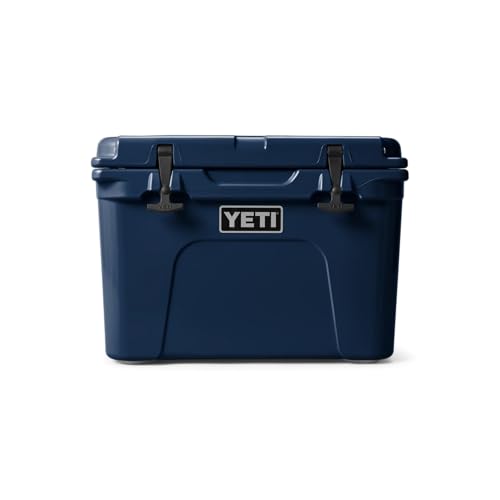
YETI Tundra
Best for: households whose trips match a premium cooler with a straightforward, dependable design and no unnecessary fuss. Not suited for: buyers whose needs point firmly to a different size or style, however appealing the name may be. Treat this as a premium option to compare on size, handles, latch feel and how easily it cleans, rather than on headline claims. Pack it with full ice coverage, keep perishables sealed, keep raw meat below ready to eat food, and judge it by a normal trip in your own car and your own shade, not by a best case test.
Strengths: a clear role in the line up, practical everyday handling and a design most households can learn in one trip. Trade-offs: no single cooler suits every group size, every vehicle and every kind of weather, so check the fit against your usual outing before you commit.
RTIC Ultra-Light Cooler
Best for: households whose trips match a mid-range cooler with a straightforward, dependable design and no unnecessary fuss. Not suited for: buyers whose needs point firmly to a different size or style, however appealing the name may be. Treat this as a mid-range option to compare on size, handles, latch feel and how easily it cleans, rather than on headline claims. Pack it with full ice coverage, keep perishables sealed, keep raw meat below ready to eat food, and judge it by a normal trip in your own car and your own shade, not by a best case test.
Strengths: a clear role in the line up, practical everyday handling and a design most households can learn in one trip. Trade-offs: no single cooler suits every group size, every vehicle and every kind of weather, so check the fit against your usual outing before you commit.

Coleman Xtreme
Best for: households whose trips match a entry-level cooler with a straightforward, dependable design and no unnecessary fuss. Not suited for: buyers whose needs point firmly to a different size or style, however appealing the name may be. Treat this as a entry-level option to compare on size, handles, latch feel and how easily it cleans, rather than on headline claims. Pack it with full ice coverage, keep perishables sealed, keep raw meat below ready to eat food, and judge it by a normal trip in your own car and your own shade, not by a best case test.
Strengths: a clear role in the line up, practical everyday handling and a design most households can learn in one trip. Trade-offs: no single cooler suits every group size, every vehicle and every kind of weather, so check the fit against your usual outing before you commit.

Igloo BMX
Best for: households whose trips match a mid-range cooler with a straightforward, dependable design and no unnecessary fuss. Not suited for: buyers whose needs point firmly to a different size or style, however appealing the name may be. Treat this as a mid-range option to compare on size, handles, latch feel and how easily it cleans, rather than on headline claims. Pack it with full ice coverage, keep perishables sealed, keep raw meat below ready to eat food, and judge it by a normal trip in your own car and your own shade, not by a best case test.
Strengths: a clear role in the line up, practical everyday handling and a design most households can learn in one trip. Trade-offs: no single cooler suits every group size, every vehicle and every kind of weather, so check the fit against your usual outing before you commit.
Who Should Skip It
A cooler earns trust slowly, trip by trip. Note what worked: how much ice you used, what stayed properly cold, what got wet, what was hard to carry, and what you packed but never ate. Those small notes make the next trip better than any single purchase can. Over a season, households develop a system, a packing order, a favourite ice mix and a realistic sense of size, and that system is the real product. The cooler is the centre of it, but the habits around it decide how well your food travels.
Food safety has to sit at the centre of every cooler decision, and it is not complicated once you make it a habit. A cooler is only as cold as its ice, so perishables still need full ice coverage and a spot in the shade whenever you stop. Fill gaps around food with ice rather than leaving warm air pockets, keep the lid closed between servings, and treat the cooler as a cold store that slows warming rather than as a machine that creates cold. That simple mindset prevents most of the disappointment people blame on the cooler itself.
Think about the second and third uses before you buy the first cooler. The same box may serve school sports, a fishing morning, a long drive to relatives, a power cut at home and a garden party in the same season. Versatility favours a neutral size, a lid strong enough to sit on in a pinch if the maker allows it, and a shape that fits different vehicles. Specialised designs earn their place when one use dominates, but most households are better served by a dependable all rounder they understand well than by a narrow specialist they rarely take out.
When in doubt about how long food stayed warm, throw it out. That rule sounds wasteful until you say it plainly at the table: no sandwich, salad or leftover is worth an evening of illness for your family or guests. If a cooler has sat open in the sun, if the ice has largely gone and the food inside feels merely cool rather than properly cold, or if you simply cannot remember when something came out of the fridge, be conservative and discard it. Planning a little extra ice is far cheaper, in every sense, than trying to rescue food you no longer trust.
Packing order matters as much as packing temperature. Pack raw meat sealed, in a leakproof container or a well sealed bag, and place it below ready to eat food such as salads, fruit, cheese and cooked dishes, never above them. That way, if anything drips, it cannot fall onto food that will be eaten without further cooking, which is the cross contamination risk that ruins otherwise careful picnics. Keep raw meat in its own corner, keep utensils for raw and cooked food separate, and wash hands or use clean wipes after handling raw items before touching anything else.
Strengths and Trade-Offs of Owning One
Materials and construction shape how a cooler ages. Thick insulated walls, a sturdy outer shell and well fitted hardware tend to survive knocks, stacking and years of being dragged across car parks and campsites. Softer, lighter designs are easier to carry and store and can be the right choice for short, gentle use. Neither approach is automatically better: the honest question is whether the build matches the work you will ask of it. A cooler bought for occasional garden parties does not need expedition manners, and a cooler bought for rough boat or site use should not be judged by picnic standards.
Shade is the cheapest performance upgrade you will ever give a cooler. A box left on hot tarmac in direct sun works against the sun as well as against the air, while the same box under a tree, a canopy or even a light coloured blanket stays noticeably calmer inside. At a campsite, keep it off sun baked ground where you can, open it away from cooking heat, and think about wind as well, because a sheltered spot reduces the warm air washing over the lid each time it opens. Good placement costs nothing and helps every model equally.
Size is a trade off in both directions. Too small, and food gets crushed, ice gets squeezed out, and warm items get left behind or carried unsafely in bags. Too large, and you carry empty air, burn through more ice to chill that air, and end up with a box too heavy and bulky to move comfortably. The sweet spot for most households is a cooler that fits the usual car boot, the usual group and the usual menu with a little room for ice on top, plus a smaller everyday option for short trips if the budget and storage allow.
The most useful way to judge any cooler is to start with the food, not the box. List what you actually carry on a normal outing, how it is packed, and how often the lid will open, because every opening lets warm air in and cold air out. A cooler that suits a quiet picnic for two behaves very differently from one that feeds a team after a match, even when both look similar on a shelf. Thinking in meals, drinks and ice together gives a far truer sense of size than any headline capacity claim, and it stops the common mistake of buying for the biggest trip you can imagine instead of the trips you really take.
Ice choice is a practical decision, not a contest. Large blocks melt more slowly and suit the bottom of the box, cubed ice fills gaps and cools quickly around cans and containers, and frozen bottles have the advantage that their meltwater stays contained and can be drunk later. Many households use a mix, blocks below, cubes around the food, and a bottle or two on top. Whatever you choose, use enough of it: a cooler that is mostly food with a token scattering of ice is a storage box with good intentions, not a cold store.
Alternatives to Consider
A good seal is quiet, unglamorous and essential. The lid should close evenly, the gasket should sit without gaps or twists, and the latches should pull the lid down firmly without a struggle. A warped lid or a tired seal lets cold air leak all day, and no amount of extra ice fully compensates for a box that cannot stay closed. When you compare models in person, open and close them several times, check the corners, and look along the rim in good light. Online, read the description for seal and latch design rather than chasing headline claims.
Meltwater deserves respect rather than neglect. Food should not sit soaking in meltwater, because loose items become soggy, labels and packaging break down, and water that has washed around raw meat packaging should never bathe ready to eat food. Either drain meltwater away as it builds, while keeping enough ice in place to stay cold, or keep food in sealed containers and raised above the melt. Dry goods, bread and anything in cardboard belong in sealed bags or boxes, ideally near the top, where they stay cold without getting wet.
Weather changes the plan more than brand does. On a mild day with shade and few openings, almost any sound cooler keeps a picnic pleasant. On a hot day with a long drive, a crowded boot and constant opening, packing discipline, pre chilling and shade matter more than small design differences. Build your expectations around conditions: add ice, reduce openings, separate drinks and keep perishables buried in ice when the day is hot, and relax a little when it is not. Owners who adapt to the weather get good results from a wide range of coolers.
After every outing, wash and dry the cooler before you store it. Empty it fully, wash the interior with warm soapy water, rinse it clean, and let it dry completely with the lid open before closing it for storage. That routine prevents the mould and stale smells that otherwise greet you at the start of the next trip, and it gives you a moment to check the seal, the latches, the handles and the drain for damage while repairs are still easy. A cooler stored damp will smell damp, however good its insulation may be.
Cleaning access is easy to overlook and hard to forgive. Smooth interiors wipe clean more readily than deeply textured ones, a drain that actually empties the box saves tipping a heavy cooler on its side, and removable parts should go back together without a puzzle. Think about where you will wash it, where it will dry, and where it will live between trips. A cooler that fits its storage shelf, stands upright in the garage and dries quickly on the patio is a cooler that stays in regular, happy use.
How to Get the Most Value If You Buy
Separate your drinks from your food if you can. A small second cooler or a dedicated drinks section means the main food cooler opens far less often, and every avoided opening keeps cold air where it belongs. Drinks tolerate repeated opening and a little warming far better than perishables do, so giving them their own space protects the food without spoiling anyone’s fun. If you only own one cooler, pack drinks around the edges and food in sealed containers in the centre, and teach everyone where things are so nobody rummages with the lid wide open.
Budget should be judged over years, not at the till. An entry level cooler that suits short trips and gets replaced when it cracks may be perfectly sensible, while a premium cooler only earns its tier if you use it often, travel far, or keep food cold through long, hot days. Ice, replacement parts and the food you protect are part of the real cost too. Spend first on the size and build you will actually use, keep some of the budget for good containers, a thermometer habit and plenty of ice, and be wary of paying for toughness your trips will never test.
Organisation inside the box saves cold and tempers. Put the food you will eat last at the bottom, the food you will eat first near the top, and group items by meal so you open once and take out everything for that meal together. Small sealed tubs, zip bags and a simple mental map stop the long, lid open rummage that warms everything. Tell the group the plan before you set off, especially with children, because a cooler works best when everyone treats opening it as a quick, purposeful visit rather than browsing with the lid up.
Pre chilling changes the whole day. Chill drinks and food in the fridge before they go in, and if you can, cool the empty cooler itself beforehand with a sacrificial bag of ice or cold water that you discard before packing. Putting warm cans and room temperature food into a warm box asks the ice to do two jobs at once, cooling the contents and cooling the walls, and the contents pay for it later. Starting cold is a habit that experienced campers, anglers and tailgaters share, whatever brand of cooler they own.
Handles, latches and wheels decide whether a cooler gets used or left in the garage. A full cooler is heavy, far heavier than the empty box you lifted in the shop, so carry it empty in your mind and then imagine it loaded with ice, drinks and food. Two person handles, a comfortable grip, latches you can work with cold or wet hands, and wheels that suit your ground rather than a showroom floor all matter more over years of use than small differences in insulation. If one person will usually move it alone, be honest about that from the start.
The Decision Checklist
A cooler earns trust slowly, trip by trip. Note what worked: how much ice you used, what stayed properly cold, what got wet, what was hard to carry, and what you packed but never ate. Those small notes make the next trip better than any single purchase can. Over a season, households develop a system, a packing order, a favourite ice mix and a realistic sense of size, and that system is the real product. The cooler is the centre of it, but the habits around it decide how well your food travels.
Food safety has to sit at the centre of every cooler decision, and it is not complicated once you make it a habit. A cooler is only as cold as its ice, so perishables still need full ice coverage and a spot in the shade whenever you stop. Fill gaps around food with ice rather than leaving warm air pockets, keep the lid closed between servings, and treat the cooler as a cold store that slows warming rather than as a machine that creates cold. That simple mindset prevents most of the disappointment people blame on the cooler itself.
Think about the second and third uses before you buy the first cooler. The same box may serve school sports, a fishing morning, a long drive to relatives, a power cut at home and a garden party in the same season. Versatility favours a neutral size, a lid strong enough to sit on in a pinch if the maker allows it, and a shape that fits different vehicles. Specialised designs earn their place when one use dominates, but most households are better served by a dependable all rounder they understand well than by a narrow specialist they rarely take out.
When in doubt about how long food stayed warm, throw it out. That rule sounds wasteful until you say it plainly at the table: no sandwich, salad or leftover is worth an evening of illness for your family or guests. If a cooler has sat open in the sun, if the ice has largely gone and the food inside feels merely cool rather than properly cold, or if you simply cannot remember when something came out of the fridge, be conservative and discard it. Planning a little extra ice is far cheaper, in every sense, than trying to rescue food you no longer trust.
Packing order matters as much as packing temperature. Pack raw meat sealed, in a leakproof container or a well sealed bag, and place it below ready to eat food such as salads, fruit, cheese and cooked dishes, never above them. That way, if anything drips, it cannot fall onto food that will be eaten without further cooking, which is the cross contamination risk that ruins otherwise careful picnics. Keep raw meat in its own corner, keep utensils for raw and cooked food separate, and wash hands or use clean wipes after handling raw items before touching anything else.
A cooler earns trust slowly, trip by trip. Note what worked: how much ice you used, what stayed properly cold, what got wet, what was hard to carry, and what you packed but never ate. Those small notes make the next trip better than any single purchase can. Over a season, households develop a system, a packing order, a favourite ice mix and a realistic sense of size, and that system is the real product. The cooler is the centre of it, but the habits around it decide how well your food travels.
Ice choice is a practical decision, not a contest. Large blocks melt more slowly and suit the bottom of the box, cubed ice fills gaps and cools quickly around cans and containers, and frozen bottles have the advantage that their meltwater stays contained and can be drunk later. Many households use a mix, blocks below, cubes around the food, and a bottle or two on top. Whatever you choose, use enough of it: a cooler that is mostly food with a token scattering of ice is a storage box with good intentions, not a cold store.
Materials and construction shape how a cooler ages. Thick insulated walls, a sturdy outer shell and well fitted hardware tend to survive knocks, stacking and years of being dragged across car parks and campsites. Softer, lighter designs are easier to carry and store and can be the right choice for short, gentle use. Neither approach is automatically better: the honest question is whether the build matches the work you will ask of it. A cooler bought for occasional garden parties does not need expedition manners, and a cooler bought for rough boat or site use should not be judged by picnic standards.
After every outing, wash and dry the cooler before you store it. Empty it fully, wash the interior with warm soapy water, rinse it clean, and let it dry completely with the lid open before closing it for storage. That routine prevents the mould and stale smells that otherwise greet you at the start of the next trip, and it gives you a moment to check the seal, the latches, the handles and the drain for damage while repairs are still easy. A cooler stored damp will smell damp, however good its insulation may be.
Handles, latches and wheels decide whether a cooler gets used or left in the garage. A full cooler is heavy, far heavier than the empty box you lifted in the shop, so carry it empty in your mind and then imagine it loaded with ice, drinks and food. Two person handles, a comfortable grip, latches you can work with cold or wet hands, and wheels that suit your ground rather than a showroom floor all matter more over years of use than small differences in insulation. If one person will usually move it alone, be honest about that from the start.
Packing order matters as much as packing temperature. Pack raw meat sealed, in a leakproof container or a well sealed bag, and place it below ready to eat food such as salads, fruit, cheese and cooked dishes, never above them. That way, if anything drips, it cannot fall onto food that will be eaten without further cooking, which is the cross contamination risk that ruins otherwise careful picnics. Keep raw meat in its own corner, keep utensils for raw and cooked food separate, and wash hands or use clean wipes after handling raw items before touching anything else.
Weather changes the plan more than brand does. On a mild day with shade and few openings, almost any sound cooler keeps a picnic pleasant. On a hot day with a long drive, a crowded boot and constant opening, packing discipline, pre chilling and shade matter more than small design differences. Build your expectations around conditions: add ice, reduce openings, separate drinks and keep perishables buried in ice when the day is hot, and relax a little when it is not. Owners who adapt to the weather get good results from a wide range of coolers.
Think about the second and third uses before you buy the first cooler. The same box may serve school sports, a fishing morning, a long drive to relatives, a power cut at home and a garden party in the same season. Versatility favours a neutral size, a lid strong enough to sit on in a pinch if the maker allows it, and a shape that fits different vehicles. Specialised designs earn their place when one use dominates, but most households are better served by a dependable all rounder they understand well than by a narrow specialist they rarely take out.
Food safety has to sit at the centre of every cooler decision, and it is not complicated once you make it a habit. A cooler is only as cold as its ice, so perishables still need full ice coverage and a spot in the shade whenever you stop. Fill gaps around food with ice rather than leaving warm air pockets, keep the lid closed between servings, and treat the cooler as a cold store that slows warming rather than as a machine that creates cold. That simple mindset prevents most of the disappointment people blame on the cooler itself.
Separate your drinks from your food if you can. A small second cooler or a dedicated drinks section means the main food cooler opens far less often, and every avoided opening keeps cold air where it belongs. Drinks tolerate repeated opening and a little warming far better than perishables do, so giving them their own space protects the food without spoiling anyone’s fun. If you only own one cooler, pack drinks around the edges and food in sealed containers in the centre, and teach everyone where things are so nobody rummages with the lid wide open.
The Break-Even Question: When a Outdoor cooler Earns Its Space, and When It Honestly Does Not
Worth it is a personal verdict dressed as a product question. The same outdoor cooler can be money well spent for one household and an expensive ornament for another, and the difference is almost never quality — it is frequency of use, fit with the space, and what it replaces. This section gives you a break-even way of thinking about the outdoor cooler: a simple accounting of cost per use, space per benefit, and effort per result, plus the honest signs that your household should skip it, borrow it, or buy the simpler version instead. Run your own numbers through it before you decide.
The Arithmetic That Actually Matters
Start with cost per use. Take the full cost of owning the outdoor cooler — purchase, any consumables, any accessories you genuinely need, and the space it occupies valued honestly — and divide it by a realistic count of uses in its first two years. Realistic is the key word: count the uses your calendar supports, not the uses your intentions promise in January. Then compare that figure with the alternatives you would actually use — hiring, borrowing, a service, or the simpler item you already own. A outdoor cooler that wins that comparison on your real schedule is worth it almost regardless of its badge; one that only wins on an imagined schedule is not.
The Signs on Each Side of the Line
On the worth-it side: you already do the task or feel the gap weekly; you have measured the space and it fits with room to live around; someone besides the buyer will use it too; and you can name what it replaces or retires. On the skip-it side: the purchase is motivated by a rare event, a visitor, or a version of your routine you have never actually kept; the space only works if something else is moved into storage; or the honest plan is to change your habits first and buy later. Neither list is a judgement — households change, and a outdoor cooler that fails the test this year may pass it easily after a move, a new job or a new family member.
Before you buy the outdoor cooler, answer these five questions out loud or on paper:
- How many times did I genuinely need this in the last three months — not wished for it, needed it?
- What exactly does it replace, retire or stop me paying for, starting in its first month?
- Where does it live when idle, measured and checked, and what currently in that spot gets moved?
- Who else in the household will use it without being asked, and who will maintain it?
- If it stopped working in a year, would I replace it immediately, manage without, or feel quietly relieved?
Beware of buying for the household you hope to become; the outdoor cooler that serves the household you already are will be used this week, not someday. A tape measure, a spirit level and ten patient minutes prevent more outdoor cooler regrets than any amount of comparison shopping after the fact.
The last question is the sharpest: immediate replacement means the outdoor cooler has become infrastructure in your home, and purchases like that are almost always worth it. Quiet relief means the opposite, however good the reviews were. Decide with your own arithmetic and your own answers, and whichever way the verdict falls you will have bought — or saved — with your eyes open, which is the only definition of value that survives contact with real life.
Frequently Asked Questions
How much ice does an outdoor cooler need?
Enough to surround perishables completely, fill the air gaps around food and still leave a layer over the top. A cooler that is mostly food with a scattering of ice will warm quickly, whatever its walls promise. Pack blocks low, cubes around containers, keep drinks separate if you can, and add more ice on hot days or long drives. When in doubt, carry extra ice rather than extra food you may have to throw away.
How do I stop food getting soggy in a cooler?
Keep food in sealed containers or well sealed bags, raise containers above meltwater where you can, and drain meltwater as it builds while keeping plenty of ice in place. Bread, cakes and anything in cardboard belong in sealed bags near the top. Raw meat stays sealed and below ready to eat food, so meltwater never carries anything from raw packaging onto food you will eat as it is.
Can I leave a cooler in a hot car?
Avoid it whenever you can. A closed car in sun becomes far hotter than the day outside, and even a good cooler only slows that warming. Move the cooler into shade at your destination, take perishables out first, and be conservative about anything that has sat warm for an uncertain length of time. When in doubt about how long food stayed warm, throw it out rather than serving it and hoping.
How should I clean an outdoor cooler after a trip?
Empty it as soon as you get home, wash the inside with warm soapy water, rinse well and dry it completely with the lid open before storing it. Check the seal, latches and drain while it dries, and wipe the outside if it has picked up mud or sand. Storing a cooler dry is what prevents mould and stale smells, and it means the box is ready to pack without a rescue wash next time.
Is a bigger cooler always better?
No. A cooler that is too large carries warm air, needs more ice and becomes heavy and awkward to move, while one that is too small crushes food and leaves no room for ice. Choose for your usual group, menu and vehicle, and consider a smaller second cooler for drinks or short trips. The best size is the one you can fill properly, lift safely when full and store without a struggle.
What should go at the bottom of a cooler?
Start with a layer of ice, then the food you will eat last, with raw meat sealed and placed low but never above ready to eat food. Build upward by meal order, keep ready to eat items in sealed containers above raw items, fill gaps with ice and finish with ice over the top. Drinks can go around the edges or in a separate cooler, so the food cooler opens less often through the day.
Related Reading
our outdoor cooler reviews roundup
our outdoor cooler buying guide