Disclosure: As an Amazon Associate, dailyhomedecorating.com earns from qualifying purchases. Links on this page are affiliate links; they cost you nothing extra. Prices and availability change often, so check the current Amazon listing before you buy.
Choosing the best backpack for college sounds like a small decision until the bag starts its real job: hauling a laptop, a charger, two textbooks, a water bottle, gym clothes and somebody’s entire personality across a campus, in the rain, for four years. A college backpack is less an accessory than a piece of daily infrastructure, and the difference between a good one and a merely colourful one shows up by the third week of term — in shoulder comfort, in whether the laptop survives a dropped bag, in whether the zips still close in year three. Four verified packs anchor this guide: two from JanSport, the American campus institution, and two from Fjällräven, the Swedish maker whose square Kanken silhouette has become a campus uniform of its own.
The four split by philosophy as much as by size. JanSport builds for capacity and organisation, with padded laptop sleeves, multiple compartments and straps shaped for loaded carries. Fjällräven builds for simplicity and longevity, with a single main compartment, famously tough Vinylon fabric and a design that has barely changed in decades because it did not need to. A student who lives out of their bag between lectures needs the first philosophy; a student who carries light, cycles across town and wants one bag for lectures, weekends and everything after graduation leans toward the second. This guide works through both honestly, including the trade-offs each camp prefers not to advertise.
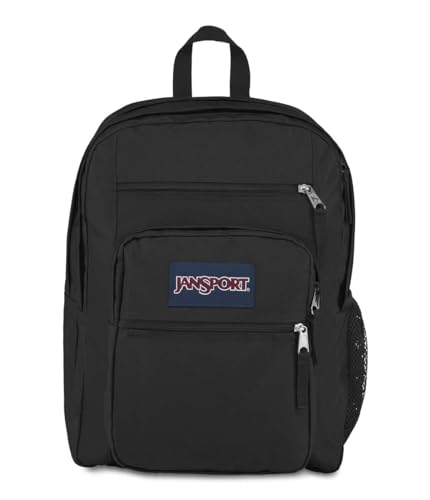
Key Takeaways
- The JanSport Laptop Backpack is the organised all-rounder: two compartments, a padded fifteen-inch laptop sleeve and ergonomic straps for heavy daily loads.
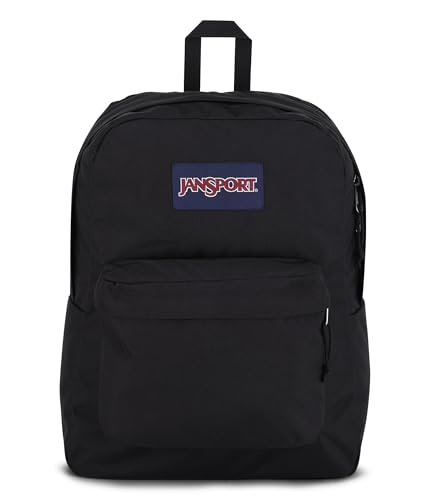
- The JanSport SuperBreak One is the lightweight classic — one main compartment, a front organiser pocket, and a price of admission measured in simplicity.
- The Fjällräven Kanken trades compartments for durability and style, with water-resistant Vinylon fabric and a shape that doubles as a weekend bag.
- The Kanken Laptop 17 adds a padded compartment for large laptops, answering the classic Kanken’s main weakness for students.
- Laptop size decides first: measure your machine before falling for any bag, since sleeves are unforgiving of optimism.
- Four years of daily use reward stitching, zip quality and strap padding far more than extra pockets.
In this guide
Quick Picks: Best Backpack for College at a Glance
| Pick | Laptop fit | Compartments | Known for |
|---|---|---|---|
| JanSport Laptop Backpack | 15-inch sleeve | 2 main compartments | Organisation and loaded comfort |
| JanSport SuperBreak One | No dedicated sleeve | 1 main compartment | Lightweight campus classic |
| Fjällräven Kanken | Carries smaller laptops unpadded | 1 main compartment | Durability and timeless design |
| Fjällräven Kanken Laptop 17 | 17-inch padded compartment | Main plus laptop section | Big-laptop protection, Kanken style |
Read the table as a map of student types. The heavy carrier — engineering textbooks, a laptop, a change of clothes for the lab or the gym — belongs in the JanSport Laptop. The light carrier with a tablet and two paperbacks belongs in the SuperBreak. The design-conscious minimalist who cycles and travels belongs in the Kanken. The student with a large workstation laptop, common in design, architecture and gaming circles, belongs in the Kanken Laptop 17 or must look at the JanSport and add a sleeve. Everything after this table is about confirming which of those students you actually are, rather than the one a catalogue imagines.
Each pack below links to its Amazon listing, where colour variants and the exact size can be confirmed before ordering — backpack listings gather many colours under one page, and the cheerful shade in the photograph is not always the one in the cart. All four models were verified against catalogue data, and each carries its official product image beside its review section.
How Did We Choose These College Backpacks?
Six criteria shaped the shortlist. Laptop protection came first, because the computer is the most expensive and fragile thing a student carries: sleeve padding, suspension off the bag’s base, and honest sizing. Carrying comfort came second — strap shape, padding and back panel design judged for a loaded walk of twenty minutes, not a pose in a shop. Third was organisation: whether the bag separates books, electronics, food and small essentials or swallows them into one archaeological pit. Fourth, material durability, including fabric abrasion resistance, water behaviour in a campus downpour and zip quality. Fifth, versatility beyond campus — travel, internships, weekend trips — because a student’s bag rarely gets to specialise. Sixth, longevity signals: construction details and the maker’s record of standing behind seams and straps across years of student abuse.
The two brands represent the category’s twin traditions. JanSport, founded in nineteen sixty-seven, grew with the American campus itself and its bags carry a lifetime-oriented reputation among students who inherit older siblings’ packs. Fjällräven’s Kanken was designed in nineteen seventy-eight specifically for Swedish schoolchildren, to distribute weight evenly across young backs, and its near-unchanged design is a standing argument that a bag can be finished. Choosing between the traditions is choosing what a backpack is for: a mobile workstation, or a durable container for a considered few things.

JanSport Laptop Backpack — the Organised Workhorse
Badge: Best overall for most students
| Spec | Detail |
|---|---|
| Laptop fit | Padded 15-inch laptop sleeve |
| Organisation | 2 compartments plus front utility storage |
| Straps | Ergonomic shoulder straps with haul handle |
| Colour | Black (other colours on the listing) |
This is the bag for the student whose backpack is a second home. Two compartments divide the load intelligently — books and binders in one, softer cargo in the other — while the padded fifteen-inch sleeve keeps the laptop in its own protected world, away from textbook corners and water-bottle mishaps. The ergonomic straps earn their adjective on the long walk from a distant car park or a cross-campus sprint: shaped and padded to spread a heavy load, they postpone the shoulder ache that defines lesser bags by October. A haul handle on top sounds trivial until the bag is being lifted onto a train rack or out of a crowded lecture row for the fourth time in a day.
Organisation is the deeper virtue. Chargers, pens, keys, a calculator and the cable that fits nothing else all find homes instead of sedimenting at the bottom, and a student who can find things quickly is a student whose bag feels lighter than it is. The black finish suits internships and part-time jobs where a campus bag must pass as a work bag. It is not the lightest or the most beautiful pack here; it is the one that removes friction from an ordinary heavy day, which is what most students, most of the time, actually need.
Strengths
- Dedicated padded sleeve protects the laptop from the rest of the load
- Two compartments keep a full day’s cargo genuinely organised
- Ergonomic straps stay comfortable under textbook weight
Trade-offs
- Bulkier silhouette than the minimalist rivals
- Fifteen-inch limit excludes the largest workstation laptops
- Utilitarian styling will not win design awards
Best for: students carrying a full daily load across a big campus. / Not suited for: light carriers who want a bag that disappears.
JanSport SuperBreak One — the Lightweight Classic
Badge: Best simple campus bag
| Spec | Detail |
|---|---|
| Laptop fit | No dedicated sleeve; add your own if needed |
| Organisation | 1 main compartment, front utility pocket with organiser |
| Build | Durable lightweight bookbag construction |
| Colour | Black (many colours on the listing) |
The SuperBreak is the backpack equivalent of a plain white t-shirt: one main compartment, one front pocket with an organiser, padded straps, and nothing else to break, misplace or pay for. Generations of students have carried it because the formula matches a real pattern of college life — a laptop in a case or a couple of books, a hoodie, lunch, done. Its lightness is the feature: on days when the load is small, the bag adds almost nothing, and on a bicycle or a crowded bus that matters more than theoretical capacity.
The honest limitation is protection. There is no dedicated padded laptop sleeve, so a computer should ride in its own case or sleeve inside the main compartment — a workable arrangement that thousands of students use, but one that must be chosen knowingly rather than discovered after a drop. The front organiser pocket handles the small-stuff problem better than its size suggests. For the student whose campus life is light, digital and close to home, the SuperBreak’s simplicity is not a compromise at all; it is the correct specification at an easy-going tier of the market.
Strengths
- Featherweight simplicity for light daily loads
- Front organiser keeps small essentials findable
- Proven design with an enormous colour range
Trade-offs
- No padded laptop sleeve included
- Single compartment limits heavy or mixed loads
- Minimal back padding for long loaded walks
Best for: light carriers, short campuses and second-bag duties. / Not suited for: heavy textbook loads or unprotected laptops.

Fjällräven Kanken — the Durable Icon
Badge: Best for durability and design
| Spec | Detail |
|---|---|
| Fabric | Vinylon, water-resistant |
| Organisation | 1 main compartment, front and side pockets |
| Carry | Shoulder straps plus top handles for hand carrying |
| Colour | Peach Pink (many colours on the listing) |
The Kanken’s square silhouette is a design argument: a bag shaped like the things it carries — books, folders, a laptop — wastes no volume on tapering corners. Its Vinylon fabric is the real story, a hard-wearing material that shrugs off abrasion, sheds rain convincingly and ages by softening rather than failing. The main compartment opens wide with a two-way zip that runs down the sides, so the bag packs like a small suitcase, which is why it moonlights so successfully as a travel and weekend bag. Top handles let it be carried like a tote through a crowded station or a library aisle.
The trade-offs are the mirror of its virtues. One compartment means your organisation system is pouches of your own; the straps are simple webbing rather than padded ergonomic designs, so heavy textbook loads make themselves known on long walks; and a laptop rides without a dedicated padded sleeve in this classic version. Students who carry light and value a bag that will outlast the degree — and look better in year four than year one — accept those terms gladly. Students who carry heavy should read the next review before deciding the Kanken life is not for them.
Strengths
- Vinylon fabric resists water and years of abrasion
- Wide-opening main compartment packs like luggage
- Timeless design that works on campus and far beyond it
Trade-offs
- No dedicated padded laptop sleeve in the classic model
- Simple straps are less kind under heavy loads
- Single compartment demands your own pouches for order
Best for: light-carrying minimalists, cyclists and travellers. / Not suited for: heavy daily loads or large unprotected laptops.

Fjällräven Kanken Laptop 17 — the Big-Screen Answer
Badge: Best for large laptops
| Spec | Detail |
|---|---|
| Laptop fit | Padded compartment for 17-inch laptops |
| Fabric | Durable Vinylon-style construction |
| Organisation | Main compartment plus separate laptop section |
| Colour | Black |
Students in design, engineering, architecture and media production often carry laptops that laugh at fifteen-inch sleeves, and this Kanken variant exists for them. A separate padded compartment sized for seventeen-inch machines gives the big laptop its own protected berth, while the main compartment keeps the classic Kanken virtues: boxy usable volume, luggage-style opening, and fabric that treats weather and abrasion as minor inconveniences. Padded straps on the laptop versions also answer the classic model’s comfort critique, making loaded carries kinder than the original’s webbing.
The result is the most specialised bag in this guide and, for its intended student, the most satisfying: no sleeve Tetris, no laptop corners digging through a shared compartment, no anxiety when the bag is set down hard on a studio floor. It remains a Kanken, so organisation beyond the laptop section is still a bring-your-own-pouches affair, and the black finish keeps it credible in studios and internships. If your degree runs on a large screen, this is the bag that respects that fact instead of asking you to compromise it.
Strengths
- Padded seventeen-inch compartment fits workstation laptops
- Keeps the Kanken’s durable fabric and packing-friendly shape
- Padded straps improve comfort over the classic model
Trade-offs
- Larger and more specialised than most students need
- Organisation beyond the laptop section stays minimal
- Premium tier within this comparison
Best for: students with seventeen-inch laptops and studio workloads. / Not suited for: light carriers who would never fill it.
How Do You Choose the Right Backpack for Your Course?
Let the timetable decide. A lecture-and-library course with digital readings rewards the light bags; a lab, studio or clinical course with kit, texts and a change of shoes rewards the organised haulers. Measure the laptop diagonally and honestly, including its case if it always travels in one, and treat sleeve sizes as hard limits rather than aspirations. Then rehearse the worst ordinary day — the one with the early lecture, the gym session, the group project and the rain — and ask which bag makes that day easiest rather than which bag photographs best on the first morning of term.
Comfort deserves a loaded test wherever possible. A backpack’s straps and back panel reveal themselves only under weight, so borrow, load and walk before committing if you can, and pay attention to where the load sits: high and close to the back carries kindly, low and swinging punishes shoulders and posture alike. Students who cycle should favour compact profiles that do not catch the wind or the saddle; students who commute by train should value the haul handle and a shape that slides between knees. These are unglamorous criteria, and they decide four years of mornings.
How Do You Pack and Care for a College Backpack?
Pack by weight and frequency: heaviest items closest to the back, daily essentials in the outer pockets, and anything liquid in its own sealed pouch because one leaking bottle teaches the lesson permanently. Keep a permanent small kit in the bag — charger, cable, pens, tissues, a snack that keeps — so the morning routine is loading books, not hunting objects. In the JanSport Laptop, let the compartments do this work; in the Kankens, adopt two pouches, one for electronics and one for everything else, and the single compartment stops being a pit and becomes a system.
Care is mostly prevention. Empty the bag fully each term and evict the archaeology of receipts and wrappers before it becomes upholstery. Wipe Vinylon and synthetic fabrics with a damp cloth rather than machine washing, which stresses coatings and seams; air-dry away from radiators. Check strap stitching and zip runs each term, because a loose thread caught early is a two-minute repair and a torn strap in exam week is a small disaster. A bag treated this way from either brand here will finish the degree with its owner, which is the standard this category should be held to.
What Mistakes Do Students Make When Buying a Backpack?
The first is buying for the first week’s load and discovering the third month’s. The second is falling for a laptop sleeve size that fits the brochure’s machine rather than their own, especially the quietly enormous laptops issued by design and engineering departments. Third, students overvalue pocket counts and undervalue strap design, then pay for the error daily at four in the afternoon. Fourth, many buy a bag too beautiful to use hard, and spend four years being precious with an object designed to be leaned on. Fifth, commuters forget weather: a bag that sheds rain protects not just books but the laptop that the whole degree depends on. Each mistake is a mismatch between the bag and the life, and the cure is the honest rehearsal of an ordinary bad day described above.
Final Recommendation: Which College Backpack Should You Buy?
Most students should buy the JanSport Laptop Backpack: it protects the computer, organises the chaos and carries heavy days kindly, which describes the median college experience. Choose the SuperBreak One if your load is genuinely light and your campus small, and pocket the simplicity. Choose the classic Kanken if you carry light, travel often and want one durable bag for college and everything after. Choose the Kanken Laptop 17 if your course runs on a big screen. Whichever you pick, it will be opened more times than your front door over the next four years, so pick the one whose daily manners you will still like in year three. For the room the bag comes home to, see blankets for a living room sofa, backpack vacuums for dorm tidying and sheets for a first student bedroom, and if the degree leads to a home office, pillows that support long study sessions is a kinder read than it sounds.
Straps, Backs and the Ergonomics Students Ignore Until October
The Kanken was literally designed around young backs — its nineteen seventy-eight brief was to spread school loads evenly and discourage the one-shoulder sling that Swedish doctors blamed for student backache — yet its simple straps ask the wearer to keep loads moderate and use both straps always. JanSport’s ergonomic straps take the opposite route to the same destination, shaping and padding the strap so a heavier load distributes across the shoulder without digging. Both philosophies fail identically when a student carries the bag on one shoulder out of habit, which is why the best ergonomic feature any of these bags offers is the owner’s discipline.
Practical rules follow. Adjust straps so the bag sits high, with its base around the small of the back rather than sagging toward the seat. Keep the heaviest items against the back panel, never in an outer pocket where they lever the load outward. Treat persistent shoulder or back pain as a load problem first — audit what is genuinely needed each day, because the commonest ergonomic fault on any campus is a bag carrying three days of life for a one-day timetable. The right bag plus an honest load beats the perfect bag plus everything you own.
Style, Identity and the Bag as a Four-Year Companion
A college backpack is also a piece of self-presentation worn daily, and pretending otherwise would be dishonest buying advice. The Kanken’s design status is real: its colours, from the Peach Pink of the verified listing to a long palette of alternatives, function as a quiet uniform for a certain kind of campus life, and its value as a bag that still looks right at a gallery job after graduation should not be sneered at. JanSport’s bags carry a different signal — practical, unpretentious, continuous with school bags since childhood — and the black variants here deliberately fade into professional settings for internships and placements.
The mature way to weigh style is over the bag’s whole life. A pack bought for a four-year degree will appear in hundreds of photographs, dozens of journeys and one graduation; choosing a colour and shape you will not be tired of in year three is a legitimate criterion, provided durability and fit have already cleared their bar. All four bags here pass that bar, which is precisely why style is allowed to cast a vote in this guide at all.
Before You Order: the Listing Checks That Matter
Confirm the exact model variant, because both brands sell lookalike bags in several sizes and the laptop versions are distinct products, not options. Check the colour in the cart against the colour in your head, since listings collect whole palettes under one page. Verify the laptop compartment’s stated size against your machine’s diagonal, and look at what the listing says about materials and care. Finally, glance at the seller and warranty information, because a bag bought for four years deserves the maker’s backing rather than a marketplace mystery. Two minutes of this diligence prevents the classic September exchange queue.
A Term in the Life of Each Bag
September tests zips and optimism; all four bags pass. October tests straps, when library books multiply and the walk lengthens in the rain — the JanSport Laptop’s month to justify itself, and the month light carriers learn whether their minimalism was wisdom or wishful thinking. November tests organisation, when group projects scatter chargers, notebooks and borrowed equipment across every compartment a bag possesses. December tests travel, as bags become luggage for the journey home, and the Kankens’ suitcase manners come into their own. Spring tests durability in the least photogenic way: abrasion from lecture-hall floors, mud from sports fields, and the general entropy of a bag that has not been emptied since autumn.
The point of the calendar is that no single month’s test should choose the bag. Students who buy for September’s lightness regret it in October; students who buy for October’s loads carry the excess all year. The balanced reading of the term points most students to the organised middle — the JanSport Laptop — and points confident light carriers, cyclists and travellers to the Kanken family with equal conviction. Knowing which student you are, across the whole year rather than the first fortnight, is the entire skill this purchase requires.
Second-Hand, Hand-Me-Down and Sustainability Notes
Durable bags develop second lives, and both brands here are fixtures of the hand-me-down economy: JanSports passed between siblings, Kankens resold between students with their fabric barely marked by the first owner. That longevity is a genuine environmental argument in a category full of bags designed to be replaced annually. Buying one of these four is, in a modest and practical sense, buying fewer bags over a lifetime. It also changes the maths of the purchase — a bag that serves a degree, a first job and a sibling’s gap year costs very little per year of service, however the tiers compare at checkout.
If you inherit or buy used, inspect the same points this guide has emphasised: strap roots, zip runs, base corners and the laptop sleeve’s padding. A bag that passes those checks has years left in it regardless of its birthday, and a faded colour is a cosmetic matter that many owners come to read as character. The designs here were built for exactly that long view, which is why they anchor a guide written for a four-year commitment rather than a single semester.
Security, Dorms and Shared Spaces
A college bag lives in public: lecture rows, library desks, café floors and dorm corridors. None of these packs is a safe, and none pretends to be, but design choices still matter. Bags that keep the laptop against the back, in a compartment that is not the first one a stranger would open, offer a small practical advantage; the Kanken Laptop 17 and the JanSport Laptop both arrange their machines that way. The larger protection is behavioural — a bag kept zipped, looped around a chair leg in a café, and never used as a reservation sign for a library seat while its owner is elsewhere for an hour.
Dorm life adds its own pressures: bags are stepped over, borrowed, rained on during fire drills and used as emergency laundry transport. The fabrics here tolerate that life, and the simpler bags tolerate it best of all, having the fewest features to damage. Students in shared houses often keep a second, sacrificial tote for the genuinely messy jobs and reserve the good backpack for campus duty — a division of labour that extends any bag’s life and costs almost nothing to adopt.
Special Loads: Gym Kit, Instruments, Art Materials and Lab Gear
Some courses load a bag like a van. Gym members need a bag that separates shoes and damp clothes from electronics, which argues for the two-compartment JanSport or a disciplined pouch system in a Kanken. Art and architecture students carry boards, tubes and tools that favour the boxy Kanken volume and its wide opening, with the Laptop 17 protecting the machine that runs the software half of the course. Musicians with small instruments, medics with kit, and engineers with components all share one requirement: a bag whose organisation prevents delicate and heavy objects from meeting at speed. Judge the four picks by your special load first and your ordinary load second, because the special load is the one that breaks bags and laptops.
When the special load outgrows every backpack here — full sports kit, a large instrument, a portfolio that will not fold — the honest answer is a two-bag system: the college backpack for the academic load and a duffel or case for the special one. Students resist this conclusion and then adopt it by November, usually after one heroic and miserable journey across campus carrying everything at once.
Buying as a Gift: Notes for Parents and Relatives
Many of these bags are bought by someone other than the student, and the gift version of this decision has its own traps. The giver’s instinct is to buy the biggest, most featured bag as an act of generosity; the student’s reality is a daily carry in which excess size becomes excess weight. Ask two questions before choosing: how large is the laptop, and how does the student actually travel — walking, cycling, driving, training? The answers select the model more reliably than any preference for colour, which is the one choice safely left to the student’s taste from the listing’s palette. When the answers are unknown, the JanSport Laptop in black is the comparison’s safest gift: organised, protective, and neutral enough for any course and any internship that follows.
Timing matters too. A bag bought in the summer before term gets a month of ordinary use that breaks it in and reveals any issue while exchanges are easy; a bag bought the night before departure is a gamble wearing a ribbon. Include the receipt or gift documentation, because even the right bag in the wrong colour is a likelier exchange than any defect — and with palettes this wide, colour loyalty is a real and respectable student preference.
The First-Week Setup That Saves the Whole Degree
Whatever you buy, spend twenty minutes setting it up once. Fit the straps standing in front of a mirror with the bag loaded as it will be on a heavy day, and mark the strap positions that feel right so they can be found again after any adjustment. Assign every pocket a permanent job and write nothing down — the system works because it never changes. Add the permanent kit: charger, cable, a pen that works, a small torch or its phone equivalent, and an emergency snack with a long memory. Photograph the laptop sleeve’s fit with your machine inside it, so any future doubt about size has evidence.
Then adopt the two habits that decide the bag’s lifespan: both straps, always, and a full emptying at each term’s end. Students who keep those two resolutions finish their degrees with the same bag, the same shoulders and a mild superiority toward the annual bag-buyers around them — a superiority, in this one case, that the evidence supports.
Trains, Buses and the Commuter Student
A growing share of students commute rather than live on campus, and commuting rewrites the backpack brief. The bag becomes a travel companion for an hour each way: it must slide between knees, stand upright on a luggage rack without disgorging its contents, and open at the top for a book or headphones without a full excavation. The Kankens’ top handles and boxy self-standing shape serve this life gracefully, while the JanSport Laptop’s organisation serves the student who works on the train and needs the charger, notebook and laptop to appear in that order. Weather exposure doubles for commuters, which promotes water resistance from a footnote to a headline criterion.
Commuters should also weigh the bag’s behaviour at the destination. A pack that looks at home under a desk in a part-time office, carries a change of clothes for an evening shift, and still reads as a student bag on campus is performing three jobs; the black variants in this guide were chosen with exactly that triple life in mind. Buy for the whole journey, not the campus segment alone, and the bag stops being luggage and becomes infrastructure.
What the Two Makers Stand For, and Why It Shows in the Bags
JanSport’s half-century on American campuses produced bags that behave like student services: capacious, organised, forgiving of overload and indifferent to fashion cycles. Fjällräven’s outdoor heritage produced a school bag with a mountaineer’s respect for fabric and a Scandinavian refusal to add anything unnecessary. Neither stance is a marketing veneer; you can feel both in the zips, the seams and the way each bag ages. Students choosing between them are really choosing a theory of enough — enough organisation to run a busy life from one bag, or enough simplicity that the bag never becomes another thing to manage. Four years is long enough for either theory to prove itself, provided the load and the laptop size were matched honestly at the start.
Frequently Asked Questions
What size backpack does a college student actually need?
Most students thrive with a mid-size bag in the region of twenty to thirty litres: enough for a laptop, two or three books or their digital equivalents, a water bottle, a layer of clothing and lunch. Students with lab kit, studio materials or gym gear should size up or choose organisation over raw volume, since a well-divided bag carries a heavy day better than a cavernous one. The four packs here span that sensible range, from the SuperBreak’s light minimalism to the Kanken Laptop 17’s workstation brief.
Is a padded laptop sleeve really necessary?
For most students, yes, because the laptop is both the most valuable object in the bag and the one least tolerant of corners, drops and compression. A dedicated sleeve also keeps the machine separate from damp gym clothes and leaking bottles. The exception is the disciplined light carrier who always uses a quality standalone case inside a simple bag, as many SuperBreak and classic Kanken owners do — a workable system provided it is a system, and not an optimistic hope.
How long should a good college backpack last?
A well-made pack from either brand here should complete a full degree and keep going into first jobs and travel. The components that age first are zips and strap stitching, which is why both deserve inspection each term and why both brands’ construction reputations matter. Fabric failure is rare in this company: Vinylon in particular is known for outlasting the student’s attachment to its colour. Buy once, maintain lightly, and the bag becomes a graduation souvenir rather than a recurring expense.
Can I use the same backpack for travel?
Yes, and the Kankens are especially good at it thanks to their luggage-style opening and carry handles, sliding under airline seats and packing like small suitcases. The JanSport Laptop also travels well as a personal item with its organisation intact. For weekend trips, pack the laptop compartment with clothes if the computer stays home, and use the organiser pockets for documents and chargers. A college bag that travels doubles its value across spring breaks and internships, which belongs in the purchase arithmetic.
Are these backpacks waterproof?
Water-resistant is the honest term. The Kanken’s Vinylon sheds rain and splashes convincingly, and the JanSport fabrics handle showers and wet pavements without drama, but no soft backpack here is a dry bag, and a long downpour will eventually find seams and zips. Students in wet climates should add a simple rain cover or keep the laptop in a waterproof sleeve inside the bag during the worst months — cheap insurance for the one object that cannot get wet.
Should I choose a bag with a USB charging port and other tech extras?
Treat such extras as garnish rather than substance. A charging port still needs your own power bank inside the bag, and the port itself is one more component to snag or fail. None of the four bags here builds its case on electronics, and their decades of service suggest the category’s essentials lie elsewhere: fit, fabric, zips, straps and honest capacity. If a bag you otherwise love happens to include a port, enjoy it; do not let it outrank a better-carrying rival.
How do I know if a backpack will fit under an airline seat?
Compare the bag’s stated dimensions with the airline’s personal-item limits, remembering that a softly packed bag compresses and a fully stuffed one does not. The Kankens’ boxy shape and modest footprint make them natural personal items, and the JanSport models in this guide also serve on most carriers when not overfilled. Students planning to fly home regularly should treat the personal-item test as a genuine buying criterion, since a bag that flies free several times a year repays its owner in saved fees and simpler journeys.
Which backpack is best for cycling to campus?
The classic Kanken suits cyclists best in this group: compact, close-fitting, without dangling straps or a wide profile to catch the wind, and with fabric that tolerates road spray. The SuperBreak is a close second for light loads. Heavy carriers on bikes should still choose comfort first — the JanSport Laptop’s straps manage weight better — and any cyclist should add reflective detail for winter evenings, whatever bag they ride with.
Zips, Seams and Bases: the Inspection That Predicts Four Years
Before any backpack in this guide earns a place in your life, it deserves the two-minute inspection that predicts its service. Run every zip through its full travel twice; a zip that hesitates when new will not improve under load, while a smooth run under your thumb usually means years of the same. Turn the bag inside out at the seams if the design allows, and look for even, dense stitching without wandering lines or loose ends, especially where straps meet the body — the strap root is the highest-stress address in the whole product, and its stitching is the bag’s biography written in advance. Flex the base corners, because that is where bags are dragged, dropped and set down wet, and check that the laptop sleeve’s padding returns after compression rather than staying flat.
None of this requires expertise, and all four bags here pass the inspection with the ease of products built by makers who expect to be judged this way. The habit matters beyond this purchase, because it converts bag buying from an act of faith in a brand into an act of observation. A student who learns to read stitching, zips and strap roots at eighteen owns a skill that applies to every bag, jacket and pair of boots that follows — and will spot the difference between the durable designs in this guide and the disposable fashion bags that imitate them at a glance.
Weight, Posture and the Four-Year Body
College is four years of carrying, and the body keeps the accounts. Physiotherapy advice for students converges on a few plain rules that this guide endorses without dressing them up as product features: keep the daily load as light as the timetable honestly allows, carry on both shoulders with the bag riding high, and treat the walk between lectures as the exercise it secretly is rather than a burden to be minimised by slinging. The ergonomic straps of the JanSport Laptop and the padded straps of the Kanken Laptop 17 support those rules; the simpler straps of the SuperBreak and classic Kanken demand them, by keeping loads modest enough that posture survives unaided.
There is a longer view worth taking at eighteen or twenty-two: the carrying habits formed at college tend to persist into working life, where the loads become laptops, gym kit and eventually other people’s small belongings. A student who learns load discipline with a good bag now is buying something no listing can describe — a back that still thanks them at forty. That is the least marketable and most valuable outcome in this entire comparison, and it costs nothing beyond attention.
Colour, Replacement and the End of the Degree
Colour deserves one practical paragraph. Light shades show campus grime honestly and dark shades hide it; patterns forgive everything and match nothing. Students who will carry the same bag into internships and first jobs should let black cast the deciding vote, as three of these four listings do, while students buying purely for college can treat the Kanken and SuperBreak palettes as the small daily pleasure they are. There is no wrong answer, only a four-year one, so choose the colour you will still enjoy seeing on a rainy platform in the final year.
And when the degree ends, a good bag does not retire. It becomes the travel bag, the work bag, the bag lent to a younger sibling with a warning to respect it. The four designs here were all built by makers who expect that afterlife, which is the deepest reason they anchor this guide: a college backpack should be the first adult object a student owns that was made to be kept.
The Decision, Compressed Into Four Sentences
If your laptop is fifteen inches or smaller and your days are full, buy the JanSport Laptop Backpack and stop shopping. If your days are light and your campus is kind, buy the SuperBreak One and enjoy the simplicity everyone else overthinks. If you want one beautiful, durable container for college, travel and the years after, buy the classic Kanken and organise it with pouches. If your laptop is a seventeen-inch workstation, buy the Kanken Laptop 17, because it is the only bag here that treats that machine as a first-class citizen. Every other consideration in this long guide exists to confirm which of those four sentences describes you — and once it does, the decision is already made.
One last encouragement for the undecided: the cost of choosing slightly wrong among these four is low, because each is a competent bag that a student can adapt to within a week. The cost of choosing carelessly outside this standard — a bag with failing zips, a sleeve that lies about its size, straps that saw at shoulders — is paid every single day of term. Spend your deliberation on the honest questions of load, laptop and lifestyle, pick the bag that answers them, and then go and fill it with a degree.
Finally, a word about borrowing trouble from the future: do not buy a bag for the student you hope to become — the marathon-running, five-a.m.-club, three-language version — at the expense of the student you are this September. Buy for the timetable on the fridge, the laptop on the desk and the walk you actually make, and let the bag grow with you the way these four have grown with generations of students before you: one term, one journey and one well-worn strap at a time.
Students reading this guide in a shop doorway, bag torn, term starting Monday, can take the shortcut without guilt: the JanSport Laptop for a heavy load, the SuperBreak for a light one, the Kanken for keeps, the Kanken Laptop 17 for the big machine. Each of those choices has carried thousands of students through degrees already, and the bag you choose this week matters far less than the degree you are about to earn carrying it.
Whichever of these four bags ends up on your shoulders, give it one term of loyalty before judging it. Backpacks reveal themselves across a semester, not a shopping trip: in the rainy week, the heavy week, the week the timetable fell apart and the bag quietly held the pieces together. The JanSports and the Kankens in this guide have passed that test for generations of students before you, in weather worse than yours, on campuses bigger than yours — and the bag that passes it for you will not feel like equipment by graduation. It will feel like the place your degree lived while you earned it.