Disclosure: As an Amazon Associate, reviewstook.com earns from qualifying purchases. Links to Amazon on this page are affiliate links; they cost you nothing extra. Listing details such as price and availability change often, so check the current Amazon listing before you buy.
A laundry room asks more of a floor covering than almost any other room in the house. Water drips from wet loads, detergent gets spilled, lint collects along the baseboards, and you spend long stretches standing in one spot beside the machines. The best laundry room rugs are the ones that cope with those jobs without looking tired after a few months.
This guide is for anyone with tile, vinyl or sealed concrete underfoot who wants something softer, or who needs a hard-wearing mat where the laundry room meets the garage. We look at five products that suit narrow utility spaces, explain what each one does well, and point out where it falls short. You will also find a comparison table, plain advice on sizing and materials, and a short list of questions that come up again and again.
Nothing here replaces reading the full listing before you order, but it should save you time sorting through hundreds of similar-looking rugs.
Quick Comparison
| Product | Best for | Main point | Link |
|---|---|---|---|
| Gorilla Grip Original Rubber Backed Runner Rug 2×6 | Narrow galley laundry rooms | Runner shape with a rubber backing | Check on Amazon |
| Rubber-Cal Elephant Bark Rubber Mat | Garage entry and mudroom doorway | Heavy textured rubber you can hose off | Check on Amazon |
| Safavieh Courtyard CY6014 | Utility rooms that want pattern | Indoor and outdoor polypropylene weave | Check on Amazon |
| Armor All Garage Floor Containment Mat | Garage floor beside the dryer vent wall | Large sheet meant to catch drips | Check on Amazon |
| Gorilla Grip Anti Fatigue Comfort Mat | Standing at the folding counter | Cushioned foam for long stretches on your feet | Check on Amazon |
In this guide
How These Options Were Chosen
We built this list from manufacturer listings, published specifications and the way each product is described by the brand. We have not used these products ourselves, so nothing below is a personal report from a laundry room. Instead we looked for products with a clear purpose, a recognisable name and a design that matches a damp, busy utility room.
We also tried to cover different situations rather than five near copies of the same runner. A galley layout, a garage doorway, a decorative patterned rug and a cushioned standing mat each solve a slightly different problem, so the list spreads across them.
The Best Laundry Room Rugs for Real Utility Spaces
Gorilla Grip Original Rubber Backed Runner Rug 2×6
If your washer and dryer face each other across a narrow aisle, a long runner is the natural fit, and this is a familiar example. It is a low pile runner with a rubber backing, sold in a two by six foot size that suits a typical galley run.
The appeal is simplicity. The low profile means the dryer door and the washer lid are less likely to catch on it, and the maker describes it as machine washable, which matters when detergent gets splashed on it. The backing is intended to keep the runner where you put it on smooth floors.
The trade-offs are the usual ones for this type. A thin runner offers little cushioning, so it will not help much if you stand for a long time. Rubber backings can also mark some floor finishes over time, so check the maker’s guidance for your flooring. Skip it if you want a thick, plush feel or if your hallway is much wider than two feet.
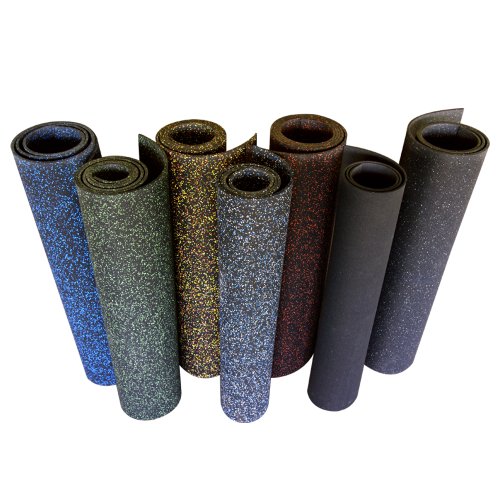
Rubber-Cal Elephant Bark Rubber Mat
This one belongs at the doorway between the laundry room and the garage, not in front of the machines. It is a heavy rubber mat with a textured surface, and its job is to handle whatever comes in on shoes, from damp leaves to garage grit.
Because rubber does not soak up water the way fabric does, you can rinse it outside with a hose and let it dry. That makes it a practical choice for garage entry rugs, where fabric would hold dirt in its fibres. Several sizes are listed, so you can match it to the width of your door.
On the downside, rubber is not a decorative material. It looks utilitarian, and it can smell of rubber for a while when new, according to what many buyers of rubber mats mention. It is also heavy to move when you want to clean underneath. Skip it if you want softness underfoot or a patterned look.
Safavieh Courtyard CY6014
Some people simply do not want a laundry room that looks like a workshop. The Safavieh Courtyard line is made from polypropylene and designed for use indoors or outdoors, which is useful in a room that gets splashed. CY6014 is a patterned design, so it can bring some colour into an otherwise plain space.
Polypropylene does not absorb moisture the way wool or cotton does, which is why the fibre is common in rugs meant for porches and bathrooms. The weave is dense and flat, so a rolling laundry cart should travel over it without much trouble.
The compromise is comfort. The pile is short and the feel is firm rather than soft, and a rug like this is usually sold without a built-in pad, so you may want to add a thin rug pad on slick tile. Check the available sizes in the listing, because this line is mostly sold in standard rectangles rather than long narrow runners. Skip it if you need a true two foot wide runner.
Armor All Garage Floor Containment Mat
People who search for garage floor rugs are often not after a rug at all. They want a large sheet to sit under a parked vehicle or alongside a utility sink and catch moisture before it reaches the concrete. This mat is sold for exactly that job.
It comes as a big flexible sheet with a raised edge, so spills and meltwater tend to stay on the mat until you lift it out. If your laundry setup is in the garage itself, laying it near the machines can protect an unsealed slab from drips and stains. Size options are listed on the page, which is helpful in a garage remodel when you are working around odd corners.
It is not pleasant to stand on for long, and it is not designed to be decorative. Large sheets can also be awkward to fit around pipes and cabinets without trimming, so measure twice. Skip it for an interior laundry room with finished flooring.
Gorilla Grip Anti Fatigue Comfort Mat
Folding clothes at a counter or sorting a mountain of socks means standing still. A cushioned mat answers that, and this foam mat is built around comfort rather than looks. It is thicker than any runner on this list, and the surface is designed to be wiped clean.
It works best placed in one spot, such as in front of the folding counter or the utility sink, rather than as a full floor covering. A thick edge can also be a nuisance when you are pushing a basket, so think about the traffic path before you commit.
The limits are clear. It covers only a small area, foam can show dents where heavy items sit, and it will not suit someone who wants a patterned or woven look. Skip it if you rarely stand at the counter for more than a few minutes.
Best Rugs for Laundry Rooms with Garage Access
Where the laundry room opens straight into a garage, the rug is the first line of defence against grit. The Rubber-Cal mat is the clearest match here, since rubber can be rinsed and does not hold on to dirt the way woven pile does. Put it right at the threshold so the first step inside lands on it.
Keep a softer runner a few feet further in, not touching the mat, so that shoes shed most of the grit before reaching fabric.
Best Choice for Garage Floor Rugs and Remodels
For a garage remodel, think about the floor first and the rug second. A raw or lightly sealed slab shows stains easily, and a containment sheet like the Armor All mat is a quick way to protect a spot without committing to a full coating. It suits a parking bay, a workbench corner or the area beside a second washer.
If you later paint or coat the slab, lift the mat first and let the surface dry before putting anything back down.
Best Choice for Painted Garage Steps
People ask about coverings for painted garage steps because paint wears quickly where feet land. A small rubber mat cut to the tread or a short rubber runner can shield the paint, and the Rubber-Cal sheet is the kind of product some owners trim for this purpose. Check the maker’s instructions about cutting, and use adhesive or fixings only as the instructions allow.
Best Choice for Standing Comfort
If you spend real time at a folding table, the Gorilla Grip comfort mat is the pick. Its thickness gives it a very different feel from a runner, and it is easy to wipe down after a detergent spill. Place it where you actually stand and leave the rest of the floor to a runner.
How to Choose a Laundry Room Rug
Begin with the floor, since the material underneath decides how well a rug will stay put. Tile and vinyl are smooth, so a rubber backing or a separate rug pad makes a noticeable difference. Sealed concrete is rougher and can hold a lightweight rug more easily, though it is also hard on thin fabric.
Next, think about the kinds of rugs for laundry rooms that match your layout. A runner suits a galley, a small rectangle suits a single washer and dryer wall, and a mat suits a doorway. A round or oval shape is rarely practical because the machines and cabinets cut into the space.
Material comes next. Rubber and foam are the easiest to wipe clean but are the least attractive. Polypropylene weaves are the most decorative and still dry fairly quickly. Cotton looks warm but takes longer to dry and may hold detergent smell. Whatever you pick, look for words like washable, or wipeable, on the listing and read what the maker says about the care method.
Measure the space where you plan to lay the rug and leave a gap of a few inches at the machine fronts, so doors and lids can open without scraping. Check the pile height against the clearance under any door that swings across it.
Common mistakes include buying a rug that is too wide for the aisle, choosing a thick pile that traps lint, and forgetting that a rug on a slippery floor will creep without a grip layer. Also avoid placing a fabric rug directly under a drip point, such as a hose connection, unless it is fully washable.
- Match the shape to the room, not the other way around.
- Pick a material that will tolerate repeated washing or rinsing.
- Check the listed dimensions against a tape measure, not by eye.
Placement and Setup Notes
Lay the rug on a clean, dry floor and smooth it flat before use. If the product comes rolled, give it a day to relax so the corners lie flat. Follow the maker’s instructions on any pad or adhesive, and do not use fixings on rented floors without permission.
Keep the rug clear of vents, drains and the back of the dryer, since you may need to reach those. Check local building or landlord rules before altering a garage floor or stair surface, and hire a qualified tradesperson for any work involving plumbing or electrical connections nearby.
Care and Troubleshooting
Laundry rooms are rough on rugs, so a simple routine pays off. Shake or vacuum lint weekly, wash fabric rugs only as the care label allows, and rinse rubber mats outdoors when they get gritty.
| Problem | Likely cause | What to try |
|---|---|---|
| Rug creeps across the floor | Smooth floor and no grip layer | Add a thin rug pad cut slightly smaller than the rug |
| Musty smell | Rug stays damp under the machine drip | Lift it, dry both sides fully, and wash if the label permits |
| Corners curl | Rolled storage | Lay flat under a weight for a day |
Materials That Suit a Utility Space
A laundry room is a place of moisture, detergent drips and the occasional lint storm, so the material you choose matters more than the pattern. Rubber and rubber-backed mats resist dampness and wipe clean in seconds. Polypropylene indoor outdoor rugs add color and dry quickly. Foam and anti fatigue mats focus on a softer feel for the person standing at the machines.
| Material | Strength | Consider |
|---|---|---|
| Rubber | Water resistant, easy to wipe | Can feel utilitarian |
| Polypropylene | Pattern range, quick drying | Check the backing |
| Foam or gel layer | Softer to stand on | May dent under heavy loads |
Avoid thick, absorbent natural fibers in a spot where leaks are possible. A small drip can linger in a dense pile, and slow drying is the main reason a mat can begin to smell. Choose something you can pick up, shake out and hang for a short time to dry.
Think about the flow of laundry as well. People walk from the hamper to the machine and then to the folding area, so a mat in that path will see the most wear. Plan the placement according to that route rather than the middle of the room.
Measuring Runners, Mats and Door Clearances
Take out the tape measure before you browse. For a runner, measure the walkway between the machines and the opposite wall, then subtract a few inches on each side so the rug does not ride up the baseboard. For a front-of-machine mat, measure the area where you stand most often, and check that the washer door or dryer door can still open fully.
Clearance matters for the door too. A thin mat slides under a laundry room door, while a thick one can drag. Check the gap at the bottom of the door in both open and closed positions.
Finally, remember appliances that vibrate. Placing a mat between a machine and the floor is not the same as placing it beside the machine. Always follow the appliance maker’s instructions for leveling, and do not put a mat under the feet unless the manual says it is acceptable.
- Measure walkways and standing areas.
- Leave a few inches of bare floor at the edges.
- Check the door clearance.
- Read the appliance manual before placing anything beneath it.
Lint and detergent are part of life here, so a surface that is easy to shake out or wipe is a real advantage. Pile that is too deep can trap lint and make cleaning slow, which is why a flatter, tighter surface is often the practical choice.
Common Mistakes With Laundry Floors
A common error is buying a rug with a smooth bottom for a tile floor. Even a modest drip can turn that combination into a slippery trap. Look for a textured, non-slip underside, and check the surface occasionally to make sure the grip is still working.
Another slip is forgetting to lift the rug for cleaning. Moisture can collect between the mat and the floor, so pick it up now and then, wipe the floor underneath and let both sides dry before putting it back.
Shoppers also pick light colors that show every smudge. Mid-tone patterns hide lint, dust and small stains in a room that works hard. And some choose a rug that is much too large, which forces corners to curl against cabinets and doors.
- Selecting a smooth backing for tile.
- Never lifting the rug to dry the floor.
- Choosing very pale colors.
- Using a rug that is oversized for the room.
Also check the thickness around floor drains and thresholds. A mat that is too thick can block drainage or catch on a doorway, and an edge that curls can become a tripping point. A flat profile is easier to live with.
Who Should Skip Which Type
Different laundry areas call for different answers. If your washer sits in a cramped closet, a long runner is pointless, and a compact mat in front of the machine is the practical option. In a shared hallway utility space, a heavy rubber mat may look too industrial, and a patterned indoor outdoor rug might suit better.
Anyone who dislikes mats that curl at the edges should avoid very thin, flexible designs and pick a firmer one. People who stand for long folding sessions may enjoy a cushioned mat, but those who dislike a spongy feel should skip foam.
Finally, if your laundry room sits near a garage or a basement with stronger moisture, steer away from absorbent fibers and choose something easy to hose or wipe. Follow the cleaning advice on the product label.
If the room is shared with a water heater, a sump or electrical panels, keep mats away from those areas and follow the maker guidance and local rules. For anything involving plumbing or wiring, consult a licensed professional.
Final Recommendation
For a short list that covers most utility spaces, Gorilla Grip Original Rubber Backed Runner Rug 2×6 and Rubber-Cal Elephant Bark Rubber Mat are the two to look at first in this guide. The Gorilla Grip runner suits a walkway between machines, while the Rubber-Cal mat is a tough, wipe clean option for spots that get wet. Measure your room, confirm the dimensions on the current listing, and lift the mat now and then to keep the floor dry.
Sizing a Rug to the Room and the Machines
Most laundry rooms are small, and the floor space is shared by a washer, dryer, utility sink and maybe shelves. A rug that is too large will buckle against a machine, while one that is too small will leave the sink area uncovered. A runner usually works best in a galley layout. A square or rectangular mat fits better when the machines sit side by side with open floor in front.
- Measure the open floor in front of the machines, not the whole room, then subtract a few inches on each side for clearance.
- Check the door swing, including the gap between the door bottom and the finished floor, since a thick rug can catch.
- Leave room to open the front-load door fully without pressing against the mat edge.
Vibration, Spin Cycles and Slipping
A washer in a spin cycle moves and vibrates, and a loose rug placed under or near it can creep across the floor over time. Rubber backed mats resist movement because the backing grips the floor. Still, textured rubber can trap grit, which scratches wood or vinyl if the mat shifts. Sweep the floor and mat occasionally, and do not slide the rug under the machine feet, where the vibration can wear it down faster.
If a mat creeps, a thin non-slip underlay may help on smooth tile, but check that it is safe for the floor finish. Some rubber products can stain light vinyl over long periods, so a test spot or a manufacturer note is worth checking before you commit.
Water, Leaks and What a Rug Should Do About Them
Laundry rooms have a unique risk: water, not just dirt. A rug will not stop a major leak, and it can hide one by soaking up the water and keeping the floor damp underneath. If you notice a musty smell, lift the rug and look at the floor. A mat with drainage holes or a raised pattern lets water flow beneath instead of pooling on top, while a solid sheet holds a spill in place until it is lifted.
For small drips from a hose or a sink, a washable mat is easier to manage than a thick, absorbent one. If you ever have a larger leak, remove the rug, dry both sides and let the floor air out before putting it back.
Lint, Pet Hair and Daily Cleanup
Lint and pet hair collect on any floor covering in a laundry area. Smooth rubber and low-pile surfaces release debris easily with a broom or a quick pass of a vacuum, while deeper textures hold lint in the grooves. If you do laundry for a household with pets, a flatter surface will save time.
Shake out or rinse the mat outdoors at least once a month. Hang it to dry fully before putting it back, since damp rubber on a hard floor can trap moisture. Detergent spills should be wiped promptly because some soaps leave a slick film that makes floors slippery.
Budget Thinking for Utility Floors
A laundry room rug takes more abuse than one in a living room, so a low price is not a flaw if the mat is simple and easy to replace. Spending more makes sense for standing comfort, since an anti-fatigue mat can reduce strain during long folding sessions, or for a garage entry that sees heavy use. For a lightly used closet laundry area, a basic runner is probably enough.
Think of the rug as a part you may replace every few years, not a permanent fixture. Replacing a mat that has curled at the edges or started to smell costs less than leaving a trip hazard in place. Keep the original packaging or product name handy so that a replacement is easy to match.
Matching the Rug to Your Floor Type
The floor under the rug shapes which product is best. On concrete or garage-grade floors, a heavy rubber mat grips well and tolerates moisture. On ceramic tile, a thinner mat with a non-slip back usually stays put, though grout lines can leave a faint pattern in softer backings over time. On engineered wood or laminate, choose a product that states it is finish-safe, and avoid anything that traps moisture against the surface.
Cold floors are another consideration. In a basement laundry area, a thicker anti-fatigue mat adds a thermal break under bare feet, while a thin runner offers little warmth. Think about how long you stand at the machines and whether you tend to go barefoot, since those habits matter more than appearance in this room.
Finally, consider how often you move the mats. If you wash the floor weekly, lightweight options that lift easily are far more convenient than heavy rubber slabs that require a struggle every time.
Planning Around Your Actual Laundry Routine
Most people choose a laundry room rug by looking at the room empty, but the better test is to picture the room on its busiest day. A rug that works on a quiet Tuesday can fail on the Saturday when three loads are moving through, a basket is parked in the middle of the floor, and someone is carrying wet towels from the washer to a line or a dryer. Before you settle on any of the picks above, walk through your own routine step by step and note where your feet actually go. The path between the washer, the dryer, the sink and the door is the strip that matters most, and it is rarely the exact centre of the room. A runner like the Gorilla Grip Original Rubber Backed Runner earns its place when that path is one long straight line, because its grip and low profile suit constant back-and-forth traffic. If your path turns a corner, though, two shorter pieces often serve you better than one long runner that has to be cut, folded or bunched at the turn.
Think, too, about what happens at the machines themselves. Front-load doors swing out and down, detergent bottles drip where they are set down, and the spot directly in front of the washer is where you stand, kneel and lean more than anywhere else. That standing zone is where an anti-fatigue option such as the Gorilla Grip Anti Fatigue Comfort Mat makes a practical difference, because folding and sorting a full load keeps you in one place far longer than you expect. A household that irons or folds in the laundry room will get more from that cushioned standing spot than from extra coverage in a corner nobody uses. By contrast, a household that treats the room as a pass-through to the garage will get more from a hard-wearing scraper-style surface near the door, which is the role the Rubber-Cal Elephant Bark Rubber Mat fills with its dense, tyre-like build.
Matching Coverage to How the Room Is Shared
Laundry rooms are rarely only laundry rooms. Many double as mudrooms, pet feeding stations, pantry overflow or the place where recycling waits to go out. Each extra job changes what the floor covering has to survive. Pet bowls mean splashed water in a predictable ring, so a washable or hose-down surface near the bowls matters more than softness. Recycling and storage mean boxes dragged rather than carried, which argues for a low, tightly backed rug that will not ripple when something heavy slides across it. If children use the room as the route to the garden, expect grit to arrive daily, and expect it to migrate; a rug with a slightly textured surface near the door traps that grit before it reaches the machines, where it would otherwise be ground underfoot.
It also helps to decide in advance which jobs you are asking one rug to do and which you are not. A single piece rarely excels at trapping dirt, cushioning feet, catching drips and looking tidy all at once. Splitting the work is often the smarter layout: a tough, grippy mat at the entry for shoes and grit, a washable runner along the machines for drips and lint, and a small cushioned mat only where you stand to fold. The Safavieh Courtyard CY6014, with its indoor-outdoor build, suits the wetter, dirtier end of that split, while a softer runner handles the machine side. Planning in zones like this usually costs no more than one oversized rug, and each piece can be lifted, washed or replaced on its own schedule.
Seasonal Changes and the Jobs Nobody Mentions
A laundry floor lives a different life in winter than in summer. Cold months bring meltwater, road salt and heavier loads of muddy sportswear, and the rug nearest the door becomes a collection point for all of it. Salt is worth planning for specifically: it dries into a white crust that stiffens fibres and can leave marks on hard floors underneath if it sits trapped and damp. During wet months, lift the entry mat more often than feels necessary, shake it outside, and check the floor beneath for residue before it has weeks to work on the finish. In summer the pressure shifts to the machines, with beach towels, swim kit and garden clothes bringing sand that behaves like grit in a workshop. Sand is easier to shake out of a flat, low-pile surface than out of anything plush, which is one reason the flatter picks in this guide age more gracefully in busy homes.
Noise, Neighbours and Early-Morning Loads
One job a laundry rug quietly performs is sound control. Machines on hard floors telegraph vibration through the structure of a house, and in flats or in homes where the laundry room sits above a bedroom, a dense mat under or in front of the machines can soften both the thump of an unbalanced load and the everyday clatter of baskets and bottles being set down. Rubber-based options are the natural choice here because density is what absorbs the energy. This is also where the Armor All Garage Floor Containment Mat takes on a second role in garage laundry setups: beyond catching drips, its weight and footprint steady the whole working area and keep smaller items from migrating across a bare concrete floor.
Finally, plan for the unglamorous job of access. Water shut-off valves, filters, vents and the backs of the machines all need reaching at some point, usually in a hurry. A rug layout that requires moving furniture or peeling up one huge, heavy piece will discourage exactly the checks that catch small leaks early. Lighter sections you can roll back in seconds, and a habit of glancing underneath whenever you do, protect both the floor and the machines far better than any single feature printed on a listing. Choose the layout you will actually maintain, and the rug will keep doing its job long after a more impressive-looking option has been rolled up and forgotten in a corner.
Working Around Appliances: Clearances, Cords and Access Panels
A laundry rug shares its floor with machines that move, heat up, leak occasionally and need servicing, so clearances are a safety topic as much as a sizing one. Keep rug edges clear of the washer’s feet rather than tucked beneath them unless the maker of the mat intends it as an under-machine product, because a rug pinched under one foot and free under another can tilt a machine just enough to encourage walking during spin. Pedestal drawers and stacked units add their own geometry: a stacked washer’s door swings higher, a pedestal drawer pulls out over the rug, and both need a surface low and stable enough not to catch. Trace each moving part’s path with the rug in place before you call the layout finished — open every door, pull every drawer, and kneel where a service technician would kneel.
Power cords and hoses deserve the same walk-through. A rug should never become the thing hiding a kinked drain hose or a cord pressed against a hot dryer casing, and it should never bridge over a floor drain that the room may one day need. In older homes the laundry floor sometimes holds a floor waste or an access panel to plumbing; mark such features mentally as no-rug zones, or choose a layout of smaller pieces that leaves them reachable in seconds. This is another argument for the zoned approach described earlier: a runner that stops short of the machines’ rear, a mat that lives only at the door, and bare floor where the plumbing lives. It looks less seamless in a photograph and works better on the worst day of the room’s year, which is the day the room is actually for.
When the Laundry Room Is Also the Entrance
In many homes the laundry room is the family’s real front door, and that dual identity changes the rug brief completely. School bags land there, sports kit sheds its mud there, and the floor covering becomes part entry mat, part laundry surface. Prioritise in that order at the door itself: the first step inside needs grip and grit-trapping above all, because everything tracked past that first step becomes the laundry side’s problem. A two-piece answer — a scraper-style mat at the door and a washable runner at the machines — lets each do its own job, and the door mat can be hosed outside on the same day the runner goes through the wash. Households that try to make one soft, pretty rug do both jobs usually end up with a rug that is neither washable enough for the door nor comfortable enough for the folding marathon, and it gets replaced within the year by the two-piece system they resisted. Learn from their purchase and start with the layout your traffic pattern is asking for.
A Short Decision Path: From Your Floor to the Right Pick
If the earlier sections left you between two options, settle it with the floor itself. Stand in the laundry room doorway and answer three questions in order. First: does water reach the floor weekly, or only when something goes wrong? Weekly water — from a sink, a pet bowl, a door to the garden — argues for the washable, indoor-outdoor end of this guide and against anything that merely tolerates a damp mop. Second: where do your feet spend the longest continuous minutes? If the answer is one spot at the machines, comfort underfoot outranks coverage, and a smaller, better mat in that spot beats a grand runner that spreads its budget thinly across floor you only cross. Third: what arrives through the door — clean shoes, work boots, paws, or all three in sequence? The rougher the arrivals, the more the entry piece should resemble a mat built for scraping and gripping rather than a rug built for looks. Answer honestly and the five picks in this guide sort themselves: the runner for the long clean path, the rubber mat for the rough arrival, the courtyard-style rug for the wet and busy middle, the containment mat for the garage conversion, and the cushioned mat for the long standing minutes. A laundry room furnished by those three answers will not photograph like a magazine, but it will work like one of the best-run rooms in the house — which, on laundry day, is the only compliment that matters.
Frequently Asked Questions
What is the best size for a laundry room runner?
A two foot wide runner suits most galley layouts. Measure the aisle and leave a small gap on each side so nothing rubs against the cabinets.
Can I use a garage entry rug inside the house?
Yes, many people do. A rubber mat at the door is fine, but keep in mind it may look out of place in a finished room.
Are rubber backed rugs good on wood floors?
Some rubber backings can mark certain finishes, so read the maker’s note on the listing before using one on hardwood or laminate.
Do I need a rug pad in a laundry room?
Only if the rug has no backing. A thin pad helps on tile, though trapped damp is a risk, so lift and dry the area now and then.
What can cover painted garage steps?
A trimmed rubber mat or a short runner is a common choice. Follow the maker’s cutting and fixing instructions.
Which material dries fastest?
Polypropylene and rubber usually dry quicker than cotton or wool, though exact times depend on the room.
Will a laundry room rug get in the way of a front-load washer door?
It can if the rug is thick or curls at the edge. Measure the clearance beneath the door and keep the mat a few inches back from the swing. Thin rubber or flat-weave options generally work better than plush rugs in front of front-load machines.
Can a rug hide a slow leak under a washer?
Yes. A mat can absorb or cover water so you do not notice it. Lift the rug now and then, check the floor and the hose connections, and watch for musty smells or warping, which are early signs of a hidden leak.
Do rubber mats damage vinyl or hardwood floors?
Some rubber backings can discolor or leave marks over long periods, especially on light vinyl or finished wood. Look for products that state they are safe for finished floors, and lift the mat occasionally to check for staining or trapped moisture.
How often should I wash a laundry room rug?
Shake it out weekly if lint builds up and wash or rinse it every month or two. Follow the care label, since rubber backed rugs often cannot go into a machine. Dry it fully before putting it back to avoid mildew.
Bottom Line
There is no single winner, because laundry rooms differ. The Gorilla Grip runner suits a galley, the Rubber-Cal mat belongs at a garage door, the Safavieh Courtyard suits owners who want some style, the Armor All sheet protects a bare garage floor, and the comfort mat helps at the folding counter. Pick the one that matches the job you actually have, check the listing details, and measure first.