Disclosure: As an Amazon Associate, Reviews Took earns from qualifying purchases. Links to Amazon on this page are affiliate links; they cost you nothing extra.
A sunrise alarm clock slowly brightens the room before your alarm time, a gentler wake-up than a sudden beep. Many also include sunset modes, white noise and bedside lamps.
This guide compares 10 sunrise alarm clocks and wake-up lights listed on Amazon. We compare features and explain how to choose, with links to check price on Amazon.
Check price on Amazon on each product page for the current listing, as prices change often.
Last updated: November 2, 2026.
How We Chose These Picks
This guide is built from Amazon product listings, not our own testing, so confirm size, contents and current price on each product page. For each product we looked at the Amazon listing title and specifications, then grouped products by type and price tier. We did not buy or test these products. Ratings reflect what other buyers reported and can shift as new reviews arrive.
This list covers 10 products across budget, mid-range and premium tiers. Use the tables below to compare quickly, then read the individual notes before you buy.
In this guide
Quick Picks
| Product | Type | Price | Rating | Why it stands out |
|---|---|---|---|---|
| JALL Sunrise Alarm Clock White Noise Machine with 25 Nature Sleep | Sunrise alarm clock | Check price on Amazon | See listing | A gentler, light-based wake up |
| Sunrise Alarm Clock with Wake Up Light for Bedrooms Adults Kids | Sunrise alarm clock | Check price on Amazon | See listing | A gentler, light-based wake up |
| Vivilumens Sunrise Alarm Clock with Sound Machine for Heavy | Sunrise alarm clock | Check price on Amazon | See listing | A gentler, light-based wake up |
| Sunrise Alarm Clock 360-Degree Rotating Moonlight & 10 White | Sunrise alarm clock | Check price on Amazon | See listing | A gentler, light-based wake up |
| DreamSky Sunrise Alarm Clock with Bed Shaker for Heavy Sleepers | Sunrise alarm clock | Check price on Amazon | See listing | Bed shaker for heavy sleepers |
| JBER Sunrise Alarm Clock Wake Up Light with 2 Alarms White Noise | Sunrise alarm clock | Check price on Amazon | See listing | A gentler, light-based wake up |
| Alarm Clock Sunrise with Sound Machine 30-60 Min Slow‑Rise | Sunrise alarm clock | Check price on Amazon | See listing | Budget-tier pick with a slow-rise ramp |
| Philips SmartSleep Wake-up Light Colored Sunrise and Sunset | Sunrise alarm clock | Check price on Amazon | See listing | Premium-tier pick with colored light |
| JALL Sunrise Alarm Clock for Bedrooms Full-Screen Wake Up Light | Sunrise alarm clock | Check price on Amazon | See listing | A gentler, light-based wake up |
| Odokee Sunrise Alarm Clock White Noise Machine Natural Wake | Sunrise alarm clock | Check price on Amazon | See listing | A gentler, light-based wake up |
Our Picks

1. JALL Sunrise Alarm Clock White Noise Machine with 25 Nature Sleep
JALL Sunrise Alarm Clock White Noise Machine with 25 Nature Sleep is listed as a sunrise alarm clock. Check the current price on Amazon (mid-range tier).
Good for: a gentler, light-based wake up. Watch out: Check the brightness, alarm sounds and whether it has a snooze or sunset mode.

2. Sunrise Alarm Clock with Wake Up Light for Bedrooms Adults Kids
Sunrise Alarm Clock with Wake Up Light for Bedrooms Adults Kids is listed as a sunrise alarm clock. Check the current price on Amazon (mid-range tier).
Good for: a gentler, light-based wake up. Watch out: Check the brightness, alarm sounds and whether it has a snooze or sunset mode.

3. Vivilumens Sunrise Alarm Clock with Sound Machine for Heavy
Vivilumens Sunrise Alarm Clock with Sound Machine for Heavy is listed as a sunrise alarm clock. Check the current price on Amazon (mid-range tier).
Good for: a gentler, light-based wake up. Watch out: Check the brightness, alarm sounds and whether it has a snooze or sunset mode.

4. Sunrise Alarm Clock 360-Degree Rotating Moonlight & 10 White
Sunrise Alarm Clock 360-Degree Rotating Moonlight & 10 White is listed as a sunrise alarm clock. Listing details include: 360-Degree Rotating Moonlight & 10 White Noise Sounds; Dual Alarm & Snooze for Heavy Slee. Check the current price on Amazon (mid-range tier).
Good for: a gentler, light-based wake up. Watch out: Check the brightness, alarm sounds and whether it has a snooze or sunset mode.

5. DreamSky Sunrise Alarm Clock with Bed Shaker for Heavy Sleepers
DreamSky Sunrise Alarm Clock with Bed Shaker for Heavy Sleepers is listed as a sunrise alarm clock. Check the current price on Amazon (mid-range tier).
Good for: a gentler, light-based wake up. Watch out: Check the brightness, alarm sounds and whether it has a snooze or sunset mode.
6. JBER Sunrise Alarm Clock Wake Up Light with 2 Alarms White Noise
JBER Sunrise Alarm Clock Wake Up Light with 2 Alarms White Noise is listed as a sunrise alarm clock. Listing details include: Wake Up Light with 2 Alarms; White Noise Machine. Check the current price on Amazon (mid-range tier).
Good for: a gentler, light-based wake up. Watch out: Check the brightness, alarm sounds and whether it has a snooze or sunset mode.

7. Alarm Clock Sunrise with Sound Machine 30-60 Min Slow‑Rise
Alarm Clock Sunrise with Sound Machine 30-60 Min Slow‑Rise is listed as a sunrise alarm clock. Check the current price on Amazon (budget tier).
Good for: keeping costs low while covering the basics. Watch out: Check the brightness, alarm sounds and whether it has a snooze or sunset mode.

8. Philips SmartSleep Wake-up Light Colored Sunrise and Sunset
Philips SmartSleep Wake-up Light Colored Sunrise and Sunset is listed as a sunrise alarm clock. Listing details include: Colored Sunrise and Sunset Simulation; 5 Natural Sounds; FM Radio & Reading. Check the current price on Amazon (premium tier).
Good for: larger or more demanding setups where extra capacity matters. Watch out: Check the brightness, alarm sounds and whether it has a snooze or sunset mode.
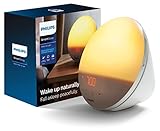

9. JALL Sunrise Alarm Clock for Bedrooms Full-Screen Wake Up Light
JALL Sunrise Alarm Clock for Bedrooms Full-Screen Wake Up Light is listed as a sunrise alarm clock. Listing details include: Full-Screen Wake Up Light for Heavy Sleepers; White Noise Sound Machine. Check the current price on Amazon (mid-range tier).
Good for: a gentler, light-based wake up. Watch out: Check the brightness, alarm sounds and whether it has a snooze or sunset mode.
10. Odokee Sunrise Alarm Clock White Noise Machine Natural Wake
Odokee Sunrise Alarm Clock White Noise Machine Natural Wake is listed as a sunrise alarm clock. Check the current price on Amazon (premium tier).
Good for: larger or more demanding setups where extra capacity matters. Watch out: Check the brightness, alarm sounds and whether it has a snooze or sunset mode.
Price and Rating Comparison
The table below lists the same products with their price tiers so you can compare the options side by side.
| Product | Price | Rating | Price tier |
|---|---|---|---|
| Alarm Clock Sunrise with Sound Machine 30-60 Min Slow‑Rise | Check price on Amazon | See listing | Budget |
| Sunrise Alarm Clock with Wake Up Light for Bedrooms Adults Kids | Check price on Amazon | See listing | Mid-range |
| Sunrise Alarm Clock 360-Degree Rotating Moonlight & 10 White | Check price on Amazon | See listing | Mid-range |
| JBER Sunrise Alarm Clock Wake Up Light with 2 Alarms White Noise | Check price on Amazon | See listing | Mid-range |
| JALL Sunrise Alarm Clock White Noise Machine with 25 Nature Sleep | Check price on Amazon | See listing | Mid-range |
| JALL Sunrise Alarm Clock for Bedrooms Full-Screen Wake Up Light | Check price on Amazon | See listing | Mid-range |
| Vivilumens Sunrise Alarm Clock with Sound Machine for Heavy | Check price on Amazon | See listing | Mid-range |
| DreamSky Sunrise Alarm Clock with Bed Shaker for Heavy Sleepers | Check price on Amazon | See listing | Mid-range |
| Odokee Sunrise Alarm Clock White Noise Machine Natural Wake | Check price on Amazon | See listing | Premium |
| Philips SmartSleep Wake-up Light Colored Sunrise and Sunset | Check price on Amazon | See listing | Premium |
How to Choose
Light quality
Look for a gradual brightness increase and several brightness steps so you can pick what suits your room.
Sound options
Soft nature sounds or FM radio ease you awake. Check that the alarm volume goes high enough as a backup.
Sunset mode
A dimming mode helps you wind down at night.
Display and controls
A dimmable display keeps the room dark at night. Clear buttons help in half sleep.
Extra features
Bluetooth, USB charging and white noise are bonus extras.
Common Mistakes to Avoid
- Skipping a backup alarm for heavy sleepers
- Placing it far from the bed
- Leaving the display too bright
- Expecting it to replace your medical advice for sleep problems
Setup and Care Tips
- Place it where light reaches your face
- Set the light ramp to 20 to 30 minutes
- Dim the display at night
- Test the backup alarm sound
Which sunrise alarm clock should you buy?
The best sunrise alarm clock is the one that matches how you actually wake up: a simple light ramp for easy risers, extra sound or vibration for heavy sleepers, or a fuller feature set if you want one device for the whole evening and morning routine. Here is how the named picks map to common buyer types, using only what the listings and this guide say.
- Heavy sleepers: the DreamSky Sunrise Alarm Clock with Bed Shaker for Heavy Sleepers is the one built around a vibrating add-on, and the Vivilumens Sunrise Alarm Clock with Sound Machine for Heavy is also pitched at people who sleep through gentle cues.
- Light sleepers who want a calm routine: the JALL Sunrise Alarm Clock White Noise Machine with 25 Nature Sleep combines a wake-up light with a library of soothing sounds.
- Two wake times: the JBER Sunrise Alarm Clock Wake Up Light with 2 Alarms White Noise suits couples or anyone with different weekday and weekend schedules.
- Longer, gentler ramps: the Alarm Clock Sunrise with Sound Machine 30-60 Min Slow-Rise is described with an adjustable slow-rise window.
- Night light plus snooze: the Sunrise Alarm Clock 360-Degree Rotating Moonlight and 10 White Noise Sounds lists dual alarms and a snooze button.
- Bigger lit surface: the JALL Sunrise Alarm Clock for Bedrooms Full-Screen Wake Up Light is described as a full-screen light.
- Colored light, radio and reading light: the Philips SmartSleep Wake-up Light Colored Sunrise and Sunset is the feature-rich option here, with sunset simulation, natural sounds and FM radio listed.
If you simply want a bedside light that also wakes you gently, the Sunrise Alarm Clock with Wake Up Light for Bedrooms Adults Kids is worded for shared use across ages. The Odokee Sunrise Alarm Clock White Noise Machine Natural Wake is another all-in-one option for people who want light and sound together. Compare the buttons above, read each listing for the exact feature list, then choose the one that fits your sleep habits.
How do you choose a wake-up light for your room?
Choose a wake-up light by matching four things to your room: how bright it can get, how long the ramp lasts, where it will sit, and how dark the display stays at night. Brightness matters most, but only if the light actually reaches your face.
A bedside table about arm’s length from your head is the usual spot. If the clock sits across the room or behind a lamp, the glow reaches closed eyelids weakly and the benefit shrinks. Light on a nightstand beside the pillow works better than light on a dresser by the door.
Think about the ramp length too. A short ramp suits people who wake lightly, while a long ramp gives your body more time to stir before the sound begins. Listings that mention adjustable ramps give you room to experiment over a couple of weeks instead of locking you into one setting.
Room conditions change the result. Heavy blackout curtains help the clock stand out as the only light source, while a bright streetlight outside can blur the effect. If your room already fills with natural light early, a basic model may do the job and extra features may go unused.
- Brightness steps: several levels let you adjust for season and room.
- Warm light: a gentle orange start feels closer to dawn than harsh white.
- Display dimming: an off or very dim screen keeps the room dark.
- Sound volume range: the backup alarm should be loud enough for a bad morning.
Finally, think about who else shares the room. A light that fills the whole bedroom at dawn can wake a partner who does not need to get up, so a model with its own alarm profiles or a narrower beam may suit couples better.
Do sunrise alarm clocks work for heavy sleepers?
A sunrise alarm clock can help heavy sleepers start waking earlier, but it should not be the only alarm. Light alone is easy to sleep through, especially under a sleep mask or with the curtains closed, so heavy sleepers need a strong sound or vibration backup.
That is why several products here highlight extra wake cues. The DreamSky listing mentions a bed shaker, which adds vibration under the mattress or pillow, and the Vivilumens and JALL names both reference heavy sleepers. Vibration can be helpful if you share a room, because it wakes you without relying only on volume.
Treat the light as the first step in a chain. A common approach is to set the light ramp to finish just before the sound alarm, then add a second alarm a few minutes later as a safety net. Models with two alarm slots make this easy.
A few habits improve results for hard-to-wake sleepers:
- Keep the clock within reach of your face but out of reach of your sleepy hand if snooze is a problem.
- Avoid pairing the alarm with white noise that stays loud, since steady noise can mask the alarm sound.
- Stick to a regular bedtime, because light cues work better when you are not badly short on sleep.
- Test the backup alarm once on a weekend, so the volume is a known quantity before you need it.
If you have trouble waking despite these steps, or you suspect a sleep disorder, speak with a doctor. An alarm clock is a convenience, not a treatment.
What to check before you buy a sunrise alarm clock
Before buying, confirm the features you will use every day: ramp length, brightness range, alarm sounds, display control and power. Listing titles are short, so open the full description and compare it with this checklist.
- Power source: check whether it uses a wall adapter, USB or a battery backup, and whether the cord reaches your outlet.
- Size and footprint: measure your nightstand, because some models are tall or wide.
- Alarm count: confirm whether it offers one alarm or two, and whether weekday and weekend settings are separate.
- Sunset mode: look for it if you want to wind down with fading light.
- Snooze: check whether it exists and how it behaves, since some people want it and some avoid it.
- Sound library: see which nature sounds, radio or white noise options are included and whether volume is adjustable.
- Display: look for a dimmable or switch-off screen for dark bedrooms.
- What is included: check for the adapter, manual and any extras such as a bed shaker.
- Warranty and returns: read the seller’s terms on the listing, and keep the packaging until you know it suits your room.
It also helps to read how other buyers describe the light and sound in general terms. Look for comments about the clock losing its settings, confusing buttons or alarm volume, and weigh how many people raise the same point rather than a single complaint. Check how many people rated a product, not just the average, because a small sample is a weaker signal.
Is a more expensive wake-up light worth it?
A pricier wake-up light is worth it only if you will use the extra features, such as colored sunrise and sunset simulation, an FM radio or a more polished control layout. For many bedrooms, a basic model with adjustable brightness and a dependable backup sound does the main job.
Here is a fair look at the trade-offs.
- Budget models cover the essentials and are a low-risk way to find out whether light-based waking suits you. Controls can be simpler or less refined.
- Mid-range models often add dual alarms, a bigger sound library and more brightness steps, which many people appreciate.
- Premium models such as the Philips SmartSleep add extras like colored light and a radio. Those are real conveniences, but they matter less if you only want to wake up.
There are downsides worth knowing. A sunrise clock will not fix poor sleep habits, and it may be less effective in a room with bright outside light. Some people find a ramping light annoying, preferring a plain sound alarm. If you travel a lot, a bulky bedside unit may stay home, and a person who already wakes before any alarm may not need one.
Who should skip it? Anyone who needs a very loud or vibrating alarm and does not care about light may be better served by a simple loud clock. For everyone else, the next step is easy: compare the picks above, check the current listing for size and what is included, then choose the one that fits how you will use it.
How the Picks in This Guide Suit Different Wakers
The ten clocks in this guide all imitate a sunrise, but the people they suit wake up very differently, and matching the clock to the waker matters more than any single feature. The JALL models that appear more than once in this list represent the popular centre of the category: wake-up light paired with sounds, in a format most bedrooms can absorb without thinking. The full-screen JALL variant suits the waker who wants the light itself to be the dominant presence on the bedside table, while the white-noise-focused versions suit households where the same machine must also settle the room at night — parents, light sleepers, and anyone whose bedroom faces a street will recognise that double duty immediately.
The Vivilumens and Odokee options sit in the same practical territory, worth comparing on the details you will touch daily: how the controls behave in the dark, how the display dims, and how the sounds are chosen. The rotating moonlight model is the characterful outlier, aimed at children’s rooms and anyone who wants the clock to be a small event rather than an appliance. The DreamSky with its bed shaker answers the hardest waking problem of all — the sleeper whom light and sound alone do not reliably reach — by adding vibration to the escalation, and for deaf and hard-of-hearing sleepers, and for those who must wake without waking a partner, that shaker is not a gimmick but the entire point. The JBER dual-alarm model suits couples and shift patterns, where two different wake times live on one bedside table. The slow-rise sound machine variant is for the waker who hates being startled and wants the gentlest possible ramp, and the Philips SmartSleep is the established premium expression of the idea, for the buyer who wants the category’s most considered light and is happy to pay for polish.
Choose by describing your worst morning honestly. If it is darkness in winter, light quality leads. If it is a partner’s different schedule, dual alarms or a shaker lead. If it is a child who must learn the shape of a morning, simplicity and a friendly design lead. The clock that solves your worst morning will handle your ordinary ones without being asked.
Heavy sleepers: building a system, not buying a hope
If you sleep through alarms, treat waking as a system with layers rather than a single device asked to perform a miracle. The light ramp is layer one, preparing the body before any sound begins. A sound alarm with a tone you cannot ignore is layer two. A bed shaker, where the model offers it, is layer three, and it is the layer heavy sleepers most often report finally made the difference. Beyond the clock, place your phone alarm across the room as a final backstop during the first weeks, keep a consistent sleep time so the body begins surfacing on its own, and put the clock where the light actually reaches your face — a sunrise behind a stack of books wakes nobody. Heavy sleepers who build the system usually find, after a month, that they need less of it than they feared, because the light has retrained the hour at which the body expects to wake.
The Evening Half: Using Sunset and Sound Well
Half of what these clocks do happens at the other end of the day, and it is the half most owners underuse. A sunset simulation — light that gradually dims over a set period — works as a cue the body understands: brightness falling means the day is ending. Used consistently, it turns bedtime from a decision you make nightly into a rhythm the room keeps for you. Pair it with the sound features many of these models include — the nature sounds and white noise that appear across this list — and the bedside clock becomes the thing that closes the day as well as opens it. That matters for anyone whose real problem is not waking but the short, broken sleep that makes waking cruel.
Build the evening routine as deliberately as the morning one. Set the sunset to begin at the same time each night, let it replace the bright overhead light for the last part of the evening, and keep phones out of the final stretch where you can. If you share the room, agree the routine together; a sunset one partner loves and the other finds gimmicky will not survive the month, and consistency is the entire mechanism. Children, incidentally, often take to the sunset routine faster than adults, because the fading light gives them a visible, understandable signal that the day is over — several models in this guide are bought for children’s rooms for the evening feature alone and end up valued for the morning one too.
White noise: when it helps and when it hides problems
Several picks here double as sound machines, so a word of judgement is worthwhile. Steady sound helps most where the night is punctuated by irregular noise — traffic, a household on different schedules, a dog that patrols — because it raises the floor of sound so the spikes stand out less. It helps least as a way to ignore a snoring partner at close range or a room that is simply too warm or too bright; fix those directly where you can. Keep the volume modest, place the machine across the room rather than beside the pillow if it is only for masking, and if children use it, keep it at a gentle level at a distance from the bed. Used thoughtfully, the sound half of these clocks is a genuine second product hiding inside the first.
Placement, Power, and the Practical Life of a Bedside Clock
Where the clock lives decides whether its light works. The sunrise needs a clear path to your face: on the bedside table, angled toward the pillow, with nothing tall in front of it. If your table is crowded, promote the clock and demote something else — the light is the product, and everything that shadows it is a small sabotage. Distance matters too. A clock at arm’s length gives a different dawn than one across the room; most people do best with it close, brightening the immediate area around the bed the way a real sunrise brightens the whole room gradually, starting with what is nearest the sleeper.
Think about power before the first night rather than during a failure. A clock that depends entirely on mains power goes dark in an outage, and some models keep time while losing alarm settings or brightness preferences; a battery backup, where fitted, exists precisely for that morning. If reliable waking is critical — early shifts, flights, medication schedules — layer a phone alarm as insurance regardless of the clock’s features, at least until the clock has earned your trust across a few weeks. And learn the controls in daylight, with the manual, including how to change the alarm without a torch and a temper at midnight. Every owner of every clock in this guide has, at some point, pressed the wrong button in the dark; the ones who practised in daylight recovered in seconds.
The display at night: a small feature that decides satisfaction
Ask owners what they praise or curse a year later and the night-time display appears constantly. A display that stays bright enough to read across a dark room is also bright enough to bother a light sleeper, which is why dimming range and a true lights-out option matter more than the display’s daytime beauty. If you are sensitive to light, favour the models whose display can go genuinely dark, and position the clock so its face is not in your direct line of sight from the pillow. If you wake in the night and want to know the time without reaching for a phone — itself a sleep-friendly habit — a display you can summon dimly is the feature you will thank most often. It is a small thing, nightly repeated, and small nightly things are what satisfaction with a bedside clock is actually made of.
Shift Workers, Teenagers, and Other Special Cases
Shift workers live against the sun, and a wake-up light serves them differently: not as a dawn imitation but as a controllable light source that says morning at whatever hour their morning falls. If that is your life, the features that matter shift with it — a strong, reliable ramp at an unusual hour, blackout curtains to create the darkness the clock then breaks, and a sunset routine that can manufacture evening in the middle of the afternoon. The clock cannot fix a rota, but it can give the body a consistent signal in a life where the sky refuses to provide one, and shift workers consistently rank that consistency as the thing that helped.
Teenagers are the other classic case, usually bought for by parents at the end of their patience with morning warfare. The honest advice is to involve the teenager in choosing — a clock they picked has a chance of being used, while a clock imposed becomes furniture. Set it together, agree the wake time as a household fact rather than a nightly battle, and let the light do the nagging. For older relatives, finally, choose simplicity ruthlessly: large controls, an uncomplicated alarm, a display that is easy to read, and set it up for them rather than handing over a box. In every special case the lesson is the same — the technology in this guide is gentle persuasion applied to a body clock, and persuasion works when it is consistent, appropriate, and welcomed by the person it is persuading.
The Science in Plain Language: Why Light Wakes You Better Than Noise
It is worth understanding the mechanism, because it explains both the promise and the limits of everything in this guide. Human alertness runs on a daily rhythm governed largely by light. Bright light reaching the eyes — even closed eyelids pass a portion of it — signals the body to suppress the hormones of sleep and begin the chemistry of waking. An ordinary alarm interrupts sleep from outside, often dragging you out of a deep phase mid-cycle, which is the groggy, wrong-side-of-the-bed feeling that can take an hour to clear. A sunrise clock works earlier and more gradually, nudging the body through the lighter phases of sleep so that when the sound alarm arrives, you surface from shallow sleep rather than being hauled from the depths. That is the whole advantage, and it is a real one — but it is an advantage of degree, not magic.
The limits follow from the same science. Light cannot compensate for a seriously short night; if you are trying to wake after four hours of sleep, no lamp will make that feel like eight. It works best with consistency, because the rhythm it trains is set by repetition across days, not by one heroic morning. And it depends on the light actually reaching you, which returns us to placement, eye masks, and partners who bury their heads under pillows. Expect a wake-up light to make a reasonable sleep schedule feel markedly better, to make winter mornings civilised, and to soften the start of early shifts — expect that, and every clock in this guide can deliver. Expect it to repeal tiredness itself, and you will blame a good product for a problem it never claimed to solve.
Weekends: the consistency question
Owners divide on weekends: some keep the same wake time daily, protecting the rhythm; others let the clock rest and sleep in, accepting a groggier Monday. The evidence of experience favours a middle path — a modest lie-in rather than a different timezone. If your weekdays begin in darkness at an early hour, shifting the weekend alarm by a small amount keeps the body clock roughly where the light has trained it, while still feeling like a weekend. Use the dual-alarm or easy reprogramming features several of these models offer to make that shift a thirty-second job rather than a reason to abandon the system. The clock is a tool for a rhythm, and rhythms bend; they should not be discarded and rebuilt every Monday morning.
A Buyer’s Final Checklist for Wake-Up Lights
Before ordering any clock in this guide, run it against the room it will live in. Confirm the light has a clear path to the pillow and that the bedside table can hold it at a sensible height. Decide whether the display can go dark enough for the lightest sleeper in the room. Count the alarms your household actually needs — one per person per schedule, plus a weekend variation — and check the model covers them without daily reprogramming. If sound matters to you, whether for waking or for settling, look at how the sounds are selected and whether the machine’s sound role at night is one you will genuinely use, because a feature used nightly is worth paying for and a feature used never is not, however impressive it sounds in a listing.
Then make the commitment that makes any of them work: a fixed wake time, kept for at least the first month, including a version of it at weekends. Set the clock up in daylight, practise its controls once, and give the experiment a fair run before judging it on a single bad morning — the first week is the body learning, not the product failing. Waking well is a habit wearing a small piece of technology, and the technology in this list is good. Supply the habit, and the mornings take care of themselves.
If the first clock does not suit you
Sometimes a fair trial ends in a fair no, and the useful response is diagnosis rather than disappointment. If the light never woke you, ask whether it reached you — placement, masks, and depth of sleep are the usual answers — before concluding the category failed. If the sound startled you, a gentler ramp or a different tone may be the whole fix. If the controls defeated you at midnight, simplicity is a legitimate specification and the simpler models in this guide exist for exactly that reason. Each failure names its own remedy, and the remedy usually lives somewhere in the list above. That is the advantage of a category this mature: whatever your morning problem honestly is, something here was designed by someone who had it too.
Travel, spare rooms, and second clocks
A final practical note. Once a household converts to waking by light, the ordinary alarm in the guest room starts to feel like an insult to visitors, and many owners end up adding a simpler second clock there — the straightforward models in this guide serve that room perfectly, and guests regularly ask about them over breakfast. For travel, the honest answer is that these are bedside appliances, not travel gadgets; a phone’s gradually brightening screen or a simple lamp timer at the destination covers a trip, and the home rhythm reasserts itself within a day or two of your return. Buy the clock for the bed you wake in most of the year, set it up with care, and let it make the ordinary mornings — the ones that decide how your days feel — quietly better.
Keeping the clock clean and the routine alive
Bedside clocks gather dust in exactly the place their light must leave, so wipe the light surface gently whenever you dust the room, and check occasionally that books and clutter have not crept back into the beam’s path. Once a season, revisit the settings with fresh eyes: schedules drift, sunrise times change, children grow, jobs change, and a clock still faithfully waking you for a routine you no longer keep is a small daily friction nobody notices choosing. Two minutes of seasonal adjustment keeps the system matched to your life — and matched to your life is the only state in which any of this guide’s advice works.
Frequently Asked Questions
How do sunrise alarm clocks work?
They brighten gradually before the alarm time and then sound an alarm.
Do they replace a normal alarm?
They can, but a backup sound is wise.
Do I need sunset mode?
It is optional but helpful for winding down.
Will it wake me if I sleep with a mask?
Probably not, so use the sound alarm too.
How bright is bright enough?
Higher brightness gives a stronger effect, but comfort matters.
Can I use it as a bedside lamp?
Many models double as lamps.
What time should a sunrise alarm start brightening?
Most people set the light to begin shortly before the sound alarm, often by a quarter to half an hour. Shorter ramps suit light sleepers, and longer ones suit people who find it hard to surface. Try a setting for a week or two before changing it.
Can a wake-up light help in winter?
It can make dark winter mornings feel gentler because it adds light before you get up. It is not a medical device, so if low mood or fatigue lingers through the season, speak with a doctor.
Is a sunrise alarm clock better than a phone alarm?
It depends on what you want from the morning. A phone alarm is loud and portable, while a sunrise clock adds gradual light and keeps your phone off the nightstand. Many people use the clock for waking and keep the phone as a distant backup.
Do sunrise alarm clocks have a sound if the light fails to wake me?
Yes, the usual design pairs the light ramp with a sound alarm that starts at the set time. Check the product listing for the sound options and test the volume before relying on it.
Where should I place a sunrise alarm clock?
Put it on a bedside table where the light faces your head and nothing blocks it. Avoid placing it behind a lamp, a book stack or a curtain, because that weakens the effect.
Can kids use a wake-up light?
Many families use them to help children learn when it is time to get up. Choose a model with a gentle night light and a clear display, and follow the maker's guidance on age and use.
How do I stop the display from disturbing my sleep?
Choose a model with a dimmable or switch-off screen, and set it to the lowest level before bed. If the clock lacks this option, turn it away from the bed or cover the display with a soft cloth that does not block ventilation.
Bottom Line
A sunrise alarm clock with adjustable brightness, a few soft sounds and a simple display is enough for most bedrooms.
More Guides You May Like
- Best Humidifiers
- Best Full Body Pillows and Pregnancy Pillows
- Best Memory Foam and Cervical Pillows to Buy
- Best Weighted Blankets
- Best Sound Machines for Bedroom and Baby Room
- Best Eye Masks for Sleeping