Disclosure: As an Amazon Associate, Reviews Took earns from qualifying purchases. Links to Amazon on this page are affiliate links; they cost you nothing extra.
A mattress topper adds a layer of softness or support to a bed that feels too firm or worn. It is a cheaper fix than a new mattress and is easy to put on.
This guide compares 10 mattress toppers listed on Amazon, from foam toppers to pillow-top pads. We compare price, rating and thickness, and explain how to choose.
Check the product pages on Amazon for the current price and full listing details, as they change often.
Last updated: November 2, 2026.
How We Chose These Picks
This guide is built from Amazon product listings, prices and customer ratings, not our own testing, so confirm size, contents and current price on each product page. For each product we looked at the Amazon listing title and specifications, the displayed price, and the customer star rating, then grouped products by type and price. We did not buy or test these products. Ratings reflect what other buyers reported and can shift as new reviews arrive.
This list covers 10 products across budget, mid-range and premium tiers. Use the tables below to compare quickly, then read the individual notes before you buy.
In this guide
Quick Picks
| Product | Type | Price | Rating | Why it stands out |
|---|---|---|---|---|
| 3 Inch 7-Zone Queen Mattress Topper Egg Crate Memory Foam | Mattress topper | Check price on Amazon | — | Extra comfort on top of your mattress |
| Best Price Mattress 3 Inch Ventilated Memory Foam Mattress Topper | Mattress topper | Check price on Amazon | — | Extra comfort on top of your mattress |
| Premium Dual Layer 4 Inch Memory Foam Mattress Topper 2 Inch Gel | Mattress topper | Check price on Amazon | — | Extra comfort on top of your mattress |
| 4 Inch Memory Foam Mattress Topper King Size for Back Pain | Mattress topper | Check price on Amazon | — | Extra comfort on top of your mattress |
| SINWEEK 2 Inch Gel Memory Foam Mattress Topper Twin Size | Mattress topper | Check price on Amazon | — | Budget-tier option for a twin bed |
| King Mattress Topper 4 Inch Dual Layer Cooling Memory Foam | Mattress topper | Check price on Amazon | — | Dual-layer cooling design |
| Tempur-Pedic TEMPUR-Adapt + Cooling 3-Inch King Mattress Topper | Mattress topper | Check price on Amazon | — | Premium-tier brand pick |
| Linenspa 2 Inch Gel Memory Foam Mattress Topper Plush Cooling | Mattress topper | Check price on Amazon | — | Plush gel cooling design |
| 3 Inch Ultra-Fluffy Memory Foam Mattress Topper Queen for Back | Mattress topper | Check price on Amazon | — | Extra comfort on top of your mattress |
| EASELAND Queen Size Mattress Pad Cotton Pillow Top Mattress | Mattress topper | Check price on Amazon | — | Cotton pillow-top pad design |
Our Picks

1. 3 Inch 7-Zone Queen Mattress Topper Egg Crate Memory Foam
3 Inch 7-Zone Queen Mattress Topper Egg Crate Memory Foam is listed as a mattress topper. Listing details include: Egg Crate Memory Foam Mattress Topper. It sits in the mid-range tier — check price on Amazon for the current listing.
Good for: extra comfort on top of your mattress. Watch out: Check the thickness, foam density and whether it fits your bed size.

2. Best Price Mattress 3 Inch Ventilated Memory Foam Mattress Topper
Best Price Mattress 3 Inch Ventilated Memory Foam Mattress Topper is listed as a mattress topper. Listing details include: Cooling Gel Infusion; CertiPUR-US Certified. It sits in the mid-range tier — check price on Amazon for the current listing.
Good for: extra comfort on top of your mattress. Watch out: Check the thickness, foam density and whether it fits your bed size.
3. Premium Dual Layer 4 Inch Memory Foam Mattress Topper 2 Inch Gel
Premium Dual Layer 4 Inch Memory Foam Mattress Topper 2 Inch Gel is listed as a mattress topper. Listing details include: 2 Inch Gel Memory Foam and 2 Inch Pillow Top Mattress P. It sits in the mid-range tier — check price on Amazon for the current listing.
Good for: extra comfort on top of your mattress. Watch out: Check the thickness, foam density and whether it fits your bed size.
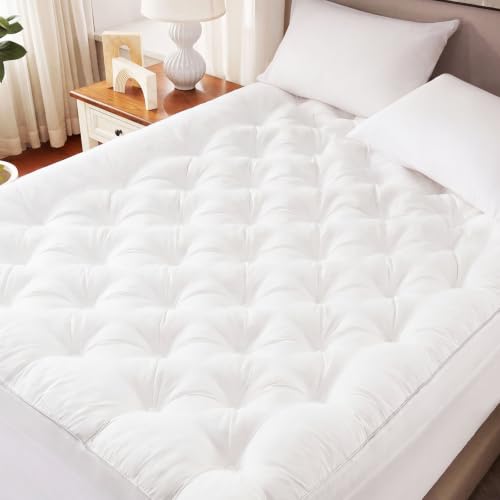
4. 4 Inch Memory Foam Mattress Topper King Size for Back Pain
4 Inch Memory Foam Mattress Topper King Size for Back Pain is listed as a mattress topper. It sits in the premium tier — check price on Amazon for the current listing.
Good for: larger or more demanding setups where extra capacity matters. Watch out: Check the thickness, foam density and whether it fits your bed size.

5. SINWEEK 2 Inch Gel Memory Foam Mattress Topper Twin Size
SINWEEK 2 Inch Gel Memory Foam Mattress Topper Twin Size is listed as a mattress topper. Listing details include: Twin Size. It sits in the budget tier — check price on Amazon for the current listing.
Good for: keeping costs low while covering the basics. Watch out: Check the thickness, foam density and whether it fits your bed size.

6. King Mattress Topper 4 Inch Dual Layer Cooling Memory Foam
King Mattress Topper 4 Inch Dual Layer Cooling Memory Foam is listed as a mattress topper. It sits in the premium tier — check price on Amazon for the current listing.
Good for: larger or more demanding setups where extra capacity matters. Watch out: Check the thickness, foam density and whether it fits your bed size.
7. Tempur-Pedic TEMPUR-Adapt + Cooling 3-Inch King Mattress Topper
Tempur-Pedic TEMPUR-Adapt + Cooling 3-Inch King Mattress Topper is listed as a mattress topper. It sits in the premium tier — check price on Amazon for the current listing.
Good for: larger or more demanding setups where extra capacity matters. Watch out: Check the thickness, foam density and whether it fits your bed size.
8. Linenspa 2 Inch Gel Memory Foam Mattress Topper Plush Cooling
Linenspa 2 Inch Gel Memory Foam Mattress Topper Plush Cooling is listed as a mattress topper. Listing details include: Plush; Cooling; Queen Size. It sits in the mid-range tier — check price on Amazon for the current listing.
Good for: extra comfort on top of your mattress. Watch out: Check the thickness, foam density and whether it fits your bed size.

9. 3 Inch Ultra-Fluffy Memory Foam Mattress Topper Queen for Back
3 Inch Ultra-Fluffy Memory Foam Mattress Topper Queen for Back is listed as a mattress topper. Listing details include: Soft Comfy Pillow Top Queen Mattress Topp. It sits in the mid-range tier — check price on Amazon for the current listing.
Good for: extra comfort on top of your mattress. Watch out: Check the thickness, foam density and whether it fits your bed size.
10. EASELAND Queen Size Mattress Pad Cotton Pillow Top Mattress
EASELAND Queen Size Mattress Pad Cotton Pillow Top Mattress is listed as a mattress topper. It sits in the budget tier — check price on Amazon for the current listing.
Good for: keeping costs low while covering the basics. Watch out: Check the thickness, foam density and whether it fits your bed size.
Price and Rating Comparison
The table below groups the same products by price tier so you can compare types and tiers at a glance.
| Product | Price | Rating | Price tier |
|---|---|---|---|
| SINWEEK 2 Inch Gel Memory Foam Mattress Topper Twin Size | Check price on Amazon | — | Budget |
| EASELAND Queen Size Mattress Pad Cotton Pillow Top Mattress | Check price on Amazon | — | Budget |
| Best Price Mattress 3 Inch Ventilated Memory Foam Mattress Topper | Check price on Amazon | — | Mid-range |
| 3 Inch 7-Zone Queen Mattress Topper Egg Crate Memory Foam | Check price on Amazon | — | Mid-range |
| Linenspa 2 Inch Gel Memory Foam Mattress Topper Plush Cooling | Check price on Amazon | — | Mid-range |
| 3 Inch Ultra-Fluffy Memory Foam Mattress Topper Queen for Back | Check price on Amazon | — | Mid-range |
| Premium Dual Layer 4 Inch Memory Foam Mattress Topper 2 Inch Gel | Check price on Amazon | — | Mid-range |
| 4 Inch Memory Foam Mattress Topper King Size for Back Pain | Check price on Amazon | — | Premium |
| King Mattress Topper 4 Inch Dual Layer Cooling Memory Foam | Check price on Amazon | — | Premium |
| Tempur-Pedic TEMPUR-Adapt + Cooling 3-Inch King Mattress Topper | Check price on Amazon | — | Premium |
How to Choose
Foam versus fiber fill
Memory foam contours and relieves pressure. Fiber and pillow-top pads feel plush and are lighter.
Thickness
Two inches adds mild softness. Three to four inches changes the feel more and can need deeper sheets.
Density and support
Higher density foam supports better and lasts longer but costs more.
Cooling designs
Gel infusions and ventilated or egg-crate shapes reduce heat build-up.
Cover and anchoring
Straps or skirts keep the topper in place. A removable cover is easy to wash.
Common Mistakes to Avoid
- Using a topper to fix a sagging mattress
- Ignoring sheet pocket depth
- Choosing thickness without considering your weight
- Skipping the break-in period
Setup and Care Tips
- Let foam expand for 24 to 48 hours
- Use a mattress protector over the topper
- Rotate the topper from time to time
- Replace when it no longer holds its shape
Memory foam vs pillow top: which mattress topper feels right?
Memory foam toppers contour and cushion pressure points, while pillow-top pads feel fluffy and airy on the surface. If you want a body-hugging feel, look at foam; if you want a soft, hotel-style surface that is light and easy to wash, look at a pillow-top pad.
Memory foam responds to body heat and weight, slowly sinking around shoulders and hips. Side sleepers often like that cushioning, because it can ease pressure where the body is widest. The downside is that foam can feel like it holds you in place, and some sleepers find it warm unless the design adds ventilation or a gel layer.
Pillow-top and fiber-fill pads work differently. They add loft instead of contouring, so the surface feels soft but springs back quickly. They are generally lighter, simpler to move and often easier to launder, which suits guest rooms and people who like to refresh bedding often. They give less pressure relief than a thick foam layer, though, and the fill can flatten with use.
- Choose memory foam if you want contouring and pressure relief and you can tolerate a slower-moving surface.
- Choose a pillow-top pad if you want plush softness, easy washing and a lighter product.
- Choose a dual-layer design if you want a mix: a supportive base with a softer top.
In this list, the EASELAND Queen Size Mattress Pad Cotton Pillow Top Mattress represents the pad style, while the Linenspa 2 Inch Gel Memory Foam Mattress Topper Plush Cooling and the dual-layer toppers represent foam. Compare what the listing says about fill, cover and layers to see how each one is built.
How thick should a mattress topper be for your sleep position?
For most sleepers, a topper in the two to three inch range adds noticeable comfort without changing the bed too much, and four inches suits people who want a very different feel. Your sleep position and body weight help decide where in that range to land.
- Side sleepers: usually benefit from more cushioning at the shoulder and hip, so a thicker foam layer or a dual-layer topper may feel better.
- Back sleepers: often want a balance of softness and support, so a mid-thickness topper tends to be enough.
- Stomach sleepers: generally need a thinner, firmer surface so the hips do not sink too far.
- Heavier sleepers: may press through a thin topper and feel the mattress below, so thickness and foam density both matter.
- Lighter sleepers: may not sink into a dense foam at all, and a softer or thinner product can feel better.
Density is separate from thickness. A dense foam feels firmer and tends to keep its shape longer, while a lower-density foam feels softer at first but may wear sooner. The listing may or may not state density, so check the product page or ask the seller if it matters to you.
Thickness also changes the practical side of the bed. A thick topper raises the sleeping surface, which can make getting in and out harder for some people and means your fitted sheet needs enough pocket depth. A thick topper on a bed with a high mattress may also sit close to the top of the frame or headboard.
If you are unsure, the middle of the range is a sensible starting point. You can usually feel the difference within a few nights, and the return terms on the listing give you a safety net if the feel is not right.
Which mattress topper should you buy?
Match the topper to your bed size, your budget and the problem you want to solve. The picks in this guide cover small beds, large beds, cooling designs and plush pads.
- If you sleep on a twin bed and want a low-cost upgrade, look at the SINWEEK 2 Inch Gel Memory Foam Mattress Topper Twin Size, which is a budget-tier pick in this list.
- If you want a soft cotton pad instead of foam, choose the EASELAND Queen Size Mattress Pad Cotton Pillow Top Mattress.
- If you want a plush gel foam feel on a queen bed, go for the Linenspa 2 Inch Gel Memory Foam Mattress Topper Plush Cooling.
- If you want a ventilated, gel-infused foam, consider the Best Price Mattress 3 Inch Ventilated Memory Foam Mattress Topper, whose listing mentions CertiPUR-US certification, or the 3 Inch 7-Zone Queen Mattress Topper Egg Crate Memory Foam.
- If you want a thick, layered feel, look at the Premium Dual Layer 4 Inch Memory Foam Mattress Topper 2 Inch Gel or the King Mattress Topper 4 Inch Dual Layer Cooling Memory Foam.
- If you want a king-size topper aimed at back discomfort, check the 4 Inch Memory Foam Mattress Topper King Size for Back Pain.
- If you want a well-known brand name, the Tempur-Pedic TEMPUR-Adapt + Cooling 3-Inch King Mattress Topper is the one to compare, and it sits in the premium tier.
- If you want a soft, fluffy pillow-top feel, check the 3 Inch Ultra-Fluffy Memory Foam Mattress Topper Queen for Back.
Bed size is the first filter, since a topper that does not match your mattress will slide or hang over. After that, decide between foam and pad, then thickness, then budget.
What to check before you buy a mattress topper
Confirm the size, thickness, cover and return terms on the listing before you order. A topper is bulky to ship back, so it pays to get the details right the first time.
- Exact bed size: twin, full, queen and king toppers are not interchangeable, and some listings include variants such as long sizes. Check the title and the size selector on the page.
- Thickness: compare it with your sheet pocket depth and your bed height.
- Materials and certifications: read what the foam or fill is, and look for any certification claims in the listing text rather than assuming them.
- Cover: see whether it is removable and washable, and what the care label says.
- Anchoring: look for straps, elastic corners or a skirt to hold it in place.
- What is included: some listings include extras such as filters or covers, so confirm what is in the box.
- Odor and airing: new foam can have a smell at first, and the listing or manual may suggest airing time.
- Warranty and returns: read the terms on the listing, including whether a compressed foam product can be returned once opened.
It also helps to think about temperature. If you tend to sleep hot, look for ventilation holes, an egg-crate shape or a gel-infused foam, and read customer comments about warmth. If you sleep cold, a dense foam may feel fine or even welcome in winter.
Finally, check the condition of your mattress. A topper adds comfort to a mattress that is basically sound, but it will not hide deep sagging or broken support.
Is a mattress topper worth it, or should you replace the mattress?
A topper is worth it when your mattress is still supportive but feels too firm, a little worn or not quite right. If it has deep sagging, visible damage or springs you can feel through the surface, replacing the mattress is usually the better move.
The honest trade-offs are these. A topper changes the surface feel but not the structure underneath, so it cannot fix a failing core. Foam toppers can trap heat for some sleepers, they can shift on the bed if the anchoring is poor, and they may take a few days to expand and settle. Pricier models often use denser materials and may keep their shape longer, but a higher price does not guarantee a better match for your body.
- Worth paying more: if you sleep on the topper every night, are heavier, or want a layered, durable construction.
- A budget option is enough: for a guest room, a short-term setup or a mild change in softness.
- Who should skip it: anyone whose mattress is clearly worn out, or who needs a flat, firm surface for a medical reason and has not checked with a health professional.
Signs your topper needs replacing include permanent body impressions, crumbling foam, a flattened fill that no longer springs back and a cover that will not stay clean. Rotating it from time to time and using a mattress protector slows that wear.
Your next step: compare the picks above, check the current listing for size, thickness and what is included, then choose the one that fits how you sleep and the bed you already own.
How the Picks in This Guide Suit Different Sleepers
The ten toppers in this guide divide along one main line — foam that reshapes the bed’s feel versus fibre and pillow-top designs that soften its surface — and the sleepers they suit divide the same way. If your mattress is fundamentally sound but too firm, pressing on shoulders and hips, the memory foam options are the direct answer. The seven-zone egg crate topper at the head of the list varies its surface so different parts of the body meet different support, which side sleepers in particular tend to appreciate. The Best Price Mattress ventilated topper is the straightforward household choice: honest foam, airflow-conscious design, and an easy decision for a bed that simply needs softening. The dual-layer designs, including the Premium Dual Layer and the King Mattress Topper with its cooling focus, combine a comfort layer with a support layer, suiting couples or heavier sleepers who found single-layer foam either too soft on top or too abrupt underneath.
The 4 Inch topper aimed at back pain and the Ultra-Fluffy queen option represent the maximum-change end of the range: choose that much thickness only when you genuinely want the bed to feel like a different bed, and remember it raises the sleeping surface and asks more of your fitted sheets. The SINWEEK and Linenspa gel-infused toppers, at the thinner end, are the subtle correction — a modest softening with a cooler surface feel, ideal when the mattress is nearly right and you are adjusting rather than rescuing. The Tempur-Pedic TEMPUR-Adapt is the premium expression of the foam idea, for the sleeper who has tried ordinary foam and wants the denser, slower, more deliberate version of it. And the EASELAND pillow top is the honest alternative for anyone who dislikes the hug of foam altogether: a washable, familiar, hotel-style softness that sits on the bed rather than moulding to the body.
Choose by naming your complaint precisely. Pressure points point to foam. A bed that feels hard and unyielding only at the surface points to a pillow top. A bed that is almost right points to the thinner gel options. A bed that is wrong everywhere points, honestly, past this list toward a new mattress — and the section below on that decision will help you tell the difference.
Couples: one topper, two opinions
Shared beds complicate everything, and toppers are no exception. If one partner wants softer and the other is content, a topper softens both sides equally, which can leave the contented partner sinking further than they wished. The workable compromises are a thinner, gentler topper than the keen partner would choose alone, or a twin-sized topper on one side only — a real option more couples should know about, though it leaves a small step in the middle of the bed that some find charming and others find maddening. Discuss it before ordering; a topper is bulky to return, and the conversation is cheaper than the experiment.
The First Fortnight: Fitting, Airing, and Adjusting
A foam topper arrives compressed and needs time to become itself. Unroll it on the bed, let it expand fully — which can take a day or more in a cool room — and expect a new-foam smell that fades with airing; open a window, be patient, and do not judge either the feel or the scent in the first hours. Once expanded, walk the fitting through properly: centre the topper, check the corners against the mattress corners, and if it has straps or a skirt, fit them now rather than after the first night of sliding. Put the protector, if you use one, over the topper, and then make the bed with sheets deep enough for the new total height — measure mattress plus topper rather than guessing, because sheets that barely reach will pop corners all night and convince you the topper moves when really the sheet is letting go.
Then give your body its say. A changed sleep surface asks muscles to reorganise, and the first few nights can feel oddly worse before they feel better, especially if you have spent months adapting to a too-firm bed. A fortnight is the fair trial. Sleep on it through at least one full wash cycle of your bedding, notice the trend rather than any single night, and only then decide. Most topper regret is really fortnight-one impatience; most topper satisfaction arrives quietly around the second week, when you realise you have stopped thinking about the bed at all — which is, of course, the entire point.
Stopping the slide
If the topper migrates, solve it in order of simplicity. First, check the sheet fit as above. Second, place a non-slip mat or rug gripper mesh between mattress and topper — an old, reliable trick that costs little and works. Third, use the straps or skirt if the model provides them, fitted snugly. A topper that fits the mattress size exactly slides far less than one even slightly small, which is worth remembering at purchase: measure your mattress rather than trusting the label size, because a topper bought for the wrong twin variant will wander no matter what you do.
When a Topper Is the Wrong Purchase
Honesty requires a section on when not to buy anything in this guide. A topper cannot repair a mattress whose support has failed: if there is a visible sag, a hammock in the middle, or springs you can feel, foam laid over the top will follow the dip and your body will still end up in it. A topper also cannot fix a mattress that is the wrong size, a bed frame with broken slats — check underneath before blaming the surface — or a sleep problem whose cause is not the bed at all. Pain that persists in every bed, including good hotel beds, deserves a conversation with a professional rather than another bedding purchase.
The test that separates a topper problem from a mattress problem is simple. If the mattress feels supportive but unkind — you lie on it rather than in a dip, and your complaint is pressure and hardness — a topper is the right, proportionate answer. If the complaint is shape — dips, rolls toward the middle, edges that collapse — the mattress is done, and money spent on a topper is money delayed from the real fix. Many readers will find their bed is honestly in the first group, which is why this category exists and thrives. But if yours is in the second, let this guide talk you out of a purchase; a good guide should.
Care, Rotation, and Getting the Full Life From a Topper
A topper works hard every night and asks little in return, but the little matters. Rotate it head-to-foot regularly — monthly is a good rhythm, tied to a sheet change so it actually happens — because bodies compress the same zones nightly and rotation spreads that work across the whole surface. Air it when you strip the bed: an hour uncovered while the sheets wash lets moisture from the night escape instead of accumulating in the foam. Keep a protector over it if you can; foam itself is rarely washable, and the protector is the difference between a spill being a laundry event and a permanent stain with a smell.
Spot-clean accidents promptly with a mild solution, blot rather than soak, and dry thoroughly before remaking the bed — foam put away damp will remind you of it. Fibre and pillow-top designs like the EASELAND follow their own labels, and many are machine washable, which is one of their genuine advantages for children’s beds, guest rooms, and anyone managing allergies. Vacuum the surface occasionally with an upholstery tool when the bed is stripped; dust accumulates in any bedding layer, and the topper, sitting just under the sheet, collects its share. None of this takes long. Done routinely, it is the difference between a topper that feels fresh in its third year and one that feels tired in its first.
Storing a topper you are not using
Guest-bed and seasonal toppers spend much of their lives in storage, and storage done badly ruins foam. Store it flat if you possibly can, or loosely rolled without tight straps, in a dry place out of direct heat. Do not fold foam sharply, do not leave it vacuum-compressed for months on end, and do not store it anywhere damp. When it comes back into service, give it a full day unrolled on the bed to recover its shape and air out before the guest arrives or the season turns. A topper stored kindly comes back as the topper you bought; one stored crushed in a hot loft comes back as a lesson.
Toppers for Guest Beds, Children, and Rental Homes
The guest bed is where toppers quietly shine brightest. Most guest mattresses are the household’s retired or cheapest bed, slept on by people you would like to treat well. A mid-thickness foam topper transforms that bed more completely than any other single purchase, and it does so without replacing furniture. Keep the protector on it, air the room before guests arrive, and your spare bed will earn compliments out of all proportion to its cost. For children’s beds, favour the washable and the resilient over the luxurious: accidents are a certainty, and the pillow-top end of this list, or foam under a good waterproof protector, serves a family better than the most refined foam in the guide.
In rental and furnished properties, a topper is the tenant’s and the landlord’s friend alike — the one change that personalises a bed you do not own, travels with you when you leave, and leaves the mattress beneath it exactly as found. Students in halls and anyone in a first flat discover the same trick: the bed provided is a fact, but the bed you sleep on is a choice, and it is made largely by the top few inches. That, in the end, is the whole philosophy of this category. You may not control the mattress. You almost always control the topper — choose it with the care this guide sets out, and the bed becomes yours.
Sleep Position, Revisited in Depth
The earlier sections matched thickness to sleep position in brief; the subject deserves a fuller treatment, because position is the single best predictor of topper satisfaction. Side sleepers concentrate their weight on the shoulder and hip, two bony points that a firm mattress punishes, and they are the group foam serves best — enough thickness for those points to sink while the waist stays supported. If you are a side sleeper whose arm goes numb or whose shoulder aches by morning, that is pressure asking for a softer, thicker answer from the foam end of this list, and it is worth choosing generously rather than timidly.
Back sleepers need the opposite discipline. The goal is a surface that cushions the shoulders and heels while keeping the lower back in its natural curve, and too much soft foam lets the hips sink deepest, which bends the back the wrong way by morning. A thinner or firmer choice, or a dual-layer design whose support layer holds the line, suits this group — softness at the surface, honesty underneath. Stomach sleepers need the least of all and are the group most often made worse by a topper: the priority is keeping the hips from sinking and arching the back, so the thinnest, firmest option, or none, is frequently the right answer, however counterintuitive that feels in a guide devoted to selling the category.
Combination sleepers, who visit every position nightly, should choose for their most vulnerable one — usually the side, since that is where pressure concentrates — and prefer responsive designs that let them move without feeling they must climb out of a mould of themselves. And everyone should remember that position changes across a life: injuries, pregnancies, new sports, and simple ageing all rearrange how a body meets a bed. The topper that suits you now is a decision for now, reviewed when your sleep tells you the facts have changed. Listening to that signal, rather than to habit, is the whole skill of sleeping well — and a topper, being the cheapest layer of the bed to change, is where that listening should start.
A short note on heat, one more time
Because it decides so many purchases: foam holds more warmth than fibre, gel infusions and ventilated designs moderate that honestly but do not repeal it, and the pillow-top end of the list sleeps the most neutrally of all. If you sleep hot, read your shortlist in that order, pair the topper with breathable sheets, and expect a fair result rather than a transformation. If you sleep cold, enjoy your advantage — almost everything in this guide will suit you, and you may choose purely by feel.
Measuring and Sizing: The Unglamorous Step That Decides Everything
Before any topper in this guide earns a place on your bed, take two measurements that listings cannot take for you. The first is the mattress itself: length and width with a tape, not from memory or the label, because beds drift from their nominal sizes more often than people expect, and a topper even slightly small will wander, bunch at the edges, and feel wrong in ways owners misattribute to quality. The second is the total height after the topper: mattress, topper, and protector together, measured at the corner, because that number decides whether your fitted sheets still fit or whether a deeper set joins the shopping list. Two minutes with a tape measure, taken before ordering, prevents the two most common topper disappointments entirely.
While you are measuring, look at the bed as a system. Check the slats or base for damage, note whether the mattress itself has a pillow top already — adding a thick topper over an existing plush top can overshoot softness entirely — and think about bed height as a whole, especially for older sleepers or anyone with limited mobility: a bed that becomes noticeably taller is a bed that becomes harder to get out of at three in the morning. The right topper is the one that fits the mattress, the sheets, the frame, and the people. Everything in this guide can be the right topper for somebody; the measurements are how you find out whether that somebody is you.
What to do with the old topper
When a new topper replaces an old one, the old one usually has useful life left in it somewhere less demanding. A foam topper past its best for a main bed can soften a guest bed, line a camper or caravan bunk, cushion a day bed, or be cut down — foam cuts cleanly with a long serrated knife — for pet beds, window seats, and floor cushions. If it is genuinely finished, check whether your local recycling accepts foam or bulky bedding before sending it to landfill; options vary, but they are growing. And note what wore out first on the old one — the zones that flattened, the cover that failed, the heat you never solved — because that autopsy is the most honest buying advice you will ever get for its replacement, and it is already paid for.
A final word on expectations
Buy a topper expecting a changed bed, not a cured life. It will not fix a snoring partner, a noisy street, a racing mind, or a mattress that has structurally given up — and no honest guide should imply otherwise. What it does, it does well: it takes a sound bed that does not suit your body and makes it suit, night after night, for a fraction of the cost and upheaval of replacement. Readers who buy with that expectation, measure first, trial patiently for a fortnight, and care for the thing simply, are the readers who write the satisfied reviews you have seen quoted everywhere. Join them by choosing deliberately from the list above, and then stop shopping and sleep.
Frequently Asked Questions
Does a topper make a bed softer?
Yes, a thicker softer topper can soften a firm mattress.
How thick should a mattress topper be?
Two to four inches covers most needs.
Can a topper fix a sagging mattress?
It may help a little but will not fix a failing mattress.
Do I need deeper sheets?
Often yes. Check the pocket depth.
How do I clean a topper?
Wash the cover and spot clean the foam.
How long does a topper last?
Typically a few years depending on materials.
Will a mattress topper make my bed too hot?
It can, particularly with dense foam. Ventilated, egg-crate or gel-infused designs are meant to reduce heat build-up, and a breathable cover and light bedding help too.
Do mattress toppers stay in place?
Many have straps, elastic corners or a skirt, but fit varies by product. A fitted sheet with enough depth and a mattress protector over the top also help keep it from sliding.
How long should I let a new foam topper air out?
Check the manual, but many people unpack foam toppers a day or two before sleeping on them. This lets the foam expand fully and lets any new-product smell fade.
Is a thicker topper always better?
No. A thicker topper changes the feel more, but it also raises the bed and needs deeper sheets. Pick the thickness that matches your sleep position and how much change you want.
Can I put a mattress topper on an adjustable bed?
Often yes, if the topper is flexible and the listing does not rule it out. Check the product page, and make sure the topper bends with the base without creasing.
Should a topper go under or over the fitted sheet?
It goes under your fitted sheet. Many people also add a mattress protector over the topper to keep the foam and cover clean.
Can a mattress topper help with back pain?
It may add comfort for some people, but results vary and a topper is not a medical treatment. If you have ongoing pain, speak to a health professional.
Can I wash a memory foam topper?
Usually only the cover. Foam is typically spot cleaned and aired, and the care label or listing will say what is safe.
Bottom Line
Pick a topper thickness based on how much softness you want, favor a cover you can wash, and make sure your fitted sheet is deep enough.
More Guides You May Like
- Best Wake-Up Light Alarm Clocks for Bedrooms
- Best Humidifiers
- Best Full Body Pillows and Pregnancy Pillows
- Best Memory Foam and Cervical Pillows to Buy
- Best Weighted Blankets
- Best Sound Machines for Bedroom and Baby Room