Disclosure: As an Amazon Associate, Reviews Took earns from qualifying purchases. Links to Amazon on this page are affiliate links; they cost you nothing extra.
Check pizza size and fuel before buying.
This guide is built from Amazon product listings and maker specs, not our own testing, so confirm size, contents and current price on each product page.
Check the current price on Amazon for each pick.
Last updated: November 2, 2026.
In this guide
Quick Picks
| Product | Type | Best for |
|---|---|---|
| Mimiuo Auto-Rotating Wood Pellet Pizza Oven Outdoor 40Lbs | Outdoor pizza oven | backyard pizza nights |
| BIG HORN OUTDOORS 12″ Dual Fuel Pizza Oven | Outdoor pizza oven | backyard pizza nights |
| GasOne PZW-12A Pizza Ovens Wood Pellet 12” Pizza Oven Cooking | Outdoor pizza oven | backyard pizza nights |
| VEVOR Dual Fuel Pizza Oven Outdoor | Outdoor pizza oven | backyard pizza nights |
| BIG HORN OUTDOORS 12″ Multi-Fuel Pizza Oven | Outdoor pizza oven | backyard pizza nights |
| Outdoor Wood-Fired Pizza Oven Patio Pizza Maker for Backyard | Outdoor pizza oven | backyard pizza nights |
| Ninja Artisan Pizza Oven | Outdoor pizza oven | backyard pizza nights |
Our Picks
1. Mimiuo Auto-Rotating Wood Pellet Pizza Oven Outdoor 40Lbs
A Mimiuo Auto-Rotating Wood Pellet Pizza Oven Outdoor 40Lbs (outdoor pizza oven), per the listing. Check price on Amazon.
Good for: backyard pizza nights. Watch out: Check fuel type.

2. BIG HORN OUTDOORS 12″ Dual Fuel Pizza Oven
A BIG HORN OUTDOORS 12″ Dual Fuel Pizza Oven (outdoor pizza oven), per the listing. Check price on Amazon.
Good for: backyard pizza nights. Watch out: Check fuel type.

3. GasOne PZW-12A Pizza Ovens Wood Pellet 12” Pizza Oven Cooking
A GasOne PZW-12A Pizza Ovens Wood Pellet 12” Pizza Oven Cooking (outdoor pizza oven), per the listing. Check price on Amazon.
Good for: backyard pizza nights. Watch out: Check fuel type.

4. VEVOR Dual Fuel Pizza Oven Outdoor
A VEVOR Dual Fuel Pizza Oven Outdoor (outdoor pizza oven), per the listing. Check price on Amazon.
Good for: backyard pizza nights. Watch out: Check fuel type.
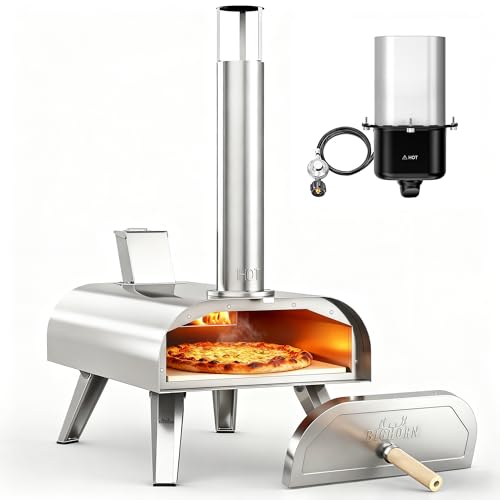
5. BIG HORN OUTDOORS 12″ Multi-Fuel Pizza Oven
A BIG HORN OUTDOORS 12″ Multi-Fuel Pizza Oven (outdoor pizza oven), per the listing. Check price on Amazon.
Good for: backyard pizza nights. Watch out: Check fuel type.

6. Outdoor Wood-Fired Pizza Oven Patio Pizza Maker for Backyard
An Outdoor Wood-Fired Pizza Oven Patio Pizza Maker for Backyard (outdoor pizza oven), per the listing. Check price on Amazon.
Good for: backyard pizza nights. Watch out: Check fuel type.

7. Ninja Artisan Pizza Oven
A Ninja Artisan Pizza Oven (outdoor pizza oven), per the listing. Check price on Amazon.
Good for: backyard pizza nights. Watch out: Check fuel type.
Best Picks by Category
They summarize listing data and are not hands-on test results.
- Top rated: Ninja Artisan Pizza Oven — check price on Amazon.
- Most reviewed: Ninja Artisan Pizza Oven — check price on Amazon.
- Best value: Ninja Artisan Pizza Oven — check price on Amazon.
- Lowest price: GasOne PZW-12A Pizza Ovens Wood Pellet 12” Pizza Oven Cooking — check price on Amazon.
- Premium option: Mimiuo Auto-Rotating Wood Pellet Pizza Oven Outdoor 40Lbs — check price on Amazon.
Price, Rating and Review Comparison
Prices change often, so confirm the current price on Amazon.
| Product | Price | Rating | Ratings | Price tier |
|---|---|---|---|---|
| GasOne PZW-12A Pizza Ovens Wood Pellet 12” Pizza Oven Cooking | Check price on Amazon | — | — | Budget |
| VEVOR Dual Fuel Pizza Oven Outdoor | Check price on Amazon | — | — | Mid-range |
| BIG HORN OUTDOORS 12″ Dual Fuel Pizza Oven | Check price on Amazon | — | — | Mid-range |
| BIG HORN OUTDOORS 12″ Multi-Fuel Pizza Oven | Check price on Amazon | — | — | Mid-range |
| Ninja Artisan Pizza Oven | Check price on Amazon | — | — | Mid-range |
| Mimiuo Auto-Rotating Wood Pellet Pizza Oven Outdoor 40Lbs | Check price on Amazon | — | — | Mid-range |
| Outdoor Wood-Fired Pizza Oven Patio Pizza Maker for Backyard | Check price on Amazon | — | — | n/a |
How Much Feedback Backs Each Rating
A high average from a handful of ratings is weaker evidence than a slightly lower average from thousands.
How to Choose
Size
Check the max pizza or capacity size.
Fuel and power
Match fuel or power to where you cook.
Cleaning
Removable parts make cleanup easier.
Wood, Pellet, Gas and Electric Fuels Compared
The fuel decides how an outdoor pizza oven feels to use, so it is worth thinking about before size or looks. Each type has its own strengths.
- Wood-fired ovens burn logs or chunks of wood and are prized for flavor and the traditional experience. They need dry wood, a fire to tend and some practice to hold a steady heat. They suit people who enjoy the process.
- Pellet-fed ovens use compressed wood pellets, often loaded through a hopper. They offer wood flavor with more control than loose logs, but you need a supply of pellets and have to keep an eye on the feed.
- Gas ovens run on propane or natural gas, depending on the model, and heat up quickly with simple controls. They are convenient and consistent, though they need a fuel connection and lack the smoky aroma of wood.
- Dual-fuel or multi-fuel ovens accept more than one fuel, often wood and gas or wood and pellets, so you can choose each time. They offer flexibility, but they can have more parts and may require extra attachments, which may or may not be included.
- Electric ovens plug into a power outlet and work much like an oven with a stone or plate. They are simple and suit patios, though they depend on power access and may not match the very high heat of fire-based models.
Think about convenience versus ritual. If you want pizza after work with minimal fuss, gas or electric is easier. If you like the fire and the aroma, wood or pellets are more rewarding. Check the listing for the fuel type, what attachments are included and whether the fuel itself is sold separately.
Oven Size, Pizza Capacity and Cooking Surface
Most small outdoor ovens are described by the largest pizza they can hold. A 12 inch oven suits a single personal pizza at a time, and larger ovens cook bigger pies or let you turn pizzas more easily. Before buying, check the interior size, not only the outer dimensions, and think about how you will launch and turn a pizza inside the opening.
The opening matters. A wide, tall opening makes it easier to slide a pizza in and rotate it, while a narrow one limits your tools. Consider the peel you plan to use, because the peel must fit through the opening with room to turn.
Cooking surface material affects results. Stone and ceramic surfaces store heat and give a crisp bottom, but they can crack from thermal shock if handled carelessly. Steel conducts heat quickly. Look at the thickness and quality of the surface, and whether it can be removed for cleaning.
Think about how many people you cook for. Small ovens cook one pizza in a few minutes, but feeding six people means several rounds. If you entertain, plan for the time it takes to cook each pizza and for the oven to recover its heat between pies. A slightly larger oven or one with strong heat retention can ease the workflow.
Finally, consider weight and portability. Lightweight ovens can travel or be stored away, while heavy ones stay in place and hold heat better. Match the oven to where you will use it, and to whether you want a permanent spot or something you can move.
Where to Set It Up and Staying Safe
An outdoor pizza oven is a hot appliance, and where you place it matters. Always follow the maker’s instructions, and use it outdoors only. Fire-based and gas-based models should never be used in a garage, a covered porch with limited airflow, or under low branches or overhangs. Keep a safe distance from walls, fences, furniture and anything flammable.
Set the oven on a stable, level, heat-resistant surface. A sturdy table or stand rated for the oven’s weight and heat is essential. Plastic or wooden surfaces can scorch or fail. Check the weight on the listing and compare it with the stand. Keep the oven away from high-traffic areas, and keep children and pets at a safe distance while it is lit and while it cools.
Wind affects performance. Strong wind can blow flames, scatter ash and make heat uneven. A sheltered but ventilated spot is ideal. Do not enclose the oven in a way that traps heat or fumes.
Fuel safety depends on the type. For gas, check hoses and connections, and follow guidance for leak testing. Store cylinders upright and outdoors, away from heat. For wood and pellets, keep fuel dry and away from the fire, and use only the type recommended. Use heat-resistant gloves and long-handled tools, and have a way to extinguish a fire, such as a bucket of sand or a suitable extinguisher, close at hand.
Let the oven cool completely before moving or covering it. Surfaces stay hot long after the flame is out.
Preheating, Dough and Tools for Better Pizza
A good oven helps, but technique and preparation decide how the pizza turns out. Preheat for the time the maker recommends, because the cooking surface needs to be fully hot, not only the air. A thermometer, whether built in or handheld, helps you judge the temperature. Many players use an infrared thermometer on the stone.
Dough matters as much as the oven. Make it ahead and let it rest so it is relaxed and easy to stretch. Dust the peel lightly with flour or semolina so the pizza slides off cleanly, and work quickly once the toppings go on, because a damp pizza will stick. Keep toppings light, since heavy toppings make the middle soggy and slow the bake.
Cooking times are short in a hot oven, often only a few minutes, so stay close. Turn the pizza partway through for even browning, using a small turning peel. Watch the crust and the base, and adjust the heat if the bottom is cooking faster than the top.
Useful tools include:
- A launching peel for putting the pizza in.
- A smaller turning peel for rotating.
- A thermometer for the stone or oven.
- Heat-resistant gloves.
- A cutter or rocker blade and a board.
- A brush for cleaning the surface.
Expect a learning curve. Your first pizzas may burn on the bottom or be pale on top, and that is normal. Adjust one thing at a time, such as heat, dough thickness or topping amount, and keep notes. Over a few sessions, you will find the settings that work for your oven.
Cleaning, Weather Protection and Long-Term Care
A little maintenance keeps an outdoor oven working well for years. Let the oven cool fully before cleaning. Brush crumbs and ash from the cooking surface with a stiff brush, and remove ash from fire-based models according to the manual. Do not use water on a hot stone or surface, since sudden cooling can crack it. Avoid soap on porous stone, which can soak in and affect flavor.
Wipe exterior surfaces with a damp cloth when cool. For stainless steel parts, a mild cleaner and a soft cloth help. Check burners, pellet hoppers, chimneys and vents for blockages, and clear soot and debris. Keep gas connections clean, and inspect hoses for cracks.
Weather is a major factor. Rain, humidity and frost can damage outdoor appliances and cause rust. A fitted cover protects the oven when it is not in use, but only put it on after the oven has completely cooled. In wet or freezing climates, consider storing the oven in a dry place, such as a shed or garage, if it is portable and fully cool.
Protect the cooking surface from moisture. A damp stone can crack when heated, so let it dry and heat gradually. Store fuel in a dry spot. Wood and pellets that have absorbed moisture burn poorly and smoke more.
Check the structure now and then. Look for loose screws, warped panels, worn seals and flaking paint. Retighten fittings and replace damaged parts as the maker allows. If you notice cracks, gas smells or unusual behavior, stop using the oven and contact the maker. Following these steps keeps both the oven and your pizzas in good shape.
Fuel Types Compared in One Table
The fuel decides how you light the oven, how fast it heats, and how much attention it needs. Each choice suits a different cook.
| Fuel | Strength | Trade-off |
|---|---|---|
| Wood | Smoky flavor and a traditional feel | Needs fire tending and dry wood |
| Wood pellets | Consistent feed, easy to stock | Needs a pellet hopper and dry storage |
| Gas (propane) | Quick lighting and steady heat | Needs a gas bottle and careful connection |
| Electric | Simple, no flame, can suit balconies where permitted | Needs a power outlet and may heat less intensely |
Check your local rules and any building or landlord restrictions on open flames and gas bottles before you buy.
Space, Clearances and Placement
Pizza ovens get very hot on the outside as well as inside. Choose a spot with generous clearance, and follow the maker guidance for the distance from walls, fences, trees and overhead cover.
- Pick a level, non-combustible surface that can carry the weight of the oven.
- Keep the oven well away from walls, railings, hanging plants and anything that can burn.
- Never use a fuel burning oven in an enclosed space such as a garage, tent or covered balcony.
- Place a stable table or stand at a comfortable height for working.
- Keep children and pets away from the oven during use and until it has cooled.
- Keep a suitable fire extinguisher or bucket of sand nearby, following local advice.
Making Your First Pizzas Easier
Preheating takes patience, so allow the time the manual states before launching the first pizza. Dust the peel with a little flour or semolina so the dough slides, and build the pizza quickly to avoid sticking. Turn the pizza during the bake so the crust browns evenly, as the oven often has a hot side. Begin with simple toppings, since heavy toppings release moisture and slow the bake. Let the oven cool completely before covering it, and brush out ash according to the manual. For gas models, always follow the maker instructions for connecting, checking and storing the bottle. Use heat resistant gloves, and keep a notebook of heat settings and bake times that worked for your dough.
A First Month With a Backyard Pizza Oven: What to Expect
The first pizzas from any outdoor oven are a learning exercise, and expecting that saves a lot of frustration. In the first session, concentrate on heat management rather than recipes: learn how long your oven takes to come up to temperature, where its hot spots sit, and how quickly the base cooks compared with the top. Cook simple pizzas with modest toppings, one at a time, and change only one thing between each bake. By the fourth or fifth pizza you will have a feel for the oven that no instruction sheet can give you, and the results will already be noticeably better than the first attempt.
In the second and third sessions, work on your dough routine. Most disappointing backyard pizzas are dough problems wearing a topping disguise: dough stretched too thin in the centre tears and leaks, dough that is too cold springs back and bakes thick and bready, and dough left sitting on the peel while toppings are arranged welds itself to the metal. Prepare toppings before the dough is stretched, keep the peel lightly floured, and give the pizza a small shake on the peel before launching to confirm it still moves. These habits, repeated early, become automatic.
By the end of the first month, invite people over, because cooking for guests teaches timing. An oven that cruises through solo pizzas can struggle when six are needed in quick succession, as the stone loses heat to each bake and the cook becomes the bottleneck. Stagger the work: stretch and top one pizza while another bakes, keep finished pizzas warm rather than perfect, and accept that the last pizza of the night is usually the best one. That rhythm, once learned, is what turns an oven from a novelty into the centre of how you entertain.
Dough, Sauce and Toppings Tuned for High Outdoor Heat
Outdoor ovens cook far hotter than a kitchen oven, and ingredients behave differently at that heat. Dough hydration that works beautifully indoors can turn slack and sticky outdoors in summer warmth, so many backyard cooks keep their dough slightly firmer and handle it with well-floured hands. Let the dough come to room temperature before stretching, press from the centre outward to keep a puffy rim, and resist the rolling pin, which crushes the air bubbles that become the crust’s texture.
Sauce should be thinner and less than you think. Excess sauce is the leading cause of a soggy centre, because the base has only a short time to crisp while the sauce is still releasing moisture. Spread a modest layer, leave the rim bare, and if your tomatoes are watery, drain them or cook the sauce briefly to thicken it. Cheese follows the same logic: a moderate, even covering melts and colours in the time the base needs, while a heavy blanket insulates the dough beneath and leaves it pale.
Toppings need editing for high heat. Raw vegetables release water as they cook, so pre-cook mushrooms, peppers and onions, or slice them thin enough to cook through quickly. Delicate items such as fresh basil and cured meats that crisp in seconds go on after the bake or in its final moments. Learning these adjustments is the real craft of a backyard oven, and it applies whichever model from the picks above is sitting on your patio.
Cooking Beyond Pizza on a Backyard Oven Night
A hot outdoor oven is too useful to switch off after the last pizza. Flatbreads are the natural next step, using the same dough rolled thinner, brushed with oil and herbs, and baked while the oven is at full heat. They take moments, keep guests fed while pizzas are prepared, and forgive imperfect technique, which makes them ideal for letting children or first-time guests have a turn at the peel without risking the main event.
As the heat falls, the oven becomes a roaster. Vegetables in a heavy pan, chicken pieces, sausages and baked dishes all benefit from the dry, intense heat and the faint character the fuel adds. This falling-heat cooking is where dual-fuel and larger models from the list above quietly justify themselves, because a roomy chamber and a door turn residual heat into a second course instead of wasted warmth. Plan for it when you shop for ingredients and the oven earns its footprint on the patio.
Dessert is not an afterthought either. Fruit crumbles, baked apples and simple skillet cookies all cook happily in the cooling oven while everyone is still at the table. The habit to build is sequencing: hottest work first, gentler work as the temperature drops, and nothing left cooking unattended while the cook socialises. Written down once, that sequence becomes your standard oven-night plan, adaptable to any menu and any of the ovens reviewed in this guide.
Weather, Seasons and Storing the Oven Between Cooks
Backyard ovens live outdoors, so their working life is shaped by weather. Wind is the variable cooks underestimate most: it steals heat from the chamber, bends flames and makes temperatures swing, so positioning the oven with its opening sheltered, as the placement section above advises, transforms results on breezy days. Cold weather lengthens preheating and increases fuel use, but the oven still performs; the cook simply needs warmer clothing and a little more patience, and many owners find winter pizza nights among the most enjoyable of the year.
Rain demands honesty. An oven under a proper cover or shelter can be used in light showers by a careful cook, but water on a hot stone is a genuine hazard and electrical components on hybrid models must stay dry. Most owners simply reschedule, and building that flexibility into your plans, a dough that can wait in the fridge, for example, removes the temptation to cook in conditions that risk the oven or the cook.
Storage between cooks decides how long the oven lasts. Once fully cold, brush out ash and debris, check the stone for cracks, and cover the oven or move it under shelter. Pellets and wood must be stored dry, since damp fuel smokes, struggles to burn and leaves deposits that flavour food badly. Gas models need their connections checked and the hose stored out of sunlight. Ten minutes of this care after each cook is the difference between an oven that is ready whenever you are and one that needs an afternoon of rescue before every pizza night.
How the Ovens in This Guide Suit Different Backyards
The right choice among the picks above follows from your space and habits more than from any ranking. Compact dual-fuel models suit smaller patios and cooks who want the option of gas convenience on a weeknight and wood or pellet character at the weekend. Their modest footprint makes them easier to store under cover, and they heat a single pizza at a time comfortably, which matches how most households actually cook on an ordinary evening.
Rotating and larger-capacity designs come into their own when you regularly cook for a group. The rotating stone removes the need to turn pizzas by hand, which is one less skill for a busy host to juggle, and a larger chamber recovers heat faster between bakes. If your typical oven night means a queue of hungry people, that throughput is worth more than any single specification, and it is the quality to prioritise when comparing the bigger models in this guide.
The electric Ninja option in the list serves a different household again: one without outdoor fuel storage, or with restrictions on open flames, that still wants a dedicated pizza appliance with a broader cooking repertoire. Judge it as a versatile countertop-to-patio cooker rather than a rival to a wood fire. Read across the picks with your own constraints listed first, space, fuel storage, group size, and how often you will really cook, and the shortlist usually narrows itself to one or two obvious candidates.
Fuel Management Across a Whole Summer of Cooking
Fuel is a recurring cost and a quality variable, so manage it like an ingredient. Wood and pellets must be bone dry to burn cleanly at pizza temperatures; damp fuel spends its heat boiling off water, produces bitter smoke and leaves the oven struggling. Store fuel under cover with airflow, off the ground, and bring the day’s supply somewhere dry well before you cook. A moisture problem diagnosed at lighting time is already too late to fix for that evening’s guests.
For gas use, keep track of consumption per session until you know your oven’s appetite, and never let a gathering depend on a tank you have not checked. For electric models, the management is simpler but real: know the circuit you are using and what else shares it. Across all fuels, the pattern is the same: the cooks who plan fuel cook calmly, and the cooks who improvise spend the evening troubleshooting instead of making pizza.
Reading the Fire and the Stone Like an Experienced Cook
Every oven tells you its state if you learn its signals. Flame colour and behaviour show whether fuel is burning cleanly or starving; the stone’s surface shows where the heat truly sits, which is rarely uniform. Rotate pizzas not on a timer but in response to what you see: colour developing on one side, the rim puffing unevenly, the base’s underside when you lift an edge with the peel. This responsive cooking is the skill that separates the tenth pizza night from the first, and it develops only by watching deliberately rather than following times blindly.
Keep a simple mental map of your oven’s hot and cool zones and use it deliberately: the fierce zone for the first moments of a bake, the gentler zone to finish a heavily topped pizza without scorching. Once you know the map, you can cook two pizzas at different stages in a larger oven without either suffering. That spatial understanding, more than any accessory, is what guests are actually tasting when they say your pizzas have become professional.
Pizza Styles and How Each Tests a Backyard Oven
Different styles interrogate an oven differently. Neapolitan-style pizza demands the highest heat and the shortest bake, and forgives nothing: the dough, the floor temperature and the launch must all be right at once. It is the style to attempt once your basics are automatic, not the style to learn on. New York and general family styles bake longer at gentler heat and forgive almost everything, which is why they remain the backbone of most backyard menus.
Thicker, pan-baked and Detroit-style pizzas shift the challenge from heat to timing and equipment, needing a pan the oven accommodates and a longer, steadier bake. An oven that cruises through thin pizzas can struggle to hold a moderate temperature for a pan bake if its controls are crude. When choosing among the models above, match the oven’s temperament to the style your household actually eats most, rather than to the style that photographs best.
Safety Briefing for Guests, Children and Pets
An outdoor oven concentrates heat in a social space, so brief the household like it matters. Children should know the oven’s body is not a surface to lean on even when it looks cool, and that the area in front of the oven mouth belongs to the cook. Assign children jobs away from the opening, topping pizzas at a separate table is the classic, and keep pets out of the cooking zone entirely while the oven is hot and for long afterwards, since stones and steel hold heat invisibly.
Keep the safety kit where the oven is: proper gloves that actually fit the cook, a clear route from oven to table that nobody crosses with a hot pizza in transit, and lighting for evening sessions so the cook can see the peel, the stone and the ground. Most backyard incidents are trips, grabs and surprises rather than equipment failures, and all three are prevented by this unglamorous organisation.
Troubleshooting a Whole Evening That Goes Wrong
Some nights everything misbehaves at once, and a calm diagnostic order saves them. If pizzas are burning underneath and raw on top, the floor is too hot relative to the chamber: pause, let the floor settle, and bake the next pizza in a cooler zone. If bases are pale and toppings soup, the floor never truly heated or the toppings are too wet; extend the preheat and edit the toppings rather than cranking the heat mid-service. If launches keep sticking, the dough, the peel or the waiting time is at fault, never the oven, and the fix is in preparation.
When the evening truly cannot be saved, change the menu rather than fighting: the same dough makes excellent flatbreads and garlic breads at almost any temperature, and a relaxed cook feeding people something good beats a stressed cook producing a sequence of failures. Experience is largely the knowledge of which nights to adapt early, and every backyard cook accumulates it one imperfect evening at a time.
Accessories Worth Owning and Those That Can Wait
After the oven itself, a short list of accessories genuinely changes results: a launching peel sized to the oven, a turning peel for fixed-stone models, an infrared thermometer for reading the floor, and gloves rated for the heat. These four solve the recurring problems this guide has described. Everything else is refinement. Buy the four, learn them, and let a season of cooking tell you what, if anything, you still lack.
Defer the decorative and the duplicate: extra peels in materials you have not tested, elaborate stands for an oven still finding its place, and tool sets bought for their piece count. Accessories bought from diagnosed need are used weekly; accessories bought from enthusiasm at the same time as the oven mostly decorate the storage box the oven’s cover lives in.
End-of-Season Care and Planning Next Year’s Cooking
At the end of the main cooking season, give the oven a proper service rather than a quick brush. Clean the chamber and flue path as the manufacturer directs, inspect the stone for cracks that developed under thermal stress, check gas connections and ignition on applicable models, and touch up any exterior damage before winter weather exploits it. An oven stored clean and dry starts the next season ready; an oven stored dirty starts it with a cleaning day nobody wants.
Use the quiet season to plan: note which pizzas your household requested most, which fuel arrangement worked, and what frustrated you. Those notes, made honestly, are the best buying guide for anything you add next year, and they close the loop that this guide opened with choosing the oven in the first place.
Pizza Dough in Advance: Freezing, Refrigerating and Party Logistics
Serious backyard cooks separate dough day from pizza day, and the oven rewards them for it. Dough balls refrigerated for a day or two develop flavour that same-day dough cannot, and they ask only for time at room temperature before stretching to become cooperative again. For larger gatherings, portion and refrigerate the whole batch in individual containers, labelled if different styles are planned, and the pizza night itself becomes assembly and baking rather than manufacture. This single organisational change is responsible for more relaxed hosts than any oven feature ever invented.
Freezing works too, for dough made well ahead: freeze balls after their first rise, thaw them slowly in the fridge, then give them their room-temperature rest. Keep a couple of emergency balls frozen permanently and a cancelled plan or a surprise guest never becomes a pizza emergency. The oven does not care whether its dough was made yesterday or last month; it cares that the dough arrives at the peel rested, supple and correctly fermented, and logistics is how that happens reliably.
What Your Second Season of Ownership Teaches
First-season owners learn their oven; second-season owners learn themselves. You discover which pizzas your household actually requests, which fuel arrangement survived your real schedule, and which accessories earned their storage space. Many owners simplify in the second season: fewer styles, made better; a standing dough routine; a shorter, trusted menu for guests. That simplification is mastery arriving, and it usually coincides with the best pizzas the oven has yet produced.
It is also when honest reassessment happens. If the oven’s size fights your gatherings or its fuel fights your weeknights, the second season tells you so with evidence, and changing then is wisdom rather than fickleness. But most owners who chose with the care this guide recommends find the opposite: the oven fits better each year, because the cook has grown into it. Either way, the lesson of the second season is that pizza quality lives in routines, and routines take exactly one season to build.
Cooking in Company: Turning Spectators Into a Crew
A backyard oven naturally gathers an audience, and a wise host gives the audience jobs. One person portions and stretches under supervision, one manages toppings, one carries finished pizzas and reports back on what the table wants next. Children can be trusted with cold tasks and with the honour of choosing the next pizza’s toppings. A crew feels ownership of the meal, the cook keeps attention on the fire where it belongs, and the evening becomes participatory rather than theatrical.
Brief the crew once, kindly, on the hot zone rules from the safety sections, and then trust them. The host who hovers and corrects produces helpers who drift away; the host who delegates real tasks produces a crew that asks when the next pizza night is. That difference, more than dough or fuel, decides whether a backyard oven becomes a household institution or a solo hobby with an audience problem.
A Backyard Oven Buying Recap in One Sitting
Gather the whole guide into five questions and answer them in writing before you order. Where exactly will the oven live, and what will shelter it? Which fuel matches my patience and my storage? How many pizzas must a normal session produce, and how fast? Which styles does my household eat most? And what is the total system cost, oven, stand, peels, cover and fuel, against my budget? A model from the picks above that answers all five without strain is your oven, whatever any ranking says.
If two models survive the five questions, let temperament break the tie: choose the one whose daily routine, lighting, tending, cleaning, you can picture enjoying on an ordinary Friday rather than on a special occasion. Ovens are bought for occasions and lived with on Fridays. Choose for Friday, and the occasions will take care of themselves.
Keeping a Fuel and Session Log That Pays for Itself
A small log transforms backyard cooking from folklore into knowledge. Record the date, the fuel and roughly how much you used, the weather, how long the preheat took, and one line about the pizzas. Within a season, that log answers questions memory cannot: how long a tank or a bag of pellets really lasts in your oven, how wind changed your timings, which dough behaved best in August heat. It also turns a disappointing evening into data rather than discouragement, because the log shows what was different that night.
Keep the log where the oven lives, on paper in a weatherproof spot or in a note on your phone, and keep it brief enough that you actually maintain it. Three lines per session is plenty. Cooks who log improve measurably faster than cooks who rely on feel alone, not because the log cooks anything, but because it stops the same lesson from needing to be learned four times.
Frequently Asked Questions
Is it easy to use?
Most are simple with a short learning curve.
What do I need extra?
A peel and a thermometer help.
Is it safe?
Follow the maker instructions.
Which fuel is easiest for a beginner?
Gas and electric models are usually the simplest, because heat is controlled with a dial or switch. Wood and pellets take more practice, but many people enjoy the flavor and process.
How long does an outdoor pizza oven take to heat up?
It varies by model and fuel, so check the listing and manual. Allow time for the cooking surface to heat fully, not just the air inside.
Do I need a stand or table for the oven?
Often yes. The surface must be level, stable and able to handle the oven's weight and heat. Check the listing to see whether a stand is included or sold separately.
Can I use the oven in the rain?
It is best to avoid it. Moisture can damage the oven and cracks stone, and wet conditions can make fire-based models harder to control. Always follow the maker's instructions.
Why does my pizza stick to the peel?
The dough may be too wet, the peel may need more flour or semolina, or the pizza may have sat too long. Build the pizza quickly and shake the peel to check that it moves freely.
How do I clean the pizza stone?
Let it cool, brush off debris and wipe it with a dry or slightly damp cloth. Avoid soap and soaking, and follow the maker's guidance.
Can I cook things other than pizza?
Many ovens can cook flatbreads, vegetables or small roasts in suitable pans. Check the manual for what the maker allows, and use cookware that tolerates high heat.
Bottom Line
Multi-fuel 12-inch ovens are the best value for most backyards.
More Outdoor Cooking Guides